
Cycling Rome sounds insane. Traffic, cobblestones, seven hills, Vespas. And then the guide starts the tour, the e-bike motor takes the gradient, and three hours later you’ve seen what a walking day doesn’t.
Book the night version if you can. Same route, fewer cars, everything lit.
Quick Picks
- The default winner — Rome Top Highlights by Cannondale E-Bike ($85). Four hours, the flagship e-bike tour.
- Same operator, Viator listing — Rome City Bike Tour with Cannondale E-Bike ($102). Identical content, $17 platform fee.
- The one I’d actually book — Rome by Night E-Bike with Food & Wine ($71). Three hours, pizza included, monuments lit.
- Quick Picks
- Why a Bike, Not a Segway
- Booking the Three That Matter
- Rome: Top Highlights & Hidden Gems Tour by Cannondale E-Bike —
- Rome City Small Group Bike Tour with Cannondale E-Bike — 2.79
- Rome by Night E-Bike Tour with Food & Wine Tasting — .35
- The Cannondale Detail That Actually Matters
- What the Day Tour Actually Covers
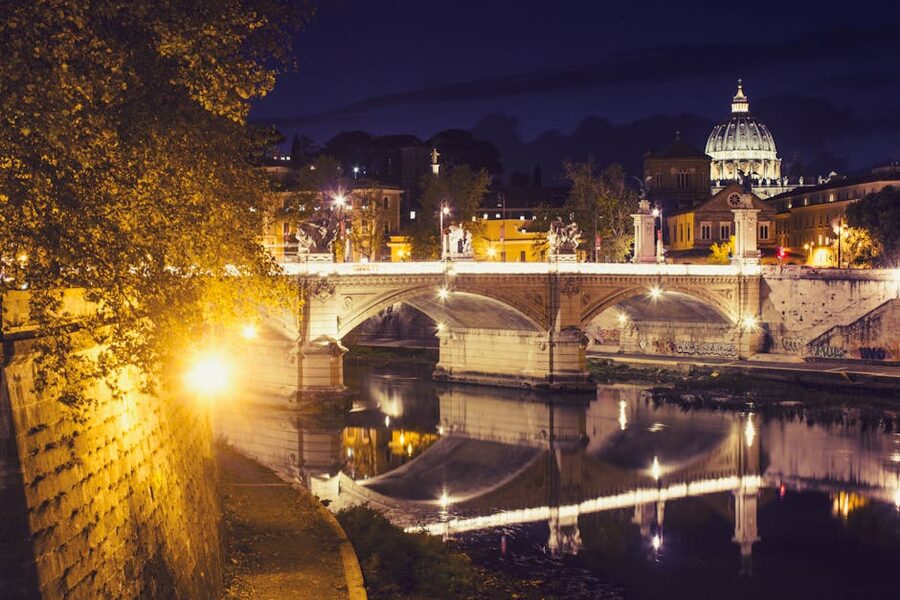
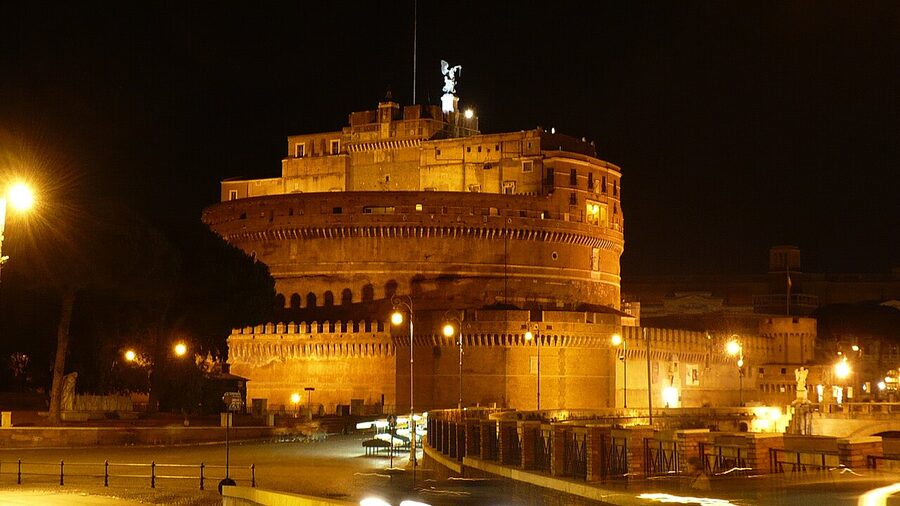
- Why the Night Tour Is the Better Tour
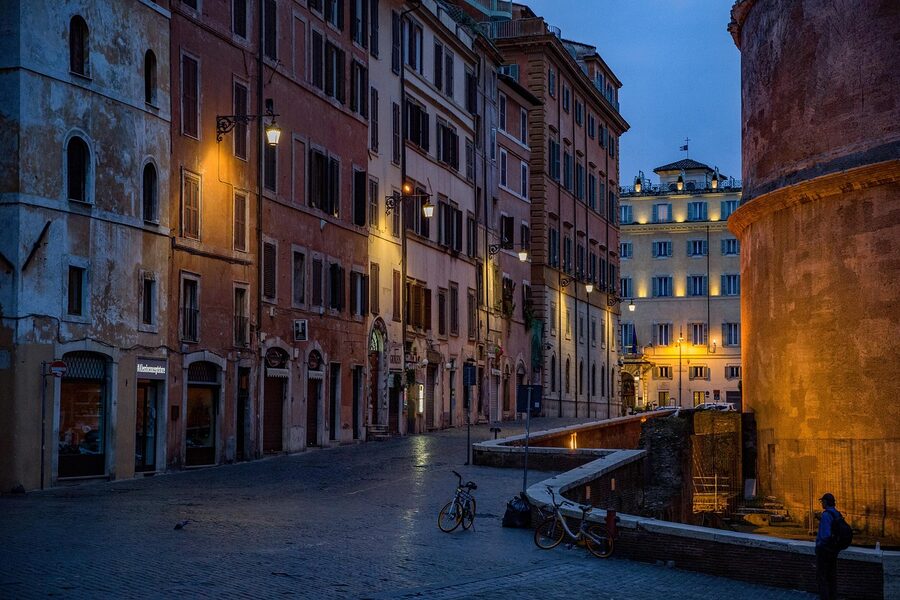
- The Riding Experience for the Nervous
- The Hills Question
- What the Reviews Don’t Mention
- What to Wear
- Combining With the Rest of the Trip
- Day vs Night, Final Verdict
- What This Beats and What Beats It
- Booking Strategy
- Final Honest Take
Why a Bike, Not a Segway
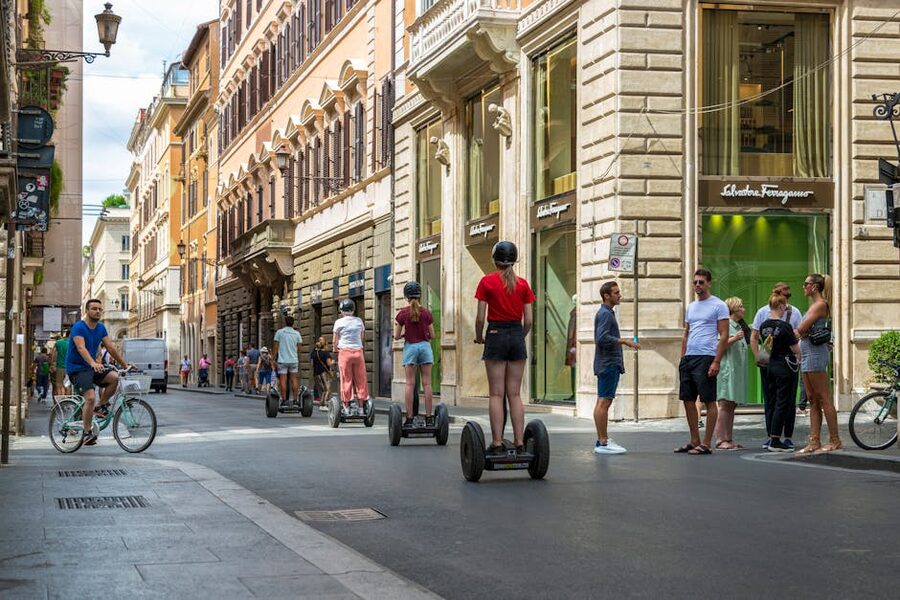
If you’ve read the Rome Segway article, you know the case for those: covers ground fast, easy on the legs, ridiculous-looking but effective. The bike does the same job with three differences worth weighing.
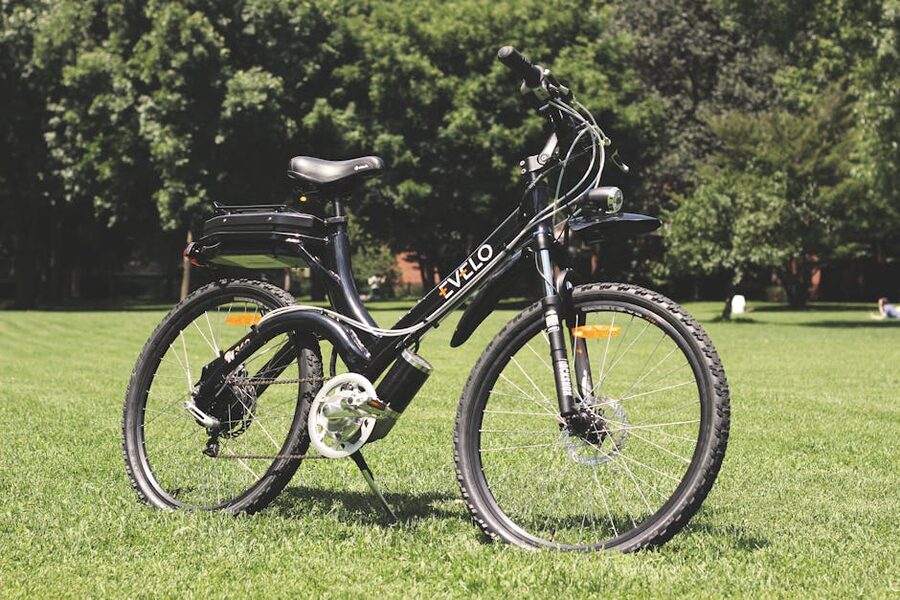
One: bikes don’t make you look like a tourist in the same way Segways do. Romans cycle. Tourists on bikes blend in. Tourists on Segways are a recognisable subspecies you can identify from 200 metres.
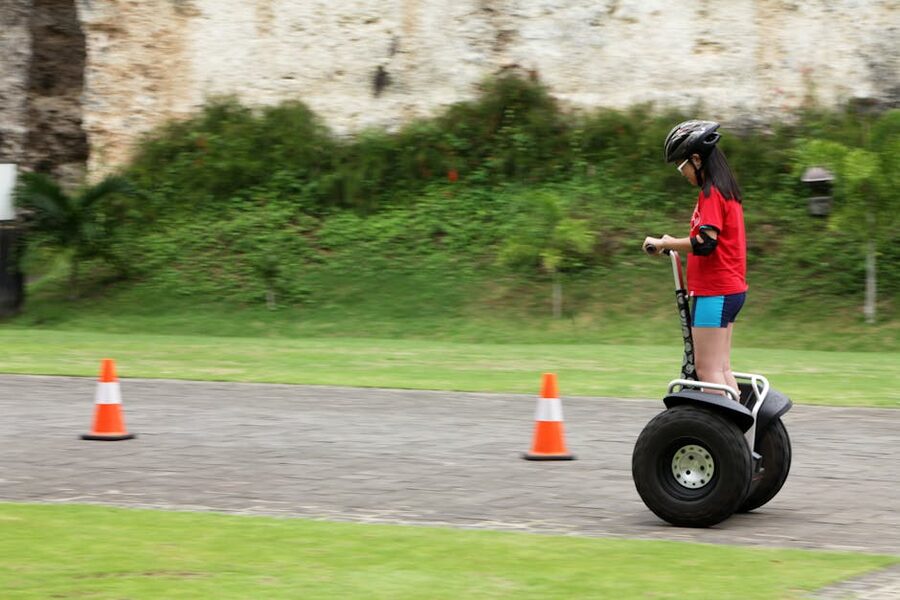
Two: bikes go faster. The Segway tops out at 12.5km/h. The Cannondales will easily do 25km/h on flat sections. Same 4-hour window covers more ground on the bike.
Three: bikes are easier on tight cobbled streets. Segways need a roughly 1m turning circle and they’re awkward to dismount in narrow lanes. Bikes you can lift over a kerb, walk through a too-narrow gap, and remount on the other side without thinking.
The trade-off: bikes require slightly more physical effort. The motor handles the hills but you’re still pedalling. If you genuinely can’t ride a regular bike comfortably, the Segway is the better choice. Otherwise the bike wins.
Booking the Three That Matter
The Cannondale operator runs the dominant tour — same outfit, two listings, plus a separate night version. The other Rome bike-tour operators exist but the Cannondale crew has the bikes, the route polish, and the guide quality.
Rome: Top Highlights & Hidden Gems Tour by Cannondale E-Bike — $85
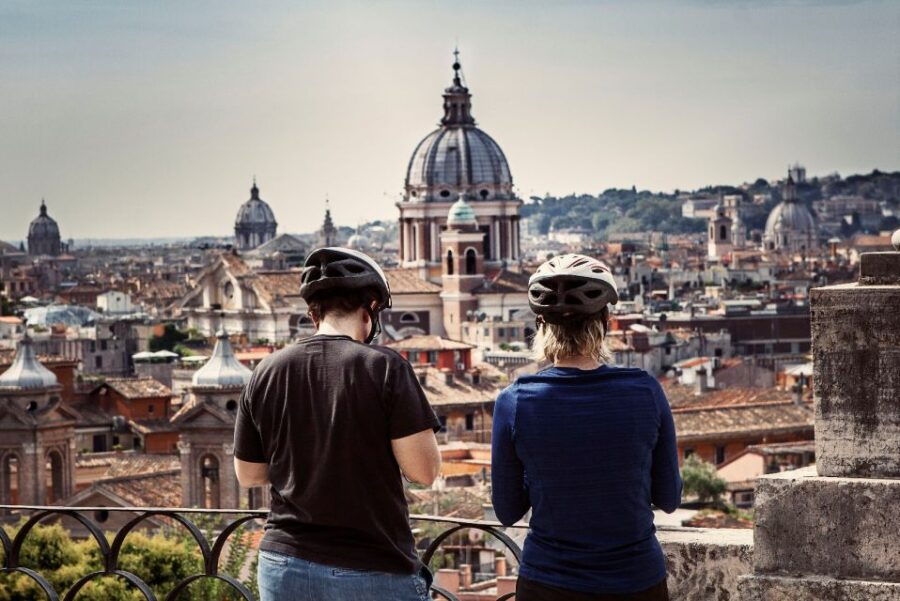
The category leader. Four hours, 12-15 stops, Cannondale e-bikes that haven’t been beaten to death by a thousand other tourists. The actual route and which “hidden” lanes live up to the name is in the full write-up. The side-street framing is mostly marketing — you’ll see all the famous monuments — but the guide does take you down quieter lanes. Default booking unless you have a specific reason to pick another.
Rome City Small Group Bike Tour with Cannondale E-Bike — $102.79
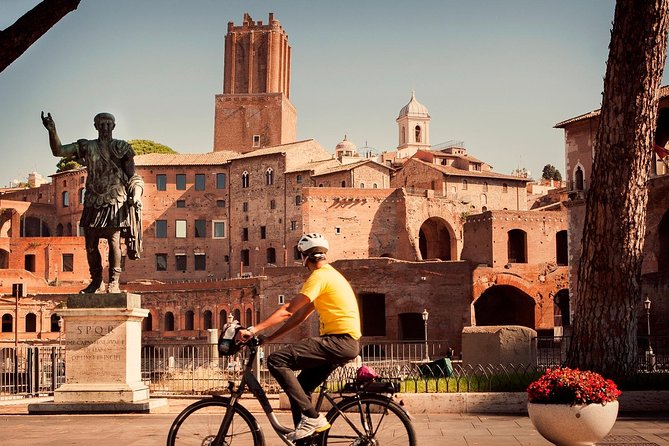
The same outfit, listed on Viator instead of GetYourGuide, $17 more. The operational difference is zero, which is the relevant fact. Pick this only if Viator is your default platform — otherwise the $17 saved on GetYourGuide buys a respectable lunch. If you want more countryside than city, the Appian Way e-bike tour is the sister booking from the same operator.
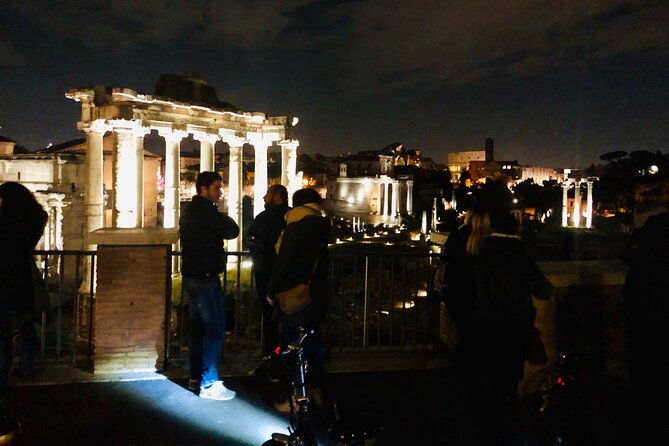
Rome by Night E-Bike Tour with Food & Wine Tasting — $71.35
The one I’d actually book. Three hours, includes a pizza-and-wine stop midway, and you’re riding through Rome at night when the monuments are lit and the cars are gone. Exactly which pizza place they take you to — a real Roman spot, not a tourist trap — is in the write-up. At $71 with food included, this is also the best value of the three.
The Cannondale Detail That Actually Matters
Tour operators who name their bikes are usually doing it for marketing. Cannondale isn’t a marketing flex here — it’s the reason the Rome bike tour works while a lot of competitors don’t.
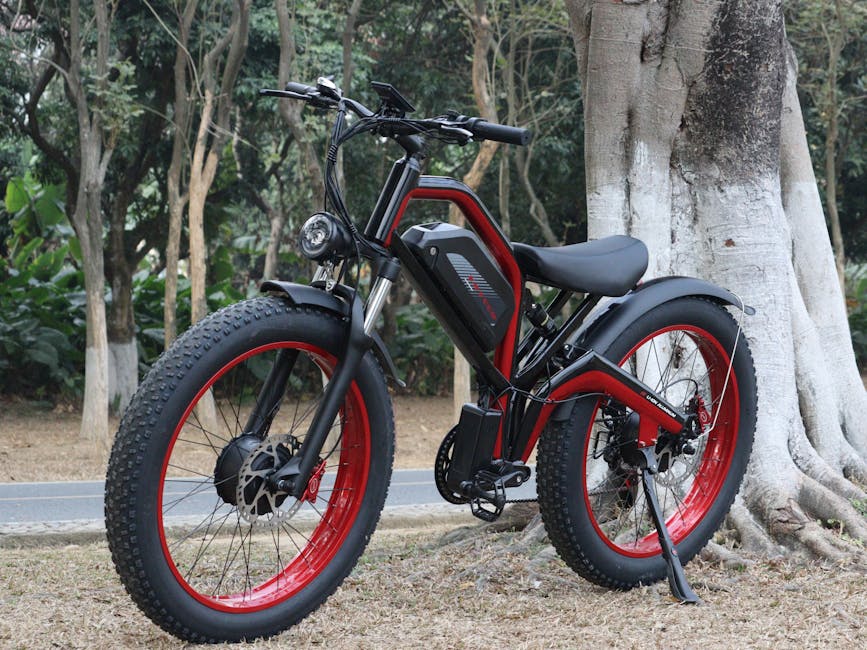
Most Rome bike rentals — the racks of cheap bikes you see by the river — are old, beaten, and have brakes that haven’t been serviced in two years. The Cannondale e-bikes the tour operator runs are bought new, replaced annually, and serviced before every tour. You’ll feel the difference within the first 100 metres. Smooth shifting, brakes that actually stop you, motor assist that engages predictably.
This matters because Rome cycling has zero margin for equipment failure. A bike that wobbles unpredictably on cobblestones is dangerous. A brake that grabs when you panic-squeeze in front of a Vespa is dangerous. Spend the extra $20-30 over the budget operators and get the proper kit.
What the Day Tour Actually Covers
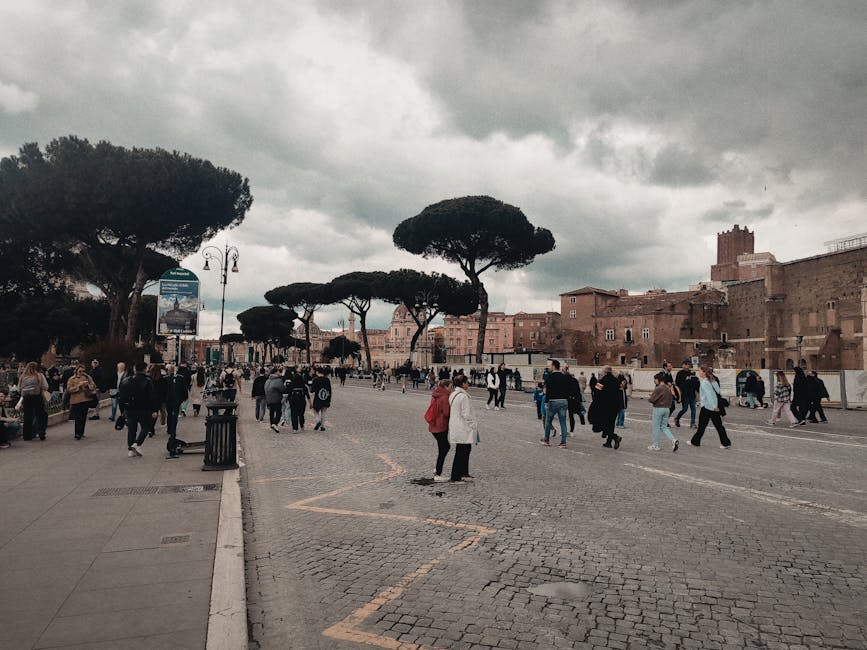
The standard 4-hour daytime route is a 16-20km loop hitting most of central Rome’s photographic checkpoints. Pickup is usually around Piazza del Popolo or Piazza Venezia.
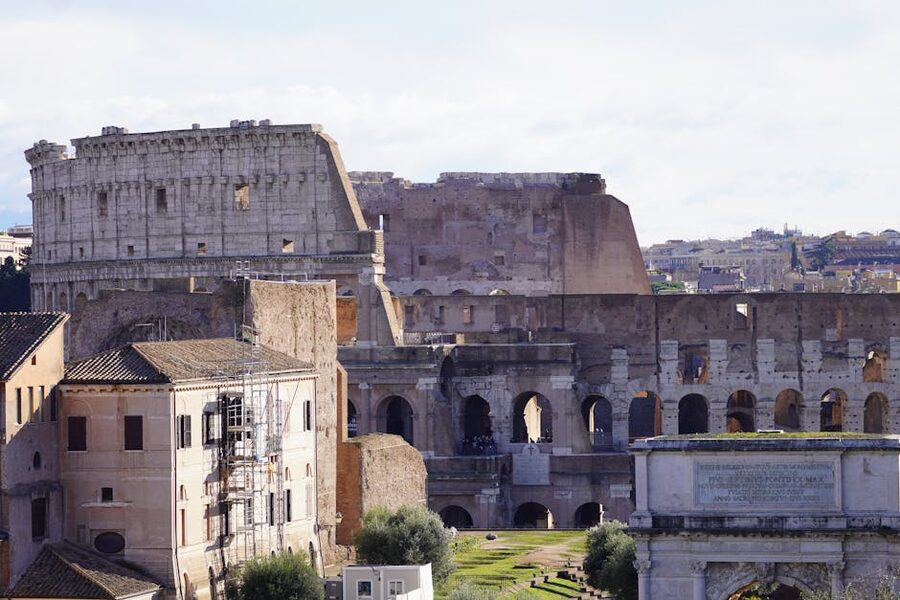
From Piazza del Popolo the route typically heads east through Villa Borghese, down past the Spanish Steps, along Via del Corso to Piazza Venezia and the Vittoriano monument. You loop south to the Colosseum and Roman Forum (photo stop, no entry), back north via the Pantheon, through Piazza Navona, across the Tiber to Trastevere, and finish near where you started.
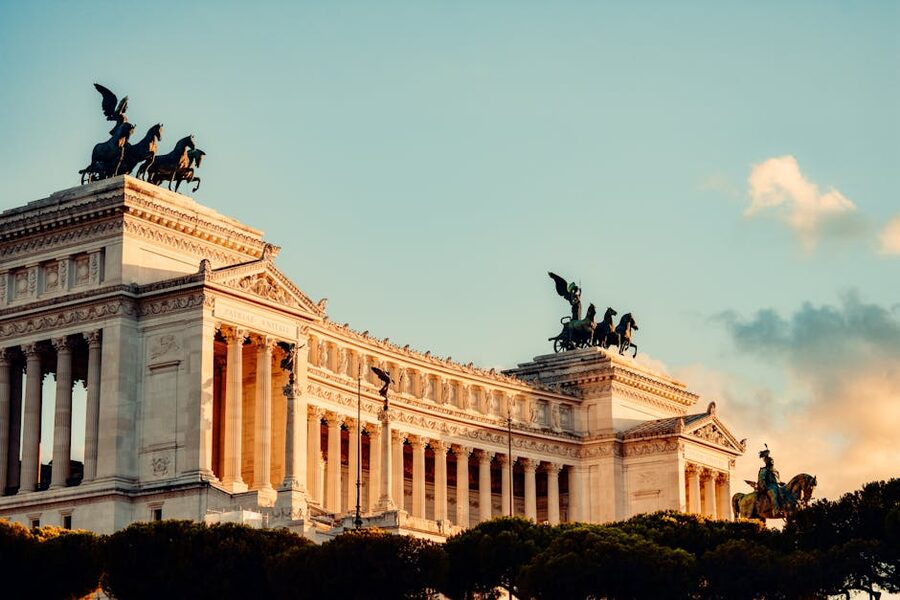
The “off-the-main-drag” portion of the day tour is the Trastevere section and a couple of small piazzas in Centro Storico that don’t make the standard walking-tour route. You’re not seeing anything secret — Rome doesn’t really have secrets — but you’re seeing things you’d otherwise walk past on your way between bigger monuments.
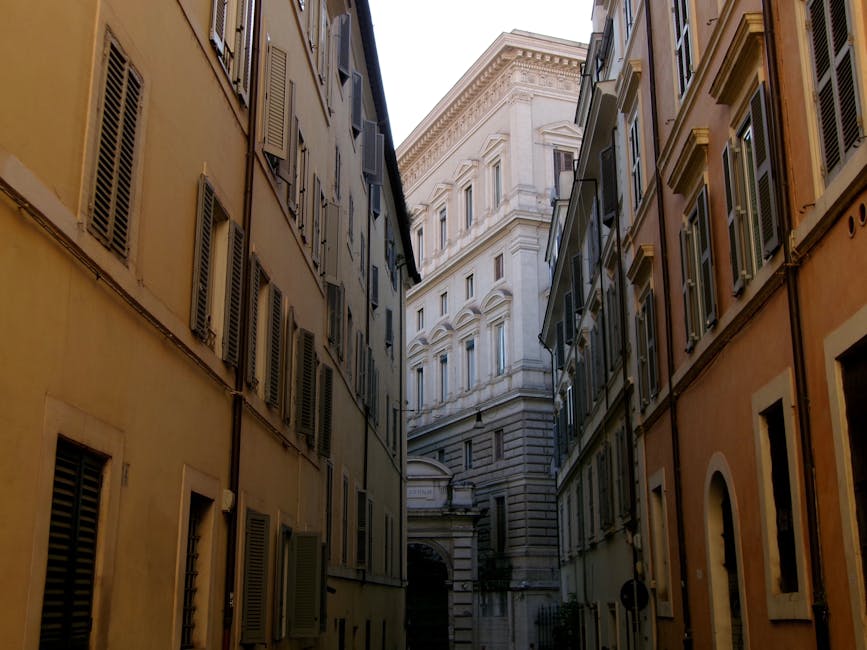
Total monuments touched in 4 hours: usually 12-15. Compare to a walking tour, which manages 5-7 in the same window because you spend half the time walking between them.
Why the Night Tour Is the Better Tour
Same argument as the Segway article. Night bike tours win against day bike tours for the same three reasons that night Segway tours win against day Segway tours: the lighting, the heat, the traffic.
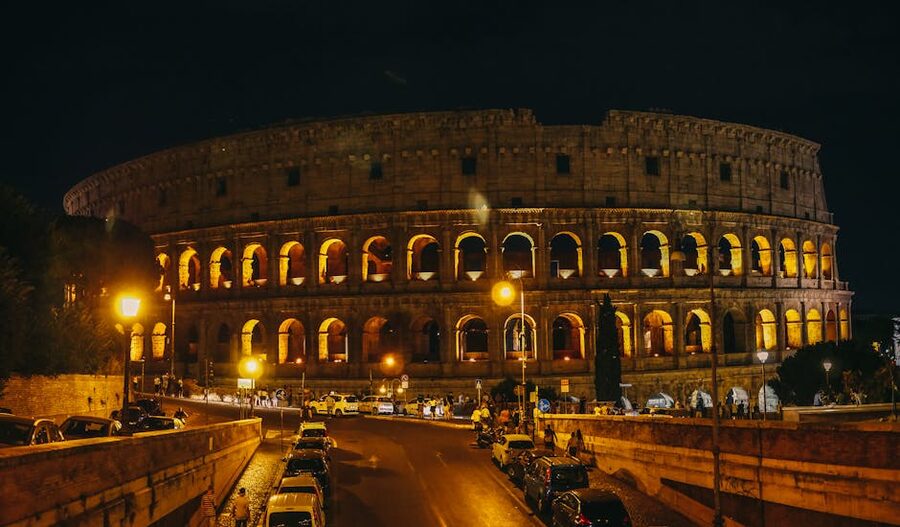
The night version of this specific tour adds something the Segway version doesn’t: a real food stop. You ride for about 90 minutes, then pull up at a Roman pizza place where the operators have an arrangement. You sit, eat actual pizza al taglio (or sometimes a pizza tonda), drink a glass of wine or two, and then ride back through the second half of the route with a full stomach and a slight buzz.
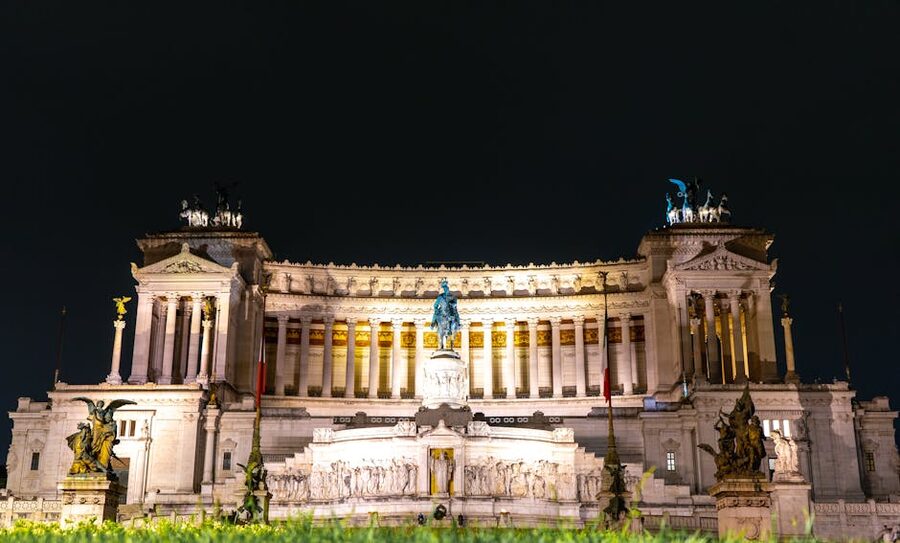
The pizza stop alone justifies the night version over the day version. You’re getting fed, you’re getting wine, you’re getting one of the best cycling experiences of your life through a city that during the day is too chaotic to cycle in. At $71, this is the highest-value Rome activity I can think of in the under-$100 bracket.
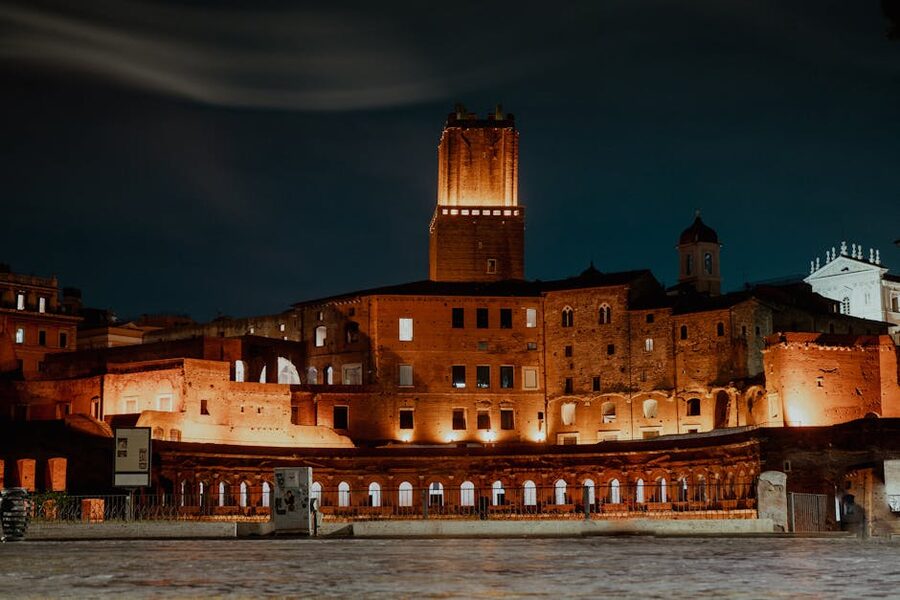
One caveat on the night tour: it’s marketed as 3 hours but realistically runs 3.5-4 hours including the pizza stop. Don’t book a 22:30 dinner reservation expecting to make it.
The Riding Experience for the Nervous
The Cannondale e-bikes are easier to ride than they look. Even if you haven’t been on a bike in years, the motor compensates for unsteady starts and you’re upright (not hunched) which keeps your weight balanced.
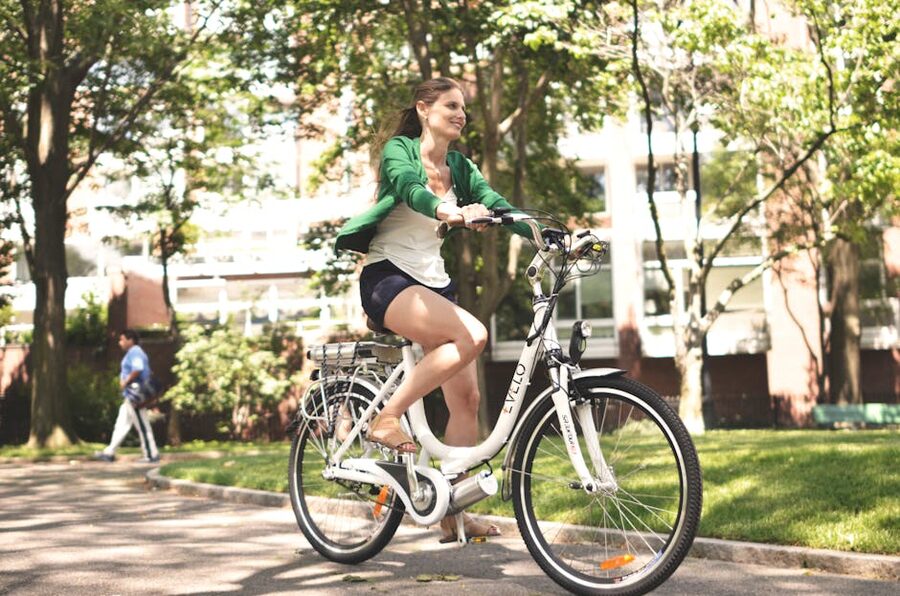
Pre-tour briefing covers: how to start (just push the pedal), how to switch power modes (button on the handlebar — eco, normal, sport, turbo), how to brake (gently — the disc brakes are stronger than you expect), and the hand signals you’ll use to communicate in traffic.
The genuine challenges are not what you’d guess. Falling off a moving bike happens to almost nobody. Getting confused at intersections happens to almost everybody. The guide will explicitly say “if you don’t know what to do, follow the rider in front of you” — this is the single most important instruction. Don’t try to read traffic Italian-style. Just stay in the line.
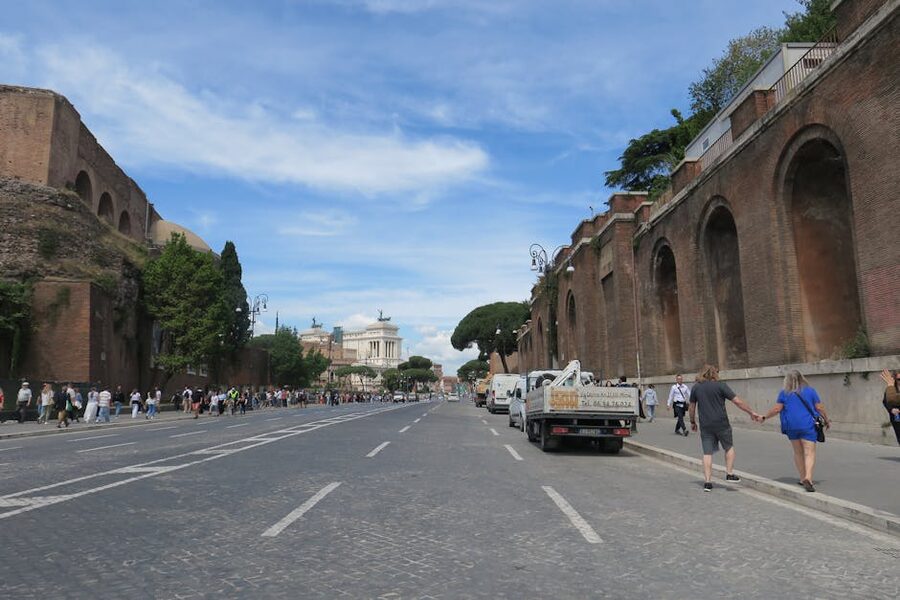
The Vespas are the genuine concern. Rome motorcyclists weave through everything, including bike lanes. The guides know this and ride defensively, but as a passenger in this system, the rule is: hold your line, don’t swerve unpredictably, and let the locals avoid you. This works almost always.
The Hills Question
Rome was famously built on seven hills. The historic centre touches several of them. The Aventine, the Palatine, the Capitoline, the Caelian — all are real climbs that would take a regular bike effort.
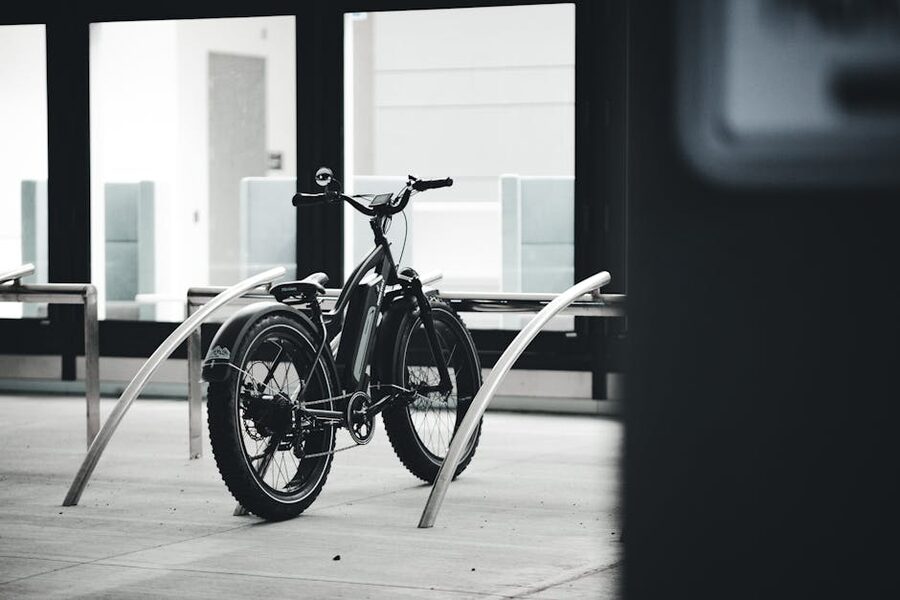
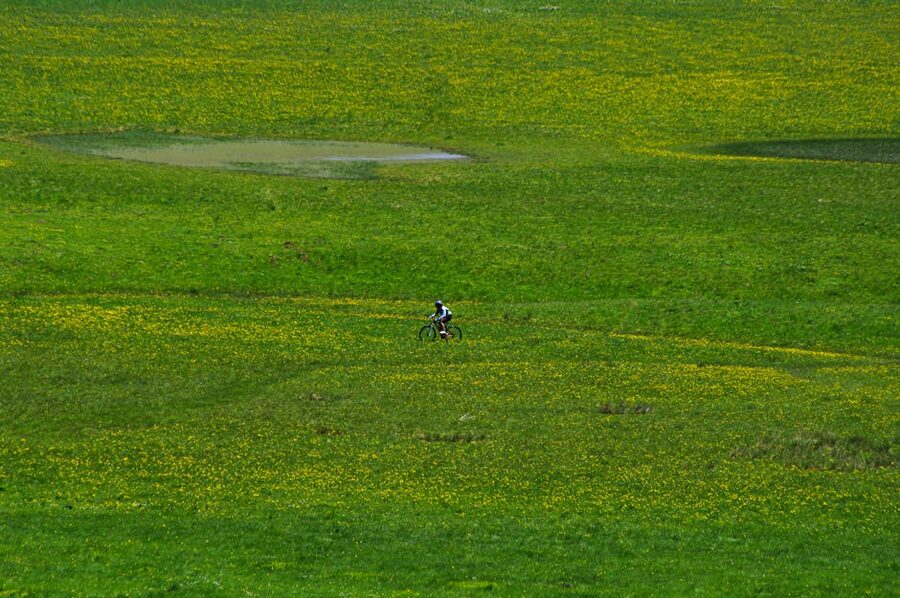
On an e-bike, none of this matters. The motor handles the gradient. You’ll feel the climb in your legs as a gentle workout, not as suffering. People who haven’t pedalled a hill in 20 years can do this without breaking a sweat.
The single biggest climb on most routes is the approach to the Pincio Hill viewpoint inside Villa Borghese — and even that’s a 200m elevation gain that the motor makes trivial. You arrive at the top breathing normally and ready for the photo.
For comparison: walking up the same hill in 30°C July heat is a 20-minute slog that ruins the rest of the afternoon. The bike removes that variable entirely.
What the Reviews Don’t Mention
A few practical realities the operator descriptions don’t flag.
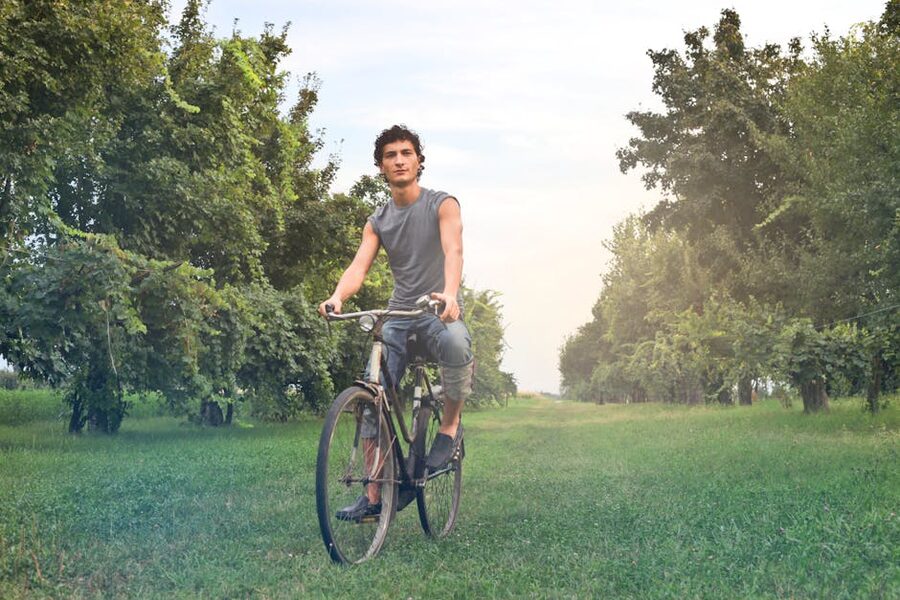
Group sizes are 6-12 people. Listed as “small group” which technically it is, but in practice you’ll be in a line of ten people behind a guide. If group dynamics matter, ask about the private upgrade ($150-200ish for two people).
The bikes are unisex. All sizes 5’2″ to 6’5″ fit comfortably. Operators rarely have specific frames smaller than that — if you’re under 5’2″ or over 6’5″, call ahead to confirm.
Helmets are mandatory and provided. They look as goofy as they sound. Embrace it. Helmet hair will be the second worst thing about your day.
Photo stops are 5-10 minutes each. Not enough for a serious DSLR setup. Phone cameras work fine. If you’re a professional photographer, this isn’t your tour.
Lunch isn’t included on day tours. Build a real meal in around the timing — eat properly before, snack during, eat properly after. Or book the night tour where pizza is included.
Bring water. The bikes have bottle holders. Operators sometimes provide water bottles for the day tour; the night tour usually doesn’t because of the pizza stop.
What to Wear
Closed shoes that you can pedal in. Trainers, sneakers, casual boots all fine. Avoid: flip flops, formal shoes, anything with a slick sole.
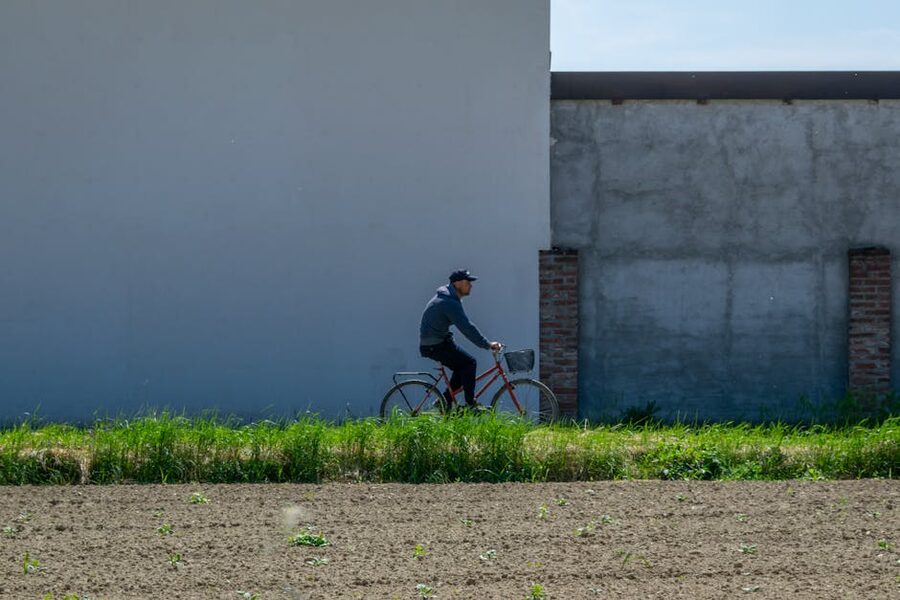
Long pants or shorts both fine. The bikes have low step-through frames so even skirts work, though you’ll feel more comfortable in pants. Sweat-friendly fabric for July-August tours; layers for winter (which gets unexpectedly cold on a bike at 20km/h).
A small backpack with water, sunscreen, your phone, a light layer, and any photographic gear you’re committed to. Avoid bringing anything you don’t need — the more weight on your back, the more uncomfortable the ride at hour 3.
Sunglasses essential. Rome sun is strong even in cool seasons and you’ll have wind in your face at riding speed.
Combining With the Rest of the Trip
Both the day and night versions are 3-4 hour activities that take real energy. Don’t pair this with anything else physical the same day. The 09:00 day tour finishes at 13:00 — perfect for a long late lunch and afternoon nap. The 19:30 night tour finishes around 23:00 — perfect for going straight to sleep.
The combinations that actually work: morning Borghese Gallery 09:00 slot followed by afternoon recovery and the night bike tour ends up being the perfect culture-rest-activity arc; if you’re Catacombs-curious, the standalone Catacombs and Crypts tour in the morning followed by the day bike tour at 14:00 doubles your monument count without overlap; for travellers staying near Trastevere, the Trastevere food tour the night before this bike tour means you’ve already eaten the city, then you ride past it the next day with context. And if your trip needs a night that doesn’t involve standing in another church, the bike tour into a late aperitivo at a Mitte wine bar gives you the local-feeling Rome evening that most visitors only stumble into by accident.
Day vs Night, Final Verdict
Both versions are good. The night version is better. The pizza stop alone is worth the difference, and the riding experience through empty Rome streets at night is meaningfully different from the daytime version through traffic.
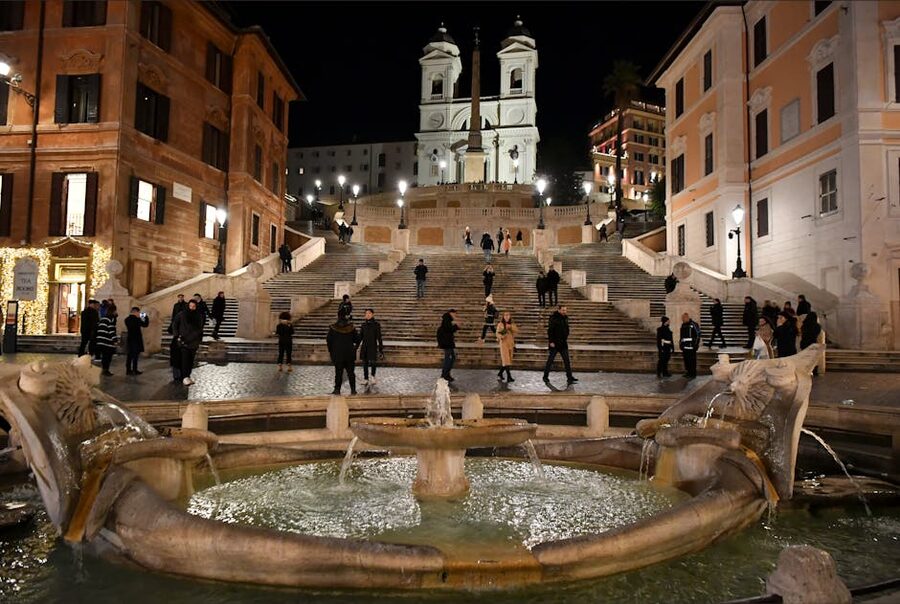
Pick the night tour if: you can stay up until 23:00 (Italians can; some travellers can’t), you want the food included, you’ve already done a daytime walking tour and want to see the city differently, or you’re in Rome in summer when the daytime heat is genuinely punishing.
Pick the day tour if: you’re an early riser who’s done with structured activity by 13:00, you have a hard early-evening commitment, you want longer photo stops at each monument (the day tour has slightly more time at each), or you’re in Rome in actual winter when the night tour ends in real cold.
What This Beats and What Beats It
The bike tour is the highest-value way to cover Rome’s geography in 3-4 hours. It beats walking tours on coverage, beats Segway tours on speed and dignity, beats car tours on the texture of the experience.
What beats it: the standalone Colosseum and Roman Forum tour for actual deep history of one site. The Borghese Gallery for art that needs to be experienced in a room rather than from a bike. A long lazy lunch at a proper Roman trattoria for the kind of food memory the tour pizza stop only hints at.
What it complements: literally everything else in Rome. A bike tour day 1 followed by deep-dive walking and museum visits day 2-onwards is the highest-leverage Rome itinerary structure I can recommend.
Booking Strategy
Book 1-2 weeks ahead for weekend night tours in high season (April-October). Day tours have more availability. The night tour with food is the one that sells out fastest because of the food slot constraints — book that one earliest if it’s your pick.
Cancellation policies: typically 24 hours for full refund. Weather cancellations are real — heavy rain cancels both day and night tours. Get a refund or rebook; don’t try to ride wet cobblestones.
Group sizes: 6-12 standard, private upgrade available. Solo travellers fit in fine — these are friendly group activities, not couple-focused experiences.
Final Honest Take
Cycling Rome with a guide on a proper e-bike is one of those activities that sounds bad in concept and works brilliantly in practice. The Cannondale operator is the right operator, the night version is the right version, and the pizza stop turns the whole thing from “tour” into “meal with a story attached.”
If you’re nervous about cycling Rome, do the tour anyway. The guide handles the traffic, the bike handles the cobblestones, and the worst that happens is you wobble for the first 200 metres and then it clicks. If you’re an experienced cyclist who’d rather rent a bike and ride solo, fine — but the local navigation is genuinely difficult without a guide, and the catacomb-and-monument context you get from the guided version is the actual product, not the cycling itself. Book the $71 night tour with food, eat the pizza, and stop overthinking.