
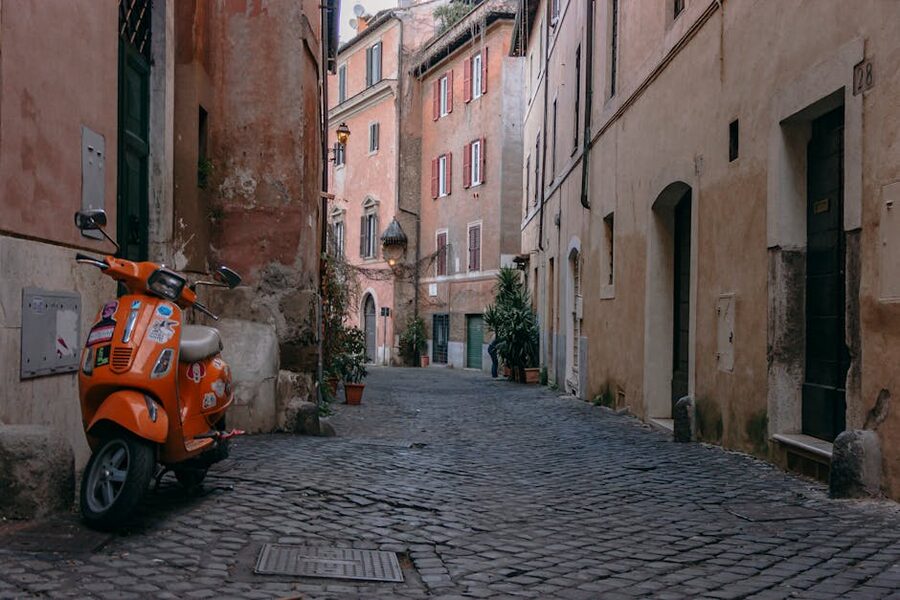
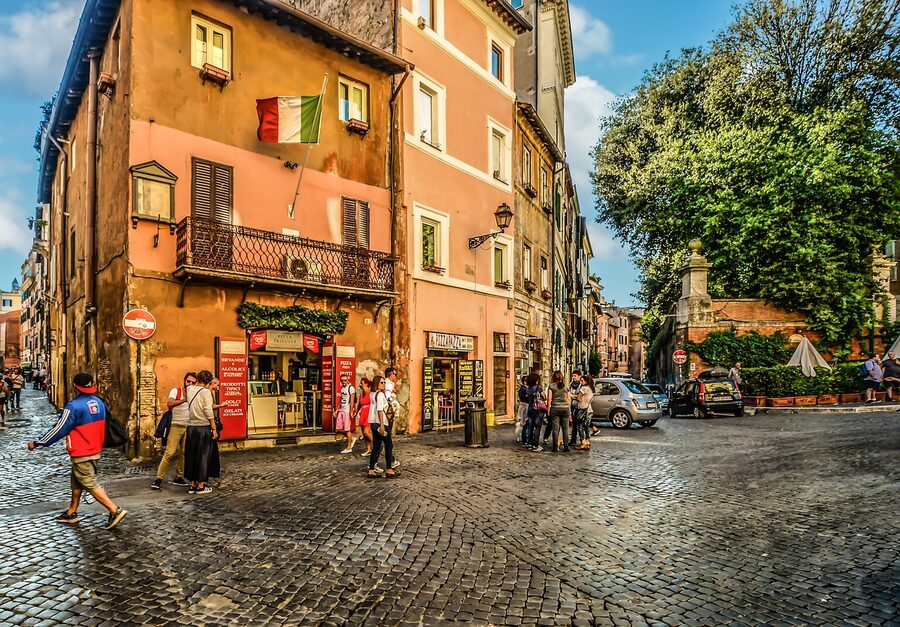
Trastevere is where Romans actually eat. Narrow cobblestone streets on the Tiber’s western bank, family-run trattorias, pizza al taglio shops that have been open longer than most countries.
A guided food tour is how you avoid the tourist traps hiding among the real places.
Quick Picks
- Best overall — Twilight Trastevere Food Tour with Eating Europe ($125). Four hours, the most-booked tour in the category.
- Budget option: Rome Street Food Tour with Local Guide ($53) — 2.5 hours, covers different neighbourhoods but focuses on street food specifically.
- Wine-focused: Roman Food Tour with Free-Flowing Fine Wine ($102) — 4 hours, more emphasis on pairings and substantial wine pours.
- Quick Picks
- Why a Food Tour Actually Makes Sense in Trastevere
- Booking the Three Main Tour Options
- Rome Trastevere Food Tour at Twilight with Eating Europe — 5.77
- Rome: Street Food Tour with Local Guide —
- The Roman Food Tour in Trastevere with Free-Flowing Fine Wine — 2.79
- What You’ll Actually Eat
- The Trastevere Neighbourhood
- The Twilight Timing and Why It Matters
- What a Typical Tour Stop Looks Like
- Neighbourhood Comparisons Within Rome
- The Gelato Question
- The Tiramisu Side of Dessert
- Wine and Aperitivo Culture
- What to Wear and Bring
- The Guide Makes or Breaks the Tour
- Best Days and Times to Book
- Combining with Other Rome Activities
- Pricing vs Value
- Leftovers and Takeaways
- Common Food Tour Mistakes
- After the Tour — Where to Go Next
- Final Take
Why a Food Tour Actually Makes Sense in Trastevere
Trastevere has about 300 restaurants crammed into fewer than 20 square blocks. Walking in cold, without a local’s recommendations, means you’ll end up at whichever place has the most menus-on-stands trying to flag you down in broken English. Those are the tourist traps. The good places don’t hawk.
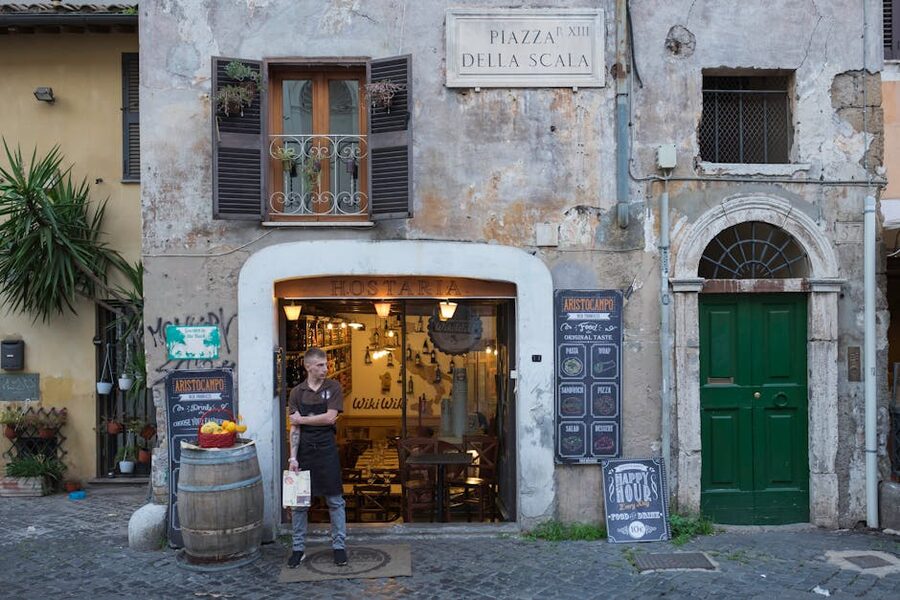
A guided food tour solves this in four hours. You visit 4-6 places across one evening, eat real Roman food at each, learn what dishes the neighbourhood is known for, and come away with enough context to eat well in Rome for the rest of your trip. The tour pays for itself in what you don’t spend at tourist traps for the rest of your visit.
The other advantage: the tours are small-group (6-12 people typically) and you eat and drink enough to actually constitute dinner. These aren’t tasting tours where you walk away hungry. You’ll be full by the end.
Booking the Three Main Tour Options
There are dozens of food tour operators in Rome, but three formats dominate the Trastevere market. Pick based on your budget and whether you care more about food quantity, wine quality, or street food specifically.
Rome Trastevere Food Tour at Twilight with Eating Europe — $125.77
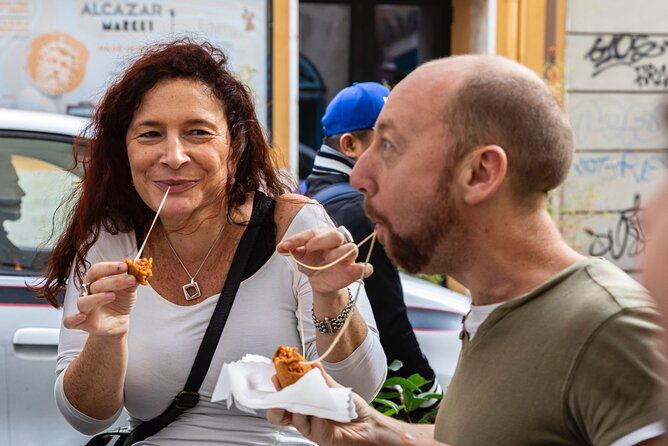
The flagship tour in this category. Four hours through Trastevere at sunset, six stops, everything from Prosecco and handmade pasta to the iconic Supplì and gelato at the end. Eating Europe is a well-known tour brand and the Trastevere route is their most refined offering — if you want a dish-by-dish breakdown of what lands on the table at each stop, that’s the link. Go with this if you want the polished, curated, full-evening version. If the sunset timing is the appeal, Florence runs a similar format in the Oltrarno that pairs nicely on a wider Italy trip.
Rome: Street Food Tour with Local Guide — $53
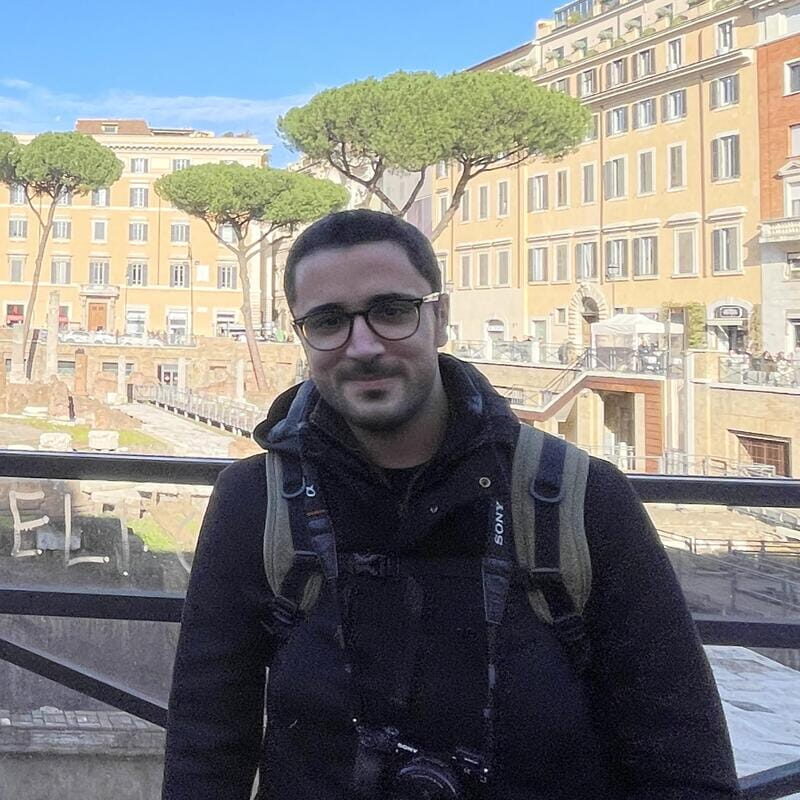
The budget pick. 2.5 hours, focused on street food formats rather than sit-down dining. Covers pizza al taglio, supplì, panini, and the quick-eat Roman lunch tradition — the reason street food rightfully gets its own tour category here is worth reading before you lump the two together. Good if you want more food per dollar and don’t mind walking while you eat.

The Roman Food Tour in Trastevere with Free-Flowing Fine Wine — $102.79
The wine-focused version. Substantial pours throughout the evening, deeper emphasis on Italian pairings, four hours. Trapizzino, traditional pizzas, pastas, and enough wine that you’ll be comfortably buzzed rather than just sipping samples. If which specific wines make the cut is what you care about, the write-up goes deeper. Pick this if wine is as important to you as food on your Rome trip.
What You’ll Actually Eat
Rome food isn’t Italian food in general. It’s specifically Roman food — heavier use of offal, reliance on cheap-cut pork (guanciale, not pancetta for carbonara), and a distinct quartet of pasta dishes that don’t appear with the same prominence anywhere else in Italy.
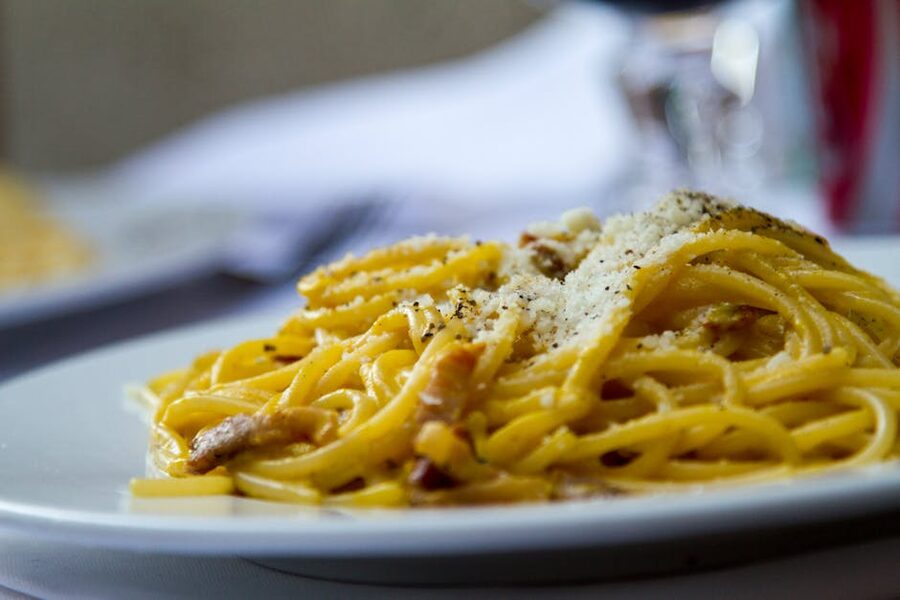
Carbonara is the Roman dish non-Italians know best and most often misunderstand. Real version: guanciale (cured pork cheek), Pecorino Romano cheese, egg yolks, black pepper. No cream, no peas, no garlic, no onions. Any of those ingredients appearing means you’re eating tourist carbonara, not the real thing. A good food tour will take you specifically to places that do this correctly.
Cacio e pepe is the sibling dish — just Pecorino Romano and black pepper emulsified into a sauce with pasta water. Sounds simple; is fiendishly hard to do right. The cheese and the pepper fight each other if the temperature is wrong. This is the dish that separates a good Roman cook from a great one.
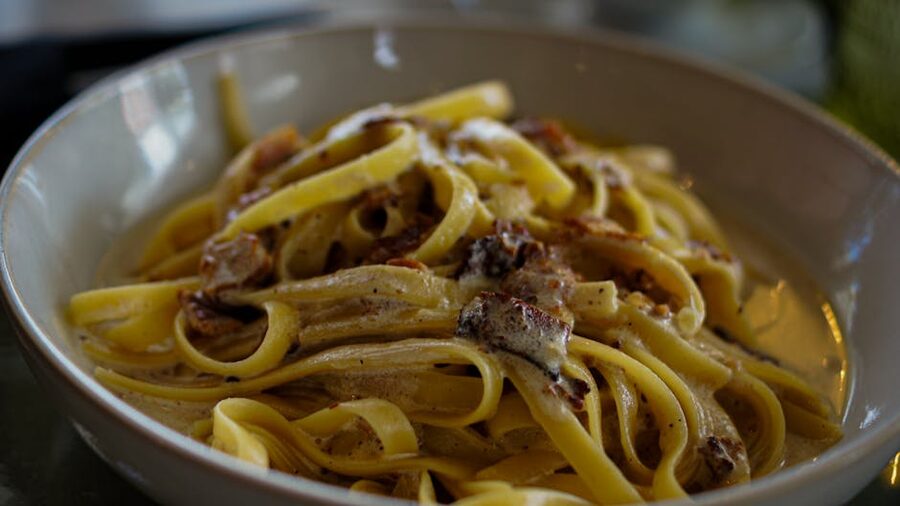
Amatriciana is guanciale, pecorino, tomato, chilli — Rome’s spicy red-sauce pasta. Traditionally made with bucatini (a thick hollow spaghetti), though you’ll see it with rigatoni often enough. The spice level varies; ask for “piccante” if you want it hot.
Gricia is the white-sauce sibling of amatriciana — guanciale, pecorino, no tomato. Rarely on tourist menus, always on authentic Roman trattoria menus. If your food tour features gricia, the operator is taking you to proper places.
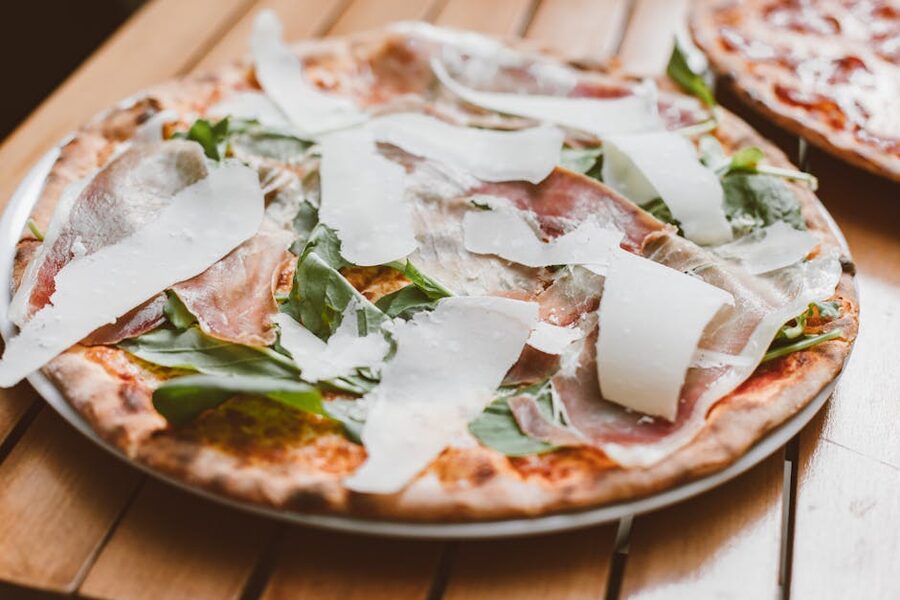
Pizza al taglio (by the cut) is Rome’s specific pizza format — rectangular sheets sold by weight, much thinner and crispier than Neapolitan pizza. Every neighbourhood has at least one good pizza al taglio shop; the food tours always include one as the “filling” portion of the evening.
Supplì are Rome’s fried-rice-balls, usually filled with mozzarella and ragu. Think of them as Roman street food meets arancini (though Roman food chauvinists insist supplì and arancini are different things, and strictly speaking they are — supplì are oval, arancini are round, and there are subtle recipe differences). Eating tour regulars usually encounter a supplì shop.
The Trastevere Neighbourhood
Trastevere (“across the Tiber”) is the medieval working-class neighbourhood on the west bank of the river. For centuries it was looked down on by the rest of Rome as the district of laborers, foreigners, and Jews — which is exactly why it kept its distinct character as the tourist-polished historic centre changed.
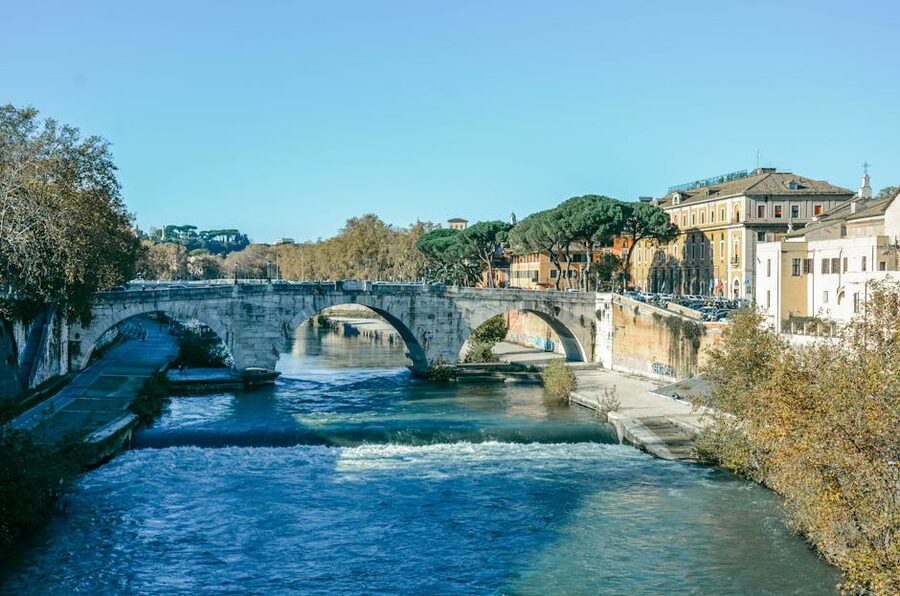
The neighbourhood runs from the Ponte Sisto in the east to the Vatican walls in the north, with the Tiber on one side and Monte Gianicolo rising on the other. The central axis is Viale Trastevere; the medieval core sits west of it, around Piazza Santa Maria in Trastevere.
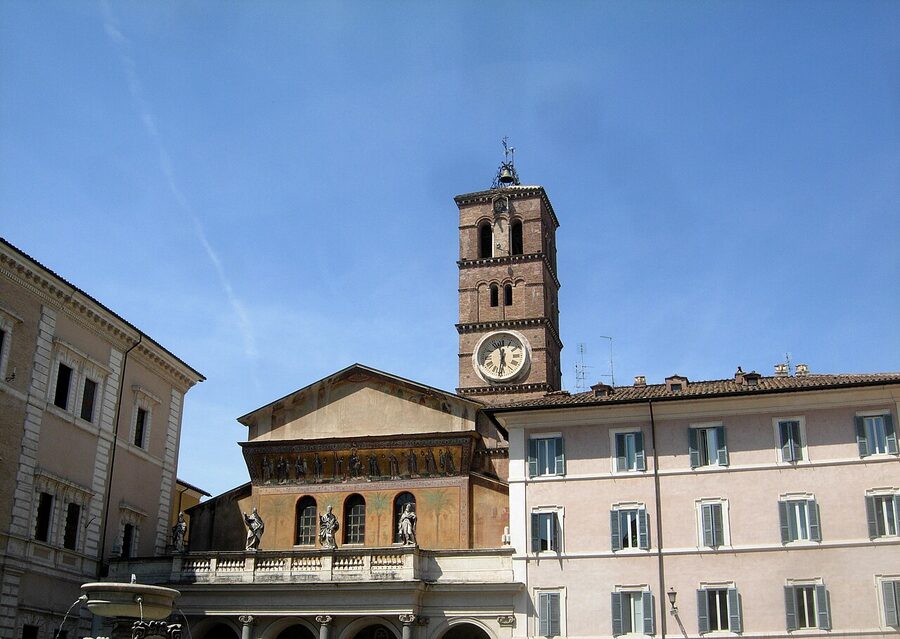
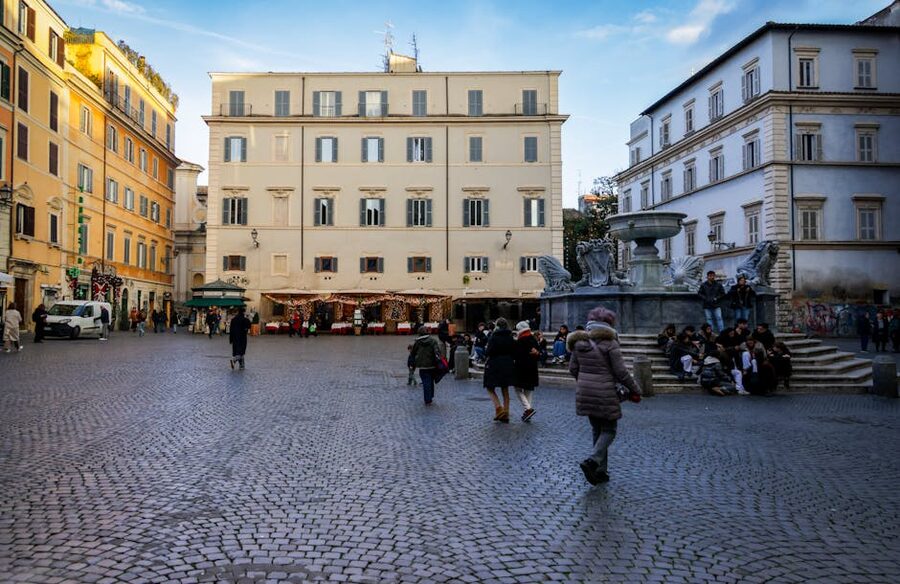
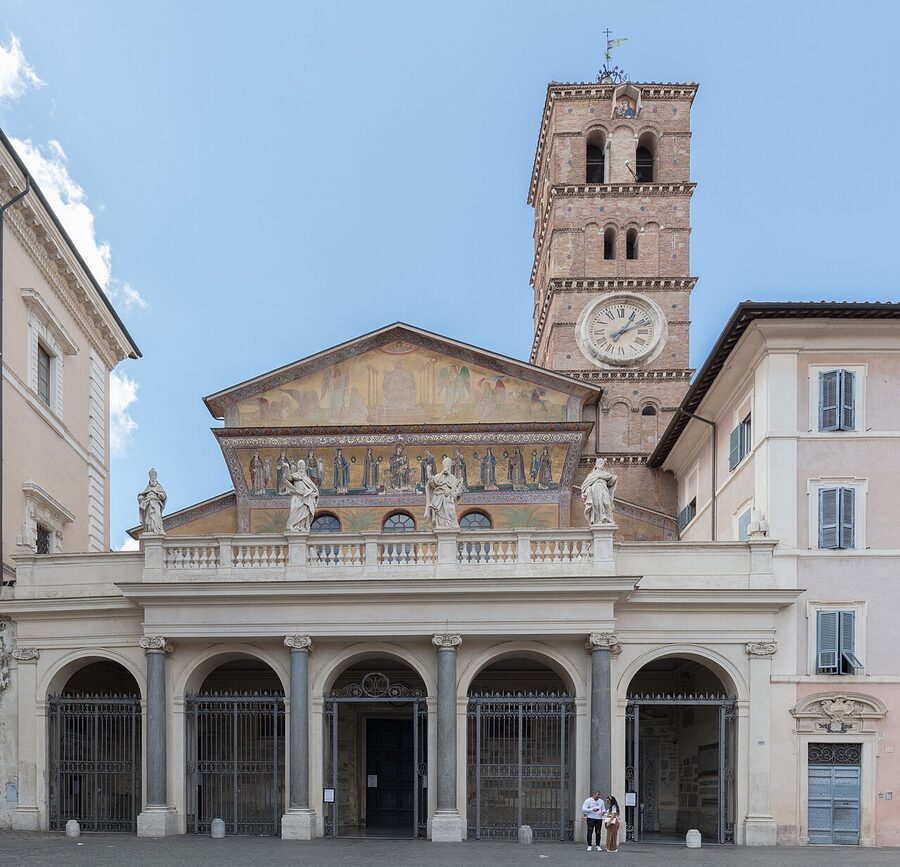
Piazza Santa Maria in Trastevere is the neighbourhood’s heart — the 4th-century basilica on its eastern side, restaurants ringing the square, and a fountain in the centre where locals and tourists mingle in the evenings. Most food tours pass through this square at some point and will pause for context.
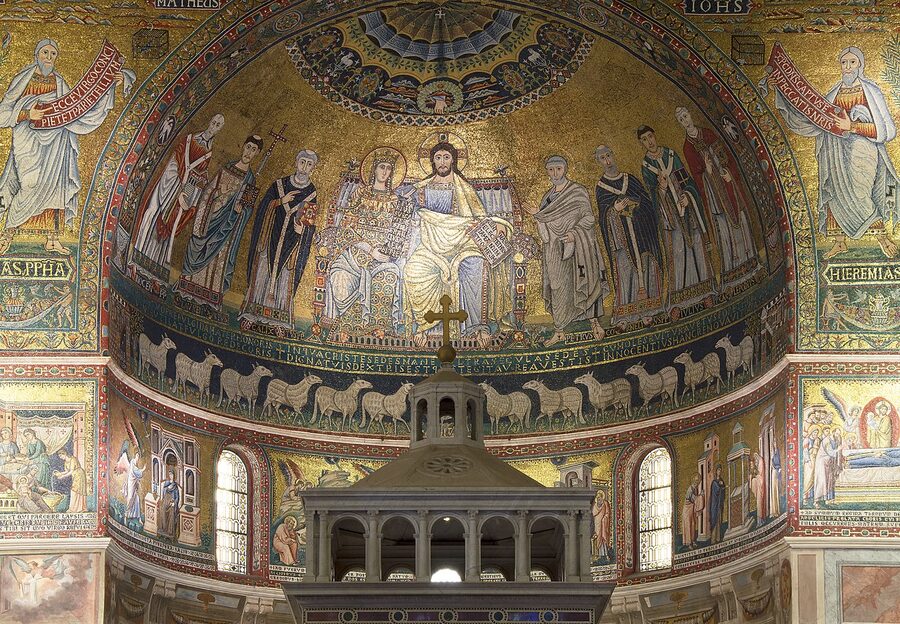
The less touristy streets run north of the main piazza — Vicolo del Cinque, Via della Scala, and the smaller vicoli off them. This is where the best trattorias sit and where your food tour will likely spend most of its time.
The Twilight Timing and Why It Matters
Most Trastevere food tours start between 17:00 and 18:30. This isn’t arbitrary scheduling — it matches when Italians actually eat dinner and when the neighbourhood has its best light and atmosphere.
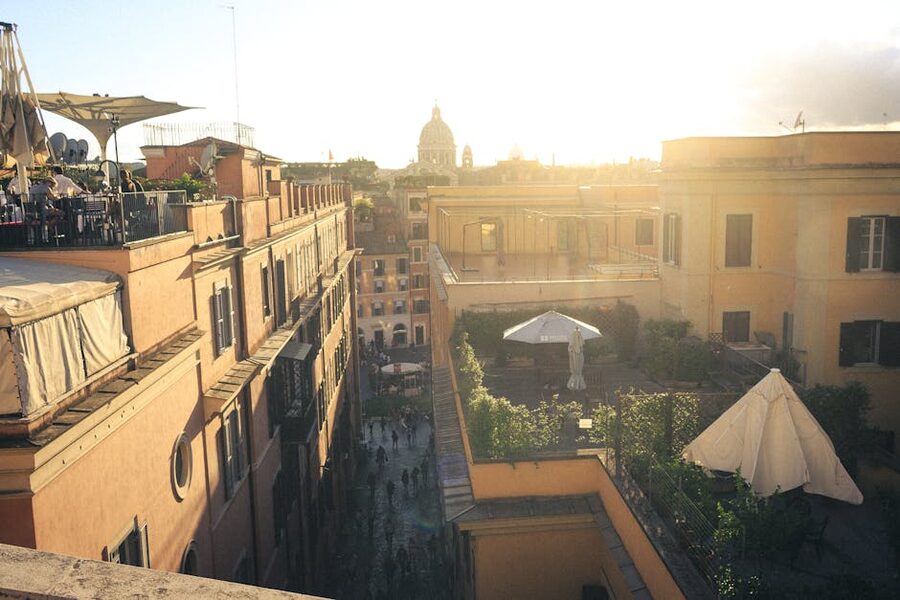
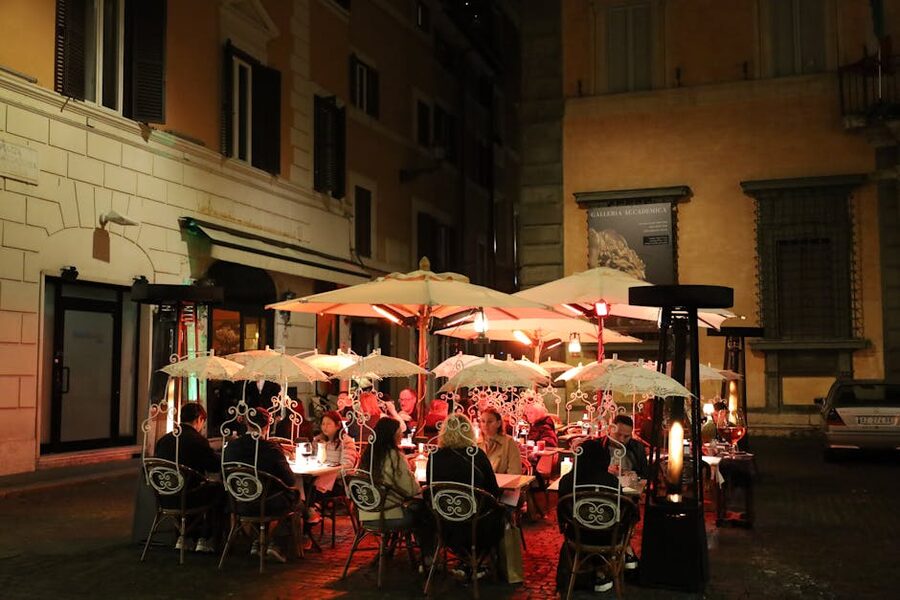
Italians don’t eat before 19:30 typically. A tour starting at 17:00 goes through the 17:00-19:00 aperitivo period (drinks + snacks) with the locals and transitions into proper dinner courses as the restaurants actually start their evening service. By the time you finish around 21:30, you’ve seen Trastevere across the golden-hour to nighttime transition.
The twilight tours work better than daytime tours for several reasons: the lighting is better (photos and ambience), the temperature is cooler in summer, the locals are out so you see the neighbourhood animated, and the restaurants are open for actual service rather than just morning prep or afternoon lulls.
There are also lunchtime food tour options for travellers whose Rome itinerary doesn’t leave evenings free. They work, but you miss the specific atmospheric quality that makes Trastevere at twilight famous.
What a Typical Tour Stop Looks Like
Each stop on a Trastevere food tour follows a similar pattern. The guide gives you context for the place (family history, signature dish), everyone sits or stands together, one or two dishes arrive for sharing, there’s 15-25 minutes to eat and talk, then you move to the next spot.
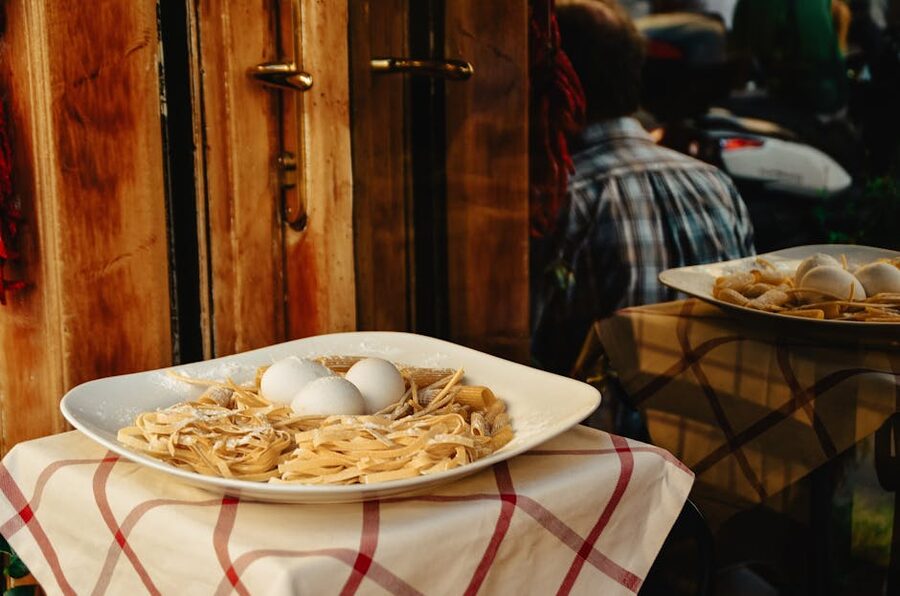
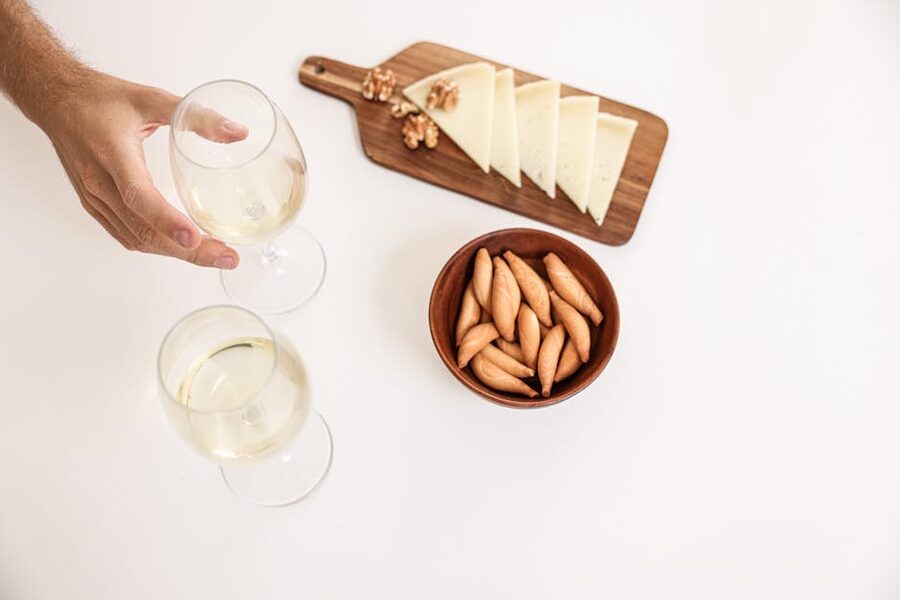
The stops vary: a traditional trattoria for a pasta course, a pizza al taglio shop for the filling bread portion, a wine bar for a pairing session, a supplì stand for Roman street food, a gelateria or tiramisu shop for dessert. The order rotates based on reservations and what’s in season.
Group size matters for tour quality. The good operators cap at 12-14 people; avoid anything over 18 unless it’s specifically a larger-group format (which typically have lower per-person food quality as a result). Ask before booking if the group size isn’t listed.
Dietary restrictions are handled by most operators if you notify 48-72 hours ahead. Vegetarian is easy (lots of pasta, pizza, cheese). Vegan is harder — Roman cuisine is cheese-heavy. Gluten-free is doable with advance notice. Severe allergies need direct communication with the operator.
Neighbourhood Comparisons Within Rome
Trastevere isn’t the only Rome neighbourhood for food tours. Knowing the alternatives helps you pick the right one for your trip.
Testaccio is the other food-focused Roman neighbourhood. Originally the slaughterhouse district, it’s the birthplace of the nose-to-tail Roman cuisine — pajata, coda alla vaccinara, trippa alla romana. Eating Europe also runs a Testaccio tour if you want the full Roman food education. Trastevere is more tourist-friendly; Testaccio is grittier and more challenging.
Jewish Ghetto (Sant’Angelo rione) has its own food tradition — Roman-Jewish cuisine including carciofi alla giudia (fried artichokes), filetti di baccalà (salt-cod fillets fried), and concia di zucchine. Smaller area, specific tours cover just these 4-5 blocks.
Campo de’ Fiori neighbourhood is more pizza and wine bars than trattorias. Livelier, younger, less about traditional trattoria cuisine. Food tours here focus on aperitivo and street food.
If you’re doing only one food tour in Rome: Trastevere for the traditional-trattoria experience, Testaccio for deeper Roman food education, Ghetto for unique Jewish-Roman fusion. Most visitors pick Trastevere because it combines food quality with the atmospheric neighbourhood experience that photographs well.
The Gelato Question
Gelato is not optional in Rome. Every food tour ends at a gelateria, and knowing what to look for separates good gelato from tourist-trap gelato.
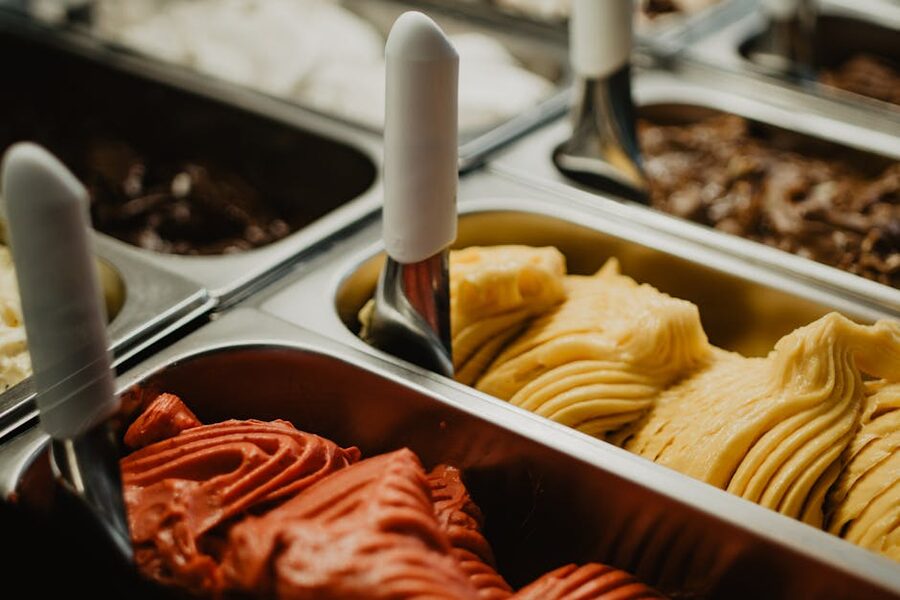
Tell-tale signs of bad gelato: bright unnatural colours (pistachio should be grey-green, not neon green), mountains piled high above the container rims (real gelato is too dense to stand up like that, so those piles are pumped with air), banana gelato that’s yellow (real banana gelato is greyish-brown because bananas oxidise), and mint gelato that’s green (real mint is white with flecks, the green is artificial food colouring).
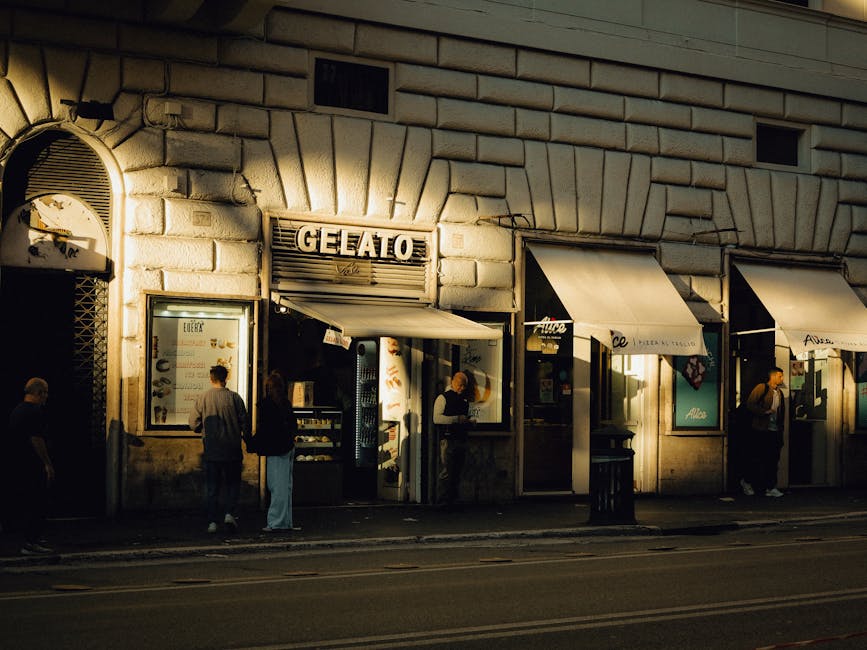
Good gelaterias in Trastevere: Fatamorgana (multiple locations, innovative flavours like rosemary and honey), Otaleg (Via di San Cosimato, minimalist and artisanal), Fior di Luna (Via della Lungaretta, classic flavours done perfectly). These are where the food tours usually stop.
Gelato sizes: piccolo (small, 2 flavours, €3-4), medio (medium, 3 flavours, €4-5), grande (large, 4+ flavours, €5-7). Cone or cup is free choice. Whipped cream on top is also free at most gelaterias if you ask — “con panna, per favore.”
The Tiramisu Side of Dessert
Tiramisu isn’t originally Roman (it’s from the Veneto region), but modern Rome has its own tiramisu tradition and some food tours include a tiramisu shop stop alongside or instead of the gelateria.
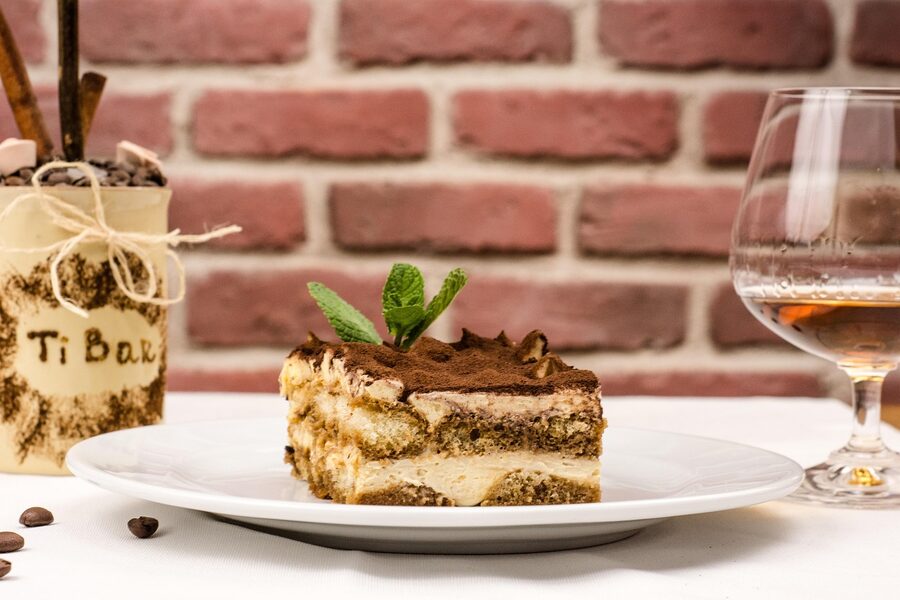
A shop called Pompi, with multiple Trastevere-area locations, pioneered the “tiramisu in a cup” format that’s now everywhere — takeaway portions of traditional tiramisu with modern flavour variations (strawberry, pistachio, hazelnut alongside classic). Food tours often stop here for the novelty format.
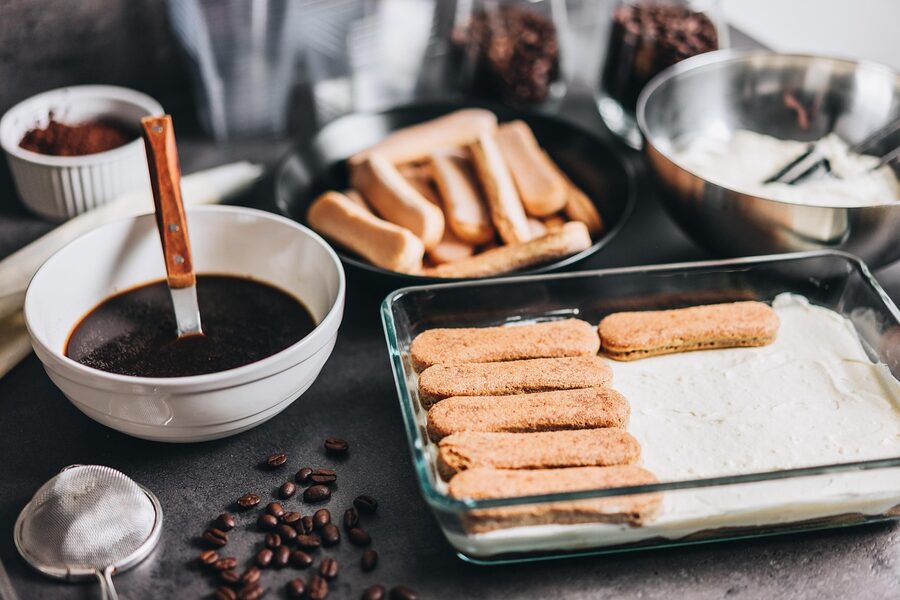
The classic version remains at the proper pasticcerie — Biscottificio Innocenti on Via della Luce makes the old-school Roman tiramisu that’s denser and less sweet than the modern takes. Good food tours might include this kind of stop if they’re pitching authentic rather than Instagram-friendly.
Wine and Aperitivo Culture
The wine tours lean heavily on regional Italian wines — Lazio wines specifically (the region around Rome), plus notable imports from Piedmont, Tuscany, and Sicily. The free-flowing variants pour you more than you need; the standard tours pair a glass with each food stop.
Lazio wines to know: Frascati (white, the table wine Romans drink daily), Cesanese del Piglio (Lazio’s main red, lighter-bodied), Est! Est!! Est!!! di Montefiascone (classic semi-sweet white with a weird historical name). None are famous internationally the way Tuscan or Piedmont wines are; all are excellent with Roman food.
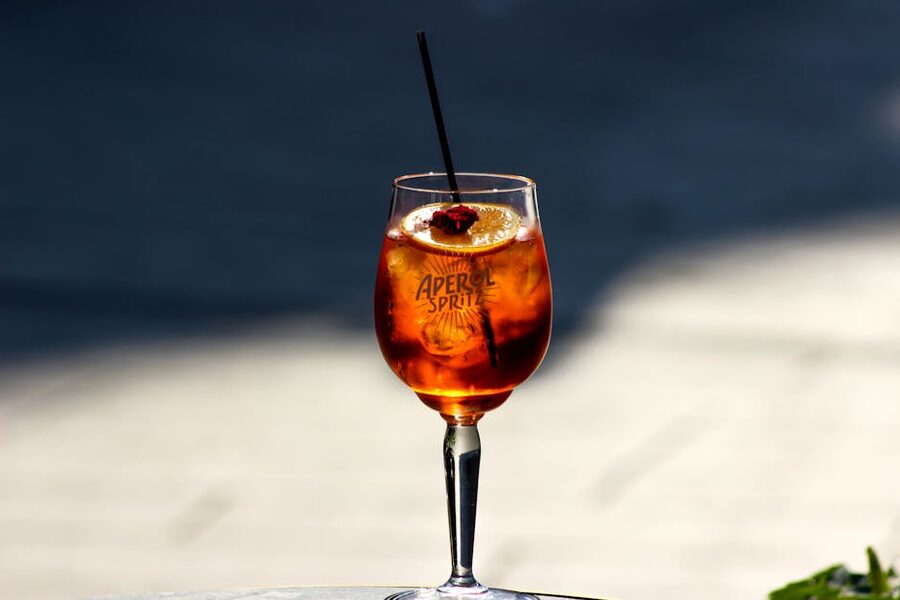
Aperitivo drinks: Aperol Spritz (Italian cocktail with Aperol + Prosecco + soda), Negroni (Rome loves this classic – Campari + gin + sweet vermouth), Prosecco on its own (Italian sparkling). All cost €6-10 at standard bars, €10-15 at tourist-adjacent places.
If you’re not a wine person, all food tour operators accommodate with non-alcoholic alternatives — sparkling water, soft drinks, fruit juice, non-alcoholic spritz. Let the operator know when booking so they can ensure the aperitivo stop has appropriate alternatives.
What to Wear and Bring
Food tours involve walking over cobblestones for 3-4 hours. Wear comfortable closed shoes. Avoid heels, brand-new shoes that haven’t broken in, and thin sandals. This is practical advice that trips up more Rome visitors than you’d think.
Weather-appropriate clothing: light jacket or sweater year-round for evening chill (even summer nights in Rome cool down by 22:00), umbrella in spring and autumn for surprise rain showers, layers in winter since you’ll alternate between warm restaurants and cool outdoor walking.
Bring a water bottle. Rome’s free-flowing public fountains (nasoni) are safe drinking water and you’ll want to refill during the walking portions. The restaurants on the tour provide table water; the walking between them is dry.
Cash vs cards: tours are prepaid so you don’t need cash for the food itself. Bring €20-50 in cash for tipping your guide (10-15% of tour cost is standard), additional drinks, or impulse purchases at shops you discover along the way.
The Guide Makes or Breaks the Tour
Food tours are essentially guide-led experiences. A good guide turns the evening from a food crawl into a cultural experience. A bad guide just shepherds you between places. Ask specifically about the guide’s background when booking.
Green flags: guide is Italian or lived in Rome 10+ years, has cooking/restaurant industry background, speaks multiple languages fluently, knows owners of stops by name, can explain why each stop is on the tour specifically (not just “because it’s included”).
Red flags: guide seems to be reading from a script, doesn’t know basic Roman food history, can’t answer specific questions, rushes you between stops, pushes you to order extra items with clear upsells.
The Eating Europe tours train their guides extensively and the quality is reliably high. Smaller operators vary more — the premium small-group options usually have better guides per dollar because the margins justify better training.
Best Days and Times to Book
Monday and Tuesday food tours have the lowest prices and smallest group sizes. Weekends (Friday, Saturday) sell out fastest and have the largest groups. Sunday tours are widely available but some participating restaurants are closed, so the stops rotate.
Book 2-3 weeks ahead for weekend tours in high season (April-June, September-October). Weekday tours usually have same-week availability except the immediate day-before.
Starting time preferences: 17:00-17:30 is peak golden-hour but also peak tourist crush. 18:00-18:30 has cooler evening light and fewer other tour groups in the same restaurants. 19:00-19:30 is the latest-start option and feels more like dinner with a guide than a tour. Pick based on whether you want atmosphere or substance.
Seasonal variations: summer tours (June-August) deal with Roman heat; winter tours (November-February) happen in a Trastevere that feels much more local and less tourist-heavy. Spring and autumn are ideal in both climate and crowds.
Combining with Other Rome Activities
The food tour is the centrepiece of an evening. Build a day around it rather than trying to fit it between other activities — you’ll be full, tired, and possibly tipsy by 21:30, which is not the time to then rush to another attraction.
Morning heavy + food tour evening: Borghese Gallery 09:00 slot, lunch, afternoon wandering in Trastevere before your 18:00 tour pickup. Cultural morning, light afternoon, heavy evening. Balanced.
Underground morning + food tour evening: Catacombs tour 10:00-13:30, lunch, free afternoon, food tour at 18:00-22:00. The thematic contrast — ancient Rome by day, contemporary Rome by night — works surprisingly well.
Full ancient Rome + food tour: morning Colosseum and Roman Forum tour, afternoon rest, evening food tour. This is the classic “one full Rome day” — more tiring but covers the big bases.
Morning Vatican + food tour: Vatican Museums 08:00-12:00, lunch near Vatican, early-afternoon walk through Trastevere, 18:00 food tour pickup. Heavy on religious/cultural daytime, Roman-food evening.
Pricing vs Value
Food tour pricing has a wide range. The cheapest options around €50 are street-food focused, shorter (2.5 hours), and include less substantial food. The premium options around €125 include 4 hours, 6+ stops, substantial plated courses, and wine pairings throughout.
The math breakdown: a €125 Eating Europe tour includes 6 restaurants, roughly €20-25 food and drink per stop, plus the guide’s time for 4 hours. If you tried to replicate this independently — finding the right restaurants, explaining dishes in English, managing reservations — it would take you multiple days of research and you’d still miss half the context.
Hidden value: several of the restaurants on the Eating Europe tours don’t take walk-in tourists. They’re genuinely local places that only accept reservations or tour groups. You literally cannot eat at them without being on a tour. This is the value-add that separates Eating Europe’s route from cheaper alternatives.
Cheapest isn’t always worst. The Street Food tour at €53 delivers a different experience — more food, faster pace, less wine, less context — that’s legitimately great for specific travellers. Don’t assume premium = better for your trip; decide what you actually want and match the tour to that.
Leftovers and Takeaways
Most tours end with the participants exchanging restaurant recommendations for future Rome meals. The guide usually hands out a recommended-list PDF or sends an email with the specific restaurant names and addresses from the tour. Take advantage of this.
Book follow-up meals at the tour restaurants. If you loved a specific place, return for a full dinner later in your trip. The tour portions were samples; a full evening at your favourite trattoria is its own experience and the staff will remember you.
Try one Roman dish per remaining Rome day. The tour covered 4-6 dishes; Roman cuisine has maybe 15-20 classics. Use your remaining nights to work through the ones you didn’t taste — cacio e pepe, saltimbocca, trippa alla romana, abbacchio, carciofi alla romana.
Don’t overdo it the next morning. Roman food is rich. Book something gentle for the morning after — a long walking tour, a museum, an easy coffee breakfast. Don’t schedule another food tour the next day.
Common Food Tour Mistakes
A few mistakes that trip up food tour participants more often than you’d think.
Eating a full lunch the same day. Your food tour is dinner. Have a light lunch or skip it entirely. Arriving hungry lets you enjoy the first three stops properly rather than struggling through them on a full stomach.
Drinking heavily before the tour. The pre-tour aperitivo seems like a good warm-up but the tour includes wine at most stops and you’ll end up four-to-six drinks in by 21:00. Pace yourself.
Missing the meeting point. Trastevere is a maze of small cobblestone streets and finding the specific meeting point if you haven’t scouted it in advance can take 15-20 minutes. Walk the route beforehand on Google Maps or arrive early.
Not engaging with the guide. The guides expect questions and tailor the tour to group interests. If you’re quiet, you get the generic version. If you ask questions, you get deeper context and often extra-restaurant tips.
Treating it as transportation between meals. The walking portions between restaurants are part of the tour — that’s when the guide explains the neighbourhood history, points out landmarks, and gives you the cultural frame. Don’t doom-scroll on your phone during these walks.
After the Tour — Where to Go Next
Trastevere at 21:30 is just getting started for locals. The food tour ends around the time Romans actually begin their evening drinking.
Wine bars to continue the evening: Enoteca Ferrara (just off Piazza Santa Maria), Ombre Rosse (Piazza di Sant’Egidio), Freni e Frizioni (Via del Politeama, more cocktail-focused). All open until midnight or later.
Late-night gelato: if your tour skipped gelato or didn’t include enough of it, Fior di Luna on Via della Lungaretta and Fatamorgana at multiple locations stay open past 23:00. Perfect for the walk back across the Tiber.
Walk back to central Rome: cross Ponte Sisto for the classic route (15 minutes to Campo de’ Fiori, 25 to the Pantheon). Ponte Garibaldi for the direct shot to the main tourist zone. Both walks are safe at night and atmospheric.
Final Take
A Trastevere food tour is the single best culinary investment most first-time Rome visitors can make. Four hours and €100-125 gets you educated on Roman food, introduced to real neighbourhood restaurants, and eaten to comfortable fullness. You leave knowing what to order, where to go, and how to spot the difference between tourist traps and authentic spots.
Book the Eating Europe Twilight tour if budget allows — it’s the proven premium option. Book the Street Food tour if you want more food per dollar. Book the Free-Flowing Wine tour if wine is central to your travel experience. Any of the three beats winging it and eating at whatever restaurant has the most aggressive menu-hawker trying to flag you down.