
The Borghese Gallery holds the best concentration of Bernini sculptures on the planet — and possibly the most controlled entry policy of any museum in Rome. You book a specific two-hour slot or you don’t get in at all, walk-ups are basically impossible in high season, and the building only admits 360 visitors at a time. Plan this one. Don’t wing it.
Quick Picks
- Most booked: Entry ticket with escorted entrance ($50) — skip the queue, meet a host outside, walk in smoothly. Self-guided once inside.
- Best guided: Small group tour with gardens walk ($47) — 2.5 hours, English guide, includes Villa Borghese grounds context.
- Premium option: Fast-track or guided with City Walkers ($88) — highest-rated guides, flexibility to pick ticket-only or guided version.
- Quick Picks
- Why the Two-Hour Slot Actually Matters
- Booking the Three Main Options
- Rome: Borghese Gallery Entry Ticket with Escorted Entrance —
- Rome: Borghese Gallery & Gardens Small Group Guided Tour —
- Rome: Borghese Gallery Fast Track Access or Guided Tour —
- What You’ll Actually See — The Bernini Rooms
- The Paintings Upstairs — Caravaggio and the Room of Silenus
- The Villa Borghese Gardens — Separate Experience, Same Afternoon
- Practical Booking and Entry Details
- The Cardinal Scipione Borghese Story
- Timing Strategy for a Rome Visit
- Pairing the Borghese with Other Rome Stops
- Alternative: Small Group Tour with Skip-the-Line —
- How to Read the Bernini Sculptures
- The Canova Pauline Borghese — Often Overlooked
- Getting to the Borghese
- Food and Drink Options Nearby
- Booking Mistakes That Actually Matter
- Photography and Social Sharing
- Worth It or Skip It?
- More Rome Guides to Pair With This One
- Final Take
Why the Two-Hour Slot Actually Matters
Most Rome museums let you drift in and out across a whole day. The Borghese doesn’t. You get a timed entry at either 09:00, 11:00, 13:00, 15:00, or 17:00, and at the end of your two hours, staff clear the rooms. This is how the collection has preserved its character as a villa rather than turning into a scrum.
The practical consequence is that you have to commit in advance. Tickets go on sale in monthly batches and weekend slots routinely sell out two weeks ahead. If your Rome trip is already this week and you haven’t booked, check evening slots first — 17:00 has slightly better availability than the prime 11:00 window. Don’t show up hoping for the best.
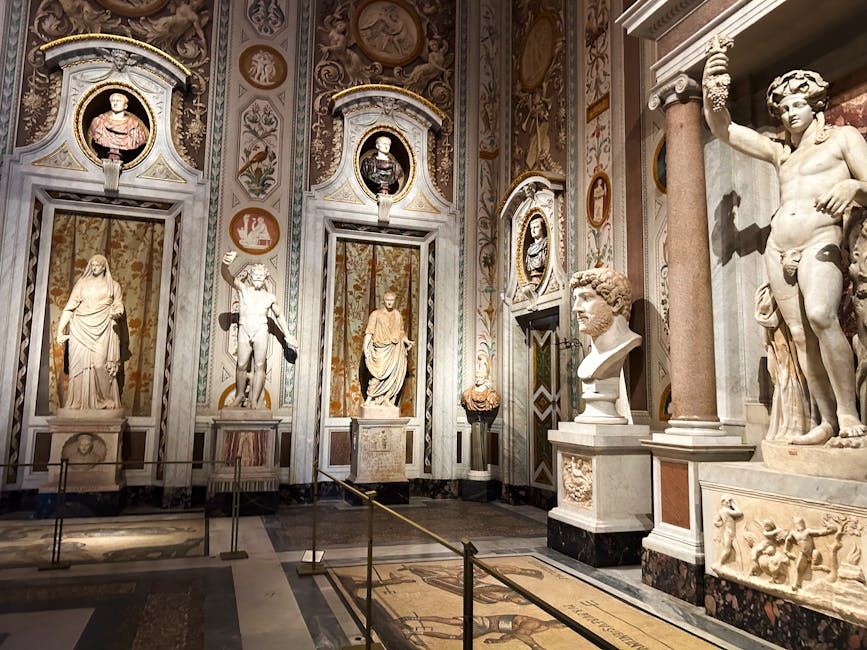
Two hours is enough. The villa holds about 20 rooms of art across two floors, and if you walk briskly you’ll see everything in 90 minutes. The SOP I’ve worked out from four visits: ground floor first (the Bernini rooms are here, and these are why you came), coffee break at the 1-hour mark, first floor paintings for the last 45 minutes. You’ll exit with time on the clock and brain space to remember what you saw.
Booking the Three Main Options
There are three tour formats worth considering, each aimed at a different type of visitor. Pick based on how much context you want alongside the sculptures — not on price, since the spread is narrow and the cheapest isn’t worse.
Rome: Borghese Gallery Entry Ticket with Escorted Entrance — $50
This is the most-booked Borghese option on the market, and for good reason — you meet a host at a clear meeting point, they walk you past the queue, and once inside you explore self-guided with whatever audio guide or book you brought. The meeting-point logistics trip up more people than you’d think, so worth reading the full write-up before you book. Go with this if you want smooth entry without a guide talking through your visit.

Rome: Borghese Gallery & Gardens Small Group Guided Tour — $47
The best option if you want a guide to explain why the Bernini sculptures matter — 2.5 hours in English, and a pre-entry walk through the Villa Borghese gardens most visitors skip. Worth the extra context if this is your first Bernini exposure. If the gardens walk appeals but you’d rather go at your own pace, the zoo inside the same park is another way to use the grounds.
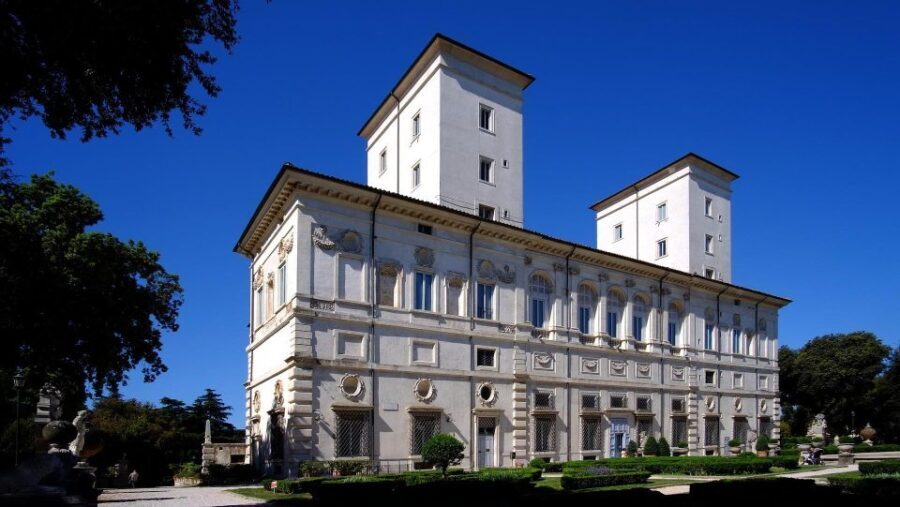
Rome: Borghese Gallery Fast Track Access or Guided Tour — $88
The premium tier, operated by City Walkers Tours, and the one with the highest guide ratings across the Borghese options. You can pick fast-track entry or the guided version — if you’re paying up here, take the guided upgrade. Pricier than the alternatives but the guides are noticeably stronger.
What You’ll Actually See — The Bernini Rooms
The ground-floor sculpture rooms are the reason the Borghese is famous. Gian Lorenzo Bernini was the sculptor Cardinal Scipione Borghese commissioned in the 1620s to produce a run of mythological figures, and the pieces he made between ages 20 and 26 essentially invented Baroque sculpture as a living genre. If you end up Bernini-curious after this visit, his angels on the Ponte Sant’Angelo and the fountains around Piazza Navona are the other half of his work in Rome.
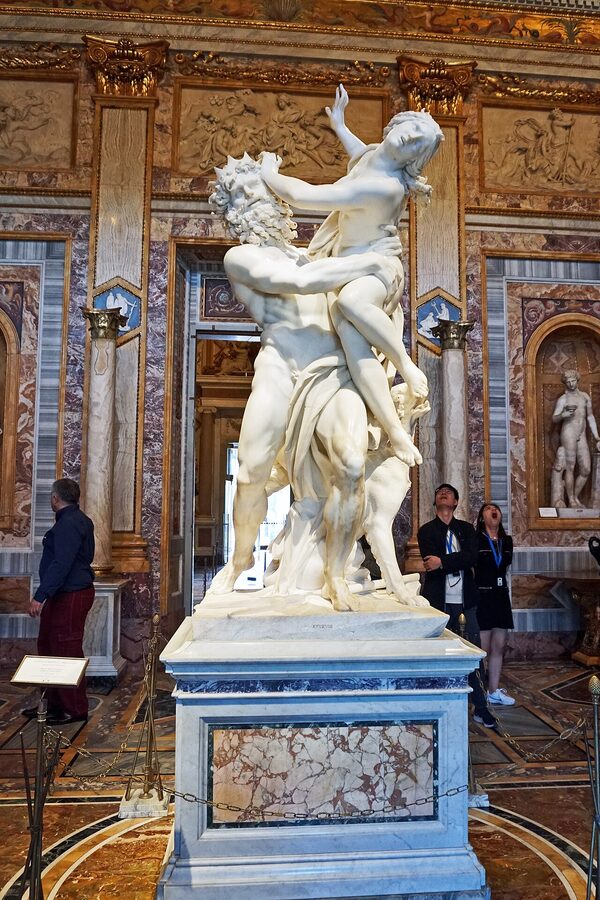
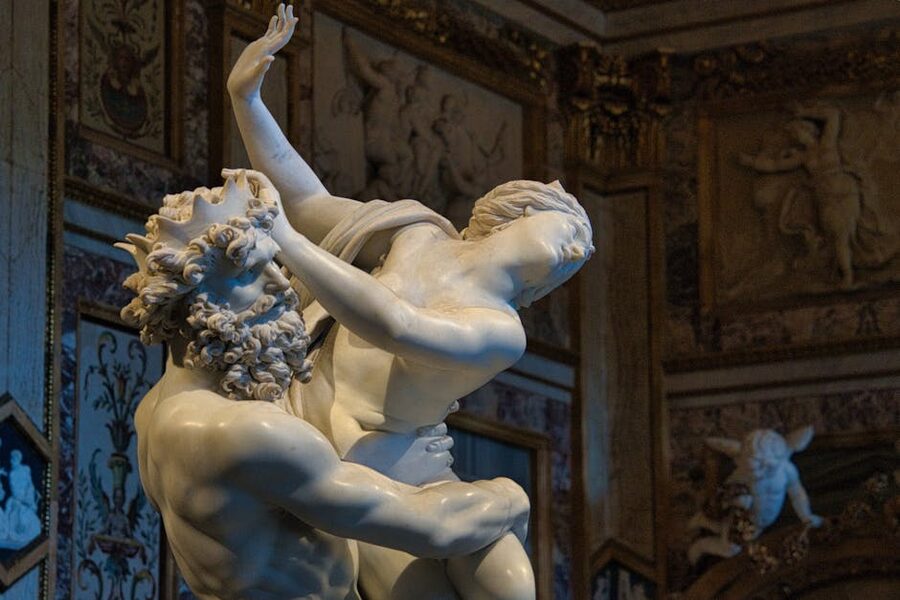
Rape of Proserpina (1621-22) is the one people photograph first. Bernini was 23 when he carved it. Look specifically at Pluto’s left hand pressing into Proserpina’s thigh — the marble genuinely deforms under the pressure of his grip. This is the moment you stop seeing stone and start seeing flesh. Don’t rush past it.
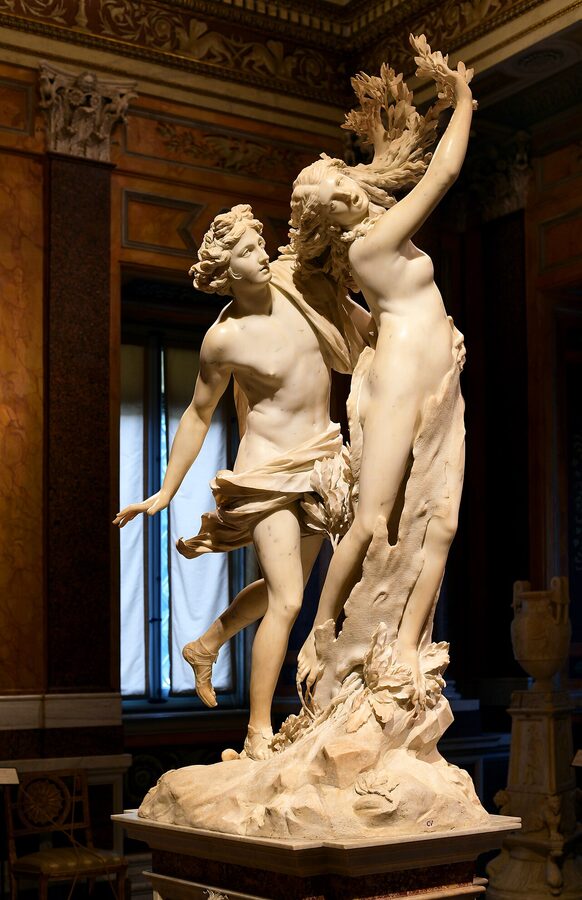
Apollo and Daphne (1622-25) is the one you should walk around — three full circuits, minimum. Bernini designed it so that the transformation from woman to laurel tree reveals itself progressively. From one angle Daphne’s fingers look normal. From another they’re already bark. From a third they’re leaves. This is sculpture as choreography and it only works if you move your body around it.
David (1623-24) stands mid-action, throwing stone, face contorted. Michelangelo’s David is calm resolve before the fight. Bernini’s David is the fight itself. If you’ve seen Florence’s Michelangelo David, the contrast shows you exactly how Baroque sculpture broke from the Renaissance — one is eternal stillness, the other is frozen motion.
Other Bernini pieces to find on the ground floor: the Aeneas, Anchises and Ascanius group (his first major commission, finished at 21), and Truth Unveiled (a later piece with a Borghese family story attached). You’ll spot them in the first three rooms — they’re not hidden.
The Paintings Upstairs — Caravaggio and the Room of Silenus
The first floor is where most visitors start tiring, which is backwards. Caravaggio’s paintings are upstairs, and they’re as much the point of the Borghese as the Bernini sculptures. Save 45 minutes for them specifically.
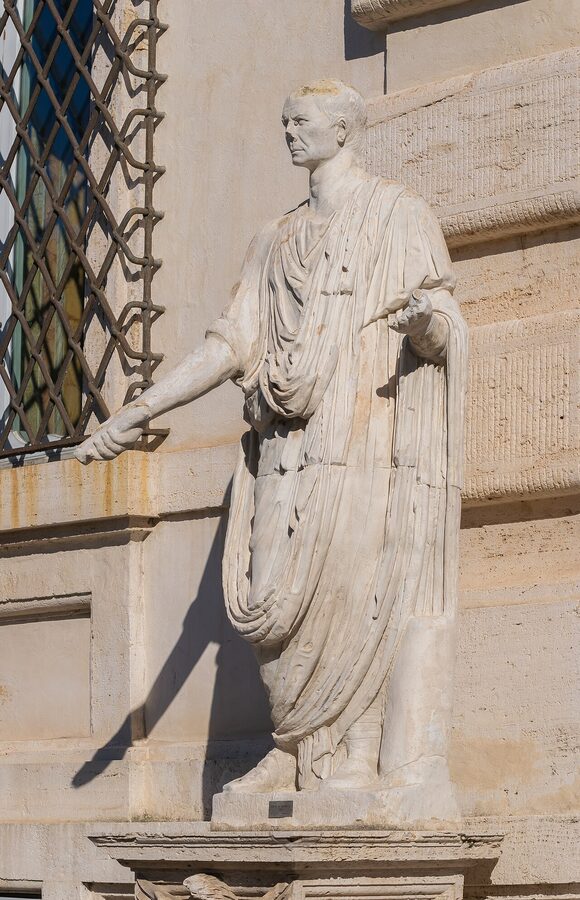
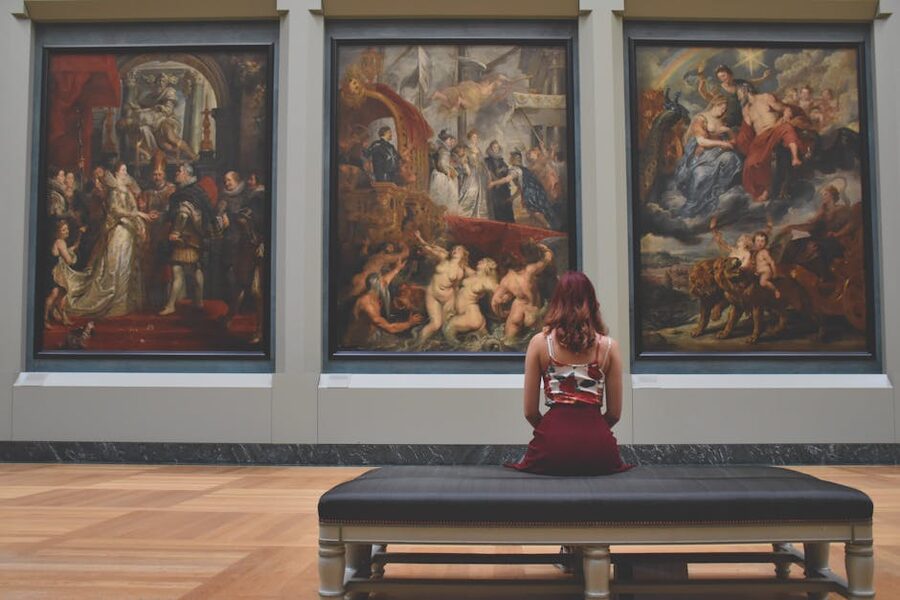
The Caravaggio collection is unusually deep — six paintings including Boy with a Basket of Fruit (one of his earliest), Sick Bacchus (a self-portrait from his hospital recovery), David with the Head of Goliath (arguably his most disturbing late work — the severed head is another self-portrait), and Madonna dei Palafrenieri. Together they track his career from early commissions through late torment.
The Deposition is also nearby and easy to miss if you rush. If you’ve seen the Caravaggio paintings at the Vatican or the ones scattered across Roman churches, the Borghese set is denser and better curated — the curator placed them specifically to read as biographical sequence.

The other first-floor rooms hold Raphael’s Deposition, Titian’s Sacred and Profane Love, and Canova’s neoclassical Paolina Borghese (Napoleon’s sister sculpted as Venus — she famously found it scandalous). The Canova specifically is worth finding; it sits in its own small room and you need to get close to read the marble’s surface properly.
The Villa Borghese Gardens — Separate Experience, Same Afternoon
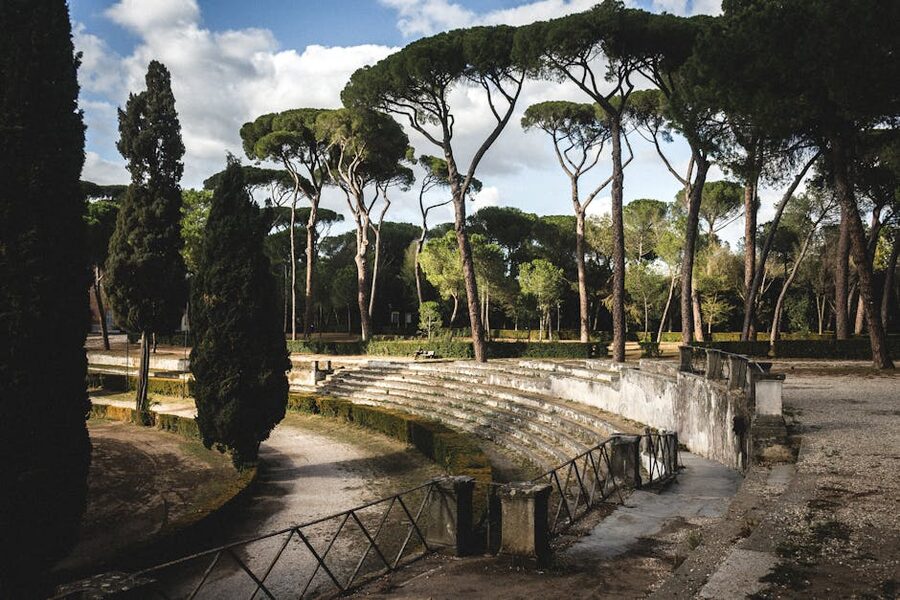
The gallery sits inside Villa Borghese, Rome’s largest central park. Most visitors arrive, do the gallery, and leave — missing the fact that the surrounding gardens are genuinely worth an hour on their own terms.
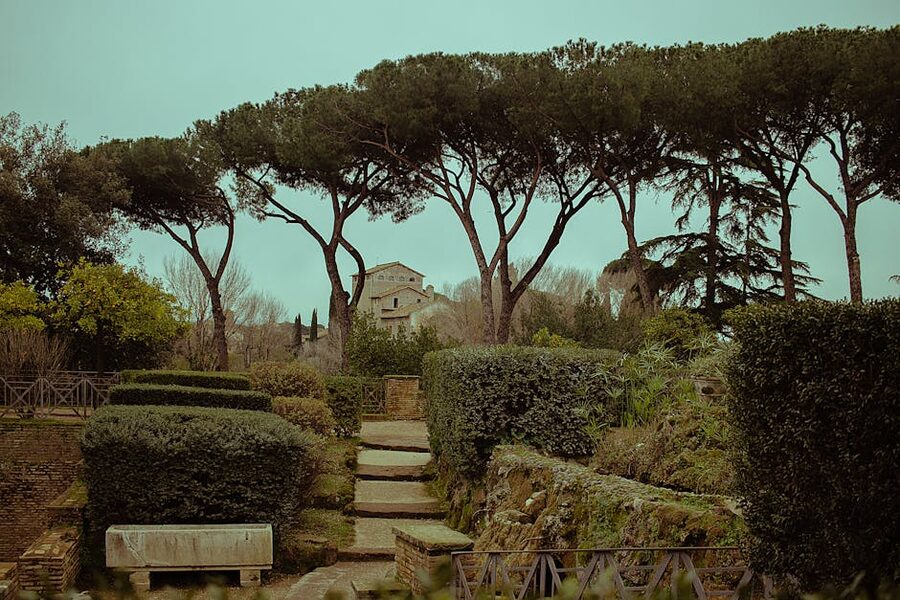
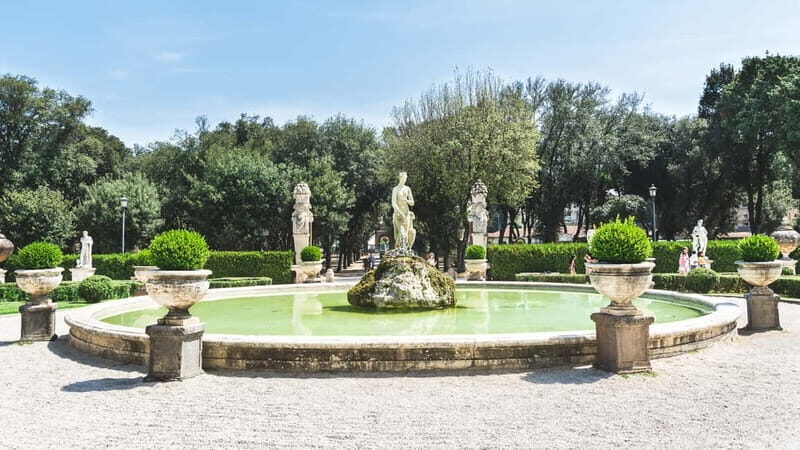
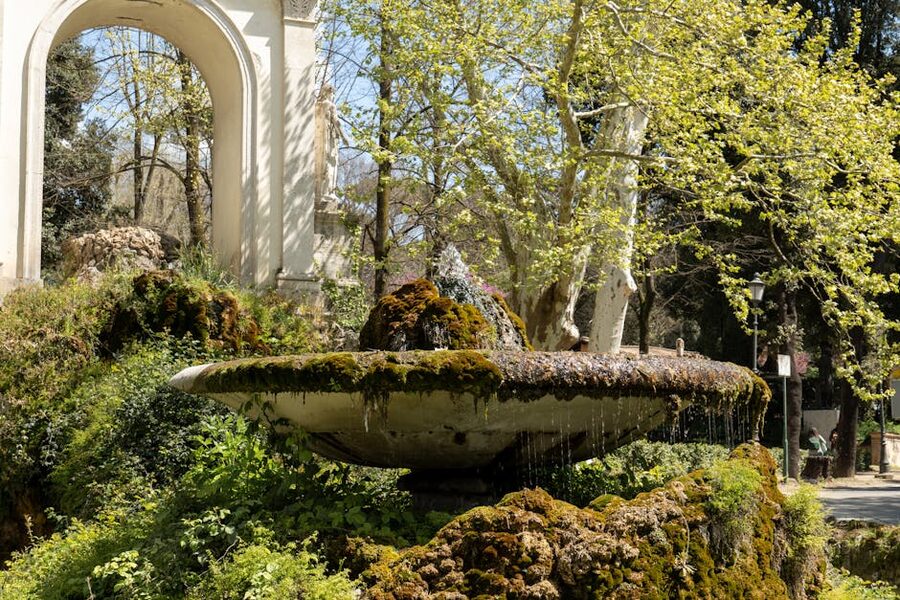
The grounds were laid out in the 17th century as the cardinal’s pleasure park, re-designed in the 18th century in English landscape style, then filled with follies, temples, and a boating lake. Today it functions as Rome’s central Park — locals jog here, kids ride pedal-cars, and the paths connect to Piazza del Popolo, the Pincian Hill viewpoint, and the Borghese museum itself.
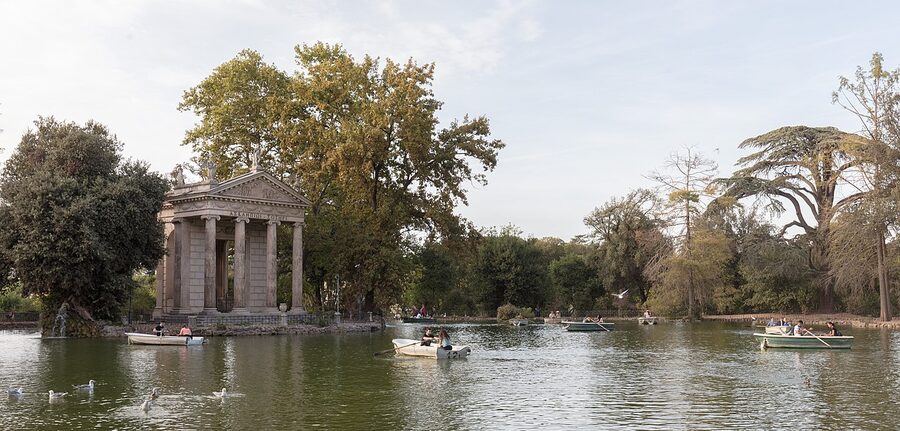
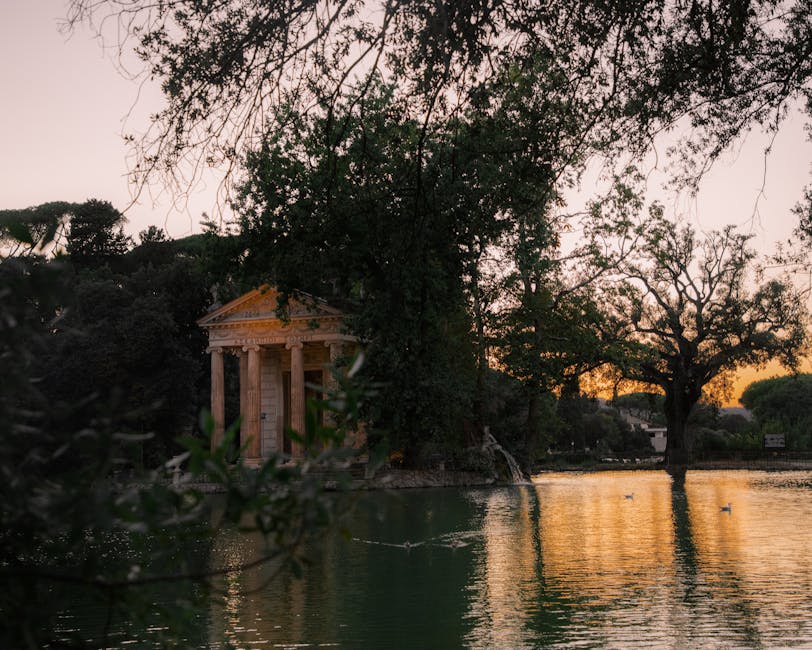
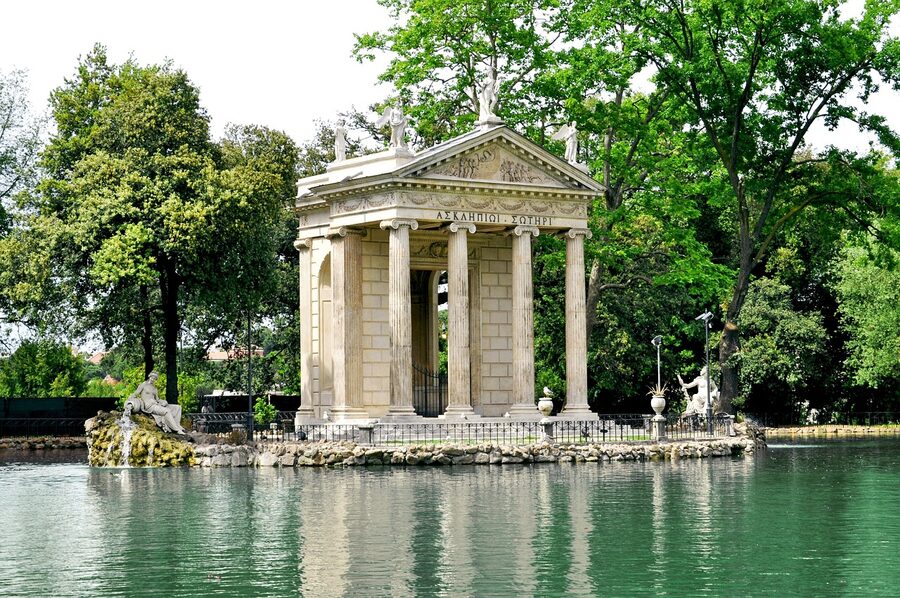
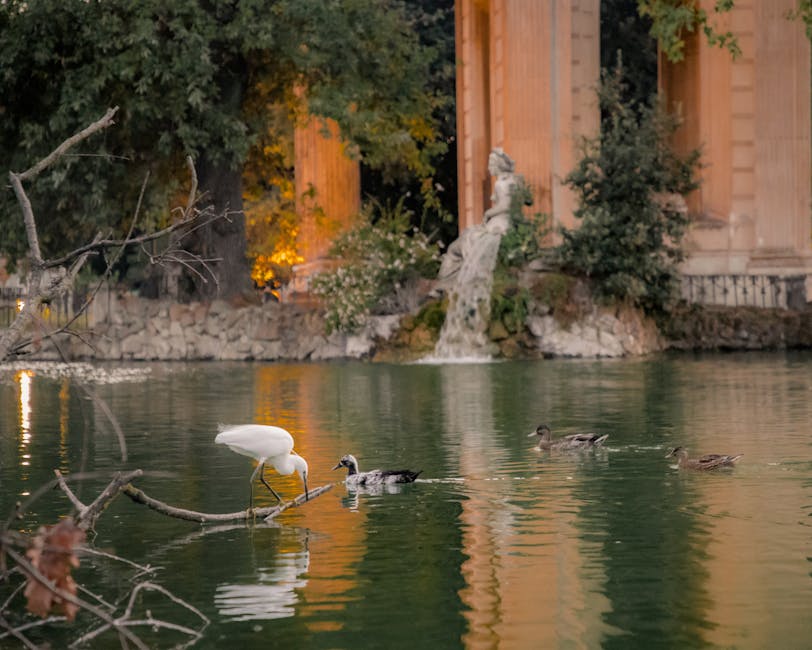
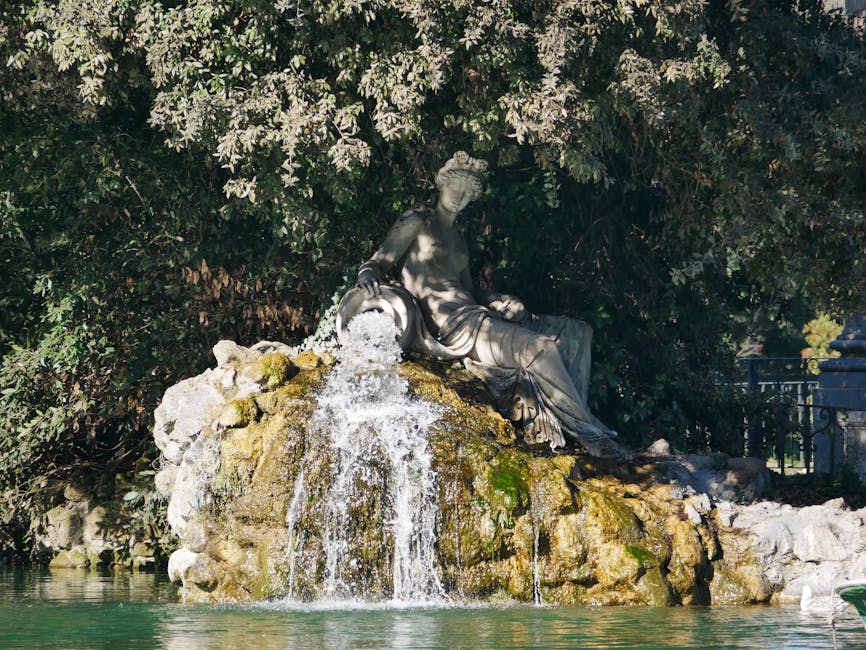
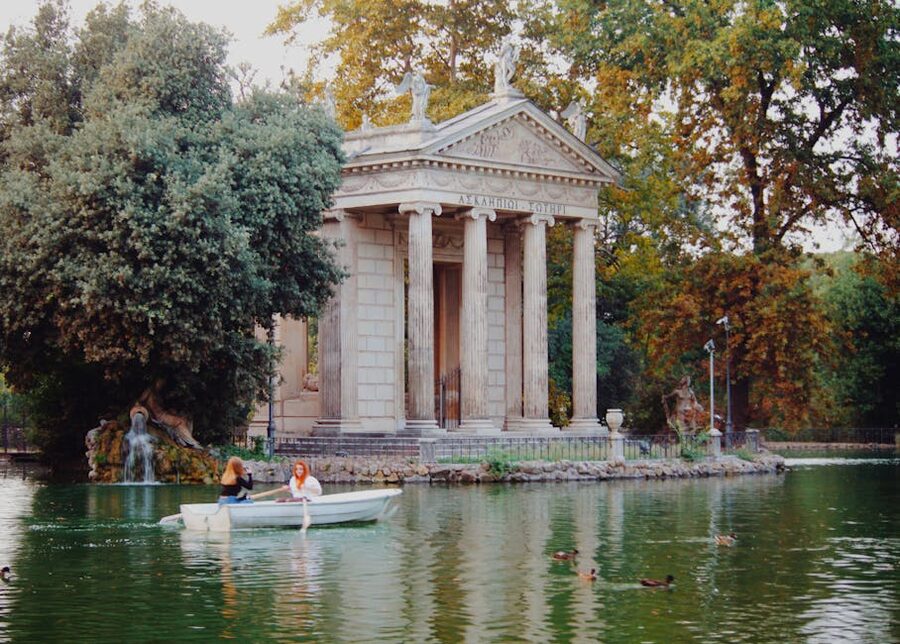
The Laghetto lake with its Temple of Aesculapius is the postcard view. Rowboats rent cheaply and you can do a full lap in about 15 minutes. The temple itself is a 1780s folly — there was never an actual temple here, just a cardinal’s landscape garden trick — but the reflection at sunset is genuinely beautiful, and it pairs perfectly with a 17:00 Borghese slot if you do the gallery first and the lake after.
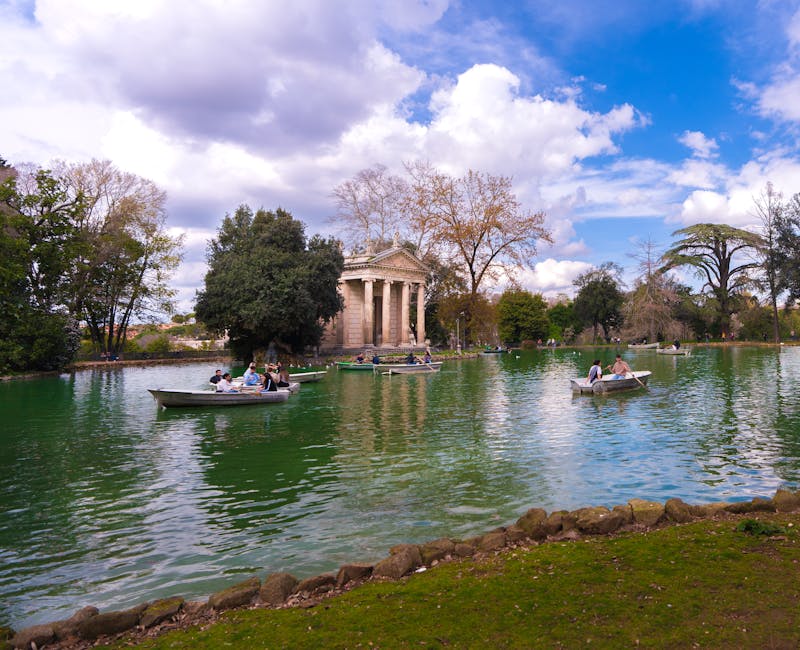
The Pincian Hill viewpoint sits at the park’s western edge and gives you one of the best panoramic views of Rome — Piazza del Popolo directly below, the Vatican dome on the horizon, St Peter’s glowing at sunset. Free to visit, open at all hours, and locals use it for golden-hour dates.
Other garden features: the Piazza di Siena (an oval track used for horse-riding events), the Bioparco zoo (separately ticketed, skippable unless travelling with kids), multiple small neoclassical temples, and the Museo Carlo Bilotti (free modern-art gallery, often empty, worth 30 minutes).
Practical Booking and Entry Details
Tickets are sold officially through the museum and through GetYourGuide and Viator resellers. Buying through the resellers is legitimate and standard — they just add a small commission in exchange for English-language support if something goes wrong.
Bag policy: anything larger than a small handbag goes into the cloakroom. This is free and staffed. There’s a size indicator at the entrance — if your bag doesn’t fit into the frame, it doesn’t come inside. Day-packs and camera bags will usually get checked. Plan to arrive 20 minutes before your slot to deal with this.
Photography: allowed without flash, except in specific rooms that are marked. You’ll see people photographing the Bernini sculptures from every angle — this is fine. Tripods are prohibited. Phone cameras work perfectly for what you’ll want to capture.
Food and drink: no food or drink inside, but there’s a small cafeteria at the ground floor that’s reasonably priced by Rome museum standards. Coffee is decent, sandwiches are adequate, and the outdoor seating overlooks the gardens. Skip full meals here — walk 10 minutes into the city for proper food.
Accessibility: the villa has lift access to all floors and wheelchair-friendly routes through most rooms. A few steps at the entrance have a temporary ramp; mention accessibility needs when booking and the museum will have staff at hand.
The Cardinal Scipione Borghese Story
The Borghese family fortune came from Pope Paul V (Camillo Borghese), who turned his 1605 election into a classic papal-nepotism bonanza. His nephew Scipione got promoted to Cardinal instantly, accumulated huge wealth, and spent it on art — specifically, on commissioning Bernini and buying every Caravaggio he could find.
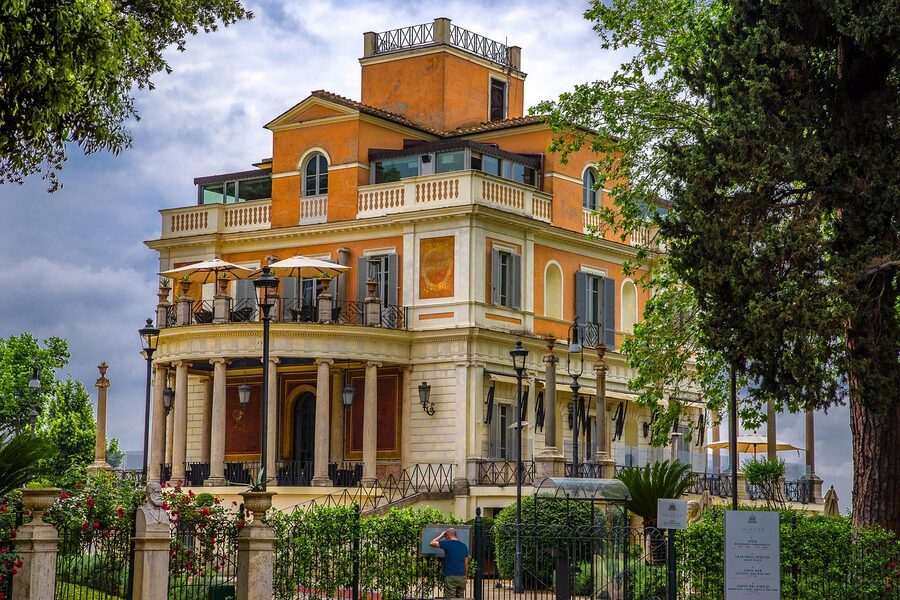
The original 1613-16 villa was built specifically to display Scipione’s collection — it was a private gallery from the start, not a family home converted to a museum. The cardinal welcomed fellow cardinals, visiting royalty, and anyone else who could advance his family’s standing. The rooms were designed with sightlines that frame the key sculptures, which is why Apollo and Daphne still looks like it was placed yesterday.
The Borghese family ran the collection privately for nearly three centuries. In 1902 the Italian state bought the villa and its art from the family’s heirs to settle a bankruptcy — essentially seizing the collection in exchange for debt relief. It’s been a public museum ever since, with the Italian Ministry of Culture running it directly.
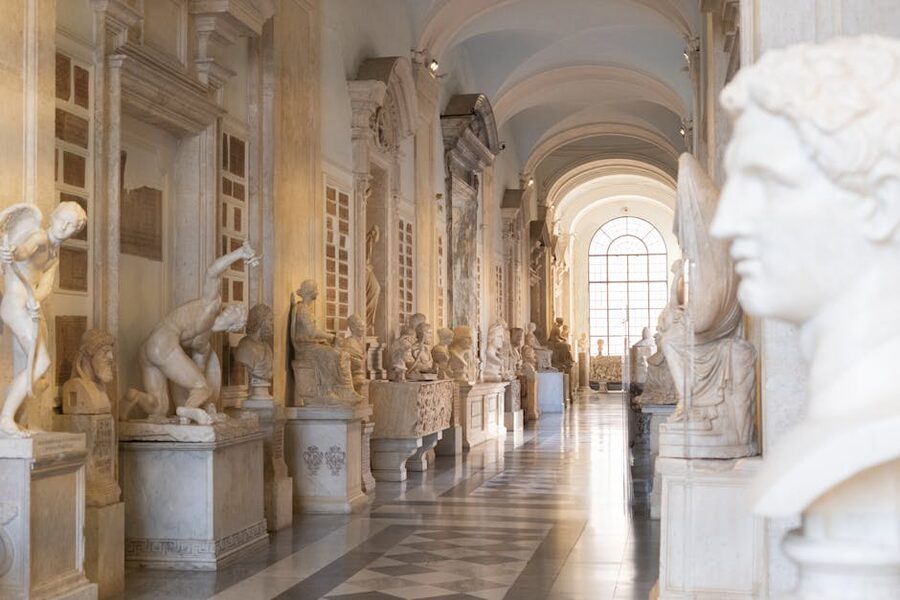
One wrinkle worth knowing: Napoleon forced the Borghese family to sell a large chunk of the classical sculpture collection to France in 1807 (Pauline Borghese, the Canova subject, was married to Napoleon’s brother). Those pieces are now in the Louvre. What you see at the Borghese today is what the family kept — which is still plenty, since they held the Berninis and the Caravaggios.
Timing Strategy for a Rome Visit
The Borghese fits into a Rome trip differently than the Vatican or the Colosseum. It’s shorter, quieter, needs advance booking, and doesn’t conflict with most of Rome’s other musts — which means you can slot it in almost any time that suits your other plans.
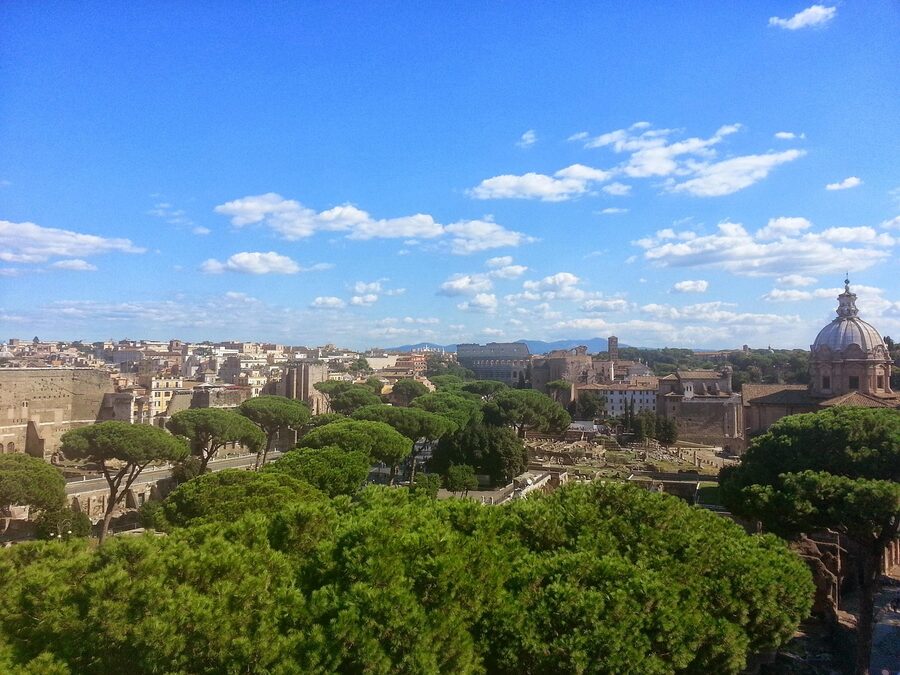
Morning slots (09:00, 11:00) work best if the Borghese is your day’s main cultural activity and you want to pair it with lunch nearby. The 11:00 slot gets you out at 13:00 exactly when Rome’s restaurants start serving lunch.
Afternoon slots (13:00, 15:00) work best if you’ve done a morning tour at the Pantheon or the Colosseum and want a less physical afternoon indoors. Most people are tired by 15:00 and this slot has slightly better availability.
17:00 slot is my personal preference. You finish at 19:00 with the Pincian Hill viewpoint a 10-minute walk away, watch sunset over Rome, and you’re perfectly positioned for an early dinner in Mitte or Campo de’ Fiori. The villa also gets the best natural light through its high windows in the late afternoon.
Closing days: Mondays. The museum is fully closed — don’t book a Rome itinerary that needs the Borghese on a Monday, because you’ll have to rearrange. Seasonal closures apply around major holidays — check the official calendar 2-3 weeks before your trip.
Pairing the Borghese with Other Rome Stops
The Borghese works best as either the main cultural event of its day or as a shorter stop between bigger attractions. It doesn’t work as a “just fit it in somewhere” activity — the timed entry makes that impossible.
Alternative: Small Group Tour with Skip-the-Line — $59
A different guided format for visitors who want something between the entry-only and the premium tiers — small group size, professional guide, and skip-the-line admission without the premium upsells. Good middle option if you want a guided walk-through without the extra cost of the City Walkers programme.
Same-day Colosseum: morning slot at the Colosseum + Roman Forum, lunch break, afternoon 15:00 Borghese. This packs two of Rome’s biggest hits into one intense day. Leave the evening free for dinner — you won’t want another cultural stop.
Same-day Vatican: morning 09:00 Borghese (start early, finish at 11:00), midday walk through Villa Borghese and down to central Rome, afternoon 14:00 or 15:00 Vatican Museums tour. The morning light at the Borghese is particularly good for the Bernini rooms.
Rome-plus-food day: 11:00 Borghese slot, 13:00 finish, walk south to the Spanish Steps area for lunch, afternoon shopping, evening Vespa tour at sunset. Half culture, half pure Rome atmosphere.
How to Read the Bernini Sculptures
If the sculptures are the main reason you’re coming, it’s worth arriving with a basic framework for what to look at. Don’t rely entirely on audio guides — they tend to cover biographical trivia rather than the technical details that make these pieces revolutionary.
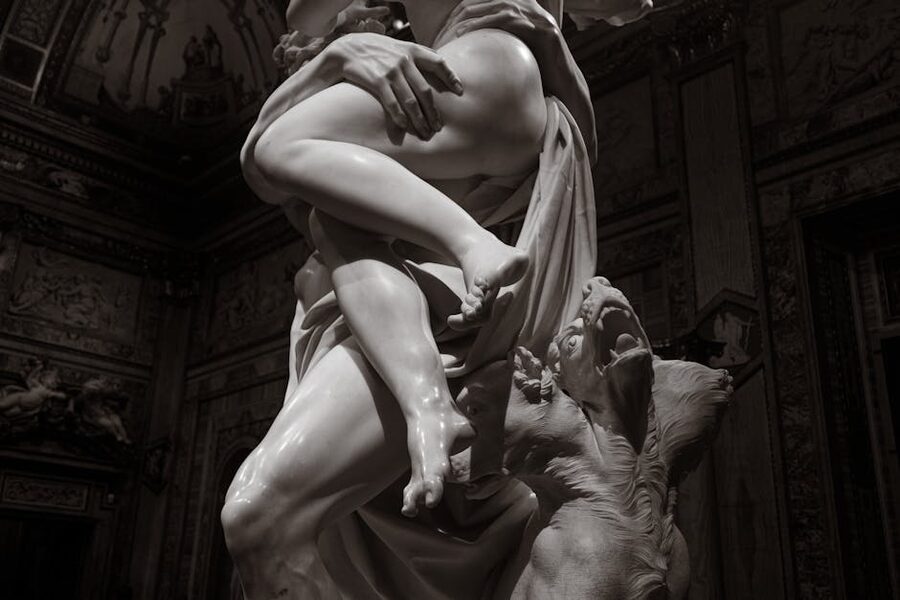
Look at skin texture. Bernini was the first sculptor to make marble look like skin rather than stone. Proserpina’s thigh depresses under Pluto’s fingers in a way that shouldn’t be physically possible given how marble works. Apollo’s hand on Daphne dimples her flesh before the transformation begins. The trick is that he polished certain areas to near-translucency and left adjacent areas more matte — your eye reads the contrast as soft versus firm.
Look at motion. Renaissance sculpture is static. Bernini’s figures are always caught mid-action — the slingshot is released, the hand is closing, the transformation is happening. Compare David’s stance to Michelangelo’s David to feel the difference immediately. The Baroque aesthetic is fundamentally about capturing a single frozen instant of maximum tension.
Look at how the pieces are positioned. Bernini designed most of his Borghese sculptures to be viewed from one specific angle — the “principal face” that reveals the full composition. But he then arranged them in rooms with clear sightlines from multiple angles. You’re meant to walk in, see the primary pose, walk around to see the transformation or secondary reading, then return to the primary view. Apollo and Daphne is the clearest example of this choreography.
Look at age. These pieces were made when Bernini was between 20 and 26. Truth Unveiled, a later Bernini in the collection, is technically accomplished but lacks the youthful daring of the Proserpina or the Apollo and Daphne. The kid stuff is actually the breakthrough work — the older, wiser Bernini was better politician and worse artist.
The Canova Pauline Borghese — Often Overlooked
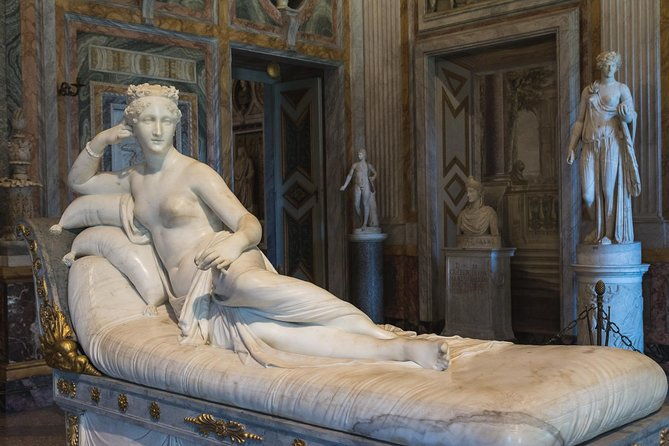
On the first floor, in its own small room, Antonio Canova’s 1805-08 sculpture of Pauline Borghese as Venus Victrix is one of the most quietly radical pieces in the collection. It’s easy to walk past it quickly because it’s neoclassical and serene where everything else is Baroque and dramatic.
Pauline Borghese (Napoleon’s sister, married to Camillo Borghese) posed for the piece semi-nude, which scandalised Europe. When asked how she could have modelled nude, she reportedly replied that “the studio was heated.” The sculpture itself shows her reclining on a chaise, holding the apple that marks Venus as winner of the beauty contest with Hera and Athena — a mythological conceit for an actual contemporary woman was unusual enough that it shocked the 1810s art world.
Canova’s marble finish is different from Bernini’s — softer, more abstracted, less concerned with fleshy realism than with an idealised classical beauty. Get close to the chaise to see how the marble pillows seem to compress under her weight. The transition from 17th-century Baroque drama to 19th-century neoclassical calm is the single clearest lesson you can get in 200 years of European sculpture history.
Getting to the Borghese
The museum sits inside Villa Borghese park, on the northern edge of central Rome. It’s further from the main tourist zone than the Colosseum or the Vatican — most people underestimate the walk, especially in summer heat.
Closest Metro: Spagna (Line A) — walk 15 minutes up the hill via the Spanish Steps and through the gardens. Or Flaminio (Line A) for the Piazza del Popolo approach. Both are about equally distant from the museum entrance, but the Flaminio approach is flatter.
By taxi: €10-15 from most central Rome hotels, depending on traffic. Ask the driver for “Galleria Borghese” specifically — not “Villa Borghese” since the park is big and taxis may drop you at the wrong corner. The museum entrance is on Piazzale Scipione Borghese.
On foot from the Spanish Steps: climb the steps, turn right at the top onto Viale della Trinità dei Monti, then follow the park paths for 10-12 minutes. This walk is pleasant in spring or autumn and punishing in July-August.
By bike or e-scooter: Villa Borghese rents bikes, pedal-cars, and Segways at multiple kiosks inside the park. If you’ve got a full afternoon, renting wheels to explore the grounds before or after the gallery works well.
Food and Drink Options Nearby
The park itself has the museum cafeteria and a handful of kiosks selling gelato and cold drinks. For proper meals, you’ll walk out of the gardens.
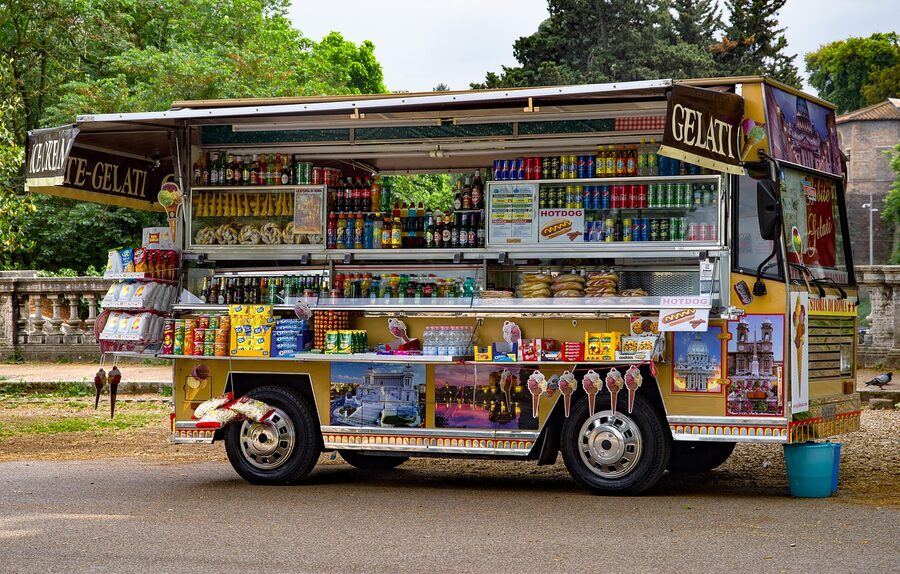
For pre-show lunch: walk 10 minutes south to the Spagna/Babuino area for upscale restaurants, or to Piazza del Popolo for classic Roman trattoria. Don’t eat inside the park expecting good food — the cafeteria is convenient but not destination-worthy.
For post-show aperitivo: head to Via Margutta or the bars around Piazza di Spagna for Rome’s classic 18:00-20:00 aperitivo culture — €8-12 gets you a cocktail plus a generous plate of snacks that effectively substitutes for dinner if you keep ordering.
For full dinner later: the Trastevere neighbourhood (30 minutes away by foot or 15 by taxi) has better restaurants than the Borghese area. Book a table for 20:00 or later — Rome eats late and pre-19:30 dinner spots tend to be tourist-specific.
Booking Mistakes That Actually Matter
A few booking traps I’ve seen people walk into — worth flagging specifically because they can ruin your visit even when you’ve otherwise done everything right.
Don’t confuse “Borghese Gardens” with “Borghese Gallery”. The gardens (Villa Borghese) are the surrounding park. The gallery (Galleria Borghese) is the specific museum inside the park. Some booking listings use the terms interchangeably; others specifically mean only the park walk without the museum. Double-check you’re buying actual museum admission.
The 30-minute late cutoff is strict. Miss your slot by more than 30 minutes and your ticket is void — no refund, no rescheduling. If you’re running late, call the museum directly (yes, phone) and some tickets can be moved by 30 minutes; after that, you’re out.
The name on the ticket matters. Italian museums increasingly cross-check ticket names with ID, especially at popular slots. If you booked under a friend’s name for a group, the name-holder must be there or you may be refused entry. Book under the actual attendee’s name.
Skip tickets that don’t include guide/audio guide if you want context. The cheapest tier of direct museum tickets is entry-only — no guide, no audio. The Bernini rooms are impossible to interpret without either a guide or a detailed written reference, and the in-room plaques are minimal. Factor in the audio guide cost (€5-8) if you’re buying the base ticket.
Photography and Social Sharing
The Borghese is photogenic in specific ways and worth a few minutes planning shots before your two-hour window closes. Phone cameras handle the interior light well; dedicated cameras with flash disabled work even better.
The Bernini sculptures photograph particularly well from low angles — crouch or squat rather than shooting straight-on, and you’ll capture the dramatic silhouettes Bernini designed into the pieces. The Apollo and Daphne from the back (looking up at Daphne’s arms becoming branches) is one of Instagram’s most-shared Borghese shots for a reason.
Caravaggio’s paintings are harder to photograph well — the oil-on-canvas texture reflects overhead lighting into glare. Stand at a 30-45 degree angle rather than straight-on, and the glare drops dramatically. The David with the Head of Goliath shot from slight left-angle has become the canonical composition on Instagram.
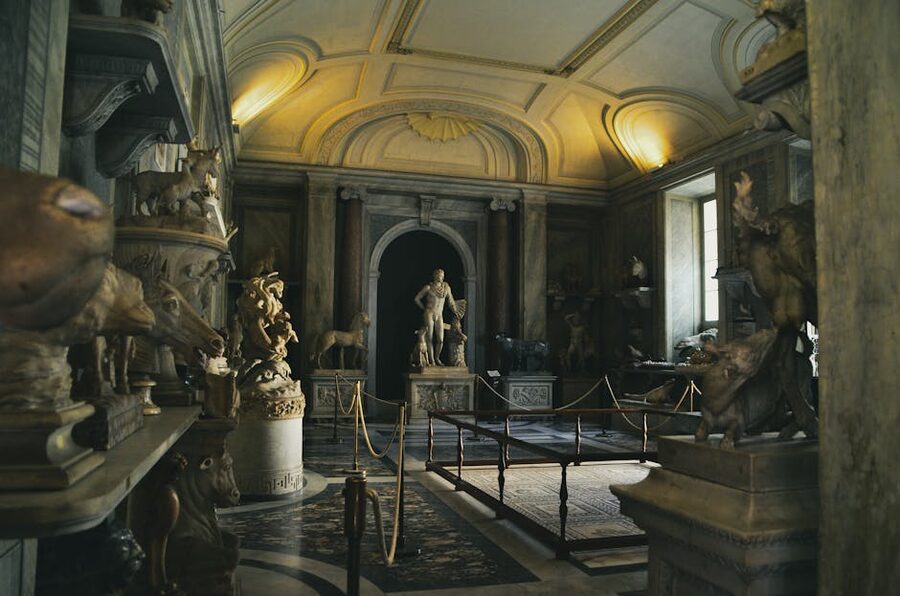
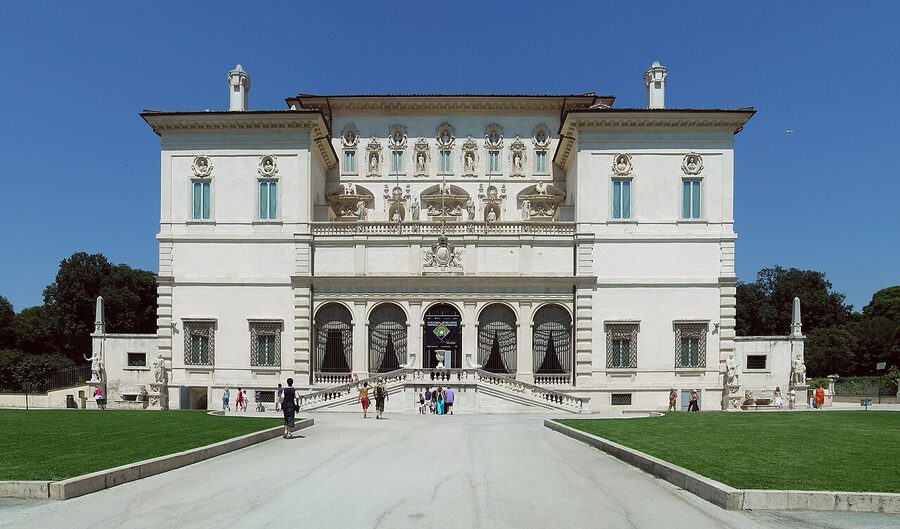
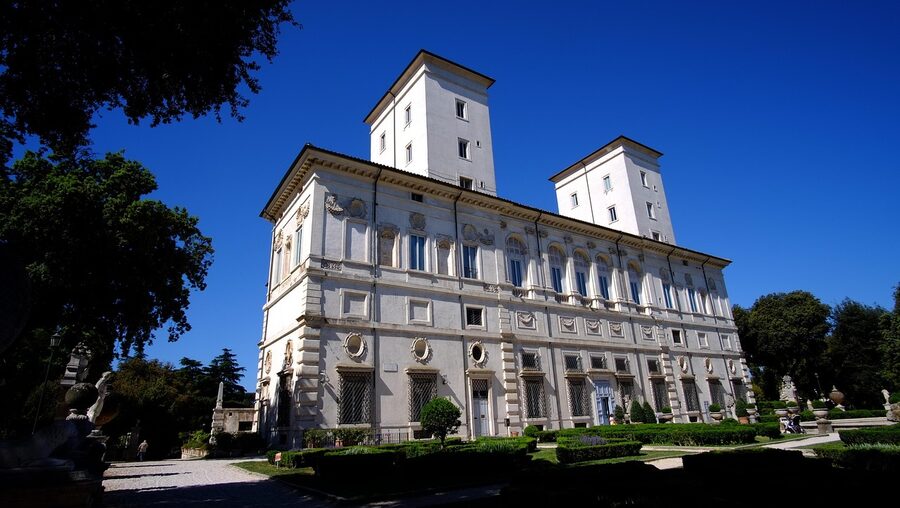
The villa exterior photographs best from the front courtyard — stand with your back to the entrance approach path and frame the facade between the pine trees. Late afternoon light hits the yellow-ochre stucco perfectly. The Temple of Aesculapius reflection shot on the Laghetto needs dead-still water, so morning or very late evening.
Worth It or Skip It?
The Borghese is genuinely one of the top three Rome museums — probably top two depending on how you weight sculpture versus painting. It’s not the Vatican in scale, but it’s arguably better curated than either the Vatican Museums or the Capitoline.
Skip it if: you hate timed tickets, you only have one day in Rome and can’t book ahead, you’re not interested in sculpture or Baroque art specifically, or you’ve already seen the main Bernini pieces elsewhere. The Vatican Museums and St. Peter’s Basilica have plenty of Bernini in situ, so completionists don’t strictly need the Borghese.
Book it if: you want the dense, well-curated museum experience that Rome rarely offers, you like Baroque sculpture, you have 2+ days in Rome and can plan ahead, or you’re visiting Villa Borghese for the gardens anyway. The Borghese Gallery rewards booking ahead in a way that the pay-on-arrival monuments don’t.
More Rome Guides to Pair With This One
Rome works best when your big-ticket attractions are planned around each other rather than stacked in sequence. A day that combines the Borghese with the Colosseum and Roman Forum tour is intense but rewarding — ancient Rome in the morning, Baroque Rome in the afternoon. If you’re building a multi-day itinerary, the Vatican and the Pantheon both pair well as separate days.
For evening plans after your Borghese visit, a Rome Vespa sunset tour through the city’s central neighbourhoods covers ground you can’t reach on foot in an evening. If you’re extending the trip beyond Rome, Florence’s Duomo and Milan’s Last Supper make logical next-stops on a classic Rome-Florence-Milan route.
Final Take
The Borghese is the museum I’d book ahead for any Rome trip. The Bernini sculpture rooms are world-class in a way that holds up across multiple visits — I’ve been four times and the Apollo and Daphne still does something to me that almost no other piece of art does. The two-hour limit that annoys some people is exactly why the visit works.
Book two weeks ahead if you can, a week ahead if you must, and the same-day if you’re desperate — but check specifically for 17:00 slots since they have slightly better availability. Arrive 20 minutes early, drop bags at the cloakroom, and spend the first 75 minutes downstairs with the Bernini rooms. The Caravaggio paintings upstairs get the last 45 minutes. That’s the plan. Stick to it and you’ll leave understanding why people fight over these two hours.