
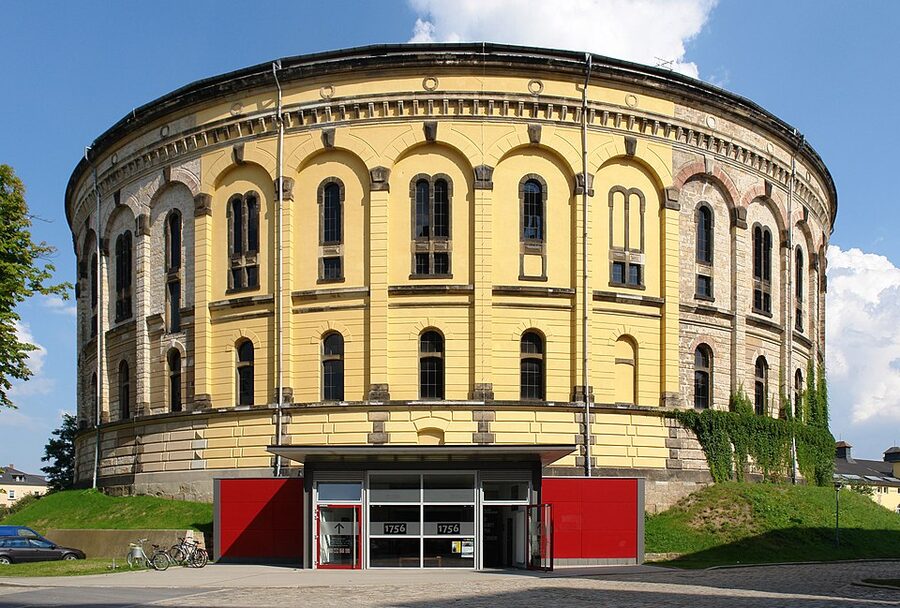
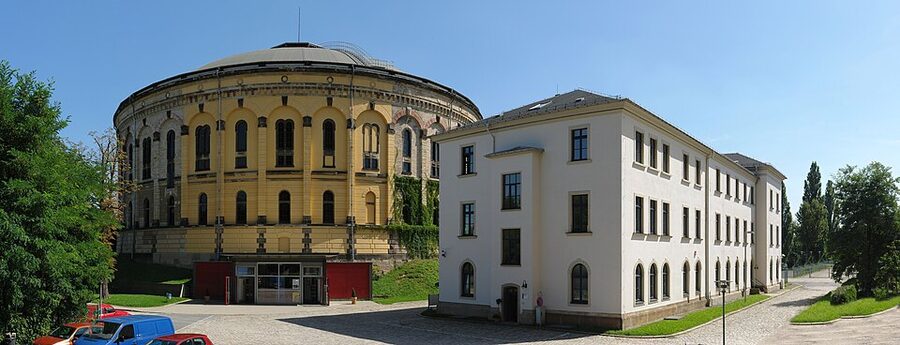
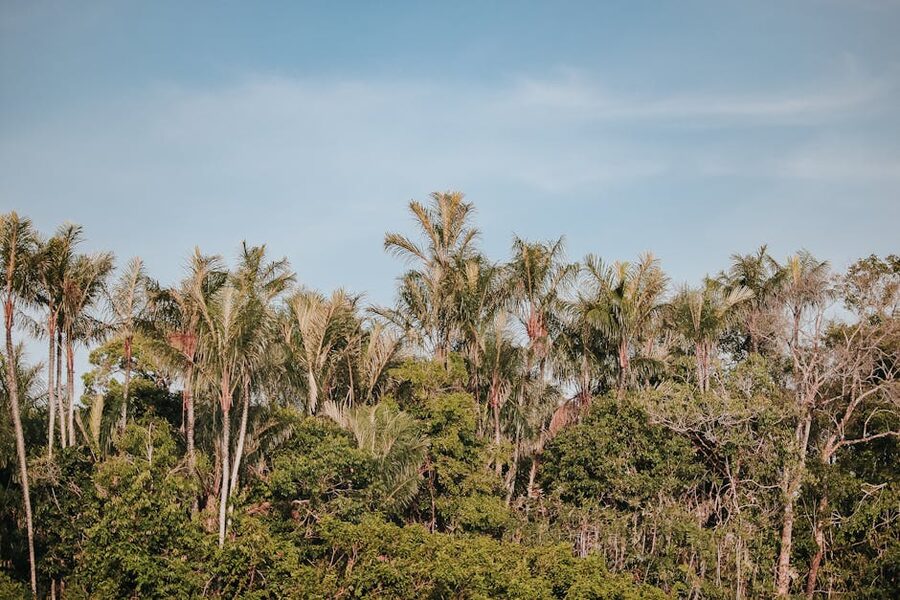
The Dresden 360° Panorama Amazonia is a 30-metre-tall, 100-metre-circumference panorama painting by artist Yadegar Asisi displayed inside a former gasometer. The painting depicts the Amazon rainforest at all hours of a day, with synchronised lighting and ambient soundscape that cycle through dawn, midday, dusk, and night every 30 minutes. The $18 ticket gets you unlimited time inside.
The Panometer (panorama + gasometer) is a Dresden landmark and the permanent home of Asisi’s rotating panorama series. Past panoramas have included Dresden 1756 (the Baroque city before its destruction), Mount Everest, and ancient Rome. The current Amazonia exhibition has been running since 2021 and combines visual immersion with educational content about Amazon ecology and threats.
Berlin Wall panorama: The Wall Asisi Panorama Berlin — $16, the same artist’s panorama showing the Berlin Wall in 1980 from East Berlin perspective.
Combined Dresden visit: Dresden City Walk + Panometer — $25, guided old town walk plus Panometer entry.
Official site: asisi.de — current panoramas and ticket booking.
- The Amazonia Panorama
- The Yadegar Asisi Method
- The Viewing Experience
- The Educational Content
- The Berlin Wall Panorama
- Combining with Dresden Sightseeing
- Best Tours to Book
- 1. Dresden 360° Panorama Amazonia —
- 2. The Wall Asisi Panorama Berlin —
- 3. Dresden City Walk + Panometer —
- Practical Tips
- Combining with Other Dresden Experiences
- More Eastern Germany Experiences
The Amazonia Panorama
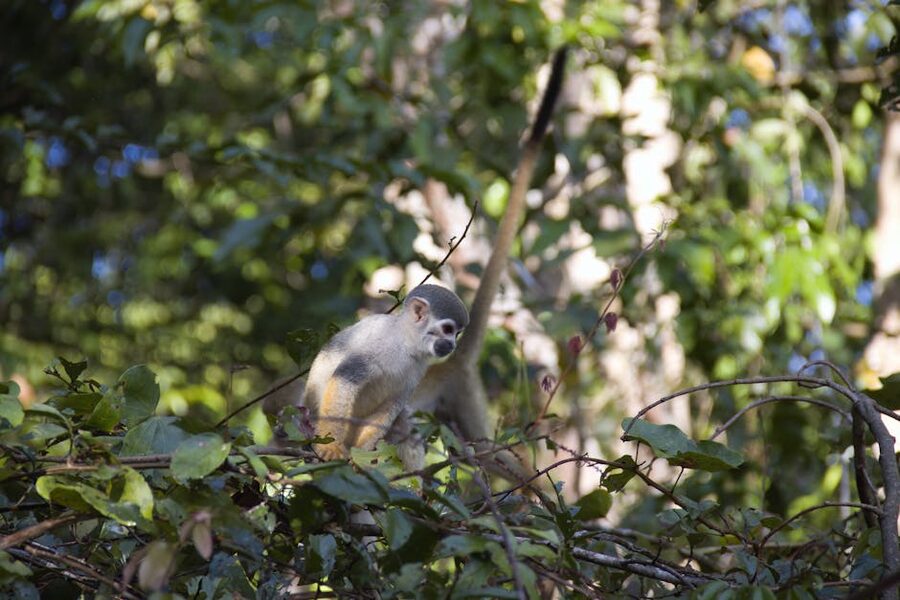
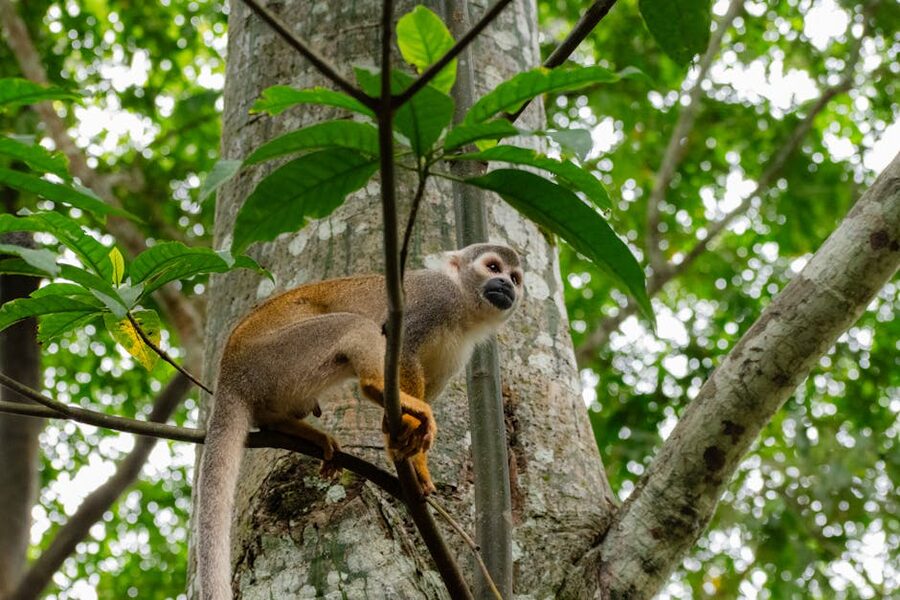
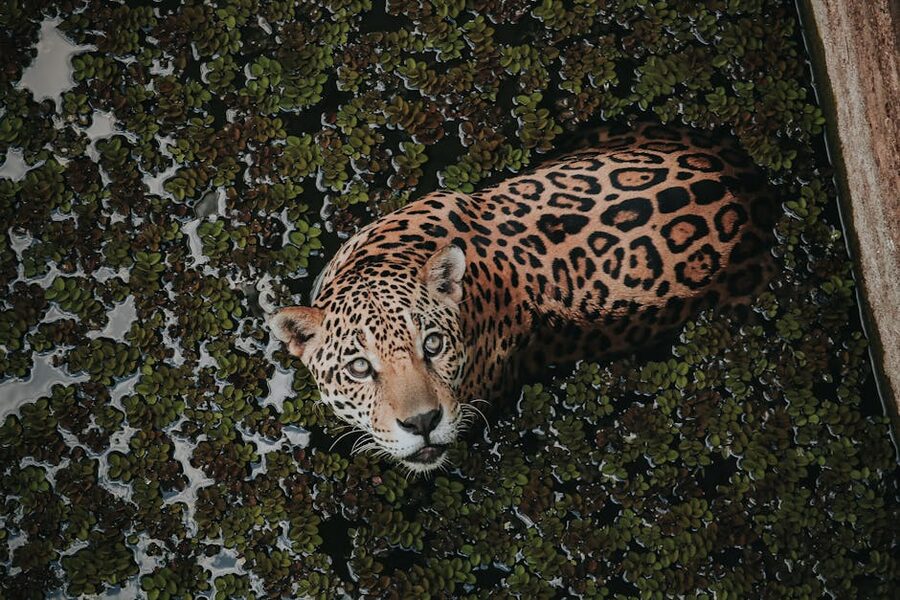
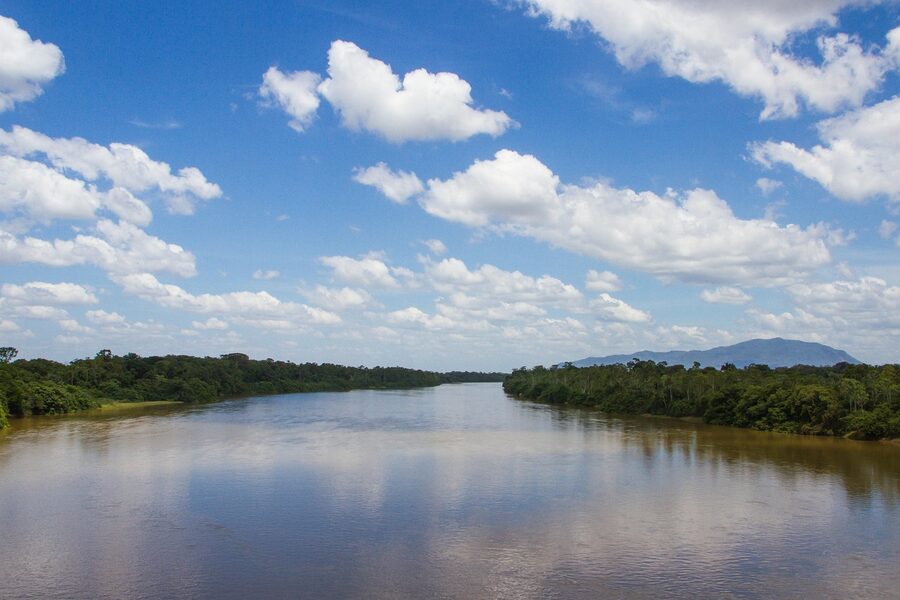
The Amazonia panorama is currently the third long-running panorama at the Dresden Panometer (after Dresden 1756 and Dresden 1945). Asisi created it during 2019-2020 based on extensive Amazon research trips, depicting a single moment in the rainforest with all the biodiversity, indigenous activity, and ecological detail compressed into one frozen frame.
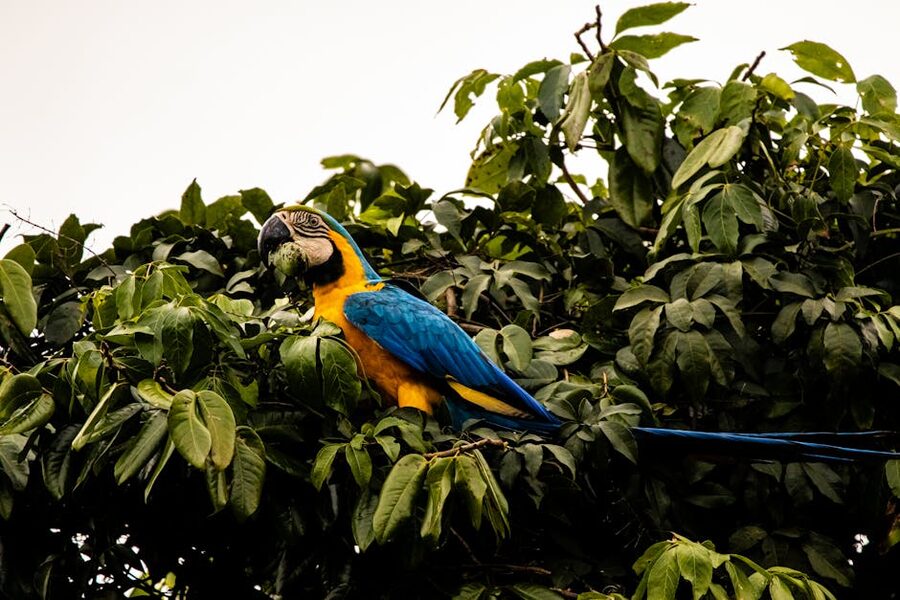
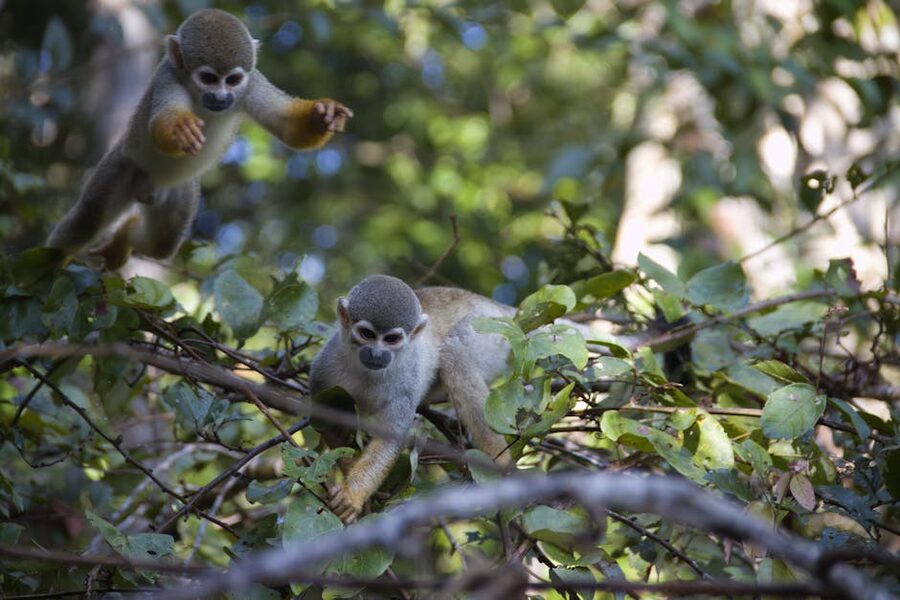
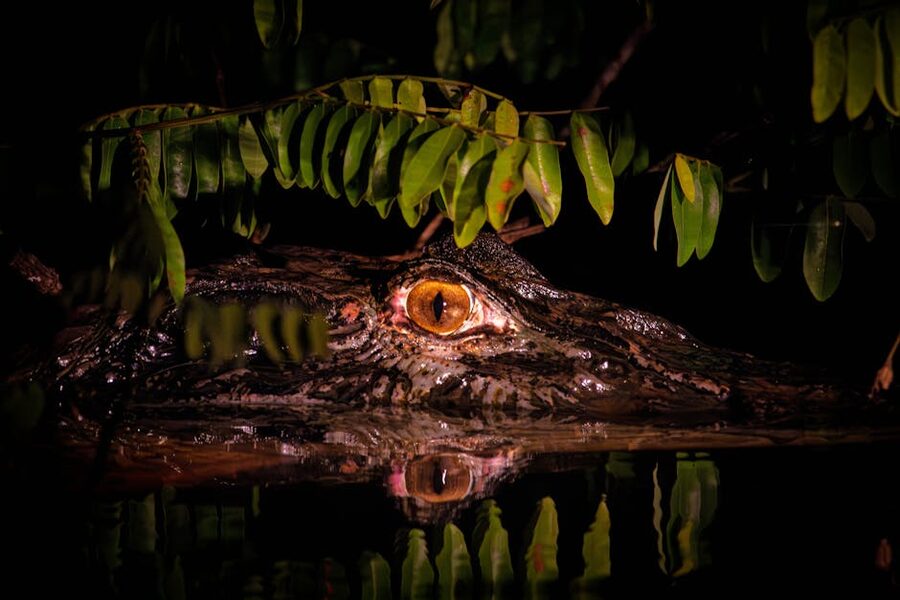
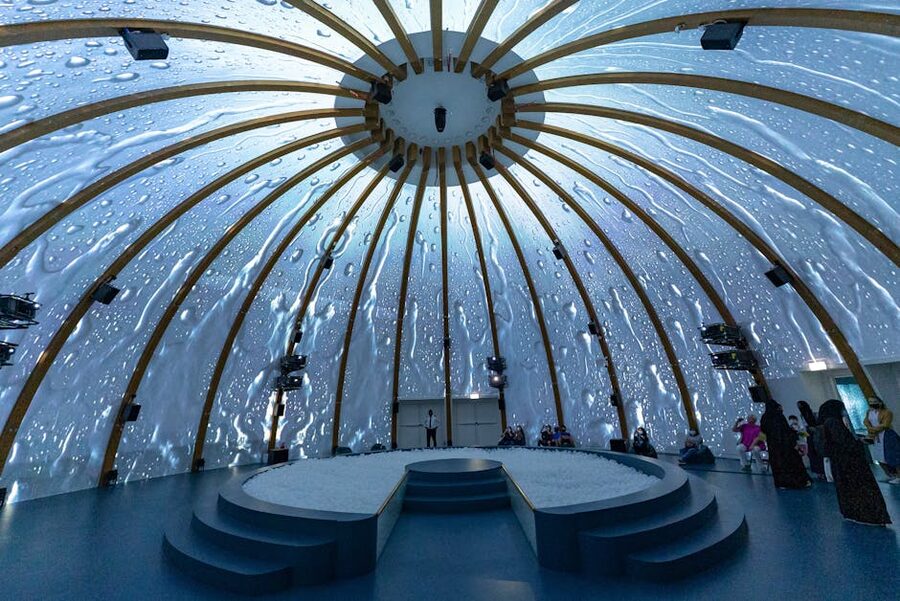
The day-night cycle is the panorama’s defining feature. Synchronised LED lighting around the building’s interior cycles through dawn (warm orange and gold), midday (bright clear daylight), dusk (deep purple and red), and night (bioluminescence and moonlight) every 30 minutes. The same painted scene appears completely different at each phase — birds become silhouettes, water surfaces shift colour, and the canopy reveals different details under different light.
The Yadegar Asisi Method
Yadegar Asisi (born 1955 in Vienna, raised in Halle, Germany) developed his panorama method over 30 years. Each panorama starts with thousands of photographs, sketches, and research interviews. Asisi then digitally composites these into a master image (the Amazonia master image is about 100 metres long when unrolled), which is printed in sections on canvas and assembled around the gasometer’s interior.

The 19th-century revival is the historical context. Panoramas — large-scale 360-degree paintings displayed in dedicated rotunda buildings — were popular entertainment from the 1790s through the 1900s before being displaced by cinema. Asisi has been working to revive the format with contemporary subjects and modern installation techniques. The Dresden Panometer is the franchise’s flagship venue.

The Viewing Experience
The Panometer’s viewing platform sits 15 metres above the ground floor, allowing visitors to see the panorama at multiple eye levels — looking down at jungle floor scenes, eye-level for canopy and indigenous communities, and looking up at sky and bird life. The platform circles the building’s interior, so you can walk around to see different sections of the panorama from different angles.
The audio component is part of the experience — ambient rainforest sounds (birds, insects, distant howler monkeys, river water) play continuously, with specific sounds intensifying during particular sections of the lighting cycle. The audio adds a layer that pure visual presentation can’t achieve.
The Educational Content
The Panometer includes substantial educational material alongside the panorama itself. The viewing platform has interpretive signage covering Amazon ecology, indigenous communities, deforestation threats, and Asisi’s research process. A separate exhibition space shows preliminary sketches, photography, and the digital composition process.
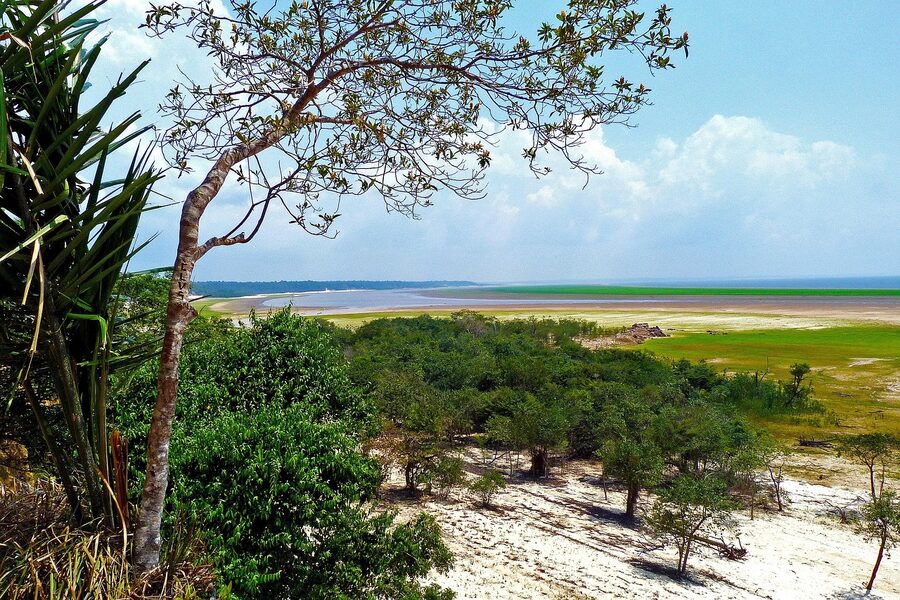
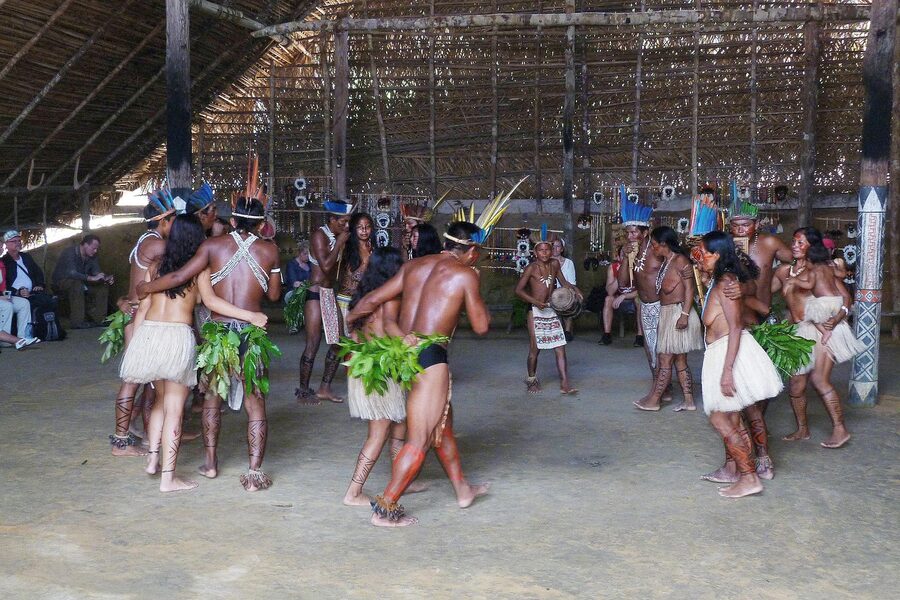
The conservation message is explicit but not preachy. The panorama presents the Amazon as a thriving ecosystem worth protecting; the educational signage explains the specific threats and what’s being done about them. Several Amazon conservation organisations have partnership relationships with the Panometer, and visitors can support these directly through donation kiosks.
The Berlin Wall Panorama
Asisi’s other major German panorama is “The Wall” in Berlin, depicting the Berlin Wall in 1980 from the East Berlin perspective. The panorama sits in a custom-built cylindrical structure on Friedrichstraße, near Checkpoint Charlie. The format is similar to Dresden’s — 360-degree panorama with day-night lighting cycles — but the subject is historical reconstruction rather than natural beauty.
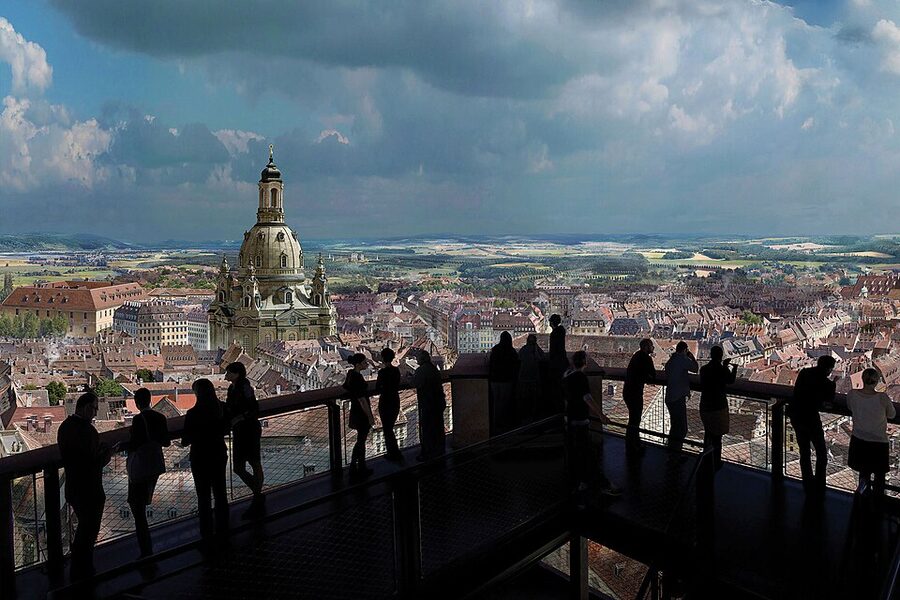
The Wall panorama shows a Cold War street scene — the death strip between the inner and outer walls, the watchtowers, the apartment buildings on both sides, and the human figures going about their lives in a divided city. The lighting cycle moves through dawn, midday workers, evening shoppers, and late-night silence. It’s historically detailed and emotionally affecting.

Combining with Dresden Sightseeing
The combined Dresden City Walk + Panometer tour ($25) covers the old town and the Panometer in a single guided experience. The walking tour covers the Frauenkirche, the Zwinger, and the Semperoper — the city’s reconstructed Baroque heart — providing context that makes the Panometer visit more meaningful.
The Panometer location is in the Reick district, about 15 minutes from central Dresden by tram. The combined tour handles the logistics; independent visitors can take Tram 9 to Niedersedlitzer Platz and walk 5 minutes to the Panometer. The neighbourhood is residential and not particularly tourist-oriented, which means the Panometer feels like a genuine destination rather than a quick add-on.
Best Tours to Book
1. Dresden 360° Panorama Amazonia — $18
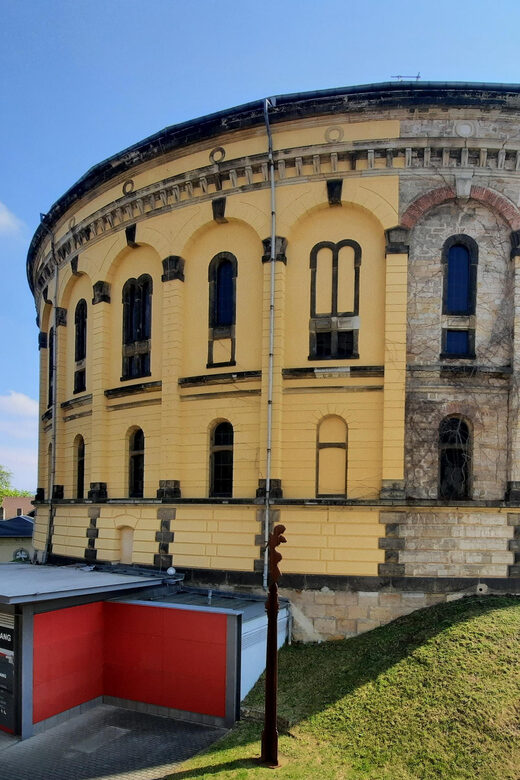
The essential Panometer visit. Unlimited time to experience Asisi’s 30-metre-tall, 100-metre-circumference Amazon panorama with synchronised lighting and audio. The 30-minute day-night cycle means you should plan at least one full cycle plus 15-20 minutes for the educational exhibits. At $18, it’s one of the most distinctive and best-value cultural experiences in eastern Germany. Our review covers the visit experience and what to expect.
2. The Wall Asisi Panorama Berlin — $16
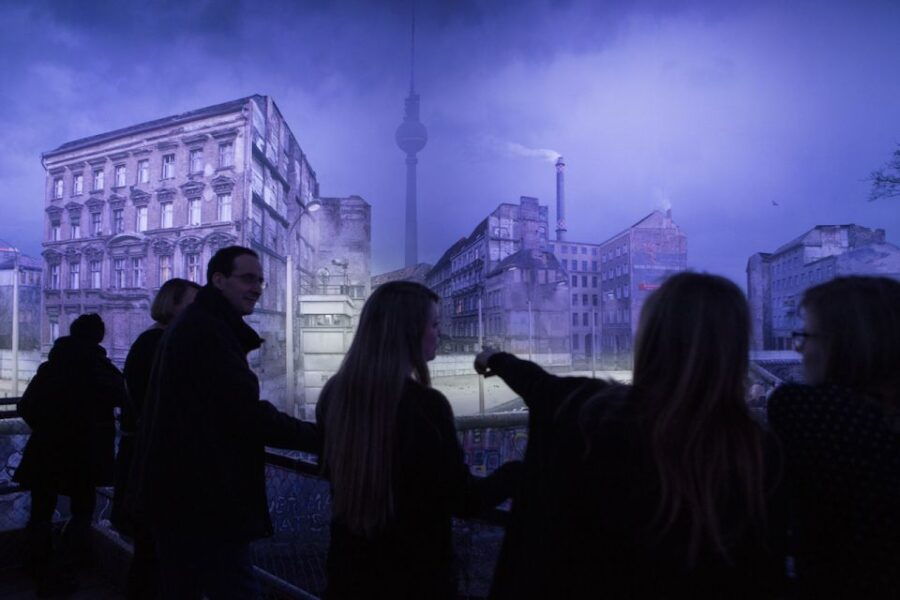
The Berlin equivalent. Asisi’s Berlin Wall panorama uses the same 360° format with day-night cycles, depicting the East-West divide in 1980 from the East Berlin perspective. The historical reconstruction is detailed and emotionally affecting. At $16, it’s slightly cheaper than the Dresden Amazonia panorama and easily combinable with other Berlin sightseeing. Our review compares the two Asisi panoramas and explains which works better as a single visit.
3. Dresden City Walk + Panometer — $25
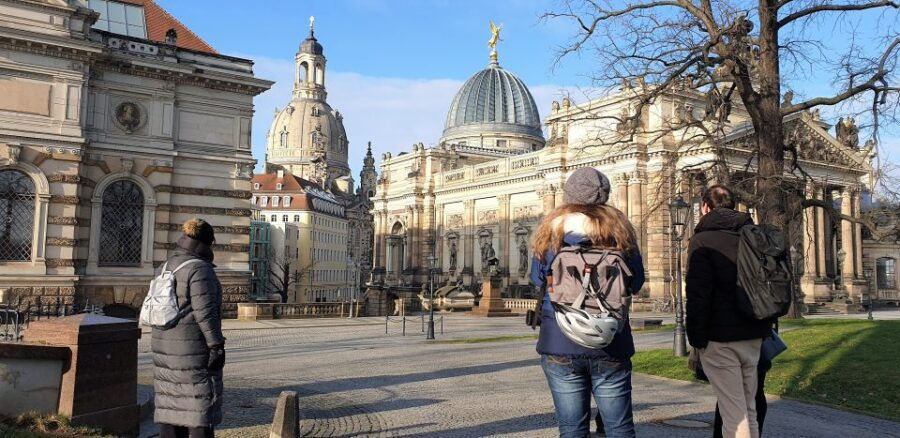
The combined experience. A guided walking tour of Dresden’s reconstructed old town followed by Panometer entry — one ticket covers both, with logistics and timing handled. At $25, the combined ticket is $7 more than the standalone Panometer entry but adds 90 minutes of guided old town walking. Our review covers the walking route and explains when the combined ticket is better value than separate visits.

Practical Tips
How long to allow: 60-90 minutes total — at least one full 30-minute day-night cycle plus 15-30 minutes for educational exhibits. Visitors who study the panorama in detail can stay 2 hours.
Best timing: Visit early in the lighting cycle for best photographic conditions during the dawn and midday phases. The dusk and night phases are atmospheric but harder to photograph.
Photography: Permitted without flash. The panorama is challenging to photograph because of its scale — most visitor photos capture sections rather than the full sweep. Phone panorama features work for partial captures.
Accessibility: The Panometer has wheelchair access via lift to the viewing platform. Visitors with photosensitivity should know that lighting cycles include some intense colour transitions.
Budget: Panometer: $18. The Wall Berlin: $16. Combined Dresden tour: $25. A combined Dresden visit (Panometer + walking tour + lunch): about €40-50.
Combining with Other Dresden Experiences
The Panometer pairs naturally with Dresden’s other major attractions. The Dresden walking tours covering the Dungeon, Semperoper, and Old Town provide the broader Dresden context. The Saxon Switzerland and Bastei Bridge day trip shows you the spectacular natural landscape outside the city. Together they cover Dresden’s full cultural and natural offerings.
For visitors interested in immersive art beyond Dresden, the Hamburg Port des Lumières covers the Lumières franchise of immersive projection shows. The Berlin DARK MATTER Experience takes the immersive concept in the LED installation direction. All three venues represent different approaches to immersive art beyond traditional museum formats.
More Eastern Germany Experiences
The Dresden Panometer is one of eastern Germany’s most distinctive cultural attractions. The Leipzig canal tours and city guide cover the other major Saxon city. The Potsdam and Sanssouci Palace day trip from Berlin covers the royal Prussian gardens that complement Dresden’s Baroque heritage. And the Berlin Museum Island tickets and visitor guide covers the cultural heavyweights of the eastern German museum scene.