
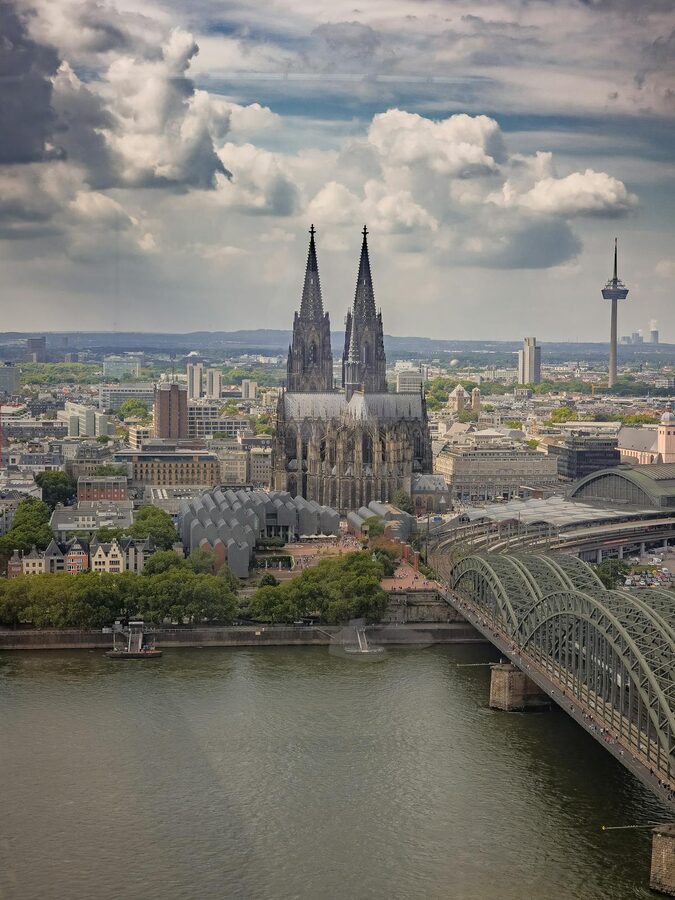
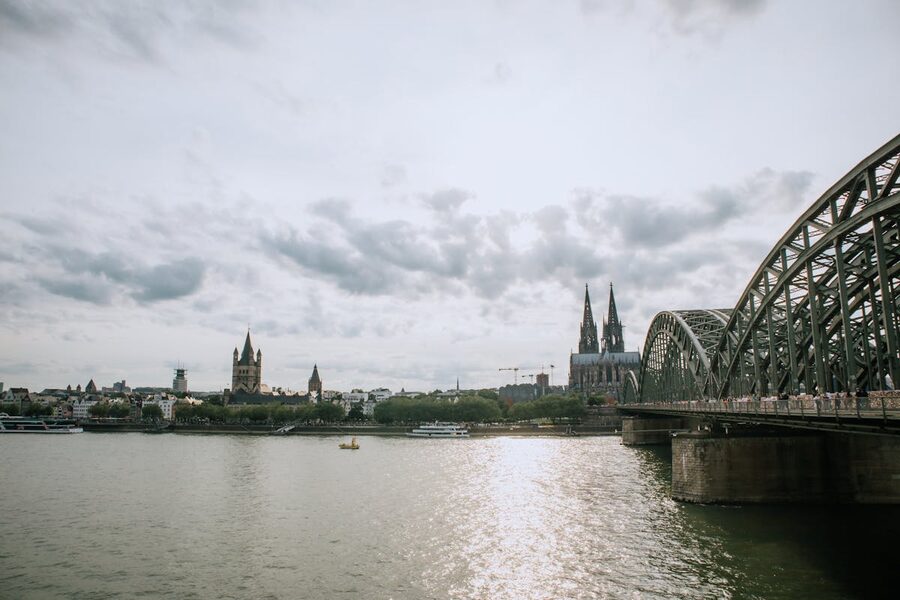
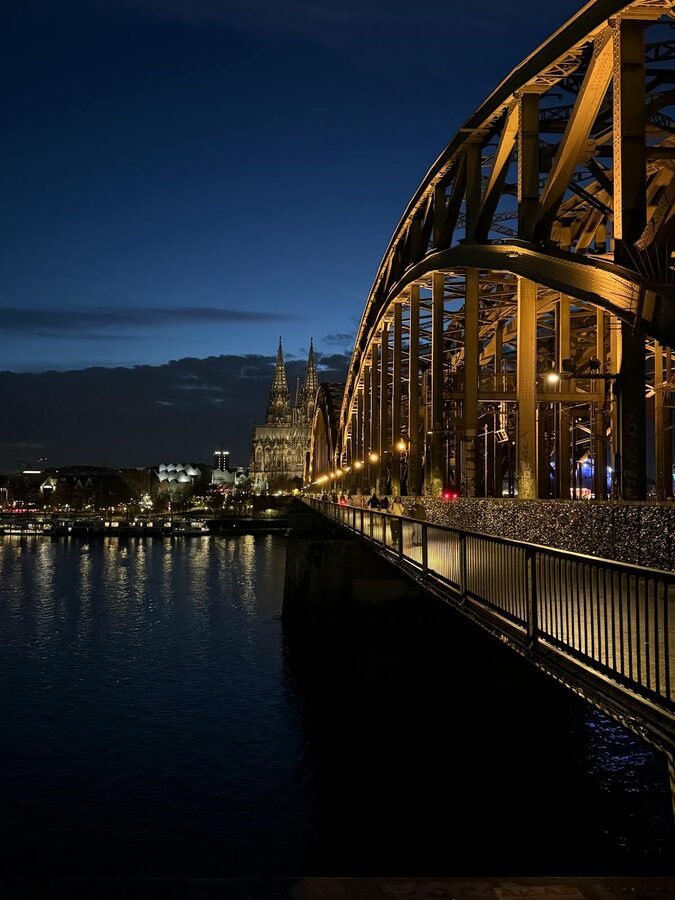
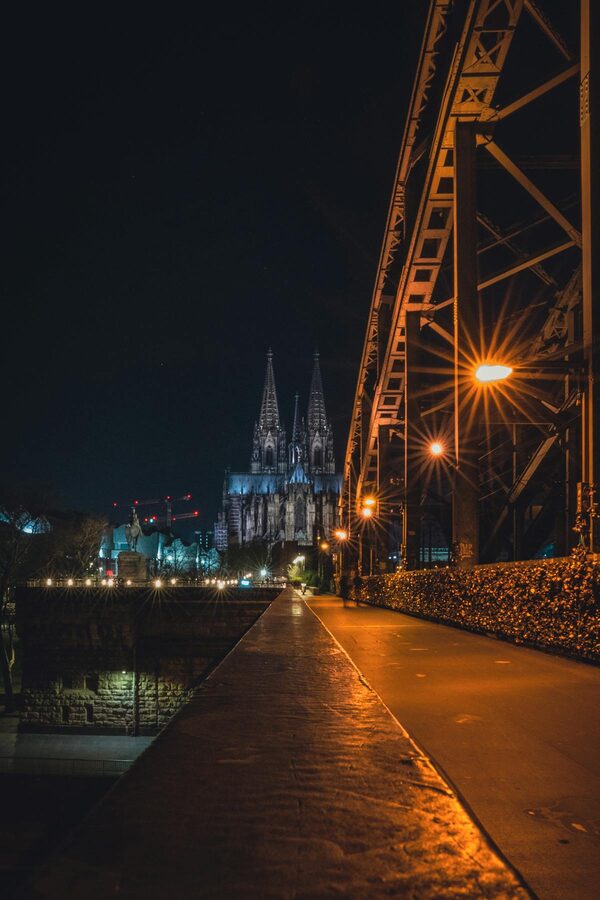
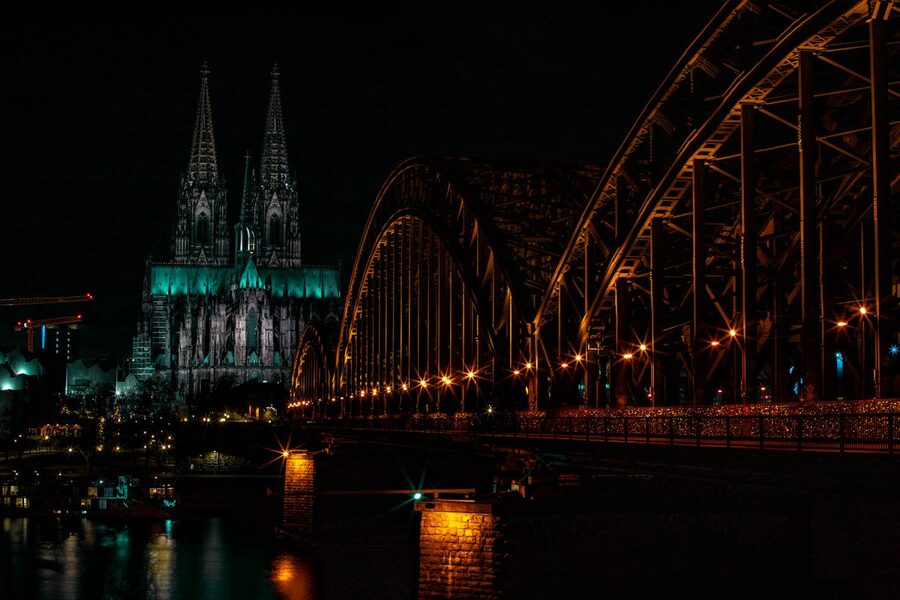
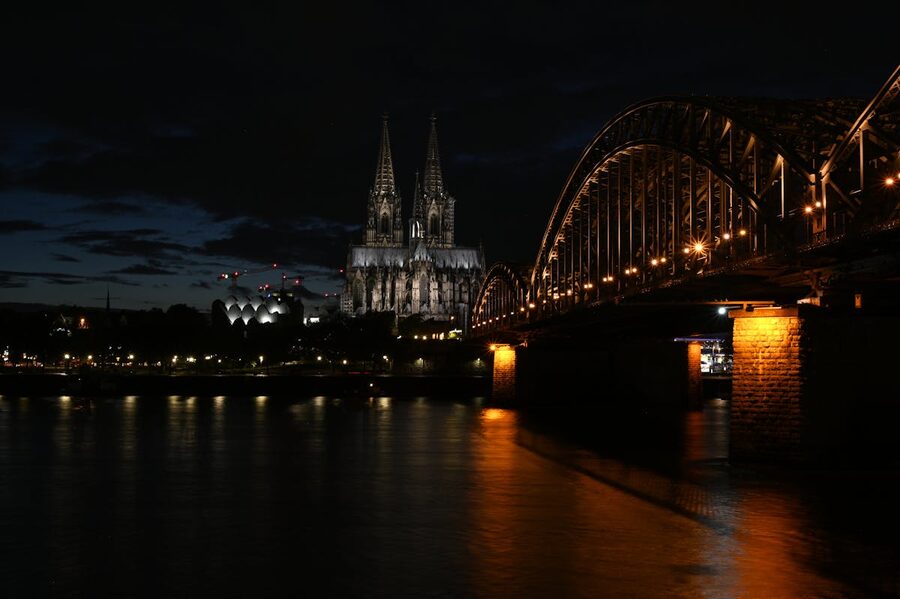
Cologne looked completely different 80 years ago. Before March 1945, the old town surrounding the cathedral was a dense medieval neighbourhood — narrow streets, Romanesque churches, merchant houses that had stood for centuries. Then 262 air raids reduced 90% of the city centre to rubble. The cathedral survived (barely — it took 14 direct hits but the Gothic structure held). Everything around it didn’t.
The TimeRide VR Experience ($26) puts you inside the pre-war city. You strap on virtual reality goggles and walk through a digital reconstruction of Cologne’s destroyed old town — the medieval streets, the Roman gate, the Romanesque churches, the merchant houses along the Rhine. Then you take the goggles off and walk outside into the modern city built on top of it all.
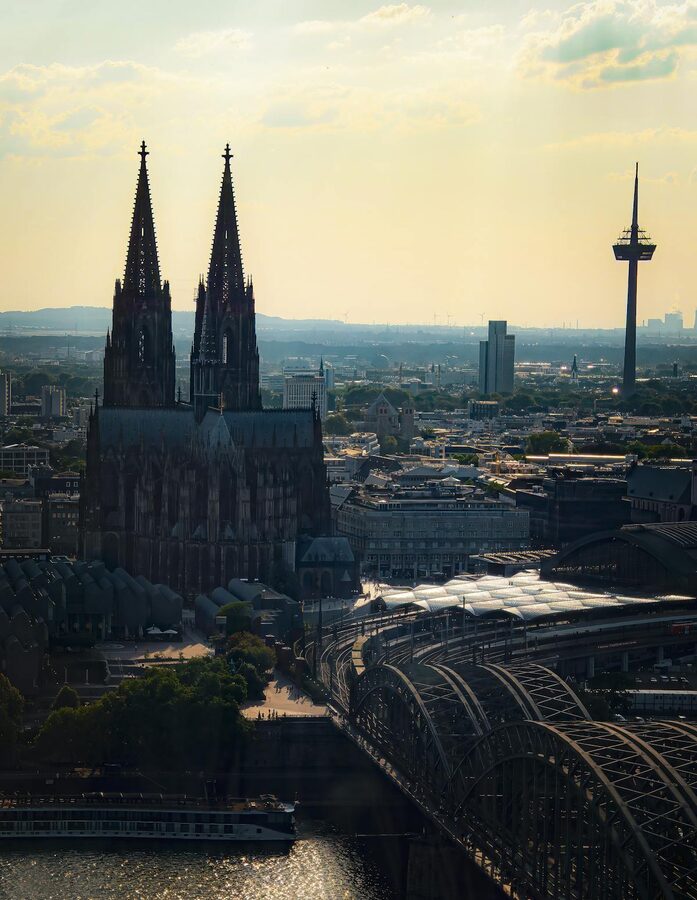
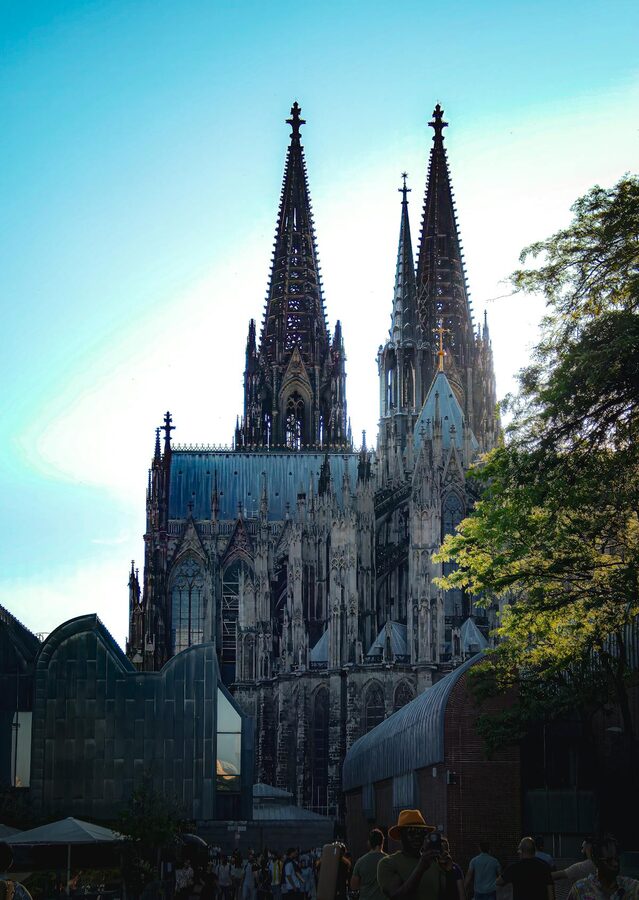
Best with walking tour: Cathedral Walking Tour with VR — $32, 1 hour combining the cathedral exterior with VR elements.
Best beer tour: Brewhouse Walking Tour — $25, 2 hours visiting Cologne’s traditional Kölsch breweries.
- The TimeRide VR Experience
- The Cathedral Walking Tour with VR
- The Brewhouse Walking Tour
- Cologne Carnival
- Cologne’s Twelve Romanesque Churches
- Cologne’s Roman Heritage
- Best Tours to Book
- 1. TimeRide VR Time Travel Experience —
- 2. Cathedral Walking Tour with VR —
- 3. Guided Brewhouse Walking Tour —
- Practical Tips
- More Cologne and Germany
The TimeRide VR Experience
TimeRide operates from a storefront near the cathedral, and the 45-minute experience is divided into three phases. First, a physical exhibition with artefacts, photographs, and film footage that sets the historical context — Cologne in the 1920s, the rise of the Nazis, the war, and the bombing campaign. Second, the VR journey itself — you put on goggles and are transported into a digital reconstruction of pre-war Cologne, walking through streets that no longer exist and seeing buildings that were destroyed 80 years ago. Third, a guided reflection comparing what you saw in the VR with what exists today.
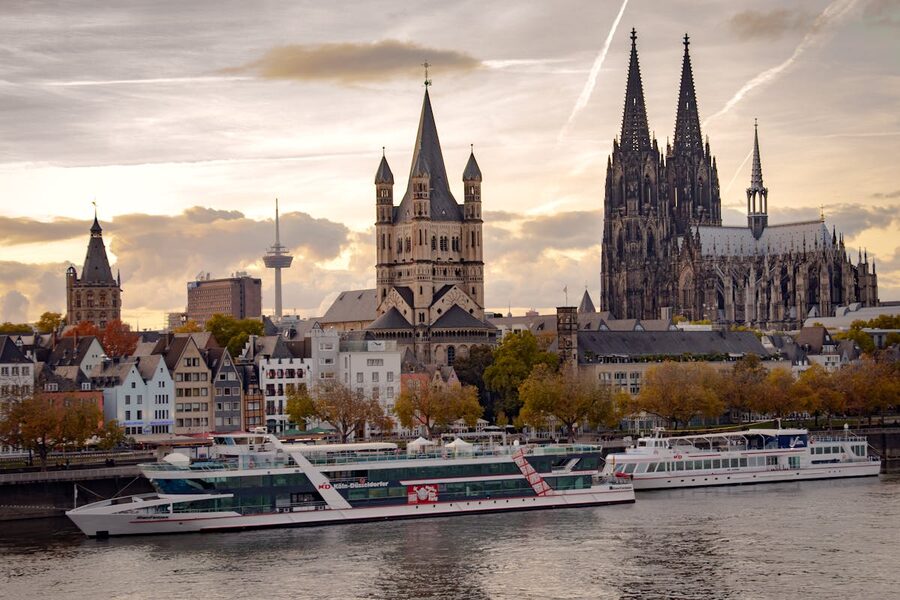
The VR technology recreates Cologne circa 1926 — the Weimar Republic era when the city was prosperous, culturally active, and architecturally intact. The reconstruction is based on historical photographs, architectural plans, and eyewitness descriptions. The fidelity isn’t photo-real (VR never quite is), but it’s convincing enough to give you a genuine emotional response when you see the dense medieval streets that were flattened 18 years later.
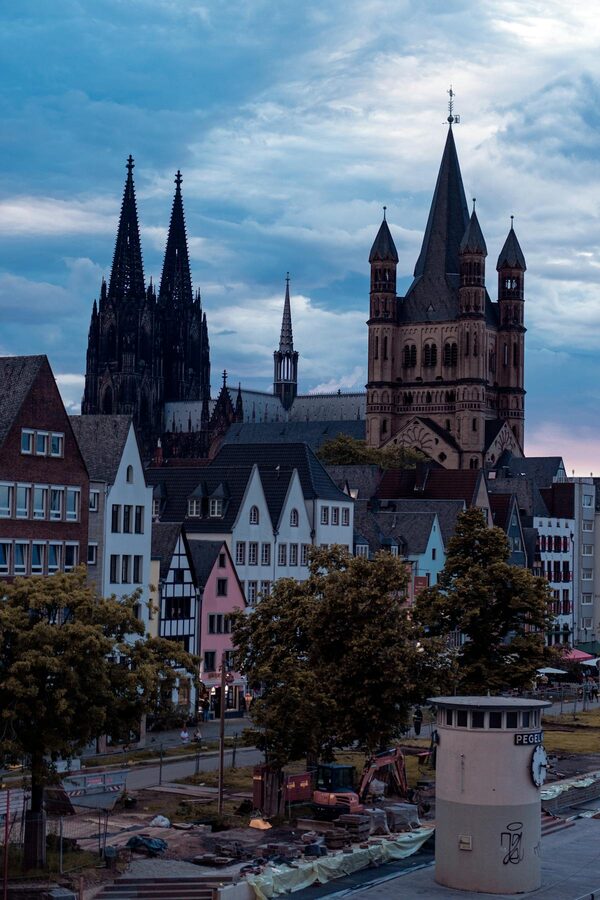
The Cathedral Walking Tour with VR
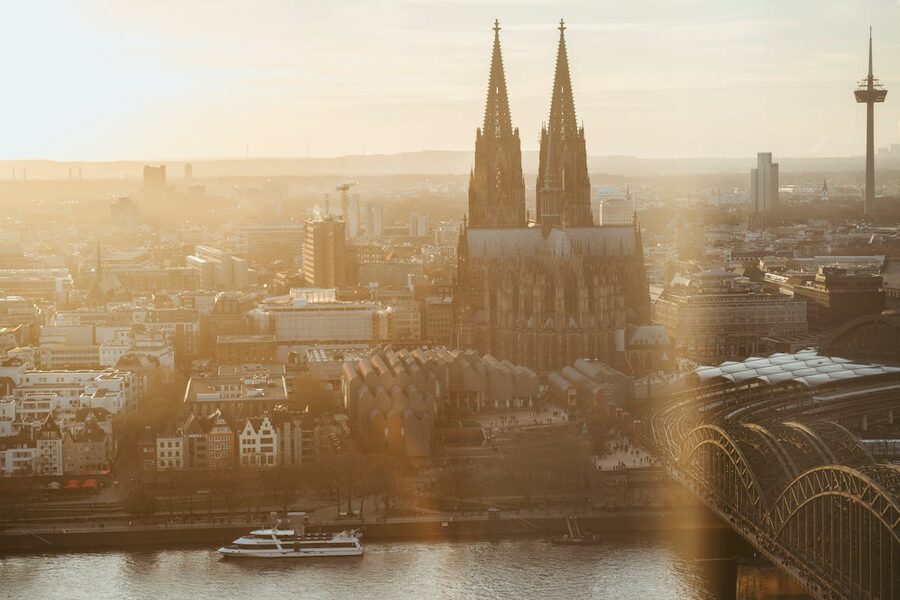
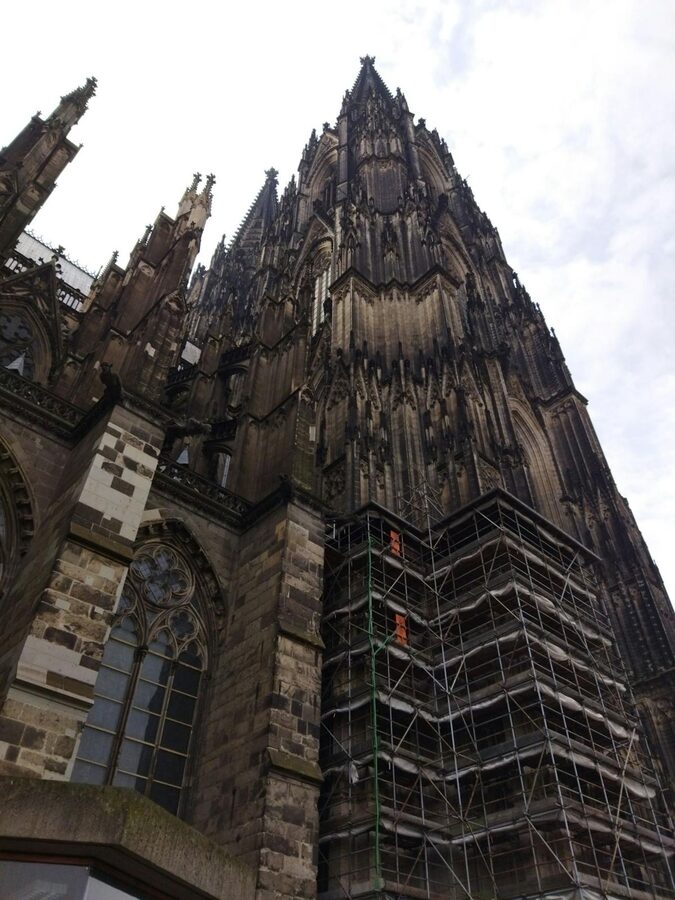
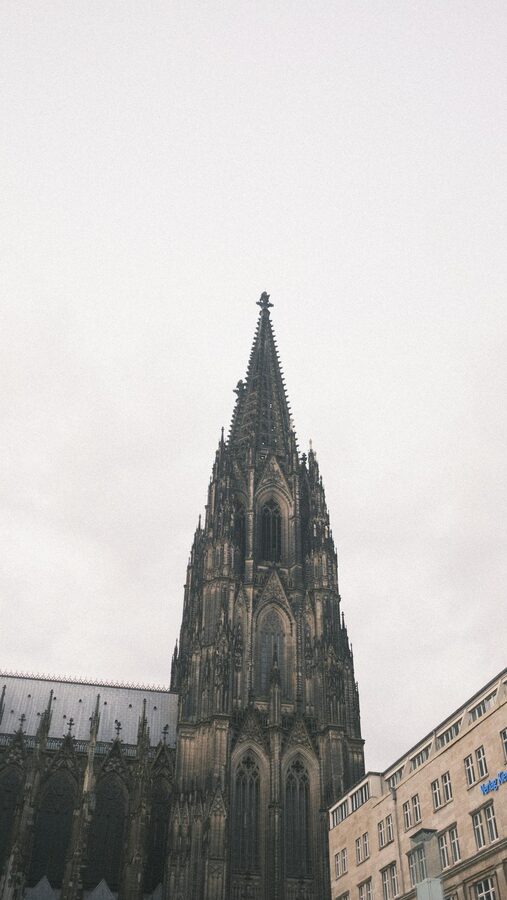
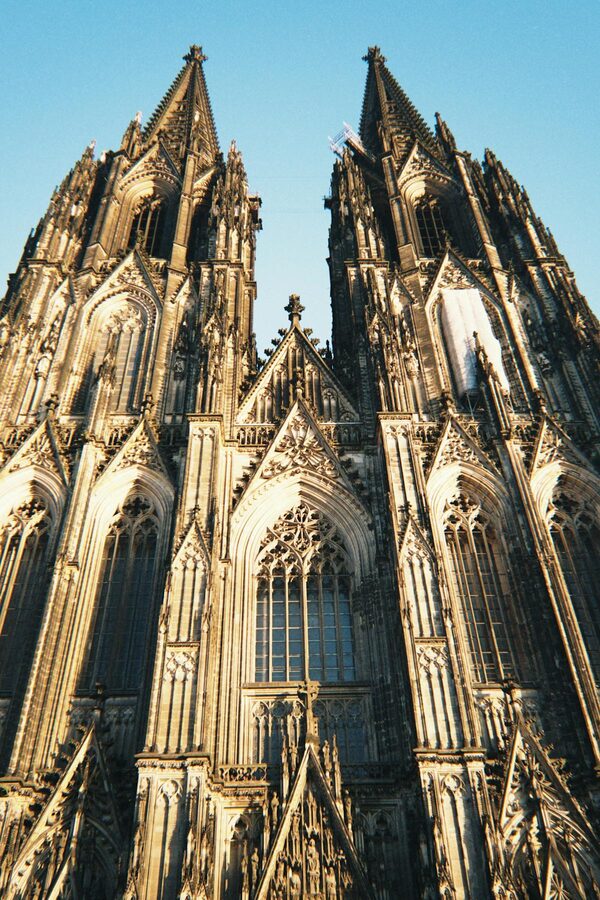
The Cathedral Walking Tour with VR ($32, 1 hour) combines a guided walk around the exterior of Cologne Cathedral with VR goggles that show you the cathedral at different points in its 632-year construction history. You stand at the same spot and see the building as it looked in the 13th century (just begun), the 16th century (half-built, with the famous crane still on the unfinished tower), and the 19th century (completed at last).
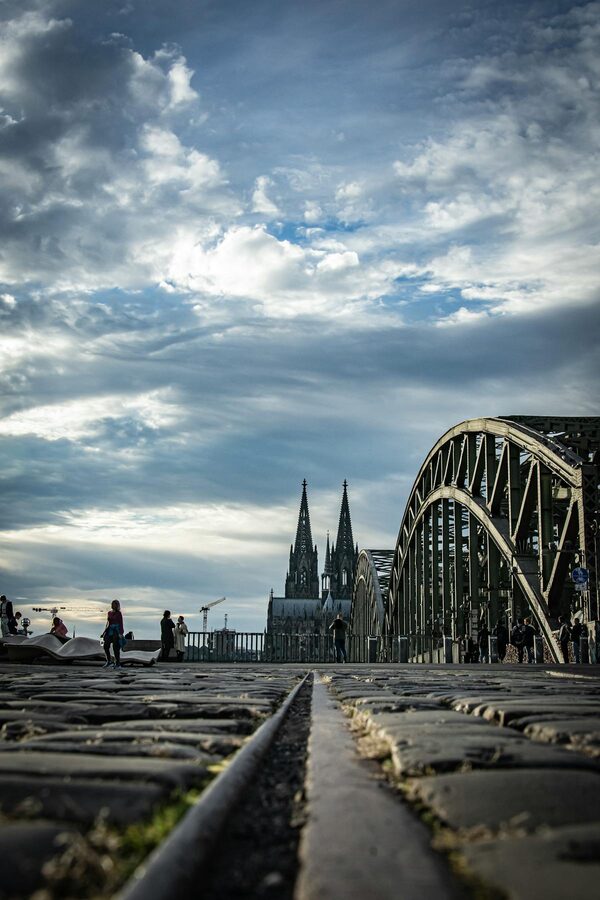
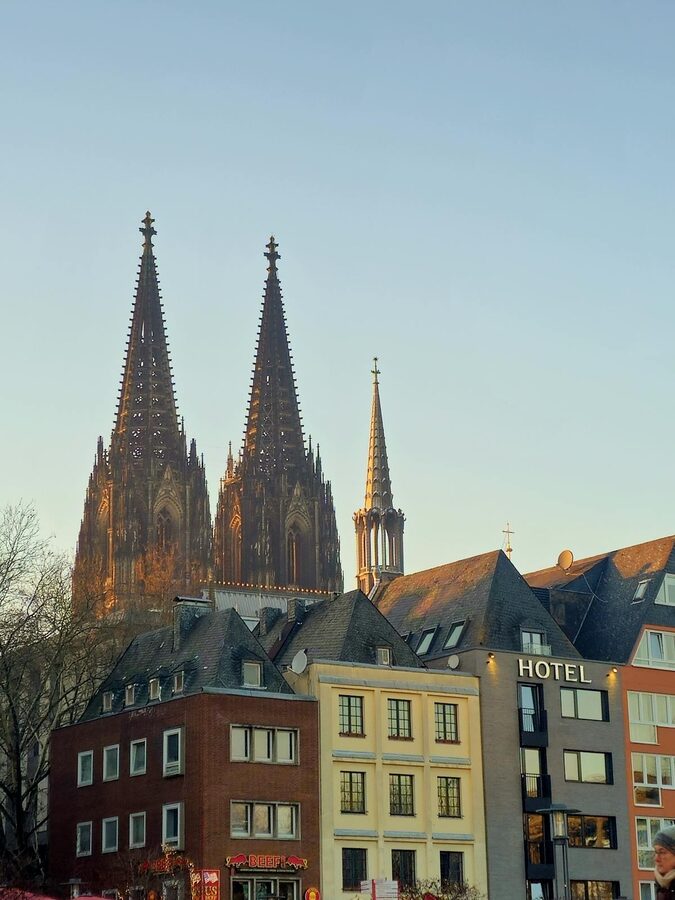
The VR element adds genuine value here because the cathedral’s construction history is so unusual. Most great cathedrals were built over 100-200 years. Cologne’s took 632 — with a 400-year gap in the middle when a construction crane sat on top of the unfinished south tower, visible in every painting of Cologne from 1473 to 1868. The VR lets you see this crane and the half-built cathedral in a way that descriptions and paintings can’t match.
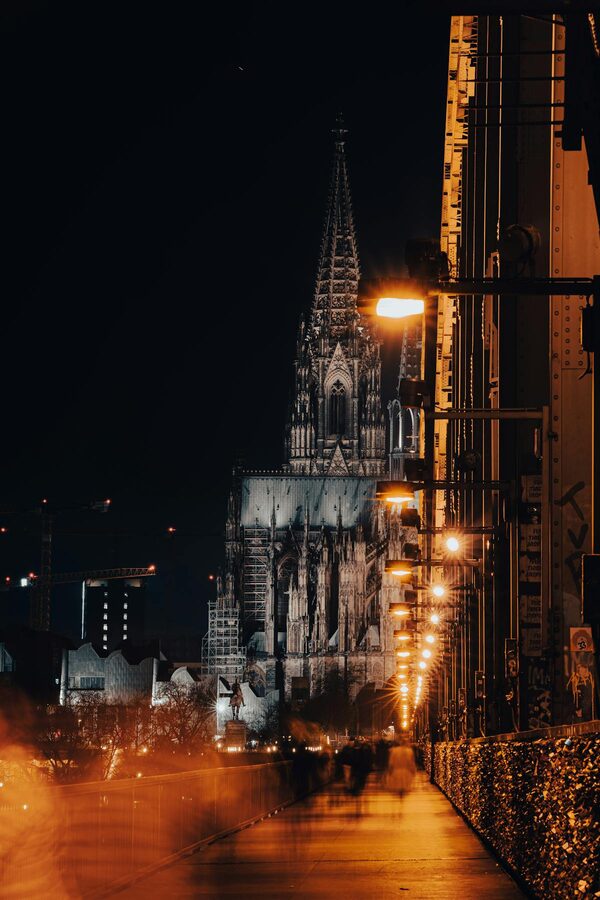
The Brewhouse Walking Tour
Cologne’s Kölsch beer culture is unlike anything else in Germany. The beer is served in small 200ml glasses called Stangen, delivered on circular trays called Kränze by waiters called Köbes who keep refilling without being asked (you place your beer mat on top of the glass to signal you’ve had enough). The Brewhouse Walking Tour ($25, 2 hours) takes you to three traditional brewhouses where you learn the Kölsch system while drinking it.
Kölsch is legally protected — the Kölsch Konvention of 1986 restricts the name to beers brewed within the city limits of Cologne (plus a few historically grandfathered exceptions). The beer itself is a hybrid — top-fermented like an ale but cold-conditioned like a lager, producing a light, crisp, slightly fruity beer that’s the perfect session drink. The small 200ml glasses are designed to keep the beer fresh — Kölsch goes flat quickly, so you drink fast and the Köbe brings a fresh one before the last sip.
Cologne Carnival
Cologne’s Carnival (Karneval) is the largest street celebration in Germany — five days of parades, costumes, music, and approximately 10 million litres of beer consumed between Weiberfastnacht (Women’s Carnival Thursday) and Ash Wednesday. The festivities peak on Rosenmontag (Rose Monday) with a parade through the city centre that draws over a million spectators.
Carnival season officially opens on November 11 at 11:11am (because Cologne does nothing without a specific time) and builds through the winter with Sitzungen (seated concerts and comedy shows) before exploding into the street celebrations in February or March. If you’re in Cologne during Carnival, the VR experience and the walking tours still run but the city around them transforms into something barely recognisable — a city that takes its fun as seriously as its beer.
Cologne’s Twelve Romanesque Churches
Cologne has twelve large Romanesque churches — more than any other city in the world outside Rome. Built between the 10th and 13th centuries, they survived the bombing in various states of damage and have been painstakingly restored. The walking tours pass several of them, and the guided highlights tour (covered in our Cologne Walking Tours article) incorporates the most important ones into the route.
The most impressive is St. Gereon — an unusual decagonal structure that was one of the largest church domes in medieval Europe. St. Maria im Kapitol has the oldest preserved wooden doors in Germany (circa 1065). And Gross St. Martin, with its massive crossing tower, dominates the Rhine waterfront almost as much as the cathedral.
Cologne’s Roman Heritage
Cologne was founded by the Romans as Colonia Claudia Ara Agrippinensium in 50 AD — making it one of the oldest cities in Germany. Roman remains are scattered throughout the city centre: the Praetorium (governor’s palace) beneath the modern City Hall, the Roman sewer system beneath the streets, and the Romano-Germanic Museum next to the cathedral, which houses the famous Dionysus Mosaic and one of the finest collections of Roman glass in the world.
The VR experience incorporates the Roman layer — showing you the Roman city walls, the aqueduct, and the street grid that still determines the layout of Cologne’s old town. The Hohe Straße, Cologne’s main shopping street, follows the exact line of the Roman Cardo Maximus (north-south road). Standing on it with VR goggles, you can see the Roman road beneath the modern pavement.
Best Tours to Book
1. TimeRide VR Time Travel Experience — $26
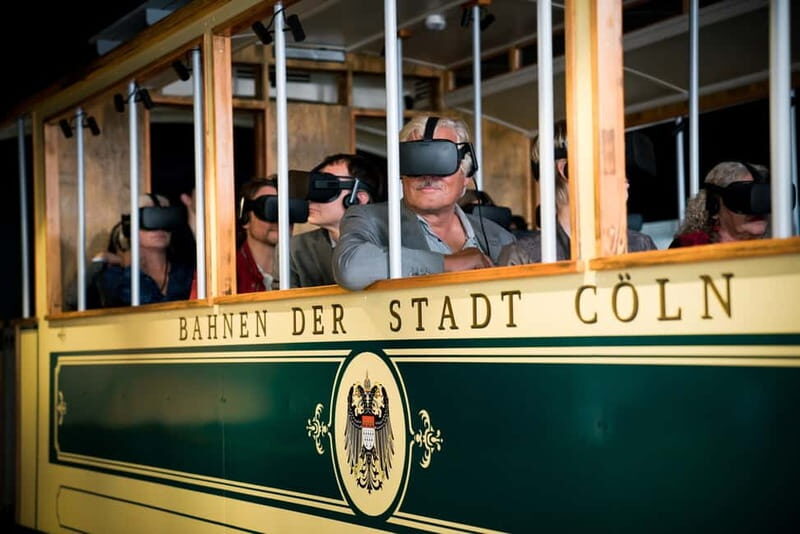
The standout Cologne experience. Forty-five minutes that change how you see the city — the pre-war reconstruction is emotionally powerful, and the contrast with the modern city outside is the real impact. At $26, it’s cheaper than most museum admissions and more memorable. Our review covers the VR quality and whether the experience works for non-gamers.
2. Cathedral Walking Tour with VR — $32
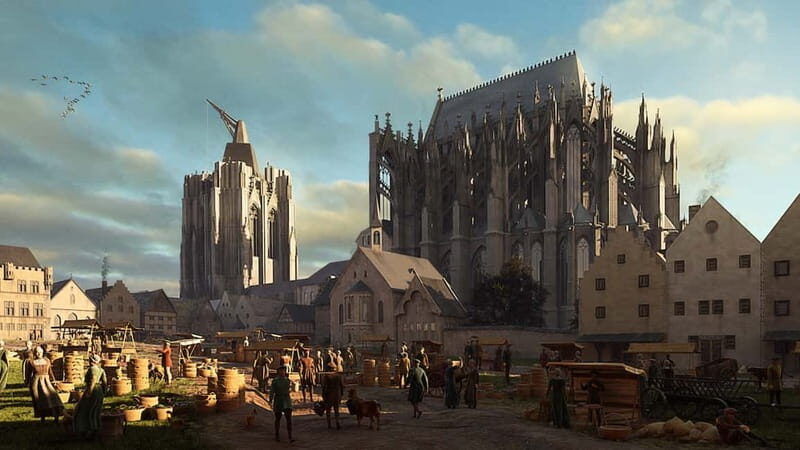
The best way to understand the cathedral. One hour combining the exterior walking tour with VR goggles that show you the building at different construction stages. The guide’s narration fills the gaps between what you see physically and what the VR reveals historically. Our review explains how the VR elements enhance the traditional cathedral tour format.
3. Guided Brewhouse Walking Tour — $25
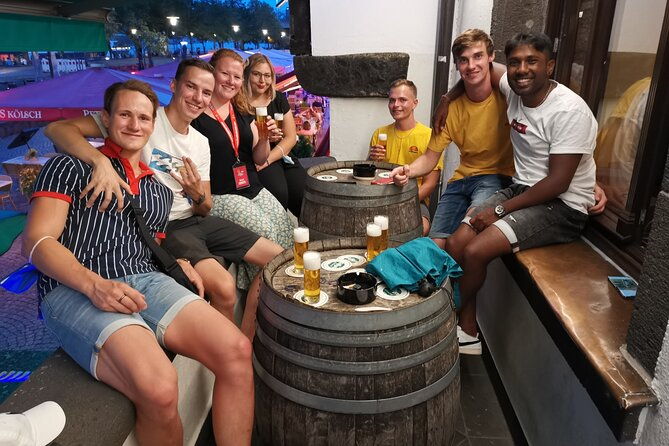
For visitors who prefer their cultural education served with a beer. Two hours visiting three traditional Kölsch brewhouses with a guide who explains the brewing process, the service ritual, and the 500-year history of Kölsch culture. At $25 including tastings at each stop, the price barely covers the beer you drink. Our review covers the brewhouses visited and which Kölsch brand the guide recommends.
Practical Tips
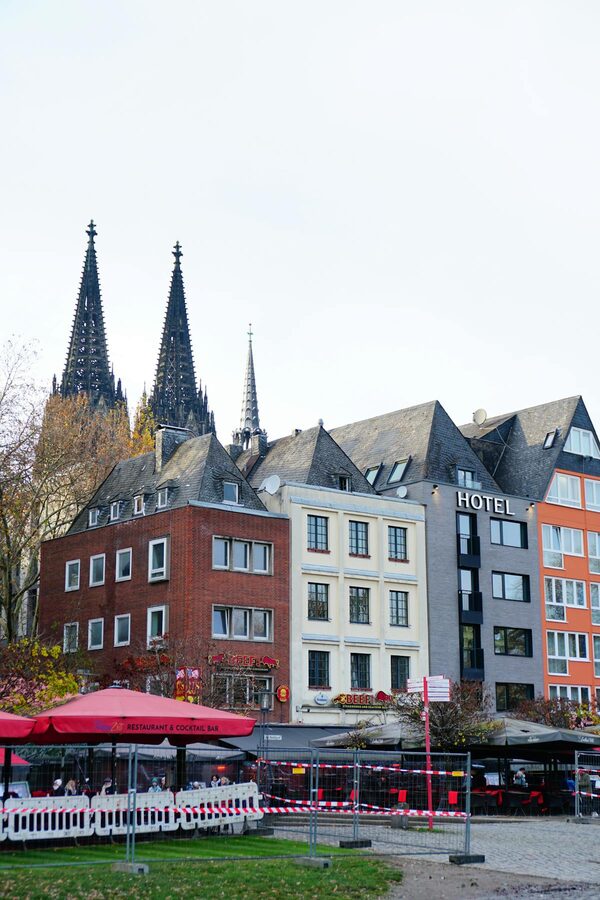
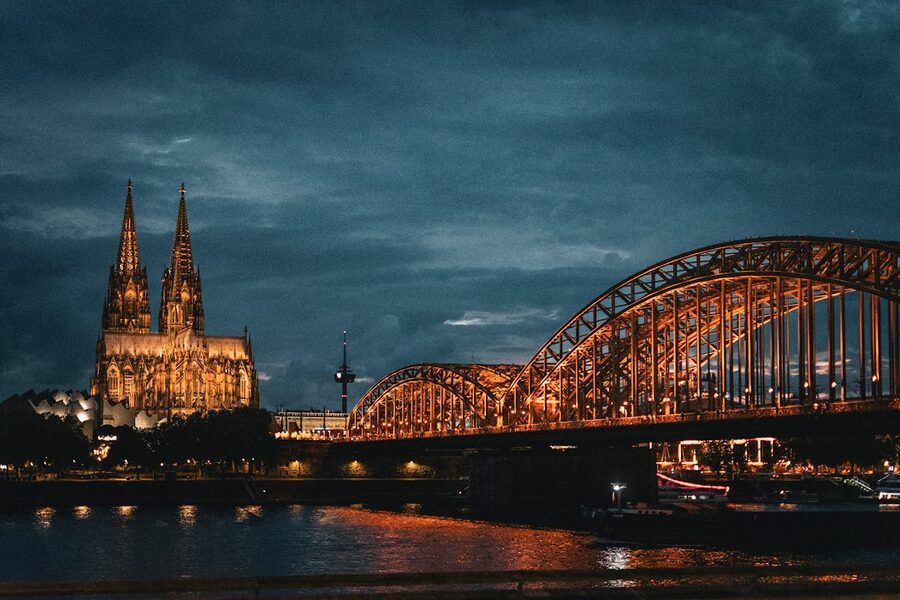
Getting to Cologne: Direct trains from Frankfurt (1hr), Düsseldorf (25min), Amsterdam (2hr 45min), and Brussels (1hr 50min by Thalys). Cologne Hauptbahnhof is directly behind the cathedral — you step off the train and the cathedral is right there.
When to visit: Year-round. Cologne Carnival (February) is the city’s biggest event — massive street celebrations that make it Germany’s answer to Mardi Gras. The Christmas markets (late November to December) fill six squares with wooden stalls and Glühwein. Summer brings outdoor events along the Rhine.
Combine VR + walking tour: The TimeRide VR (45 min) + Cathedral Walking Tour with VR (1 hr) + Brewhouse Tour (2 hrs) makes a full day of Cologne experiences. Start with the TimeRide, move to the cathedral walk, then end with the beer tour as afternoon turns to evening.
Budget: TimeRide VR: $26. Cathedral VR walk: $32. Beer tour: $25. Cathedral tower climb: €6. Kölsch in a brewhouse: €1.80-2.20/glass. Lunch: €10-15. A full day: about €70-90.
More Cologne and Germany
The Cologne walking tours and Rhine cruises article covers the Night Watchman Tour, the highlights walking tour, and the 1-hour Rhine cruise that complement the VR and beer experiences. The Frankfurt VR experience covers the same TimeRide format in a different city — Frankfurt’s pre-war destruction was equally devastating. And the Rhine Valley castle cruises from Koblenz show you the spectacular gorge section of the same river that flows through Cologne.