
On July 1, 1916, 19,240 British soldiers were killed in a single day. It remains the bloodiest day in British military history. The Battle of the Somme lasted another four and a half months after that first morning, killed over a million men from all sides combined, and moved the front line forward by about 10 kilometres. The battlefields are still here. The cemeteries are still maintained. And the landscape — gentle farmland in northern France — still holds the scars in its soil, its place names, and its silence.
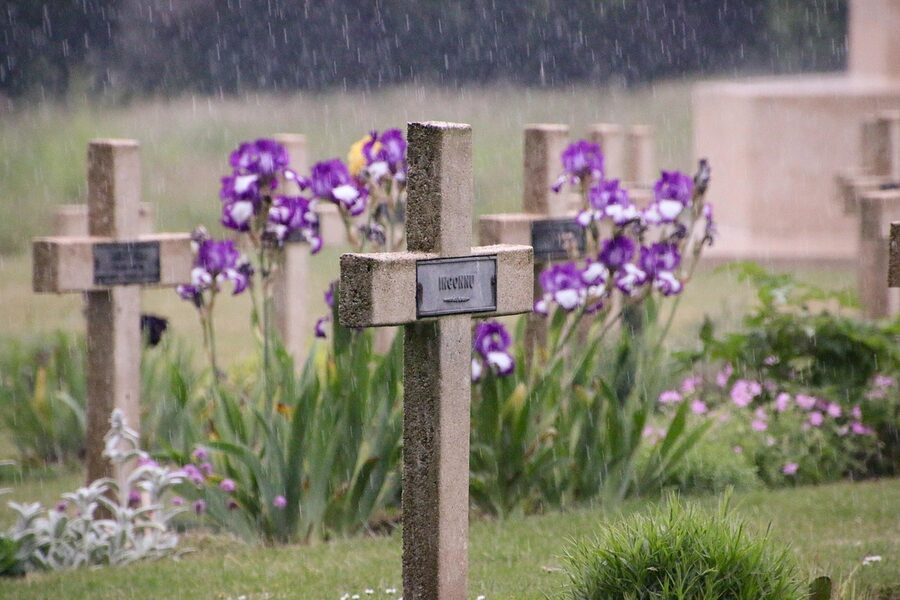
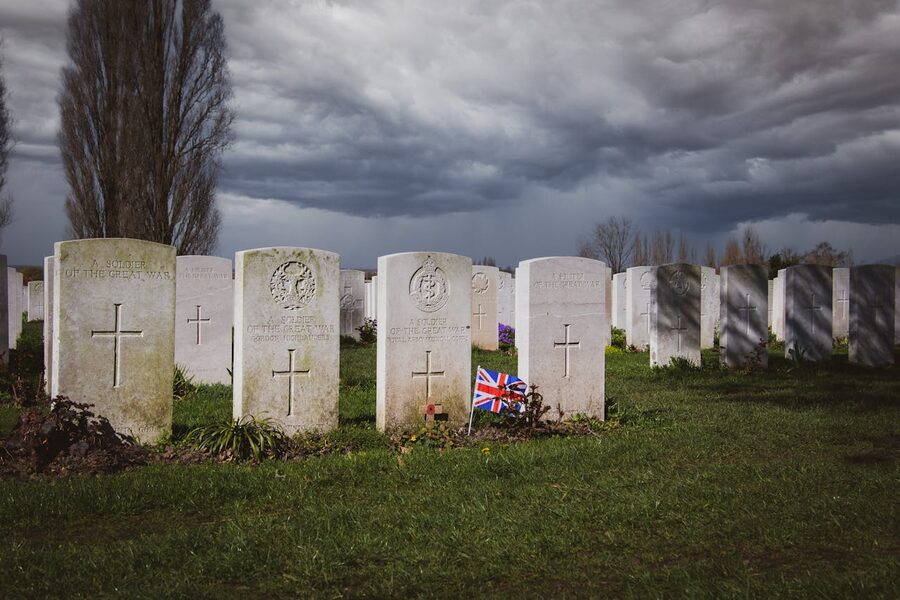
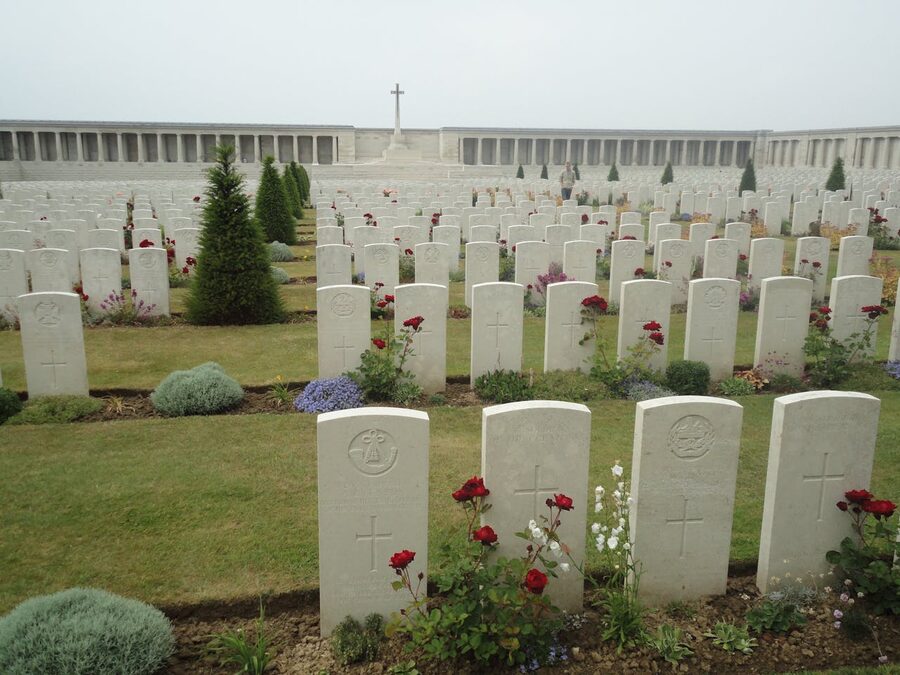
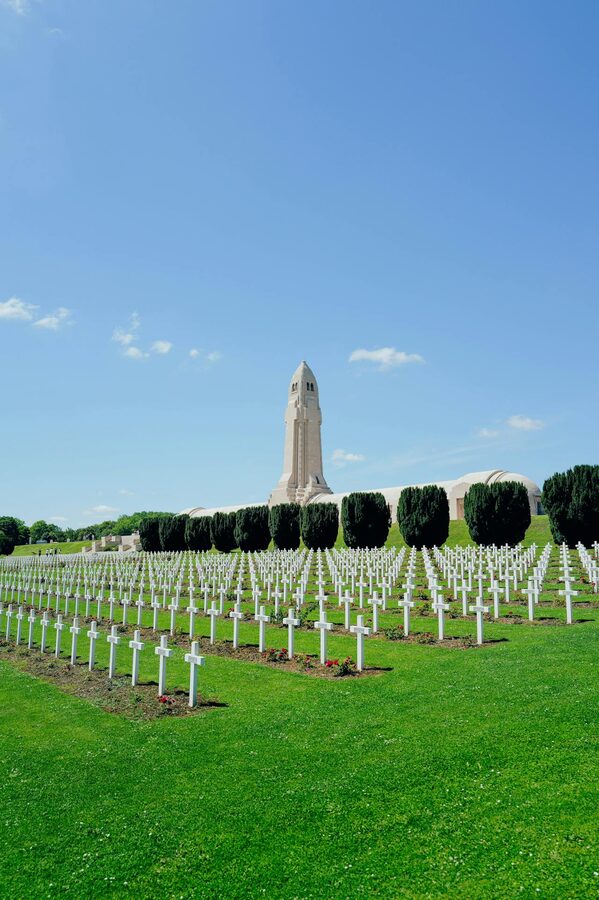
Visiting the Somme battlefields is not tourism in the usual sense. It’s pilgrimage, education, and remembrance. The guided tours from Paris take you through the key sites — the memorials, the cemeteries, the preserved trenches, and the museum — with a historian guide who explains what happened here and why it mattered. For anyone with a connection to the war (and millions of people from Britain, France, Australia, Canada, and South Africa do), the visit is profound. For everyone else, it’s a history lesson that no book can replicate.
Official resource: somme-battlefields.com — maps, site information, and self-guided tour routes.
What the Tour Covers
The small-group day trip from Paris ($294) is the most comprehensive guided option. It’s a long day — about 12-13 hours including the 2-hour drive each way — but the guide covers the essential sites with the depth and sensitivity the subject requires.
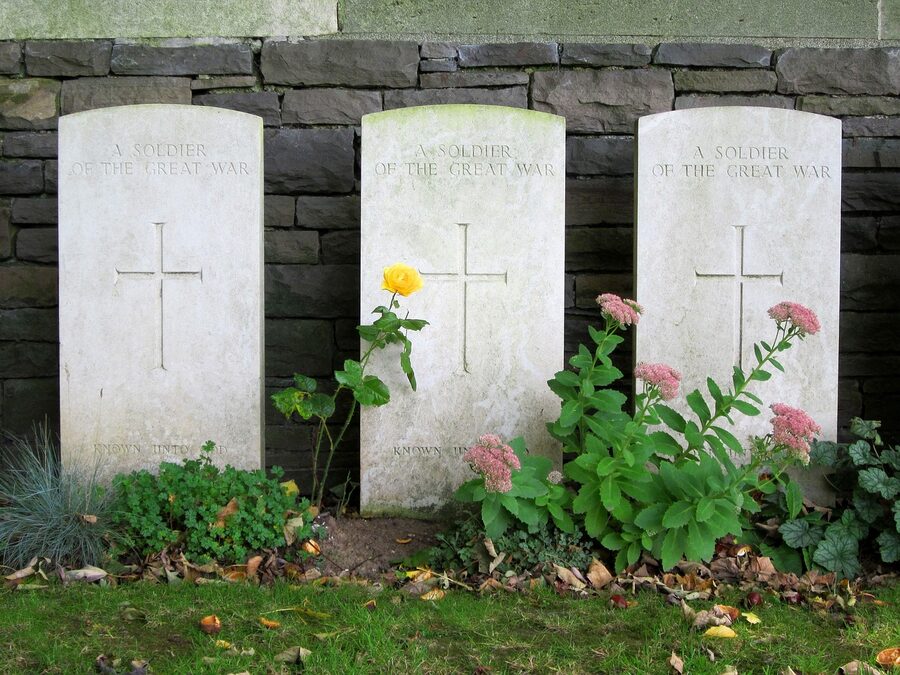
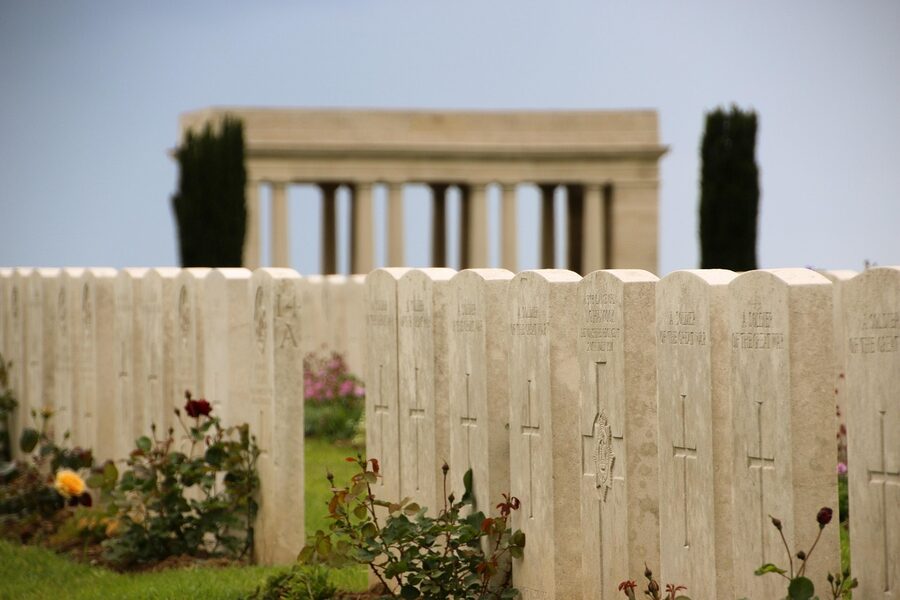
The Thiepval Memorial is the largest British war memorial in the world. It bears the names of 72,337 soldiers who died on the Somme and have no known grave. The names are carved into 16 massive stone pillars, and finding a specific name among tens of thousands is a sobering exercise that forces you to comprehend the scale of loss in a way that statistics can’t.
The Lochnagar Crater is a mine crater from the first day of the battle — the largest on the Western Front. A massive underground explosive charge was detonated at 7:28am on July 1, 1916, creating a hole 91 metres wide and 21 metres deep. The crater is still there, now grassed over but still the size of a large building. Standing on the rim and looking down gives you a visceral sense of the explosions that preceded the infantry attack.
The John Monash Centre (at Villers-Bretonneux) focuses on the Australian contribution to the war. The centre uses immersive technology and personal stories to tell the Australian experience on the Western Front. It’s excellent — one of the best modern war museums in France — and particularly moving for Australian and New Zealand visitors.
Other Key Sites
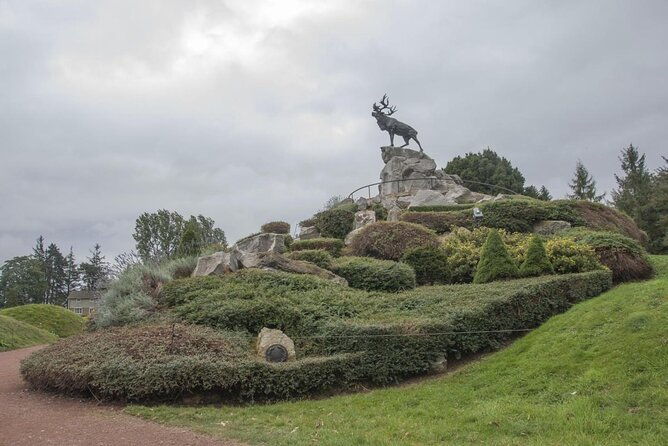
The Beaumont-Hamel Newfoundland Memorial preserves the actual trenches and no man’s land where the Newfoundland Regiment was almost entirely destroyed on July 1, 1916. The ground has been left undisturbed — you can see the trench lines, the shell craters, and the terrible distance between the two front lines. It’s maintained by the Canadian government and guided tours are available from the site itself.
The Ulster Tower marks the position where the 36th (Ulster) Division attacked on July 1. The tower is a replica of Helen’s Tower in Northern Ireland, where the division trained. It’s the only memorial on the Somme that represents a specific division, and for visitors from Northern Ireland, it’s a deeply personal site.
The Historial de la Grande Guerre in Péronne is the main museum of the Somme battlefields. It covers the war from French, British, and German perspectives simultaneously — a deliberate curatorial choice that reflects the modern understanding of the conflict as a shared catastrophe rather than a national victory story.
Visiting Independently
If you have a car, the Somme battlefields can be visited independently. The key sites are concentrated in an area about 30km wide between Albert and Péronne. A self-guided circuit covering the main memorials, cemeteries, and the museum takes about 5-6 hours. The Somme tourist office publishes excellent maps and route guides.
From Paris, the drive takes about 2 hours via the A1 motorway to Albert, the main town on the battlefield. Albert has a small museum (the Musée Somme 1916) in underground tunnels, plus hotels and restaurants for overnight stays. The battlefields are best visited over two days — one for the British/Commonwealth sites (north of Albert), one for the French and Australian sites (south of Albert toward Péronne).
Best Tour to Book
1. Somme Battlefields Small-Group Day Trip from Paris — $294
A full-day guided tour covering Thiepval Memorial, Lochnagar Crater, the John Monash Centre, and several cemeteries. The guide’s historical knowledge transforms the visit from landscape viewing into genuine understanding. Small group (max 8) allows for personal attention and the flexibility to spend extra time at sites that resonate with specific visitors. At $294 it’s the most expensive tour in this France series, but the subject matter demands the depth that only a guided experience provides. Our review covers the full itinerary and what the guide adds to the experience.
Practical Tips
When to visit: Spring and autumn are best — the weather is mild, the fields are green, and the cemeteries are less crowded than in summer. November (Armistice month) is meaningful but cold. June-July has the poppies. August is busiest with family visitors.
What to bring: Comfortable walking shoes (the sites involve grass and uneven ground). Waterproof jacket (northern France weather is unpredictable). A printed list of any relatives you want to find — the cemetery registers are physical books, and having names and regiment details speeds up the search.
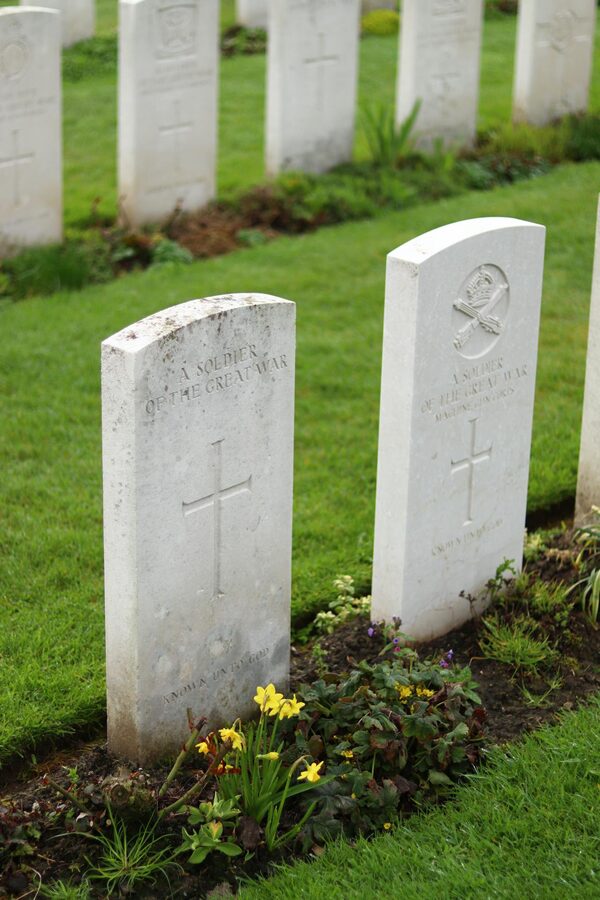
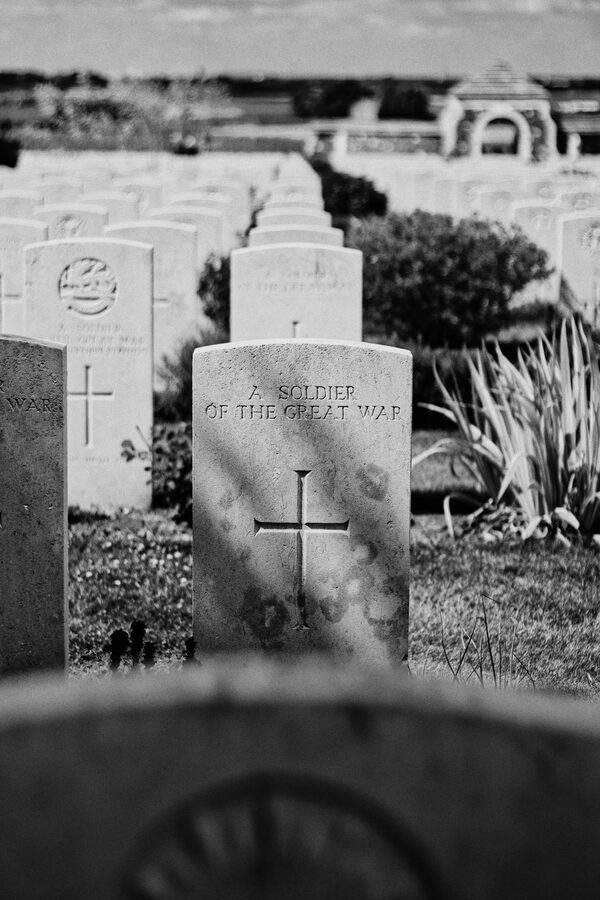
Tone: The Somme battlefields are active places of remembrance, not tourist attractions. Dress respectfully. Keep voices low in the cemeteries. Don’t climb on memorials. Photography is allowed but should be done thoughtfully. Many visitors are there to find specific relatives — give them space.
Children: The tour and sites are appropriate for older children (12+) who can understand the historical context. Younger children will be bored at the cemeteries and memorials but may engage with the John Monash Centre’s interactive exhibits. Use your judgment based on your child’s maturity.
Where the Somme Fits in Your France Trip
The Somme battlefields pair naturally with the Lille city tours — Lille is about 90 minutes from the Somme and was a major base during the war. The Nausicaa Aquarium in Boulogne-sur-Mer is about 2 hours northwest and provides a complete mood shift for families who need to decompress after a battlefield visit. And for visitors crossing from England specifically, the Somme is about 2.5 hours from Calais — making it reachable as a long day trip from the UK ferry ports.