
Hamburg is a cycling city — flat terrain, wide streets, and canal towpaths make bikes the fastest and most pleasant way to see Germany’s second-largest city. The guided bike tours cover the Alster lakes, the Speicherstadt, the harbour, and the leafy merchant villas in a single afternoon.
Hamburg rewards exploration because it’s not one thing. It’s a port city, a media capital, a music city (the Beatles cut their teeth here), and a place where industrial heritage sits next to cutting-edge architecture. The bike tours connect these different versions of Hamburg in a way that walking or bus tours can’t — you ride from the elegant Alster lake to the gritty harbour to the trendy Schanzenviertel in a single afternoon, and the transitions tell you more about the city than any single landmark could.
Best guided ride: Guided Hamburg City Bike Tour — $47, 3 hours with a local guide. Perfect 5.0, strong visitor feedback.
Best indoor experience: Chocoversum Chocolate Tour — $38, 90-minute guided chocolate journey. thousands of consistently positive visitor reports.
- The Bike Tours: Hamburg on Two Wheels
- Hamburg’s Neighbourhoods by Bike
- The Chocoversum: Hamburg’s Chocolate Museum
- Best Tours to Book
- 1. Hamburg 3-Hour Bike Tour —
- 2. Guided Hamburg City Bike Tour —
- 3. Chocoversum Guided Chocolate Tour —
- Practical Tips
- Hamburg’s Hanseatic Heritage
- More Hamburg Experiences
The Bike Tours: Hamburg on Two Wheels
Both bike tours follow roughly the same concept: 3 hours of guided cycling through Hamburg’s diverse districts, with stops at the main landmarks and plenty of photo opportunities. The groups are small (usually 10-15), the bikes are comfortable city bikes, and the pace is relaxed — Hamburg is flat, so no fitness is required.
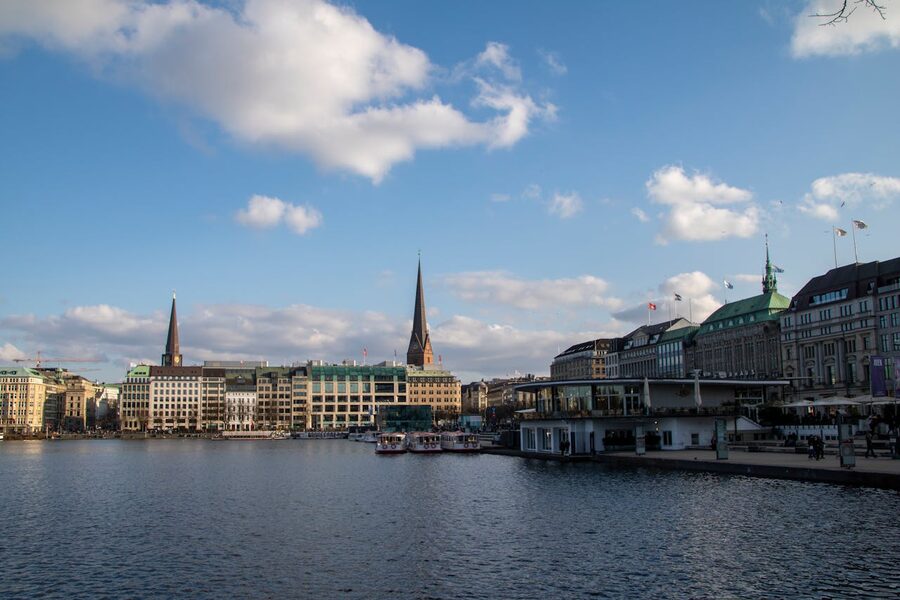
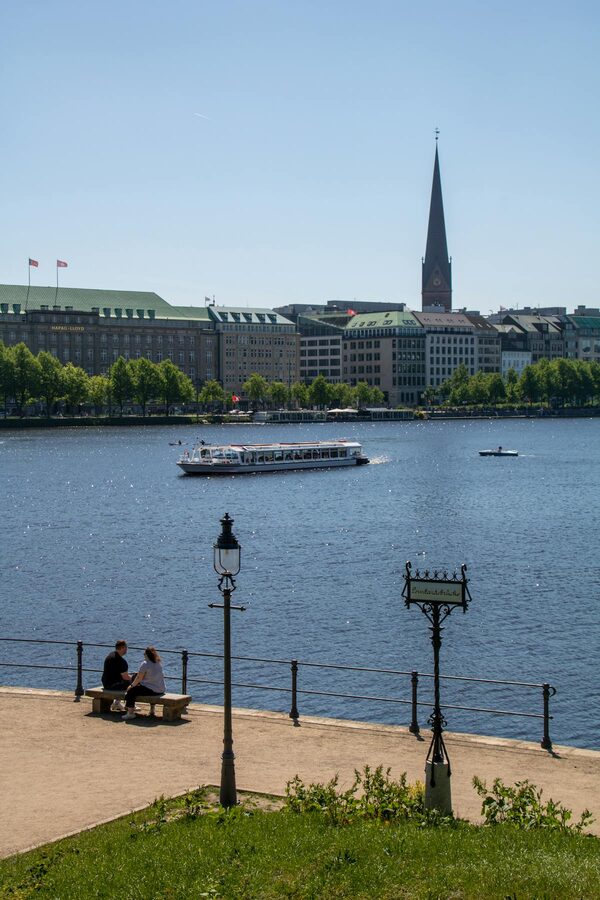
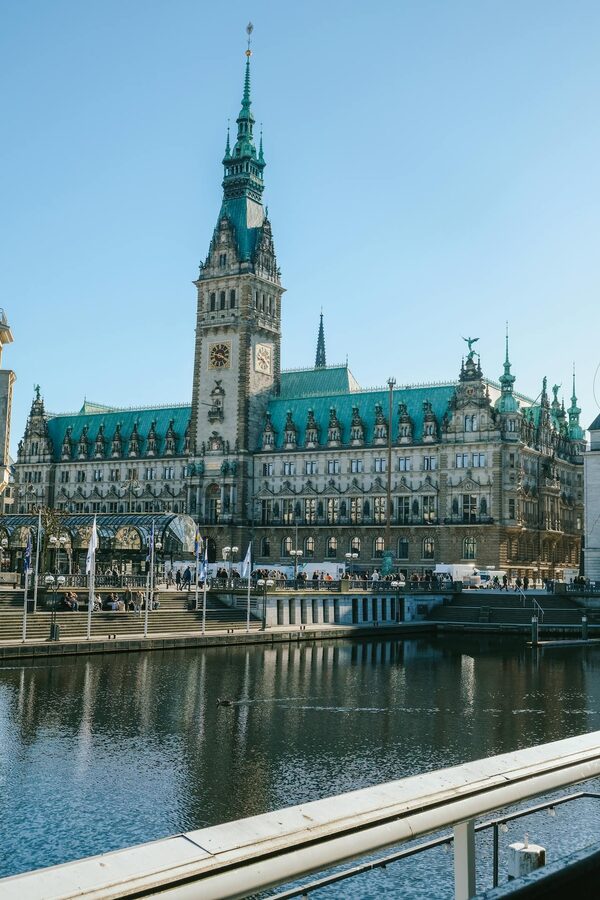
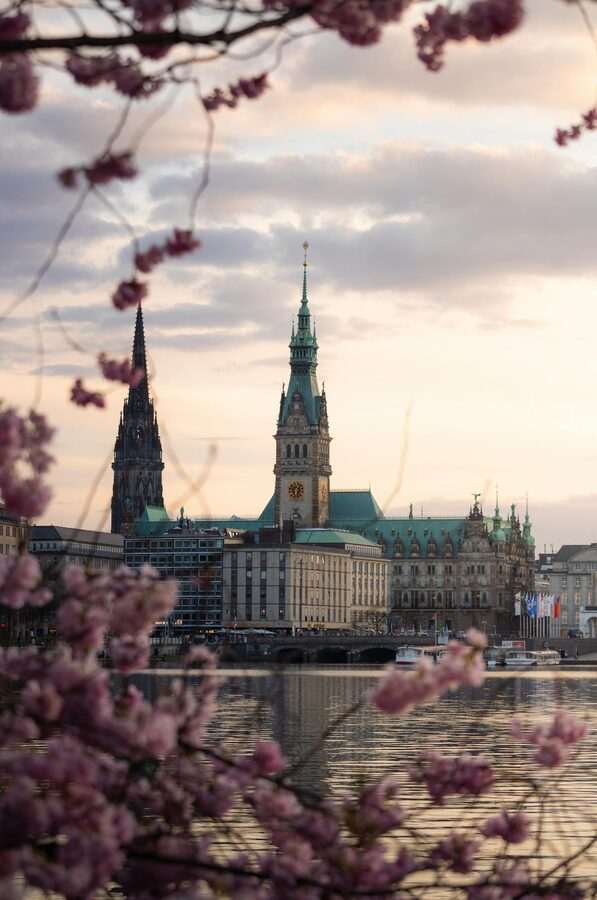
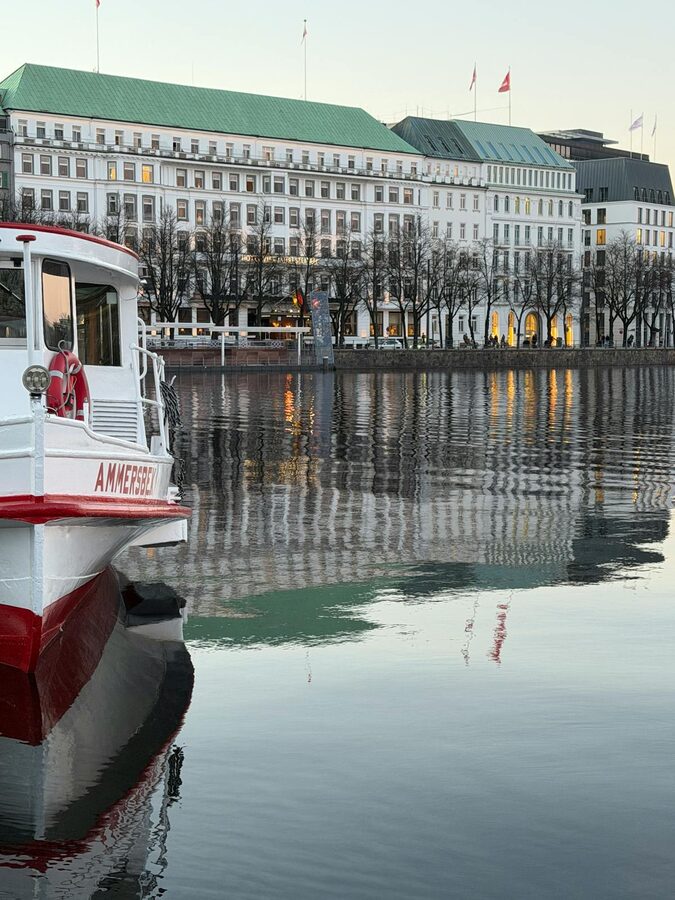
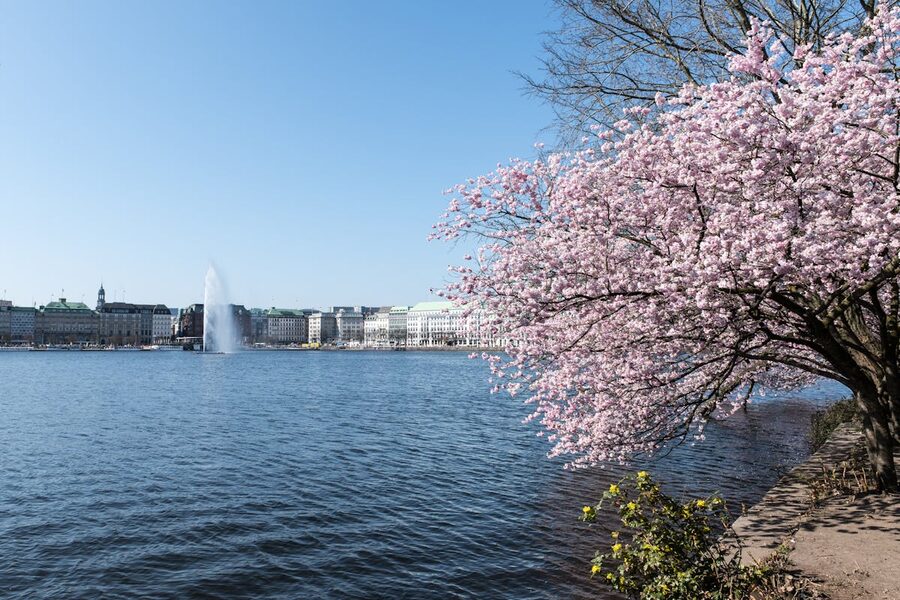
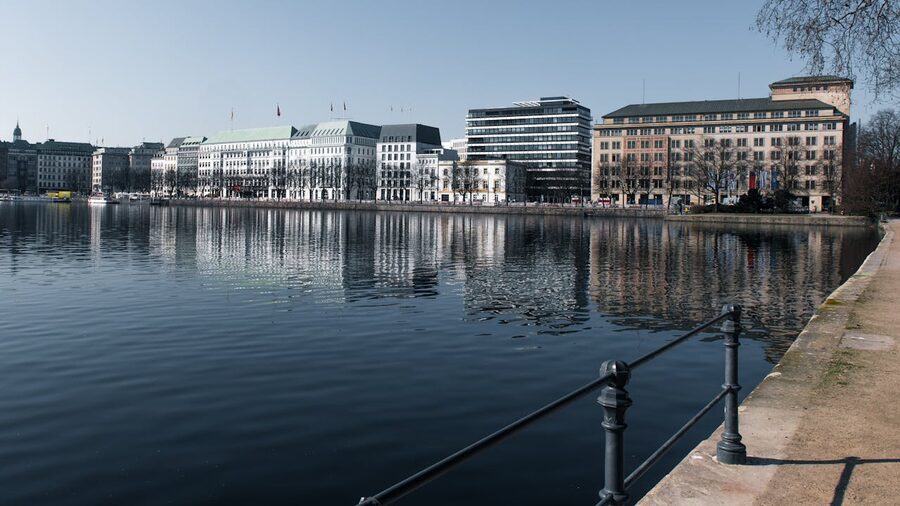
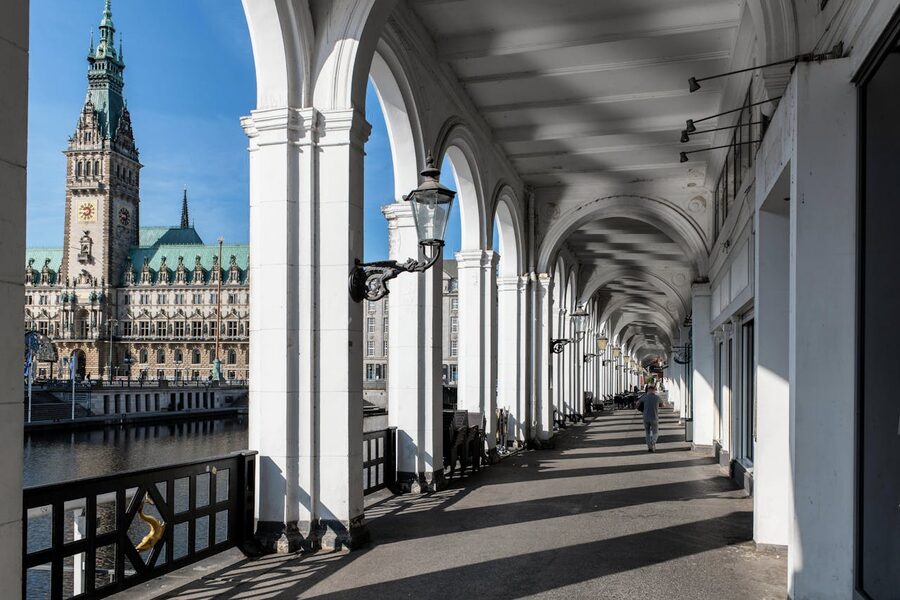
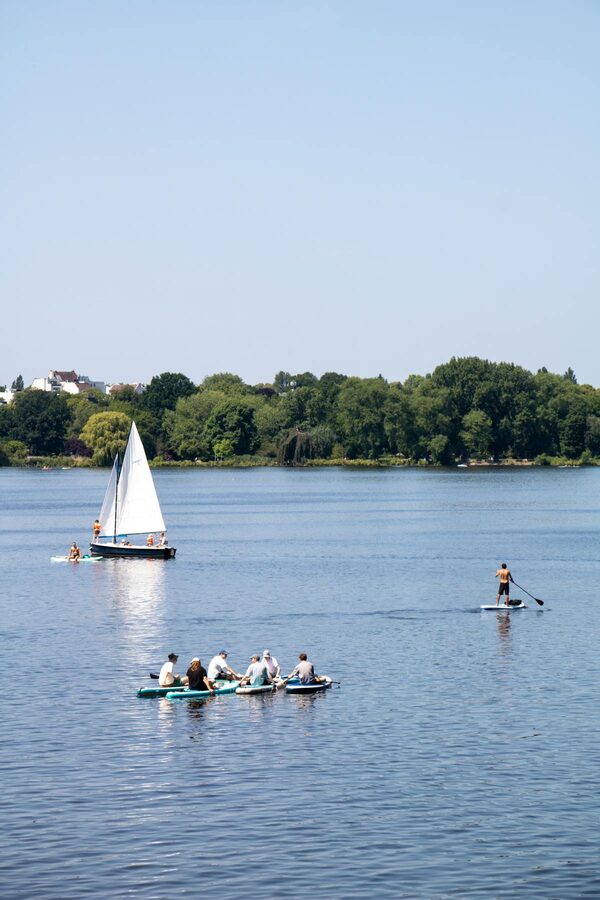
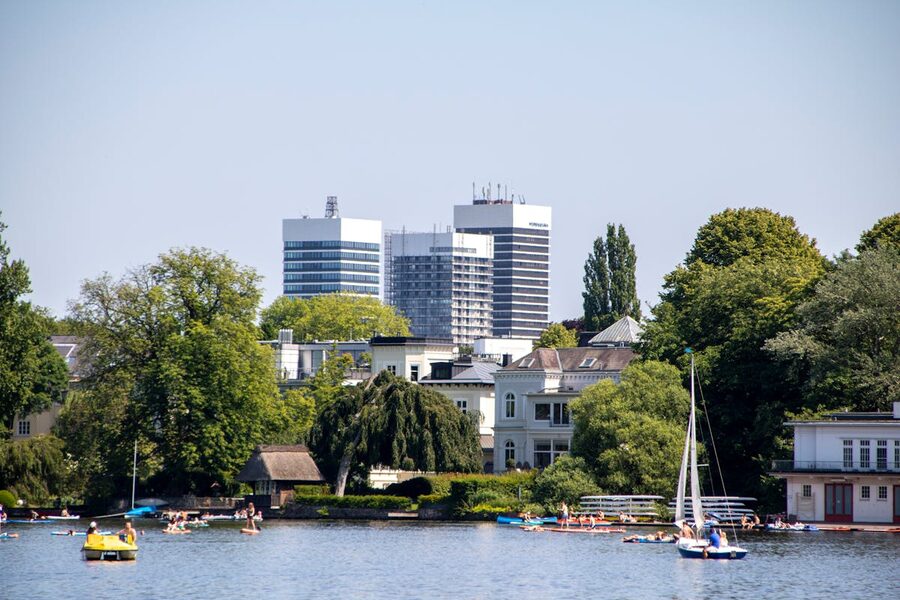
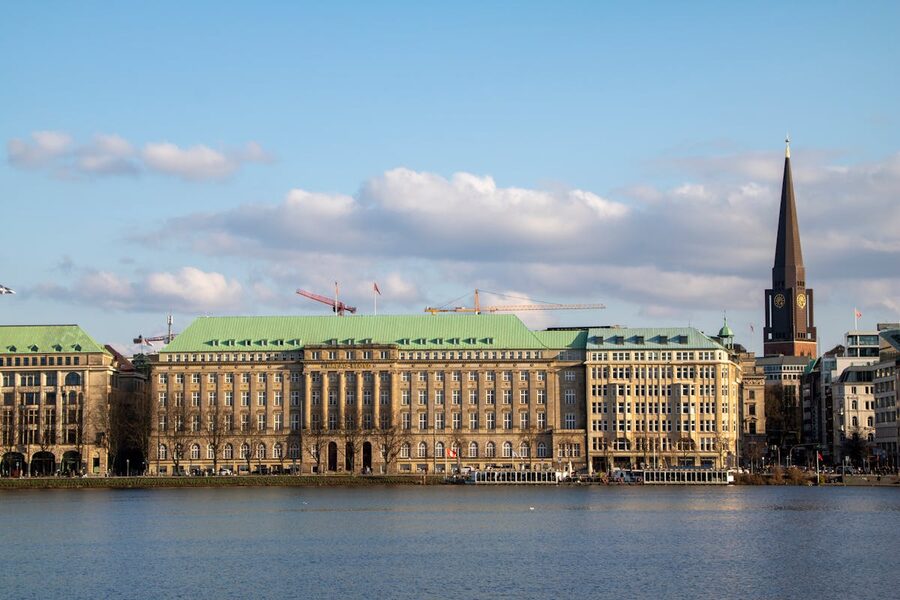
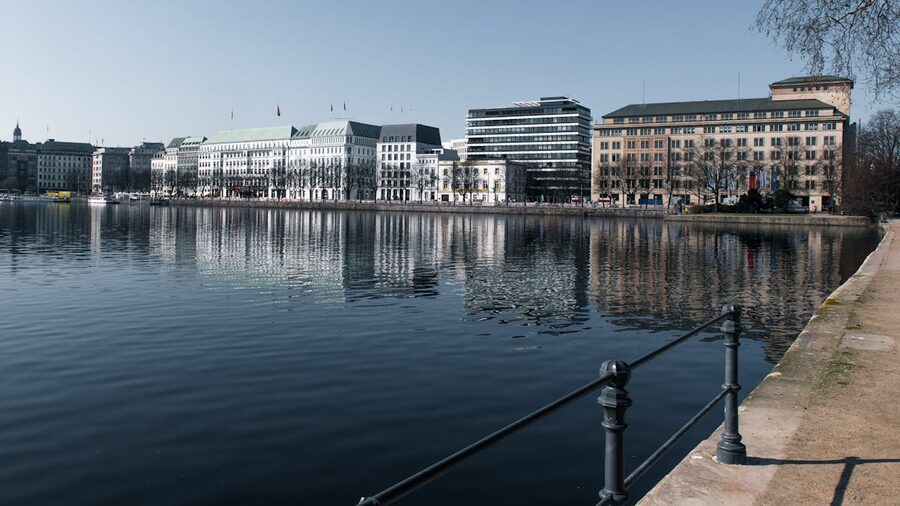
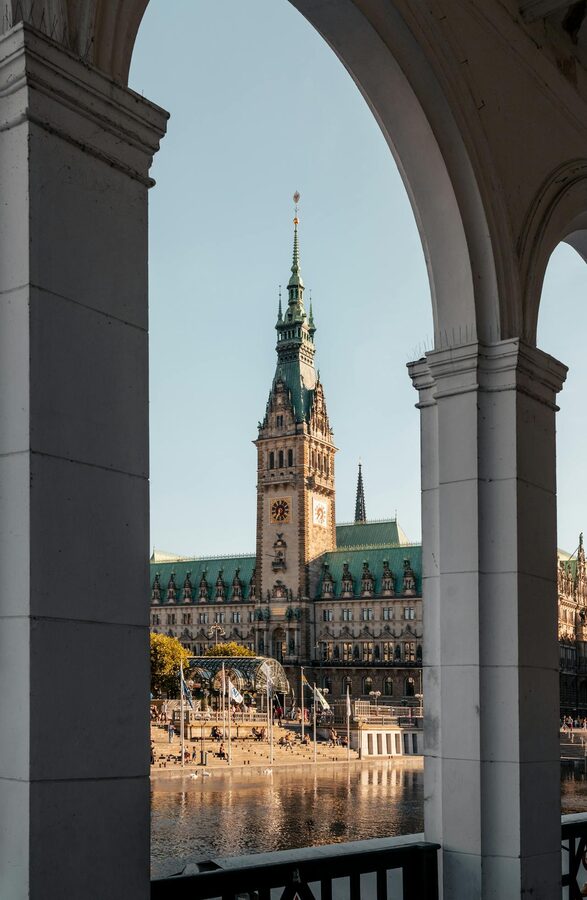
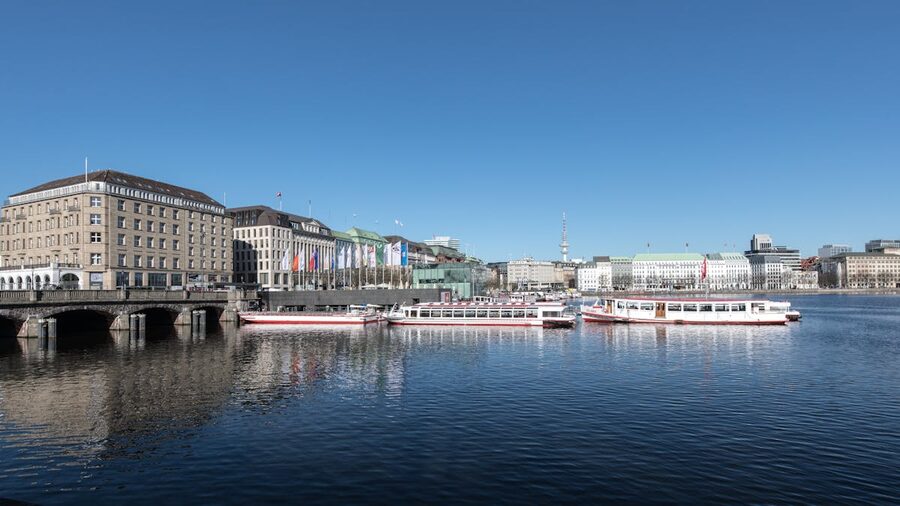
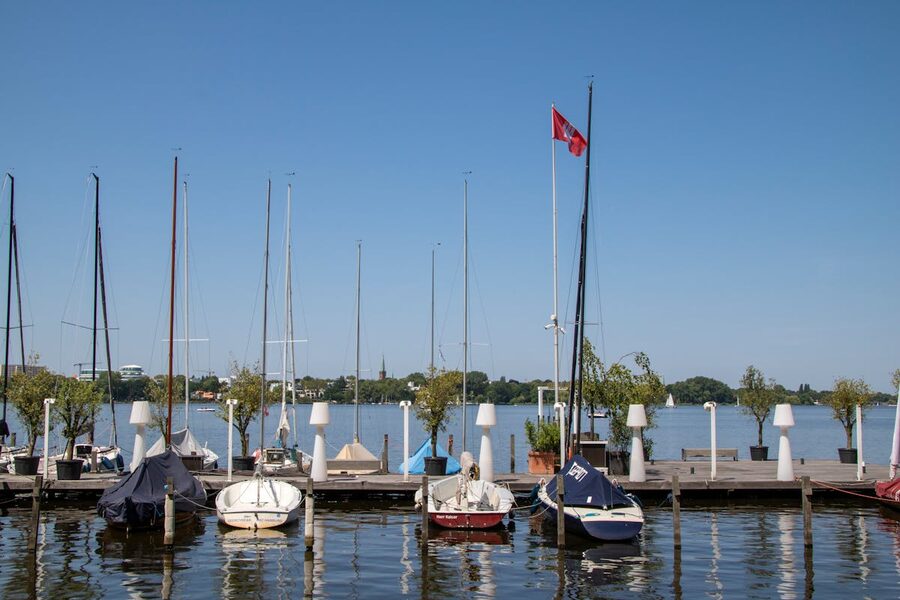
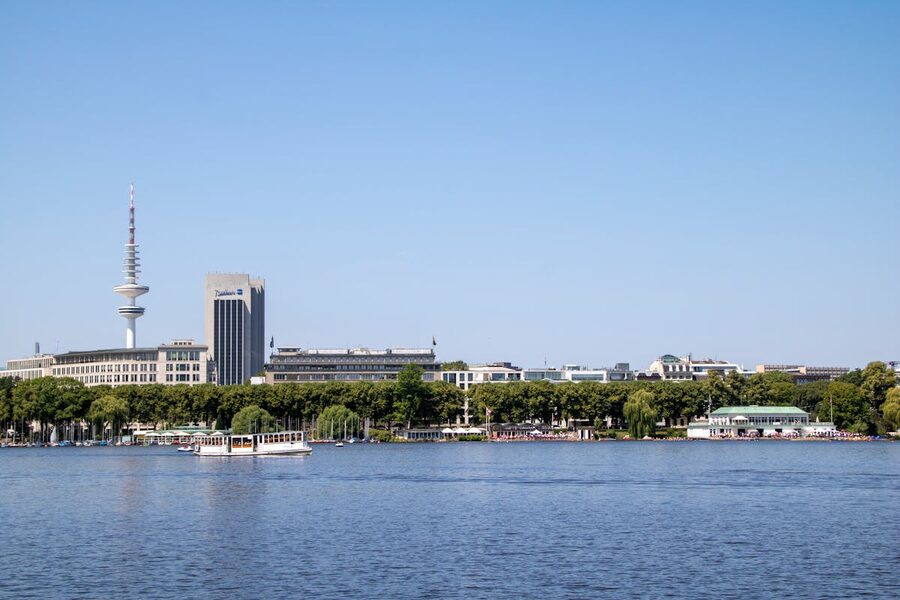
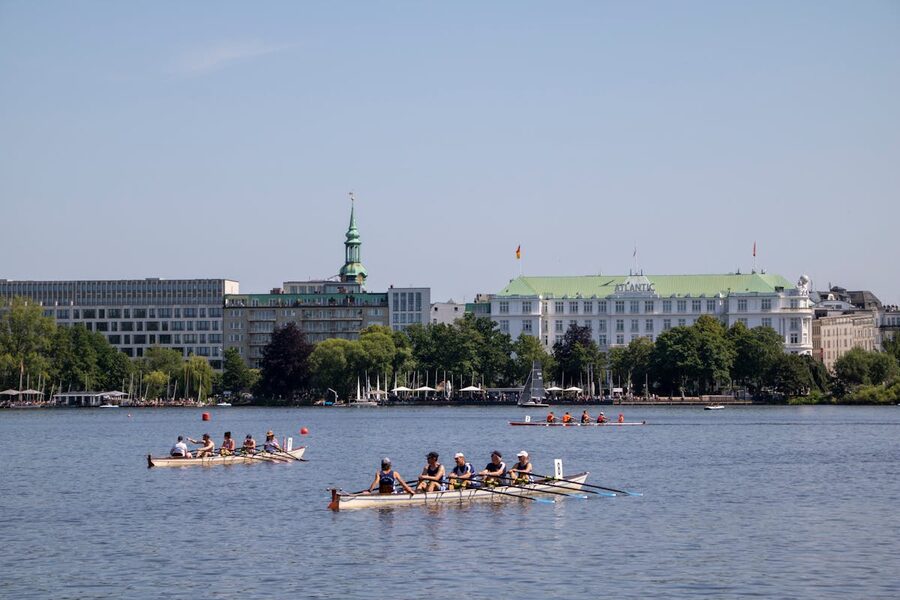
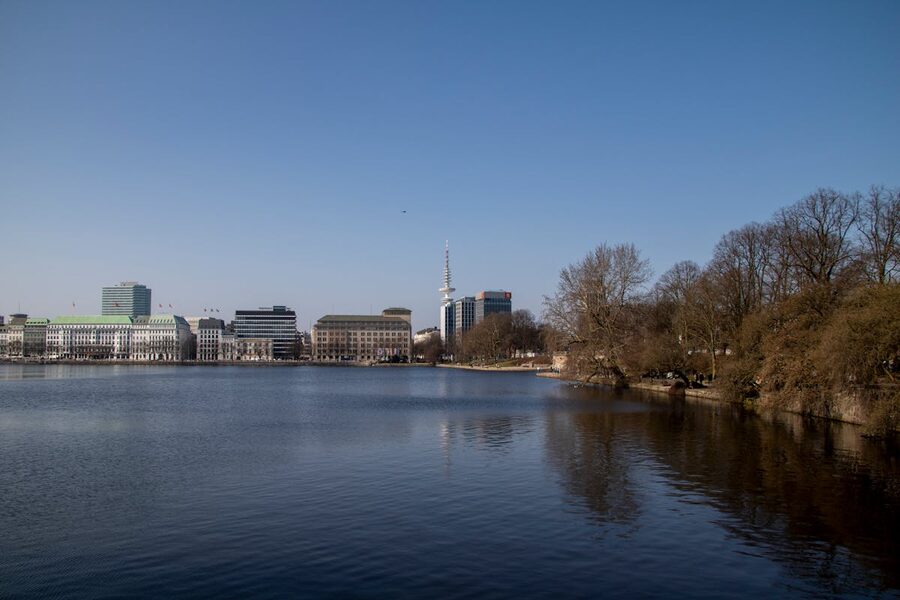
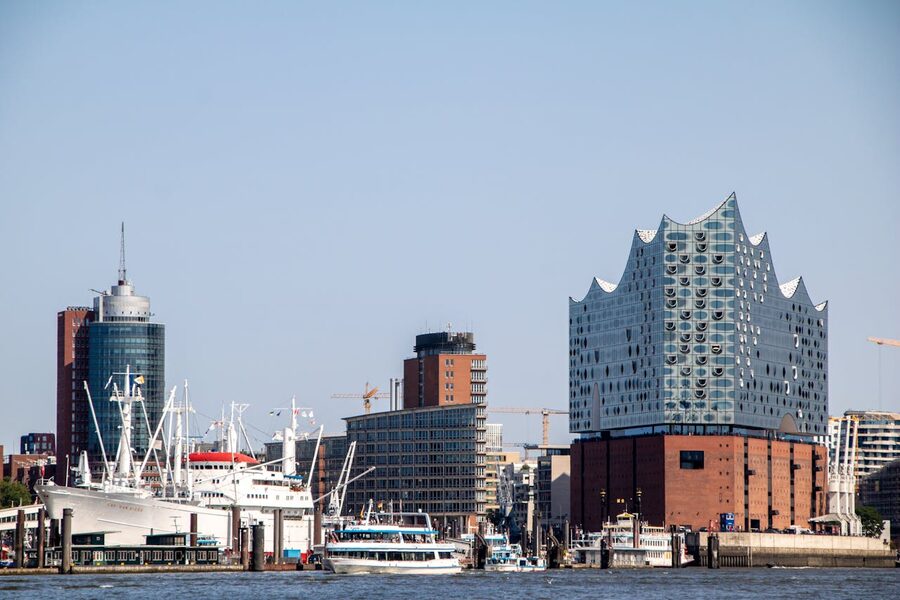
A typical route covers: The Rathaus and Jungfernstieg (Hamburg’s grand civic centre), the Alster lakes (inner and outer — the lakeside cycling paths are car-free and beautiful), the Speicherstadt (UNESCO warehouse district), HafenCity and the Elbphilharmonie (modern architecture on former harbour land), St. Pauli and the harbour (the working port from ground level), and the Schanzenviertel (Hamburg’s hip district with street art, independent shops, and the Rote Flora squat).
The 3-Hour Bike Tour ($46) uses the GYG platform and has a consistently high rating with excellent visitor feedback. The Guided City Bike Tour ($47) runs through Viator and earns equally strong praise from a smaller but growing audience. Both are excellent — choose based on availability. The guides are local Hamburgers who know the side streets, the history, and which café to stop at for a Franzbrötchen (Hamburg’s signature cinnamon pastry).
Hamburg’s Neighbourhoods by Bike
The bike tours don’t just cover the tourist highlights — they take you through the neighbourhoods that give Hamburg its character. The Schanzenviertel (Schanze) is the alternative district — street art on every surface, independent cafes, vintage shops, and a bar scene that rivals St. Pauli’s but without the neon. The Karolinenviertel next door is the hipster enclave — fashion designers, concept stores, and the Marktstraße market that draws foodies from across the city.
Eppendorf and Winterhude, the residential districts north of the Outer Alster, show Hamburg’s prosperous face — tree-lined streets, Art Nouveau apartment buildings, and small neighbourhood squares with cafes that fill up on sunny afternoons. The bike tour passes through these areas to demonstrate that Hamburg isn’t just a port city — it’s also one of Germany’s wealthiest cities, and that wealth is visible in the residential architecture.
The guides also take riders through the Kontorhaus district — a UNESCO World Heritage Site containing some of the most remarkable office architecture in Europe. The Chilehaus, shaped like a ship’s bow, is the district’s masterpiece — a 1920s expressionist building that looks like it’s about to sail down the street. The district was Hamburg’s commercial centre during the boom years of transatlantic trade, and the architecture reflects the confidence of a city that considered itself one of the world’s great trading ports.
The Chocoversum: Hamburg’s Chocolate Museum
Hamburg has been processing chocolate since the 18th century — the port was the entry point for cocoa beans from West Africa and South America, and the Speicherstadt warehouses stored raw cocoa in bonded conditions. The Chocoversum museum turns this commercial history into a 90-minute guided experience that takes you from the cocoa plantation to the finished praline — with tastings at every stage.
The tour covers cocoa farming, roasting, grinding, conching (the process that makes chocolate smooth), and moulding. You taste at each stage — from raw cocoa nib (bitter and surprising) to finished ganache (smooth and rich). At the end, you create your own chocolate bar with your choice of toppings. The thousands of consistently positive visitor reports make it one of Hamburg’s most consistently praised attractions.
Best Tours to Book
1. Hamburg 3-Hour Bike Tour — $46
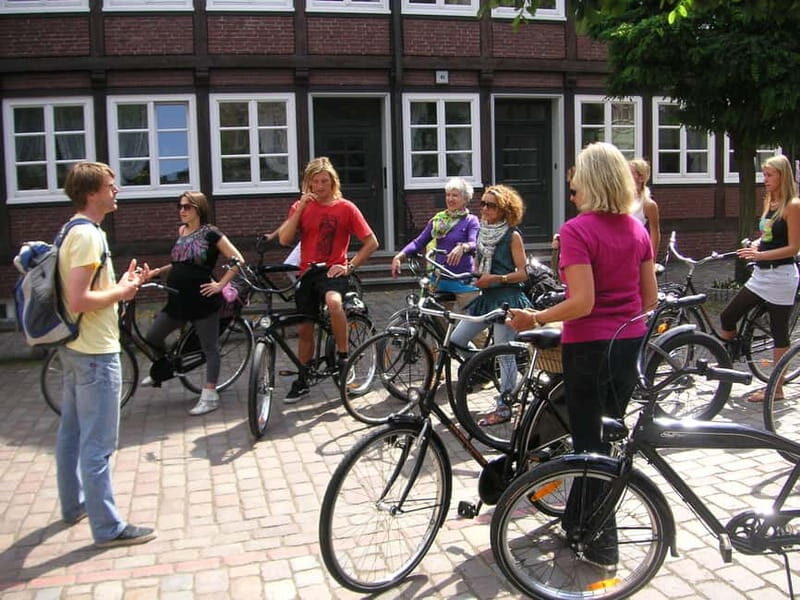
Three hours covering Hamburg’s major districts by bike with a local guide. The route hits the Rathaus, the Alster lakes, the Speicherstadt, the Elbphilharmonie, the harbour, and the Schanzenviertel. The guide provides running commentary on Hamburg’s history, architecture, and culture. At $46 including the bike, it’s the most efficient and enjoyable way to see the city. Our review covers the route, the bike quality, and what makes the Hamburg ride different from other European city bike tours.
2. Guided Hamburg City Bike Tour — $47
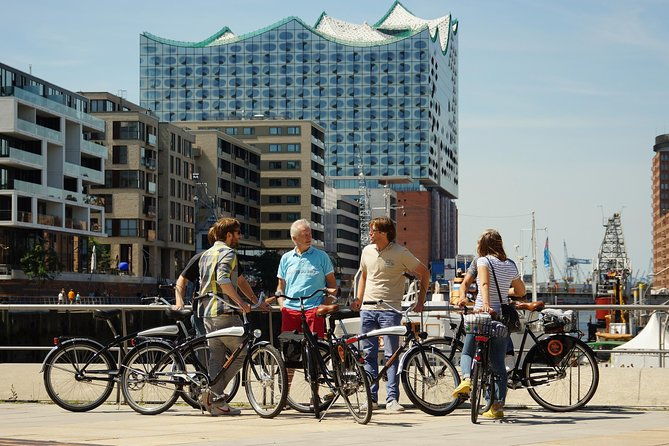
Same concept, different operator. The 3-hour guided ride covers similar ground with a different guide pool and sometimes a different emphasis — some groups get more harbour time, others more Alster. The perfect feedback signals consistently excellent experiences. Choose between this and the GYG tour based on availability and date — both are excellent. Our review compares the two operators and explains the route differences.
3. Chocoversum Guided Chocolate Tour — $38
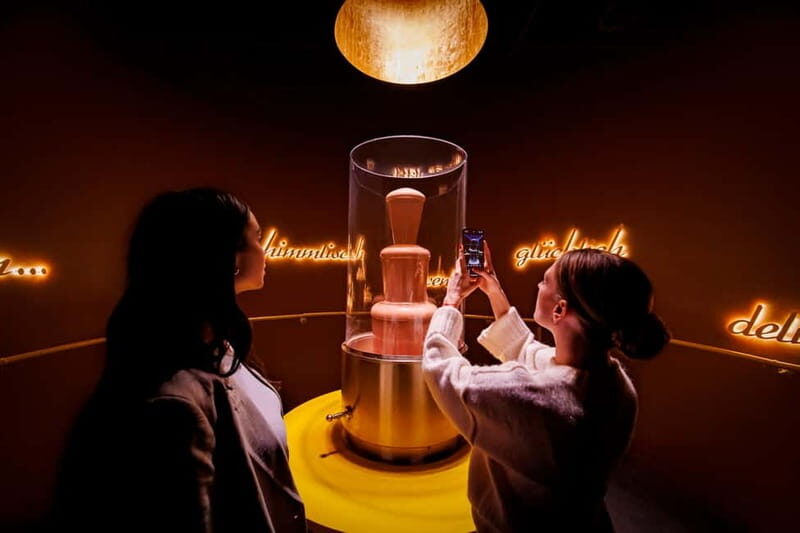
Ninety minutes of chocolate education and tasting — from raw cocoa beans to your own personalised chocolate bar. The tour is guided, the tastings are generous, and the production process is explained at a level that’s engaging for adults and accessible for children. At $38, the experience (plus the chocolate you take home) is good value. Our review covers the tasting stages and whether the tour appeals to serious chocolate enthusiasts as well as casual visitors.
Practical Tips
Best time for the bike tour: April through October for reliable weather. Morning tours (usually 10am) are less crowded and the light is better for photos. Summer evenings are long (sunset after 9pm) which makes late afternoon departures pleasant.
What to wear: Comfortable clothes and closed-toe shoes. Hamburg weather is unpredictable — a rain jacket in your daypack is essential year-round. The North Sea is only 100km away and the weather it sends isn’t always welcome.
Getting around Hamburg: The HVV public transport system (U-Bahn, S-Bahn, bus, ferry) covers the city efficiently. The Hamburg Card (€11-50 for 1-5 days) includes unlimited transport and discounts at museums and attractions. The StadtRAD bike-sharing system has stations throughout the city — useful for independent cycling after the guided tour.
Budget: Bike tour: $46-47. Chocoversum: $38. A beer at a harbour bar: €5-6. Franzbrötchen from a bakery: €1.50. Hamburg is cheaper than Munich and significantly cheaper than the Riviera or Paris — a full day of touring, eating, and drinking costs about €80-100.
Hamburg’s Hanseatic Heritage
Hamburg’s identity is inseparable from its status as a Free Hanseatic City — one of the Hanseatic League trading cities that dominated Northern European commerce from the 13th to the 17th century. The Hanseatic heritage explains Hamburg’s distinctive character: the city has always been mercantile rather than aristocratic, pragmatic rather than ideological, and outward-looking rather than provincial. The bike tours touch on this history when passing the Rathaus (City Hall), the Kontorhaus district, and the Speicherstadt — all of which represent different periods of Hamburg’s commercial power.
The title “Free and Hanseatic City of Hamburg” isn’t just ceremonial. Hamburg is one of Germany’s 16 federal states — a city-state with its own parliament, its own laws, and a degree of independence that most German cities don’t enjoy. This political autonomy is reflected in the city’s character: Hamburgers are famously independent-minded, culturally progressive, and somewhat dismissive of the rest of Germany. The bike tour guides — all local Hamburgers — tend to reinforce this impression with a dry wit that’s distinctively Northern German.
More Hamburg Experiences
The bike tour shows you Hamburg by day. The St. Pauli and Reeperbahn tours show you Hamburg by night — the city’s famous entertainment district with its neon-lit streets and colourful history. The harbour cruises give you the waterfront perspective from the Elbe. And between the bike, the boat, and the Reeperbahn, you’ve experienced the three things that make Hamburg different from every other German city: its relationship with water, its trading heritage, and its refusal to be boring.