
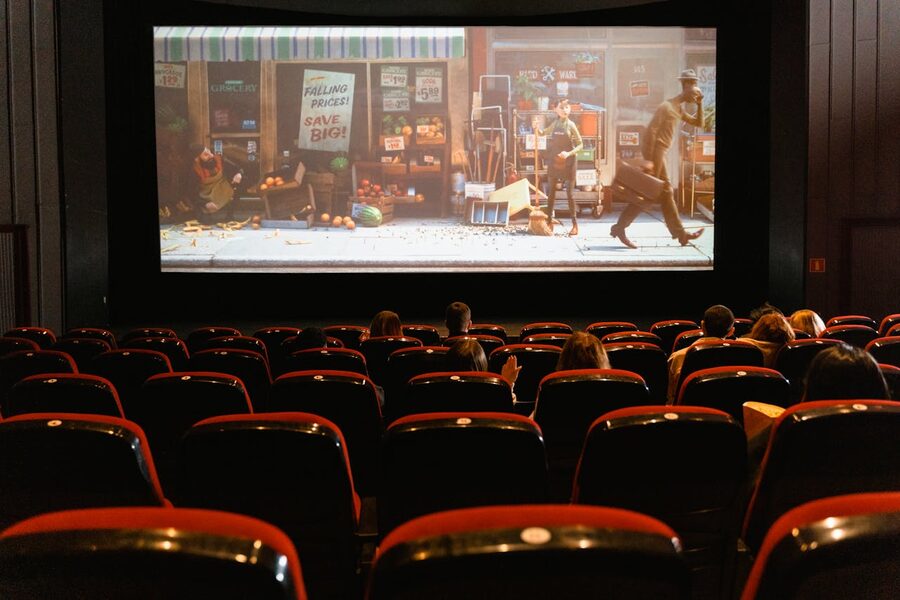
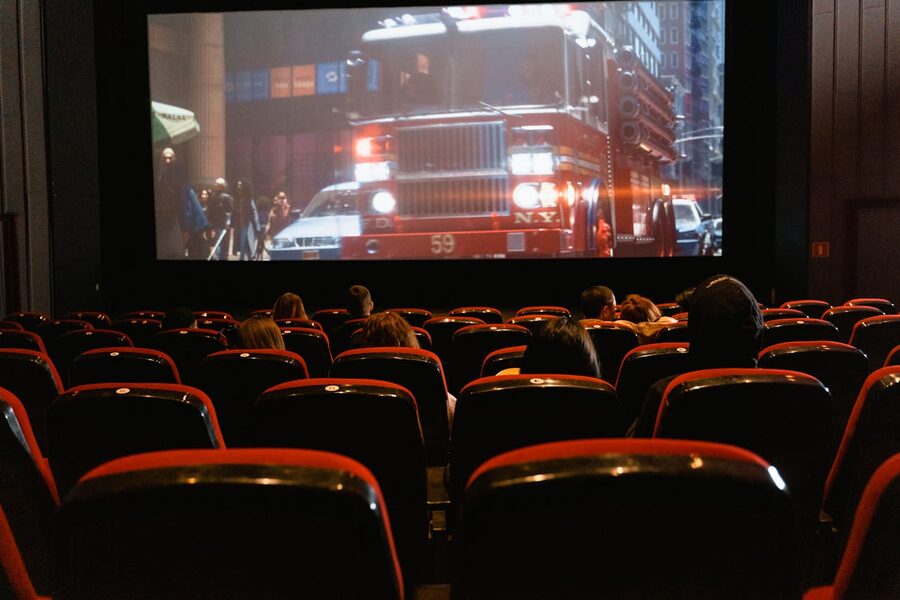
The Grand Rex has the biggest cinema screen in Europe. That’s not just a marketing claim — at 300 square metres, the screen in the main auditorium is genuinely enormous, mounted inside an Art Deco palace that was designed in 1932 to make moviegoing feel like an event. The ceiling is painted to look like a night sky. The walls are shaped to resemble a Mediterranean village. And for the past two decades, they’ve been running a behind-the-scenes tour that lets you see how the magic works — from the projection booth to the special effects room to a simulated studio where you direct your own movie scene.
The Grand Rex Studio Tour is one of those Paris experiences that nobody’s first choice but everyone’s favourite surprise. It costs $14, takes 50 minutes, and leaves you with a genuine appreciation for cinema as a craft. If you’ve spent the morning at the Louvre being serious, this is the perfect antidote.
Also worth it: Opera Garnier Entry Ticket — $18, self-guided tour of the most opulent building in Paris.
For mystery fans: Arsène Lupin at the Opera — $32, immersive detective game inside the Palais Garnier.
- The Grand Rex Studio Tour: What You Actually Do
- The Building: An Art Deco Masterpiece
- The Opera Garnier: Paris’s Other Spectacular Interior
- Arsène Lupin at the Opera: The Immersive Game
- Best Tickets to Book
- 1. Grand Rex Studio Tour —
- 2. Opera Garnier Entry Ticket —
- 3. Arsène Lupin at the Opera —
- Why These Venues Matter
- Practical Tips
- More Paris Entertainment Experiences
The Grand Rex Studio Tour: What You Actually Do
The tour — called “Les Étoiles du Rex” — is a self-guided interactive experience that takes you behind the scenes of the cinema. You put on headphones, follow a marked route through restricted areas, and at several points you interact with simulated movie sets. It’s part museum, part theme park, part film school.
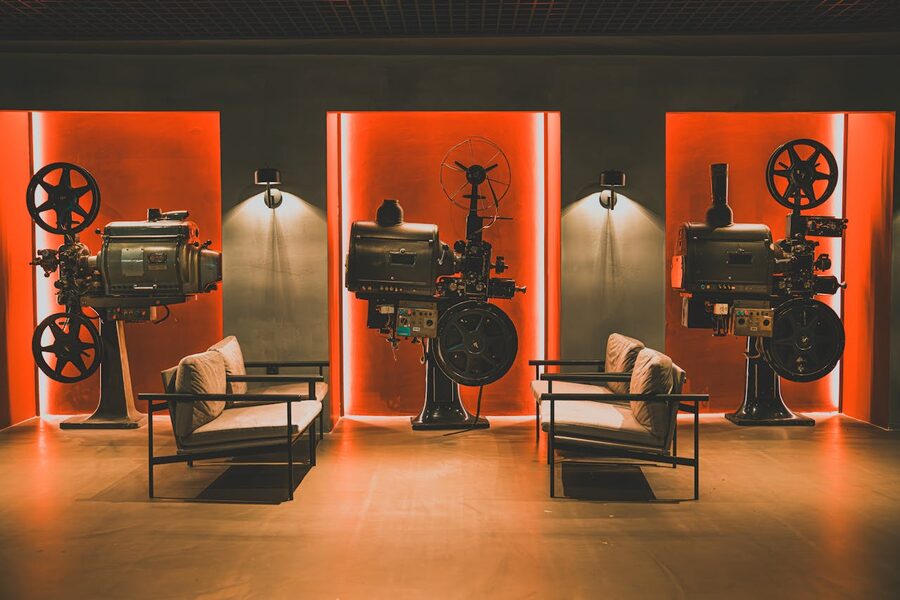
The highlights: you visit the projection booth (with its vintage equipment and a view down into the main auditorium from above), see behind the screen (it’s surprisingly industrial back there), and then enter a simulation room where you “direct” a short scene — adjusting lighting, sound effects, and camera angles. The final room puts you on a simulated film set where you appear in a green-screen movie. It’s cheesy and fun and the kind of thing you’d never seek out but end up talking about over dinner.
The tour is available in French and English (audio guide). It takes about 50 minutes but you can linger at any point. There’s no guide physically with you — it’s self-paced, which means you can spend extra time in the projection room if you’re a film nerd or rush through if you’re not. Kids from about age 6 upwards find it engaging. Under 6, the dark rooms might be overwhelming.
The Building: An Art Deco Masterpiece
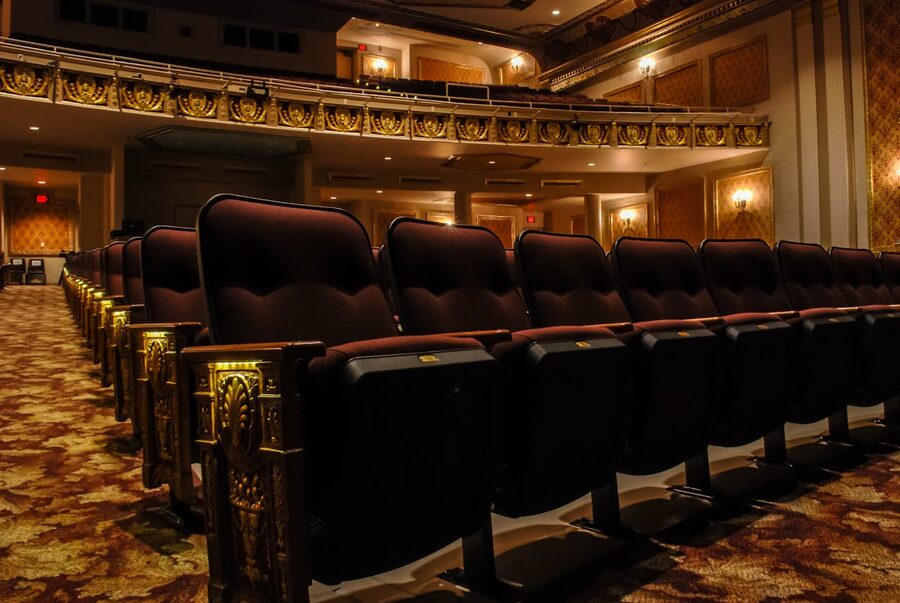
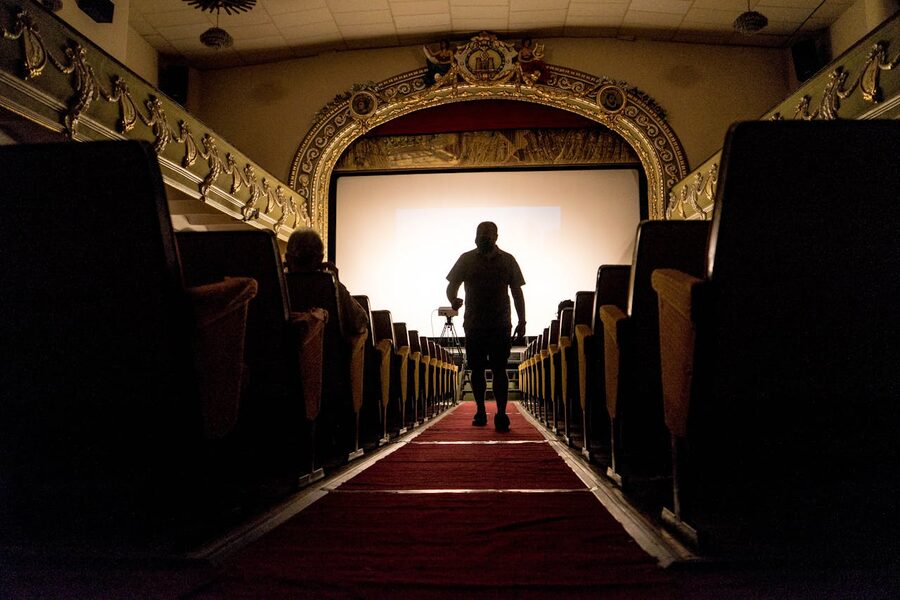
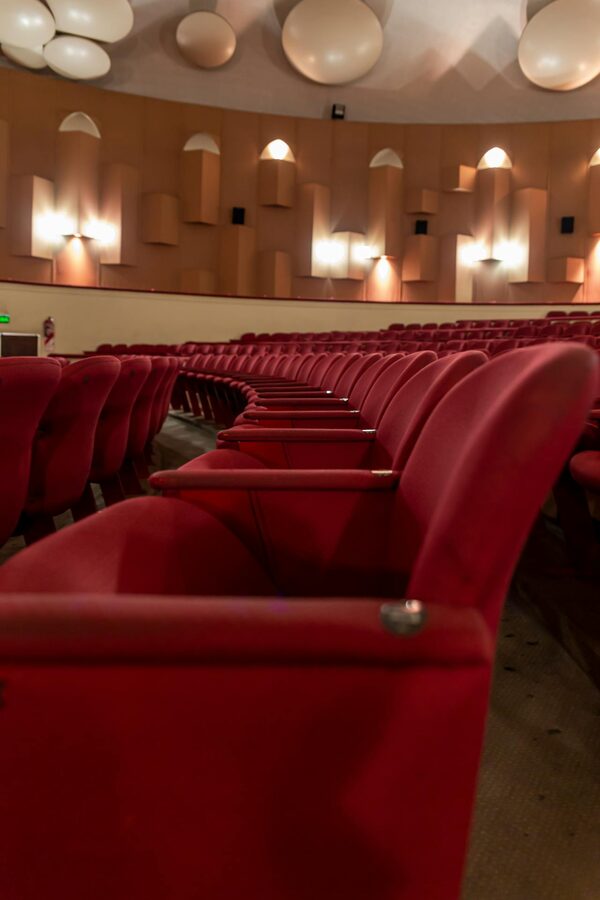
The Grand Rex opened on December 8, 1932, during the golden age of cinema palaces. It was designed by architect Auguste Bluysen with interior decoration by John Eberson, an American theatre architect famous for creating “atmospheric theatres” — cinemas whose interiors mimic outdoor environments. At the Grand Rex, the auditorium is designed to look like a Mediterranean village at night, complete with terracotta rooftops, arched windows with backlighting that simulates moonlight, and a ceiling painted as a starry sky.
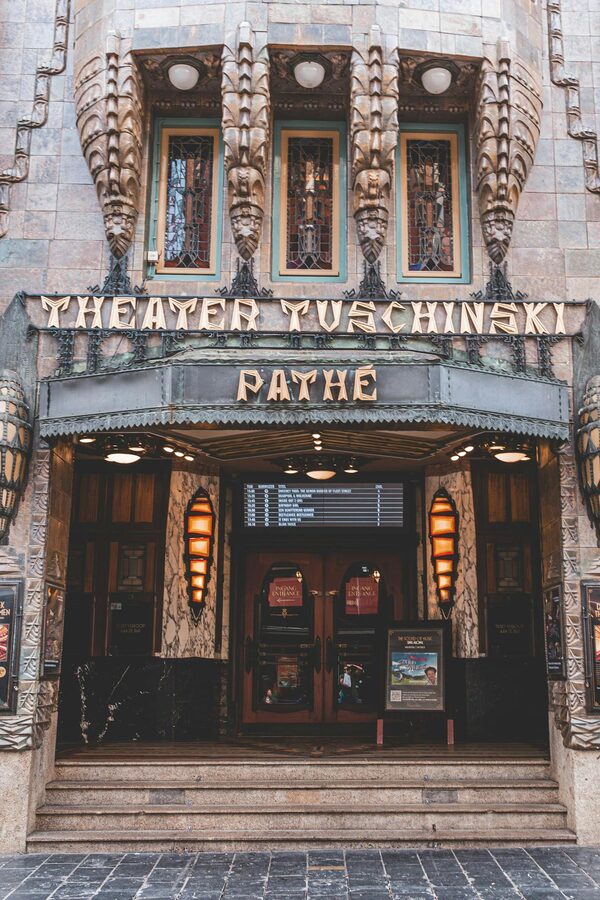
The exterior is equally impressive. The Art Deco facade on Boulevard Poissonnière features a stepped tower that’s visible from several blocks away, and at night the neon signage lights up in the classic 1930s style. The Grand Rex has been a listed historical monument since 1981, which means they can’t change the exterior and the interior restoration has to follow strict guidelines.
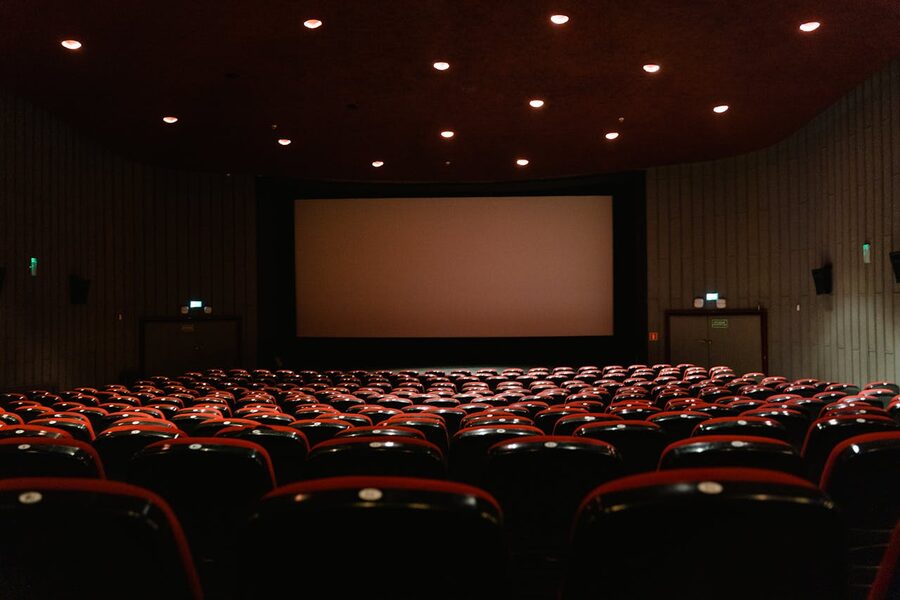
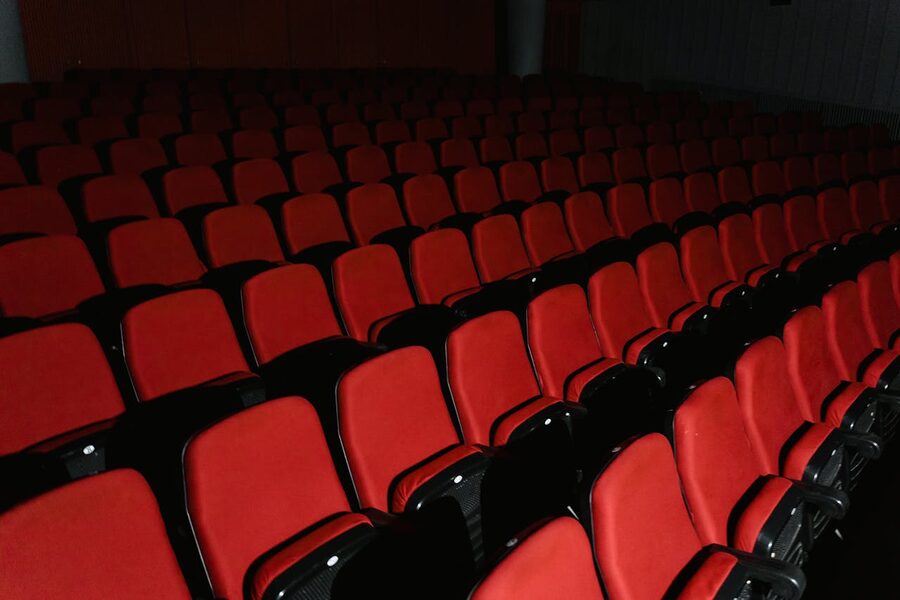
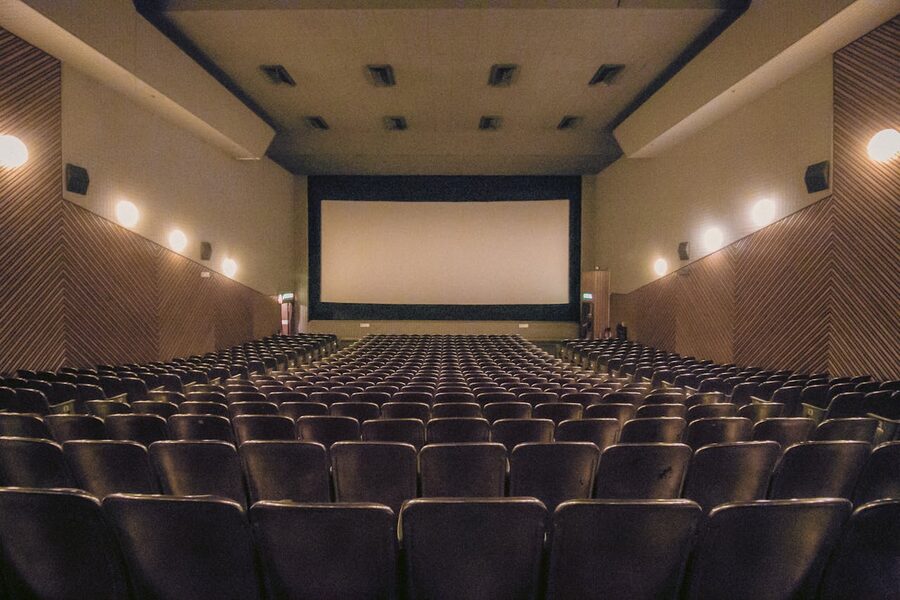
The Grand Rex holds the record for the largest cinema auditorium in Europe with its 2,702 seats. Even by 1932 standards, this was excessive — the cinema was built during the Depression, and filling 2,700 seats was ambitious. But it worked. Parisians flocked to the escapism that the building itself provided, even before the film started. The tradition of Christmas season spectaculars — live shows with special effects that use the full height and width of the auditorium — started in 1954 and still runs every December.
The Opera Garnier: Paris’s Other Spectacular Interior
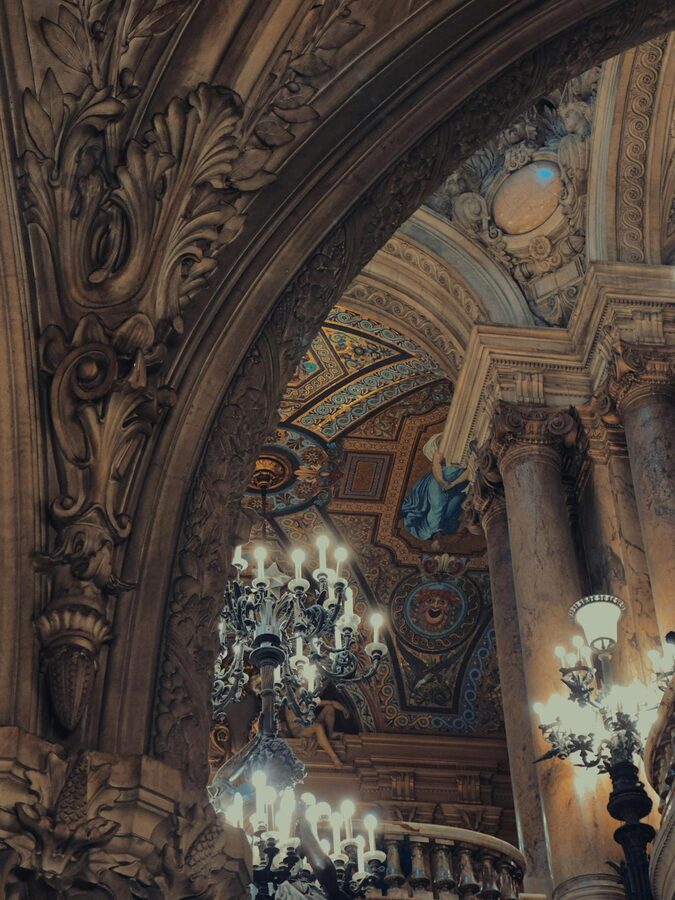
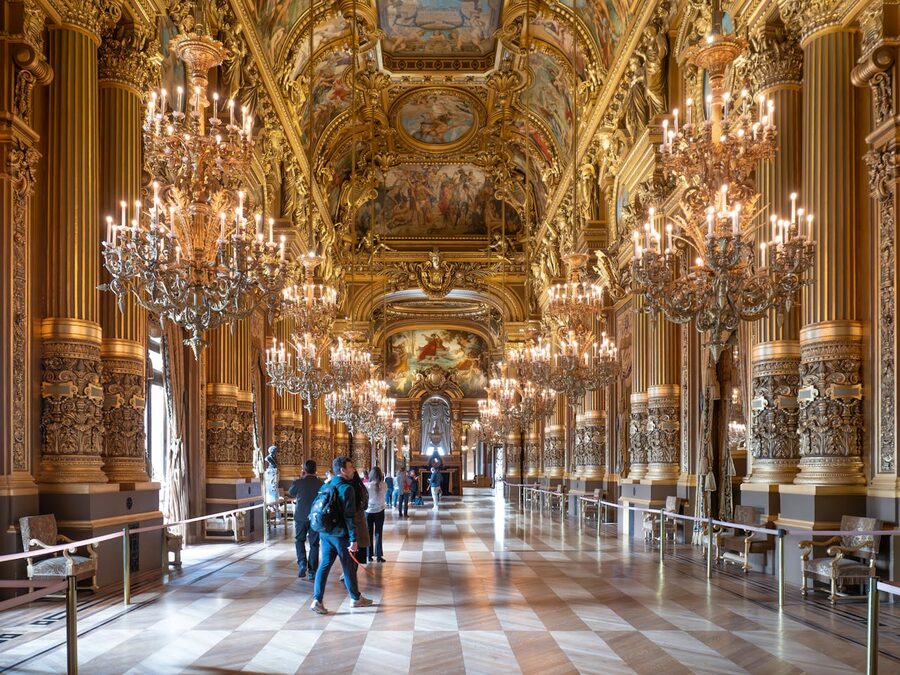
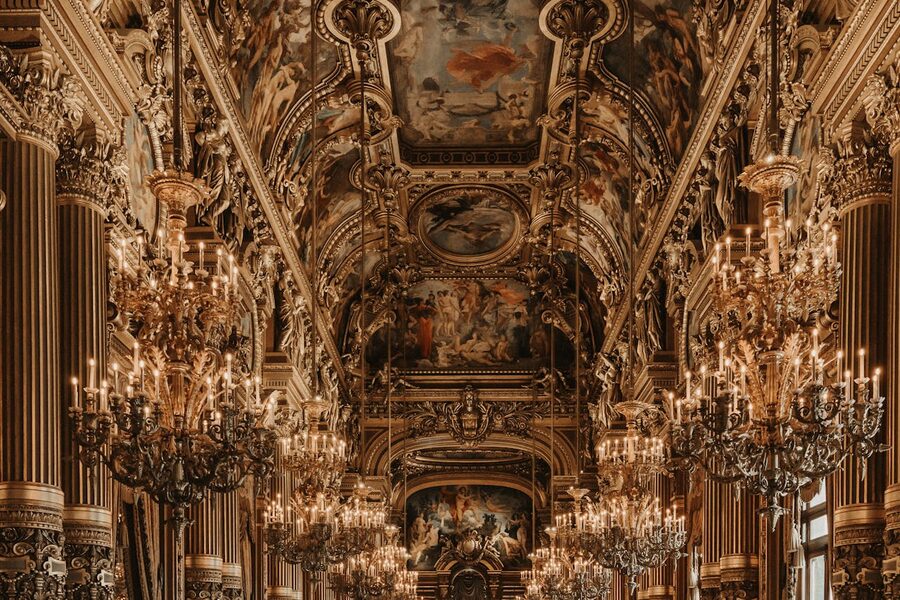
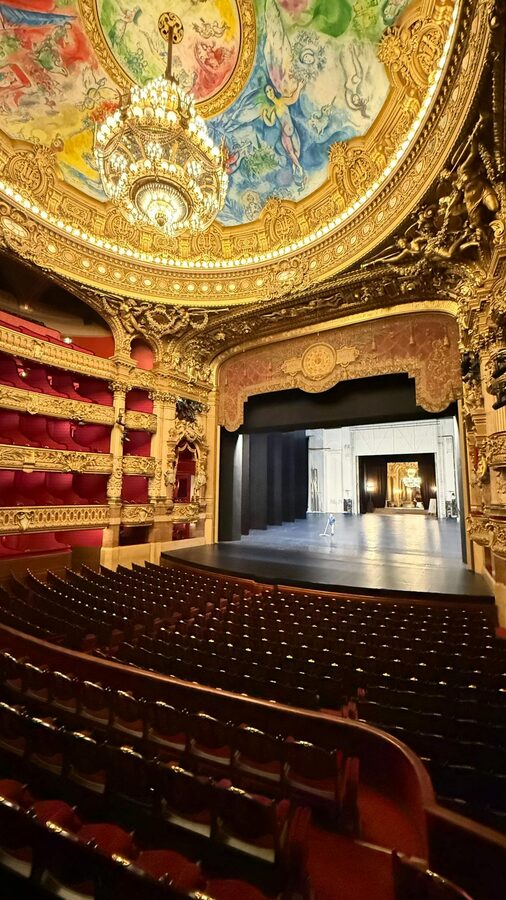
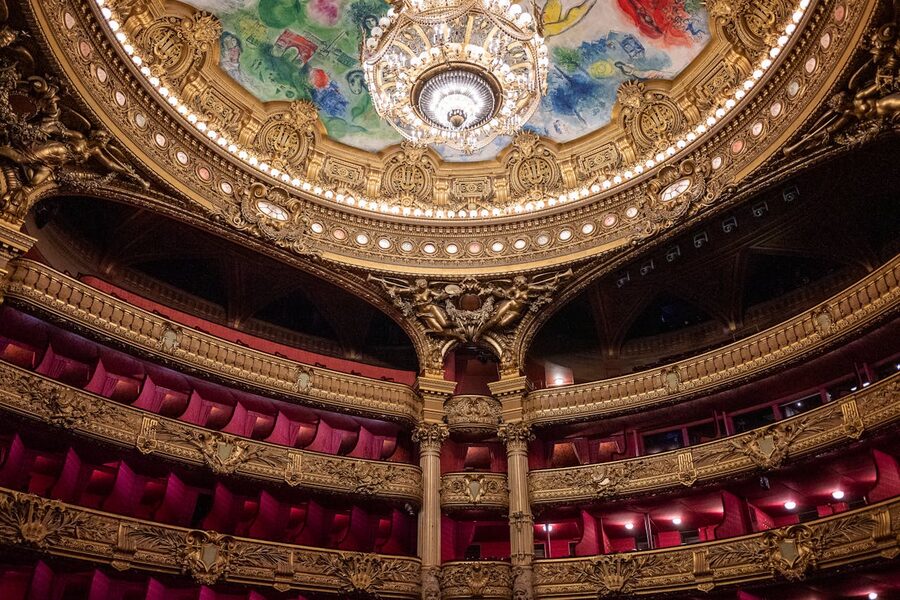
If the Grand Rex is cinema’s palace, the Opera Garnier is theatre’s. Charles Garnier’s 1875 masterpiece is the most extravagantly decorated building in Paris — and that’s saying something in a city with Versailles on its doorstep. The grand staircase alone took Garnier 7 years to design and is made from seven different types of marble. The main foyer has more gold leaf than some entire churches. And the auditorium ceiling was painted by Marc Chagall in 1964, adding a 20th-century layer to the 19th-century opulence.
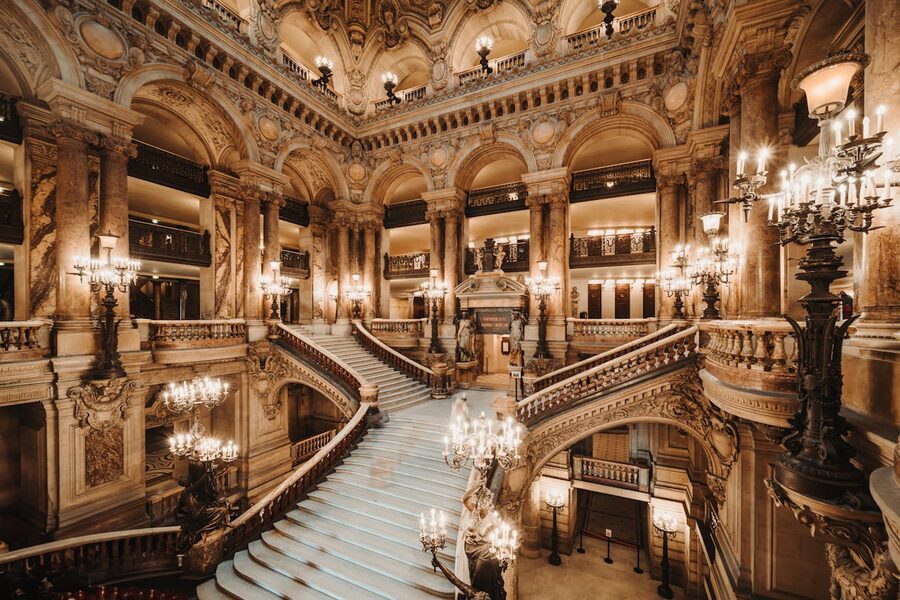
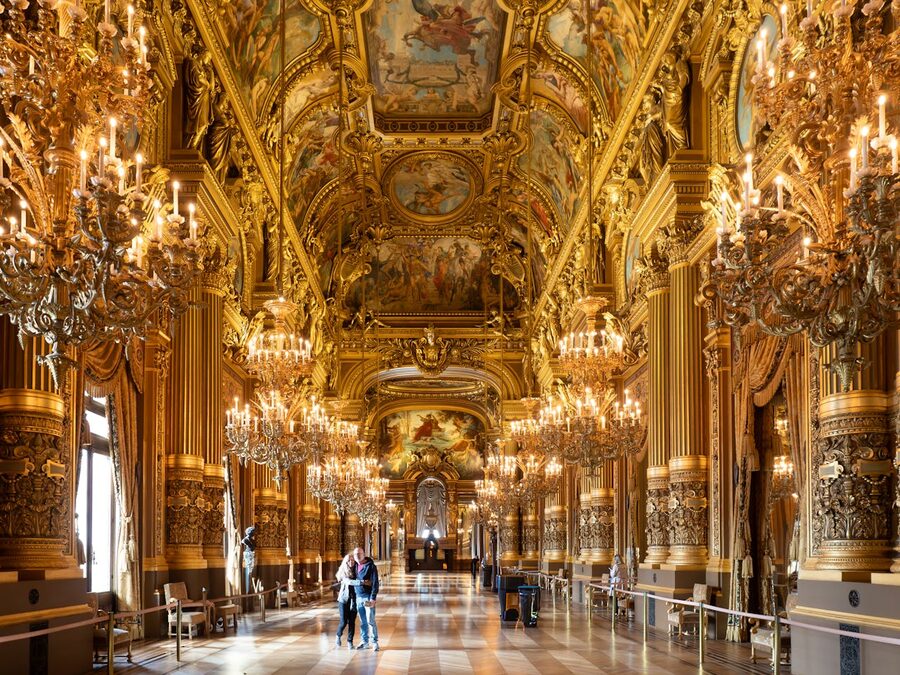
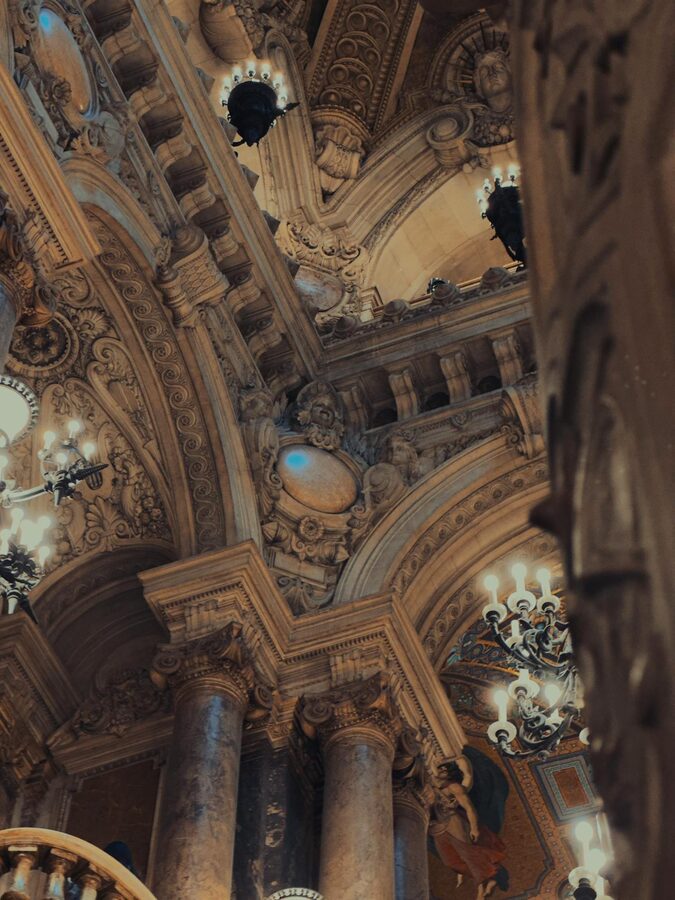
You don’t need to see an opera to visit. Self-guided tours are available during the day for $18 — you get access to the grand staircase, the main foyer, the auditorium (when not in rehearsal), and the museum of theatre history. The building is Phantom of the Opera’s setting — Gaston Leroux based his novel here, and the actual underground lake that inspired the story still exists below the building (though it’s not open to visitors).
Arsène Lupin at the Opera: The Immersive Game
This is a different kind of Opera Garnier visit — an immersive detective game where you follow clues through the building while solving a mystery involving the fictional gentleman thief Arsène Lupin. Think escape room meets guided tour meets literary treasure hunt. You’re given a case file and a set of puzzles, and you have to solve them while exploring rooms that regular visitors don’t always access.
At $32, it’s the most expensive option on this page, and the 4.0 rating is solid but not spectacular. The main variable is how much you enjoy puzzle games — if you love escape rooms, this is phenomenal. If puzzles frustrate you, the standard self-guided tour is the better choice. It works best with 2-4 people and takes about 90 minutes.
Best Tickets to Book
1. Grand Rex Studio Tour — $14
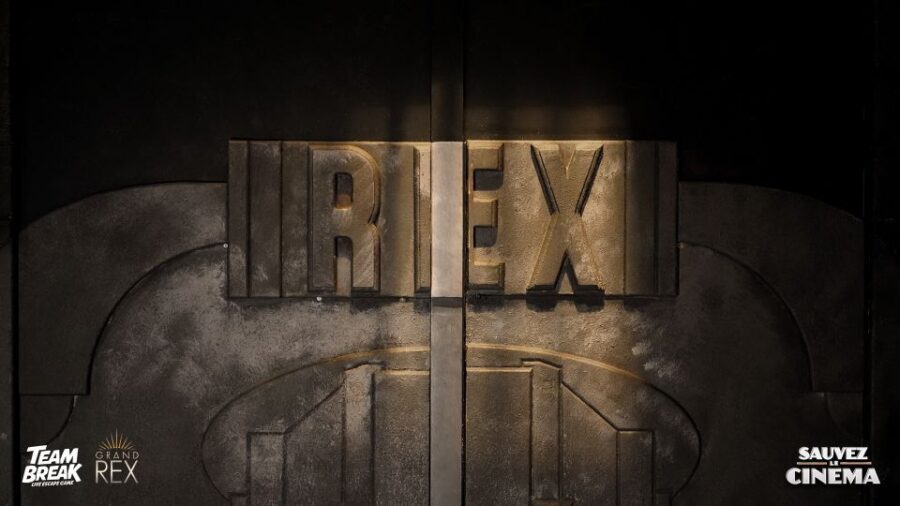
The headliner and the reason most people end up on this page. Fifty minutes of behind-the-scenes cinema magic in one of Europe’s most beautiful Art Deco buildings. The interactive elements keep it from feeling like a museum, and the $14 price tag makes it an impulse buy. Our review covers each section of the tour and rates the experience for both adults and kids — the consensus is that it exceeds expectations across the board.
2. Opera Garnier Entry Ticket — $18
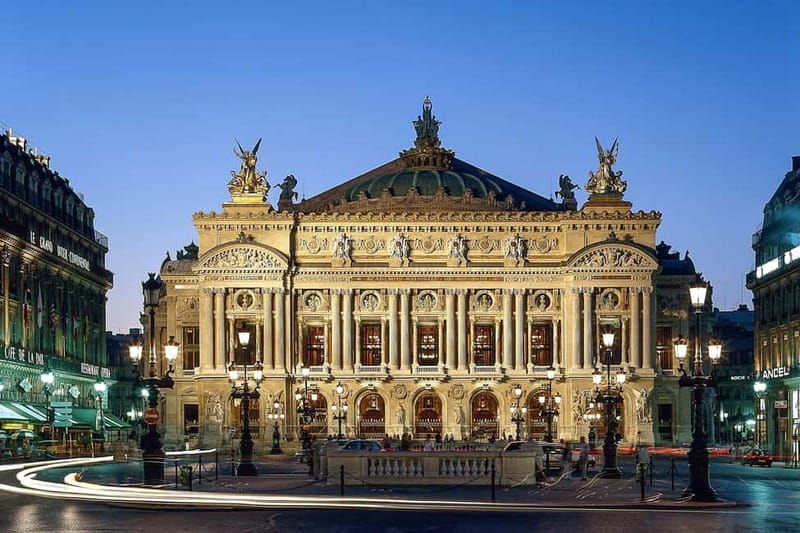
If the Grand Rex shows you how cinema works, the Opera Garnier shows you why spectacle matters. The building is its own performance — every surface decorated, every detail considered. At $18 for self-guided access, it’s a steal considering you’re walking through what many architects consider the finest theatre building in the world. Our review covers the route, the Chagall ceiling, and whether the audio guide is worth the extra cost.
3. Arsène Lupin at the Opera — $32
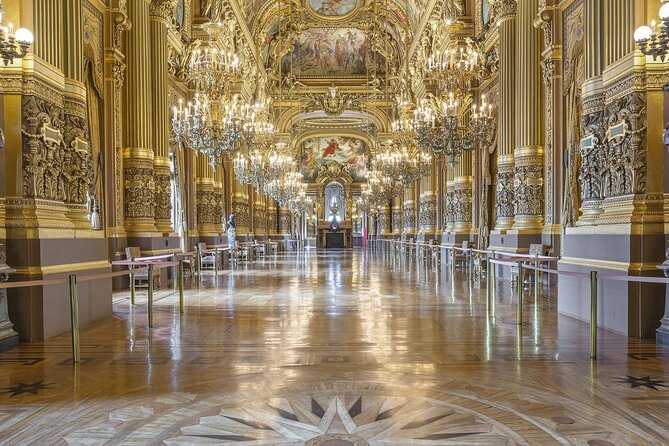
For Lupin fans, puzzle enthusiasts, or anyone who’s done the standard Opera Garnier tour and wants to go deeper. The immersive format means you explore at your own pace while following a narrative — it’s more engaging than a traditional audio guide and covers areas that standard visitors don’t see. Our review assesses the puzzle difficulty and whether non-French speakers can fully enjoy it (short answer: yes, it’s available in English).
Why These Venues Matter
Paris has always understood that spectacle is an art form. The Grand Rex and the Opera Garnier represent two different eras of that understanding — the 19th century opera house built to display wealth and culture, and the 20th century cinema palace built to democratise entertainment. Both buildings were designed to make the audience feel something before the performance even started. That philosophy of architectural generosity is rare in modern construction, which is what makes visiting them feel special.
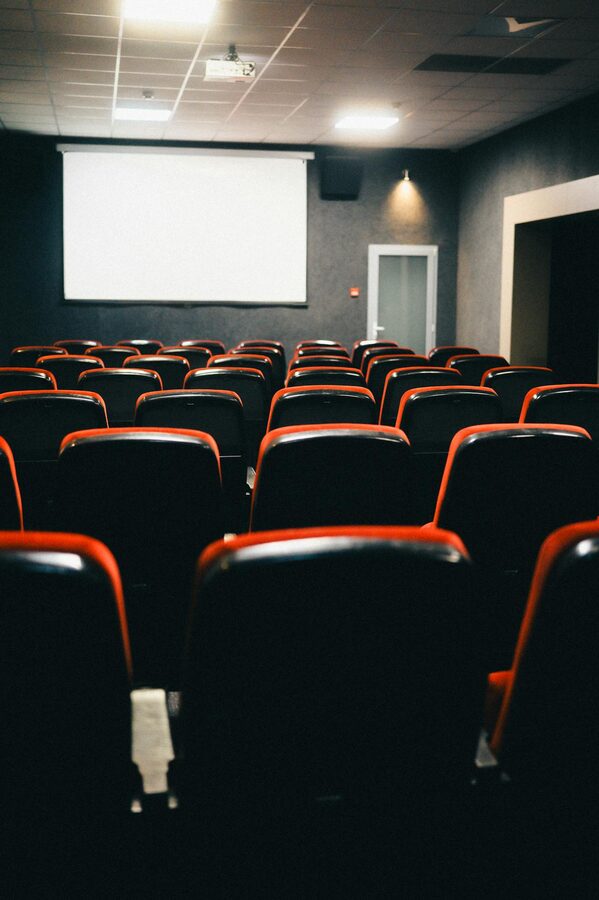
The behind-the-scenes tours at both venues reveal something that front-of-house visitors miss: the sheer complexity of making these buildings work. The Grand Rex’s projection booth is a working studio. The Opera Garnier’s backstage is a small city — workshops, rehearsal rooms, storage for thousands of costumes. The buildings are performers themselves, with technical systems as complex as any production they host.
Practical Tips
Grand Rex location: 1 Boulevard Poissonnière, 2nd arrondissement. Métro: Bonne Nouvelle (Lines 8 and 9). The boulevard is a wide Haussmann-era street with good restaurants and the kind of urban energy that central Paris sometimes lacks.
Opera Garnier location: Place de l’Opéra, 9th arrondissement. Métro: Opéra (Lines 3, 7, and 8). The square outside is one of Paris’s great public spaces — the building dominates it from every angle.
Combining visits: The Grand Rex and Opera Garnier are about a 15-minute walk apart. You can easily do both in a morning — Grand Rex first (open from 10am), then walk to the Opera (open from 10am, but better at 11am when the light is strongest through the windows). Grab lunch near Opéra and you’ve had a morning of Paris’s most beautiful interiors for under $35.
Christmas at the Grand Rex: Every December, the Grand Rex hosts “La Féerie des Eaux” — a Christmas spectacular that uses water screens, fountains, and special effects inside the main auditorium. It’s been running since 1954 and is a Parisian tradition. If you’re visiting in December, book early — it sells out.
More Paris Entertainment Experiences
If behind-the-scenes Paris is your thing, the quirky museums guide covers the Atelier des Lumières and other immersive experiences that blend art and technology. The night and ghost tours show you the dramatic side of Paris after dark. And for another iconic venue, the Notre Dame Cathedral is back open and offers its own kind of architectural spectacle — though without the special effects budget. If you enjoy the behind-the-scenes angle, the Stade de France stadium tour applies the same concept to sports — locker rooms, pitch access, and the stories behind France’s biggest sporting venue.