The Moray and Salinera De Maras half-day tour takes visitors on a captivating journey through the ancient agricultural practices and salt mining traditions of the Andes. Exploring the unique circular farming terraces of Moray and witnessing the centuries-old techniques used in the geometric salt ponds of Salinera De Maras, this immersive experience offers a glimpse into the rich cultural heritage of the region. With round-trip transportation from Cusco and a knowledgeable guide, this tour promises an insightful and memorable adventure.
- Key Points
- Exploring Moray
- Circular Farming Terraces
- The Inca Connection
- Visiting Salinera De Maras
- Salt Production Process
- Tour Inclusions and Costs
- Meeting and Pickup Details
- Traveler Feedback and Additional Experiences
- Frequently Asked Questions
- What Is the Average Group Size for This Tour?
- Can I Cancel or Reschedule the Tour if Needed?
- Are There Any Discounts Available for Students or Seniors?
- Can I Purchase Tickets for Moray and Maras On-Site?
- Are There Any Dietary Restrictions or Special Requests Accommodated?
- More Tour Reviews in Cusco
Key Points
- The Moray site features a unique circular farming terrace system used by the Incas as an agricultural research center to experiment with different microclimates and crop varieties.
- The nearby Salinera de Maras salt mining operation showcases the centuries-old traditional methods of salt production used by local families in the Andean region.
- The half-day tour includes round-trip transportation from Cusco, entrance tickets to both Moray and Salinera de Maras, and a professional guide.
- The tour is not recommended for travelers with back problems, pregnant travelers, or those with serious medical conditions, and is not wheelchair accessible.
- The tour starts at 9:00 am, and participants are advised to bring their own snacks as food is not included.
Exploring Moray
 1 / 7
1 / 7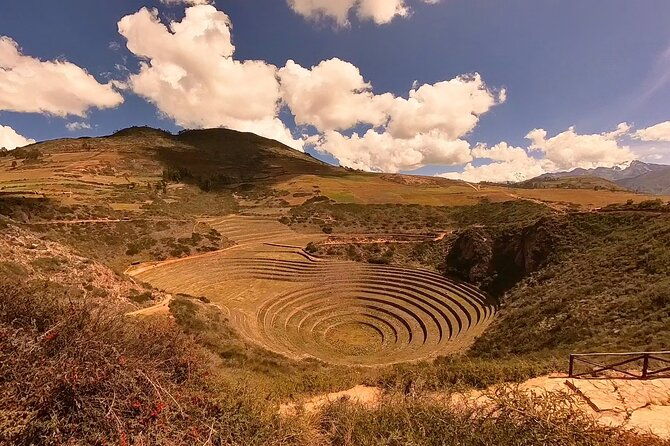 2 / 7
2 / 7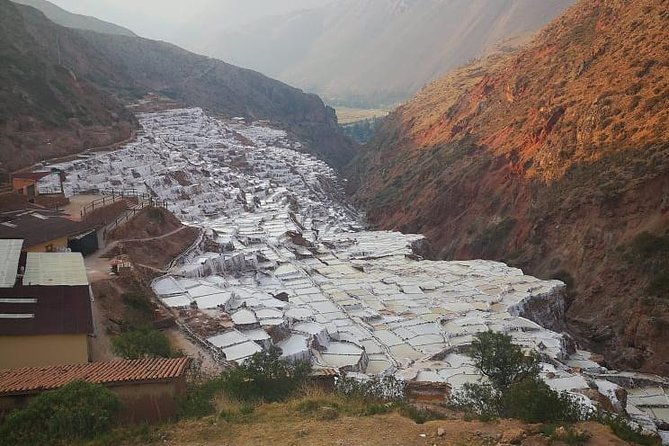 3 / 7
3 / 7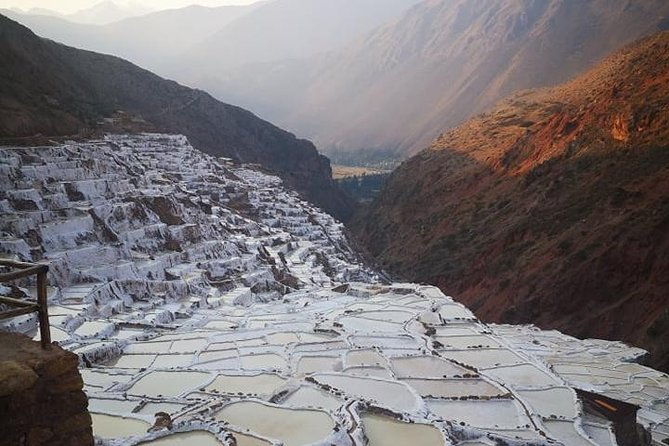 4 / 7
4 / 7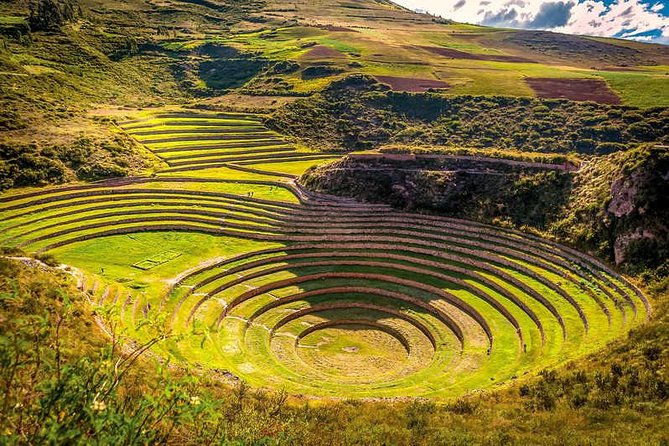 5 / 7
5 / 7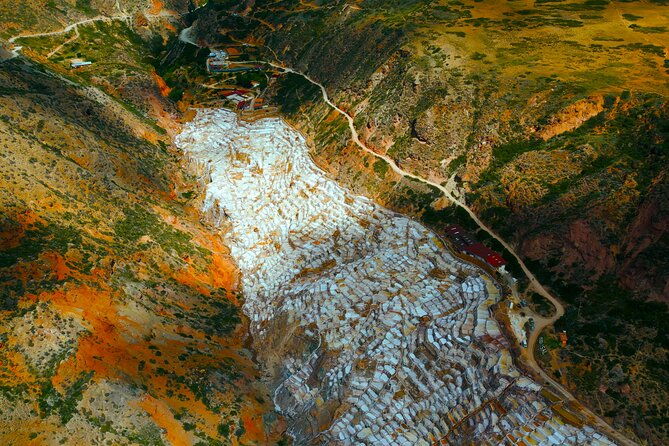 6 / 7
6 / 7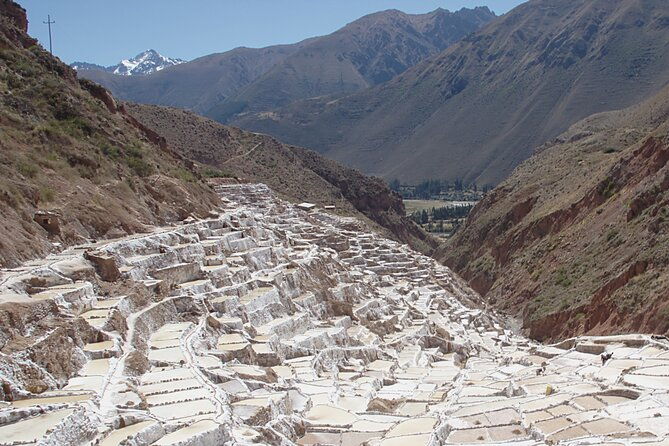 7 / 7
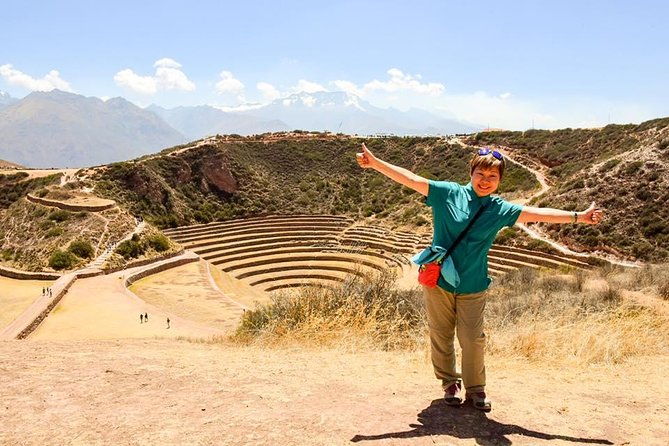
7 / 7As visitors step into the archaeological site of Moray, they’re immediately struck by the awe-inspiring sight of the circular farming terraces, which resemble a Roman amphitheater.
Stepping into Moray, visitors are awed by the circular farming terraces reminiscent of a Roman amphitheater.
These unique terraces were used by the Incas as an agricultural research center, allowing them to experiment with different microclimates and crop varieties.
Descending down the terraces, guests can see the intricate patterns and engineering feats that showcased the Incas’ advanced understanding of agriculture and environmental adaptation.
The site offers a captivating glimpse into the ingenuity of this ancient civilization and its legacy of agricultural innovation.
You can also read our reviews of more tours and experiences in Cusco.


Circular Farming Terraces
The circular farming terraces at Moray captivate visitors with their ingenious design. Carved into a natural depression in the earth, these concentric terraces resemble a massive Roman amphitheater.
Archaeologists believe the Incas used this site as an agricultural laboratory, testing different microclimates to optimize crop growth. The terraces’ unique shape and orientation allowed the Incas to cultivate a variety of crops, from tropical to temperate.
Descending down the levels, the temperature and climate shift, providing valuable insights into ancient Andean agricultural practices. These remarkable terraces stand as a testament to the Incas’ advanced understanding of environmental adaptation and sustainable farming.
The Inca Connection
Though the Moray site pre-dates the Inca Empire, it was the Incas who harnessed this natural amphitheater for their advanced agricultural practices.
The Incas used Moray’s concentric terraces to experiment with microclimates, allowing them to grow a diverse array of crops.
This ingenious system showcased the Incas’ mastery of:
-
Irrigation techniques
-
Soil management
-
Plant propagation
Visiting Salinera De Maras
After exploring the ancient Inca site of Moray, the tour continues to the nearby Salinera de Maras, an impressive and centuries-old salt mining operation.
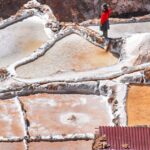
Visitors descend into the valley, where they find thousands of small, geometric salt ponds carved into the mountainside. Here, salt is harvested by local families using traditional methods passed down for generations.
Participants learn about the intricate process of evaporating saltwater to extract the pure salt crystals. The tour offers a unique glimpse into this enduring Andean tradition and the ingenuity of the Inca people who engineered this remarkable system.
Salt Production Process
As visitors descend into the Salinera de Maras valley, they witness an intricate salt production process that has endured for centuries.
The evaporation ponds, or "pools", are carefully constructed by hand, ranging in size from 4 to 5 meters wide.
The process involves:
-
Channeling spring water into the pools.
-
Allowing the water to evaporate, leaving salt deposits.
-
Manually harvesting the salt by scraping it from the pools.
This laborious yet efficient method has been practiced by the local Maras community for generations, producing the distinctive Maras salt revered for its high quality.

Tour Inclusions and Costs
The Moray and Salinera de Maras half-day tour includes round-trip transportation from Cusco and a professional tour guide.
A half-day tour featuring round-trip transportation from Cusco and a professional guide to explore Moray and Salinera de Maras.
Additional costs include the entrance tickets to Moray (70 soles) and Salinera de Maras (20 soles). Participants are advised to bring their own snacks, as food isn’t included.
The tour starts at 9:00 am, and confirmation is provided upon booking.
However, the tour isn’t wheelchair accessible, and infants must sit on laps. It’s also not recommended for travelers with back problems, pregnant travelers, or those with serious medical conditions.
Meeting and Pickup Details
The tour starts at 9:00 am. Participants will receive confirmation upon booking.
The tour isn’t wheelchair accessible, and infants must sit on laps. Plus, the tour isn’t recommended for travelers with:
-
Back problems
-
Pregnant travelers
-
Serious medical conditions
Pickup details aren’t communicated well by the operator, according to some reviews.
Participants should be prepared for a lack of air conditioning on the bus during the tour.
Traveler Feedback and Additional Experiences
What do travelers have to say about this tour? According to reviews, the Moray and Salinera de Maras tour gets high marks, with a 4.7 out of 5-star rating from 40 past participants.
Many compliment the tour’s affordability and quality, praising the knowledgeable guides. However, some note issues like lack of air conditioning on the bus and poor communication from the operator about pickup.
Beyond the main sites, some tours include additional stops at a textile factory and shops selling Maras salt products, providing a more comprehensive cultural experience.
Frequently Asked Questions
What Is the Average Group Size for This Tour?
The tour group size is not explicitly mentioned in the provided information. However, it’s typical for half-day tours like this to accommodate around 15-20 participants, allowing for a personalized experience.
Can I Cancel or Reschedule the Tour if Needed?
The tour operator allows participants to cancel or reschedule the tour as needed, subject to their cancellation policy. Customers should check the details when booking to understand the operator’s policies regarding changes or cancellations to their reservation.
Are There Any Discounts Available for Students or Seniors?
The tour operator doesn’t offer any discounts for students or seniors. The tour price is fixed, though the entrance fees to Moray and Salinera de Maras can potentially be discounted for certain groups.
Can I Purchase Tickets for Moray and Maras On-Site?
Yes, visitors can purchase entrance tickets to Moray and Salinera de Maras on-site. The tour package doesn’t include these tickets, which cost 70 soles for Moray and 20 soles for Salinera de Maras.
Are There Any Dietary Restrictions or Special Requests Accommodated?
The tour doesn’t provide food, but participants can bring their own snacks. The tour operator doesn’t appear to accommodate specific dietary restrictions or special requests, based on the information provided. Travelers should plan accordingly for their own needs.