
The Colosseum hits different with a guide. It is not just a big arena; a licensed expert turns it into a story about Rome’s power games and even the showmanship behind ancient engineering. I like that you get more than what you would spot on your own, because the narration connects physical battles, political stakes, and the way the site was used. I also like the fast hit of three top stops—Colosseum, Palatine Hill, and the Roman Forum—so you can check the essentials without losing a whole day. The main drawback is simple: you are dealing with crowds, plus lots of uneven ground and steps, so plan for the physical side.
This tour is built for time-crunched visitors: about 3 hours, in English, with headsets so you can actually hear the guide. When you want names, dates, and meaning tied to what you’re seeing, this is a smart way to start Rome—just be aware the Forum portion is brief and you may want follow-up time afterward.
- Key highlights worth knowing before you go
- Three Stops In Three Hours: what you really get
- Entering The Colosseum: engineering, politics, and the Gladiator correction
- Arena floor access (if your option includes it)
- The reality check: crowds and steps
- Palatine Hill: Romulus and Remus plus the best quick payoff views
- A note on time
- Roman Forum and Via Sacra: where Rome ran its daily life
- The one downside: 30 minutes goes fast
- Guides, headsets, and why your experience can vary
- Price and value: is .26 worth it?
- Crowds, security, and practical tips that make it easier
- Should you book this guided Colosseum, Roman Forum, and Palatine Hill tour?
- FAQ
- Where do I meet the tour, and where does it end?
- How long is the tour, and how much time do you spend at each stop?
- Is the tour offered in English, and do you provide headsets?
- Do I need a mobile ticket, and do I need ID for the Colosseum?
- What’s the price and what is included?
- What happens if a venue has last-minute closures or if security lines are slow?
- Can I cancel for a full refund?
- The Best Of Rome!
- More Guided Tours in Rome
- More Tours in Rome
- More Tour Reviews in Rome
Key highlights worth knowing before you go
 1 / 8
1 / 8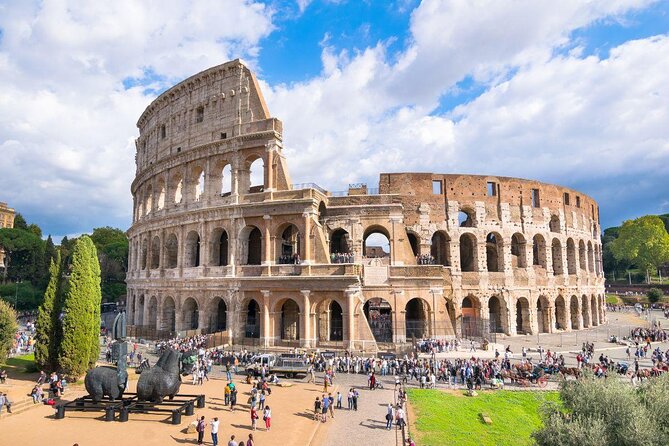 2 / 8
2 / 8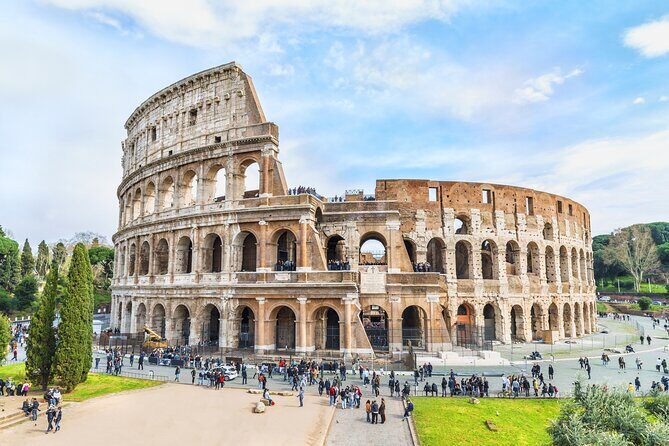 3 / 8
3 / 8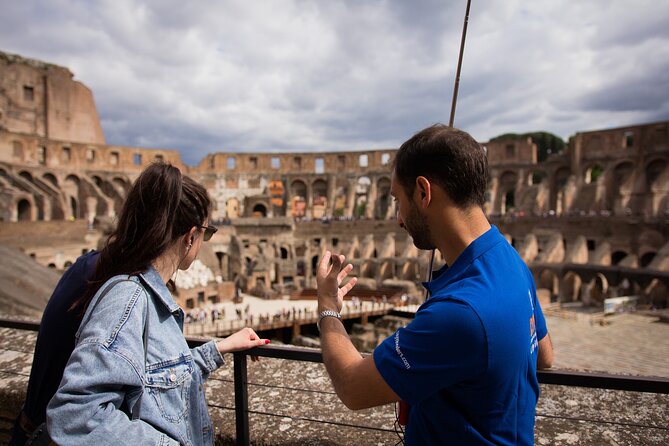 4 / 8
4 / 8 5 / 8
5 / 8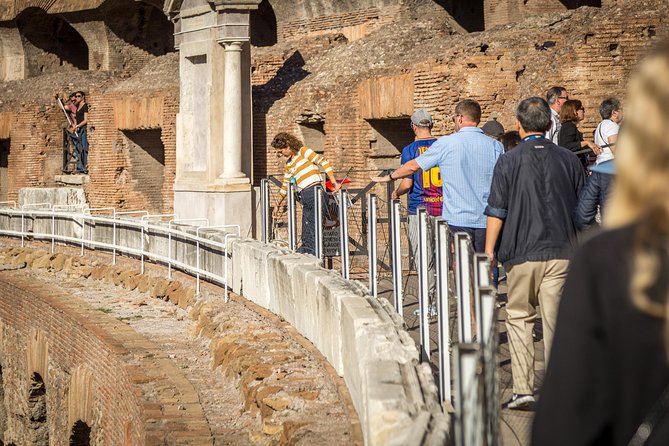 6 / 8
6 / 8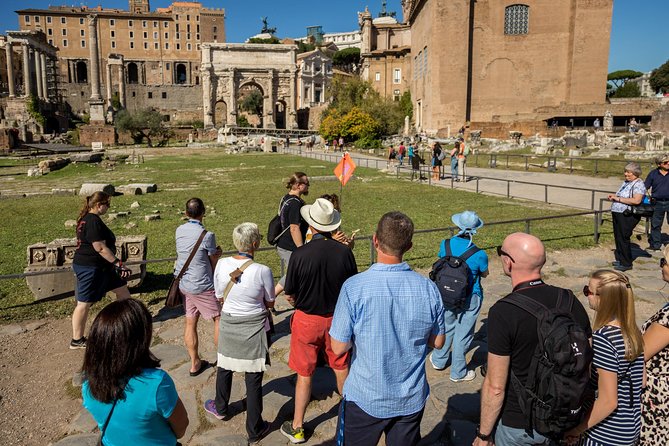 7 / 8
7 / 8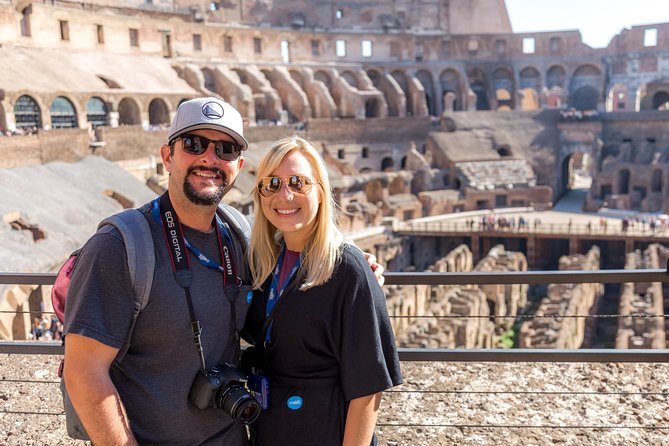 8 / 8
8 / 8- Gladiator versus reality: you’ll hear what the movie gets wrong, and what Romans staged that surprised me
- Three UNESCO-level stops, one flow: Colosseum to Palatine Hill to the Roman Forum without backtracking
- Licensed guide + headsets: easier listening in a loud, crowded setting
- ID matching is non-negotiable: names must match your government ID at the Colosseum
- Arena floor access is an option: if chosen, it adds extra wow inside the Colosseum
- The Forum is short: 30 minutes means you get the overview, not a slow stroll
👉 See our pick of the What Are The Best Tours & Experiences In Rome? Our Top 3 Picks
Three Stops In Three Hours: what you really get
Rome’s ancient sites can swallow your day fast. This tour is designed to give you the biggest “aha” moments while you still have energy for gelato later. You cover three core locations that map to the same story: the arena (public spectacle), the hill (origin and early Rome), and the Forum (daily power and ceremony).
The pacing is tight but not chaotic—at least when the guide keeps the group together. You’ll get guided time at each stop that’s long enough to understand what you’re looking at, but short enough that you do not get stuck staring at one wall all morning.
The “value” angle is also clear. The price is $59.26 per person for a guided visit that includes Colosseum access and a reservation fee, plus the guide and headset setup. In other words, you’re not paying just for entry; you’re paying for interpretation at places where a self-guided route can feel like famous ruins without the wiring behind them.
You can also read our reviews of more guided tours in Rome

Entering The Colosseum: engineering, politics, and the Gladiator correction
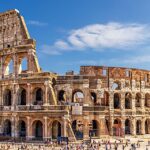
The Colosseum is the headline, and your guide treats it like the headline it is. Expect a guided walk through the main experience areas with a focus on what made this place matter: not just fights for entertainment, but also the political messaging wrapped in spectacle. You will hear how the battles were both physical and political—how public events reinforced authority and identity.
One thing I really like about this kind of guiding is the way it snaps you out of movie logic. The tour notes that Gladiator didn’t get everything right. You’ll also get a specific, memorable engineering angle: ancient Romans could even re-enact naval battles here. That detail changes how you look at the space. Instead of thinking only of brute force, you start thinking systems—water, logistics, and infrastructure that made different shows possible.
Arena floor access (if your option includes it)
Some versions of the tour offer arena floor access. If you booked that, you’re in for an extra layer of “how close were they?” It makes the whole site feel more immediate because you’re not only viewing from the outside paths.
The reality check: crowds and steps
The Colosseum is crowded. Even outside peak tourist season, you can expect a lot of bodies moving in the same corridors. Also, the site involves stairs and uneven surfaces. One review flagged knee issues as a challenge, so if you know you struggle with steep steps, bring that in your planning. Comfortable shoes matter more than fashion here.
Palatine Hill: Romulus and Remus plus the best quick payoff views
After the Colosseum, the tour shifts gears. Palatine Hill is not just another ruin stop—it’s the “start of the story” part. Your guide will connect it to the origin legend tied to Romulus founding Rome in 753 BC, and the tragedy involving Remus. That kind of backstory matters, because Palatine Hill is sprawling, and without context it can feel like you’re wandering among important rocks.
You also get what I’d call the quick payoff view: Palatine Hill overlooks your next destination, the Roman Forum. Even if you’re not a big panorama person, it helps you mentally organize the map of ancient Rome. You can see how power and everyday life were positioned, and how the Forum sits in relation to the hill.

A note on time
This stop is about an hour. That’s enough for orientation and key highlights, but if you love slow wandering, you may want extra time on your own after the tour ends. A short guided visit is ideal for getting the meaning; it is not the best option if you want to linger in every corner.
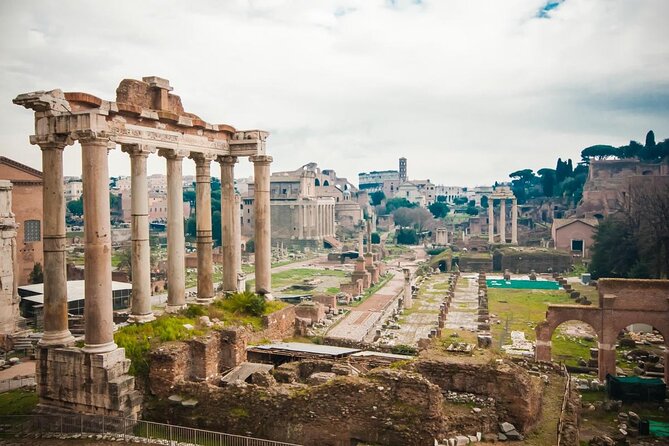
Roman Forum and Via Sacra: where Rome ran its daily life
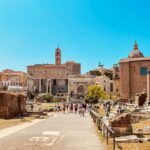
The Roman Forum is where you start to feel the pulse of ancient Rome. Your guide frames it as the heart of Roman public life—commerce and trade, political rallies, military parades, and sacred ceremonies. One of the tour’s useful strengths is that it connects religion and politics instead of treating them like separate worlds.
You’ll also walk along Via Sacra, the Sacred Way. That matters because it is not just “a road.” It is the route that turns ceremonies, processions, and political theater into an experience you can picture.
Expect your guide to point out specific landmarks too. For example, you might get directed toward spots such as Curia Julia (the Senate House) and the Arch of Septimius Severus. Seeing named structures with context is what transforms a field of ruins into something that feels legible.
The one downside: 30 minutes goes fast
The Forum stop is only about 30 minutes. That is perfect for the overview: you get the big themes and a sense of the layout. But it is not enough for deep wandering. If you want to linger at the most important corners, plan to spend extra time later on your own.
Guides, headsets, and why your experience can vary
This tour succeeds when the guide can manage three things at once: explain clearly, keep the group moving, and answer questions without losing time. The tour includes headsets, which is a big deal. In the Colosseum, voices bounce around and crowds rise and fall. Being able to hear your guide clearly prevents the frustration of guessing what you missed.
You’ll also run into different guide styles—this tour has had guides like Andre, Maria Luisa, Sam, Flavia, Hytham, Iman, Pietro Georgio, and Lorenzo Posocco. The common thread in the positive experiences is structure: guides that point out specific details and make the stories practical to visualize. If you like asking questions as you go, this tour style fits you well. You do not want to arrive with zero interest and hope a recording will carry the whole thing.
One practical tip: wear something that lets you hear well and stand comfortably. If you’re juggling a hat, sunscreen, and a backpack strap, it’s harder to fully listen and watch where the guide gestures.
Price and value: is $59.26 worth it?
At first glance, $59.26 looks like a bargain compared with what you might pay for a standalone Colosseum ticket. But here’s the key: the tour price is not just admission. It includes the guided experience, headset distribution, and access to the Colosseum plus reservation fees.
The Colosseum ticket value is listed as €18 per person, or €24 per person if arena access is included. There’s also a reservation fee of €2 per person. The rest of what you pay covers the guide and tour services.
So the “value” question becomes: do you want interpretation on-site? If you’re visiting Rome for the first time or you know you’ll be overwhelmed by the scale, the guide time is usually worth it. If you already have a strong background, love independent wandering, and prefer to go at your own slow pace, you might feel the 3-hour schedule is too compressed. For most first-timers, though, it is a sensible way to get meaning fast.
Also, this tour is commonly booked about 55 days in advance. That’s a sign demand stays high. If you have flexible dates, you can still find options, but early booking helps you avoid the “sold out for the time I want” problem.
Crowds, security, and practical tips that make it easier
Here’s how to make the tour feel smoother:
- Aim for earlier time slots if you can. One experience noted it was very crowded and suggested going earlier in the day to reduce the crush.
- Avoid weekends when possible. Another note made the point bluntly: weekend crowds are intense.
- Arrive with buffer time. The tour notes you may experience delays clearing security checks.
- Bring water and sun protection. One practical note said there isn’t much shade, so a hat helps.
- Plan for uneven surfaces. You’ll walk on steps and irregular ground. Comfortable shoes are not optional.
- Toilets are a planning item. One helpful tip pointed to a cafe across the street that lets you use facilities if you buy something. That beats the stress of hunting under pressure.
And a very important administrative detail: at the Colosseum, participant names must match a valid government-issued ID or passport exactly. Names are required at booking time, and changes aren’t permitted once confirmed. The practical takeaway is simple: triple-check spelling, and bring the exact ID you used for your reservation.
Should you book this guided Colosseum, Roman Forum, and Palatine Hill tour?
Book it if you want a structured first pass through Rome’s most iconic ancient sites, especially if you like asking questions and you don’t want to waste hours figuring out what you’re looking at. The guide-led format is the whole point: Colosseum stories, Palatine Hill origins, and a Roman Forum walk that gives you the map of how power worked.
Skip it or switch your approach if you:
- want a slow, lingering Forum experience (30 minutes is not long),
- have mobility limitations and think steep stairs or uneven ground could be hard,
- prefer going purely at your own rhythm without relying on a fixed schedule,
- cannot handle crowds on busy days.
If you’re the kind of person who wants the big headlines plus context, this tour is a strong value. It helps you see Rome as more than a photo background—and it gets you moving from one era of power to the next without losing the day to transit and line chaos.
FAQ
Where do I meet the tour, and where does it end?
You start at Largo Gaetana Agnesi, 00184 Roma RM, Italy. The tour ends at Palatine Hill, Via di S. Gregorio, 30, 00186 Roma RM, Italy.
How long is the tour, and how much time do you spend at each stop?
The tour is about 3 hours. It includes roughly 1 hour 30 minutes at the Colosseum, 1 hour at Palatine Hill, and 30 minutes at the Roman Forum.
Is the tour offered in English, and do you provide headsets?
Yes. The tour is offered in English, and it includes headsets so you can hear your guide clearly.
Do I need a mobile ticket, and do I need ID for the Colosseum?
Yes, you’ll have a mobile ticket. You also must present a valid government-issued ID or passport at the Colosseum, and the name on the reservation must match the ID. Name changes are not permitted once the booking is confirmed.
What’s the price and what is included?
The tour price is $59.26 per person. It includes access to the Colosseum, Roman Forum, and Palatine Hill, headset access, and a licensed expert guide (for the guided option). The Colosseum entrance ticket and reservation fees are included as well, plus Colosseum reservation fees and any listed optional add-ons if you selected them.
What happens if a venue has last-minute closures or if security lines are slow?
The tour notes that some venues or parts of venues may close unexpectedly. If that happens, you’ll be offered an extended tour to keep the total length close to the advertised time. You may also experience delays clearing security checks at the venue.
Can I cancel for a full refund?
Yes. You can cancel up to 3 days in advance of the experience for a full refund. If you cancel less than 3 full days before the start time, the amount paid is not refunded.
The Best Of Rome!


More Guided Tours in Rome
More Tours in Rome
More Tour Reviews in Rome
Not for you? Here's more nearby things to do in Rome we have reviewed
- Skip-the-Line Group Tour of the Vatican, Sistine Chapel & St. Peter’s Basilica
★ 4.5 · 12,779 reviews