
The monk did not invent champagne. Dom Perignon did not cry “Come quickly, I am drinking the stars!” That quote was invented by a marketing department 200 years after he died. What the Benedictine monk actually did was figure out how to control the bubbles — how to make them consistent, how to keep the bottles from exploding, and how to blend grapes from different vineyards into something greater than the sum of its parts.
The Champagne region still operates on his principles. Three hundred years later, the cellars are deeper, the bottles are stronger, and the bubbles are better. But the method is essentially the same one a monk perfected in a limestone cave beneath an abbey in Hautvillers.
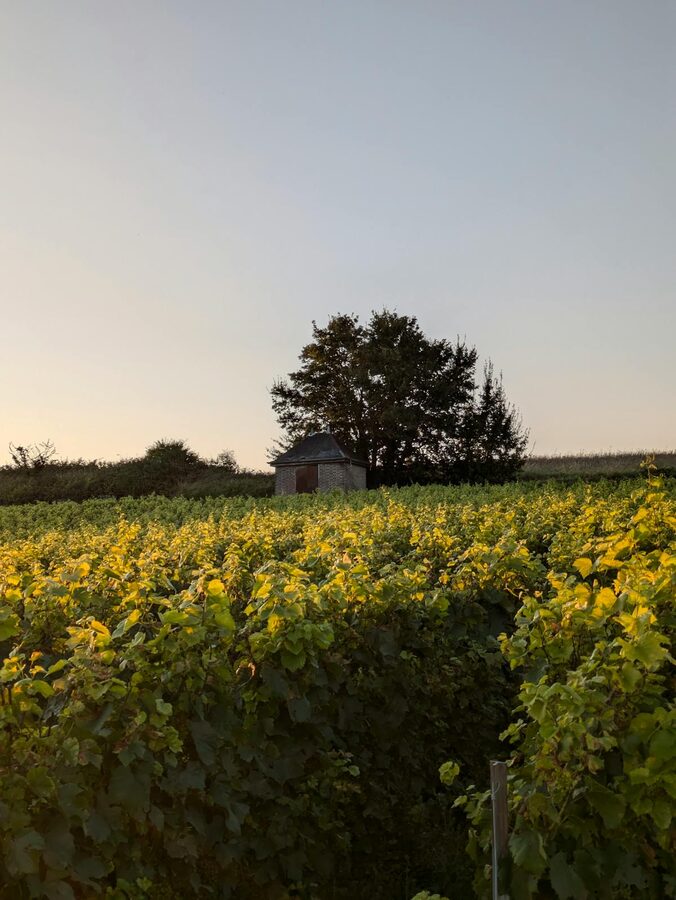
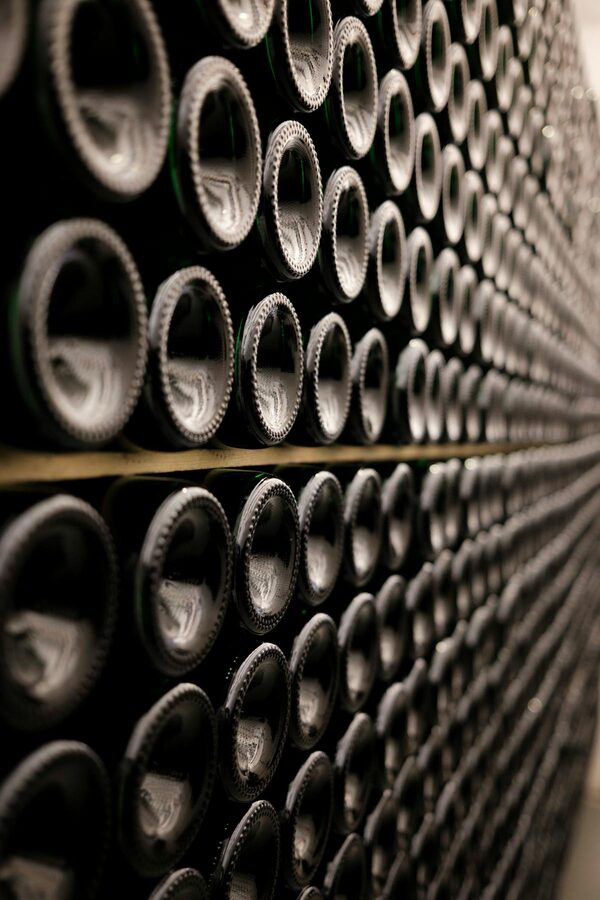
Reims and Epernay — the two capitals of Champagne — are 45 minutes apart by car and 90 minutes from Paris by TGV. Between them they hold most of the major Champagne houses and enough underground cellars to stretch over 200 kilometres. A day trip covers the highlights. A weekend lets you get properly lost in the vineyards.
This guide covers the best ways to visit, how to book tastings, and why the small family producers might be more interesting than the famous names.
- Quick Picks — Best Champagne Tours
- Understanding the Champagne Region
- Reims
- Epernay
- The Small Producers (Vignerons)
- The Best Champagne Tours
- 1. Champagne Day Trip with 6 Tastings, Reims & Winery — 8
- 2. Champagne Small-Group Day Trip with Tastings & Lunch — 4
- 3. Epernay Champagne Cellar Tour with Tastings —
- Getting to the Champagne Region
- From Paris (Best for Day Trips)
- When to Visit
- Best Time of Year
- What You Will Learn on a Champagne Tour
- Practical Tips
- Combine Champagne With Other France Experiences
- More French Wine Regions
Quick Picks — Best Champagne Tours
Best premium: Champagne Small-Group Day Trip with Tastings & Lunch — around $354, includes a proper sit-down lunch at a vineyard, multiple tastings, and small group size for a more intimate experience.
Best budget (from Epernay): Guided Tour of Champagne Cellar with Tastings — around $20, 1-hour cellar tour in Epernay with tastings. Perfect for visitors already in the region.
Understanding the Champagne Region
Reims
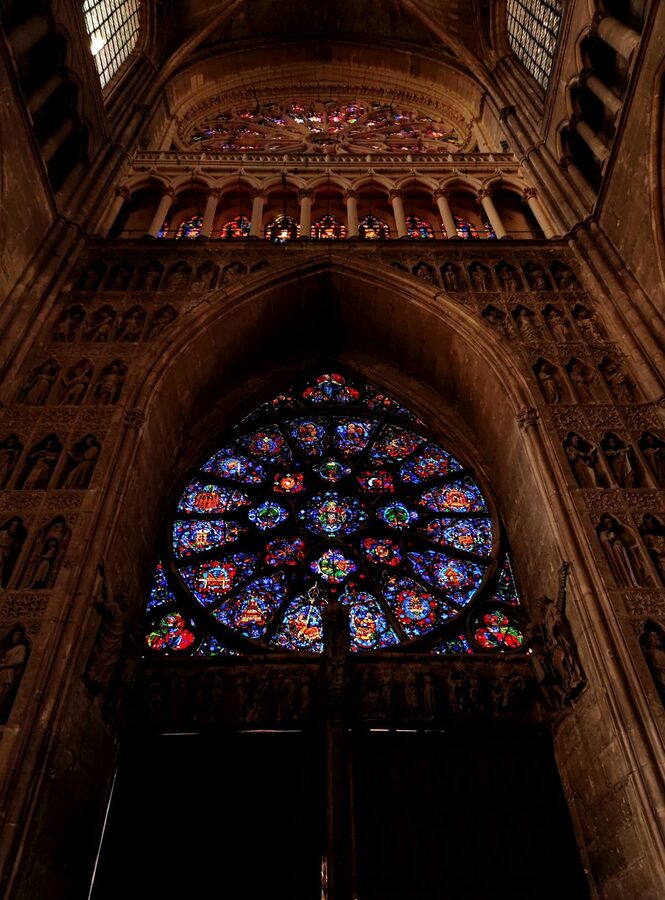
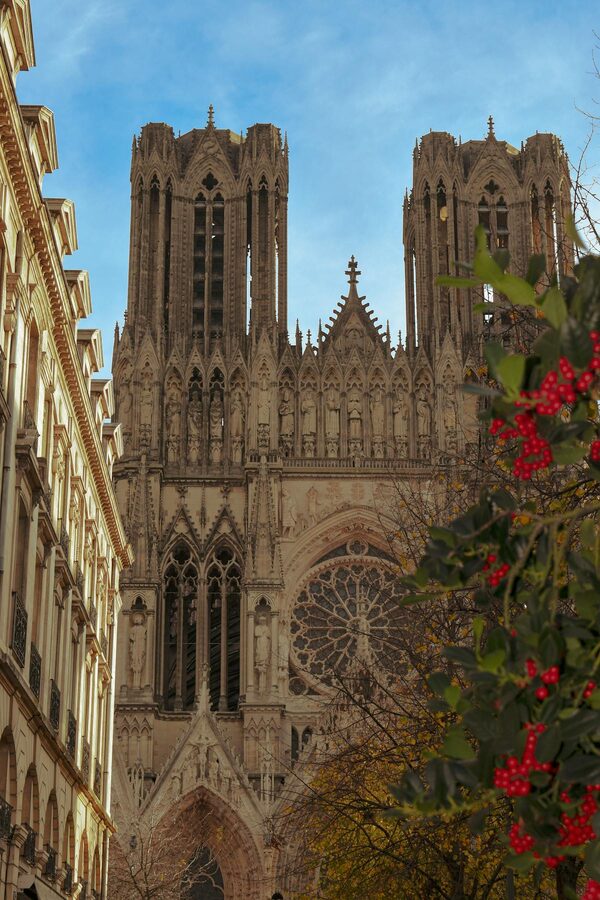
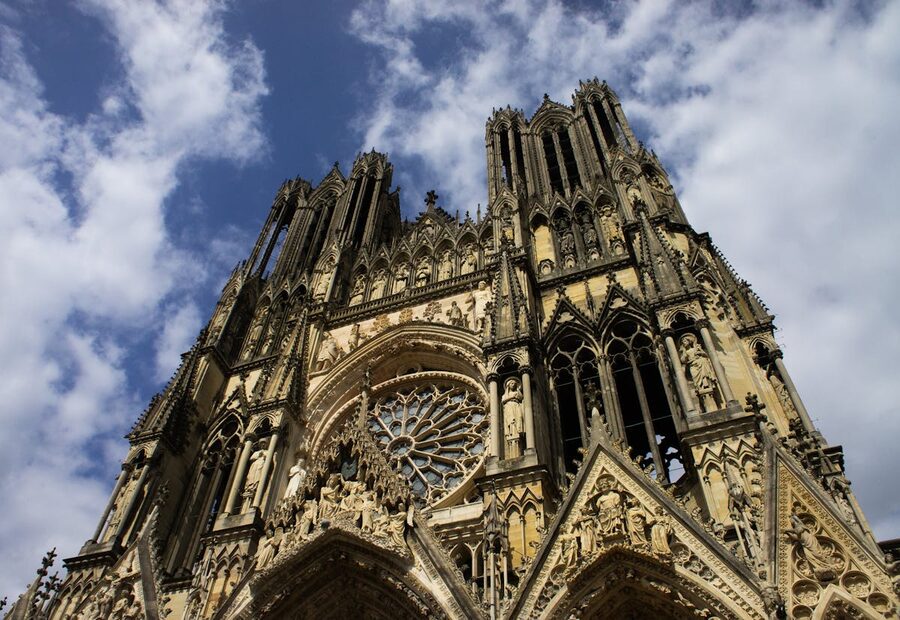
The larger of the two Champagne capitals. Reims has a Gothic cathedral where French kings were crowned for 800 years (including Charles VII, guided there by Joan of Arc). The city also houses the major Champagne houses — Veuve Clicquot, Taittinger, Pommery, and Ruinart — whose cellars burrow deep beneath the city streets.
Most day trips from Paris start with Reims. You see the cathedral, visit a major house for a cellar tour and tasting, and then head to the vineyards.
Epernay
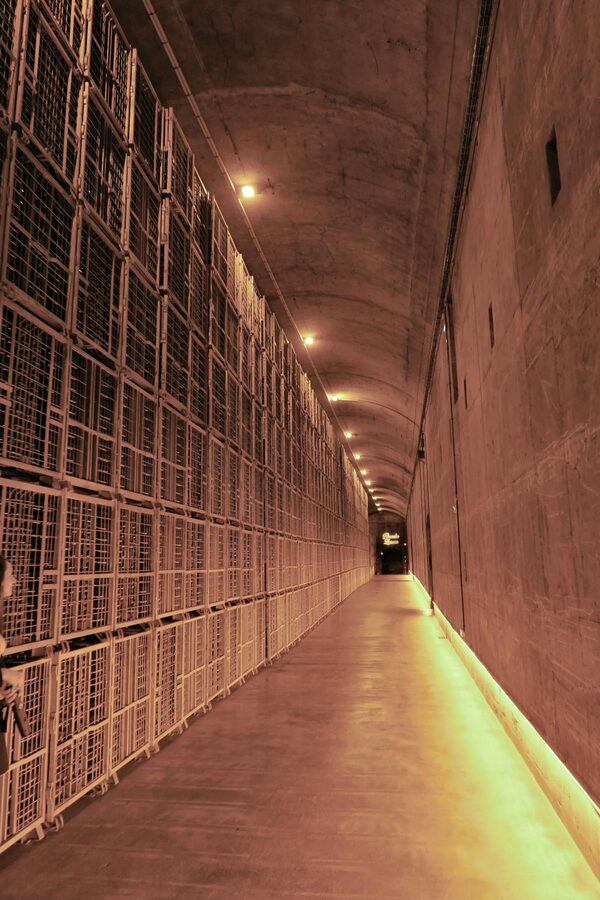
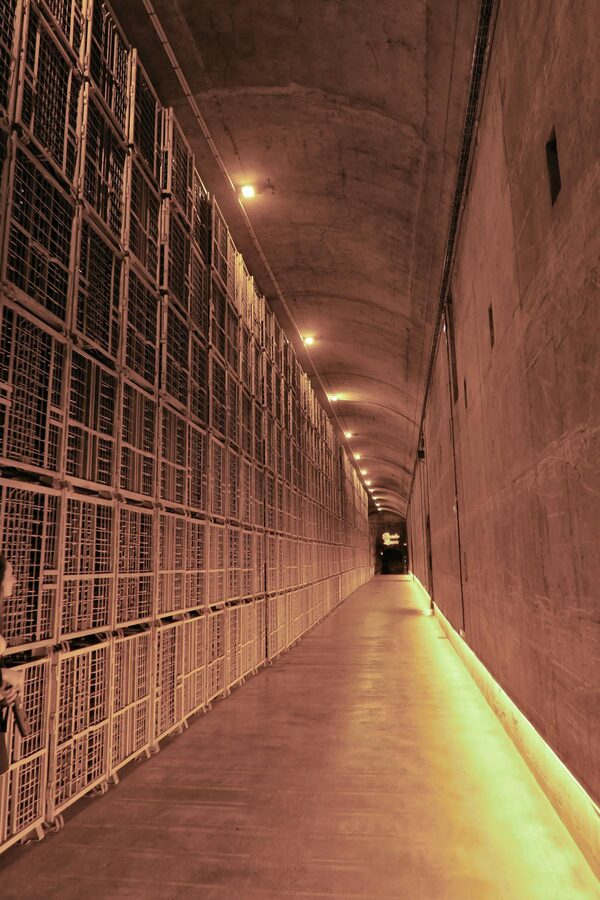
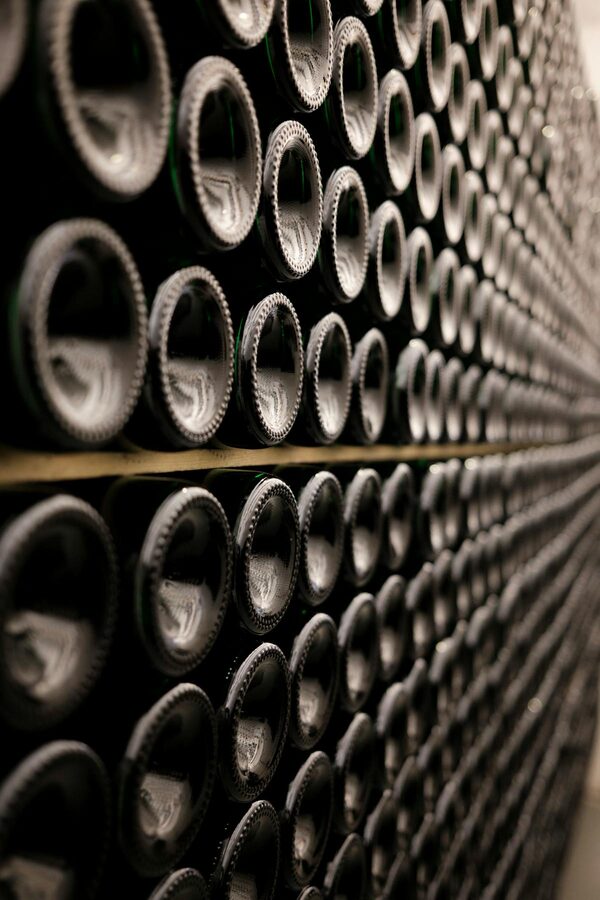
Smaller and more focused on champagne than Reims. The Avenue de Champagne is literally the richest street in France per square metre — the major houses (Moet et Chandon, Perrier-Jouet, Pol Roger) line it like an alcoholic version of the Champs-Elysees, and beneath it lies over 100 kilometres of chalk cellars holding millions of bottles.
Epernay is where you go for cellar tours. The houses are more accessible here than in Reims, the tours are shorter and cheaper, and the focus is purely on champagne production.
The Small Producers (Vignerons)
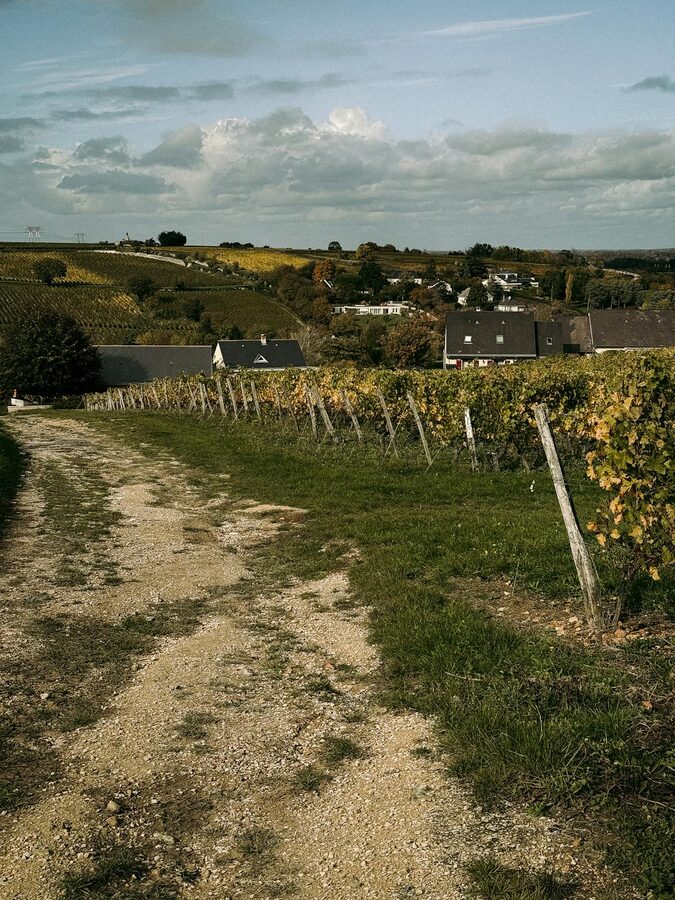
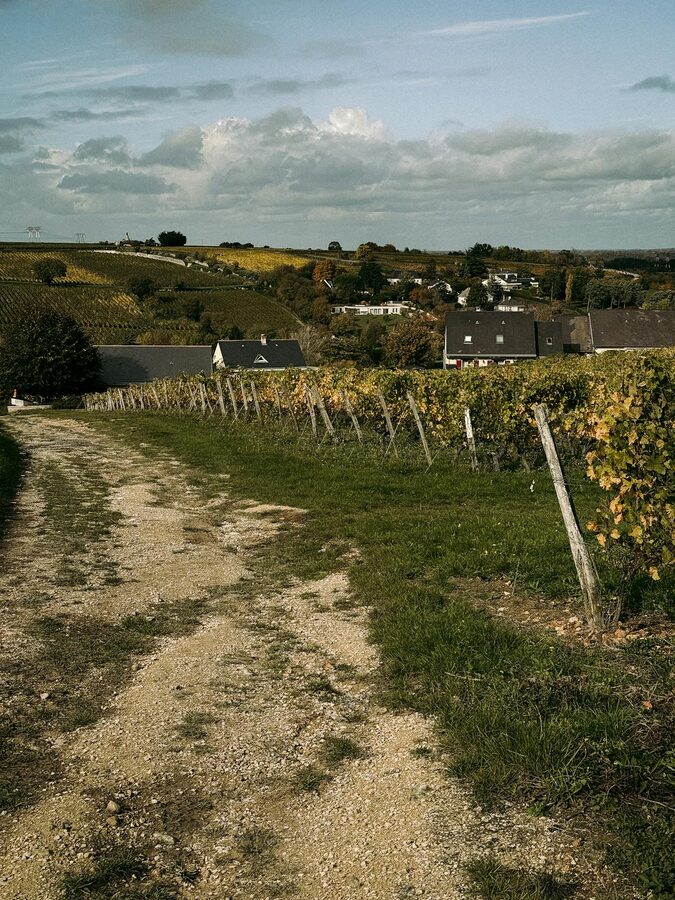
This is the part of Champagne that most travelers miss. Beyond the famous names are hundreds of small family producers — vignerons who grow their own grapes and make their own champagne in tiny quantities. Their wines are often more interesting than the big houses because each one reflects a specific terroir and a specific family’s philosophy.
The best day trips include visits to at least one small producer alongside a major house. The contrast is educational — the industrial precision of a Moet or Taittinger versus the handcrafted intimacy of a family cellar where the winemaker pours the tastings personally.
The Best Champagne Tours
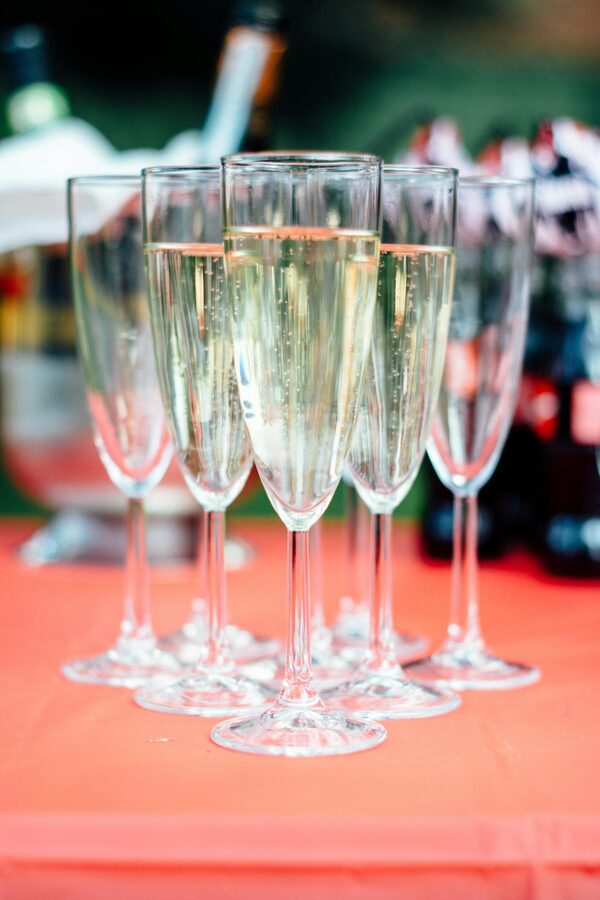
1. Champagne Day Trip with 6 Tastings, Reims & Winery — $278
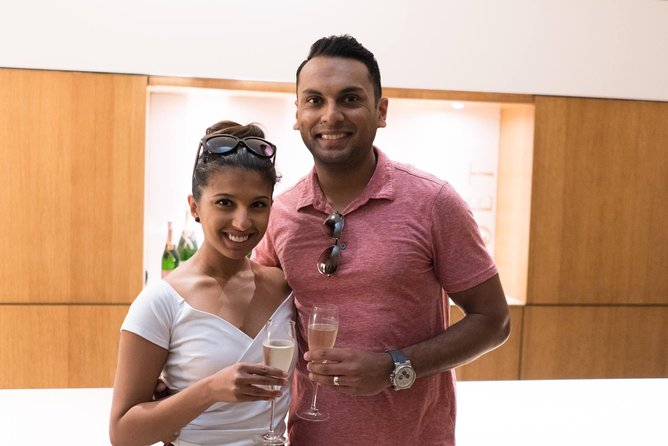
The flagship Champagne day trip from Paris. An 11-hour excursion that includes transport from central Paris, a visit to Reims Cathedral, a major Champagne house tour with cellar visit, a smaller producer tasting, and 6 tastings spread throughout the day. Lunch is included in most departure dates.
Guide Matt is amazing — friendly, knowledgeable about the region, and fun company for a full day. The small group format (usually 8-12 people) keeps things personal, and the variety of tastings from different producers gives you a genuine education in champagne styles.
At $278, this is a significant investment. But compare it to buying 6 glasses of champagne at a Paris wine bar ($120+) plus a day trip train ticket ($80) plus individual cellar tour fees ($40-60), and the maths works. The convenience of door-to-door transport and a guided itinerary saves you hours of planning.
2. Champagne Small-Group Day Trip with Tastings & Lunch — $354
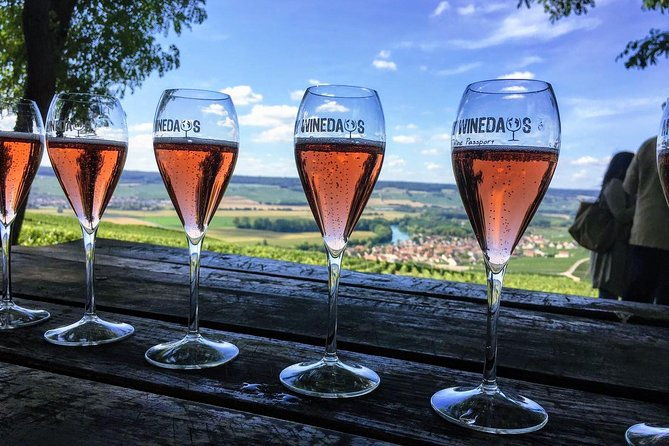
The premium option. Same concept as Tour 1 — transport from Paris, cellar visits, tastings — but with a more refined itinerary and a proper sit-down lunch at a vineyard estate. The meal is paired with champagne from the producer, which transforms lunch from a refuelling stop into part of the tasting experience.
The price difference ($354 vs $278) buys you the lunch, slightly smaller group size, and what reviewers describe as a more leisurely pace. This is “a really great day out” and highlighted the depth of information provided about the region. If you prefer quality over quantity — fewer tastings but each one more carefully considered — this is the better booking.
3. Epernay Champagne Cellar Tour with Tastings — $20
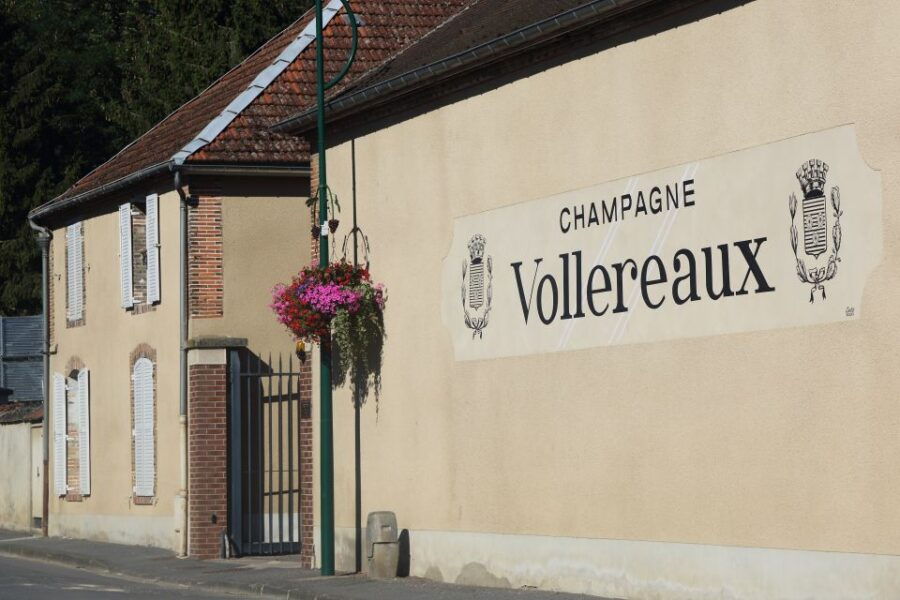
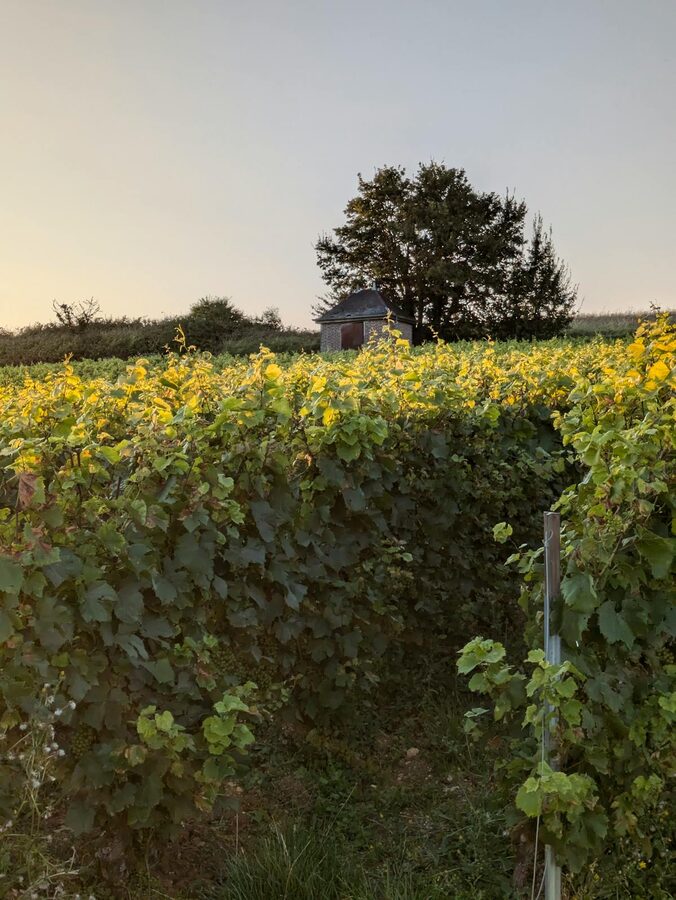
If you are already in Epernay (or can get there independently by train), this 1-hour cellar tour is exceptional value. For $20 you get a guided walk through chalk cellars, an explanation of the champagne-making process, and tastings of the house’s wines.
This is excellent, with their girlfriend calling it an amazing time. The format is straightforward: you descend into the cellars, the guide explains the history and the method, you taste, and you have the option to buy. The buying is not pressured — these houses know that most visitors will purchase a bottle or two because the champagne is genuinely better than what you find in shops.
This is the option for budget-conscious visitors or those who want to combine a cellar visit with their own exploration of Epernay and the surrounding vineyards. Take the train from Paris Est (1.5 hours), walk to the Avenue de Champagne, do the tour, explore, and take the train back.
Getting to the Champagne Region
From Paris (Best for Day Trips)
By organised tour: Most tours depart from central Paris at 7:30-8am and return by 7-8pm. Transport is by minibus. This is the easiest option and includes all logistics.
By TGV train: Paris Gare de l’Est to Reims takes 45 minutes. Reims to Epernay takes 30 minutes by regional train. Trains run frequently. The train option is best if you want to explore independently and save on the tour cost — but you lose the guide and the vineyard visits, which are harder to arrange on your own.
By car: Reims is 150 kilometres from Paris via the A4 motorway, about 1.5 hours. Epernay is another 30 minutes south. Having a car gives you access to the small villages and family producers that tours do not always include — but the designated driver misses the tastings.
When to Visit
Best Time of Year
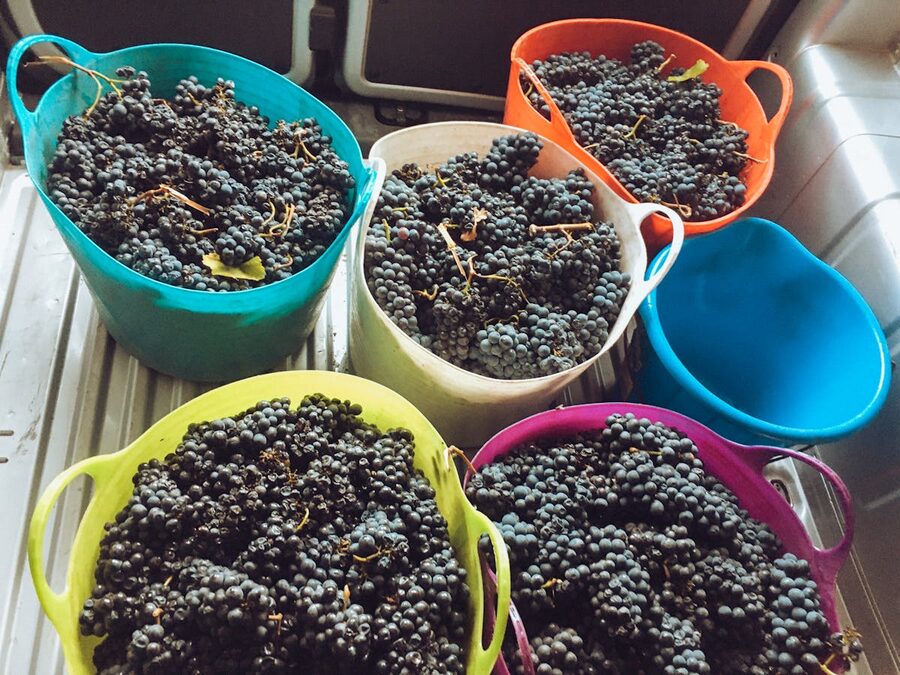
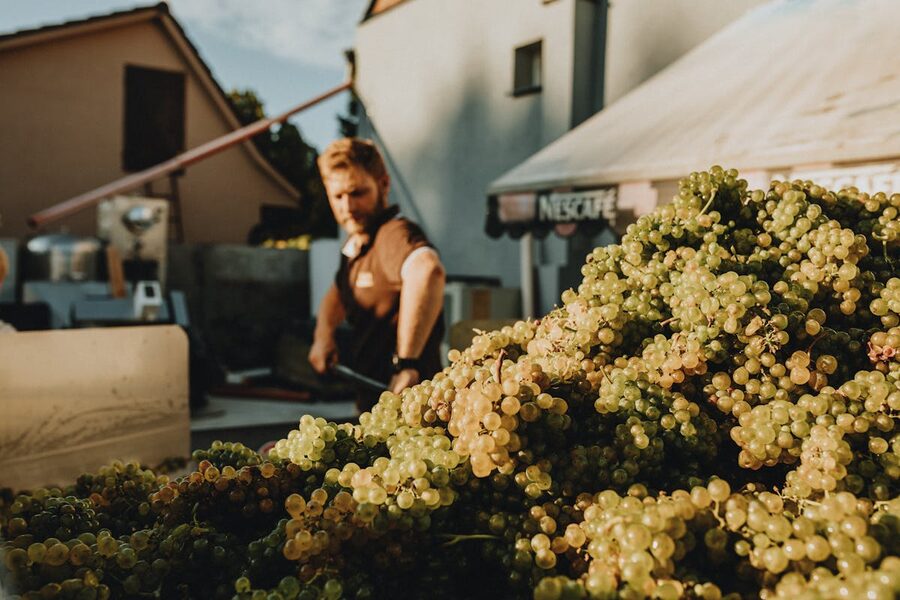
September-October (Harvest): The vendanges (grape harvest) is the most exciting time in the region. The vineyards are full of workers picking grapes, the press houses are running, and some producers offer harvest-themed tours and tastings.
May-June: The vines are growing, the weather is warm, and the tourist season has not yet peaked. Good availability for tours and cellar visits.
December: Reims has excellent Christmas markets and the cellar tours are atmospheric (the chalk tunnels feel more dramatic when it is cold outside). The vineyards are bare but the champagne inside is the same quality year-round.
What You Will Learn on a Champagne Tour
Even if you already drink champagne, a tour teaches you things that change how you understand it. Here are the concepts that stuck with me.
The three grapes: Champagne is made from Chardonnay (white), Pinot Noir (red), and Pinot Meunier (red). White wine from red grapes — how? Because the juice of most grapes is clear. The colour comes from the skins. In Champagne, the skins are removed before they can colour the juice. Blanc de Blancs is 100% Chardonnay. Blanc de Noirs is 100% red grapes. Most champagne is a blend of all three.
The dosage: After the second fermentation, a small amount of sugar and wine (the “liqueur de dosage”) is added to determine the final sweetness. Brut means less than 12 grams of sugar per litre. Extra Brut means less than 6. Brut Nature means zero. The dosage is the winemaker’s signature — it is the decision that defines the house style.
Non-vintage vs. vintage: Most champagne is non-vintage (NV) — a blend of wines from multiple years, designed to be consistent. Vintage champagne is made from a single exceptional year and reflects that year’s specific character. Both are valid. The houses argue about which is more important.
Practical Tips
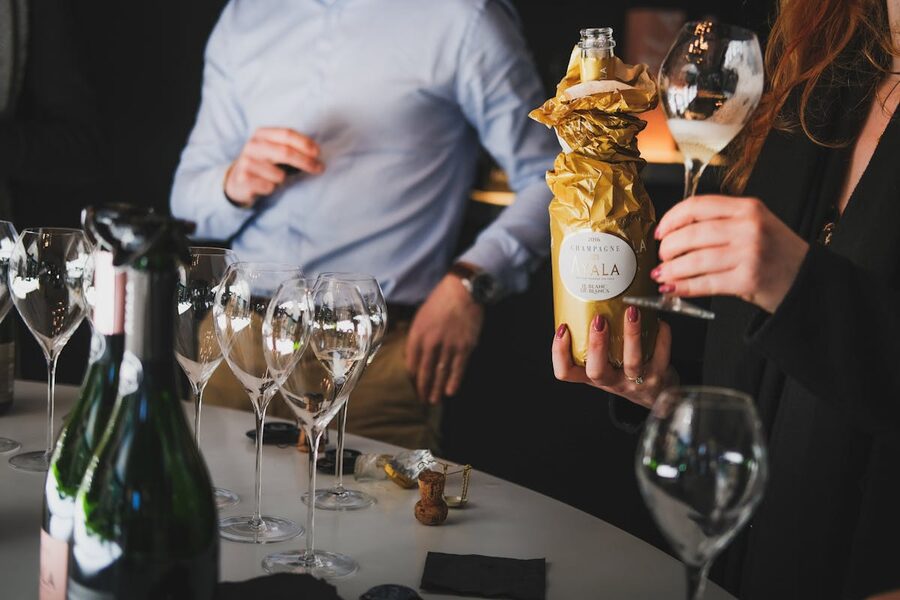
Pace your tastings. Six glasses of champagne over 11 hours is manageable, but only if you eat lunch, drink water between tastings, and spit when the guide tells you it is acceptable. Nobody judges you for spitting at a wine tasting — it is standard practice.
Buy at the source. Champagne from small producers costs 15-30 euros per bottle at the cellar door — significantly less than retail. Most tours allow time for purchasing. If you find a producer you love, buy a case. The savings on duty-free limits pay for themselves.
Bring layers. The cellars are 10-12 degrees year-round. Even in July, you need a jacket underground. The contrast between a 30-degree surface and a 10-degree cellar is sharp.
Combine Champagne With Other France Experiences
A Champagne day trip from Paris leaves your evenings free. Pair it with a Seine dinner cruise the night before, or a Paris cooking class the next morning. The champagne knowledge from the day trip enhances both — you will find yourself reading wine lists differently and asking servers about dosage levels.
For wine lovers planning a multi-region itinerary, Champagne pairs well with the Bordeaux wine region and the Alsace wine route. Three French wine regions in one trip gives you a comprehensive education in French terroir — chalk soil in Champagne, gravel in Bordeaux, granite in Alsace — and three completely different drinking experiences.
More French Wine Regions
Champagne is just the start. The Burgundy wine tours from Beaune take you through Pinot Noir country on bikes. The Paris wine tasting classes teach you the fundamentals in a cellar setting. And the Provence day trips from Avignon cover Chateauneuf-du-Pape and other Rhone appellations.