
Forty-two kings and thirty-two queens of France are buried at the Basilique Saint-Denis. Not metaphorically — their actual remains are here, in stone tombs decorated with life-sized effigies that stare at the ceiling for eternity. From Clovis (died 511) to Louis XVIII (died 1824), the entire French monarchy rests under one roof. It’s the most complete royal necropolis in Europe, and most visitors to Paris don’t know it exists.
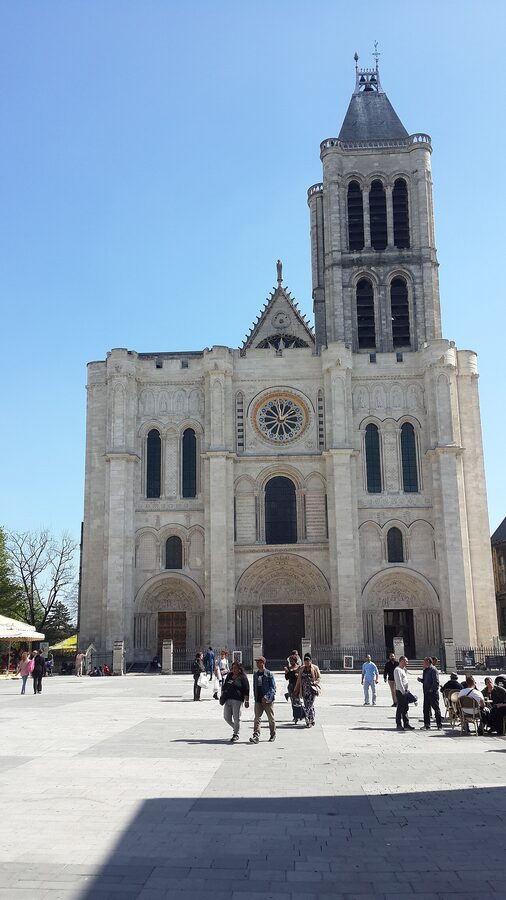
The basilica sits in the working-class suburb of Saint-Denis, about 20 minutes north of central Paris on the Métro. It doesn’t have the Louvre’s crowds or Notre-Dame’s fame. What it has is something those places can’t offer: the feeling of standing in the same room as 1,300 years of French history, with the kings and queens lying at your feet in cold stone silence.
Official site: saint-denis-basilique.fr — current hours, exhibitions, and the ongoing spire reconstruction project.
Combine with: Stade de France (next door) — behind-the-scenes stadium tour available on non-match days.
- The Birth of Gothic Architecture
- The Royal Tombs
- The Revolution and the Desecration
- The Ongoing Spire Reconstruction
- Best Ticket to Book
- 1. Basilique Saint-Denis Entry Ticket —
- 2. Stade de France Behind-the-Scenes Tour —
- 3. Conciergerie with Histopad —
- Practical Tips
- Where Saint-Denis Fits in Your Paris Trip
The Birth of Gothic Architecture
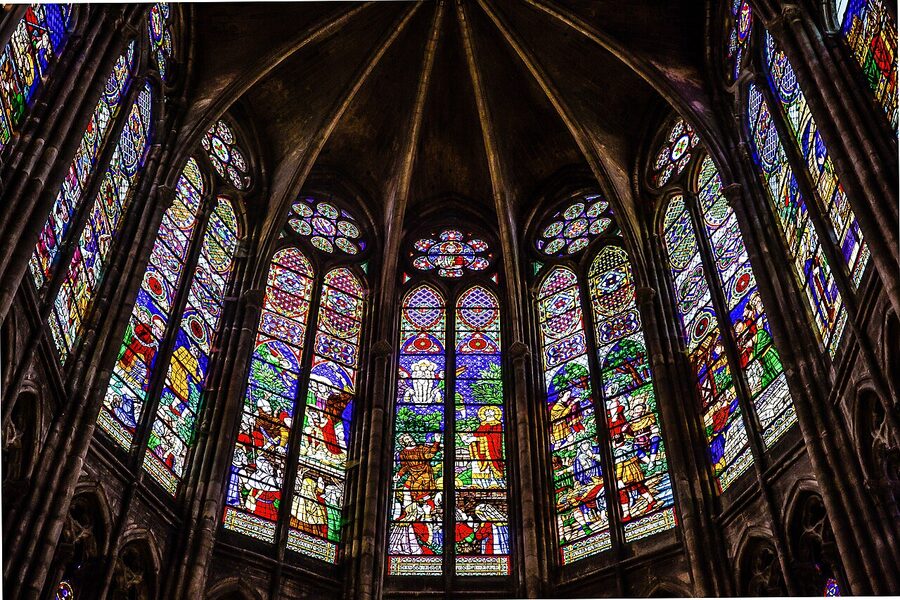
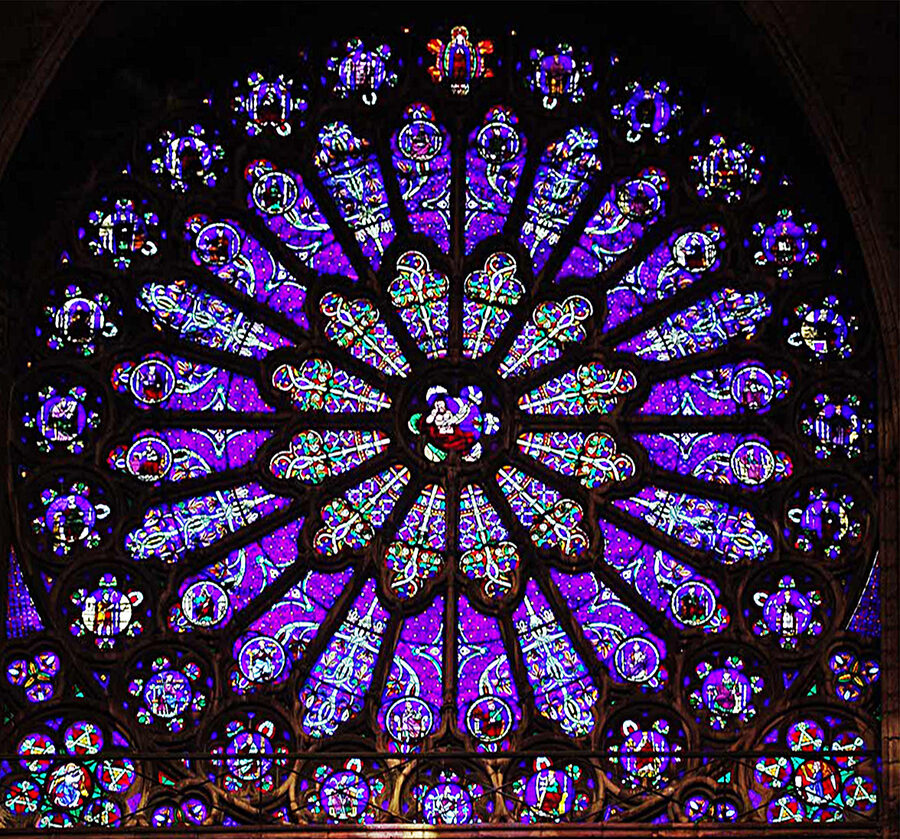
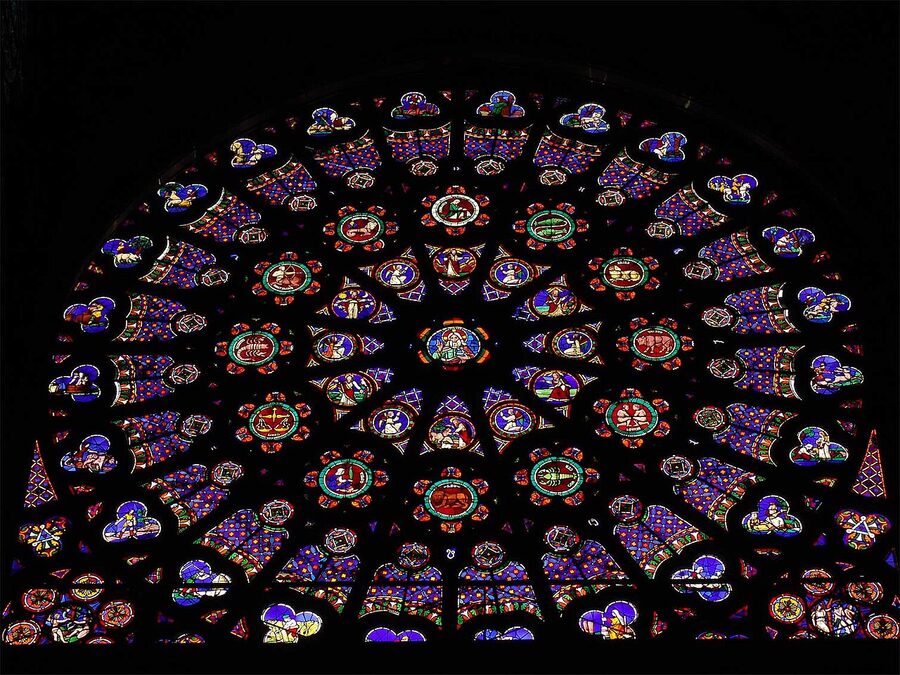
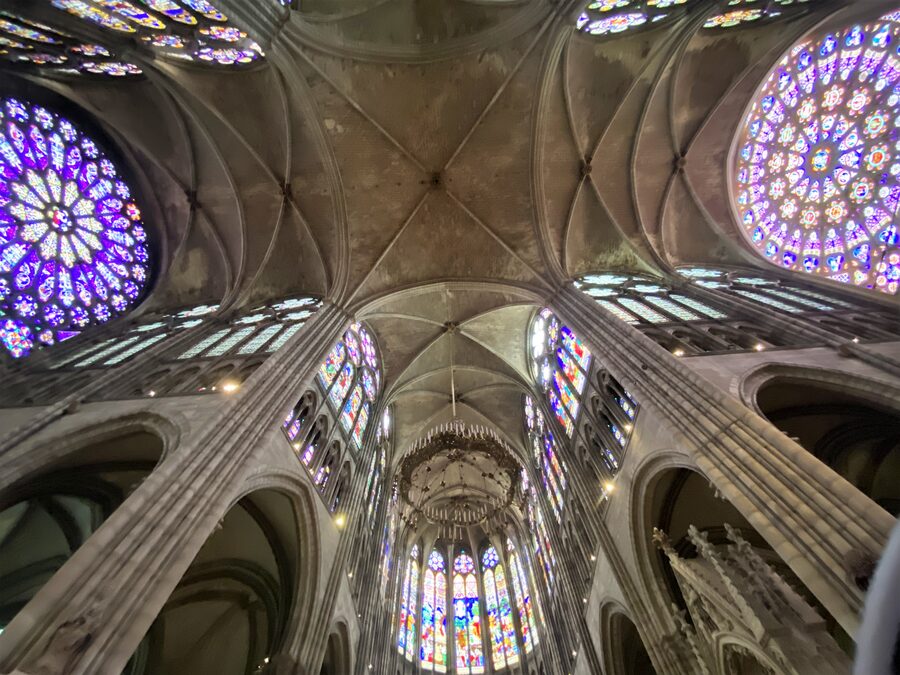
The Basilique Saint-Denis isn’t just a church with royal tombs. It’s the building where Gothic architecture was invented. In the 1130s, Abbot Suger — the ambitious and visionary head of the Saint-Denis monastery — decided to rebuild the church using revolutionary structural techniques. He replaced thick Romanesque walls with thin stone ribs and filled the gaps with stained glass. The result: an interior flooded with coloured light, held up by an engineering trick that nobody had tried before.
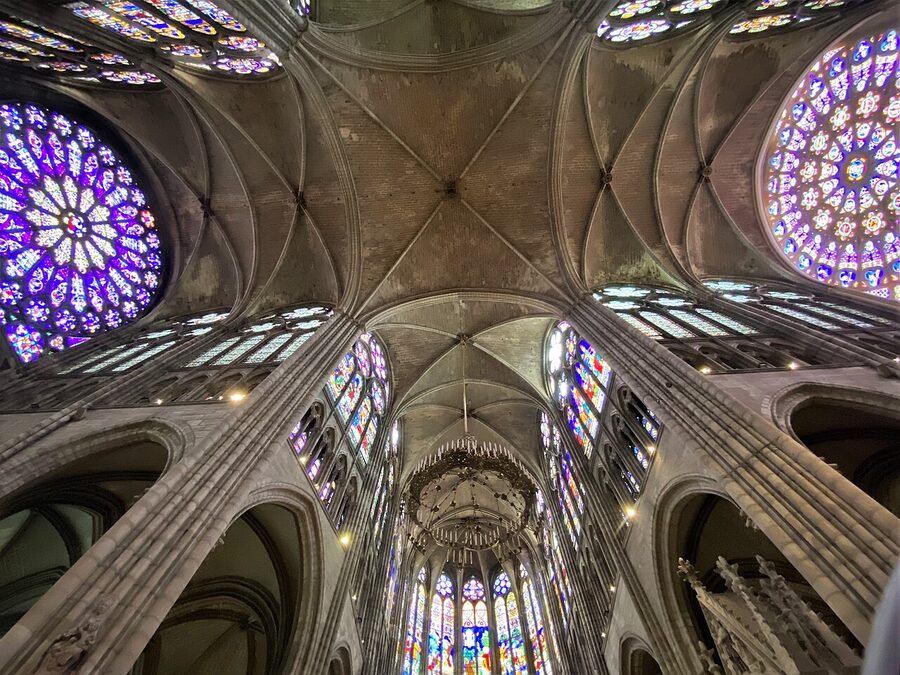
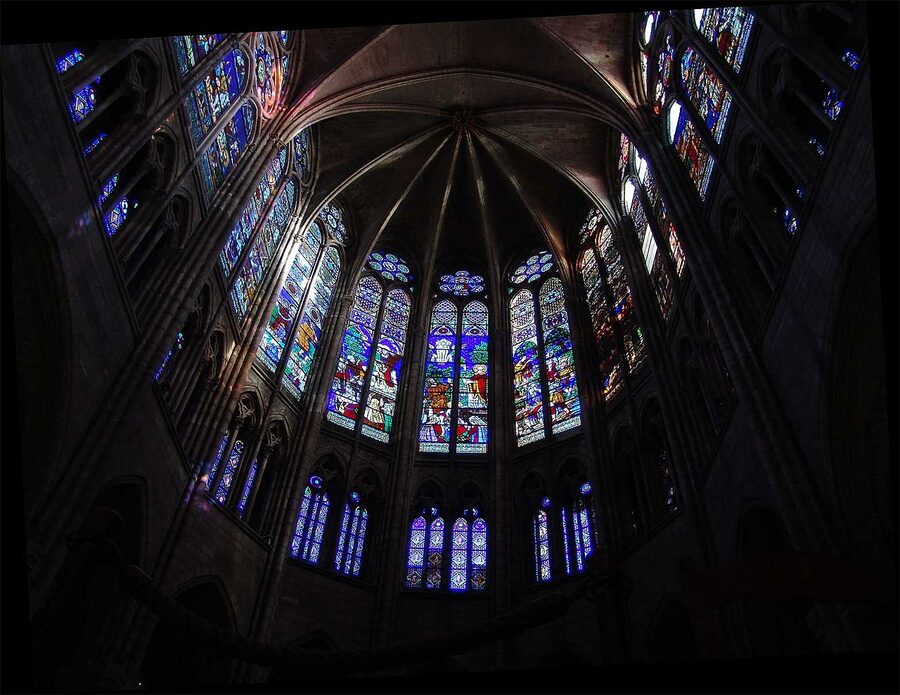
Suger’s innovation spread across Europe within a generation. Chartres, Reims, Amiens, Notre-Dame de Paris — every great Gothic cathedral of the 12th and 13th centuries traces its DNA back to this building. Visiting Saint-Denis isn’t just visiting a church. It’s visiting the source code of an entire architectural tradition.
The Royal Tombs
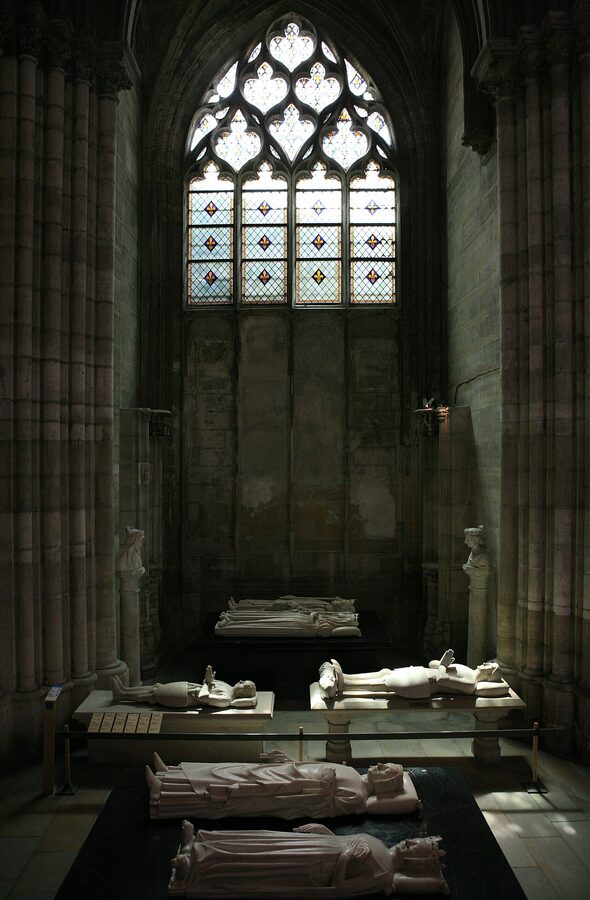
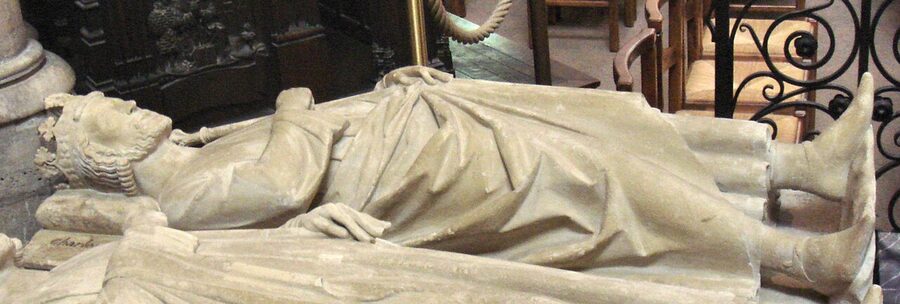
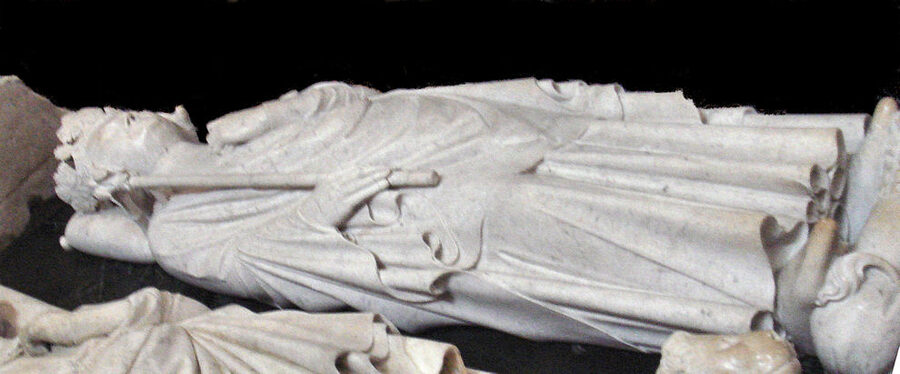
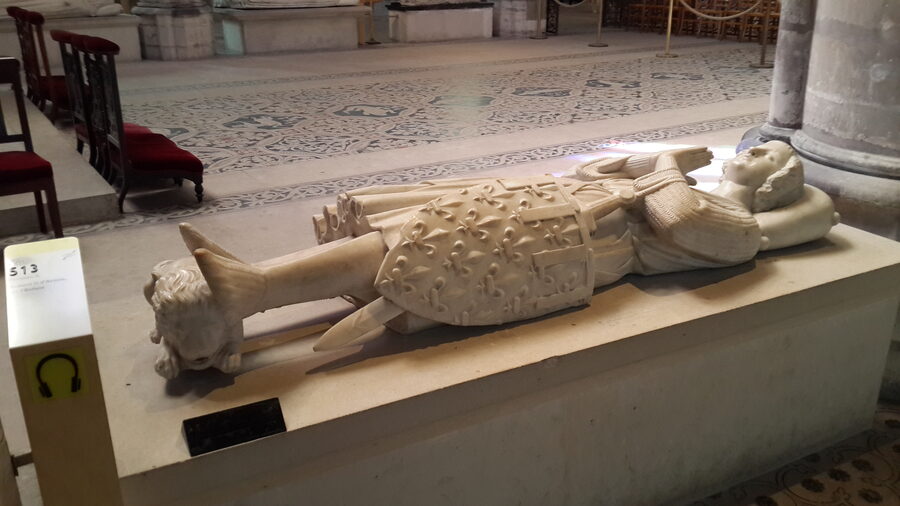
The royal necropolis at Saint-Denis contains over 70 funerary monuments spanning from the 3rd century to the 19th century. The tombs are not just graves — they’re some of the finest sculptural works in French art history. The gisants (recumbent effigies) show each monarch lying in death, hands clasped in prayer, wearing the symbols of their rank. The earlier ones are idealised and generic. The later ones — from the 14th century onward — are increasingly realistic, with individual features, specific costumes, and even signs of age and illness.
The Revolution and the Desecration
During the Revolution, the National Convention ordered the royal tombs at Saint-Denis opened and the remains destroyed. In October 1793, over the course of three days, the bodies of every French king and queen buried here were exhumed, identified, and thrown into a common pit filled with quicklime. The lead coffins were melted for ammunition. The bronze effigies were earmarked for cannon production (some were saved by the intervention of Alexandre Lenoir, who gathered them into what became the Musée des Monuments Français).
The basilica itself survived largely intact — it was too useful as a building to demolish, and the revolutionaries repurposed it as a grain warehouse. Napoleon restored it as a church in 1806, and the Restoration monarchs (Louis XVIII, Charles X) returned the remaining royal remains to a communal ossuary in the crypt, where they rest today. The individual identifications were lost during the Revolution, so the bones of 1,300 years of French royalty are now mixed together.
The Ongoing Spire Reconstruction
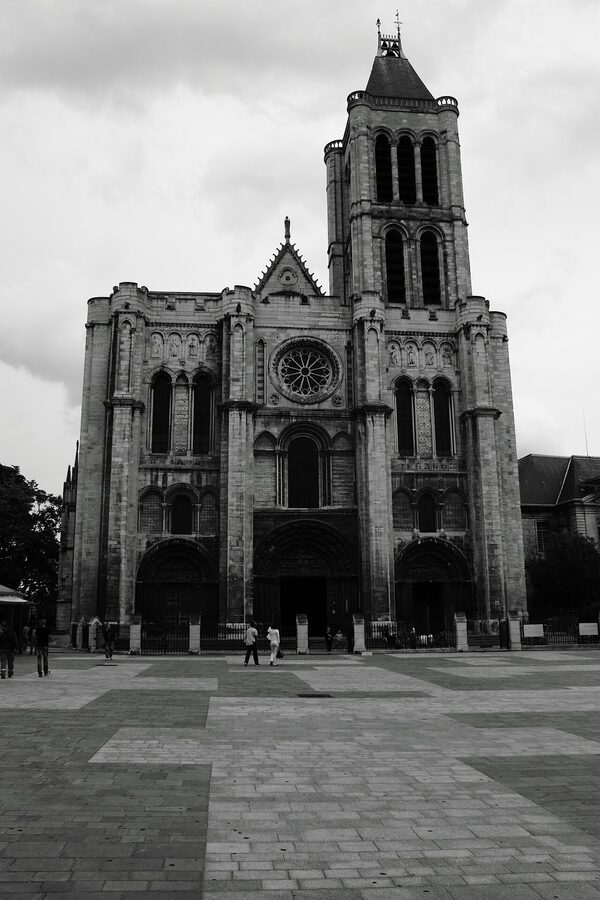
The basilica’s north tower and spire — dismantled in 1846 due to structural instability — is currently being rebuilt. The project, started in 2018, will restore the 90-metre spire using the same medieval construction techniques (no modern cranes — a medieval-style wooden crane built inside the tower lifts the stones). It’s expected to take about 15 years and has become an attraction in itself, with the construction site occasionally open for guided visits.
Best Ticket to Book
1. Basilique Saint-Denis Entry Ticket — $12
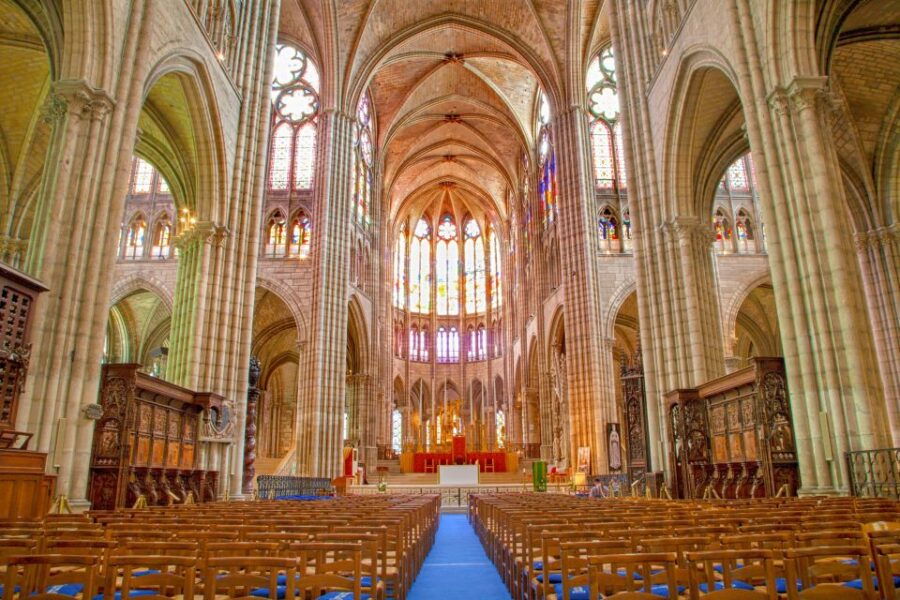
The entry ticket covers the royal tombs, the choir, the ambulatory, and the crypt where the collective royal remains are kept. The basilica nave is free to enter — you only need a ticket for the royal enclosure and crypt. Self-guided with information panels in English, though the €5 audio guide adds significant depth. Allow 60-90 minutes for the paid section, plus 15-20 for the free nave. Our review covers the full visit and why the audio guide is worth the extra cost for the tomb section.
2. Stade de France Behind-the-Scenes Tour — $16

The Stade de France — France’s national stadium, built for the 1998 World Cup — is directly adjacent to the basilica. The behind-the-scenes tour takes you through the player tunnel, the locker rooms, the press room, and onto the pitch. It’s a completely different kind of experience that pairs surprisingly well with the medieval gravitas of the basilica. Available on non-match days. Our review covers what you see and whether sports fans and non-sports fans both enjoy it.
3. Conciergerie with Histopad — $15
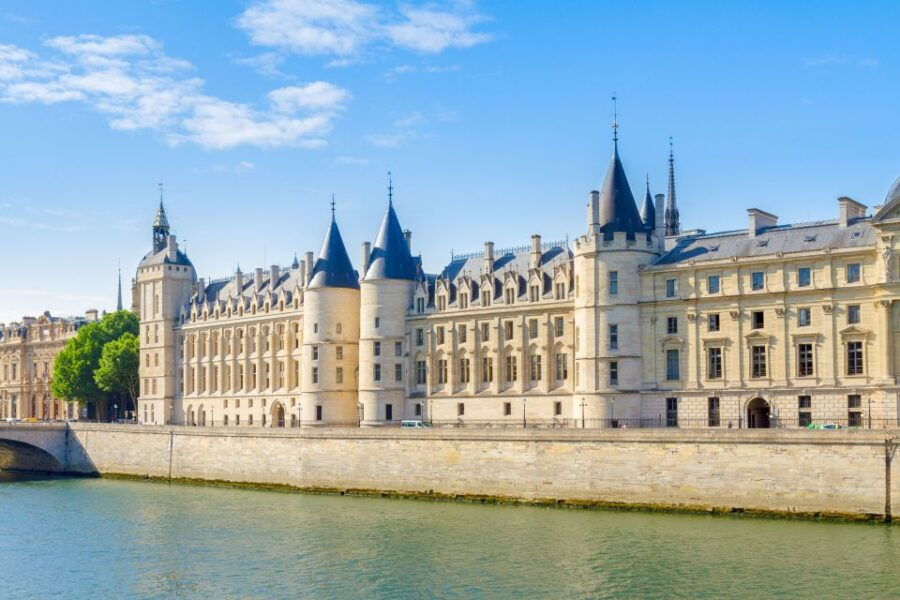
The Conciergerie on the Île de la Cité is the revolutionary counterpart to Saint-Denis. Marie Antoinette’s prison cell and the medieval halls where the Revolutionary Tribunal sentenced thousands — including the desecrators who violated the Saint-Denis tombs — create a narrative that connects the basilica’s royal dead to the Conciergerie’s revolutionary justice. Visiting both in one day is the most complete Revolution experience available in Paris.
Practical Tips
Getting there: Métro Line 13 to Basilique de Saint-Denis. The station is named after the church and is a 2-minute walk from the entrance. From central Paris (Châtelet), the journey takes about 20 minutes with one change.
Opening hours: April-September: Mon-Sat 10am-6:15pm, Sun 12-6:15pm. October-March: Mon-Sat 10am-5:15pm, Sun 12-5:15pm. Closed January 1, May 1, December 25. Check the official site for current hours.
How long: 60-90 minutes for the royal tombs and crypt. Add 15-20 for the free nave. Add 90 minutes if you’re doing the Stade de France tour afterward. A Saint-Denis + stadium morning takes about 3 hours total.
Budget: Basilica entry: $12 (free for EU under-26, free first Sunday of month). Audio guide: €5. Stade de France: $16. Total for both: under €30 for a morning that covers 1,300 years of French history plus the pitch where Zidane won the World Cup.
Photography: Photography is allowed throughout the basilica except during services. The interior is darker than most churches, so a phone with good low-light capability helps. The stained glass photographs best on sunny mornings when the light streams through. Flash is discouraged but not prohibited.
Where Saint-Denis Fits in Your Paris Trip
The Basilique Saint-Denis pairs naturally with the Conciergerie for a Revolution-themed day. The Père Lachaise Cemetery continues the French burial theme in a very different setting. The Notre Dame Cathedral — rebuilt after its 2019 fire — shows what happened when Suger’s Gothic innovations were applied at larger scale 70 years later. And the Hôtel de la Marine shows the 18th-century world that the kings buried at Saint-Denis built — and that the Revolution tore down.