Al Capone’s old stomping grounds have a pulse.
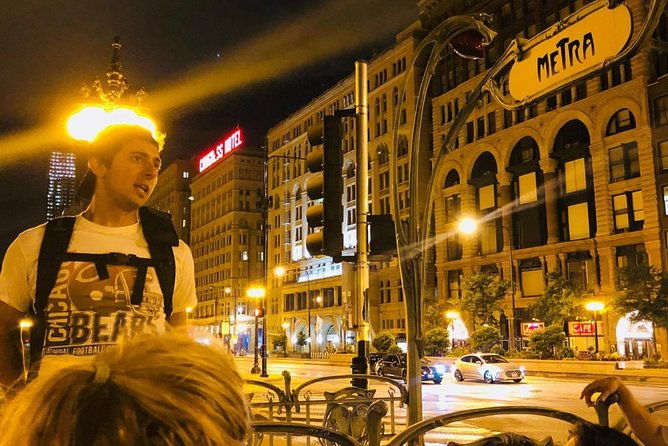
This Chicago Gangsters and Ghosts Walking Tour turns the Loop into a nighttime storybook, with your guide laying out prohibition-era crime and the ghost reports tied to specific buildings. I love how the tour stays focused on real places you can picture later, and I love that the guide style is loud, clear, and timed well so the group stays together. One thing to consider: this is mostly an outdoor walk, so wind and cold (or rain) can make you feel it more than other city tours.
After a loop of major downtown sights, you end near the Congress Plaza Hotel—another reason the whole thing feels connected instead of random stops. In my experience, what makes it work best is the historian approach: it’s story-led, not stagey. If you go for jump-scares only, you might find it more campfire spooky than theatrical.
- Key Things to Love About This Loop Ghost and Gangster Tour
- Why the Chicago Loop Drives This Tour’s Atmosphere
- Meeting at 71 E Wacker Dr and Finishing Near Congress Plaza
- The Core Walk: The Loop Vice District (About 35 Minutes)
- Millennium Park and the Bean: A Photo Break With a Purpose
- The Palmer House Lobby: Haunted Hotel, Real Chicago Anchor
- Riverwalk Stories: Campfire Spooky, Not Stagey
- The Chicago Theatre Stop: Quick Landmark Photos
- Ending at Congress Plaza Hotel: Where Al Capone’s Ghost Story Fits In
- Harry Caray’s Italian Steakhouse: The Bus Option Stop
- Guides Make or Break a Story Tour (And This One Gets It Right)
- Who This Tour Suits Best (And Who Might Want a Different Style)
- Value Check: Is Worth It for Two Hours?
- Weather, Comfort, and What to Wear
- Should You Book Chicago Gangsters and Ghosts?
- FAQ
- How long is the Chicago gangsters and ghosts walking tour?
- How much walking is there during the tour?
- What main stops will I see?
- Can I upgrade to a bus/minibus option?
- Where do I meet and where does the tour end?
- What happens if weather is bad or I need to cancel?
- The Best Of Chicago!
- More Walking Tours in Chicago
- More Tours in Chicago
- More Tour Reviews in Chicago
Key Things to Love About This Loop Ghost and Gangster Tour




- Historian guide who tells big stories clearly (and keeps time in a busy part of the city)
- Route built around the Loop’s vice district—speakeasies, bootlegging tunnels, and gangster headquarters
- Specific haunted landmarks like the Palmer House and the Congress Plaza Hotel
- Millennium Park + the Bean stop gives you a real “Chicago postcard” break inside the spooky theme
- Optional bus/minibus upgrade for the same spine-chilling tales plus one immersive stop

👉 See our pick of the 2 Best 1 Hour Tours In Chicago (With Prices)
Why the Chicago Loop Drives This Tour’s Atmosphere
The Loop is where the city’s gangster era and its nighttime legends overlap, and the tour doesn’t treat that like trivia. It treats it like a map: you’re moving through the parts of downtown tied to speakeasies, bootleggers, and the power plays around Al Capone. That matters because it turns landmarks you might normally rush past into anchor points for stories you’ll remember.
I also like that the tour covers both the crime side and the ghost side without feeling like two different tours stapled together. You’ll hear about vice-era activity and then shift to hauntings tied to the same general area—so the mood stays consistent. It’s a smart way to make downtown history feel personal rather than like a lecture.
And yes, it’s in the open air. If you know you’re sensitive to wind, bring a warm layer and plan to keep your hands free for photos. The good news: the walking time is managed with frequent stops and a built-in refreshment/restroom break.
You can also read our reviews of more walking tours in Chicago


Meeting at 71 E Wacker Dr and Finishing Near Congress Plaza
You start at 71 E Wacker Dr, Chicago, IL 60601 and end at 520 S Michigan Ave, Chicago, IL 60605. That end point is a big part of why this works: it closes near the Congress Plaza Hotel & Convention Center, which the tour frames as one of Illinois’ most haunted places. When a tour ends where it’s themed, you leave feeling like you completed the story, not just ran out of time.
The group size is capped at 20 travelers, which I really appreciate for this type of tour. In a place as loud and crowded as downtown Chicago, it’s easier for everyone to hear the guide when the group isn’t stretching across the sidewalk.
Also, this tour runs with a mobile ticket, and it’s near public transportation. That’s practical when you’re bouncing between neighborhoods and don’t want to waste time figuring out where to park.
The Core Walk: The Loop Vice District (About 35 Minutes)
The first stop is the Loop, and this is where the “gangsters and ghosts” concept becomes concrete. The tour describes the Loop as the city’s vice district during the roaring 20s and 1930s—full of speakeasy saloons and secret underground tunnels used by bootleggers. It also flags major gangster power nodes, including headquarters linked to Al Capone.
Expect about 1.5 miles of walking overall, with frequent stops. The Loop portion is roughly 35 minutes, and there’s a refreshment/restroom break. That break sounds small, but on a winter night in Chicago it’s the difference between coping and counting the minutes.
One practical note: this isn’t a museum-style experience where you spend most of your time indoors. You’re out on sidewalks, taking in buildings from the outside and letting your guide connect the dots.
Millennium Park and the Bean: A Photo Break With a Purpose
Next comes Millennium Park for about 15 minutes, where the tour centers on Cloud Gate, the famous landmark often nicknamed the Bean. This is the part of the tour that keeps it from turning into nonstop gloom.
I like this stop because it gives your brain a reset. After the crime-and-haunting talk around the Loop, you get a clean, recognizable piece of Chicago. Even if you’ve seen photos of the Bean a dozen times, it lands better in person—especially under city lights.
It’s also useful timing. A short break like this helps you stay alert for the spooky segments that follow, rather than feeling like you’re sprinting through the story.
The Palmer House Lobby: Haunted Hotel, Real Chicago Anchor
You’ll then hit the Palmer House Hilton Historic Lobby for about 20 minutes. This stop is built around one standout detail: the Palmer House is rumored to be haunted, and it’s also the oldest hotel in Chicago and considered the oldest continuously operating hotel in the USA.
That combination is what makes the stop interesting. It’s not just ghost lore tossed at you. The tour ties haunting stories to a place that has truly been part of Chicago’s hotel history for a long time. Whether you believe every report or not, the age of the building gives the stories more weight because it’s all set inside something long-lasting.
From a comfort standpoint, hotel lobbies can be a breather if the weather turns mean. Still, remember: you may not linger indoors the whole time. This is a walking tour, and the itinerary moves.


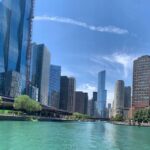
Riverwalk Stories: Campfire Spooky, Not Stagey
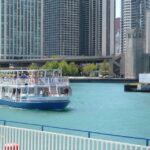
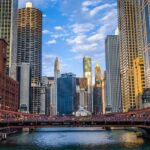
After that, the tour heads to the Chicago Riverwalk for about 15 minutes. Here’s a key detail that affects the vibe: the ghost stories are described as being told in a more campfire fashion, not theatrical.
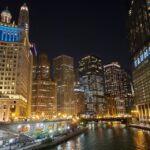
That fits the guide-and-history style the tour is selling. The Riverwalk gives you a pleasant path through downtown, and it’s a good place for your guide to slow things down just enough for you to focus. You’ll also hear spooky stories alongside gangster hangout references as the route ties back to the Loop era.
If you hate being yelled at by loud actors, this should feel better. If you want dramatic effects and actors in costumes, you might find it lighter on theatrics than you hoped.
The Chicago Theatre Stop: Quick Landmark Photos
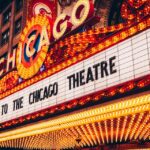
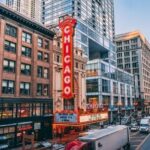
You’ll get about 15 minutes at the Chicago Theatre. This is primarily a photo stop—simple and efficient. In a tour that moves quickly through story beats, these short “look here” moments are useful. They give you proof for your camera roll and a visual checkpoint so you don’t feel like you’re just hearing spooky talk while moving.
Ending at Congress Plaza Hotel: Where Al Capone’s Ghost Story Fits In
The tour ends near the Congress Plaza Hotel & Convention Center (about 5 minutes for the stop). The tour frames the Congress Plaza as one of the most haunted places in Illinois and ties it to the gangster era through Al Capone’s headquarters there. It also points to ghost activity most frequently reported near his old suite on the 8th floor.
Even with the short timing, ending here feels like closing the circle. You started in the Loop’s vice district, and you finish at a place the tour connects to both the gangland power structure and the haunting lore.
One small consideration: since the stop is only around five minutes, you won’t have long to wander or take deep indoor looks unless you’re finishing with extra time on your own.
Harry Caray’s Italian Steakhouse: The Bus Option Stop
If you choose the bus tour upgrade, you’ll get the same spine-chilling tales by bus, with one stop described as immersive. The itinerary lists Harry Caray’s Italian Steakhouse as the stop for the bus option, with about 15 minutes there.
This matters if you want less sidewalk time. The base tour already has a moderate pace (with frequent stops and a restroom break), but the bus upgrade is your best bet if you’re traveling with someone who hates cold winds or long stretches outdoors.
Guides Make or Break a Story Tour (And This One Gets It Right)
The tour’s reputation leans heavily on guide performance, and the names in the reviews show a pattern. Taka pops up again and again for being loud enough to cut through busy streets, clear, and genuinely story-driven. Sophia also gets strong praise for being knowledgeable and personable, with a theatrical delivery that still feels guided rather than gimmicky. Tanner and Willis are mentioned for pacing, humor, and clear storytelling. Avery is noted for delivering a fun, light walking experience with good stops.
What that tells me as a reader: you’re not just buying spooky stops. You’re buying a guide who can manage a group in a loud downtown corridor and still keep the plot moving. On a night tour, that’s a real quality factor.
Who This Tour Suits Best (And Who Might Want a Different Style)
This is a great fit if you:
- Want a short, focused introduction to the gangster era in the Loop without needing to research first
- Like ghost stories tied to real locations (especially older hotels)
- Enjoy guides who tell stories out loud and keep everyone together
- Travel as a couple, with friends, or with teens who can handle a guided walk at night
It may be less ideal if you:
- Want a mostly indoor tour with lots of building access
- Dislike walking outdoors in wind and cold
- Expect jump-scare theater instead of campfire storytelling
Value Check: Is $52 Worth It for Two Hours?
At $52, this is not a cheap “quick photo” city walk—but it also isn’t priced like a premium private experience. For the value, focus on what you’re actually getting: a historian-led route through a dense part of Chicago, with specific landmark stops tied to both gangster lore and ghost reports.
You’re also getting efficiency. In about 2 hours, you cover the Loop’s centerpiece area plus major downtown landmarks like Millennium Park and the Chicago Theatre, and you end at a haunted, story-rich hotel zone near Congress Plaza. The group cap of 20 supports a better listening experience, and the mobile ticket keeps it easy to manage.
If you’re coming to Chicago for only a day or two, this is the kind of tour that adds a different flavor to your itinerary. If your schedule already has a full day of museums and you’re tired of indoor crowds, this can be a smart nighttime pivot.
Weather, Comfort, and What to Wear
This experience is flagged as requiring good weather. That’s important because it’s a walking tour in a windy city corridor. When weather is bad, the tour may be canceled and you’ll be offered a different date or a full refund.
So plan like a local:
- Dress for wind, not just temperature
- Wear shoes that handle sidewalks at night
- Bring a layer even if you think you won’t need it
And if it’s winter, you’ll be glad the route includes stops and a restroom break.
Should You Book Chicago Gangsters and Ghosts?
If you want Chicago that feels a little darker and a lot more memorable, I’d book this. The mix of gangster lore tied to real Loop landmarks plus ghost stories connected to the Palmer House and Congress Plaza gives you a theme with staying power. The route is short enough to fit easily into a trip plan, and the reviews repeatedly highlight what you should care about most on a walking tour: guides who speak clearly, manage the group, and keep the pacing tight.
Skip it only if you’re looking for nonstop theatrical scares or lots of time inside buildings. Otherwise, this is a fun, practical way to see downtown with a story running beneath your feet.
FAQ
How long is the Chicago gangsters and ghosts walking tour?
It runs for about 2 hours (approx.).
How much walking is there during the tour?
The tour includes about 1.5 miles of walking, with frequent stops and a refreshment/restroom break.
What main stops will I see?
You’ll visit key downtown areas including the Loop, Millennium Park (Cloud Gate/the Bean), the Palmer House Hilton Historic Lobby, the Chicago Riverwalk, the Chicago Theatre, and end at the Congress Plaza Hotel & Convention Center.
Can I upgrade to a bus/minibus option?
Yes. You can upgrade to the bus tour, which includes the same tales by bus and includes a stop at Harry Caray’s Italian Steakhouse.
Where do I meet and where does the tour end?
Meet at 71 E Wacker Dr, Chicago, IL 60601. The tour ends at 520 S Michigan Ave, Chicago, IL 60605.
What happens if weather is bad or I need to cancel?
The experience requires good weather. If it’s canceled due to poor weather, you’ll be offered a different date or a full refund. You can cancel for a full refund up to 24 hours in advance of the start time; within 24 hours, the amount paid is not refunded.