
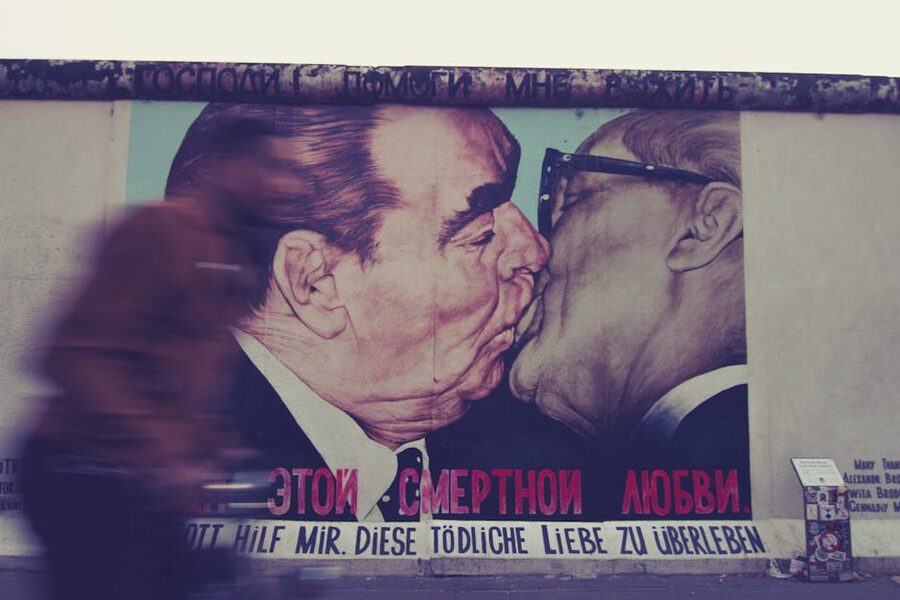
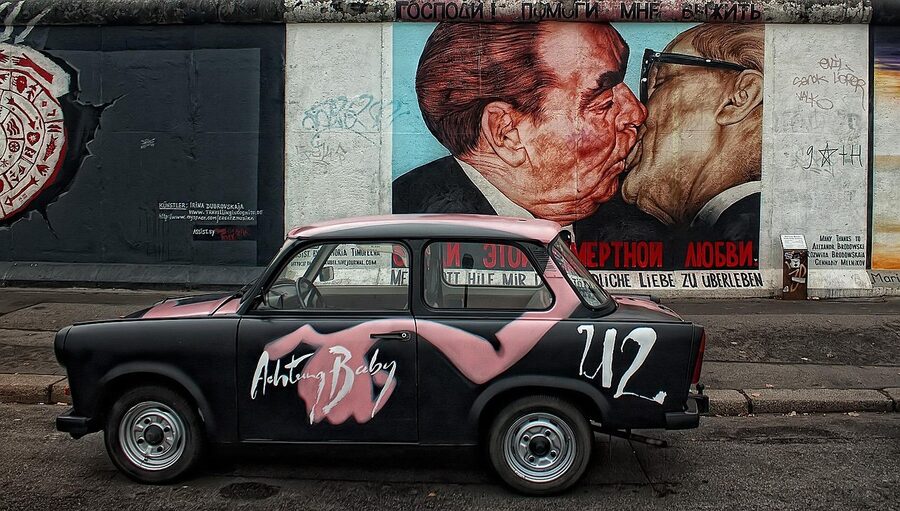
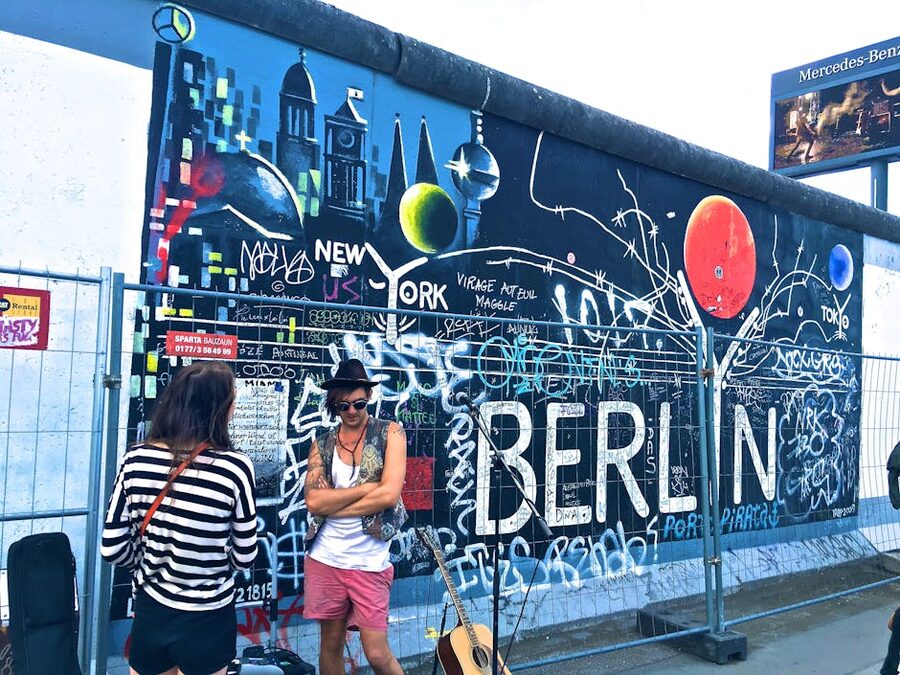
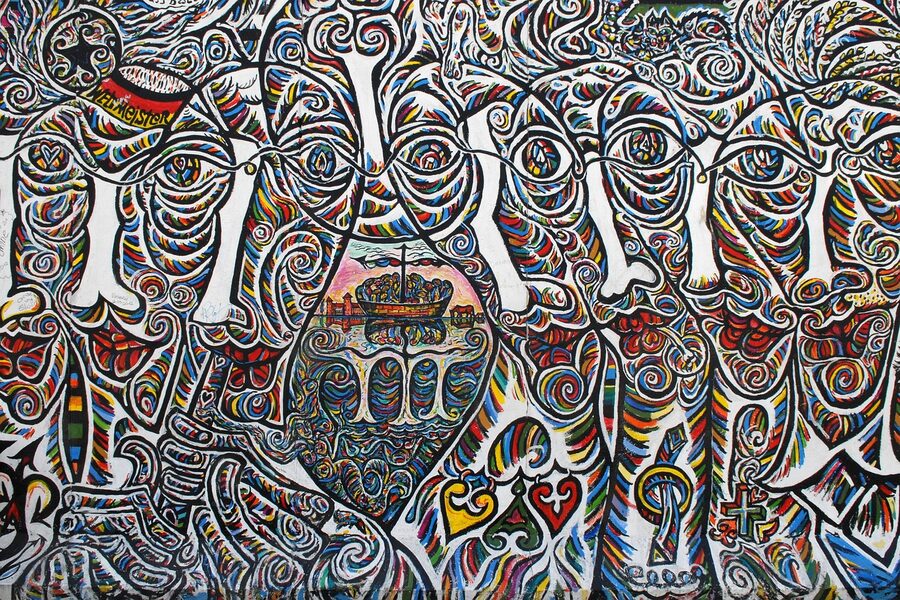
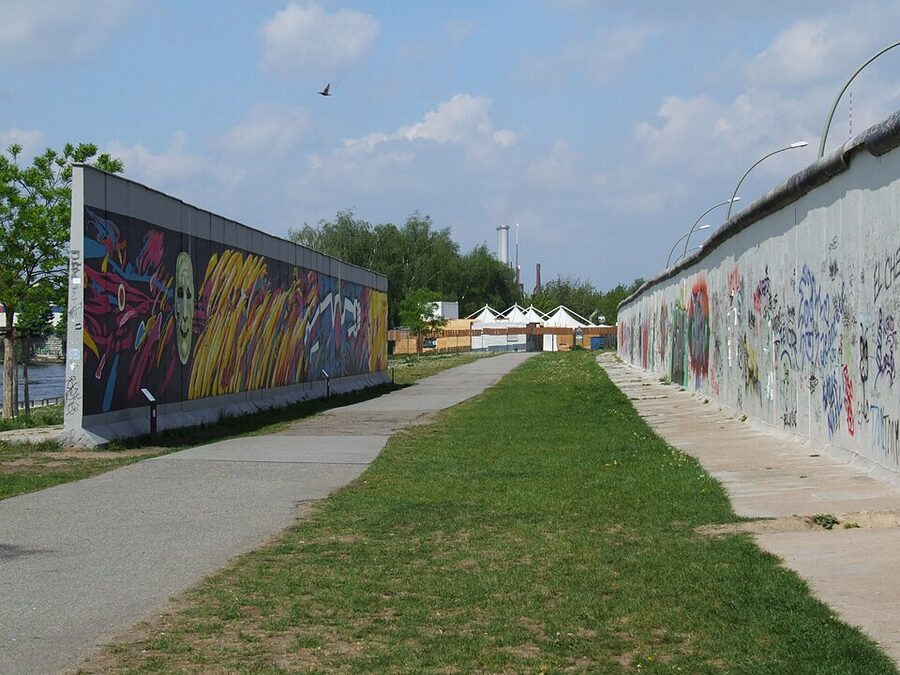
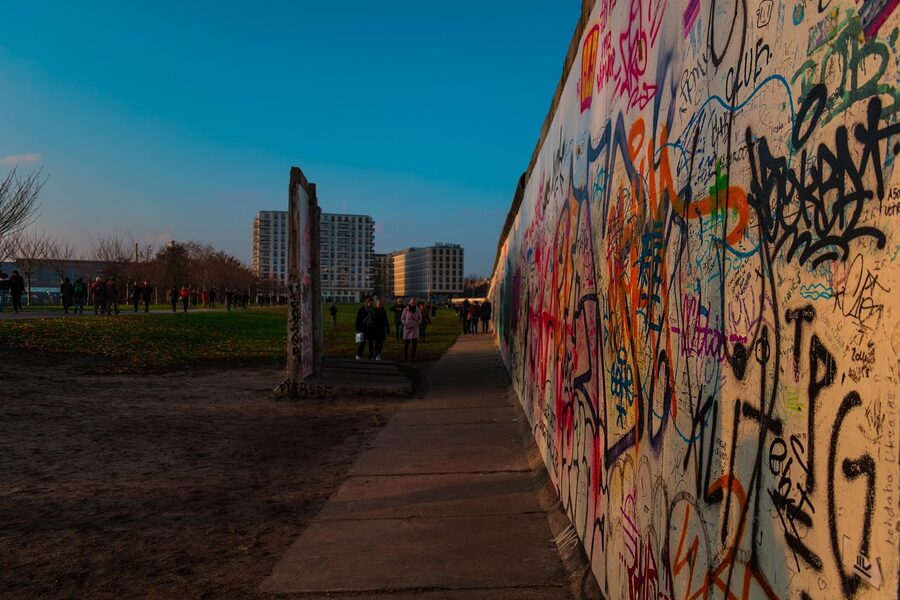
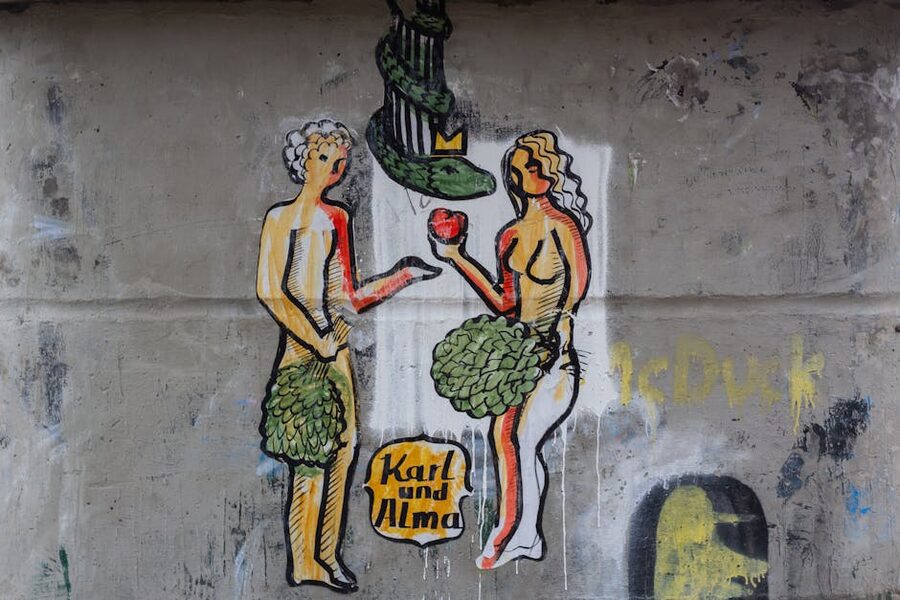
The East Side Gallery runs for 1.3 kilometres along the longest surviving stretch of the Berlin Wall — 105 murals painted by artists from 21 countries in 1990, turning a symbol of division into the world’s largest open-air art gallery. It’s free, it’s outdoors, and it’s one of the few places where you can touch the Wall itself.
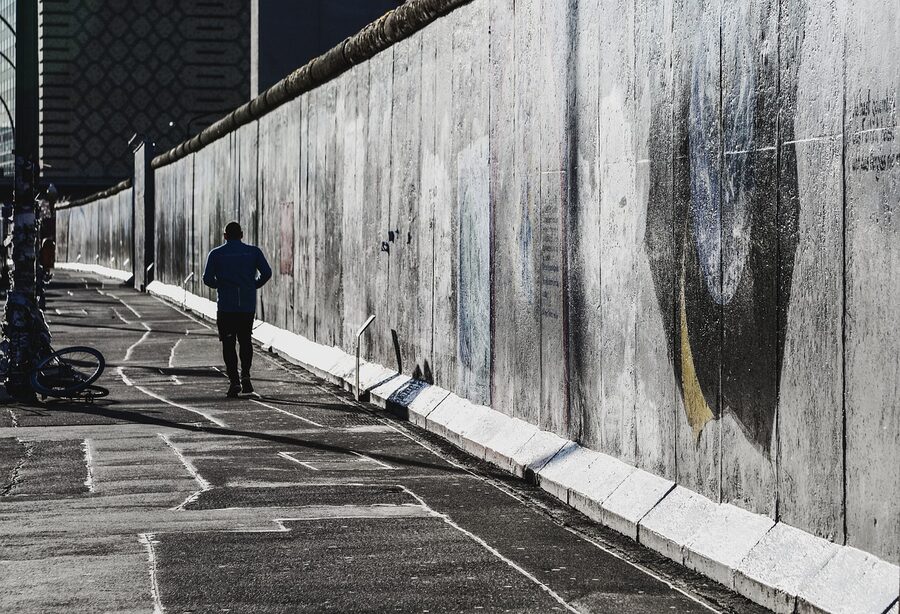
The gallery sits along Mühlenstraße in Friedrichshain, following the east bank of the Spree. The painted side faces the street. The river side — the side that East German border guards monitored — is raw concrete, unpainted and deliberately hostile. Seeing both sides changes how you understand what the Wall actually was.
Best walking tour: East Berlin & Wall 2-Hour Walking Tour — $22, guided walk covering the Wall, Checkpoint Charlie, and Cold War sites.
Official info: Berlin Wall Foundation — visitor info, mural guide, and opening hours.
- The 105 Murals
- Seeing the Wall from the Water
- The Walking Tour: East Berlin and the Wall
- The Bike Tour: Wall and Third Reich
- The Wall’s History
- Other Berlin Wall Sites
- The Neighbourhood: Friedrichshain
- Best Tours to Book
- 1. East Side Gallery Solar Catamaran Cruise —
- 2. East Berlin and Berlin Wall Walking Tour —
- 3. Third Reich & Berlin Wall Bike Tour —
- Practical Tips
- More Berlin Experiences
The 105 Murals
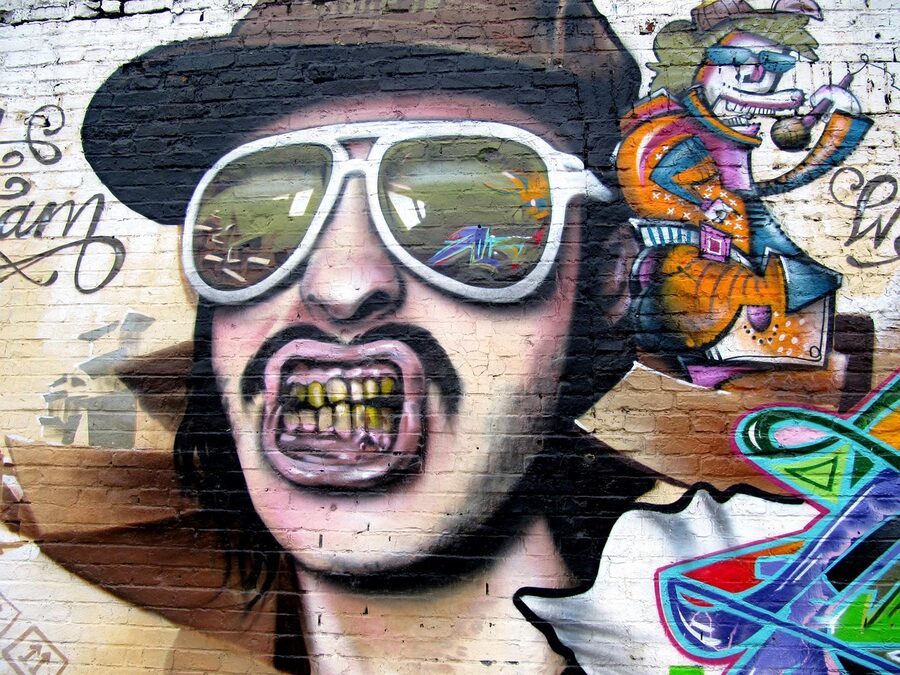
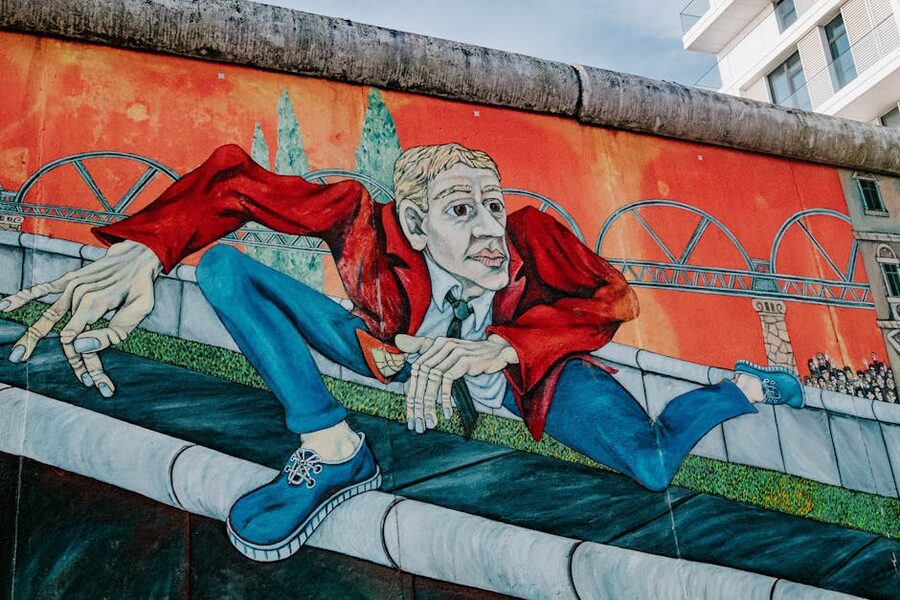
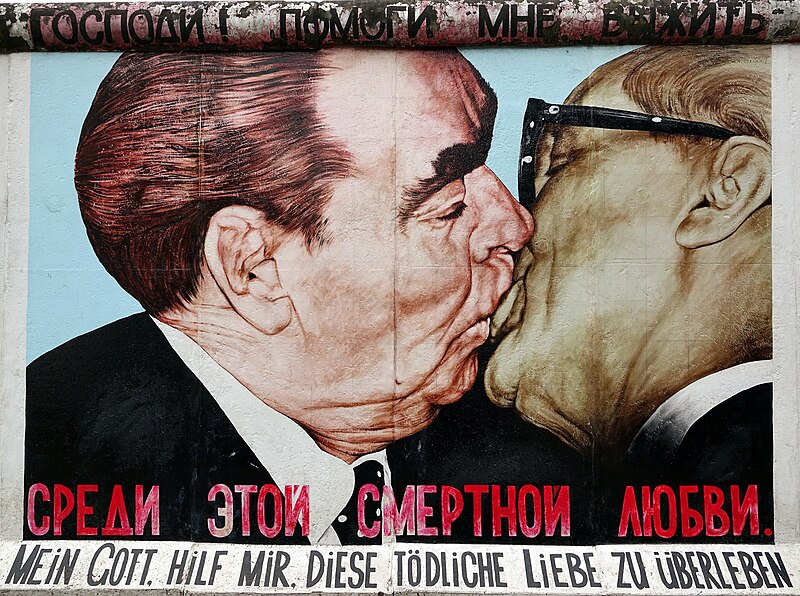
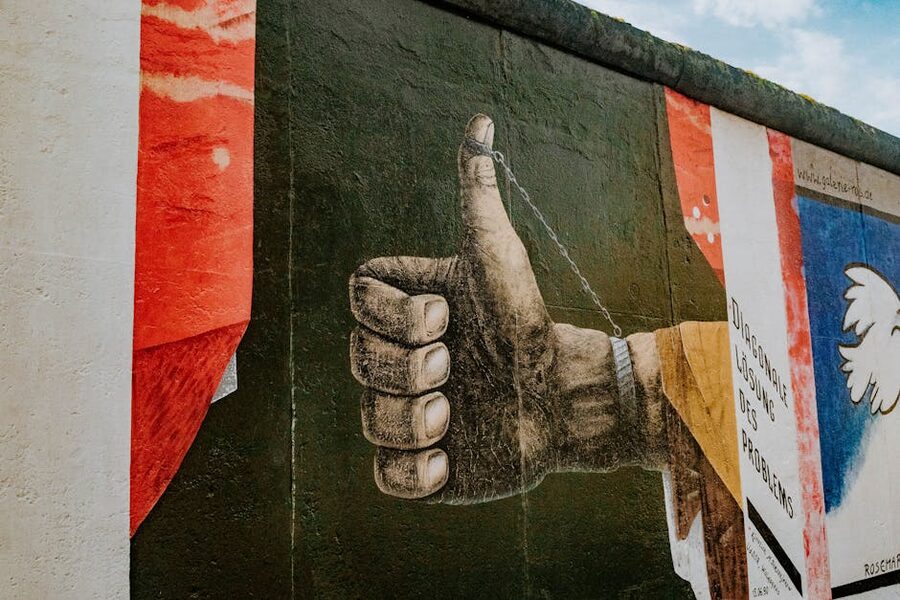
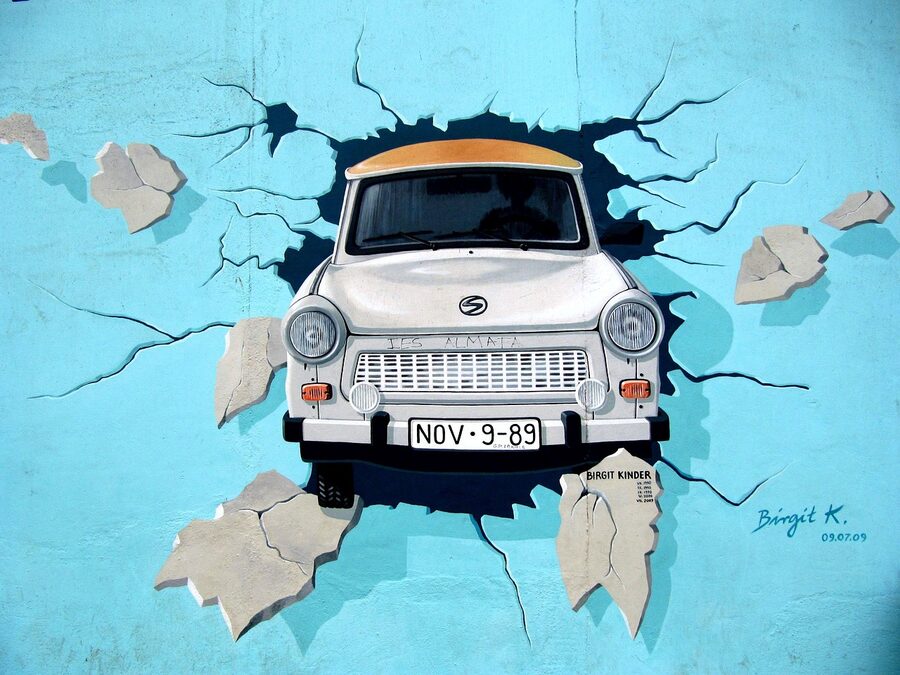
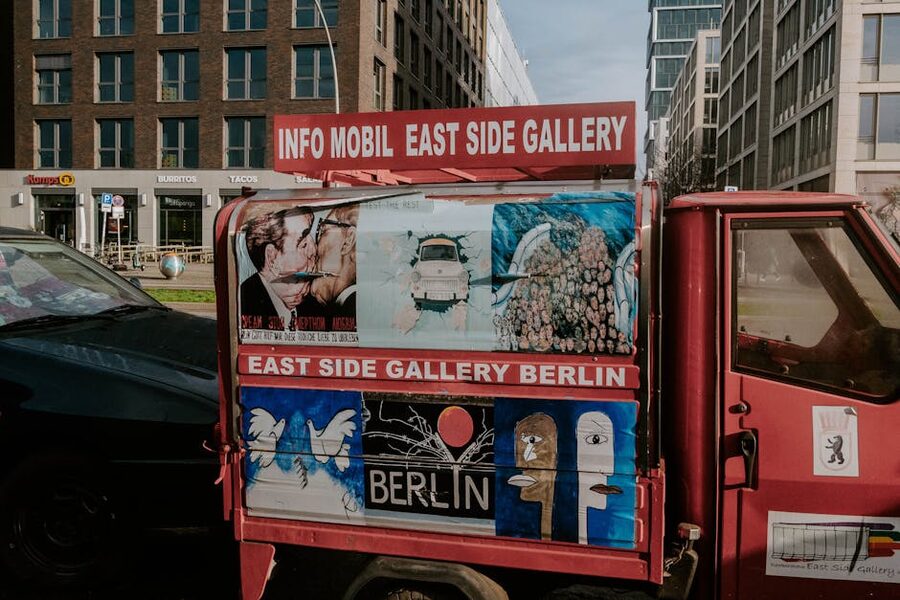
After the Wall fell on November 9, 1989, artists from around the world were invited to paint the eastern face of this stretch. The result — unveiled in September 1990 — was 105 murals by 118 artists from 21 countries. The works range from explicit political commentary to abstract expression, and together they represent one of the most significant public art projects of the 20th century.
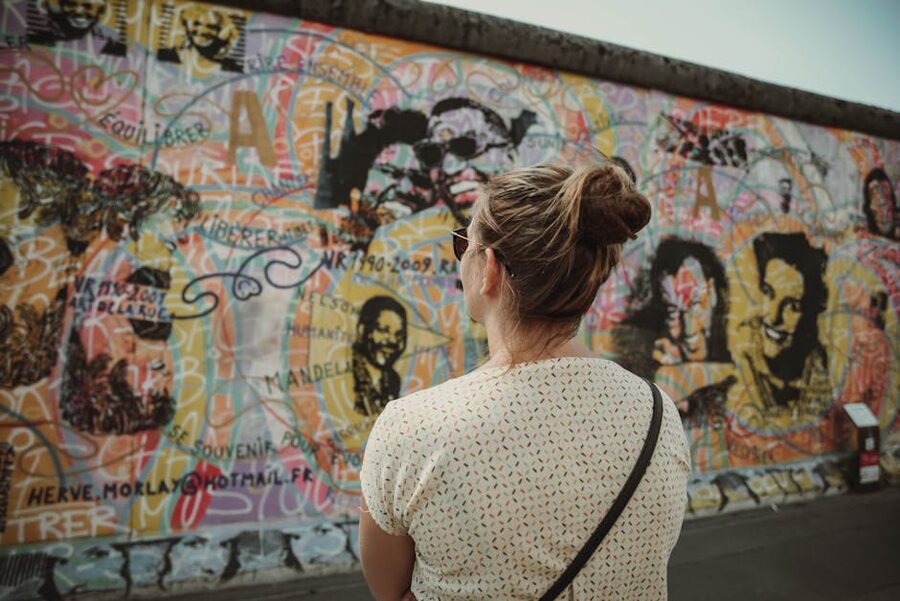
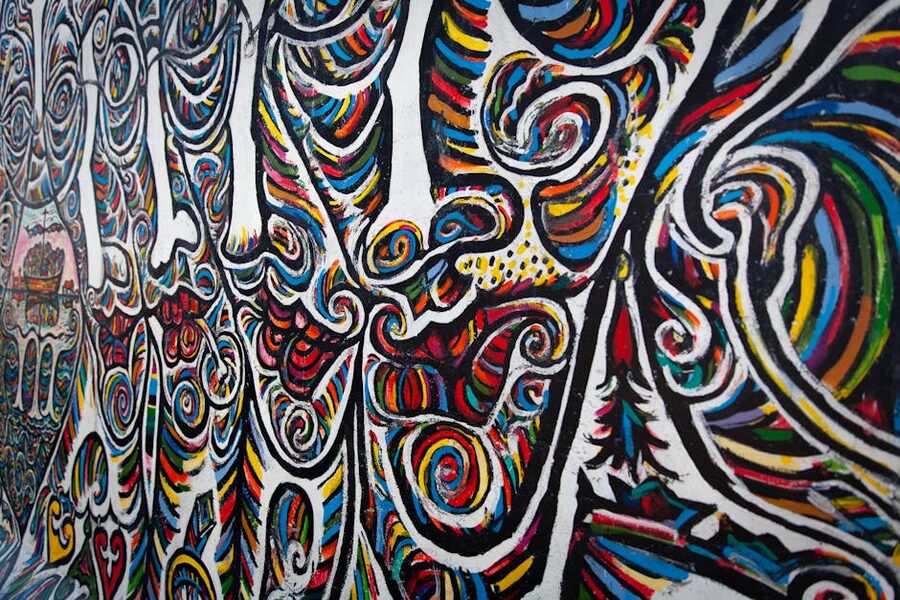
The murals were restored in 2009 — a controversial decision because many had deteriorated over two decades of exposure to weather and graffiti. Some artists repainted their original works. Others refused, arguing that the decay was part of the art’s meaning. The restoration debate itself became a story about how Berlin handles its history — a question the city has been answering differently every decade since 1945.

Seeing the Wall from the Water
The Solar Catamaran cruise ($28, 2 hours) takes you past the East Side Gallery from the Spree river — showing you the Wall’s unpainted side. This is the side that border guards monitored. The concrete is raw, grey, and hostile. No art, no colour, no human expression. The contrast with the painted side around the corner is itself a powerful statement about what the Wall meant from each side.
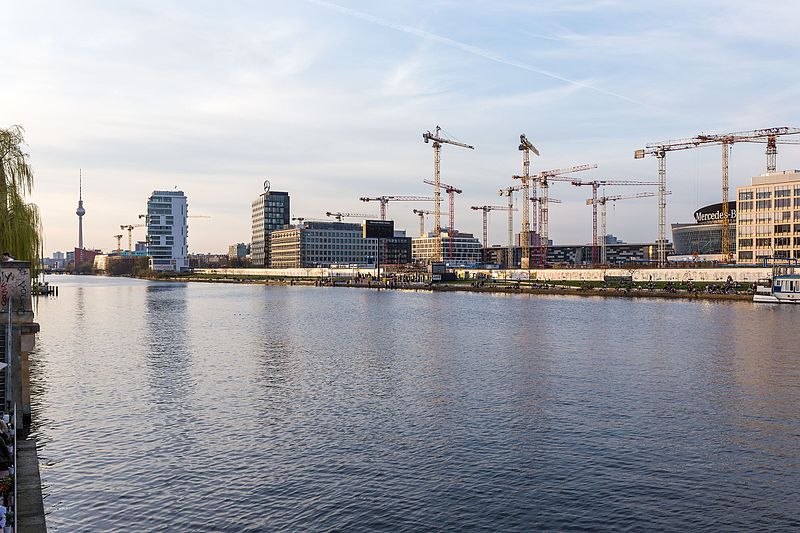
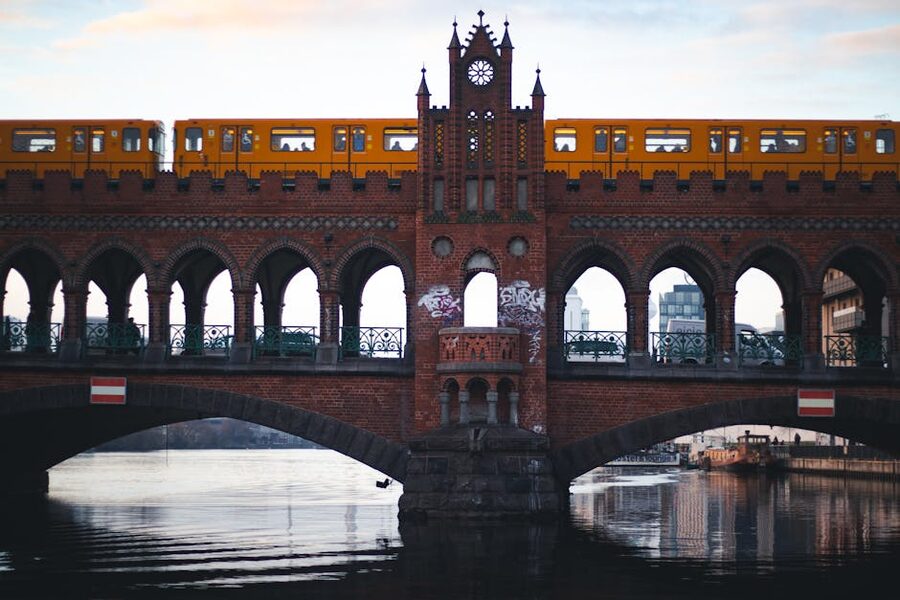
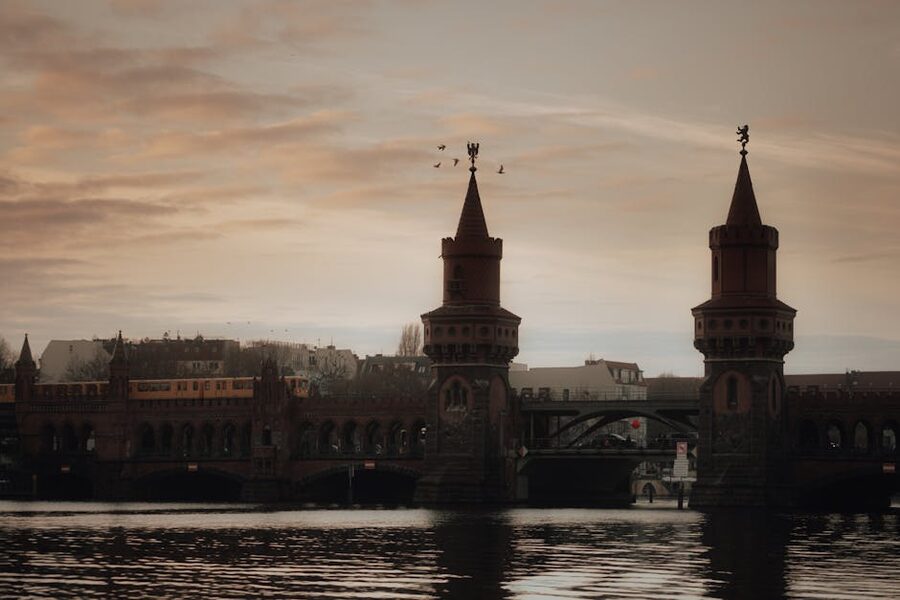
The cruise route extends beyond the East Side Gallery along the Spree, passing the Molecule Man sculpture (three aluminium figures standing in the river where three Berlin districts meet), the Badeschiff (a floating swimming pool in the Spree), and several stretches of modern development that have transformed the former border zone into one of Berlin’s most desirable waterfront areas.
The Walking Tour: East Berlin and the Wall
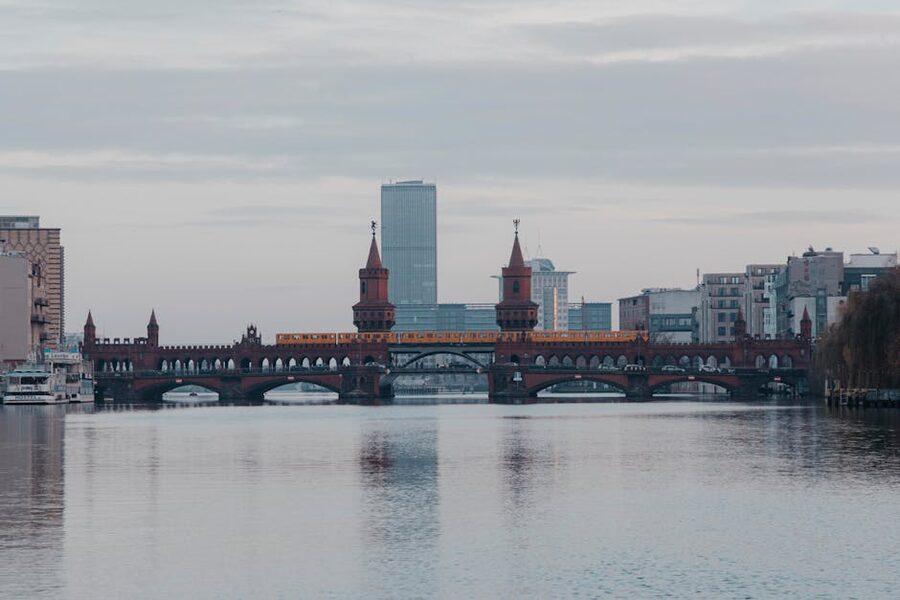
The 2-hour walking tour ($22) covers the East Side Gallery as part of a broader Cold War Berlin route. The guide walks you through the gallery (stopping at the significant murals and explaining the artists and their intentions), then continues to Checkpoint Charlie, the Berlin Wall Memorial on Bernauer Straße, and several Cold War sites that most visitors walk past without knowing their significance.
The guides are professional historians who specialise in Cold War Berlin. They know which apartments overlooked the Wall, where the escape tunnels were dug, and which sections of the death strip are now covered by luxury apartments and tech offices. The transformation of the border zone from no-man’s-land to prime real estate is one of the most remarkable urban changes in European history, and the walking tour traces it step by step.
The Bike Tour: Wall and Third Reich
The 3-hour bike tour ($42) covers the Berlin Wall alongside Third Reich history — connecting the two eras that shaped modern Berlin. The route is longer than the walking tour (bikes cover more ground), and the East Side Gallery is one of several Wall-related stops that include Checkpoint Charlie, the former death strip, and sections of the Wall in different states of preservation.
The bike format works well for Wall history because the Wall ran for over 155 kilometres around West Berlin — you can’t walk the full route, but you can cycle significant sections. The guide narrates as you ride, stopping at key points to explain the history, the escape attempts, and the political decisions that created and eventually ended the division.
The Wall’s History
The Berlin Wall went up on August 13, 1961. East German soldiers rolled out barbed wire along the sector boundary while Berliners slept. Within days, the wire became concrete blocks. Within weeks, the blocks became a wall. Over 28 years, the Wall evolved from a hasty barricade into a sophisticated barrier system: two parallel concrete walls with a “death strip” between them — mined, lit by floodlights, and patrolled by guards with shoot-to-kill orders.
At least 140 people died trying to cross the Wall. The methods of escape became increasingly inventive as the barrier was strengthened — tunnels dug under the death strip, hot air balloons flown over it, cars modified with hidden compartments to smuggle people through checkpoints. The walking tour guides tell specific escape stories at the locations where they happened, which is infinitely more powerful than reading about them in a book.
The Wall came down on November 9, 1989 — not by deliberate policy but by accident. A confused East German spokesman, Günter Schabowski, announced new travel regulations at a press conference and, when asked when they took effect, stammered “immediately, without delay.” Within hours, thousands of East Berliners gathered at the checkpoints. The border guards, overwhelmed and without clear orders, opened the gates. The Third Reich and Cold War walking tours cover this sequence in detail — standing at the actual sites where the decisions were made and the crowds gathered.
Other Berlin Wall Sites
The East Side Gallery is the most colourful Wall site, but it’s not the most historically complete. The Berlin Wall Memorial on Bernauer Straße preserves the full death strip — inner wall, outer wall, watchtower, and cleared ground between — and includes a documentation centre with a viewing platform. The Cold War walking tour covers Bernauer Straße in detail.
Checkpoint Charlie — the most famous border crossing — is now surrounded by souvenir shops and tourist restaurants. The Berlin walking tours stop here to cut through the commercialisation with the real stories: the 1961 tank standoff, the escape attempts, and the spy exchanges that took place at this intersection.
The Topography of Terror — on the site of the Gestapo headquarters — includes a preserved section of the Wall alongside the exhibition about the Nazi security apparatus. Seeing the Wall and the Gestapo ruins in the same location drives home the connection between the two eras.
The Neighbourhood: Friedrichshain
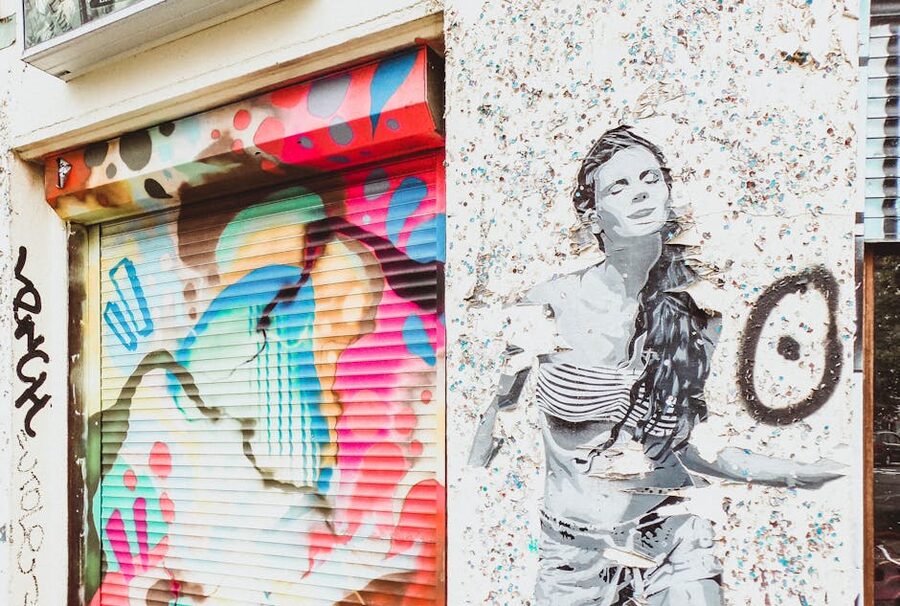
The East Side Gallery sits in Friedrichshain — one of Berlin’s most dynamic districts. The area around the gallery has transformed from post-industrial wasteland to one of the city’s trendiest neighbourhoods, with bars along the Spree waterfront (RAW-Gelände is the most famous complex — a former rail depot turned nightlife and street art hub), restaurants in converted warehouses, and the Boxhagener Platz Saturday flea market.
The Spree boat tours pass the East Side Gallery from the river, giving you the waterside perspective that the walking and cycling tours can’t provide. And the TV Tower observation deck gives you the aerial view — you can see the line of the former Wall cutting through the city from 203 metres up, which puts everything you’ve seen at ground level into geographic context.
Best Tours to Book
1. East Side Gallery Solar Catamaran Cruise — $28
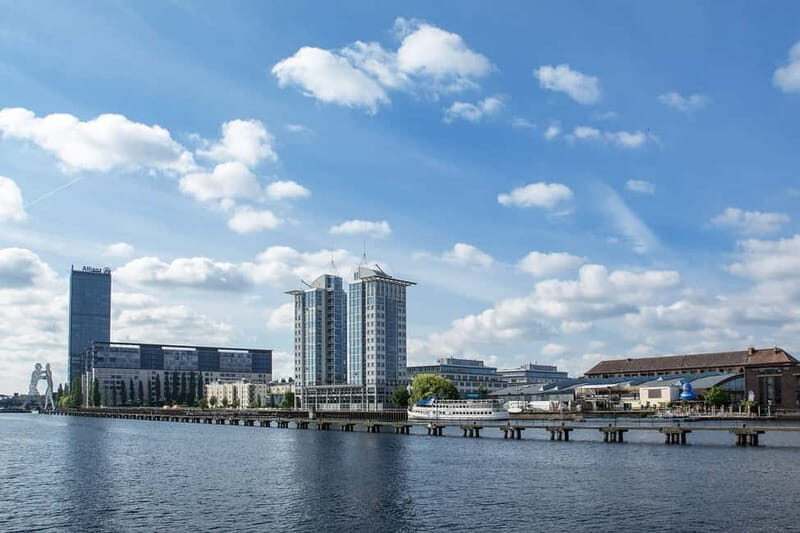
Two hours on the Spree in a solar-powered catamaran that passes the East Side Gallery from the water side — the unpainted, hostile concrete face that border guards monitored. The cruise extends upstream to the government district and downstream past Kreuzberg’s waterfront bars. At $28, it’s a different experience from the walking tour and well worth combining. Our review covers the catamaran, the commentary, and the best seats for Wall photography.
2. East Berlin and Berlin Wall Walking Tour — $22
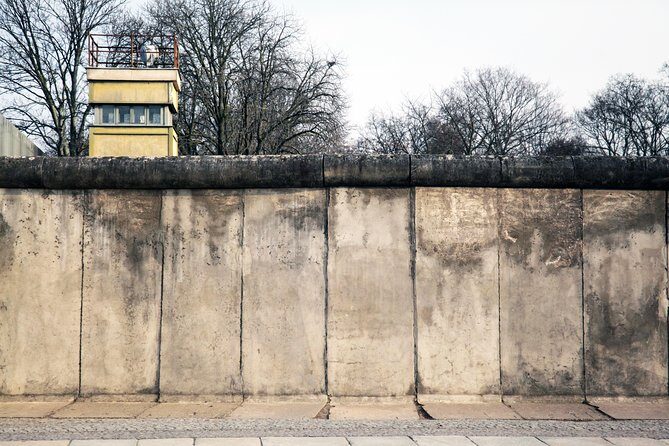
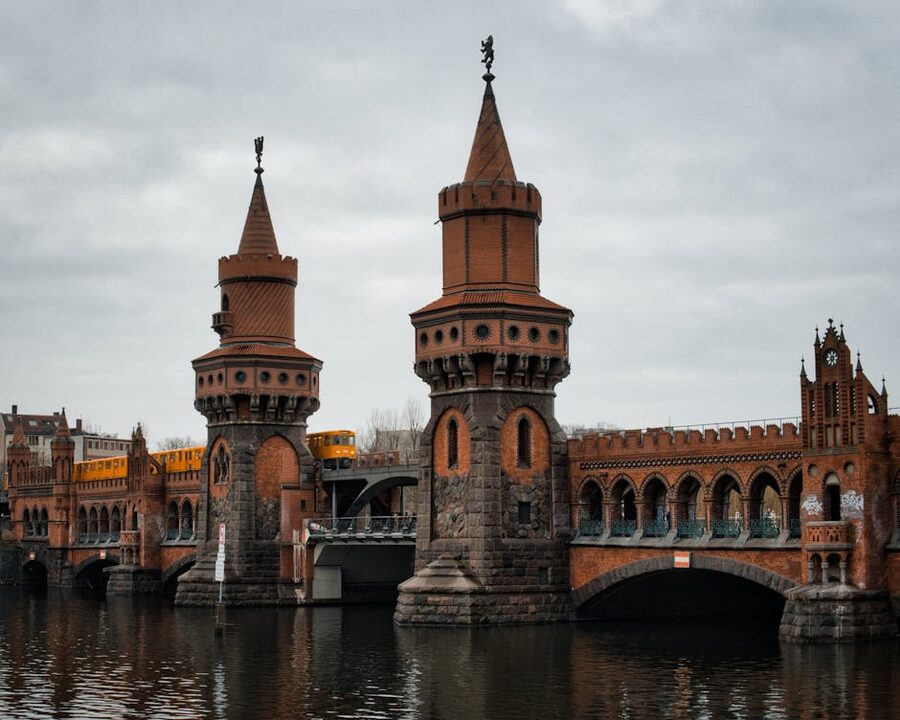
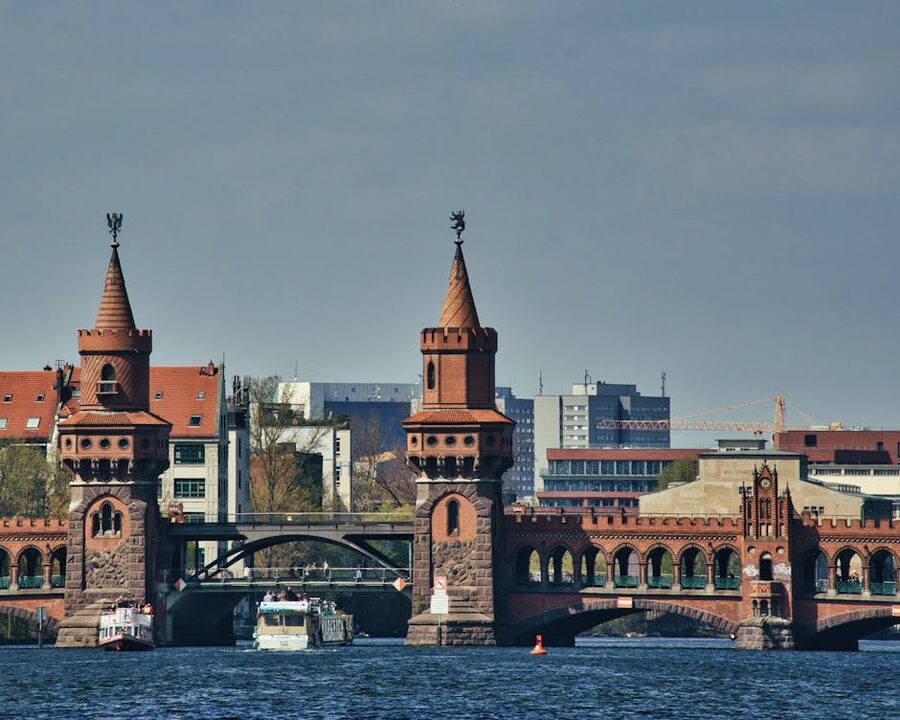
The ground-level option. Two hours walking from the East Side Gallery through Cold War Berlin — the gallery murals, the Oberbaum Bridge, Checkpoint Charlie, and the sites where the division was most visible and the escapes most dramatic. At $22, it’s one of Berlin’s cheapest guided experiences. Our review covers the route and what the guide adds beyond the gallery’s own information panels.
3. Third Reich & Berlin Wall Bike Tour — $42
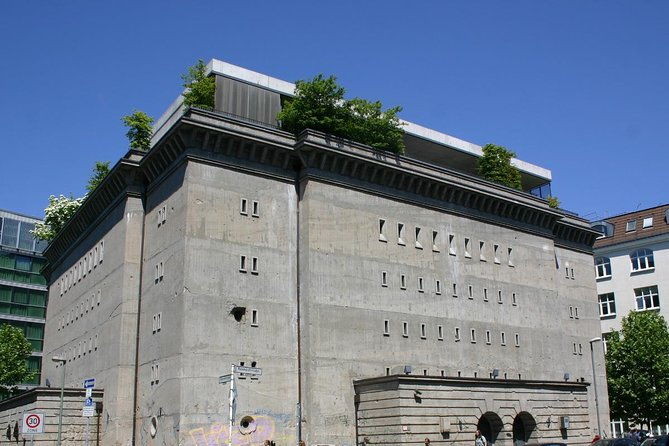
Three hours covering both eras of Berlin’s darkest history on two wheels. The bike format covers significantly more ground than walking — the East Side Gallery, the former death strip, Checkpoint Charlie, the Third Reich sites, and Wall sections scattered across the city that most travelers never find. At $42, the premium over the walking tour buys you range and depth. Our review explains how the bike format changes the Wall experience.
Practical Tips
Getting there: U-Bahn Warschauer Straße (U1, U3) or S-Bahn Ostbahnhof (S3, S5, S7, S9). The gallery runs between these two stations — you can start at either end and walk to the other.
When to visit: Early morning (before 9am) for photos without crowds. The gallery is outdoor and accessible 24/7, though the best light is morning (the painted side faces roughly south-southwest). Weekdays are quieter than weekends.
How long: Walking the full 1.3km takes 20-30 minutes at a casual pace. Add 30-45 minutes if you want to photograph specific murals. The guided walking tour takes 2 hours (gallery + other Wall sites). The cruise takes 2 hours.
Cost: The gallery itself is free and always open. Solar catamaran: $28. Walking tour: $22. Bike tour: $42.
Combine with: The East Side Gallery + Spree boat tour in the morning, Third Reich walking tour in the afternoon, TV Tower at sunset. That sequence gives you Berlin’s Cold War history from street level, water level, and aerial level in one day.
More Berlin Experiences
The East Side Gallery is the visual introduction to Berlin’s Cold War history. The Third Reich and Cold War walking tours go deeper, covering both the Nazi era and the division. The Sachsenhausen concentration camp tour takes the darkest chapter outside the city. The Reichstag dome visit shows you the building where democracy was destroyed and rebuilt. And the Museum Island tickets guide covers the cultural counterpart to the political history — 6,000 years of human civilisation on a single island in the Spree.