
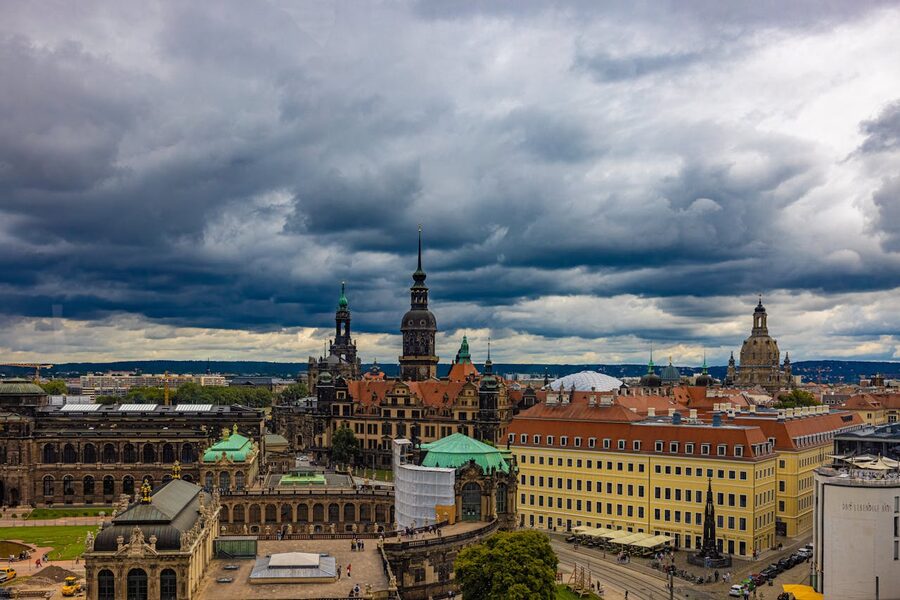
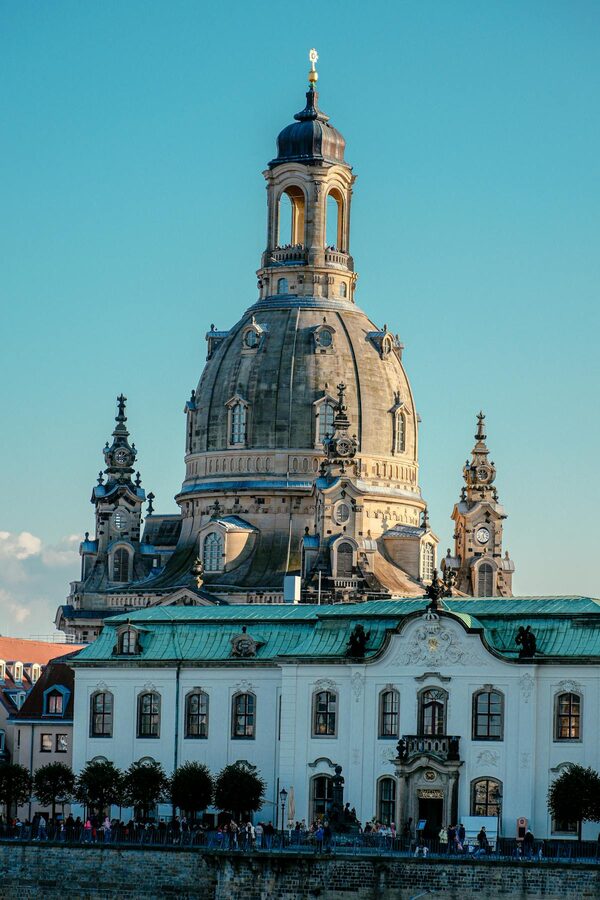
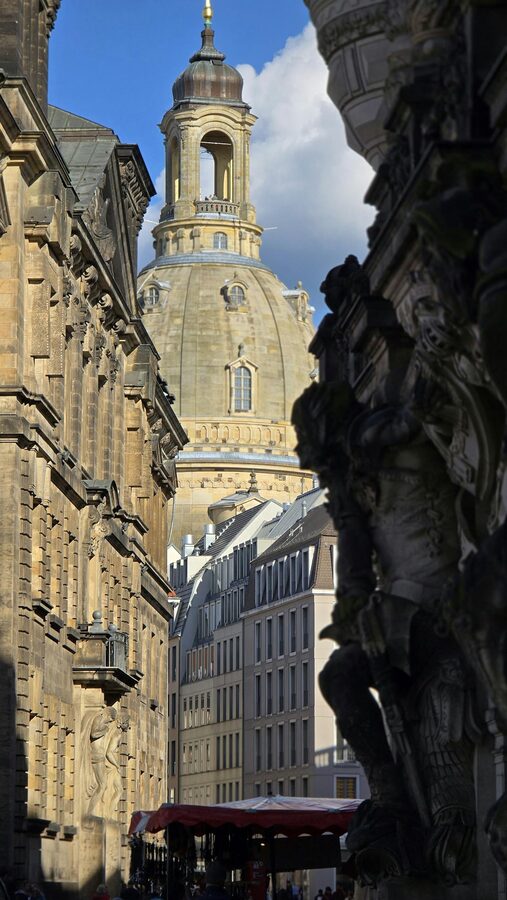
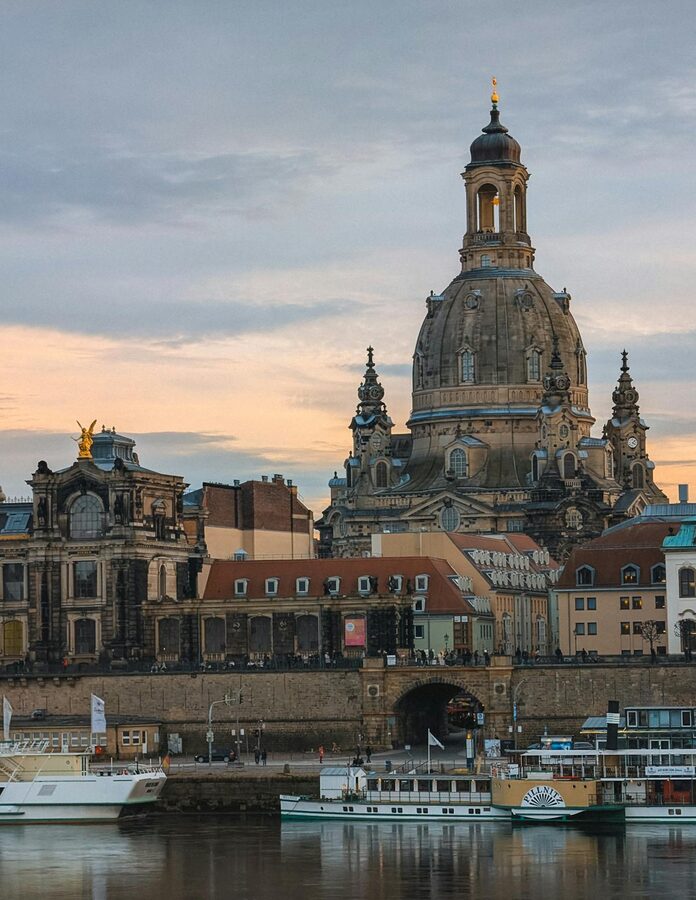
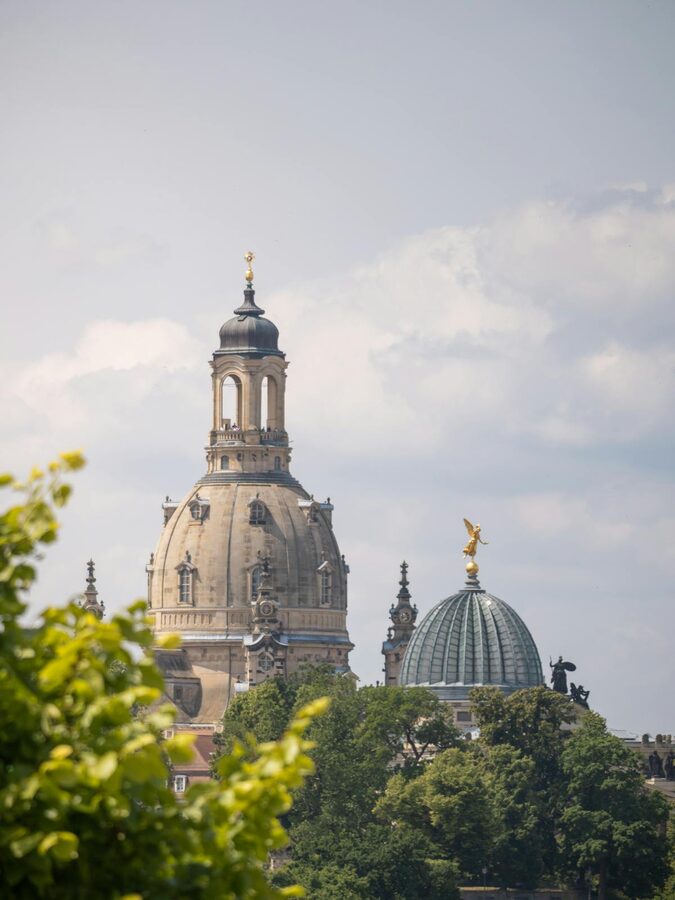
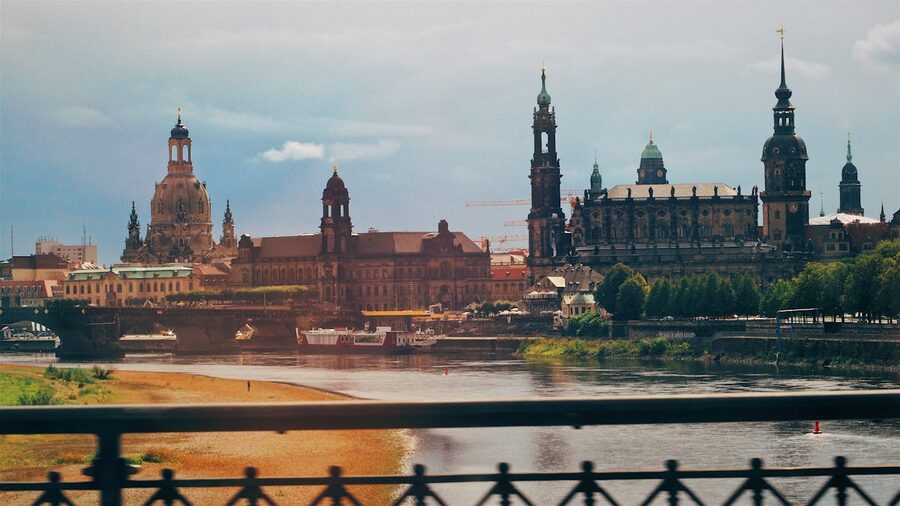
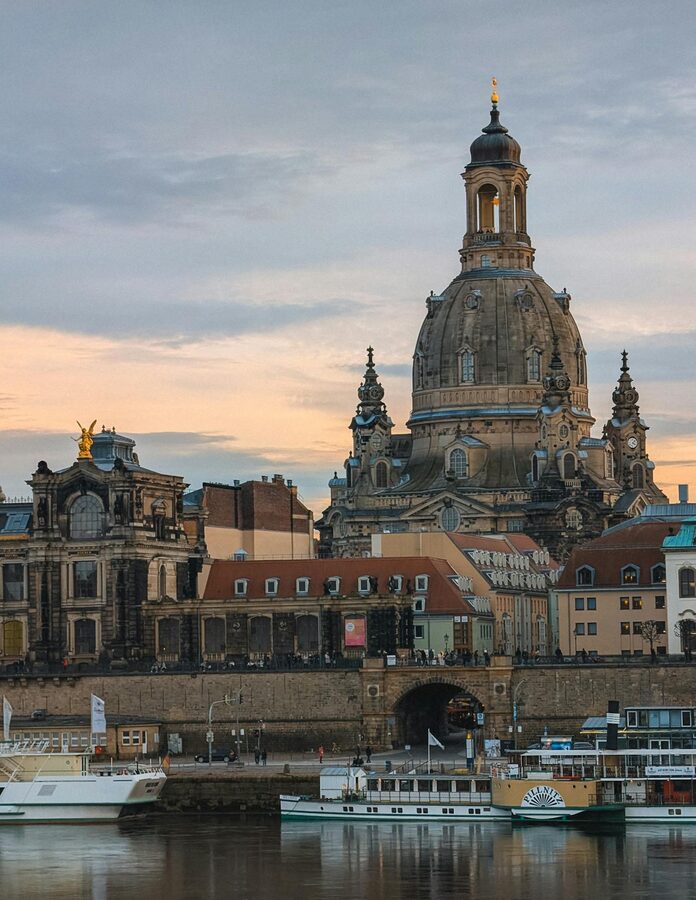
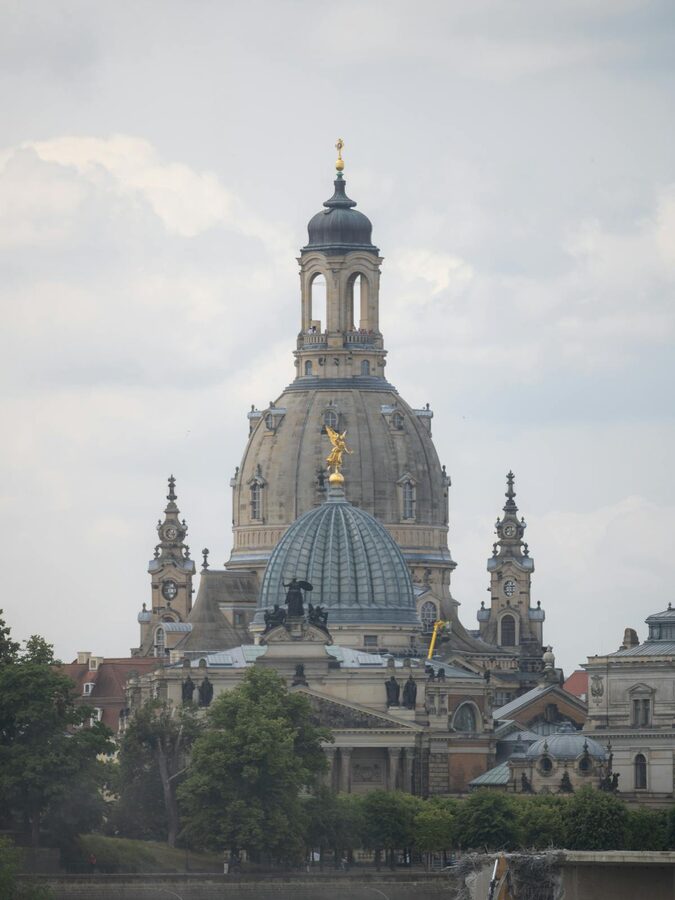
Dresden was bombed flat on February 13, 1945 — Allied air raids killed roughly 25,000 people and destroyed 1,600 acres of the city centre. What stands today is one of Europe’s most remarkable reconstruction stories, with the Frauenkirche church rebuilt stone by stone from the original numbered rubble.
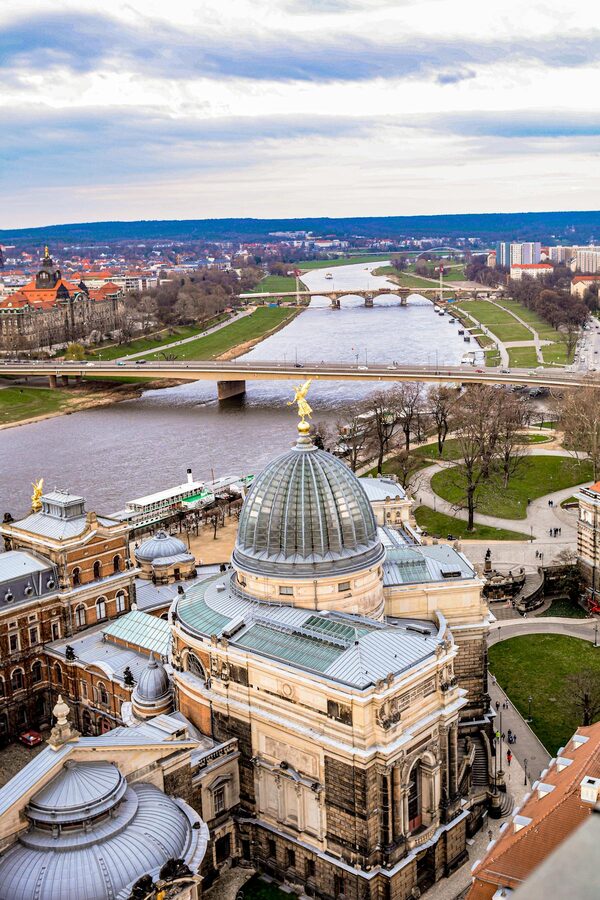
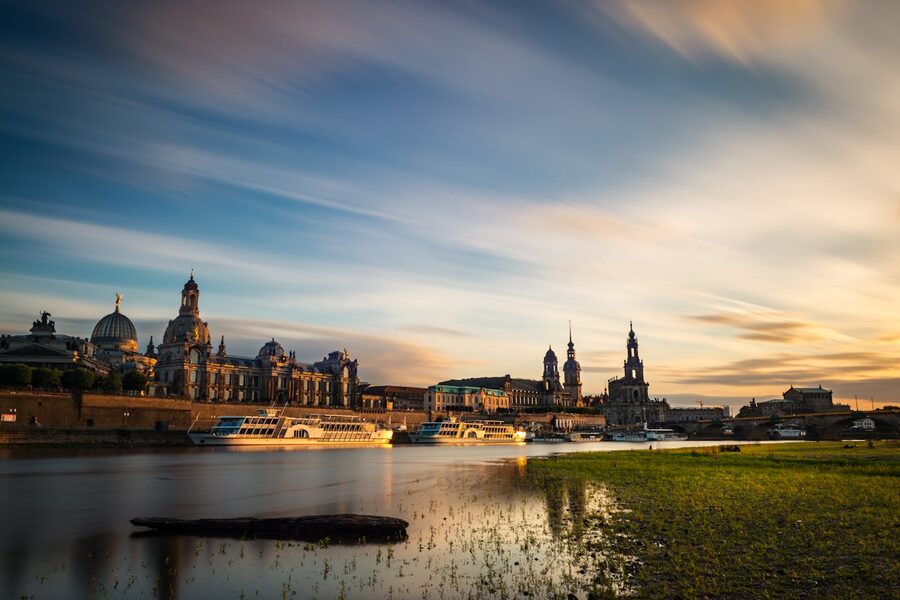
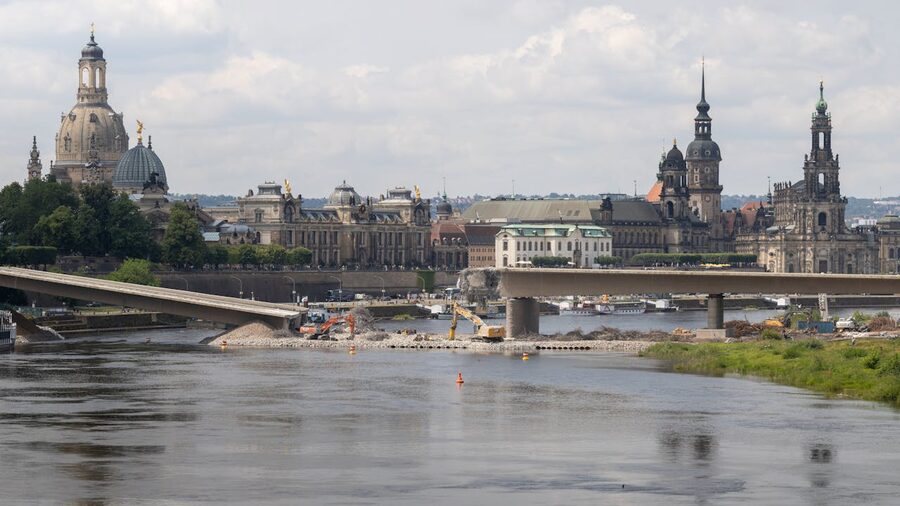
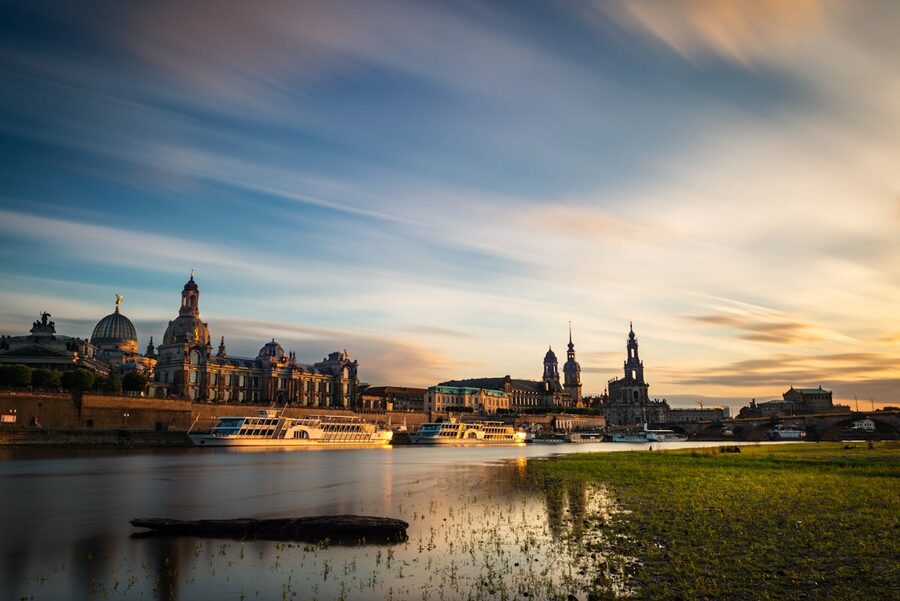
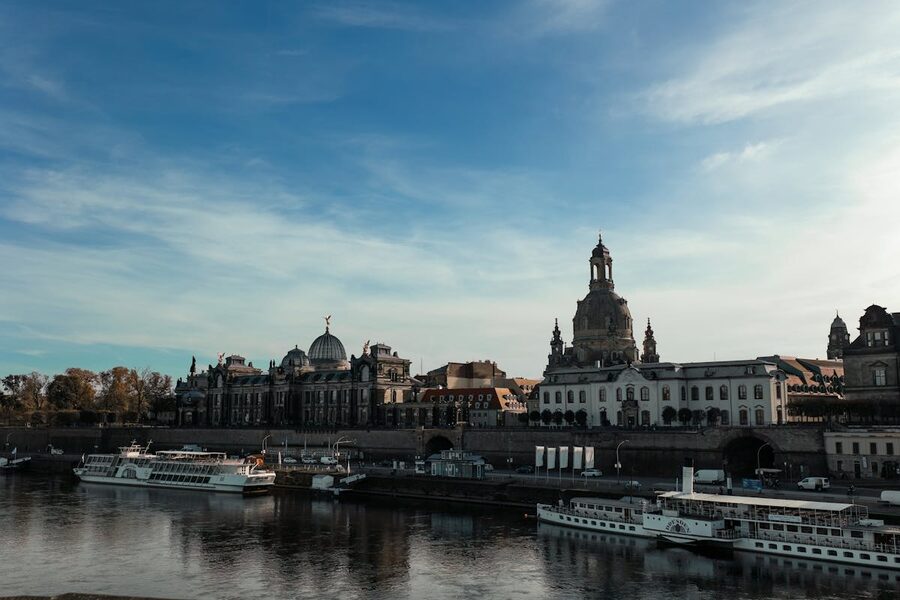
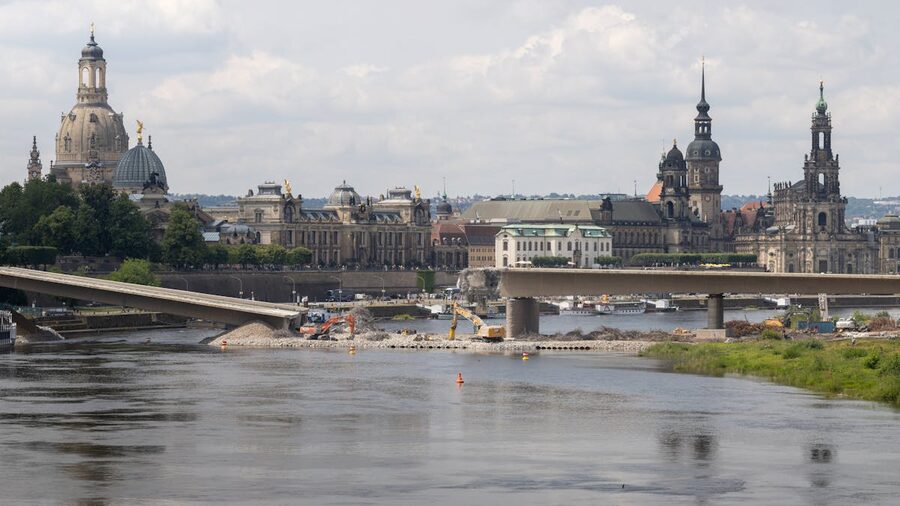
Dresden sits on the Elbe river about 2 hours south of Berlin and 1.5 hours from Prague. It was called “Florence on the Elbe” before the war — a reference to the Italian-inspired Baroque architecture that the Saxon kings built with their porcelain fortune. The walking tours explain both the beauty and the destruction, which is what makes Dresden’s story so compelling. You can’t separate the reconstructed magnificence from the knowledge of what happened here.
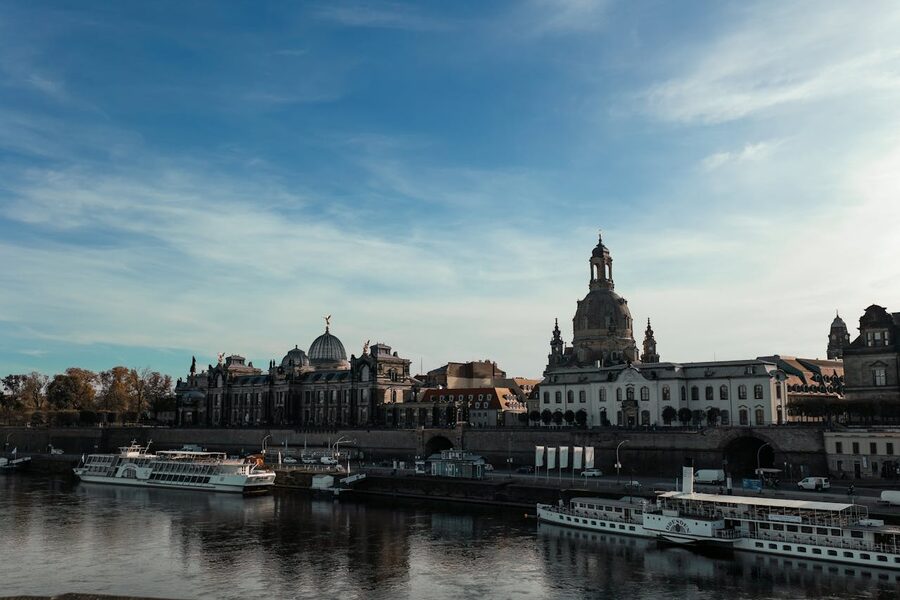

Best guided walk: City & Semperoper Walking Tour — 2 hours covering the old town and the opera house. outstanding visitor feedback — the highest-rated tour in Dresden.
Best budget: Dresden Guided City Walk — $15, 1.5 hours, covers the essential landmarks. strong visitor praise at an excellent price point.
- The Dungeon Master Tour: Dresden’s Dark Side
- The Semperoper and Old Town Walk
- The Budget City Walk
- Dresden’s Neustadt: The Other Side
- Saxon Switzerland: The Day Trip
- Best Tours to Book
- 1. Terrifying Tour Led by a Dungeon Master —
- 2. City & Semperoper Guided Walking Tour — varies
- 3. Dresden Guided City Walk —
- The Bombing and the Reconstruction
- Practical Tips
- More Germany
The Dungeon Master Tour: Dresden’s Dark Side
Dresden’s most popular tour isn’t a traditional walking tour — it’s a theatrical experience led by a guide in full Dungeon Master costume. The “Terrifying Tour” takes you through the old town’s darker chapters: the medieval prisons, the plague years, the executioners, the floods, and the bombing. The guide delivers it all in character — chains rattling, lantern swinging, dramatic pauses at the exact right moments.
At $20 for 1.5 hours, it’s good value. The consistently strong visitor feedback reflect a tour that works as entertainment AND history — the theatrical elements make the dark stories accessible without trivialising them. The tour is primarily in German, though some departures offer English. Check when booking.
The Semperoper and Old Town Walk
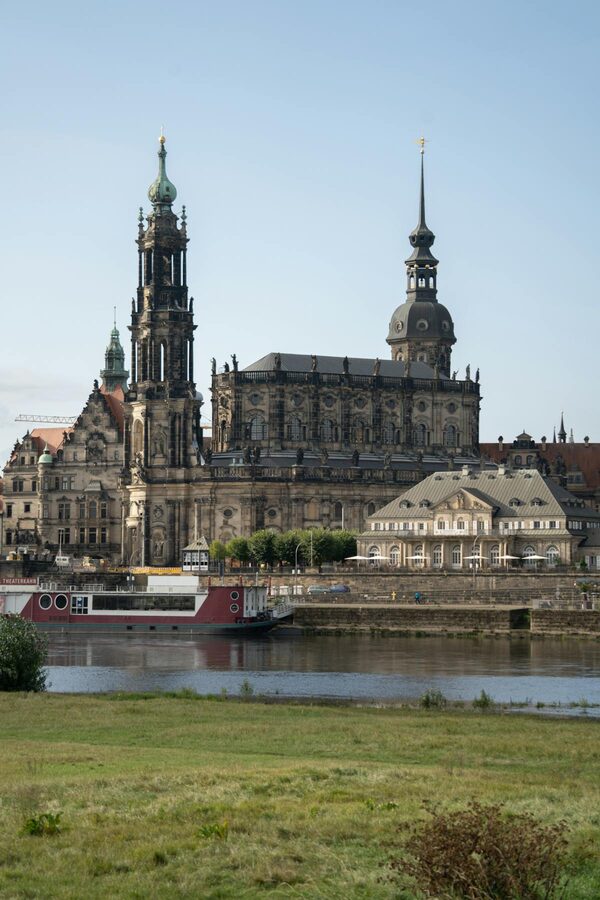
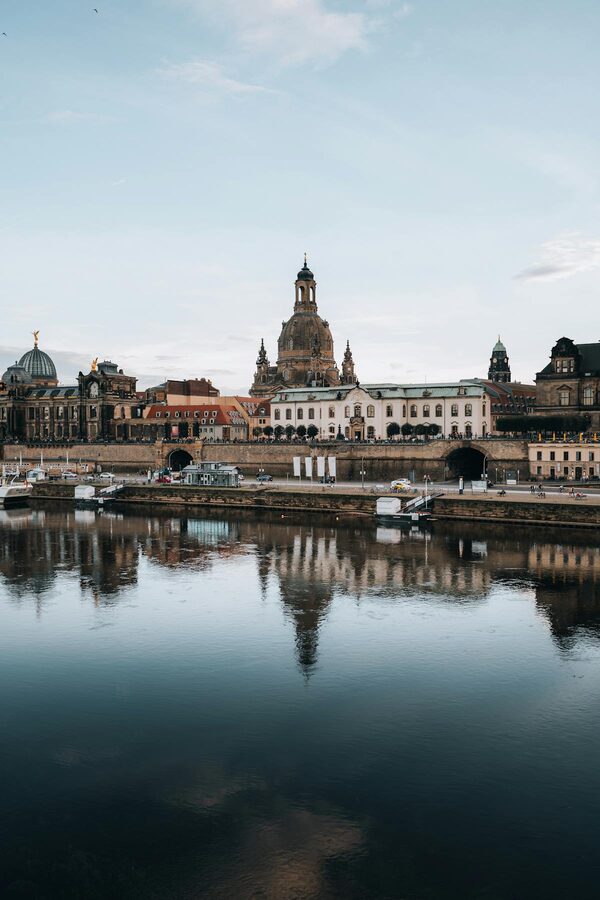
The City & Semperoper Walking Tour ($varies, 2 hours) is the most comprehensive guided option. It covers the Frauenkirche, the Zwinger Palace (Augustus the Strong’s Baroque pleasure garden), the Semperoper (one of Europe’s most beautiful opera houses), the Brühl Terrace (“Balcony of Europe”), and the Procession of Princes — a 102-metre-long wall mural depicting 800 years of Saxon rulers, made from 25,000 Meissen porcelain tiles.
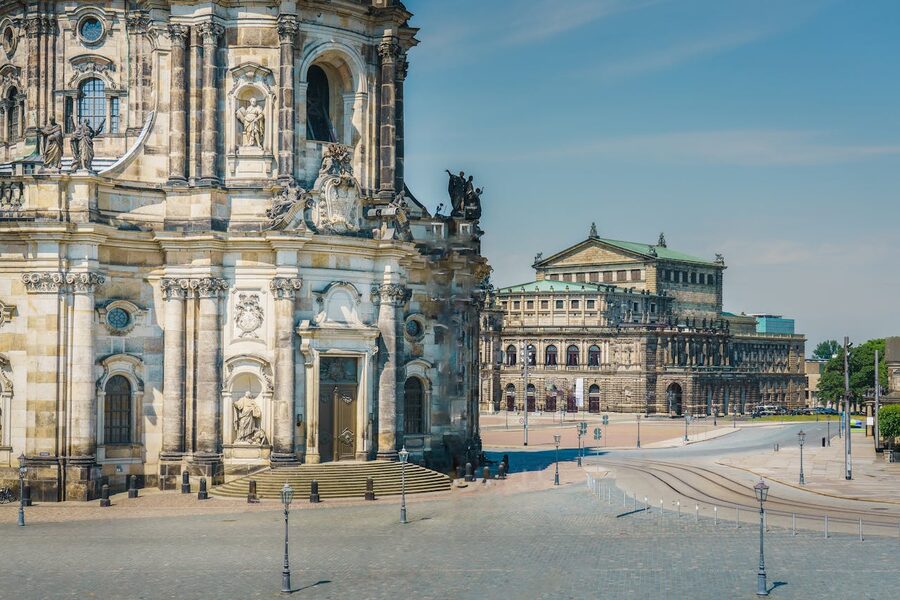
The consistently outstanding feedback makes this the highest-rated tour in Dresden. The guides are local historians who handle the reconstruction story with nuance — acknowledging both the achievement of rebuilding and the complexity of recreating a past that was destroyed by war. The Semperoper interior visit (when available) is a highlight that the city walk tour doesn’t include.
The Budget City Walk
The $15 guided city walk covers the same landmarks in 1.5 hours with a lighter touch — less history, more orientation, and a brisk pace that works for visitors who want the overview without a deep dive. The strong visitor praise at an excellent price point confirm it delivers value at the lowest price point.
Dresden’s Neustadt: The Other Side
Cross the Augustusbrücke (Augustus Bridge) from the Baroque Altstadt and you enter a completely different Dresden. The Neustadt (New Town) was less damaged in the war and developed its own counterculture during the GDR era. Today it’s the alternative district — street art, independent bars, vinyl record shops, vintage clothing stores, and the Kunsthofpassage (a network of courtyards decorated by artists, including the famous “Singing Drain Pipes” building that makes music when it rains).
The Neustadt’s Outer district is the city’s nightlife centre — particularly around Alaunstraße, Louisenstraße, and the Kunsthofpassage area. Bars here stay open late, the prices are student-friendly, and the atmosphere is more Berlin-alternative than Baroque-Dresden. The walking tours don’t usually cover the Neustadt in depth (they focus on the Altstadt’s reconstructed grandeur), but the guides recommend it for evening exploration. Some visitors find the Neustadt more interesting than the Altstadt precisely because it wasn’t rebuilt — it’s authentic in a way that the reconstructed old town, for all its beauty, can never quite be.
Saxon Switzerland: The Day Trip
Dresden is the gateway to Saxon Switzerland National Park — a landscape of sandstone pillars, deep gorges, and forest-covered plateaus that looks like something from a Romantic painting (because Caspar David Friedrich actually painted it). The Bastei Bridge — a stone walkway connecting sandstone pillars 194 metres above the Elbe — is the most photographed spot in Saxony.
Best Tours to Book
1. Terrifying Tour Led by a Dungeon Master — $20
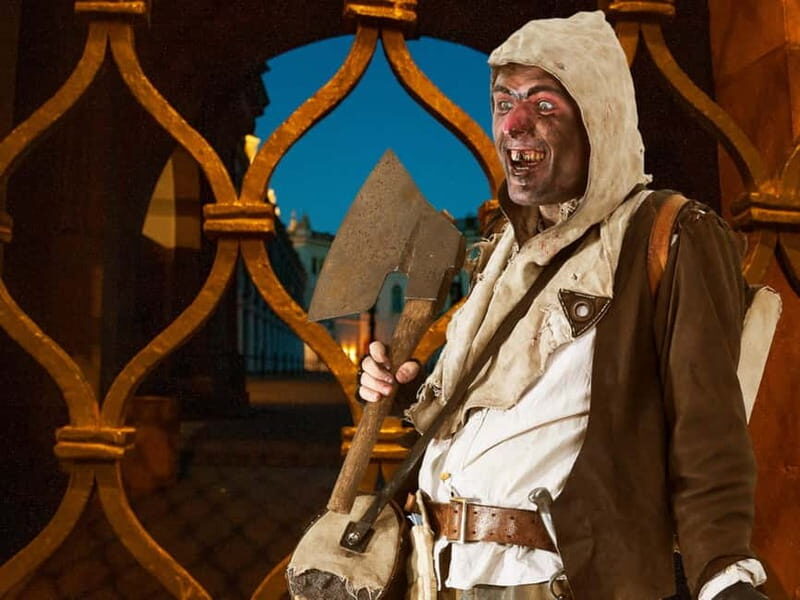
The most distinctive tour in Dresden. 1.5 hours of dark history delivered by a guide in full medieval costume with lantern, chains, and dramatic flair. The content covers Dresden’s medieval prisons, plague outbreaks, and the darker chapters of Saxon history. The theatrical approach makes it accessible and entertaining without losing historical substance. Our review covers the format, the language options, and whether it works for non-German speakers.
2. City & Semperoper Guided Walking Tour — varies
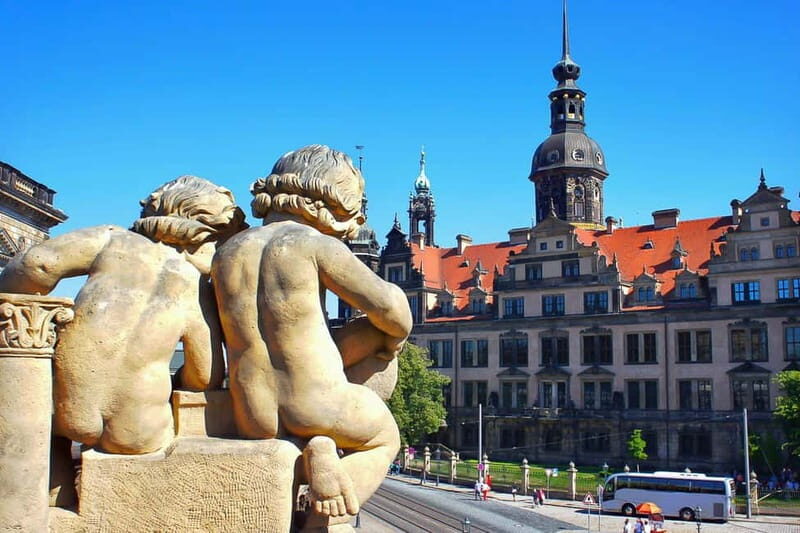
The most comprehensive option. Two hours covering all major landmarks — Frauenkirche, Zwinger, Semperoper, Brühl Terrace, and the Procession of Princes — with a historian guide who explains both the Baroque originals and the post-war reconstruction. The 4.8 rating reflects guides who handle Dresden’s complex history with intelligence and sensitivity. Our review covers the full route and whether the Semperoper interior visit is included on your departure date.
3. Dresden Guided City Walk — $15
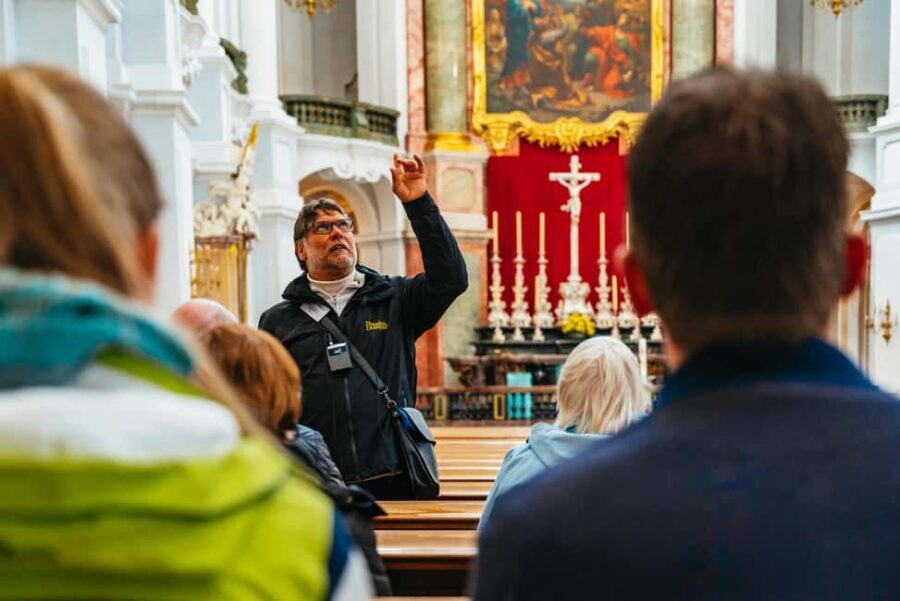
The budget-friendly overview. 1.5 hours hitting the major landmarks with a local guide. The pace is quicker than the Semperoper tour and the depth is lighter, but the value is excellent — $15 for a guided introduction to one of Germany’s most historically significant cities. Our review compares this with the Semperoper tour and explains who benefits from each format.
The Bombing and the Reconstruction
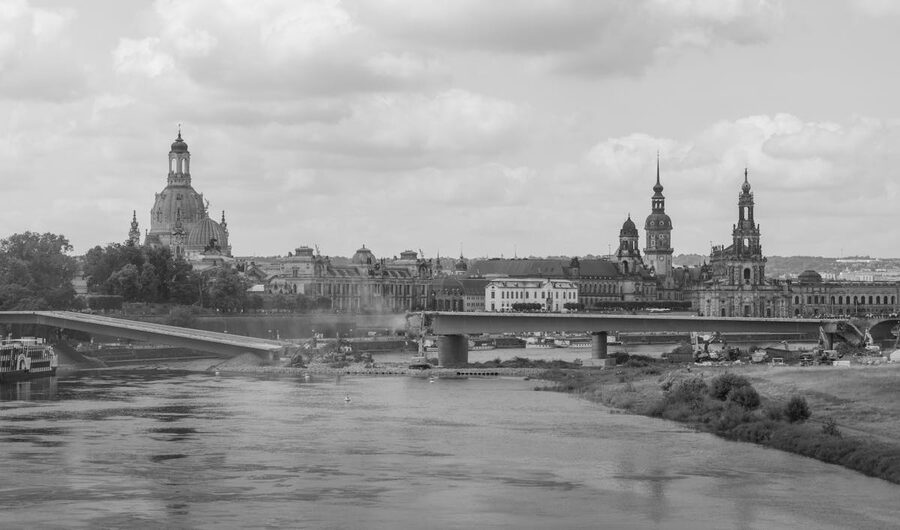
The firebombing of Dresden remains one of the most debated events of World War II. The Allied raids of February 13-15, 1945, destroyed approximately 1,600 acres of the city centre and killed an estimated 25,000 people (though numbers have been disputed). The military necessity of the raid has been questioned ever since — Dresden was not a major industrial target, and the war was nearly over. Kurt Vonnegut, who survived the bombing as a prisoner of war, wrote about it in his novel and it became one of the defining works of 20th-century anti-war literature.
The walking tour guides address the bombing directly and honestly. They explain the military context, the civilian toll, and the post-war political manipulation of the event — the GDR government inflated the death toll for propaganda purposes, while right-wing groups have attempted to instrumentalise the bombing for their own ends. The guides present the historical evidence and let visitors draw their own conclusions, which is exactly the approach this kind of subject demands.
The reconstruction itself is the more remarkable story. The GDR rebuilt some structures (the Zwinger, parts of the Semperoper) but left the Frauenkirche as a ruin — a deliberate war memorial. After reunification, a citizens’ initiative launched the project to rebuild the church using as many original stones as possible. The reconstruction took 11 years (1994-2005), cost €180 million (mostly from private donations), and resulted in a building that is simultaneously new and old — you can see the original darkened stones alongside fresh sandstone, and the contrast is the point. Dresden chose to rebuild not as a copy but as a conversation between past and present.
The British city of Coventry — itself devastated by German bombing in 1940 — contributed to the Frauenkirche reconstruction. The golden cross atop the dome was made by a British silversmith, the son of a pilot who flew in the Dresden raid. This act of reconciliation is the story that most visitors find most moving, and the guides tell it at the Frauenkirche as the emotional climax of the walking tour.
Practical Tips
Getting there: ICE from Berlin Hauptbahnhof: 2 hours. EC from Prague: 2.5 hours. FlixBus from both cities is cheaper but slower. Dresden Hauptbahnhof is about 15 minutes’ walk from the old town, or one tram stop.
How long: One day covers the old town highlights. Two days lets you add the Grünes Gewölbe (Green Vault — Augustus the Strong’s treasure chamber, one of Europe’s most spectacular museum displays), Saxon Switzerland, and the Neustadt (new town — actually the old part of the city that survived the bombing, now the alternative/creative district).
Budget: Dungeon tour: $20. City walk: $15. Semperoper tour: varies. Frauenkirche entry: free. Zwinger Palace courtyard: free (museums inside: €14). Saxon Switzerland day trip: about €30 by train. Dresden is one of Germany’s most affordable cultural cities.
Best time: May-September for outdoor walking and Saxon Switzerland. December for the Striezelmarkt — Germany’s oldest Christmas market (since 1434). March-April for spring and fewer crowds.
More Germany
Dresden connects naturally to Berlin (2 hours north by ICE — the obvious Germany combo). The Neuschwanstein day trip from Munich shows Bavaria’s castle obsession, which contrasts with Saxony’s Baroque palace culture. And Cologne’s cathedral and Rhine cruises offer the western German alternative — Gothic instead of Baroque, Rhine instead of Elbe, beer instead of wine.