This experience made our article of Kyoto Prefecture’s 14 Top Tours & Experiences.
- Hanakoushi Shibori Cotton Scarf Class: An Authentic Japanese Dyeing Experience
- Key Points
- Discovering the Kyoto Shibori Museum
- What to Expect During the Class
- The Experience in Detail
- The Technique: Folding and Resisting
- The Creative Process
- The Finished Product
- Museum Exhibits and Additional Offerings
- Practical Details and Tips
- Who Should Consider This Experience?
- Final Thoughts
- FAQ
- The Best Of Kyoto Prefecture!
- More Workshops & Classes in Kyoto Prefecture
- More Tour Reviews in Kyoto Prefecture
Hanakoushi Shibori Cotton Scarf Class: An Authentic Japanese Dyeing Experience
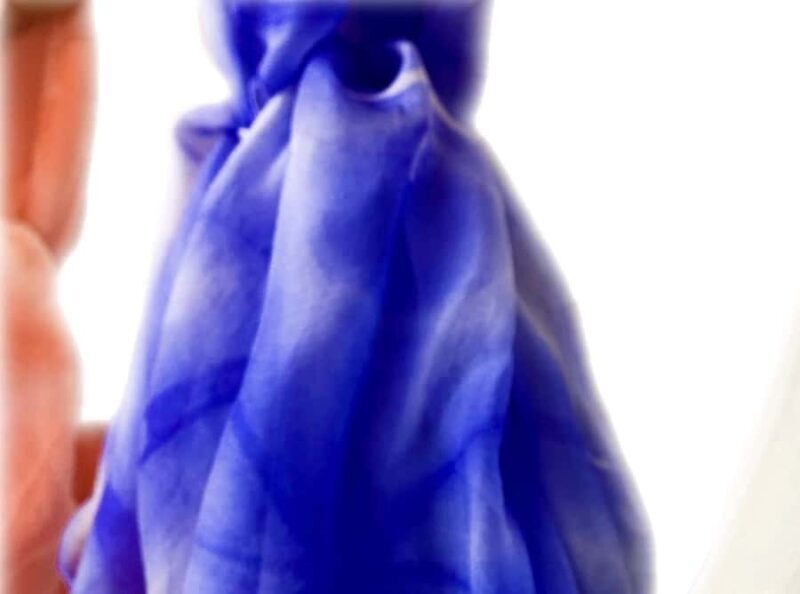

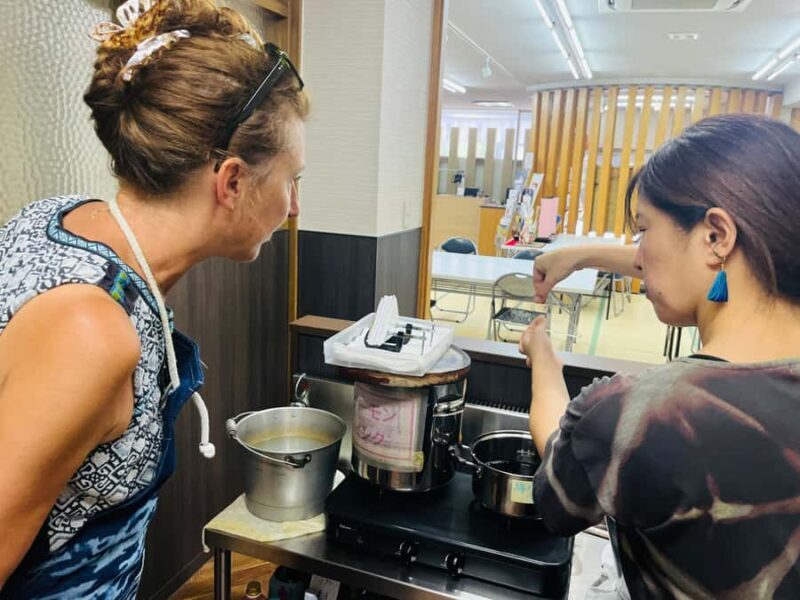
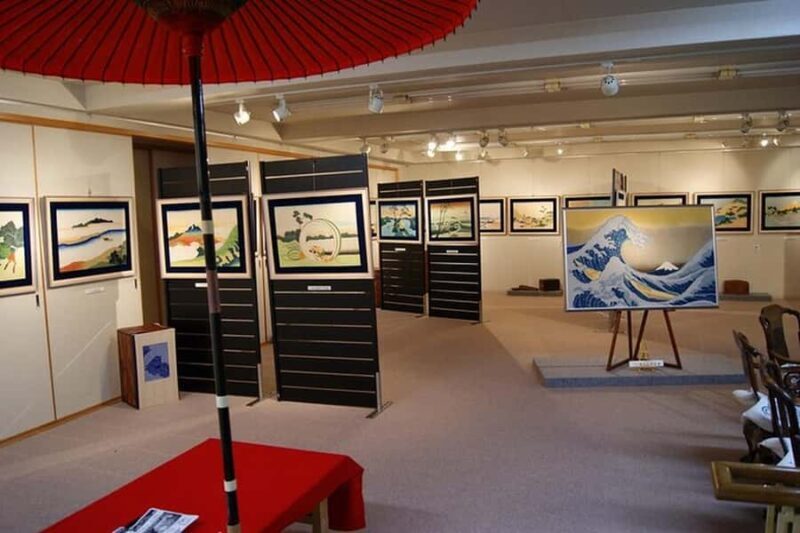
If you’re exploring Kyoto and have a soft spot for crafts or textiles, the Hanakoushi Shibori Cotton Scarf Class offers a uniquely immersive glimpse into Japan’s traditional resist dyeing art. This experience promises more than just a souvenir; it’s a chance to create a one-of-a-kind piece, guided by knowledgeable instructors in a museum dedicated solely to shibori.
What makes this activity stand out? First, you get to hands-on learn how to fold and resist-dye fabric to produce intricate petal-like patterns. Second, the museum setting offers a rich backdrop of historical tools and stunning displays that deepen your appreciation. Lastly, the friendly, bilingual guides (English and Japanese) make sure you feel comfortable and supported, even if you’re new to textile arts.
One potential consideration is the duration—at around 30 to 60 minutes, it’s a relatively short class that still packs a lot of value but might leave some wanting more time to perfect their design. Also, it is a small-group experience, which ensures personal attention but requires advance booking. This tour suits curious travelers seeking an authentic, creative activity that complements their Kyoto sightseeing.
You can check availability for your dates here:
👉 See our pick of the Kyoto Prefecture’s 14 Top Tours & Experiences
Key Points
- Authentic Technique: Learn the traditional shibori resist dyeing process firsthand.
- Creative Souvenir: Take home a handcrafted scarf, personalized by you.
- Expert Guidance: Friendly instructors ensure success regardless of experience.
- Museum Setting: Explore impressive shibori masterpieces and tools used historically.
- Limited Group Size: Small groups (up to 8 participants) guarantee personalized attention.
- Location Advantage: Just a 5-minute walk from Nijo Castle, easy to combine with sightseeing.
You can also read our reviews of more tours and experiences in Kyoto Prefecture


Discovering the Kyoto Shibori Museum
Located conveniently within walking distance from Nijo Castle, the Kyoto Shibori Museum offers a comprehensive look at this centuries-old textile art. Opened in 2001, the museum aims to spread shibori knowledge worldwide through exhibits of various masterpieces and tools used in the dyeing process. The museum isn’t just a gallery—it’s an interactive hub where you can see and learn the craftsmanship behind this intricate art.
The setting itself enhances the experience. As you approach the museum, the quiet neighborhood feels a world away from the bustling streets, offering a calm, inspiring environment to focus on your craft. Once inside, you’re greeted by displays of original items and fabrics, giving context to the art form and showcasing its versatility.
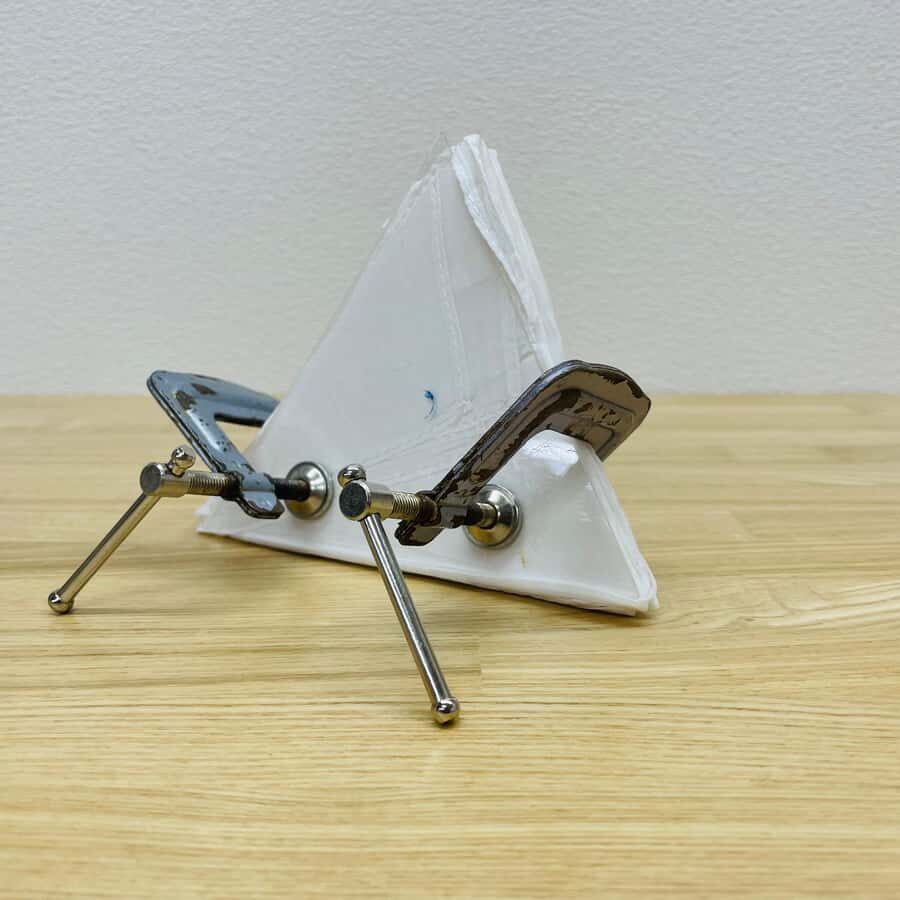
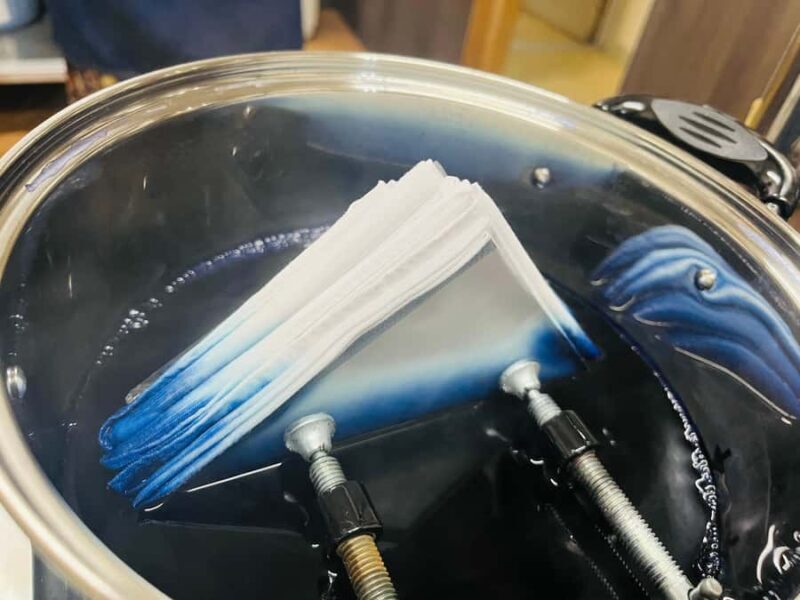
The highlight, of course, is the hands-on class. With the guidance of friendly instructors, you’ll fold and sandwich your fabric between plates, then dye it to create a delicate petal pattern. This classic resist technique, called shibori, results in clear, simple, yet striking designs, which are celebrated by the local artists.
What to Expect During the Class
The class duration is flexible—lasting between 30 and 60 minutes—perfect for fitting into a busy sightseeing schedule. Once you sign up, you’ll be guided through each step, from folding the fabric to applying dye. The instructors, fluent in both English and Japanese, make sure everyone succeeds.
Reviewers mention that the team is exceptionally kind and helpful. Danielle from the US appreciated that they “made sure I would succeed,” even pushing her comfort zone in a supportive way. This supportive approach is ideal if you’re new to textile arts but eager to try something different.
While your scarf dries, which takes about a few minutes, you’re encouraged to explore the museum’s exhibits. You’ll find a variety of impressive shibori art, from traditional to modern, and valuable tools used historically. It’s an inspiring environment that offers context and appreciation for the craft.
The shop at the museum provides a selection of original items and souvenirs, making it easy to find a meaningful gift or memento of your experience.
The Experience in Detail
The Technique: Folding and Resisting
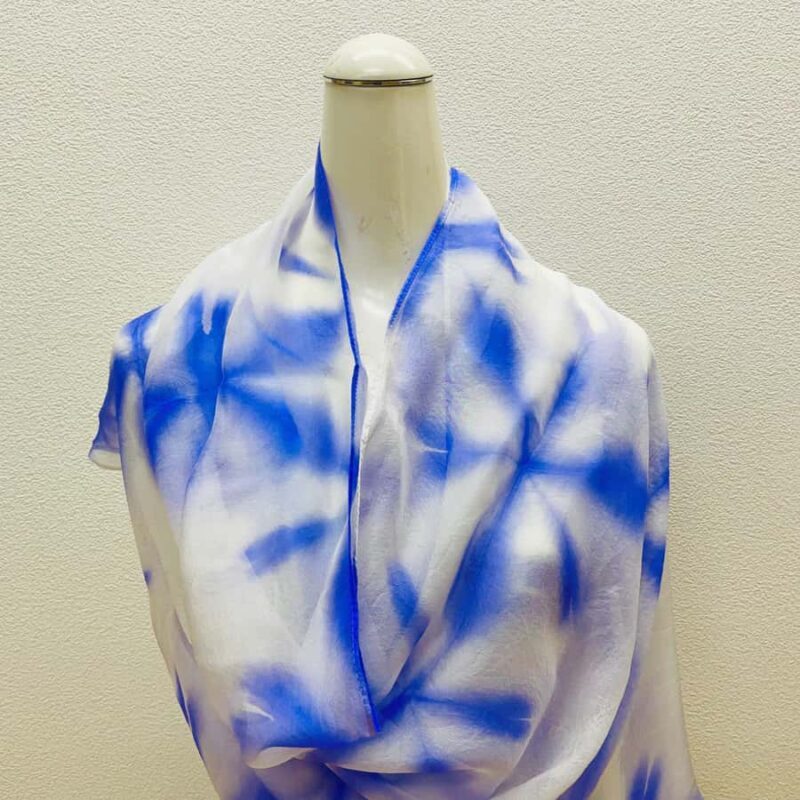
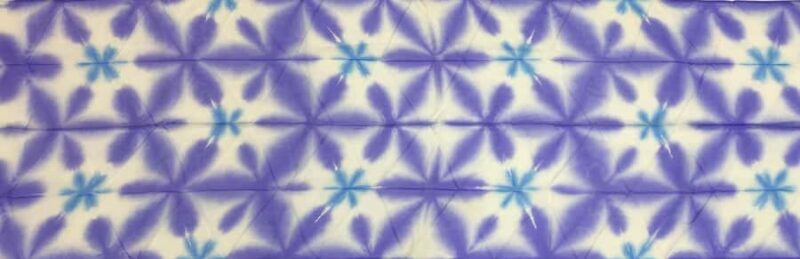
The core of shibori involves folding, twisting, or sandwiching fabric to resist dye penetration. In this class, you’ll learn the simple but effective technique of folding the fabric between two plates, then binding it to prevent dye from reaching certain areas. When dyed, the fabric reveals petal-like patterns, which are highly valued in traditional Japanese textiles.
According to review accounts, the process is straightforward but requires patience and a gentle touch. Kim from Australia said, “Our scarf was celebrated by the artists and then wrapped for us to take away,” highlighting the pride and care taken in the process.



The Creative Process
Participants often find the activity surprisingly relaxing, with some even noting that their scarves turned out more beautiful than expected. The supportive environment, coupled with the clear instructions, allows even beginners to produce a lovely piece. It’s about the process as much as the product.
The Finished Product
Once dyed and dry, your scarf becomes a wearable piece of art. The patterns are clean and simple but visually striking. Many reviewers, like Kim, appreciated that their scarves were “celebrated by the artists,” making it a special, authentic keepsake.
Museum Exhibits and Additional Offerings
While waiting for your scarf to dry, you can explore the museum’s exhibits. These include various shibori masterpieces and tools used historically. The displays provide insight into how this art form has evolved and its importance in Japanese culture.
The museum shop stocks a variety of original textiles and souvenirs, allowing you to purchase a piece of Kyoto craftsmanship to take home.
Practical Details and Tips
The class is suitable for most travelers, with instructions in both English and Japanese. Since the group size is limited to 8, booking ahead is recommended. The cost reflects the personalized attention and the opportunity to create your own artwork, making it a good value for those interested in cultural crafts.
Timing-wise, it’s best to check availability and start times in advance, as the duration is flexible. The quiet neighborhood setting, with easy access from Nijo Castle, makes this experience convenient to include during a day of sightseeing.
The workshop is fully refundable if canceled 24 hours in advance, providing peace of mind when planning your trip.
Who Should Consider This Experience?
This shibori scarf class is perfect for culture lovers wanting a hands-on activity. It’s also suitable for art enthusiasts or anyone curious about traditional Japanese crafts. Travelers seeking a meaningful souvenir that truly reflects local artistry will find this activity rewarding.
The small-group format ensures personalized guidance, making it an ideal choice for beginners or those wanting a more intimate experience. It’s also a fantastic option for families or small groups wanting a memorable activity together.
Final Thoughts
The Hanakoushi Shibori Cotton Scarf Class offers a genuine, hands-on way to connect with one of Japan’s treasured textile arts. From expert guides to beautiful, crafted results, it provides an enriching experience that balances learning and creativity. The museum setting adds depth, making it more than just a crafting session—it’s a cultural journey.
While the activity duration is brief, the quality of instruction, the beauty of the patterns, and the opportunity to explore shibori artworks make it well worth the time. Expect a friendly, relaxed atmosphere that makes even total beginners feel capable of creating something special.
This experience is ideal for travelers who want to leave Kyoto with not just memories but a tangible piece of Japanese craftsmanship. It’s particularly suited for those who love arts and crafts, cultural activities, or unique souvenirs with a story behind them.
FAQ
Is this experience suitable for beginners?
Yes, the class is designed to be accessible, with friendly guides ensuring everyone can succeed, even without prior experience in dyeing or textiles.
How long does the scarf take to dry?
While the class itself lasts up to an hour, the drying process takes a few minutes, allowing you to explore the museum during that time.
Can I choose my own pattern?
The class involves folding and resisting the dye using a set technique, creating petal-like patterns. You will learn this specific method, which yields beautiful and consistent results.
Is the class conducted in English?
Yes, guides are fluent in both English and Japanese, making the instructions clear and accessible for international visitors.
What is included in the price?
The fee covers the instruction, your handmade scarf, and access to the museum exhibits while your piece dries.
Can I cancel if my plans change?
Yes, you can cancel up to 24 hours in advance for a full refund, providing flexibility in planning.
Where is the museum located?
It’s just a 5-minute walk from Nijo Castle in Kyoto, making it easy to combine with other sightseeing activities.
Is there a shop where I can buy souvenirs?
Yes, the museum shop offers original textiles, souvenirs, and fabrics, perfect for taking a piece of Kyoto home.
By choosing the Hanakoushi Shibori Cotton Scarf Class, you’re not only creating a memorable keepsake but also gaining insight into a delicate, historic craft that continues to thrive in Japan. Whether you’re a craft lover or simply looking for a special activity during your Kyoto trip, this experience offers a meaningful, enriching addition to your journey.
📍 This experience made our list of the 14 best Tours & Experiences in Kyoto Prefecture