
Italians don’t measure. They eyeball flour by the handful, crack eggs by feel, adjust salt by tongue.
A Florence cooking class is where you watch this happen up close — and realise the real lesson isn’t the recipe, it’s the confidence.
Quick Picks
- Farm experience — Pizza/Pasta + Gelato at Tuscan Farm ($145). Six hours in the countryside.
- In-city quick version — Pasta & Tiramisu Class with Unlimited Wine ($56). Three hours, central Florence.
- With market tour — Cooking Class + Tuscan Farmhouse + Market Tour ($145). Seven hours, includes a morning market shop.
- Quick Picks
- Three Formats, Three Different Experiences
- Booking the Three Real Options
- Florence Pizza or Pasta Class with Gelato at Tuscan Farm — 5.12
- Florence: Pasta & Tiramisu Class with Unlimited Wine —
- Cooking Class + Tuscan Farmhouse + Market Tour — 5.12
- What You’ll Actually Cook
- The Tuscan Farm Version Detail
- The Market Tour Variant
- The City Quick Class — When It Wins
- Group Dynamics and Solo Travelers
- The Wine Reality
- What You’ll Bring Home
- Combining With Your Florence Trip
- What to Wear and Bring
- Practical Booking Notes
- Common Mistakes
- The Honest Verdict
Three Formats, Three Different Experiences
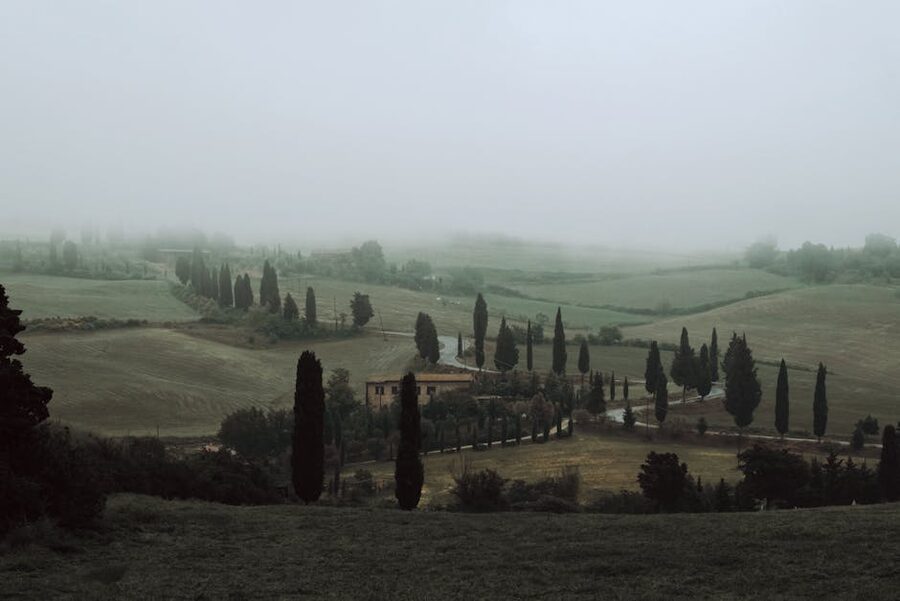
Florence cooking classes split cleanly. The city versions are 2-3 hour affairs in Florence proper — quick, social, focused on technique, you eat what you cook in the same building you cooked it in. The farm versions involve a 45-minute coach ride out into Tuscan countryside, a half- or full-day at an actual working agriturismo, and lunch served on a terrace with a view that competitors can’t match.
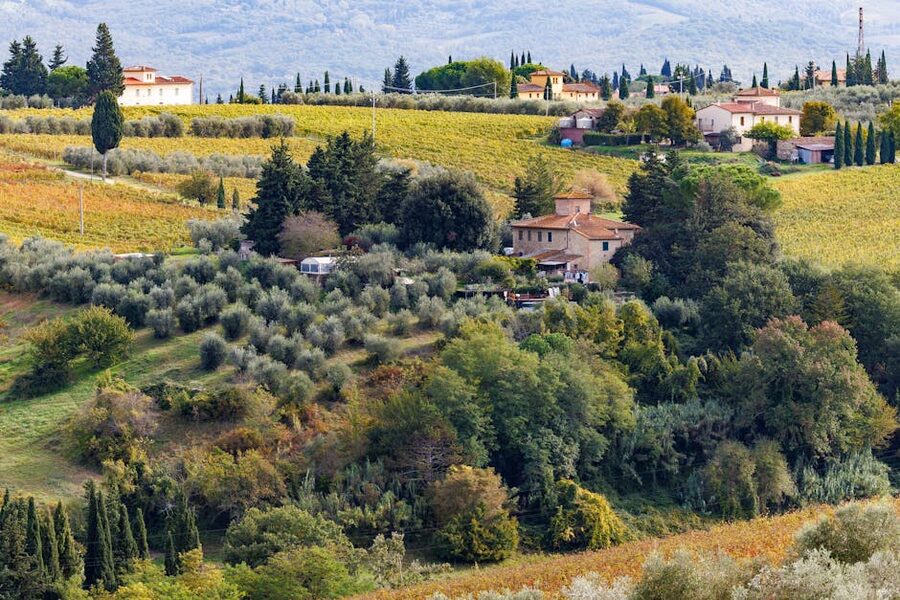
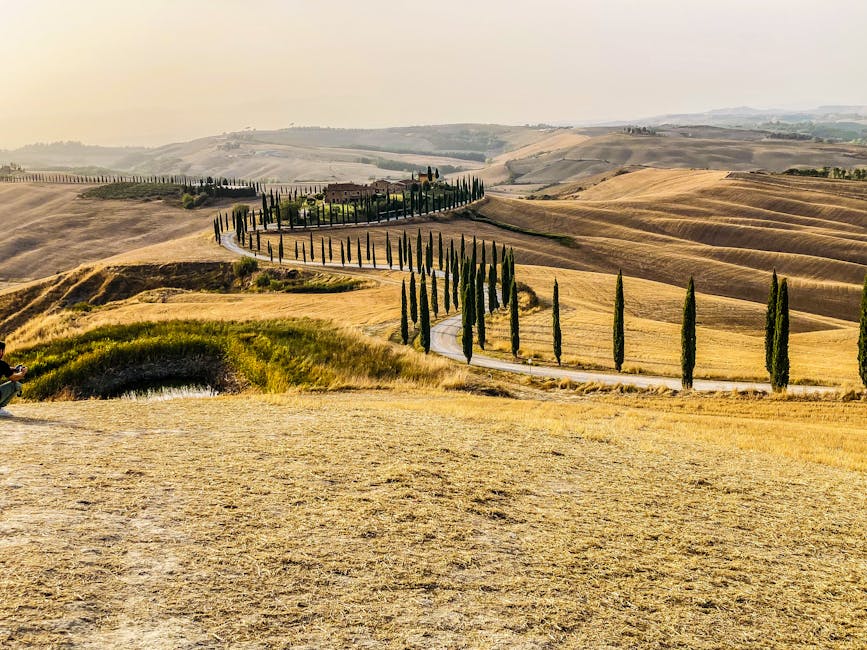
The price gap reflects the experience gap honestly. $35-56 buys you a focused kitchen lesson in the city. $145 buys you the same lesson plus a coach trip, plus a full Tuscan lunch in the countryside, plus the photographic memory of having been on a farm with cypress trees and olive groves and a Renaissance villa visible across the valley.
What you should pick depends on what your Rome (sorry — Florence) trip is missing. If you’ve been in Florence three days and haven’t left the city, the farm experience is the better value because it doubles as a Tuscany day trip. If you’ve already done a Tuscany wine tour and just want to learn pasta, the city version is the smarter spend.
Booking the Three Real Options
Three operators dominate this market. Each runs the format they specialise in best.

Florence Pizza or Pasta Class with Gelato at Tuscan Farm — $145.12
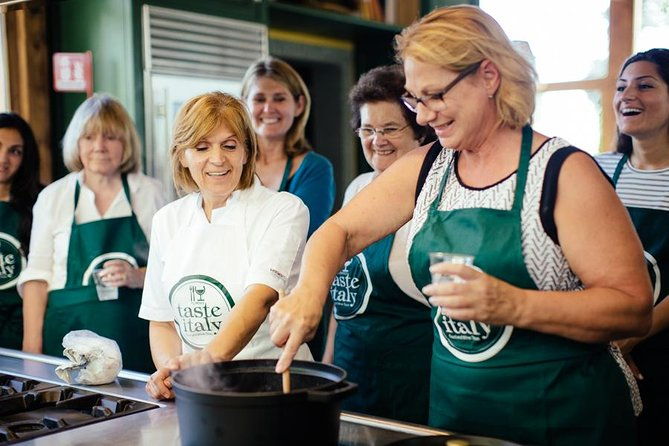
The category leader. Half-day at a working Tuscan farmhouse — pickup Florence 09:30, return 16:30. You make pizza or pasta (you choose at booking), homemade gelato as dessert, eat what you cooked, drink the farm’s own wine. What makes the farm version meaningfully different from the in-city option is the pitch to read. Default booking unless you’re tight on time.
Florence: Pasta & Tiramisu Class with Unlimited Wine — $56
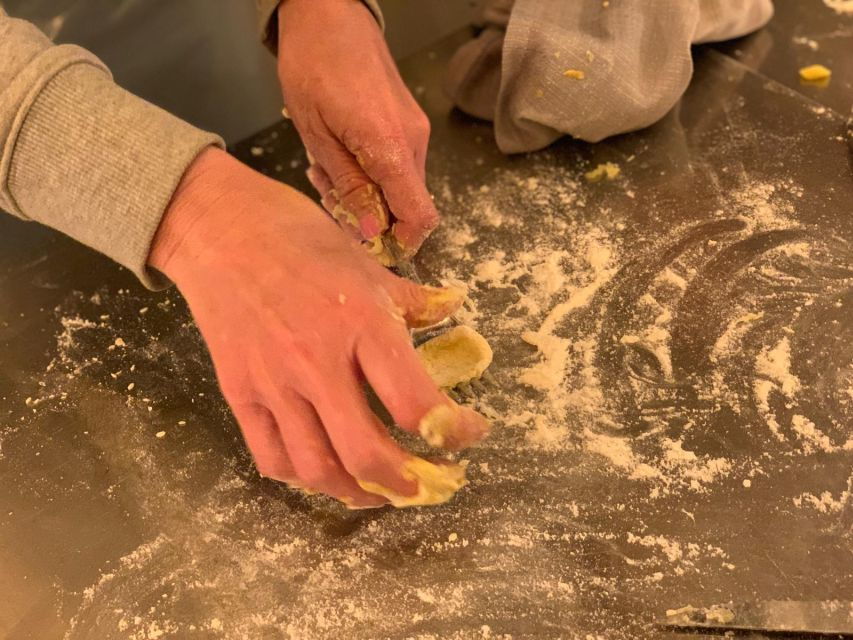
The city default. Three hours in central Florence, you make handmade pasta and tiramisu, the wine is genuinely unlimited (in Italian terms — they’ll keep pouring). Quick, social, fits between morning sightseeing and evening drinks. Why this works for travellers with one Florence day and a packed schedule is the right read. Pairs well with a sunset food tour on a following evening for the eat-vs-cook pair.
Cooking Class + Tuscan Farmhouse + Market Tour — $145.12
Same price as the pizza-farm version but trades the pizza for a morning at the Sant’Ambrogio market — you shop with the chef for the ingredients you’ll cook with. Seven hours total. Why the market portion changes the experience meaningfully — you’re not just cooking, you’re learning to source.
What You’ll Actually Cook
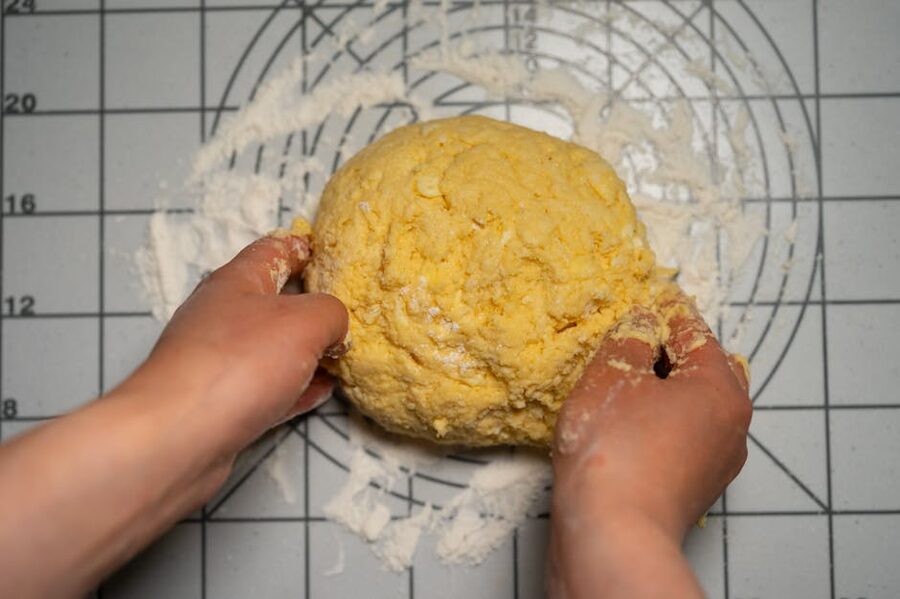
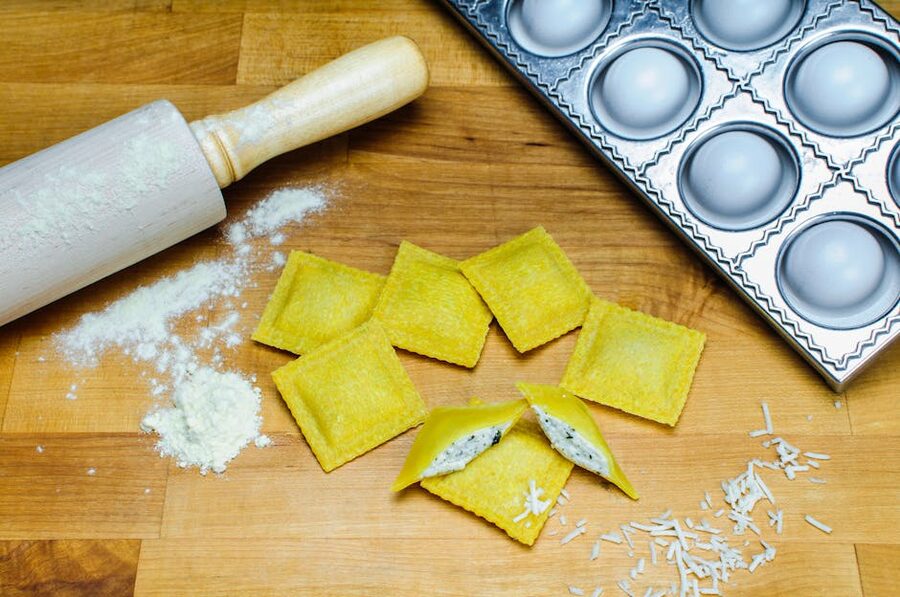
The technique you’ll learn varies by class but the dough principles stay constant. All Tuscan-tradition pasta uses a basic 100g flour to 1 egg ratio, no salt added (salt is in the cooking water, not the dough), and rest time before rolling.
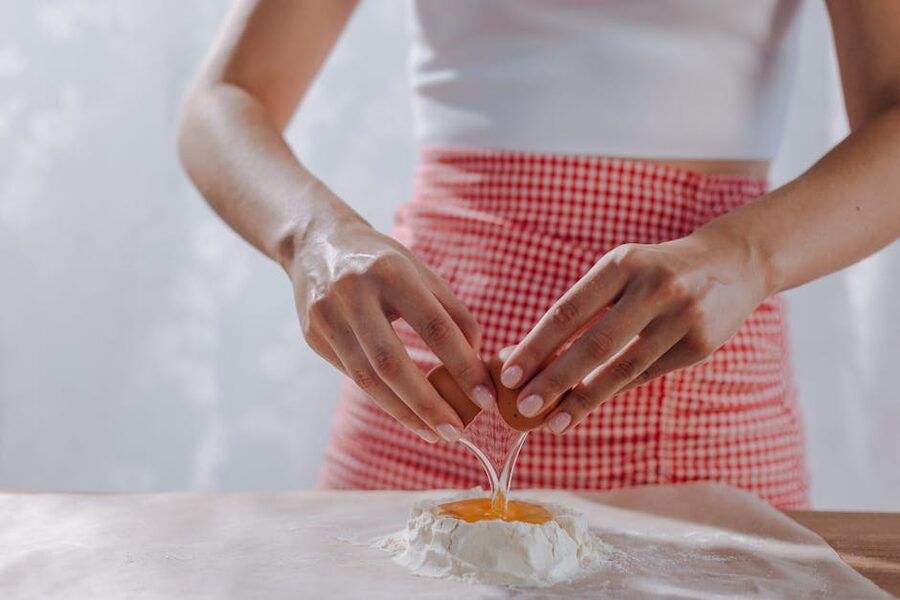
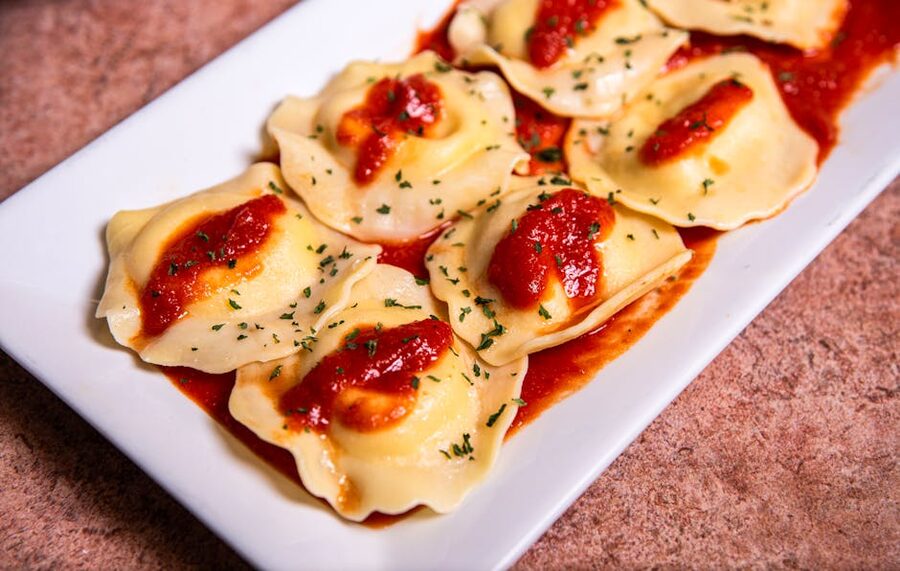
Pasta classes: typically pici (Tuscan thick spaghetti, hand-rolled), tagliatelle, ravioli, or pappardelle. The Tuscany region’s signature pasta is pici — thicker than spaghetti, hand-rolled rather than extruded, served traditionally with simple ragù or aglione (garlic sauce). Most farm classes feature pici because it’s the local specialty.
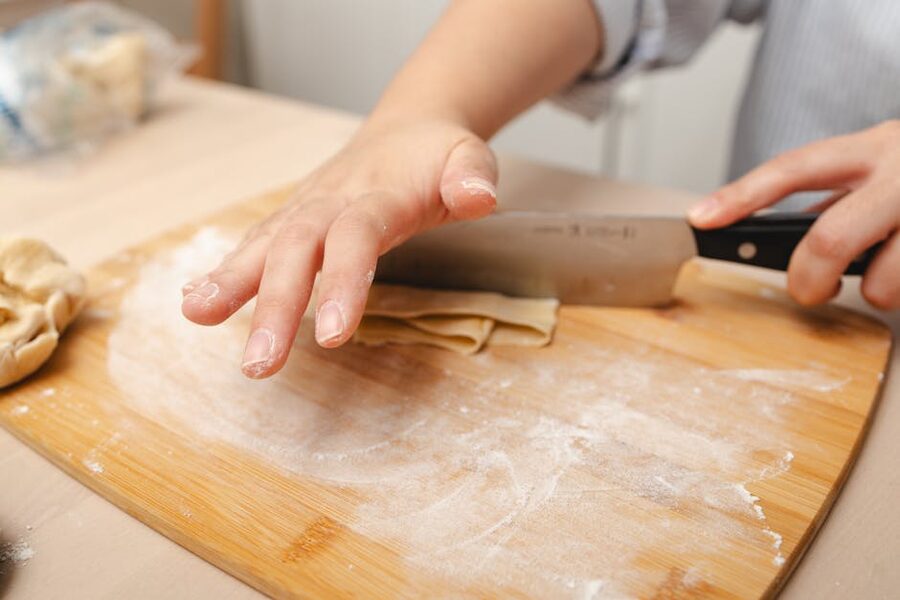
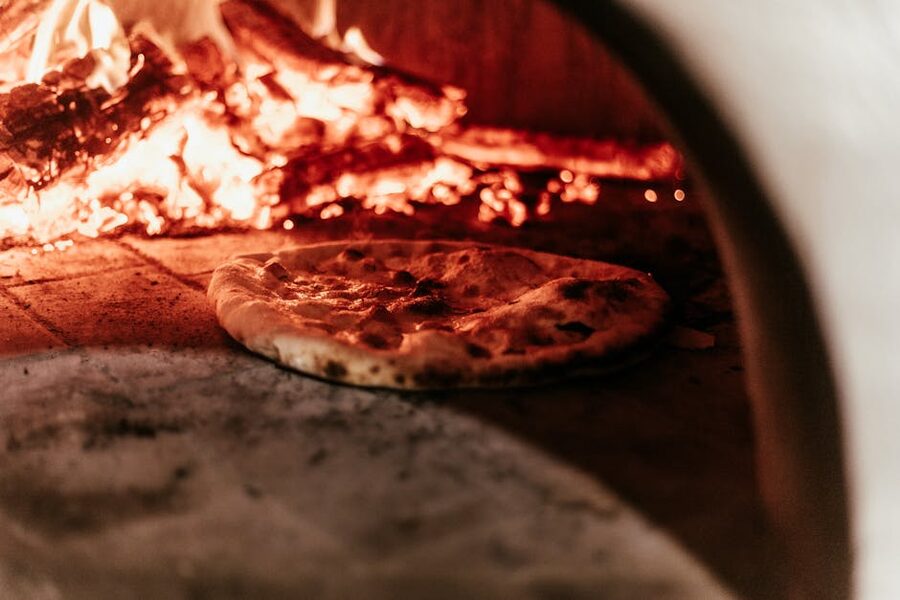
Pizza classes (Tuscan farm version): the dough is pre-risen (24-hour cold ferment isn’t feasible in class), but you’ll learn to stretch it, top it, and slide it into a real wood-fired oven that hits 400°C. Most participants get one pizza they made themselves to eat. The wood-fire baking is the moment when home pizza-curious people realize their home oven will never match this.
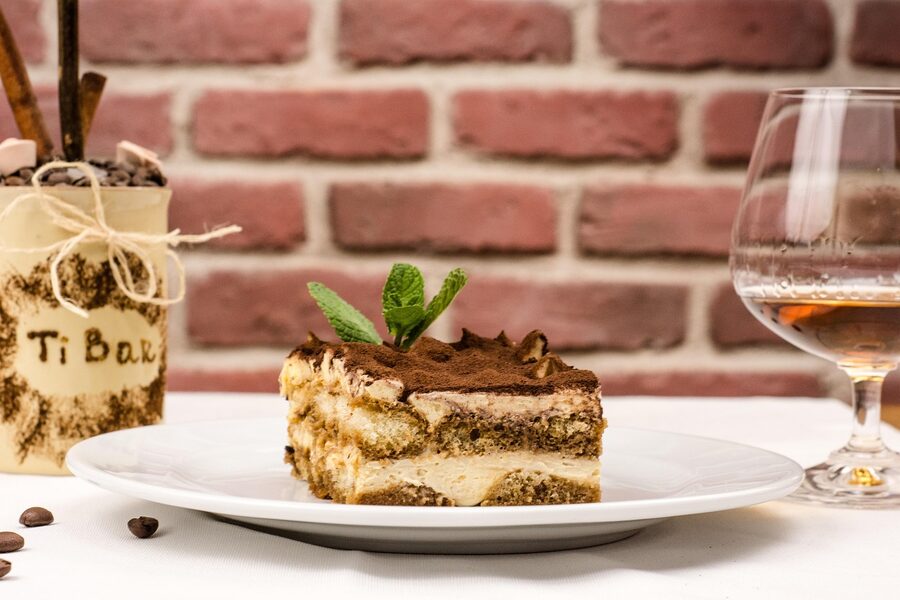
Tiramisu classes: the city version’s signature dessert. Mascarpone whipped with egg yolks (cooked briefly to be food-safe) and sugar, savoiardi soaked in real espresso (not instant coffee), layered, dusted with cocoa, refrigerated. The tiramisu is the dessert that takes longest in class because of the chilling time — most operators time it so it’s ready when you’ve finished eating the pasta.
Gelato classes (farm version): you make a single flavour batch (vanilla or chocolate base, fruit varieties depending on season) using actual gelato machines. Real gelato has less butterfat than American ice cream and more density — the recipe and process produce something fundamentally different. You eat what you make as the dessert course.
The Tuscan Farm Version Detail
The Tuscan farm classes are the heavyweight experience. Worth understanding what the day actually looks like before booking.
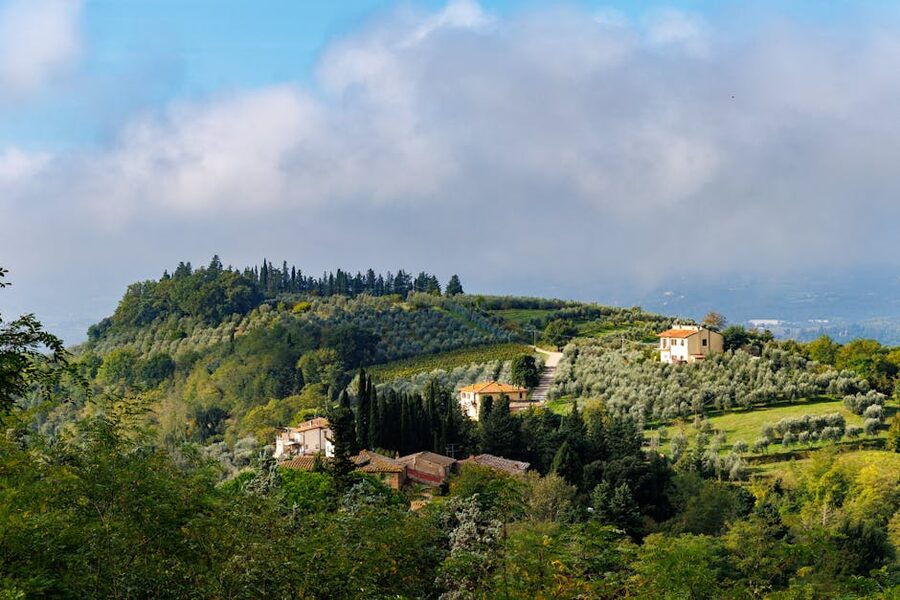
Pickup: central Florence around 09:30. Coach to the farm — usually 45-60 minutes through Chianti countryside. Welcome aperitivo on arrival (Prosecco, Tuscan crackers, local cheese).
The farm itself: typically a working agriturismo — they make olive oil, wine, sometimes cheese. The cooking school is a converted outbuilding with marble work surfaces, professional ovens, and panoramic views. You’ll be there 4-5 hours.
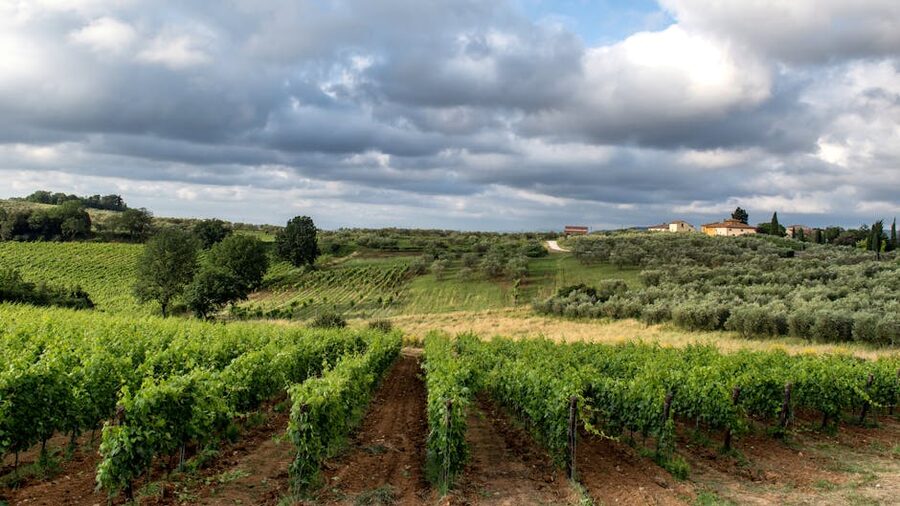
Cooking session: typically 2-2.5 hours of hands-on work. Pasta or pizza first, then dessert (gelato or panna cotta), with the chef demonstrating each step before you try it. Group sizes are 8-15 — bigger than city versions because the kitchen space allows it.
Lunch: the food you’ve cooked, served on the terrace with a view, accompanied by the farm’s own wine (red and white, generally unlimited within reason), bread, olive oil, antipasti you didn’t have to make.
Return: coach back to Florence around 16:00, arrive 17:00. You’ll be sleepy from wine and full from food and you’ll be done with substantial activity for the day.
The Market Tour Variant
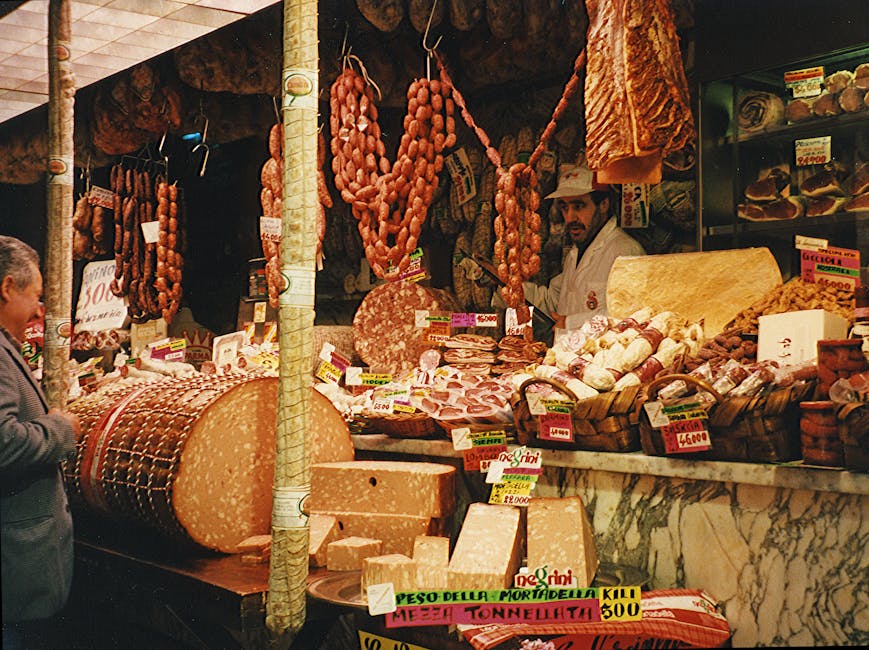
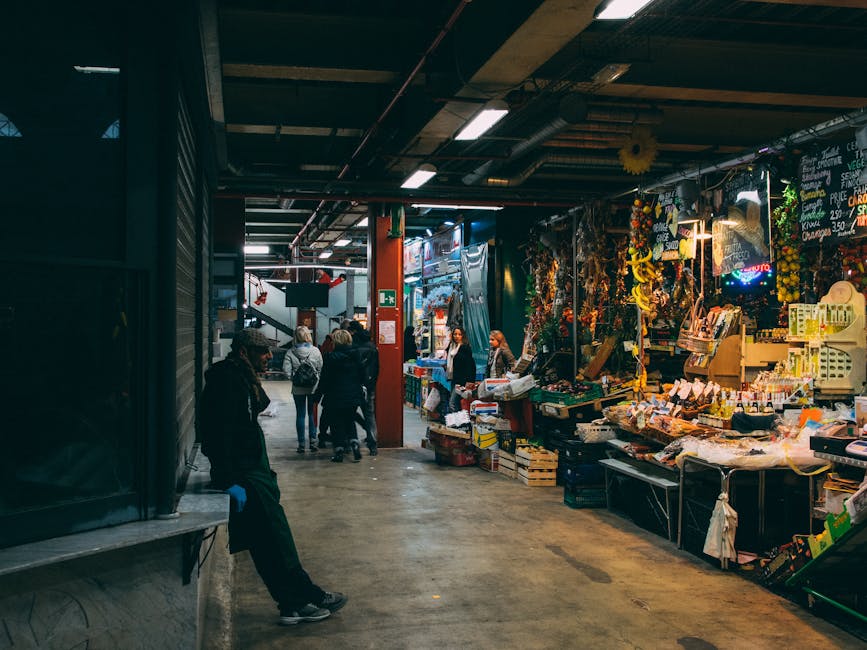
The version that includes a market tour adds a 90-minute morning at one of Florence’s main markets (typically Sant’Ambrogio — a smaller, more local-feeling market than the famous Mercato Centrale).
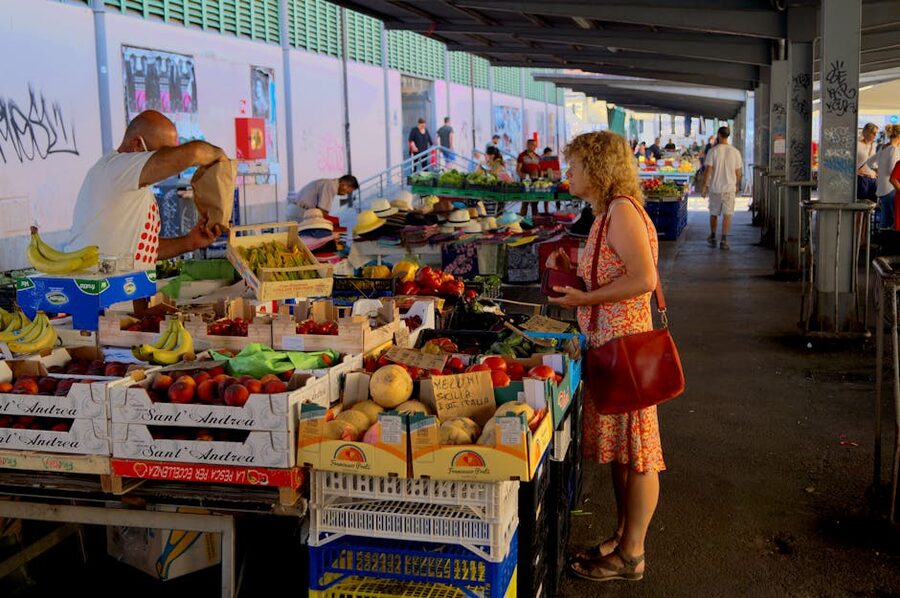
Why this matters: shopping with a chef is fundamentally different from shopping alone. You learn what to look for in tomatoes (smell them, the right ones smell like tomatoes), how to pick fresh fish (clear eyes, firm flesh, no smell other than ocean), what makes a real Parmigiano Reggiano (smell the salt crystals, look for the date stamp), and how Italian seasonality actually works (no zucchini blossoms in November, no porcini in March).
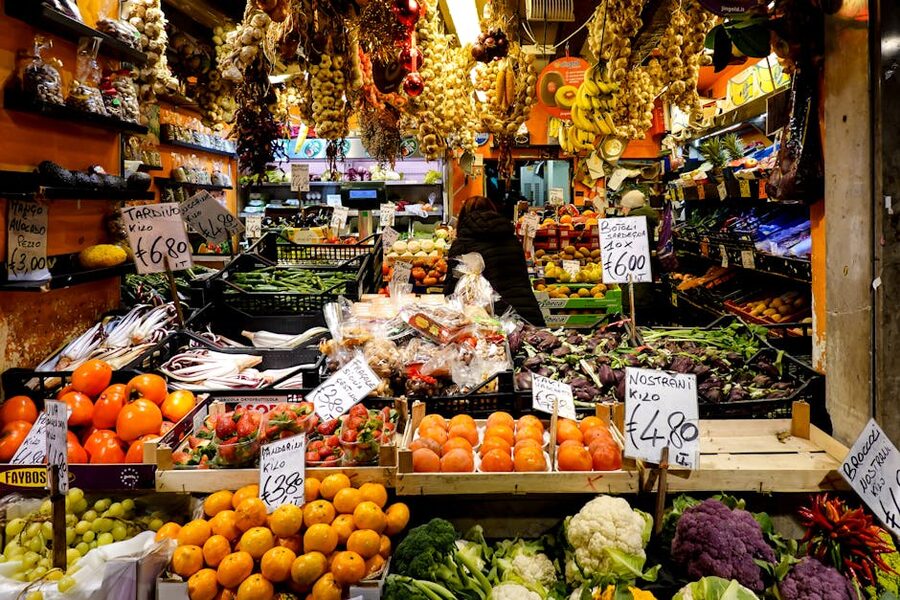
The market tour is what justifies the same $145 price as the pizza-farm version even though the cooking content is shorter. You’re paying for the educational walk-through of how Italians actually source food. For travellers who want to cook this stuff at home and need to understand ingredient sourcing, this version is the better pick.
The City Quick Class — When It Wins
The 3-hour Florence city class at $35-56 is the right pick for specific traveller types. Don’t dismiss it as “the cheap option” — it has its own legitimate audience.
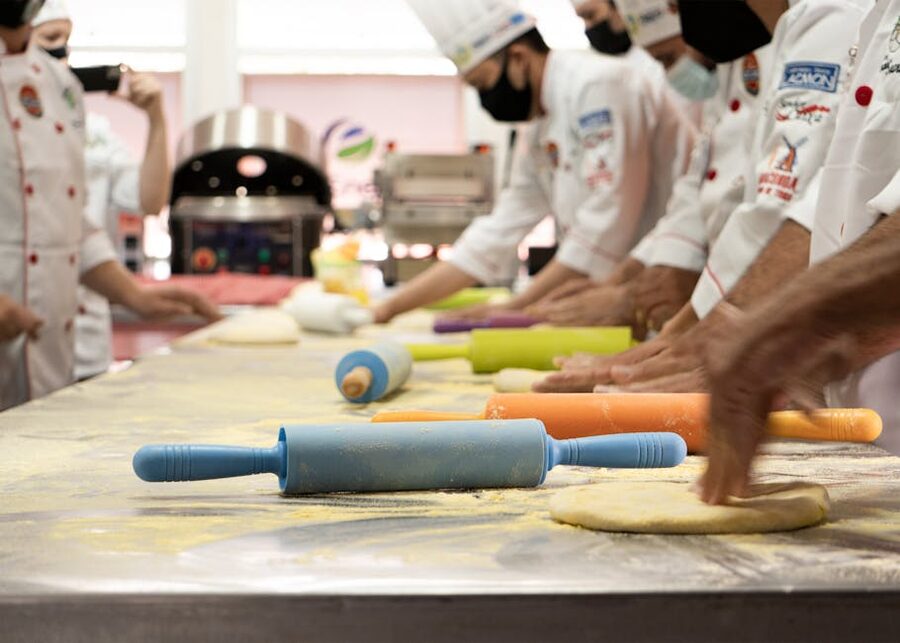
Pick the city class if: you’re in Florence for 1-2 days, you’ve already done a Tuscany wine day-tour, you want to fit cooking between morning Uffizi and evening dinner reservation, you’re solo travelling and want a social activity, you’re on a budget where the $90 difference matters.
Pick the farm class if: you’re in Florence for 4+ days, you specifically want a Tuscan-countryside day, you’re with a partner who’d appreciate the romantic dinner-on-a-terrace component, you’re a serious cook who wants the longer session, the farm-to-table aspect matters to you ethically or aesthetically.
The city classes I’ve done have been excellent — the chef I had taught more in 3 hours than I’d learned from years of cookbooks. The farm classes have been memorable in a different way — half cooking education, half “I’m in a Tuscan villa drinking Sangiovese with strangers from four countries.” Both deliver. Match the right one to your trip.
Group Dynamics and Solo Travelers
Cooking classes are inherently social. The 3-7 hours of shared activity with strangers creates conversational energy that lasts well past the class itself.
Solo travelers: excellent. Cooking classes are one of the easiest social activities for solo Italian trips. The shared activity gives you something to talk about beyond the usual “where are you from” small talk. By the meal portion, conversations flow.
Couples: good but you’ll be at separate stations sometimes. Some operators try to seat couples together but the kitchen layout doesn’t always allow it. If you specifically want to be together, ask at booking.
Groups of friends: great. The cooking class becomes a shared travel memory more than a typical sightseeing day. Book together early and ask the operator to keep your group at adjacent stations.
Families: works for kids 8+ who can handle knife work. Younger children get bored after 90 minutes. Some operators offer family-specific classes with shorter formats — ask.
The Wine Reality
“Unlimited wine” appears in most class descriptions. It is genuinely unlimited in the Italian sense — meaning the bottles keep coming and nobody’s counting your glasses. It’s not unlimited in the “drink as much as you want” sense — the chefs notice and gently slow refills if anyone is struggling.
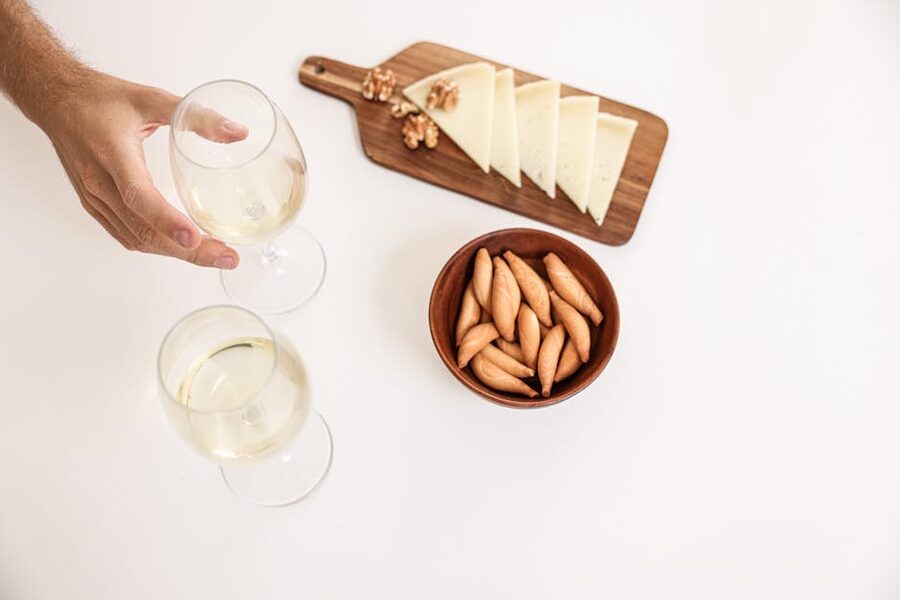
Wine choices: typically Tuscan reds (Chianti, Sangiovese), occasionally a white (Vernaccia di San Gimignano, Vermentino). The farm versions pour the farm’s own wine. The city versions pour from local producers.
Non-drinkers: well accommodated. Sparkling water, soft drinks, fruit juice all available. No social pressure to drink — Italians get this routinely.
For drinkers: pace yourself. Three hours of unlimited Italian wine + a hot kitchen + a meal at the end is a lot of wine. People who don’t pace themselves get sleepy in the eating portion and miss the social peak.
What You’ll Bring Home
Beyond the recipes (provided printed or digital), the real takeaway is technique that transfers to your home kitchen.
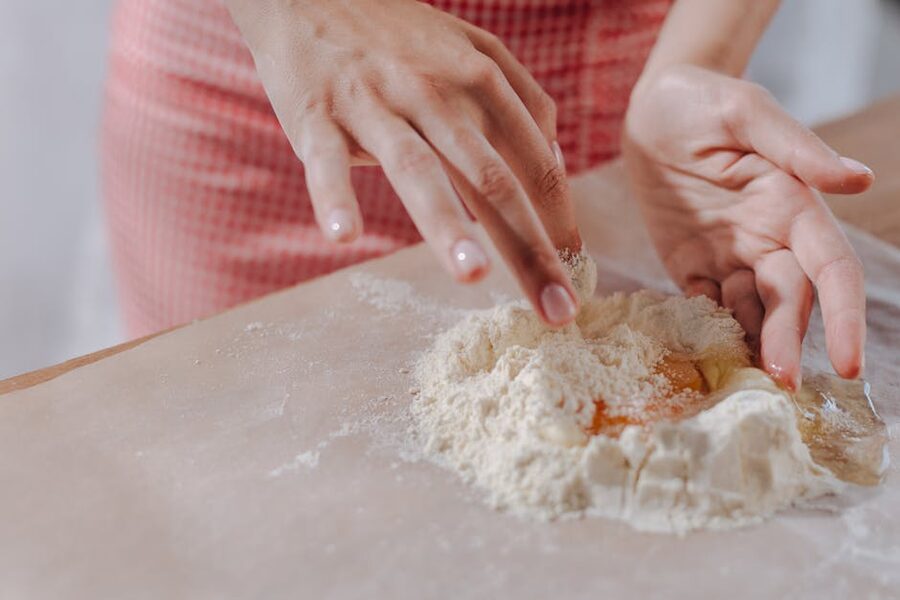
The flour-and-egg ratio. 100g flour per 1 egg. Memorize this and you can make pasta for any group size without consulting a cookbook.
The rest period. 30 minutes minimum before rolling. Skipping this is the single most common home-cook mistake; the dough fights you the whole way through.
The water salt. Pasta water should taste like the sea — meaningfully salty. This is where the dish gets its salt; the dough has none.
The sauce-pasta marriage. Pasta and sauce finish together in the pan, never in separate vessels until the plate. Restaurant pasta tastes better partly because of this technique you can immediately steal.
The tiramisu emulsion. Cooked egg yolks beaten with sugar before folding into mascarpone — this gives you food-safe tiramisu without the airiness loss of raw-egg avoidance shortcuts.
Combining With Your Florence Trip
The cooking class plays well as the social anchor of a Florence day. Build other activities around it.
The combinations that work: morning Uffizi Gallery (book the 09:00 slot to be done by 11:30), light lunch — ideally one of the small tramezzini sandwiches at a café — then afternoon cooking class (14:00 city version, 12:00 farm version), evening drinks somewhere on the Arno. Florence is small enough that all of this happens within a 30-minute walking radius. Alternatively, day-trip to Tuscany with the cooking class as the centrepiece — you don’t need to add anything else; the farm version IS your Tuscany day. For longer Florence stays, a market-tour class on day three teaches you what to buy at the markets for the rest of your trip — you’ll cook your own dinner at your apartment for the remaining nights using techniques and confidence you didn’t have before. And if you’re flying to Rome after Florence, the contrast between Tuscan pasta technique (this class) and Roman pasta technique (the Rome cooking class in Piazza Navona) gives you a real-time comparison most one-city travellers never get.
What to Wear and Bring
Cooking is messy. Dress for it.
Clothes: dark colours that hide flour and tomato sauce stains. Closed shoes (hot oil sometimes splatters in the pizza farm version). Comfortable layers — kitchens get warm.
Hair: tied back. Class supplies hairnets if needed.
Bring: water bottle, phone for photos (cooking happens fast — don’t try to film, take quick stills), small bag for the recipes and any takeaway items.
Don’t bring: formal clothes you’d wear to a fancy dinner afterwards (you’ll smell like garlic), expensive watches or rings (flour gets everywhere), large bags (storage at most class venues is limited).
Practical Booking Notes
City cooking classes have multiple daily slots — usually 10:00, 14:00, and 17:00. Farm versions run once daily, typically morning departures (09:30 pickup is standard).
Booking ahead: 1-2 weeks for weekend slots in high season (April-October). Weekday slots usually have same-week availability. Farm versions sell out faster than city versions.
Group sizes: city versions cap at 12, farm versions go to 15-18 sometimes. Smaller is better for chef attention but the social energy works either way.
Cancellation: typically 24-48 hours for free refund. The farm versions sometimes have stricter terms because they need to commit to coaches and lunch ingredients.
Dietary restrictions: vegetarian easy, vegan harder (cheese is everywhere), gluten-free workable with notice. Allergies are taken seriously by reputable operators.
Common Mistakes
A few things first-time cooking-class participants regularly get wrong.
Eating a full meal beforehand. You’ll be eating what you cook. Arrive hungry. A small breakfast is fine; anything bigger and you’ll struggle with the pasta course.
Trying to film everything. Two-handed kitchen work doesn’t combine with phone-holding. Take quick stills. Don’t film. You’ll remember the experience better.
Wearing a tank top in summer. The kitchen gets hot but the wood-fired oven is genuinely dangerous to operate in skimpy clothes. Closed shoulders for safety, even when the air conditioning fails.
Booking the farm version on a packed Florence day. The 6-7 hour commitment eats most of your day. Don’t try to combine with another major activity.
Not asking questions. The chef is the expert. They expect questions. Asking “why no salt in the dough?” or “why this much olive oil?” gets you the explanations the recipes don’t include.
The Honest Verdict
Florence cooking classes are some of the highest-value culinary tourism activities in Europe. The city versions at $35-56 deliver real technique in three hours. The farm versions at $145 deliver the technique plus an unforgettable Tuscan countryside day plus a substantial lunch.
Pick the farm pizza-or-pasta class ($145) for the premium full-day Tuscan experience — the version that turns into the trip’s strongest memory. Pick the city pasta-and-tiramisu class ($56) for the quick efficient social version when your Florence days are already packed. Pick the market-tour version ($145) if you want to bring home actual sourcing knowledge along with the technique. All three deliver. None disappoint. Match the format to your trip and book at least a week ahead in high season.