
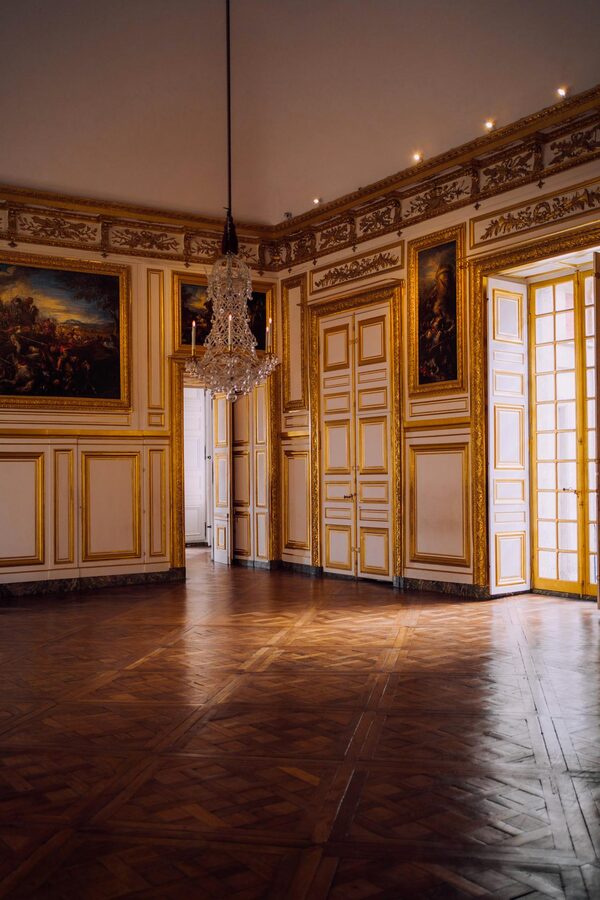
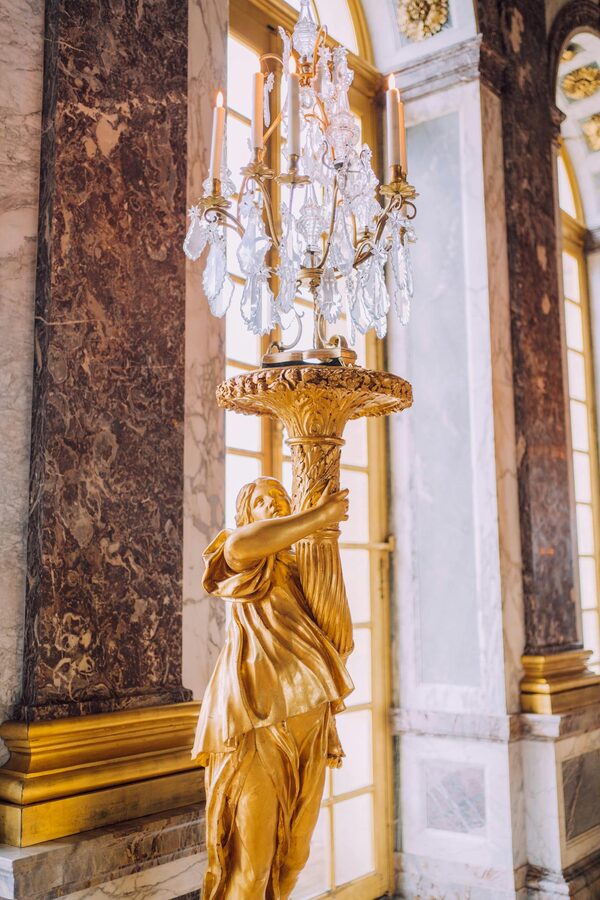
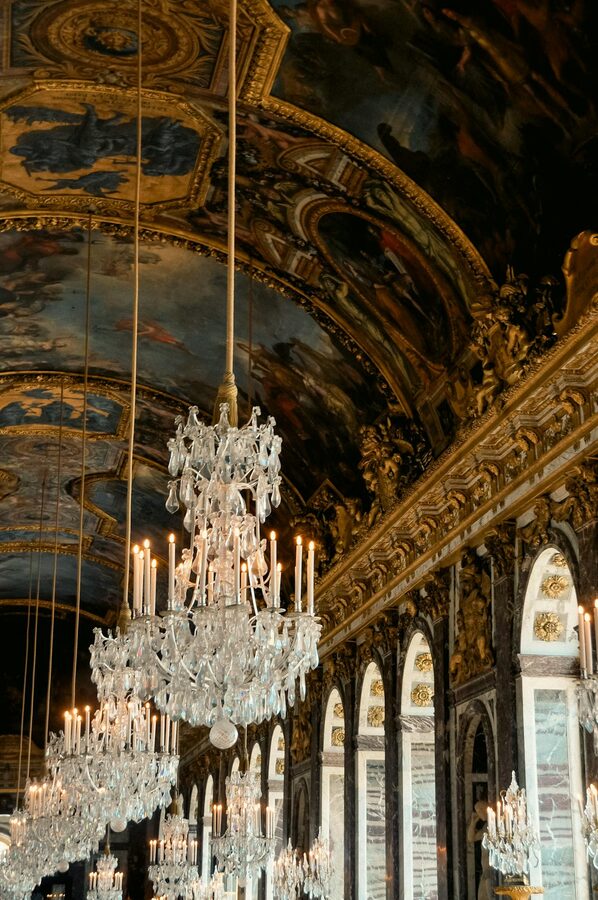
The Hôtel de la Marine reopened in 2021 after a restoration that cost €130 million and took four years. For that price, you’d expect something special. You get something extraordinary. This 18th-century palace on the Place de la Concorde — where the French Navy headquarters sat for over 200 years — has been restored to its original state with an attention to detail that borders on obsessive. Original furniture. Period wallpapers. Gilded panelling that was stripped and re-gilded using the same gold-leaf technique the craftsmen used in 1772. And a loggia with one of the best views in Paris.
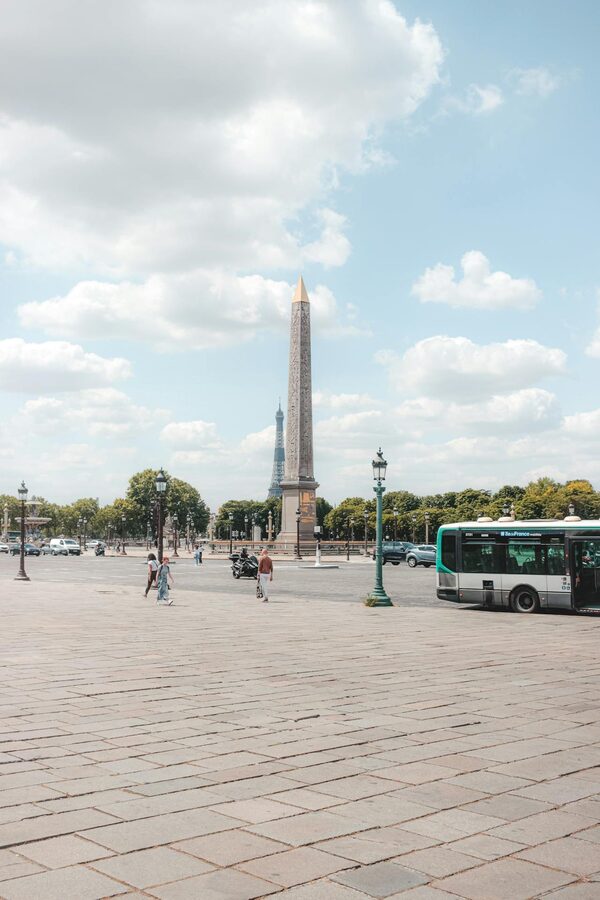
Most visitors to Paris walk past the Hôtel de la Marine without knowing it exists. It’s on the north side of the Place de la Concorde, flanking the Rue Royale alongside its twin building (which houses the Automobile Club de France). From outside, it looks like another impressive Parisian facade. Inside, it’s a time machine set to the court of Louis XVI.
Next door: Musée de l’Orangerie — $12, Monet’s Water Lilies in the Tuileries. 5-minute walk from the Marine.
Nearby: Conciergerie with Histopad — $15, Marie Antoinette’s prison with augmented reality. 15-minute walk.
- What You’ll See Inside
- The Loggia: The Best View Nobody Knows About
- The History: From Royal Storehouse to Naval HQ
- The Al Thani Collection
- The Musée de l’Orangerie: Five Minutes Away
- The Conciergerie: 15 Minutes on Foot
- Best Tickets to Book
- 1. Hôtel de la Marine Entry Ticket —
- 2. Musée de l’Orangerie —
- 3. Conciergerie with Histopad —
- Practical Tips
- Where This Fits in Your Paris Trip
What You’ll See Inside
The visit is self-guided with an “ambient audio” system — you wear a headset that triggers different narrations as you move through the rooms. It’s not a traditional audio guide. Instead, you hear voices of historical characters (the intendant who managed the building, his wife, servants, visiting dignitaries) creating a kind of immersive theatre experience as you walk. The technology is discreet and surprisingly effective — you genuinely feel like you’re eavesdropping on the 18th century.
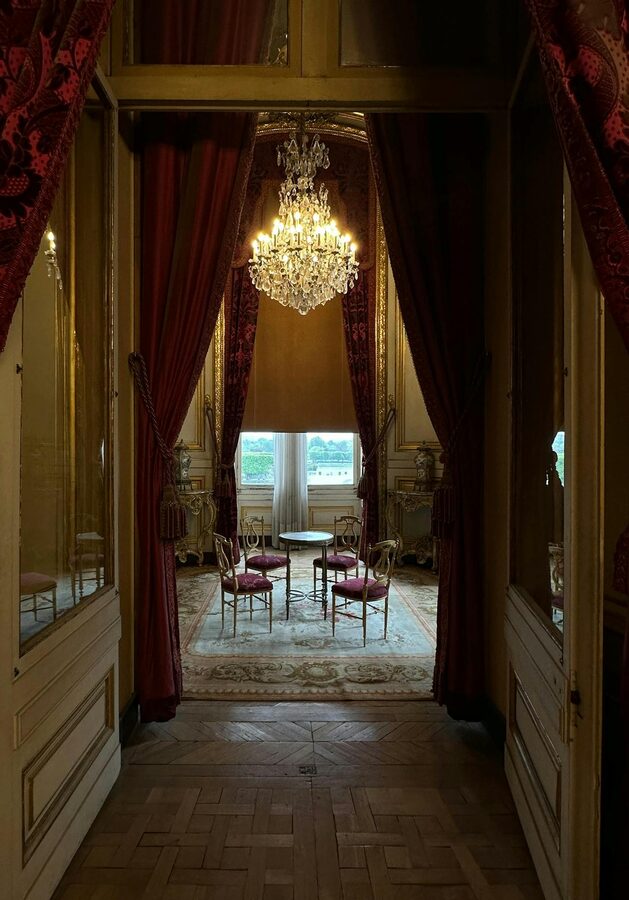
The route takes you through the ceremonial apartments of the Garde-Meuble de la Couronne (the royal furniture storehouse — this building was originally where the king kept his best stuff), then through the private apartments of the intendant, and finally to the loggia overlooking the Place de la Concorde. The whole visit takes about 90 minutes if you linger, 60 if you move briskly.
The Loggia: The Best View Nobody Knows About
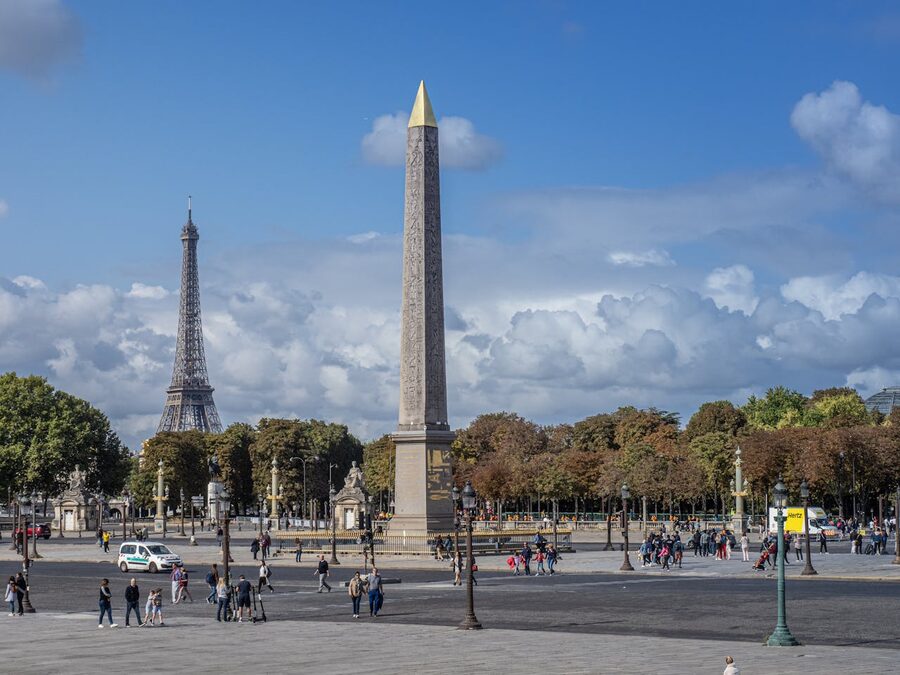
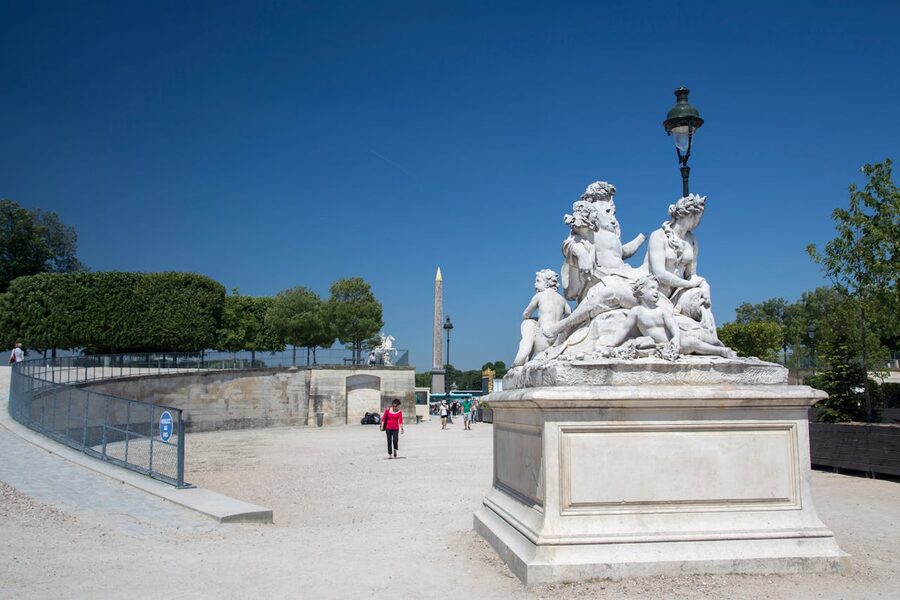
The loggia at the end of the visit is the payoff. A covered balcony overlooking the Place de la Concorde, with the Eiffel Tower in one direction, the Madeleine church in another, and the Tuileries stretching away toward the Louvre. It’s arguably the best panoramic viewpoint in central Paris — and unlike the Eiffel Tower or the Arc de Triomphe, there’s no queue and no extra charge.
The History: From Royal Storehouse to Naval HQ
The building was designed by architect Ange-Jacques Gabriel in 1757 as part of a grand redevelopment of what was then the Place Louis XV. It was completed in 1774 and served as the Garde-Meuble de la Couronne — the repository for the king’s furniture, tapestries, and the Crown Jewels. The public could visit on the first Tuesday of every month, making it one of the earliest examples of a public museum in France.
In September 1792, during the Revolution, the Crown Jewels were stolen from the building in a heist that was never fully solved. The famous Regent Diamond disappeared (it was later recovered) along with the Hope Diamond (which ended up in the Smithsonian). The theft happened during a period of revolutionary chaos, and many of the jewels were likely broken up and sold.
The French Navy took over the building in 1789 and stayed for 226 years. The admirals’ offices were in the rooms you now walk through. The Ministry of the Marine oversaw France’s colonial empire, its fleet, and its overseas territories from these gilded halls. In 2015, the Navy moved out, and the Centre des Monuments Nationaux spent four years restoring the building to its pre-Revolutionary appearance.
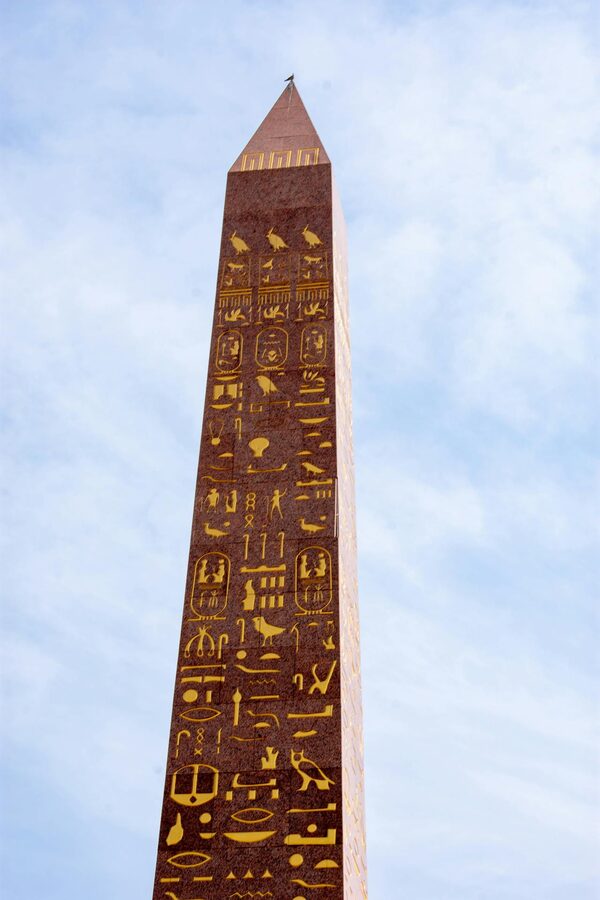
The Al Thani Collection
Part of the building houses the Al Thani Collection — a world-class collection of decorative arts, jewellery, and objects from ancient civilizations to the present. It’s included in your entry ticket and adds a second dimension to the visit. The pieces range from Mughal Indian jewels to medieval European goldwork to contemporary art objects. The curation is exceptional — each room has a theme that connects objects from different eras and cultures.
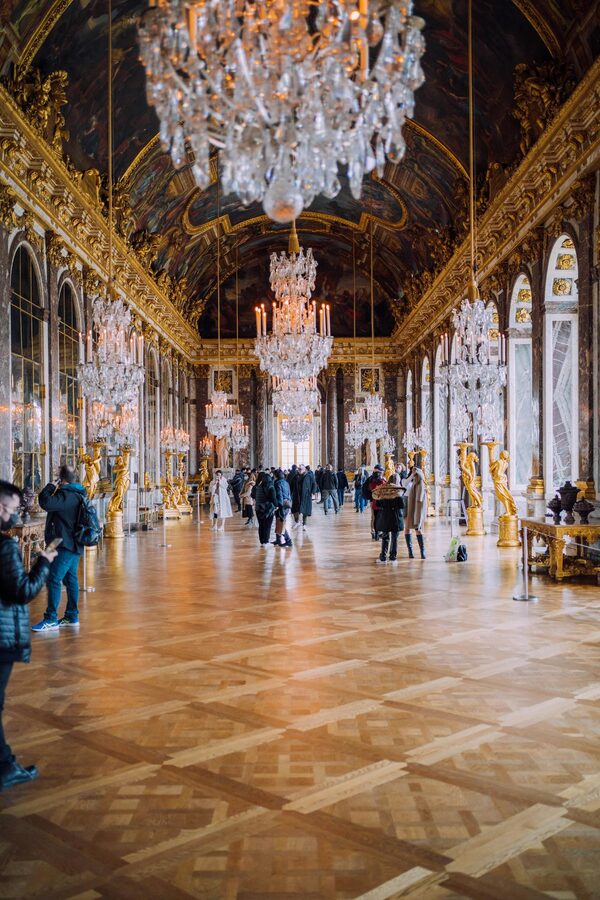
The collection rotates, so what you see depends on when you visit. Past exhibitions have covered Indian art, European jewellery, and cross-cultural artistic exchanges. The quality of the objects rivals the Louvre or the British Museum, but in a fraction of the space — you can see everything in 30-40 minutes, which prevents the museum fatigue that those bigger institutions inevitably cause.
The Musée de l’Orangerie: Five Minutes Away
The Orangerie sits in the western corner of the Tuileries garden, a 5-minute walk from the Hôtel de la Marine. It’s most famous for Monet’s eight massive Water Lilies panels, displayed in two oval rooms that were designed specifically for them. The effect is immersive — the paintings curve around you, floor-to-ceiling, and the natural light from the ceiling changes them throughout the day. In the morning, the colours are cool and blue. In the afternoon, they warm to gold and amber.
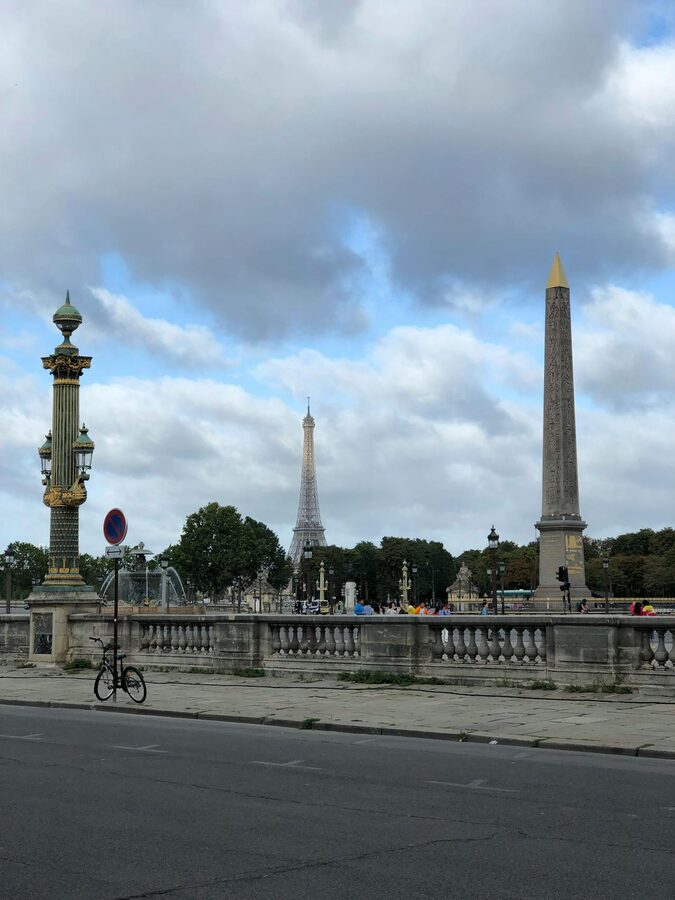
Beyond Monet, the basement houses the Walter-Guillaume collection — Cézanne, Renoir, Matisse, Picasso, Modigliani, and others. At $12, the Orangerie is one of the best-value museum visits in Paris. Combined with the Hôtel de la Marine ($15), you get two world-class experiences for $27 — less than a single ticket to Versailles.
The Conciergerie: 15 Minutes on Foot
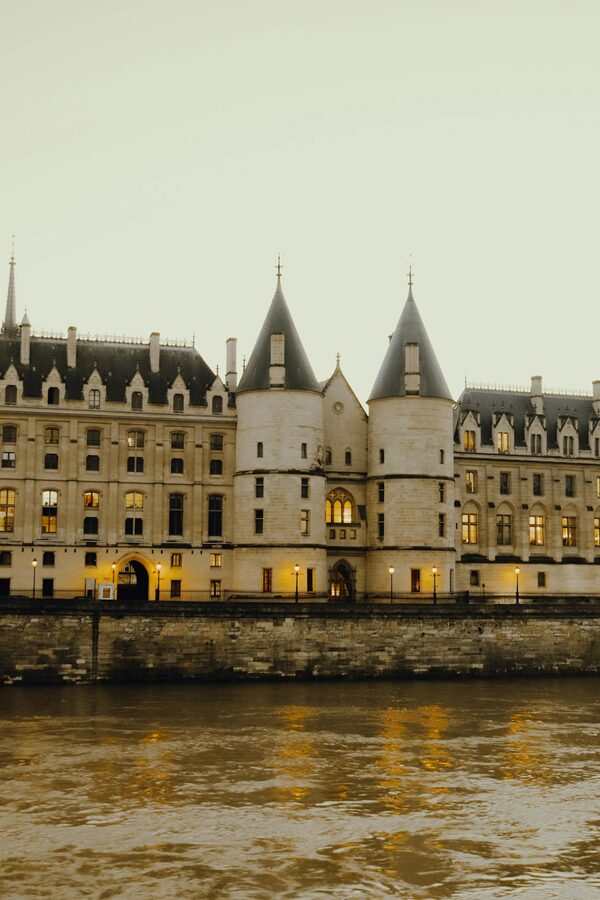
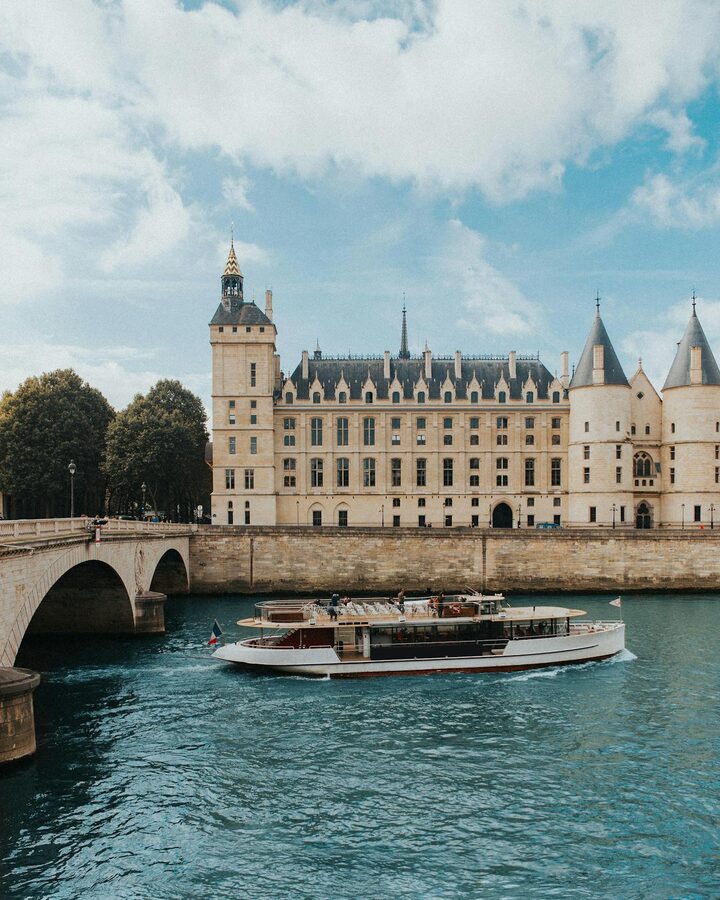
Walking east along the Seine from the Place de la Concorde brings you to the Île de la Cité and the Conciergerie — the medieval palace turned Revolutionary prison where Marie Antoinette spent her final days. The Histopad (an augmented reality tablet included in the $15 ticket) overlays 3D reconstructions of the medieval and Revolutionary-era rooms onto the actual spaces, showing you what they looked like when they were full of prisoners, guards, and judges.
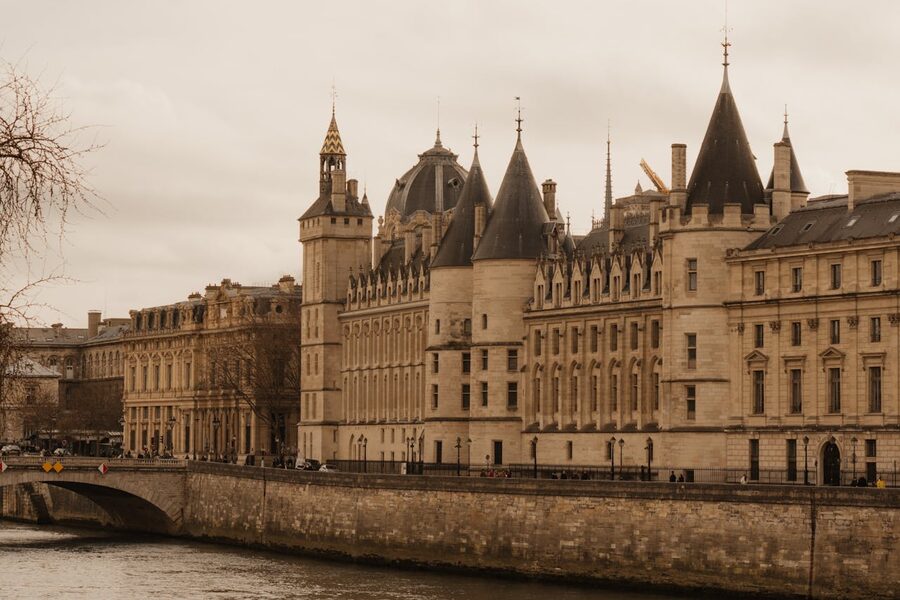
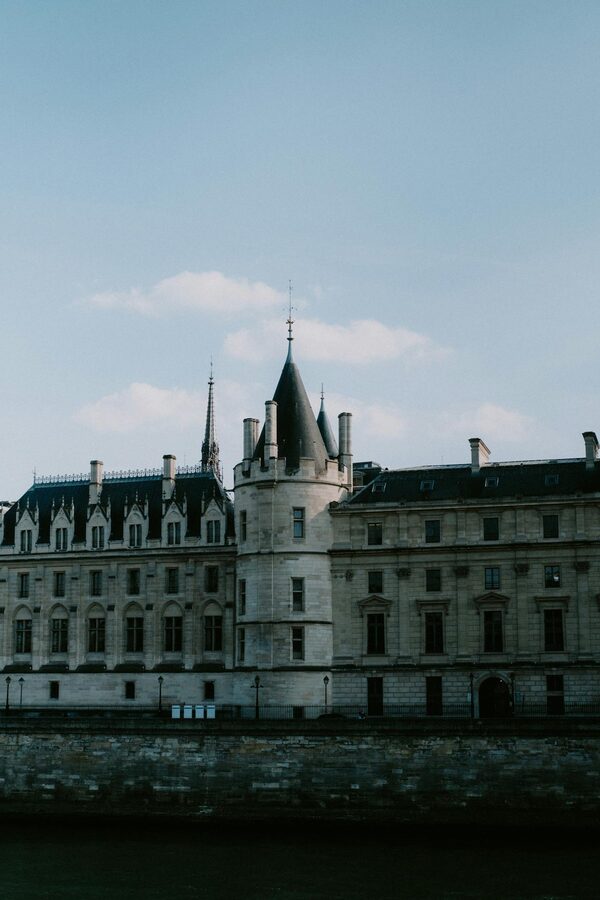
The Conciergerie held over 2,700 prisoners during the Terror, of whom about 2,600 were sent to the guillotine. The visit takes about 60-90 minutes and is one of the most emotionally powerful museum experiences in Paris — especially after visiting the Hôtel de la Marine, which shows you the world the Revolution destroyed.
Best Tickets to Book
1. Hôtel de la Marine Entry Ticket — $15
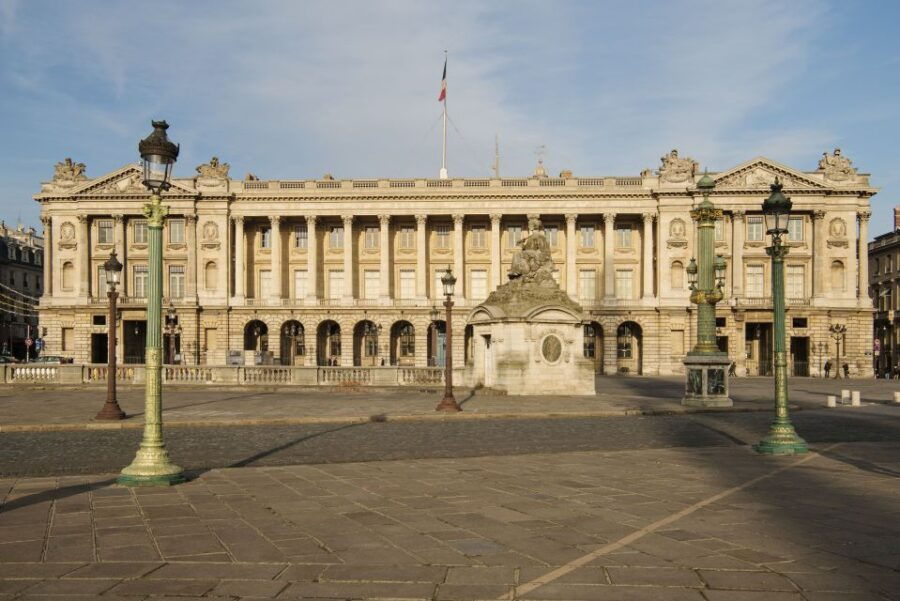
The main event. A €130 million restoration of an 18th-century naval palace, with immersive audio, gilded rooms, the Al Thani art collection, and a loggia overlooking the Place de la Concorde. At $15 it’s one of the best-value cultural experiences in Paris — cheaper than the Louvre, less crowded than Versailles, and arguably more beautiful than both on a room-by-room basis. Our review covers the full route, the audio experience, and why this is rapidly becoming one of Paris’s must-visit attractions.
2. Musée de l’Orangerie — $12

Five minutes from the Hôtel de la Marine, the Orangerie houses Monet’s monumental Water Lilies in two purpose-built oval rooms, plus a strong Impressionist and Post-Impressionist collection. The $12 ticket with reserved entry avoids the queue that builds by mid-morning. Our review covers the best time to visit for optimal light in the Water Lilies rooms and what to see downstairs.
3. Conciergerie with Histopad — $15
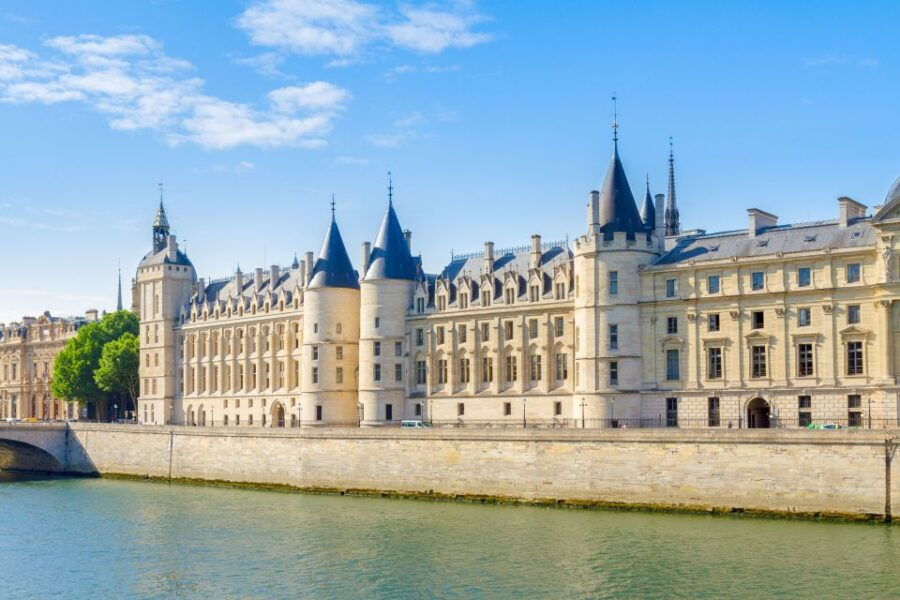
A 15-minute walk from the Hôtel de la Marine, the Conciergerie is the dark counterpart to the Marine’s gilded optimism. Marie Antoinette’s prison, the Revolutionary tribunal’s courtroom, and one of the oldest Gothic halls in Paris — all enhanced with augmented reality that shows what the spaces looked like when they were full of guards, prisoners, and the doomed. Our review covers the Histopad technology and whether it adds genuine value or is just a gimmick (spoiler: it adds value).
Practical Tips
Opening hours: The Hôtel de la Marine is open daily 10:30am–7pm (until 9:30pm on Fridays). The last entry is 75 minutes before closing. The Orangerie is open 9am–6pm, closed Tuesdays. The Conciergerie is open 9:30am–6pm daily.
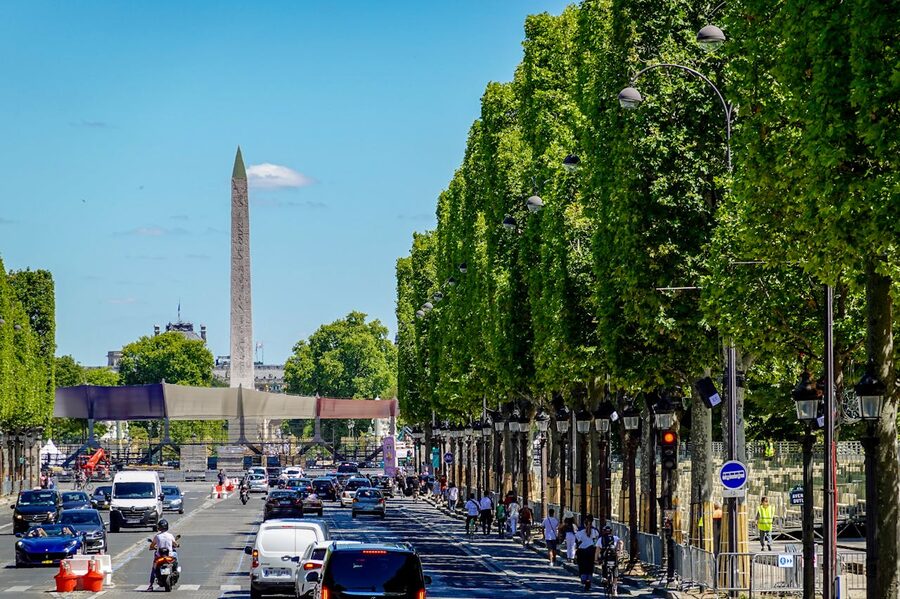
The three-venue morning: Start at the Orangerie when it opens at 9am (quietest time for the Water Lilies). Walk to the Hôtel de la Marine at 10:30am. Finish at the Conciergerie by early afternoon. Total: about 4 hours, $42 in tickets, and three of Paris’s best museums without the Louvre-level crowds.
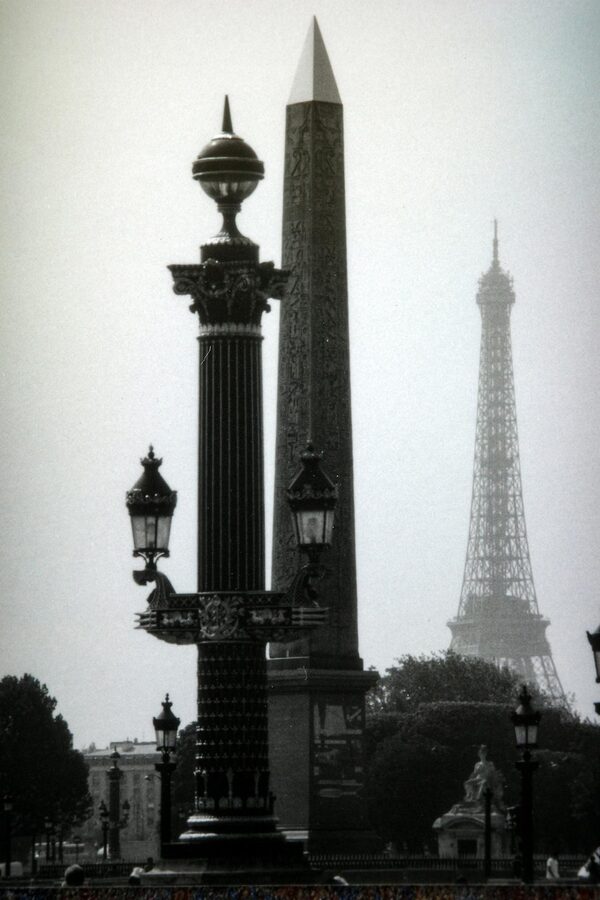
Getting there: Métro Concorde (Lines 1, 8, 12) puts you right on the square. From the Champs-Élysées, it’s a 10-minute walk. From the Louvre, 15 minutes through the Tuileries. The area is also well-served by bus lines.
Booking: All three venues accept walk-ups, but the Orangerie and the Hôtel de la Marine get busy at weekends. Booking online guarantees your slot and usually lets you skip the ticket queue. The Conciergerie rarely has a significant wait.
Budget: Hôtel de la Marine ($15) + Orangerie ($12) + Conciergerie ($15) = $42 for three world-class museums. Add lunch in the Tuileries (about €15-20 at the garden café) and you’ve had a full day of Paris culture for under €60. That’s less than the combined entry fees at most Paris landmarks and covers a wider range of history.
Where This Fits in Your Paris Trip
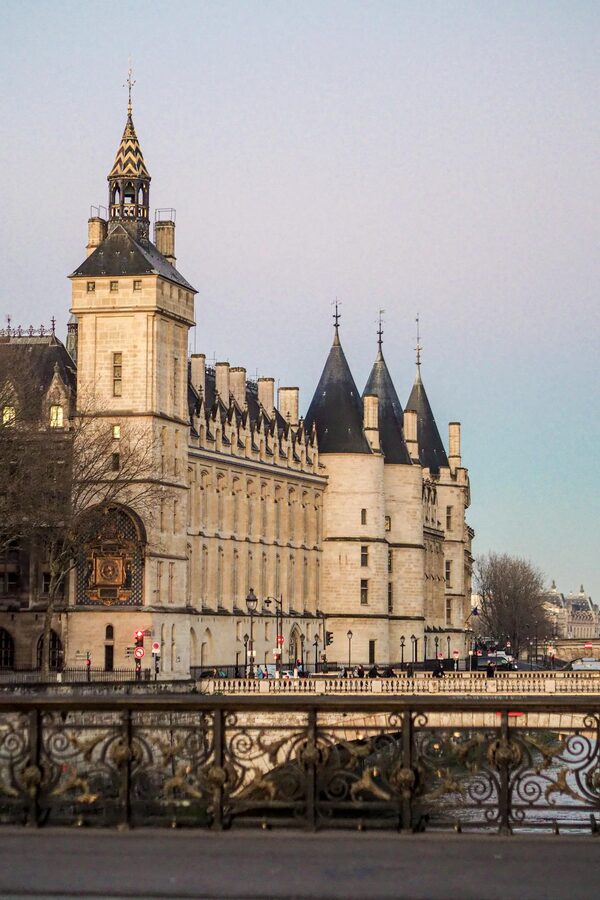
The Hôtel de la Marine pairs naturally with the nearby Orangerie Museum for a morning of art and architecture. The Notre Dame Cathedral is across the river from the Conciergerie and adds another layer to the historical narrative. For a different kind of 18th-century experience, the Opera Garnier shows what the same era of French design looks like when applied to a performance venue. And if the Revolution sparks an interest in Paris’s darker history, the night and ghost tours cover the streets where the events you read about actually happened.