
My friend dragged me to the Museum of Illusions on a rainy Tuesday because she’d seen it on TikTok. I went in expecting a glorified funhouse. I came out two hours later having accidentally learned things about visual perception that I still think about months later. That’s the thing about Paris’s weirder museums — the ones that sound like tourist traps are sometimes more memorable than the Louvre. Not better. Just more fun.
Paris has a growing cluster of museums that don’t fit the traditional mould. Immersive digital art shows that project floor-to-ceiling paintings onto every surface. Optical illusion rooms where gravity stops making sense. A Banksy exhibition in a converted theatre. A paradox museum designed to break your brain. None of them are in guidebooks yet. All of them are packed.
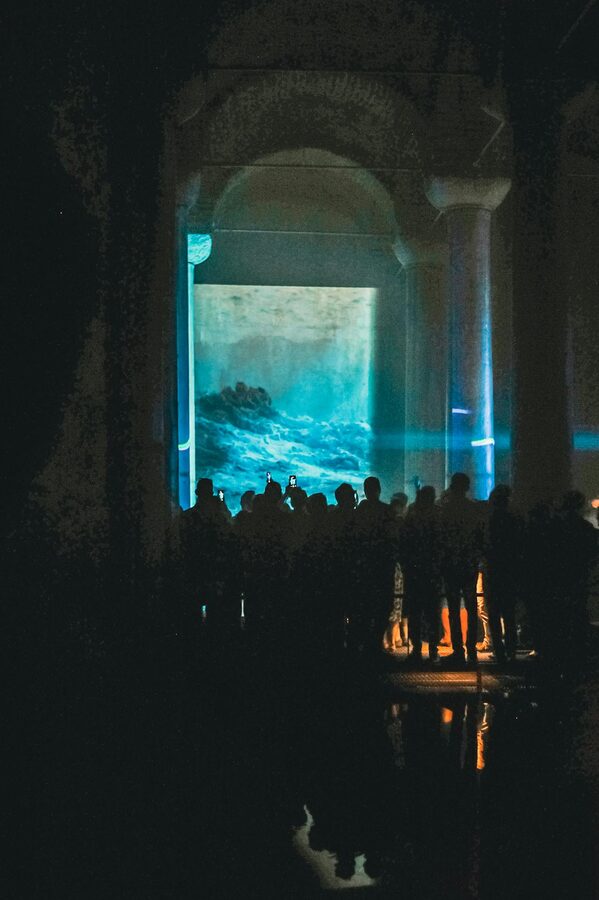
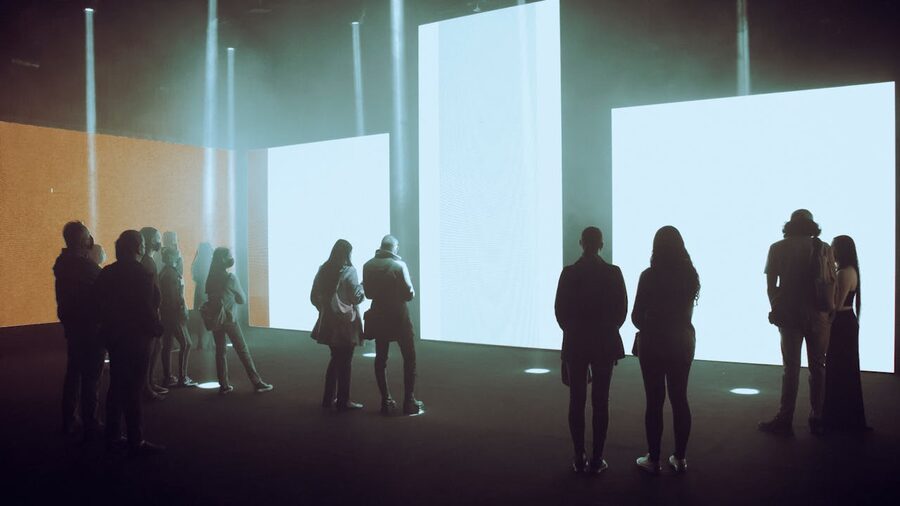
Best for families: Museum of Illusions — $22, about an hour, optical illusions and interactive rooms that kids go wild for.
Best for street art fans: The World of Banksy — $16, recreations and originals of the world’s most famous anonymous artist.
- Atelier des Lumières: The One Everyone’s Talking About
- Museum of Illusions: The Instagram Magnet
- Paradox Museum: The Newer Option
- The World of Banksy: Street Art Goes Indoors
- Best Tickets to Book
- 1. Museum of Illusions —
- 2. Paradox Museum —
- 3. The World of Banksy —
- 4. Atelier des Lumières — Varies
- Which One Should You Pick?
- Practical Tips
- Beyond the Big Four
- More Unusual Things to Do in Paris
Atelier des Lumières: The One Everyone’s Talking About
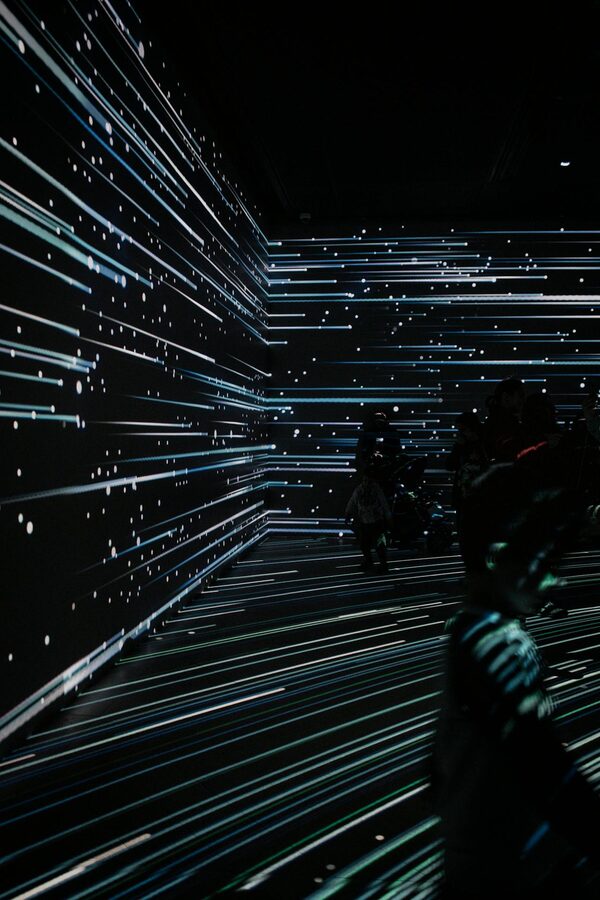
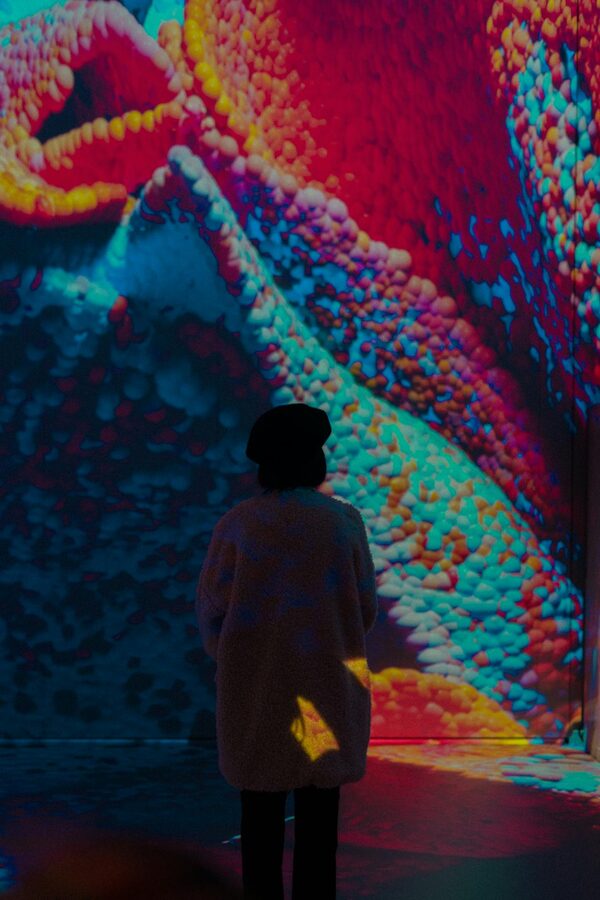
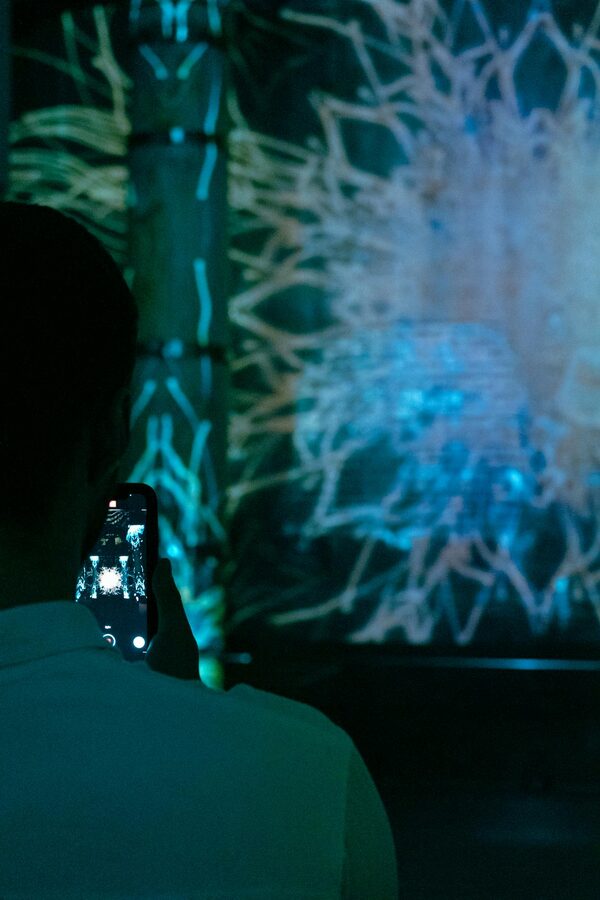
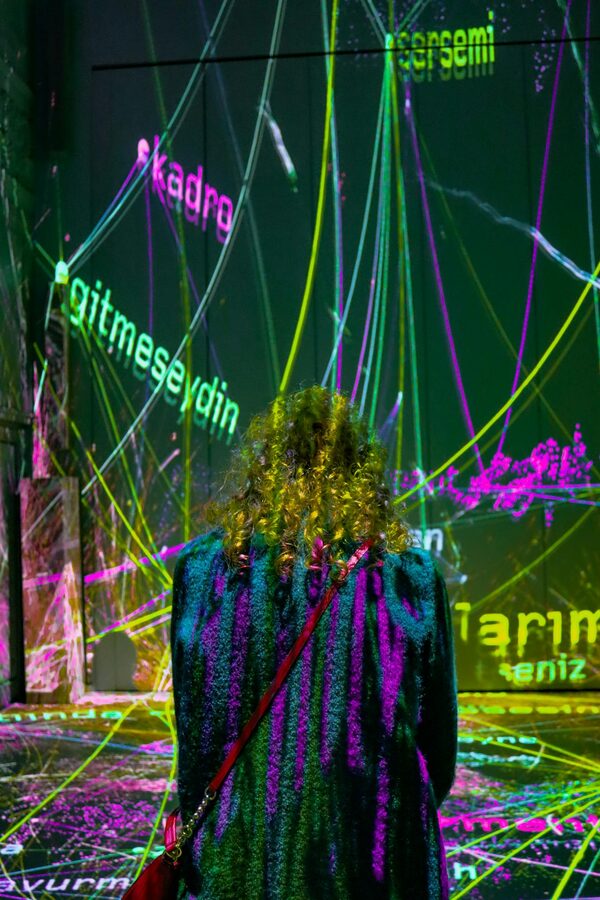
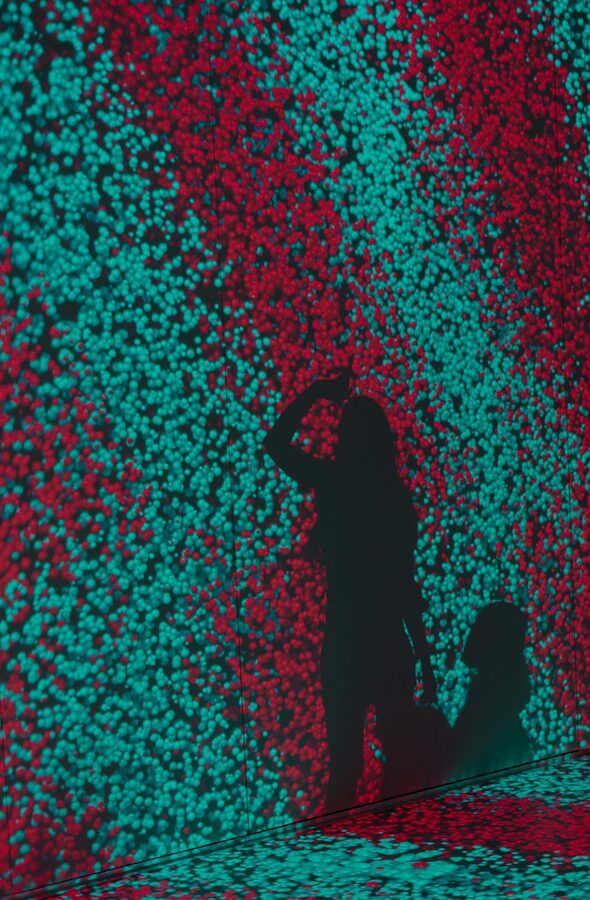
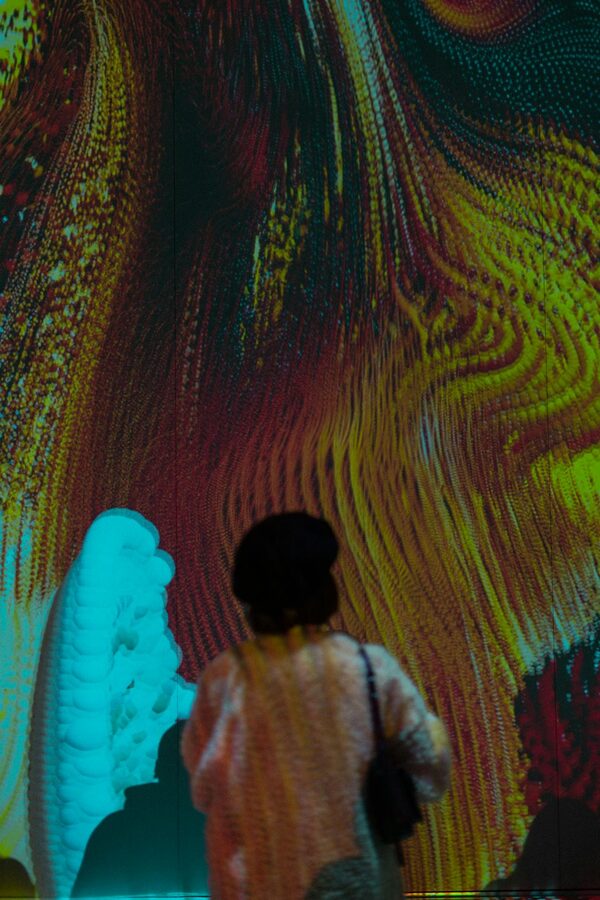
The Atelier des Lumières is a converted iron foundry in the 11th arrondissement that projects famous paintings onto every surface — walls, floors, columns, ceiling — set to music. You walk in and suddenly you’re standing inside a Van Gogh. Or a Klimt. Or whatever the current exhibition is. The show changes every year or two, and each one runs about 40 minutes on a continuous loop.
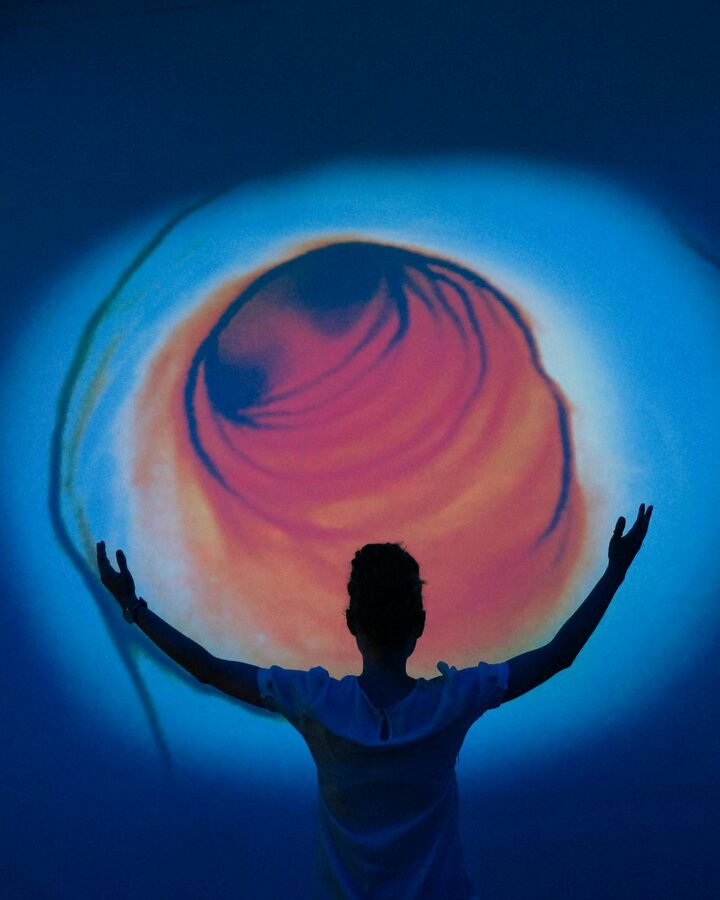
The current exhibition features The Little Prince — Antoine de Saint-Exupéry’s illustrations brought to life at massive scale, with the desert scenes, the fox, and the rose wrapping around you in a converted industrial space. It’s surprisingly emotional for something based on a children’s book. The accompanying short programme rotates and is usually worth staying for.
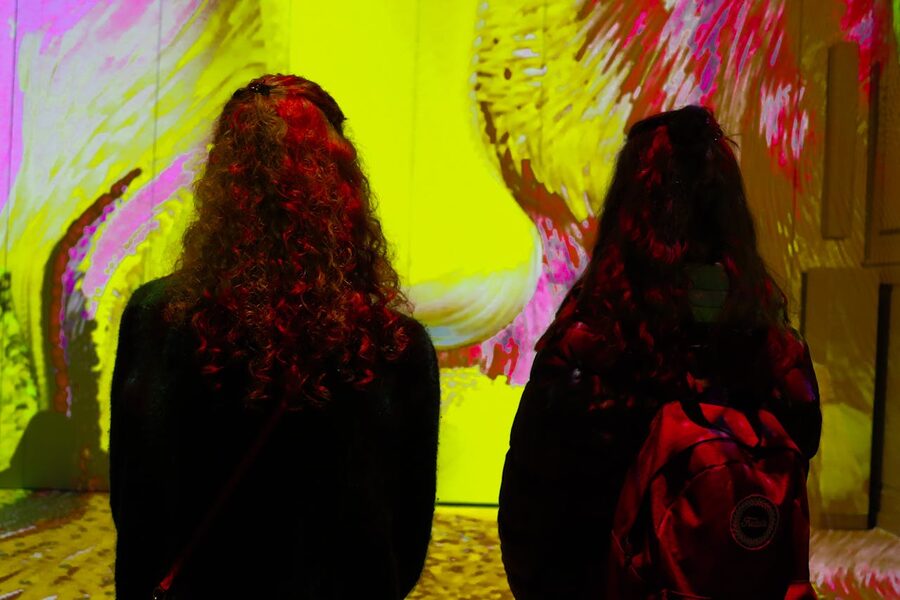
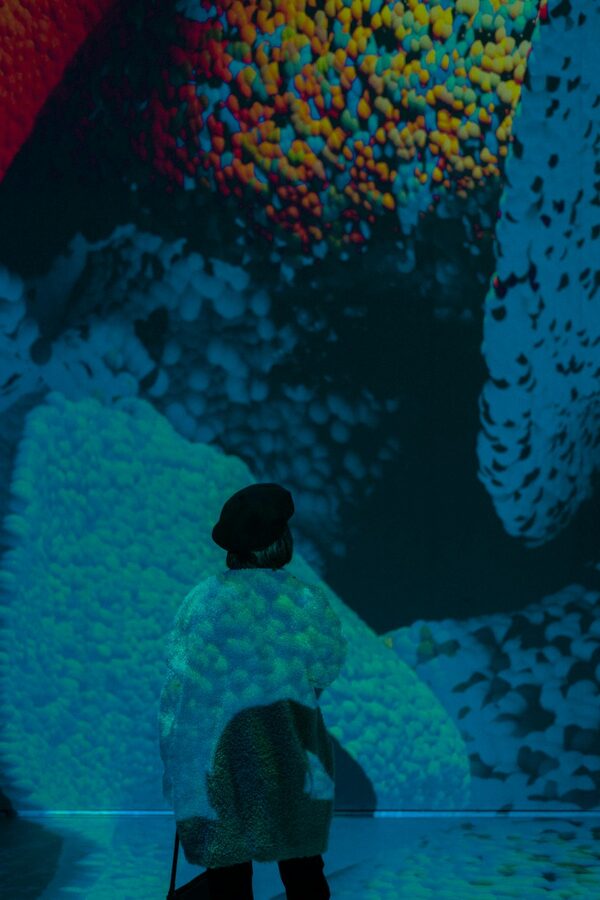
Tickets: Book online through the official site or GetYourGuide. Timed entry, usually in 30-minute slots. Weekday mornings are the least crowded. Weekend afternoons are sardine-tin territory. Shows change annually — check what’s on before booking.
Location: 38 Rue Saint-Maur, 11th arrondissement. Métro: Voltaire or Saint-Ambroise. It’s in a neighbourhood that’s good for lunch — plenty of bistros and cafés along Rue Oberkampf nearby.
Museum of Illusions: The Instagram Magnet
Let me be honest: this is the most touristy option on the list. The Museum of Illusions is a franchise that exists in cities worldwide, the rooms are designed for social media photos, and the whole thing takes about an hour. But it’s also genuinely entertaining, especially with kids or a group of friends who don’t take themselves seriously.
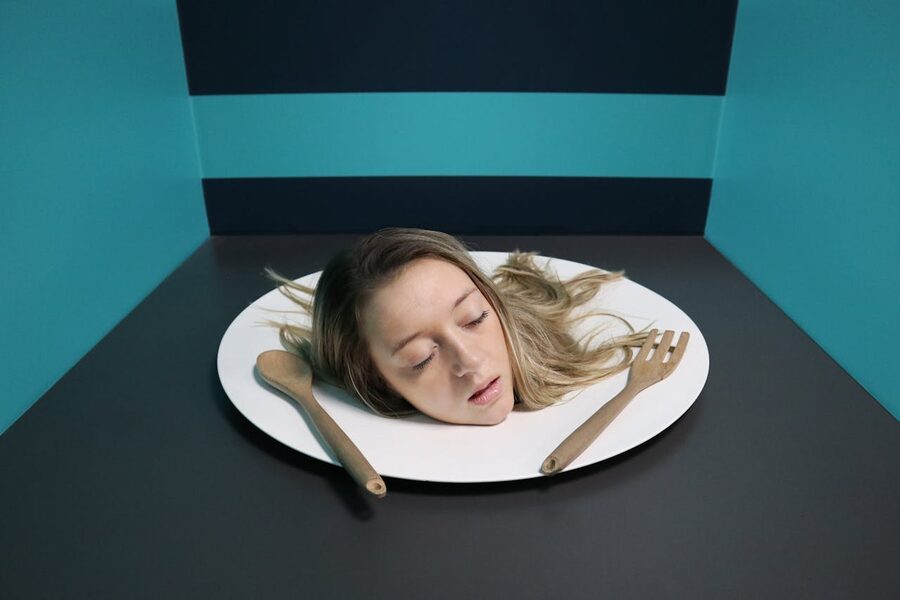
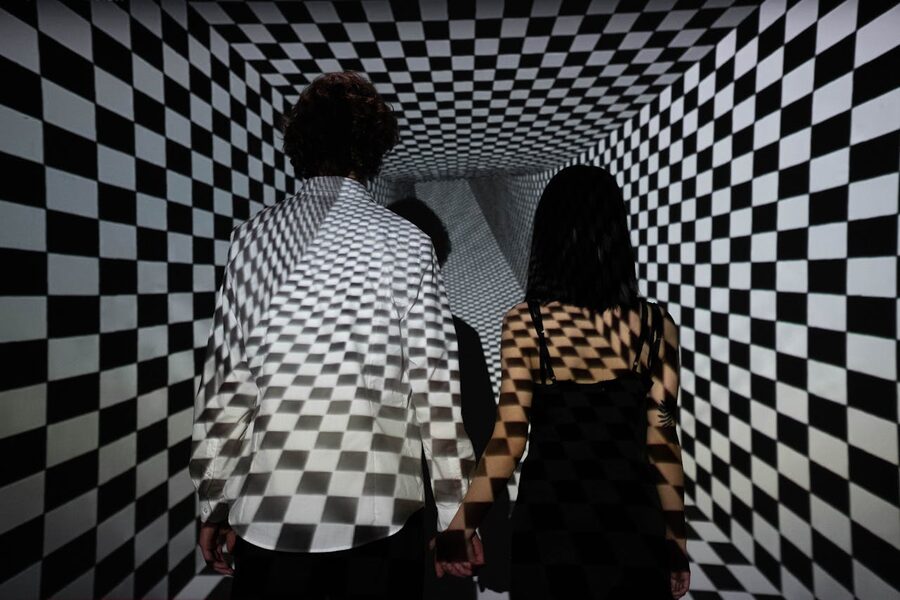
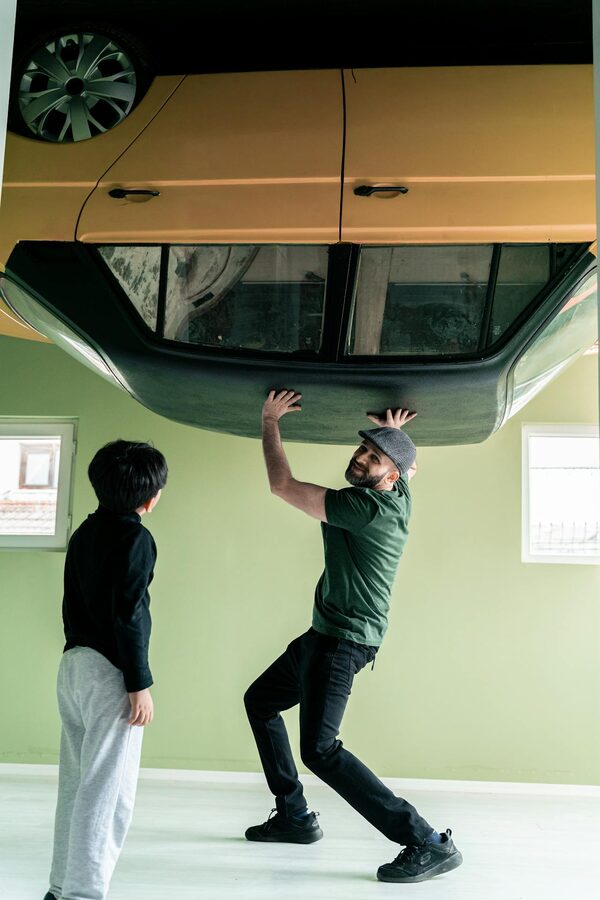
The exhibits include rooms that make you look giant or tiny, a rotating cylinder that convinces your brain you’re falling, tilted rooms where water appears to flow uphill, and plenty of 2D murals designed for trick photos. It’s silly, it’s fun, and it works regardless of language or age.
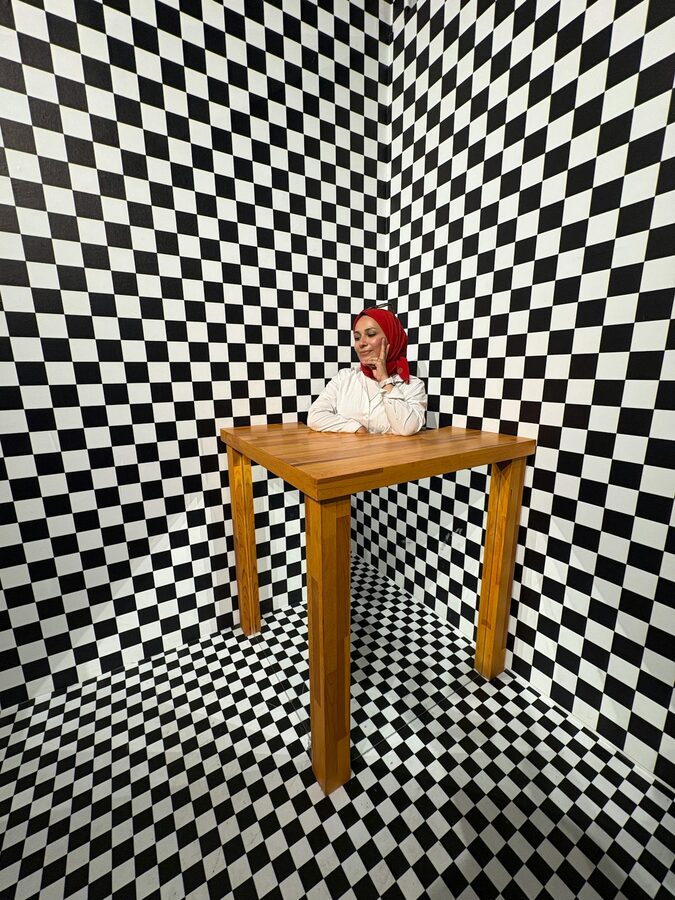
The 3.0 rating is lower than the other options here, and that’s mostly down to expectations. People who go expecting a museum leave disappointed. People who go expecting a playful hour of optical tricks have a great time. Set your expectations accordingly — this is fun, not profound.
Tickets: $22 at the door or through Viator. No timed entry, just show up. Visit early or late to avoid queues — the lunch-hour rush is real. Allow about an hour.
Location: 98 Rue Saint-Denis, 1st arrondissement. Walking distance from Les Halles and the Pompidou Centre, which makes it easy to pair with other things.
Paradox Museum: The Newer Option
The Paradox Museum is similar in concept to the Museum of Illusions but more polished. It opened more recently, the design feels more contemporary, and the exhibits lean harder into the science behind the illusions rather than just the photo ops. It also costs more — $34 vs $22 — which is a fair premium for the better production values.
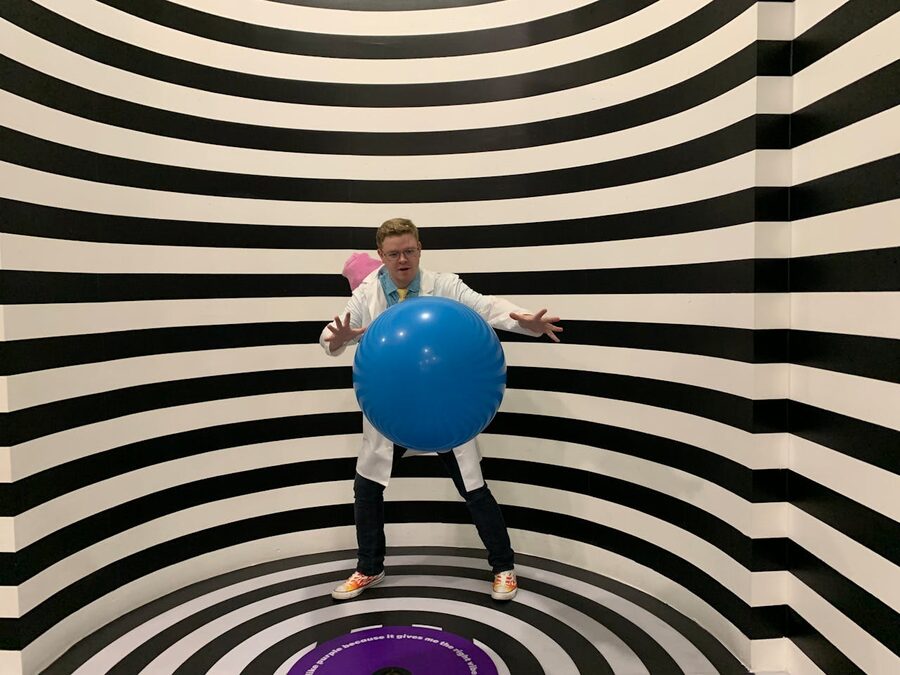
At 4.2 stars across 919 reviews, it rates significantly higher than the Museum of Illusions. The exhibits are larger, the explanations are better, and the overall flow through the space feels more curated. It also takes longer — about 90 minutes vs one hour — which means you’re getting more for your money even at the higher price point.
Tickets: $34, bookable through GetYourGuide with timed entry. Allow about 90 minutes. Weekday mornings are quieter.
Location: Near Opéra in the 9th arrondissement. Good area for combining with the Galeries Lafayette rooftop (free) and a wander through the covered passages nearby.
The World of Banksy: Street Art Goes Indoors
This is not a Banksy-approved exhibition — the anonymous artist has no connection to it. But it’s a well-executed collection of recreations and some originals, installed in a converted theatre space that gives the work more impact than most gallery settings. If you know Banksy’s work, you’ll see the familiar images — Girl with Balloon, Flower Thrower, the shredded painting — presented at scale with context about when and why each piece was created.
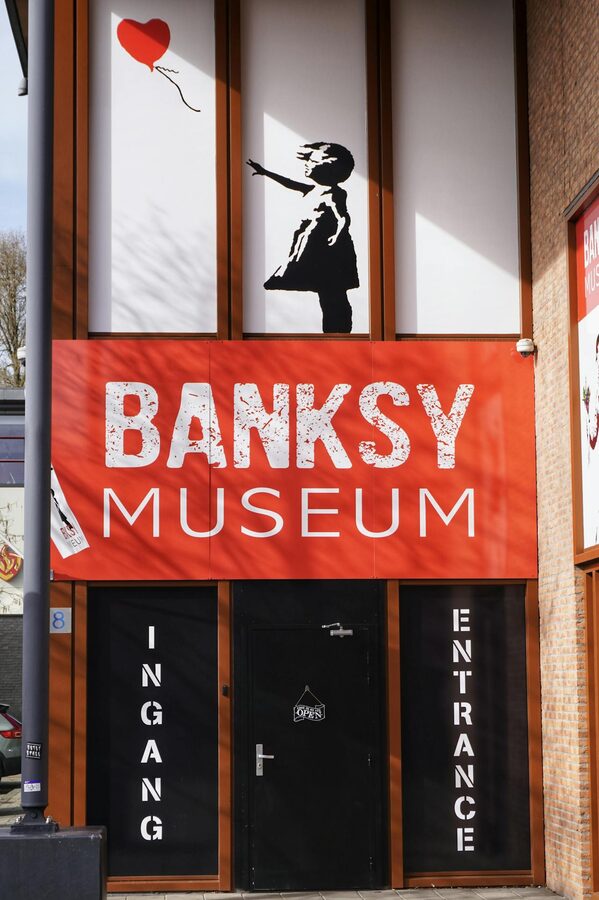
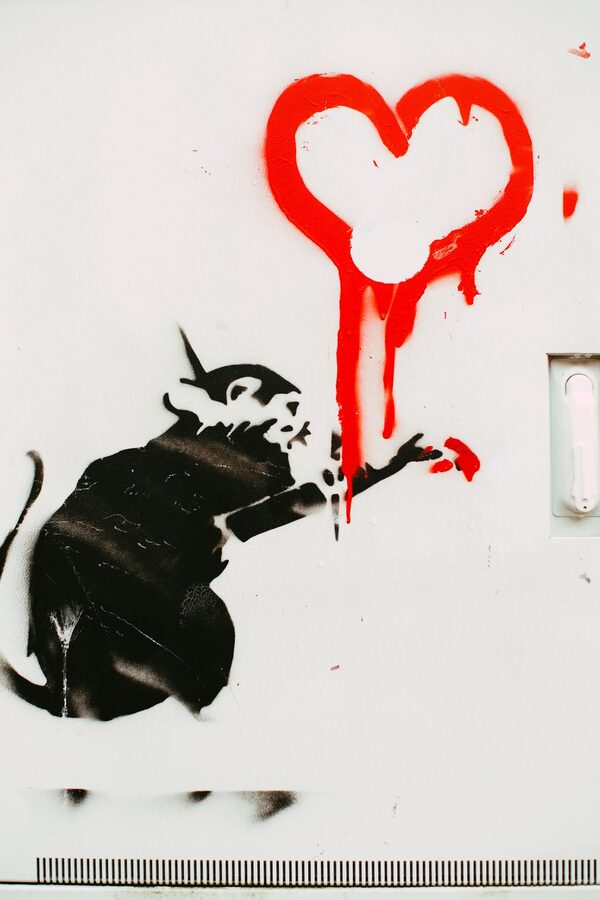
The 4.4 rating across 783 reviews is solid for what’s essentially an unauthorised retrospective. The criticism in the reviews tends to come from people who expected more original pieces (it’s mostly recreations) or who wanted it to be bigger. Both are fair points. But for $16, it’s well worth an hour, especially if you’re interested in street art or want to understand why a guy painting walls became the most famous artist of his generation.
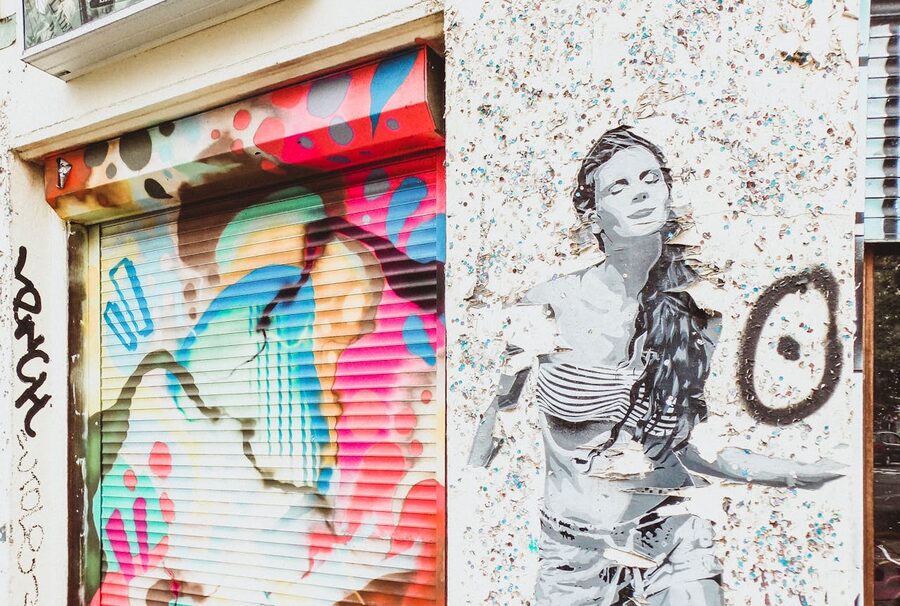
Location: 44 Rue du Faubourg Montmartre, 9th arrondissement. Close to the Paradox Museum, which makes it easy to do both in an afternoon.
Best Tickets to Book
Here are the four main options ranked. I’ve focused on the ones with the most reviews and strongest value — each serves a different mood and audience.
1. Museum of Illusions — $22
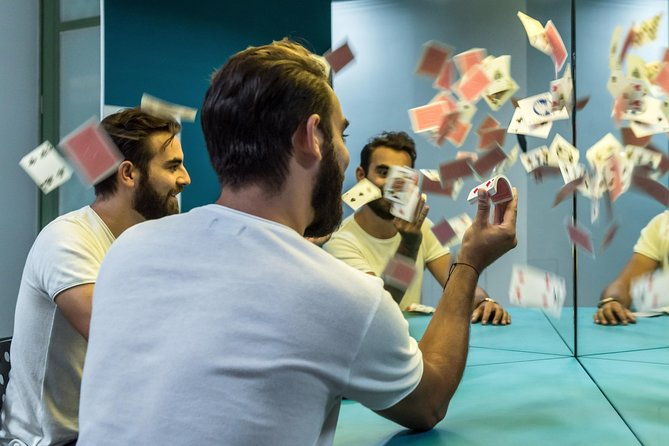
The original and most-visited option. An hour of optical illusions, trick rooms, and physics demos that work for any age group. The 3.0 rating reflects inflated expectations rather than a bad experience — go for fun, not education, and you’ll have a good time. Our review covers every room and whether the kids-vs-adults experience differs.
2. Paradox Museum — $34
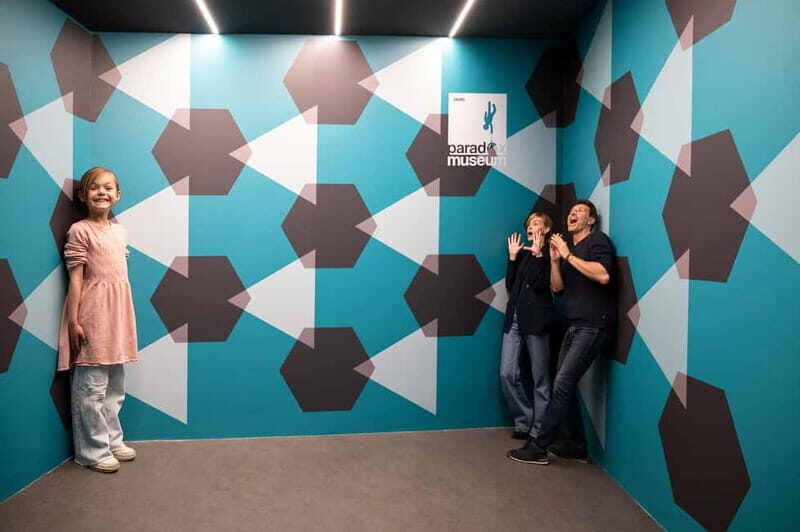
The premium option for illusion museums. Better designed exhibits, more science behind the tricks, and a longer experience (90 minutes vs one hour). It costs $12 more than the Museum of Illusions but the higher ratings and longer visit time justify it. Our review compares both museums side by side, which is helpful if you’re choosing between them.
3. The World of Banksy — $16
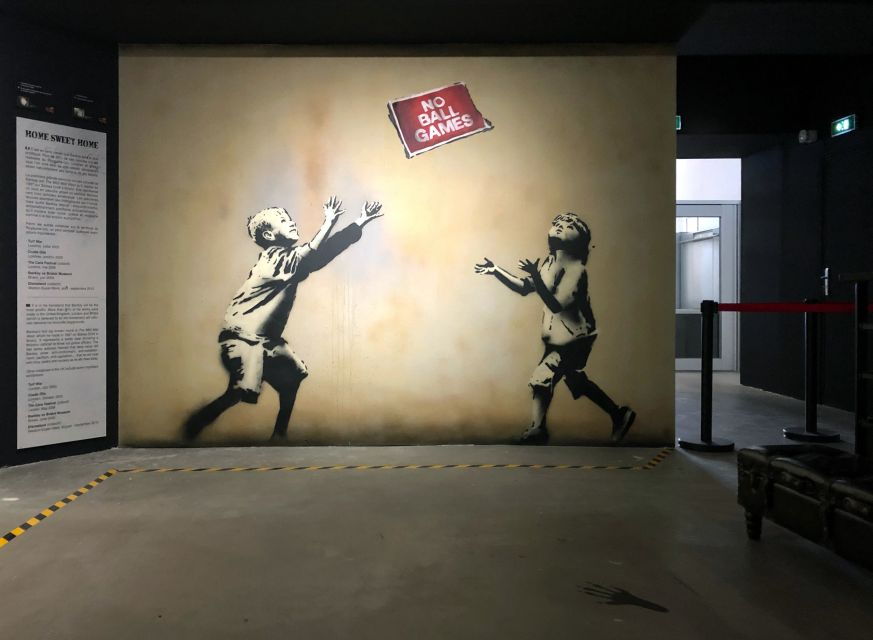
Completely different from the illusion museums — this is art with a political edge, presented in a converted theatre space. At $16, it’s the best value here and the one I’d recommend to anyone who wants something more substantial than trick photos. Our review covers the exhibition layout and which sections are worth the most time — the recreated street scenes are the highlight.
4. Atelier des Lumières — Varies
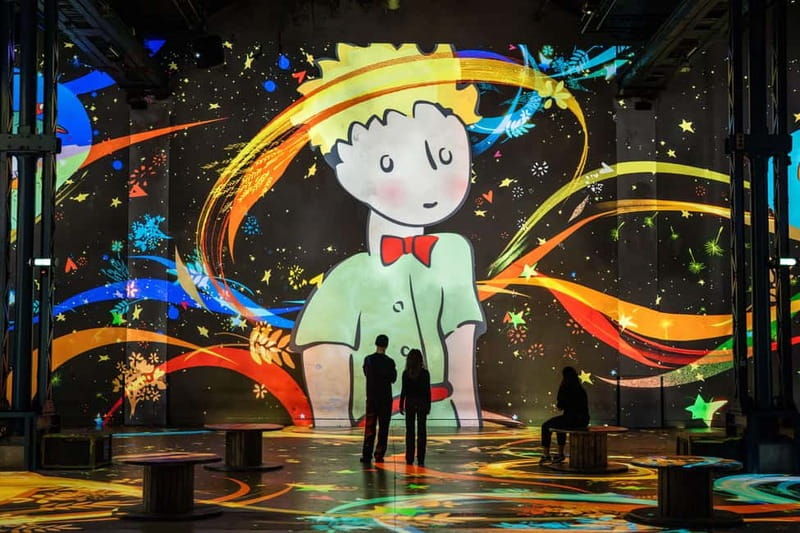
The flagship immersive art experience in Paris. The exhibitions rotate annually, and each one transforms the entire space into something new. The current Little Prince show is mesmerising, especially for anyone who grew up with the book. Ticket prices vary by exhibition — book through the official site or through our review page which has the latest pricing and what to expect from the current show.
Which One Should You Pick?
It depends on what kind of experience you want.
For families with kids: Museum of Illusions. It’s interactive, physical, and kids don’t need to understand art theory to enjoy it. The rooms are simple enough for young children and fun enough for teenagers. Budget about an hour.
For couples or friends: Paradox Museum or Atelier des Lumières. The Paradox Museum is the better photo-op option. The Atelier is the more moving experience. Both work for dates.
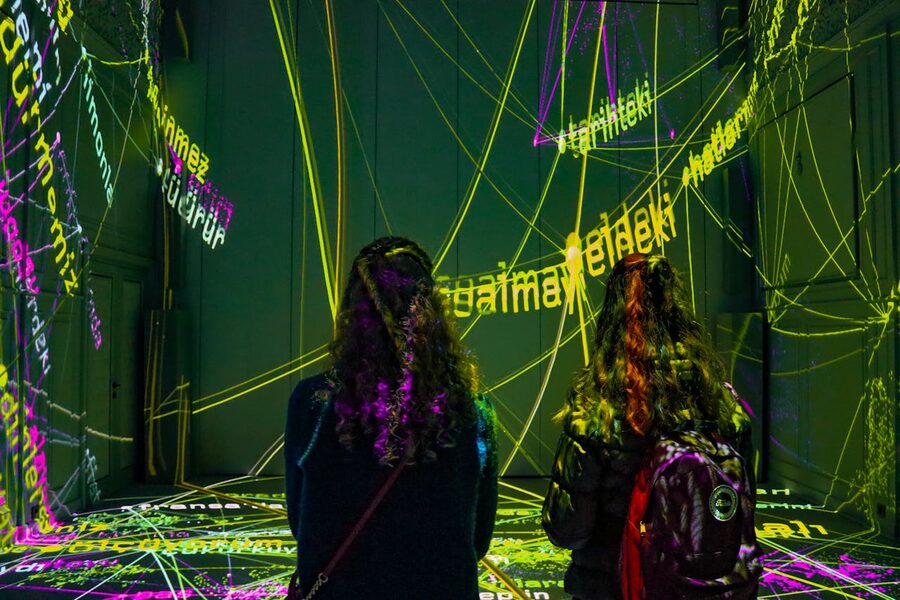
For art people: The World of Banksy first, then the Atelier des Lumières. The Banksy show has actual artistic substance and context. The Atelier has technical ambition. Together they cover a range from street art to digital art that traditional galleries can’t match.
For rainy days: Any of them. This is their secret weapon — every option on this list is indoors, air-conditioned, and takes 1-2 hours. They’re the perfect Paris Plan B when the weather turns grey.
Practical Tips
Booking: The Atelier des Lumières requires advance booking with timed entry — don’t show up hoping to walk in. The others accept walk-ins but booking online saves queue time, especially at weekends.
Timing: Weekday mornings are less crowded everywhere. The Museum of Illusions is busiest at lunchtime (travelers between morning and afternoon sightseeing). The Atelier is worst on weekend afternoons. The Banksy show is relatively quiet because fewer travelers know about it.
Combining visits: The World of Banksy and the Paradox Museum are both in the 9th arrondissement, within walking distance of each other. Do both in an afternoon. The Museum of Illusions near Les Halles pairs well with the Pompidou Centre (which has its own kind of controlled chaos). The Atelier des Lumières is near Père Lachaise, so a morning among the graves followed by an afternoon inside a light show makes a genuinely memorable day.
Beyond the Big Four
Paris has more offbeat museums than any city deserves. The Musée des Arts Forains (fairground museum) in Bercy is a private collection of vintage carousels and carnival games that you can actually ride — but it only opens for special events and private tours. The Musée de la Chasse et de la Nature (hunting and nature museum) in the Marais is a deliberately unsettling mix of taxidermy, contemporary art, and dark humour. The Musée des Vampires in Les Lilas is run from a private home by a single eccentric collector — by appointment only, in French, and completely unhinged.
None of these smaller museums have the review volume or booking infrastructure of the four main options, but they’re worth knowing about if you’ve done the big ones and want to go deeper into Paris’s stranger corners.
More Unusual Things to Do in Paris
If quirky museums are your thing, you’ll probably enjoy some of Paris’s other less-conventional attractions too. The Père Lachaise Cemetery is right next to the Atelier des Lumières and is one of the most atmospheric places in the city — a guided tour through the famous graves is a genuine highlight. The Orangerie Museum is technically a traditional gallery but the oval Water Lilies rooms feel almost as immersive as the digital exhibitions. For something completely different, cooking and baking classes let you get hands-on with French food culture in ways that a restaurant meal can’t. And if you haven’t already, the newly reopened Notre Dame is the kind of overwhelming visual experience that no projector can replicate.