
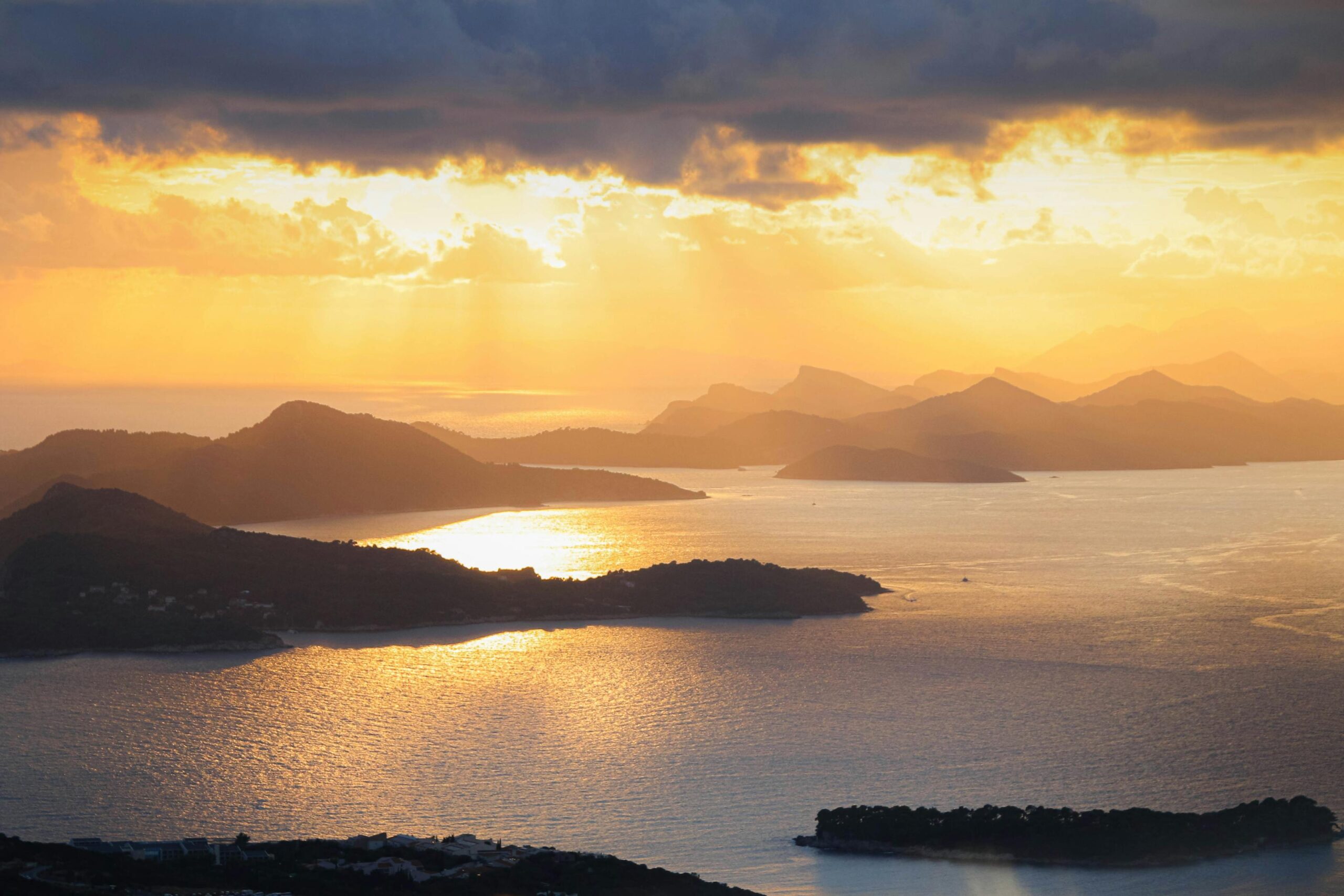
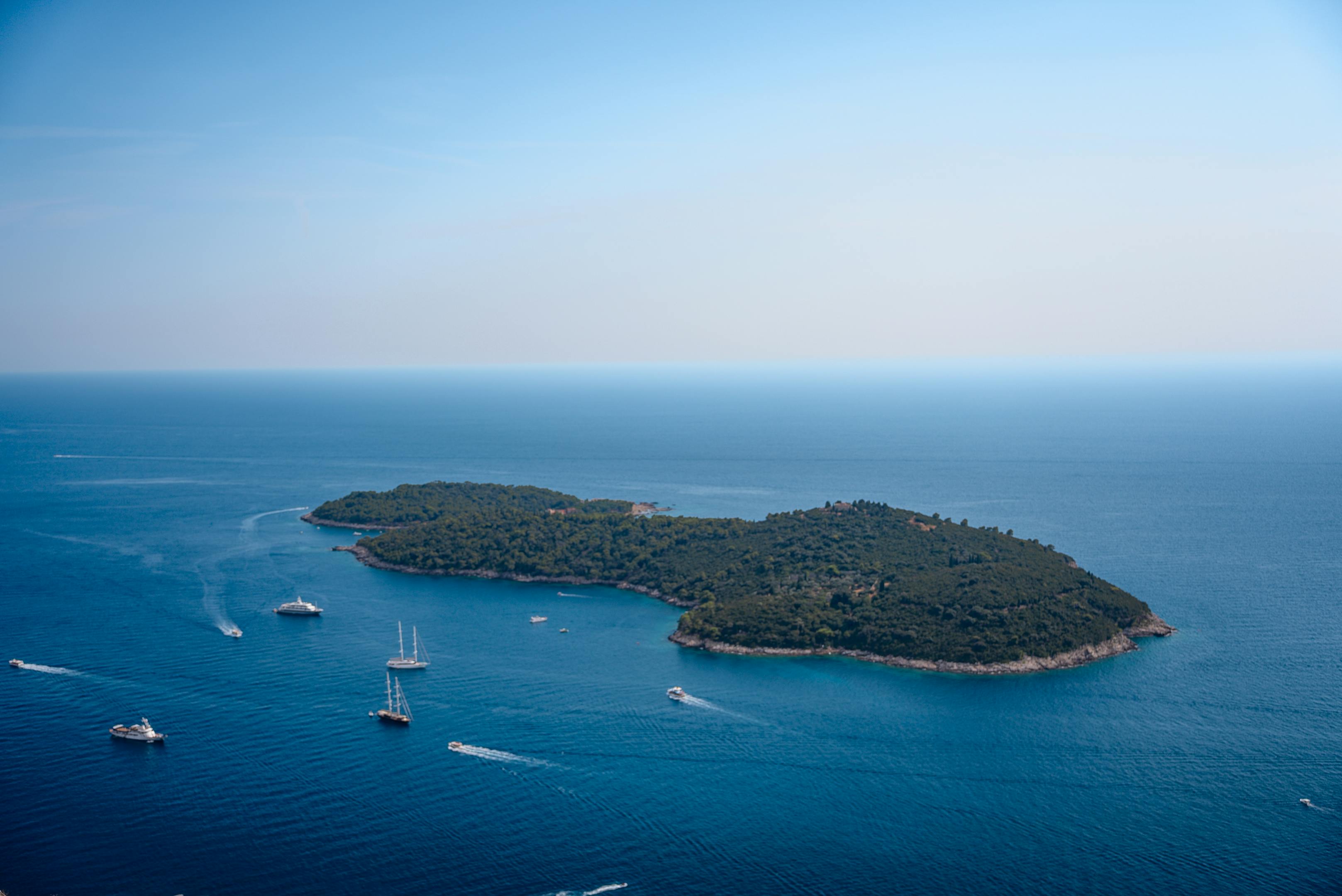
The Elaphite Islands are Dubrovnik’s best-kept open secret. They’re right there — you can see them from the old city walls, a short ferry ride off the coast — but most first-time visitors to Dubrovnik never set foot on one. That’s partly because the city itself is so overwhelming (UNESCO walls, Game of Thrones tourism, cable car queues) that it monopolizes attention, and partly because the Elaphites don’t have the marketing machine behind them that Hvar and Korčula do. But the three inhabited Elaphite islands — Lopud, Koločep (sometimes Kalamota), and Šipan — are essentially car-free, slow-paced, and surrounded by the clearest water in the Adriatic. A day cruise gets you to all three, and it’s one of the best things you can do from Dubrovnik.
- Quick Pick: Best Elaphite Islands Cruises from Dubrovnik
- What Makes the Elaphites Different from Hvar or Korčula
- The 4 Best Elaphite Islands Cruises Reviewed
- 1. Full-Day Dubrovnik Elaphite Islands Cruise with Lunch and Drinks
- 2. Dubrovnik: Elaphite Island Cruise with Drinks & Optional Lunch
- 3. Dubrovnik: Elaphiti Islands Luxury Pirate Ship Cruise
- 4. Dubrovnik: Full-Day Blue Cave & Elaphiti Islands Boat Tour
- Lopud: The Standout Island
- Koločep & Šipan: The Other Two Islands
- Historical Context: Ragusa’s Maritime Empire
- Practical Tips for Your Cruise
- More Croatia Guides Worth Reading
Quick Pick: Best Elaphite Islands Cruises from Dubrovnik
💰 Best value: Elaphite Island Cruise with Drinks & Optional Lunch — 4,517 reviews. Same three islands, optional add-on lunch instead of included, cheaper ticket price, great for travelers who’d rather eat ashore on Lopud.
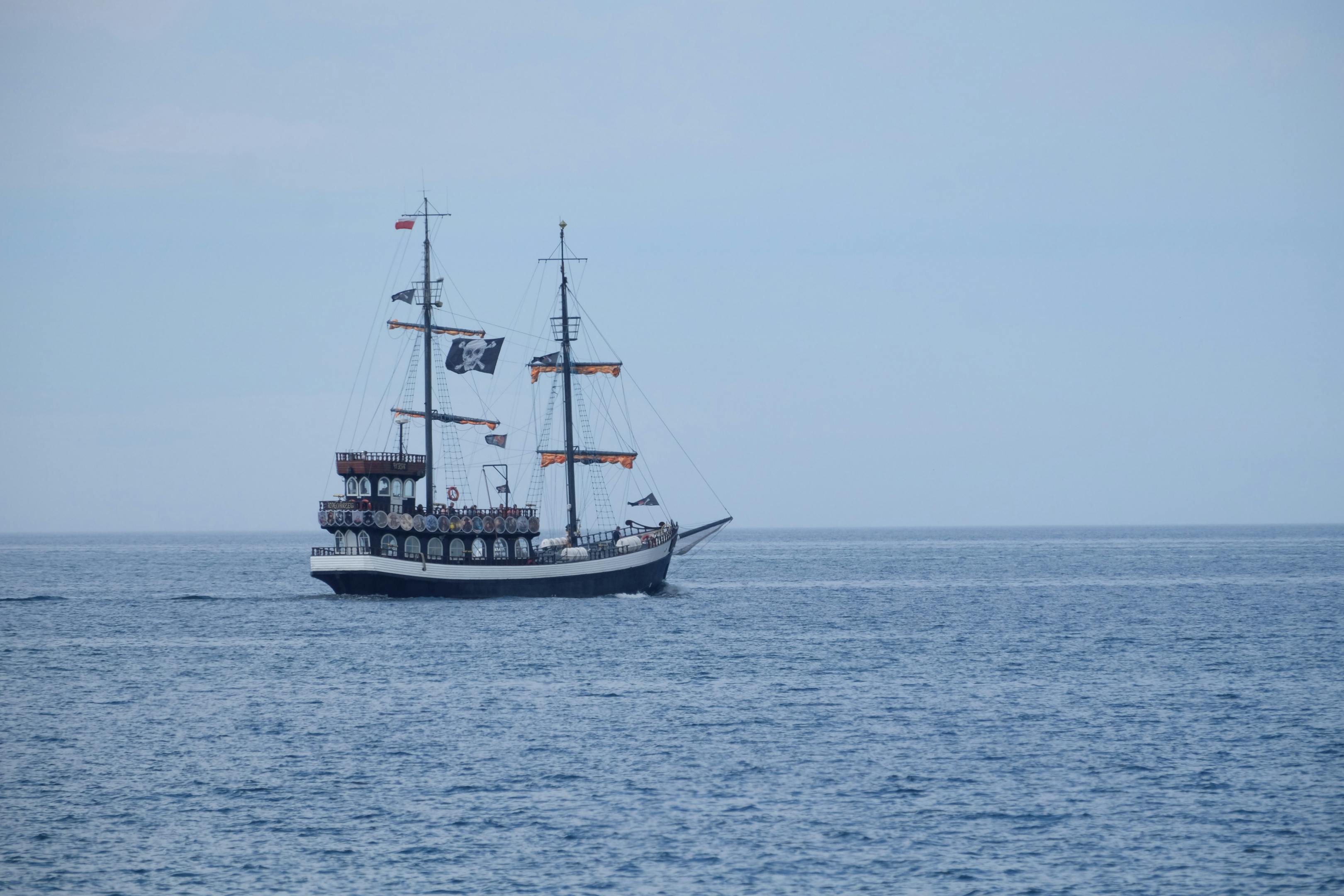
🏴☠️ Most memorable: Elaphiti Islands Luxury Pirate Ship Cruise — 669 reviews. A proper multi-mast wooden ship rather than a motor cruiser, with honey and olive oil tasting stops on the islands.
🔵 Best combo: Full-Day Blue Cave & Elaphiti Islands — 624 reviews. Combines the blue cave and Elaphite islands in a single 8-hour day for travelers who want maximum variety.
What Makes the Elaphites Different from Hvar or Korčula
Here’s the honest pitch: the Elaphite Islands aren’t trying to be anything. Hvar has its nightlife scene. Korčula has its Marco Polo origin story and the medieval walled town. The Elaphites have tiny villages, stone churches, dirt paths between fig trees, and beaches where at 5:00 PM there’s nobody left but a handful of swimmers and a fisherman hauling in his nets. They’re what Croatia looks like when you subtract the tourism industry — or more accurately, they’re what Croatia looked like in 1975 and somehow still looks now.
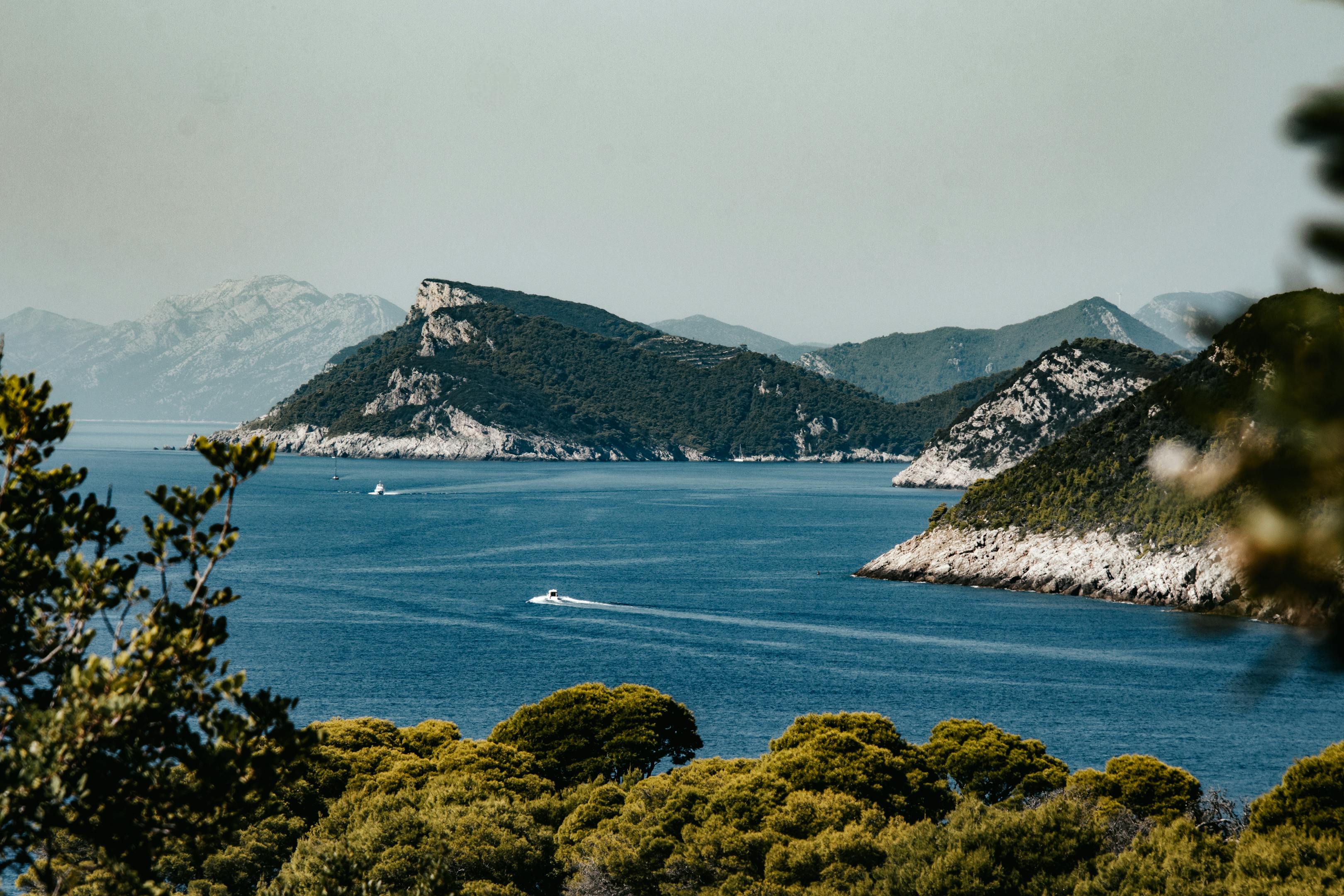
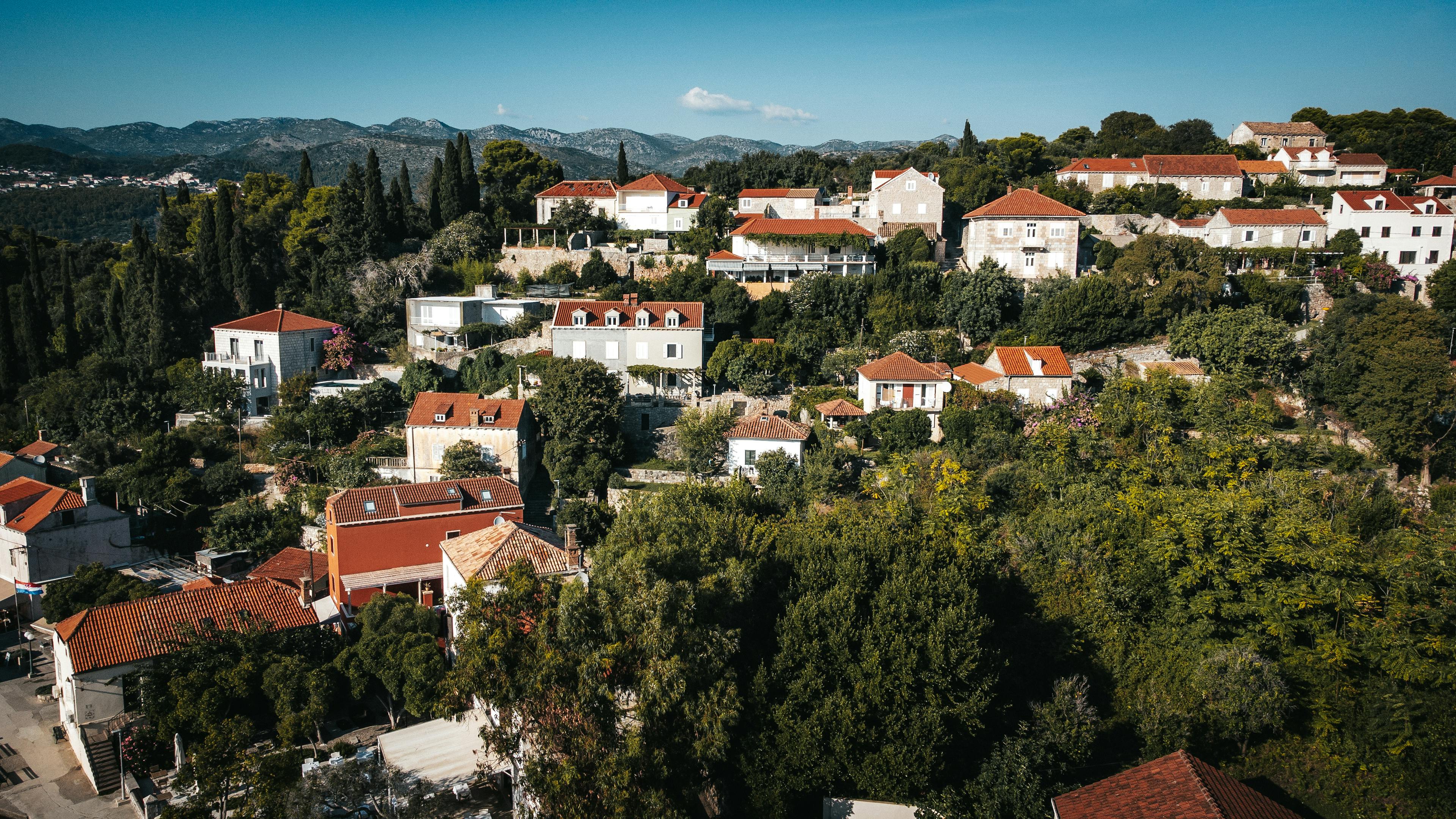
Three of the thirteen islands are inhabited: Lopud (around 220 residents), Koločep (around 150), and Šipan (around 400). All three are effectively car-free — Lopud and Koločep have zero cars at all, and Šipan has a handful of service vehicles but no rental cars and no taxis. You walk everywhere, and “everywhere” is never more than 30 minutes across the inhabited portion. This car-free quality transforms the experience. You can walk down a lane on Lopud at noon and hear crickets and wind in the olive trees. You cannot do that on Hvar in July.
The 4 Best Elaphite Islands Cruises Reviewed
1. Full-Day Dubrovnik Elaphite Islands Cruise with Lunch and Drinks
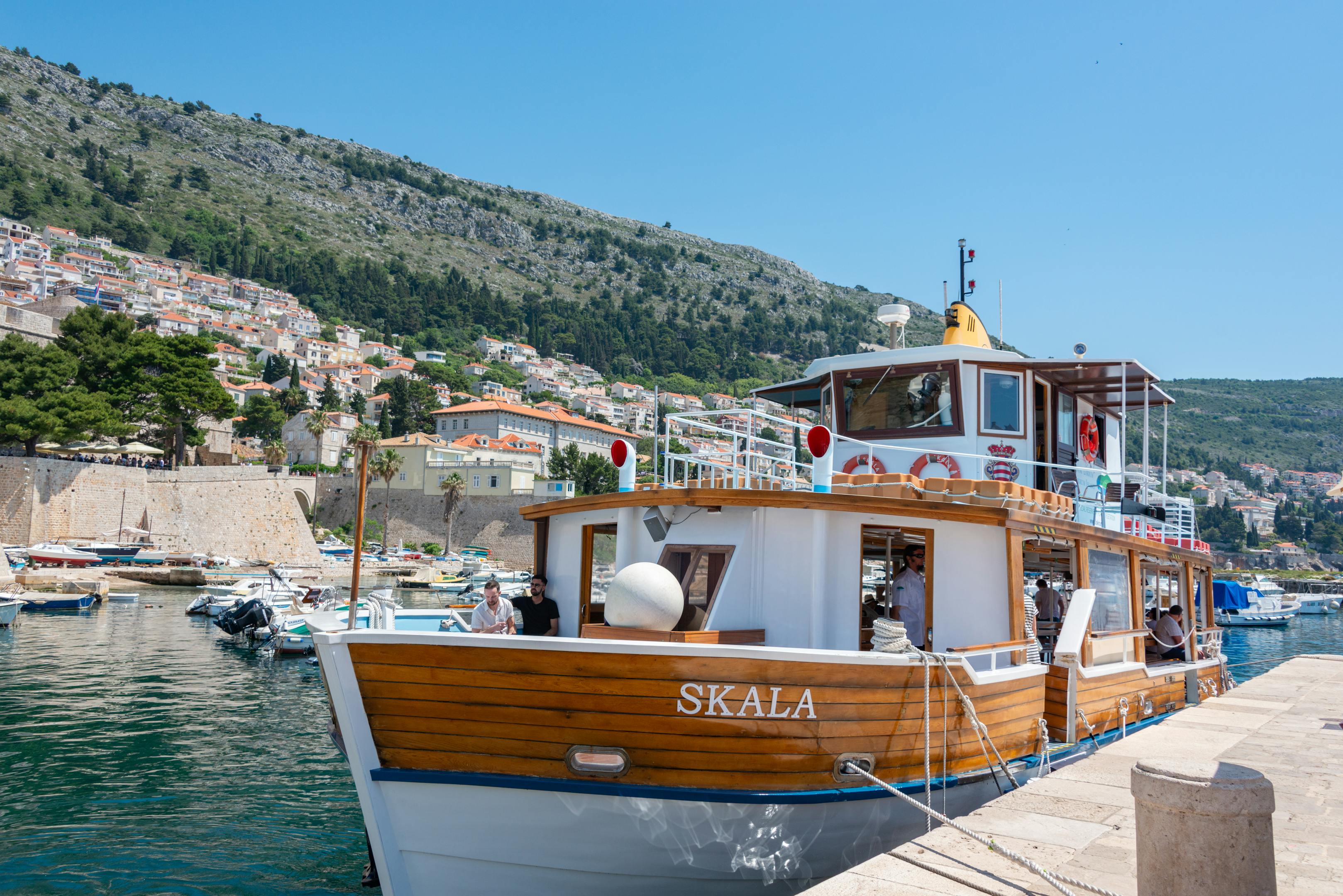
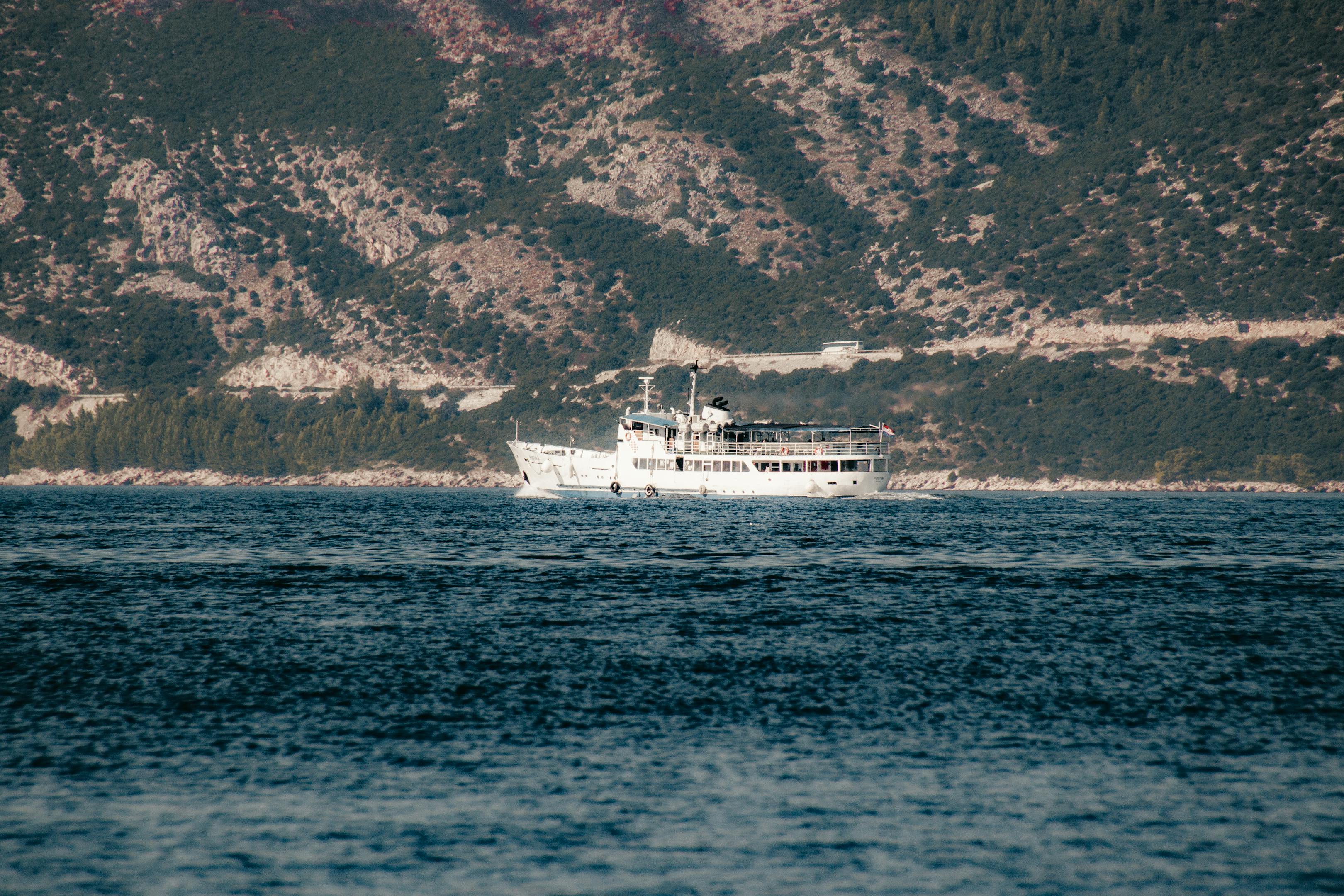
This is the classic Elaphite Islands cruise — and with nearly 9,000 reviews, it’s also the most-booked boat tour from Dubrovnik by a significant margin. The format is straightforward: you board in Dubrovnik’s Gruž harbor (north of the old town) around 9:30 AM, stop at each of the three islands in sequence with enough time at each for a walk ashore, eat lunch on board during transit, and return around 5:30 PM. The final stop is the longest — about three hours — and usually at Lopud, which has the best beach for a proper swim.
The lunch is the thing everyone talks about. The standard offering is grilled fresh fish (usually sea bream or sea bass), a Dalmatian potato salad, bread, and unlimited house wine from the open bar. Reviewers repeatedly note that the fish portion is generous — the kind of generous where you stop eating because you’ve had too much, not because you’ve run out. The open bar starts after the first island stop, usually around 11:00 AM, which means by the time you’re lounging on Lopud in the afternoon you’re also agreeably loose-limbed and in no hurry to leave. Guides like Emily get called out specifically for keeping the top deck social and ensuring nobody gets lost during the quick island walks.
“Amazing experience! Sat on the top deck with my family (group of 6) & had the best time with Emily as our guide! Started the morning off with some traditional shots & made our way through the beautiful islands. The open bar (white wine & local liquor) was just enough to keep the party going & the lunch was more than enough food!”
“This is a super fun day. You stop at three different islands and get to check out each one. At the last one there is enough time to go to a beautiful beach for a couple of hours. The crew is very friendly and helpful and the lunch is delicious. A definite must when you are in Dubrovnik!”
2. Dubrovnik: Elaphite Island Cruise with Drinks & Optional Lunch
Same general itinerary as the top-booked cruise — same three islands, same pickup from Gruž harbor, similar timing — but priced lower because lunch is a separate add-on instead of included. For travelers on a budget, or for anyone who’d prefer to eat at a proper restaurant on one of the islands rather than on a boat, this is the better choice. Lopud in particular has a handful of genuinely good family-run konobas (taverns) where you can get a fresh catch meal for less than the cruise lunch upgrade costs.
The staff get strong repeat praise in the reviews — multiple guests call out guides by name as “super nice” and “the perfect” reason the tour works even in shoulder season when some islands have quieter vibes. A heads-up from multiple reviewers: in late October and November, many of the beach restaurants and small village shops on the islands close for the season. If you’re traveling then and planning to eat ashore, book the included lunch on board instead — there’s no guarantee you’ll find anywhere open on arrival.
“Had a great full day tour visiting three islands! Even though it was the off season and lots of places were closed on the islands, the nature was beautiful. I would highly recommend this tour – the value for the money is excellent!”
“The perfect acticity you can choose! The staff members were just so nice with all of us, and it’s was a pleasure to have a day with them! The boat is super clean, and we had an amazing time visiting the islands!”
3. Dubrovnik: Elaphiti Islands Luxury Pirate Ship Cruise
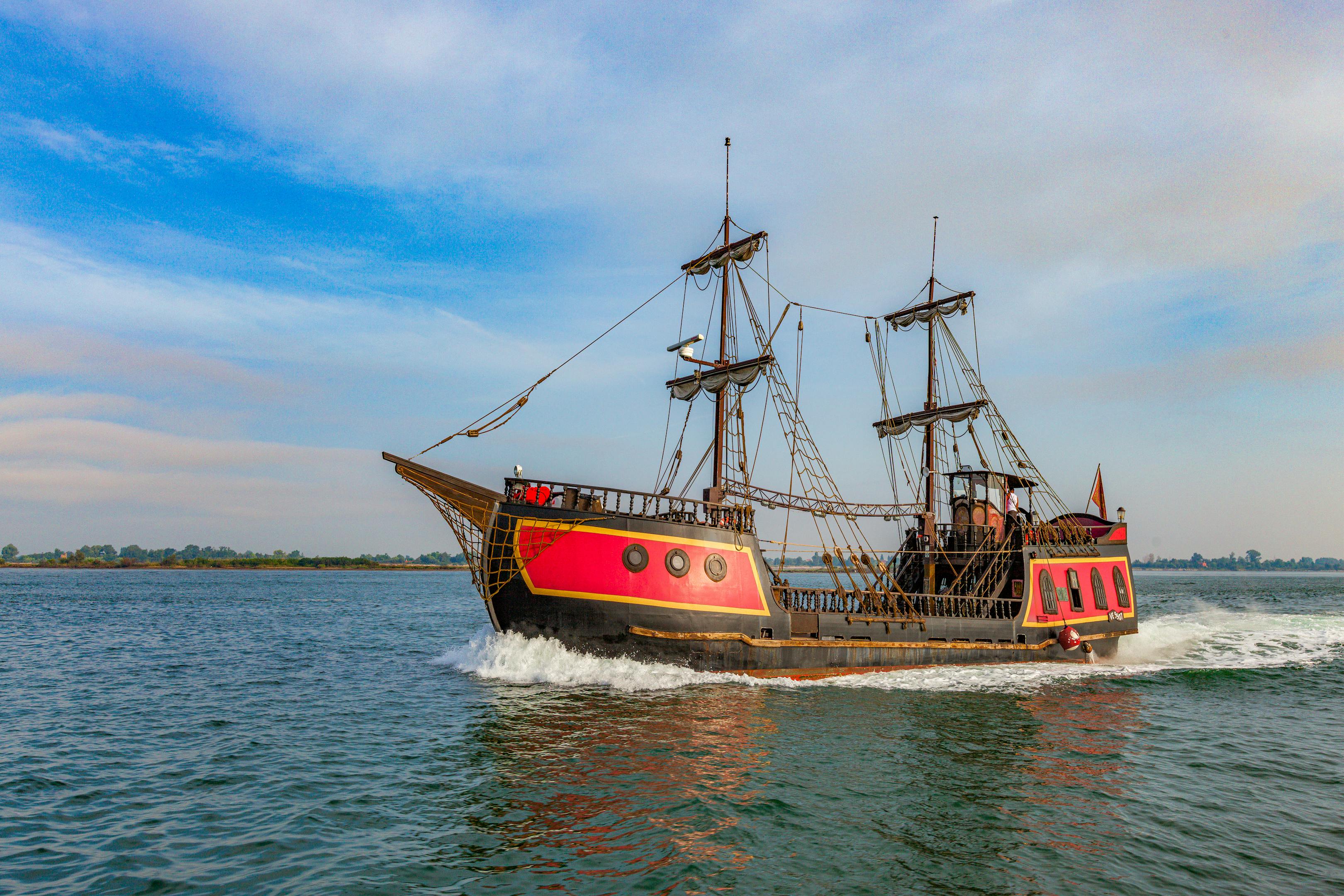
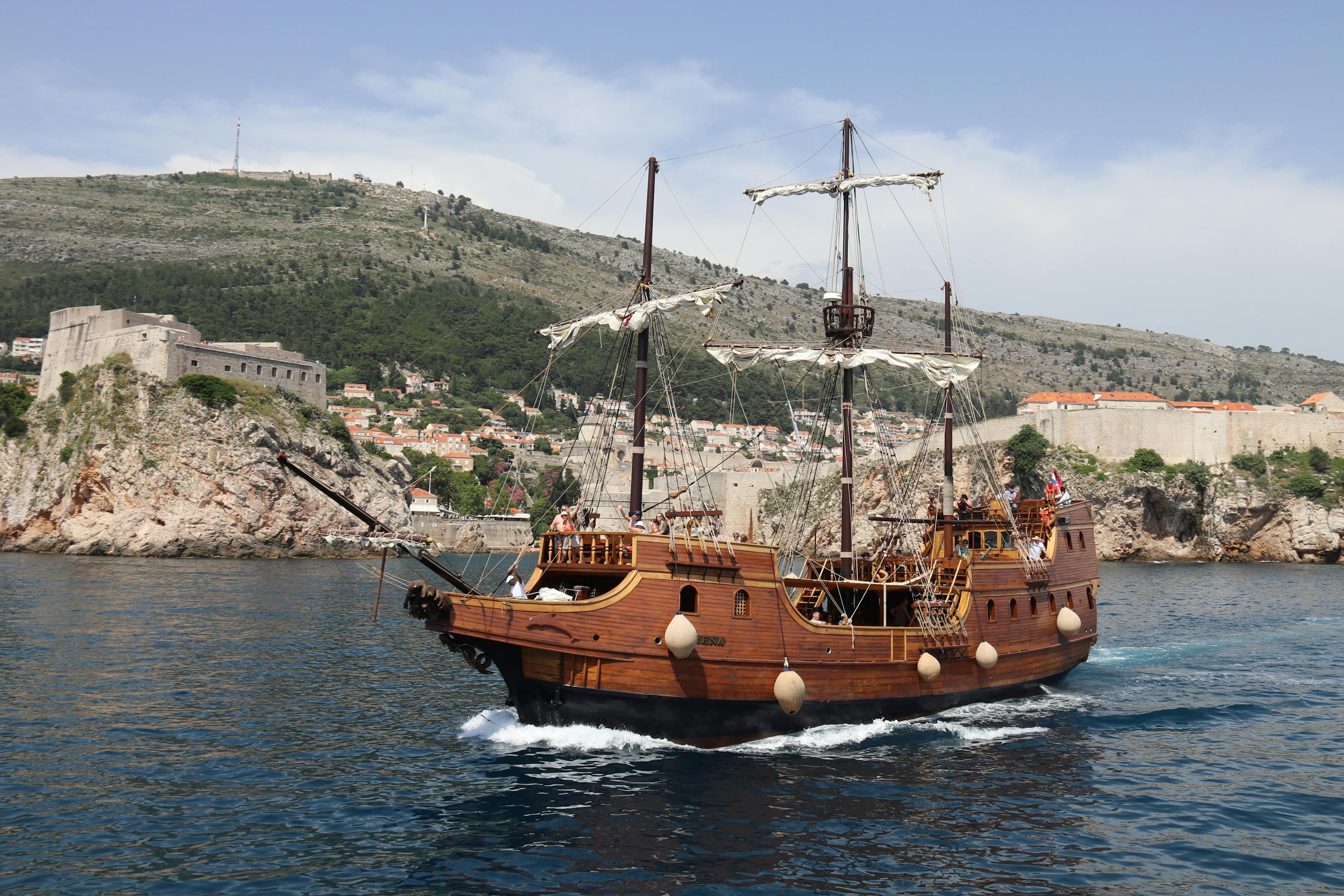
This is the more characterful option. Instead of a standard motor cruiser, the boat is a proper multi-masted wooden sailing ship done up in pirate-ship styling — rigging, wooden decks, the works. It’s kitsch in the best possible way, and it genuinely feels like you’re on a different kind of trip than the standard cruise experience. The itinerary visits the same three Elaphite islands but adds a focus on local producers: guided tastings of Dalmatian honey and olive oil at a small family operation on Šipan (Kalamata Estate), and optional wine and cheese pairings that reviewers consistently rate as genuine highlights.
The food and beverage add-ons on this tour are worth paying extra for. The honey and olive oil tasting ashore is real — not a performative tourist trap — and the products sold are genuinely worth buying. Several reviewers mention buying jars to bring home and then regretting not buying more. The wine and cheese service back on board is paired with specific information about which wines come from which part of Dalmatia. Bring cash for the tastings and any purchases — card machines on the islands are unreliable, and the small producers prefer cash anyway.
“Best day trip from Dubrovnik and got to see and learn about the Elephiti Islands. Highly recommend the honey and olive tasting add-on at Kalamata.”
“This was a fantastic day out. We also opted to do the wine and cheese tasting which was great. There was a good amount of time given to each island and the crew were very helpful and attentive. Only thing to note is make sure to bring some cash!”
4. Dubrovnik: Full-Day Blue Cave & Elaphiti Islands Boat Tour
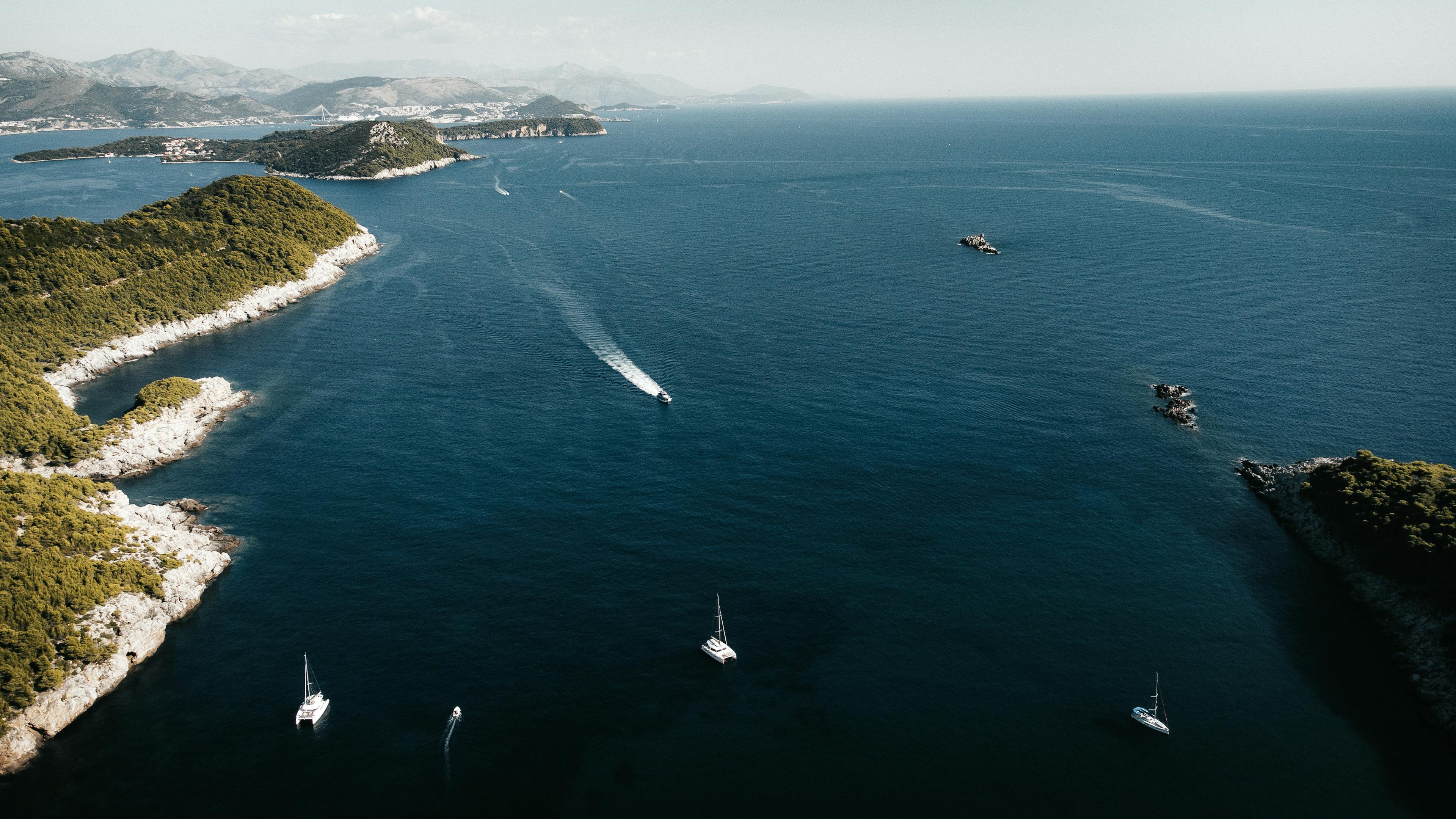
For travelers who want to combine two experiences in one day: a Dubrovnik-area blue cave (not the famous Biševo one from Split, but a smaller local sea cave near the Elaphite archipelago) plus stops at the main Elaphite islands. The format skews slightly more “speedboat adventure” than “relaxed cruise” — you’re on a smaller, faster boat than the big motor cruisers, which means more wind in your hair and more ground covered in the day, but also less deck space to lounge. If you only have one day for a boat trip from Dubrovnik and you want both swimming and island hopping and a sea cave, this is the combo.
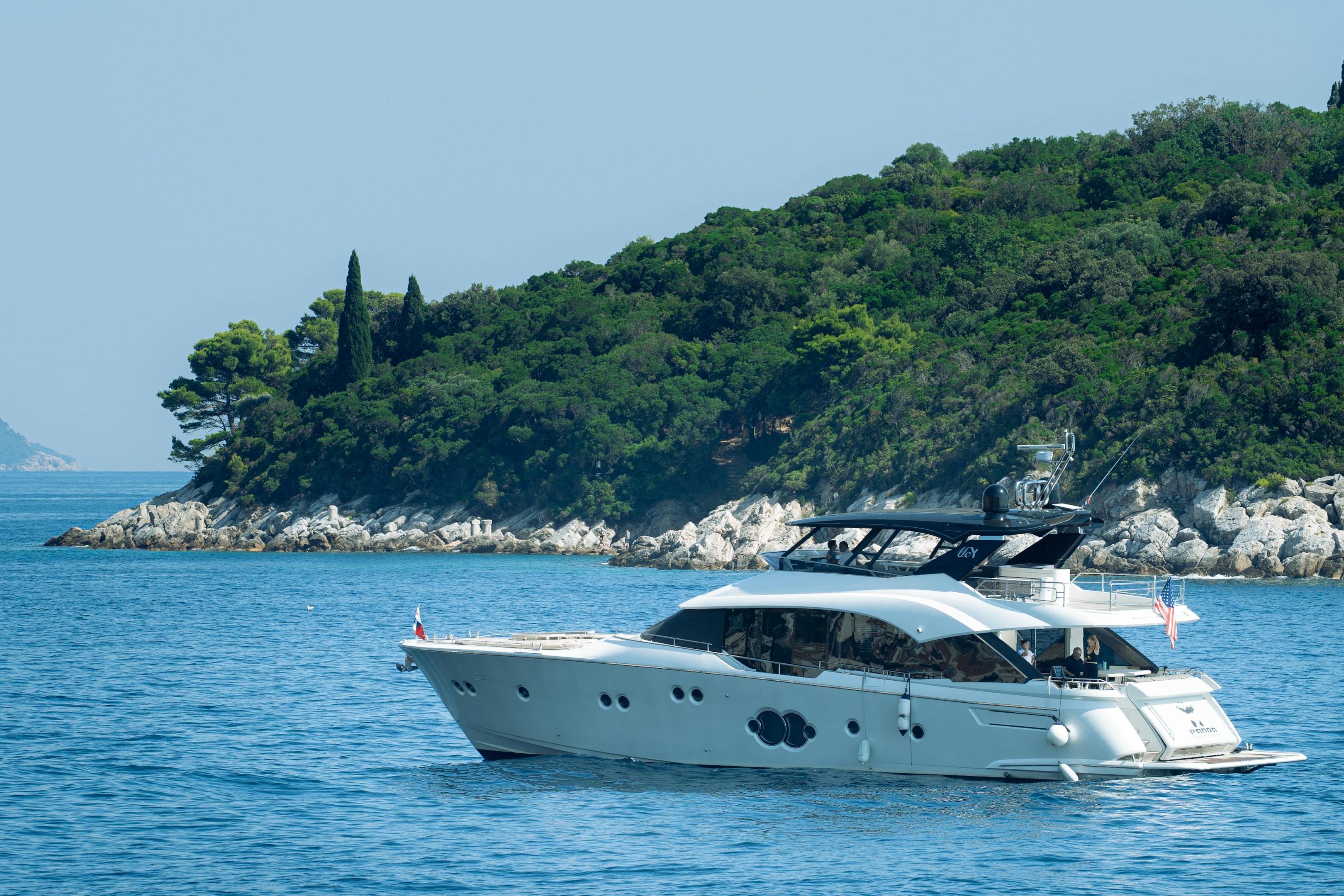
Reviewers praise the variety and the amount ground covered in eight hours. The snack board served on the boat gets specific mention — not a full lunch, but enough cured meats, cheese, and bread to keep everyone happy during the transit between stops. The drinks are more generous than the snacks, with beer and wine available throughout. Note that the cave in this tour is a local Dubrovnik-area cave, not the famous Biševo Blue Cave from Split — they’re different sites. If you specifically want the Biševo one, book a Split-based speedboat tour instead.
“A lot of variety and interest included in our 8 hour cruise, excellent value for money. Must do if in Dubrovnik.”
“I am very satisfied with the activity. It has surpassed my expectation. More than enough time to explore and enjoy the islands. Staffs were very warm and friendly. The environment on the boat has a relaxing atmosphere, I like the music, drinks and the foods that were served too.”
Lopud: The Standout Island
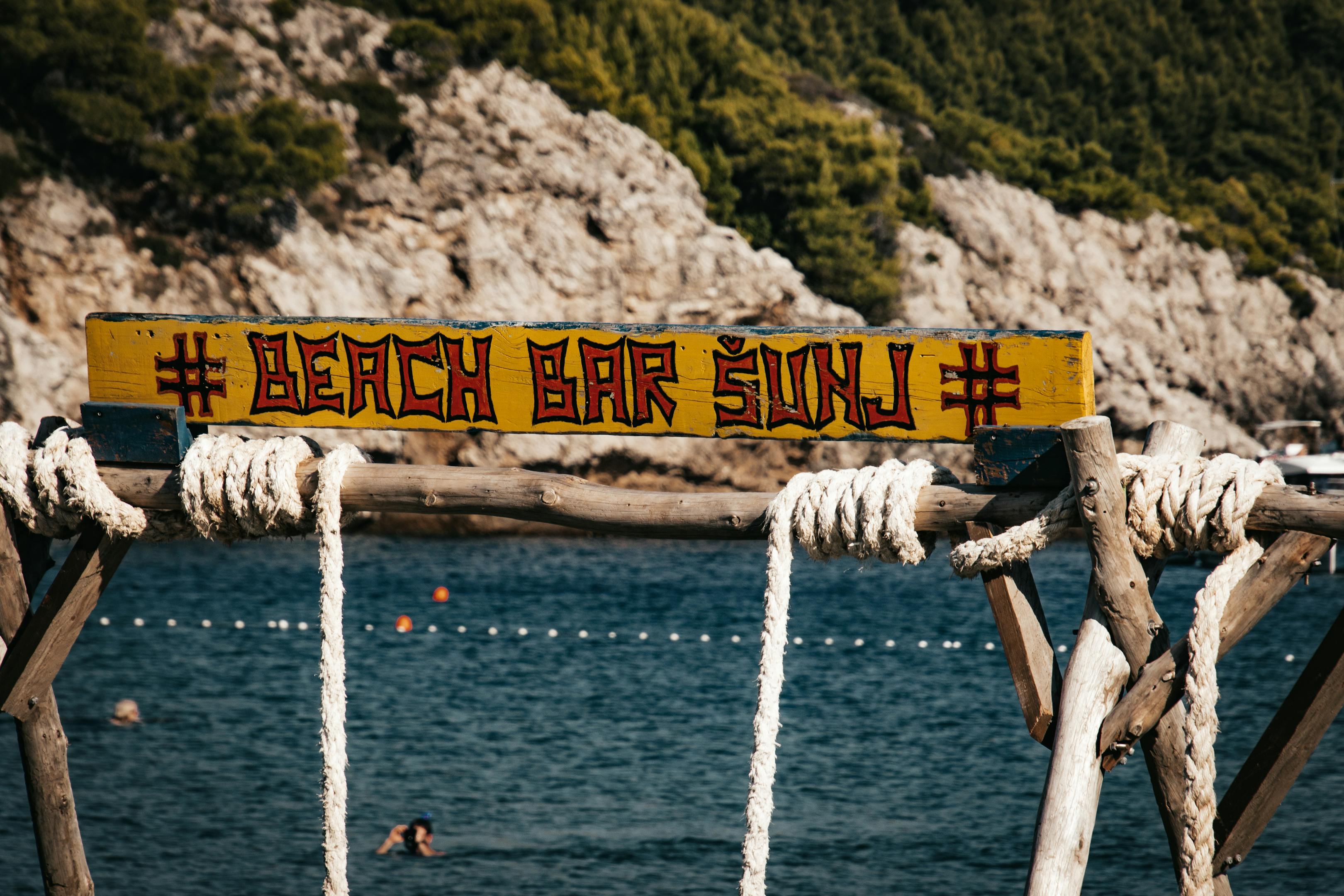
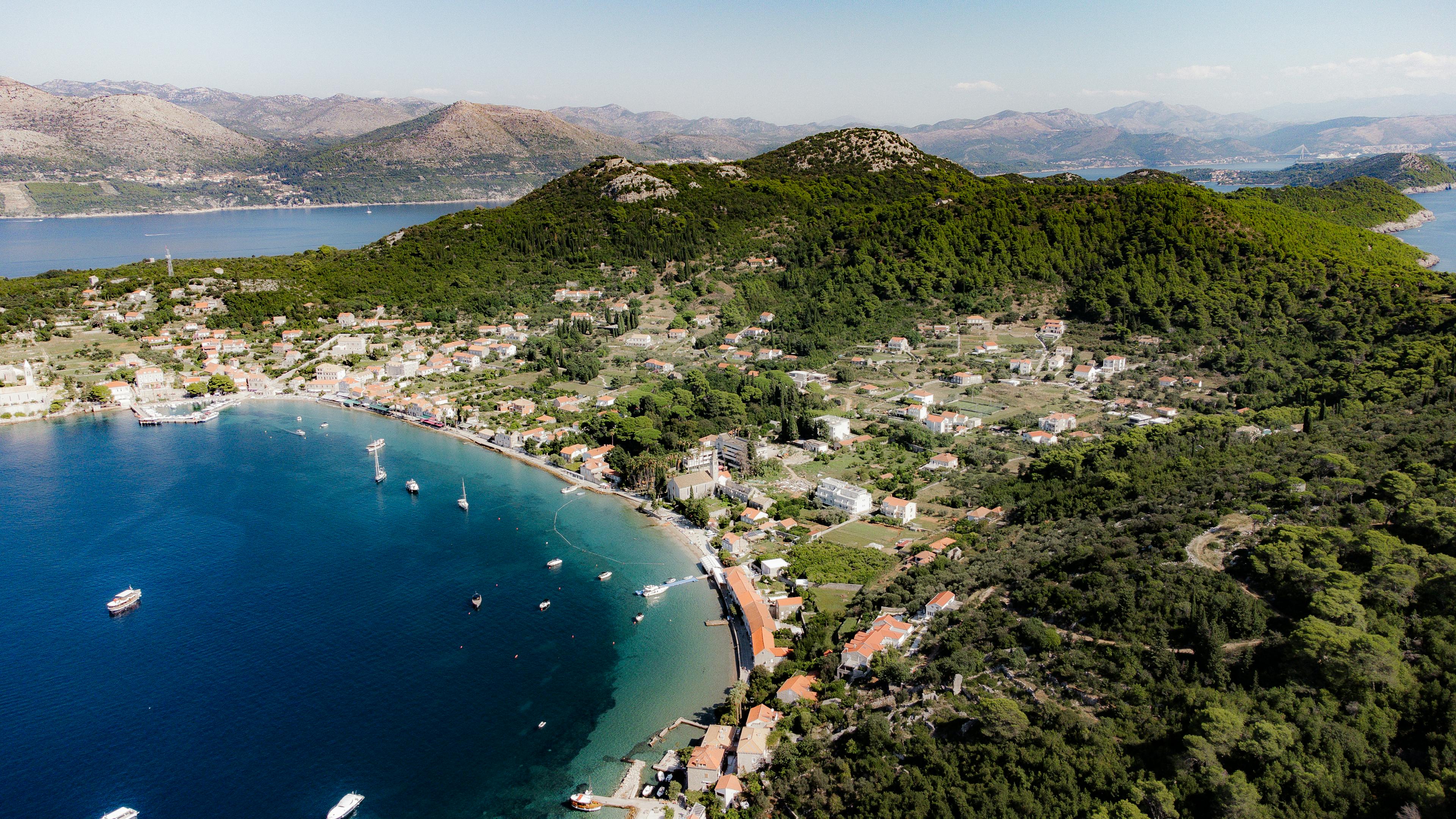
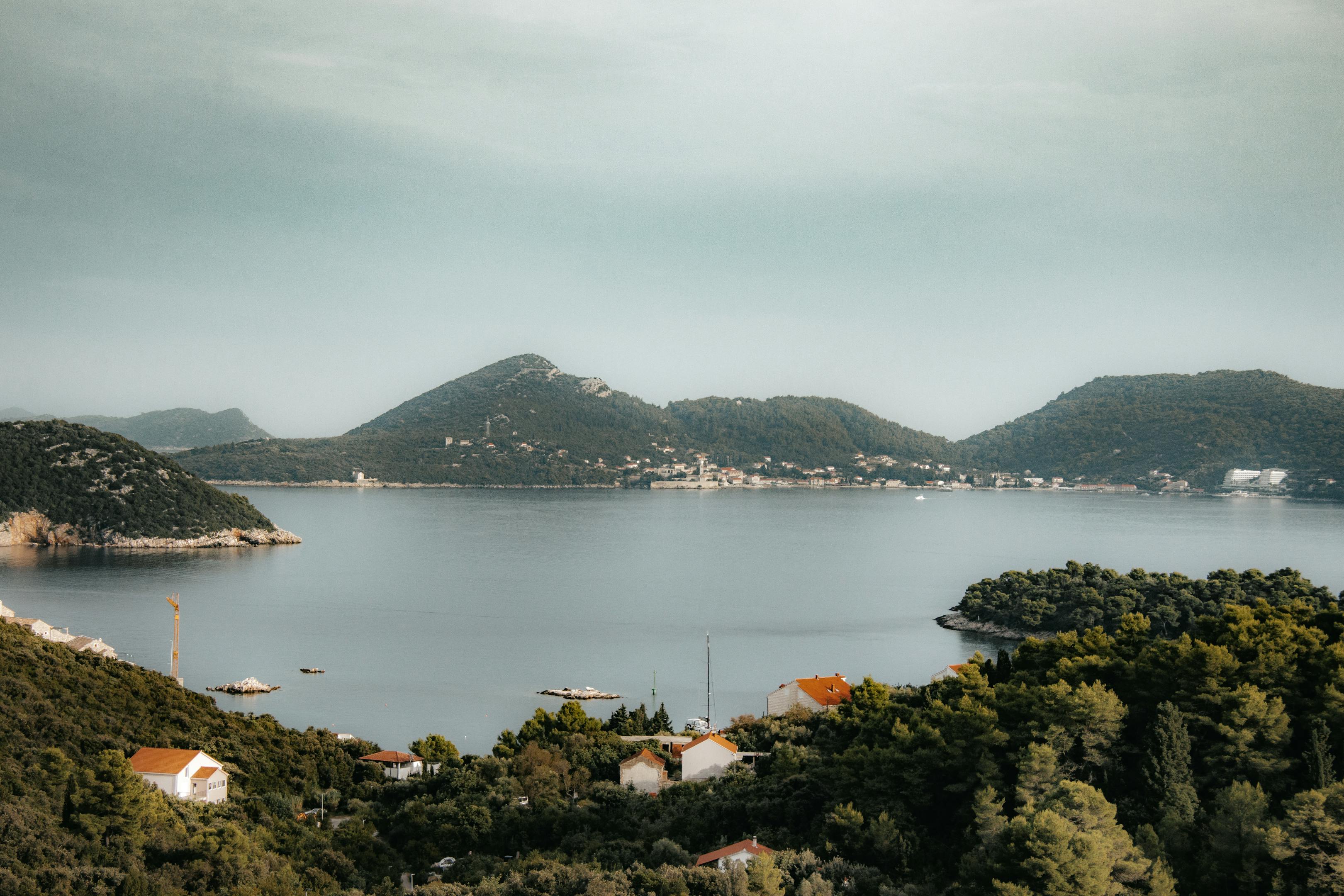
Of the three inhabited Elaphites, Lopud is the one most people remember. It’s the biggest of the three (about 5 square kilometers), the most developed (in a good way — meaning it has a few hotels and restaurants rather than none), and it has the one genuinely notable beach in the archipelago: Sunj Beach, a proper sand beach in a sheltered south-facing bay. Most of the Dalmatian coast has rocky or pebble beaches; actual sand is a rarity, and Sunj’s crescent of soft sand feels more Mediterranean than Adriatic. It’s a 25-minute walk across the island from the main village to reach the beach, through olive groves and past a small 15th-century Franciscan monastery.
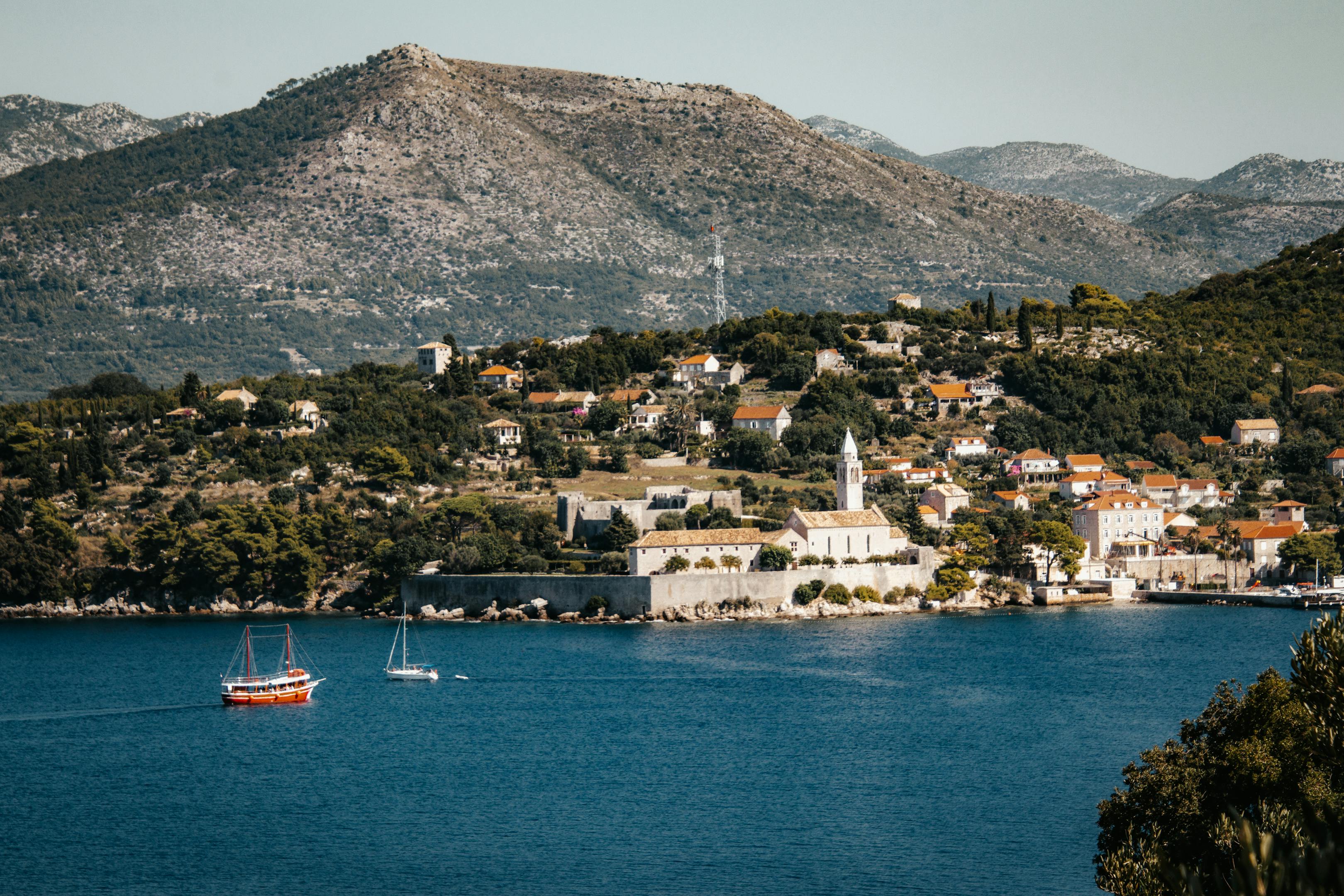
Lopud’s history punches above its weight. In the 15th and 16th centuries, the island was a major shipping hub for the Republic of Ragusa (medieval Dubrovnik) — over 80 Lopud-built ships operated in the Ragusan merchant fleet at the peak. You can still see the ruins of fortified medieval estates dotted across the interior of the island, many now overgrown with Mediterranean scrub and accessible by walking paths. The Franciscan monastery above the main village dates to 1483 and contains a small museum with medieval religious artifacts, including a 15th-century polyptych that most visitors don’t know is there. Poke your head in — it’s worth the ten minutes.
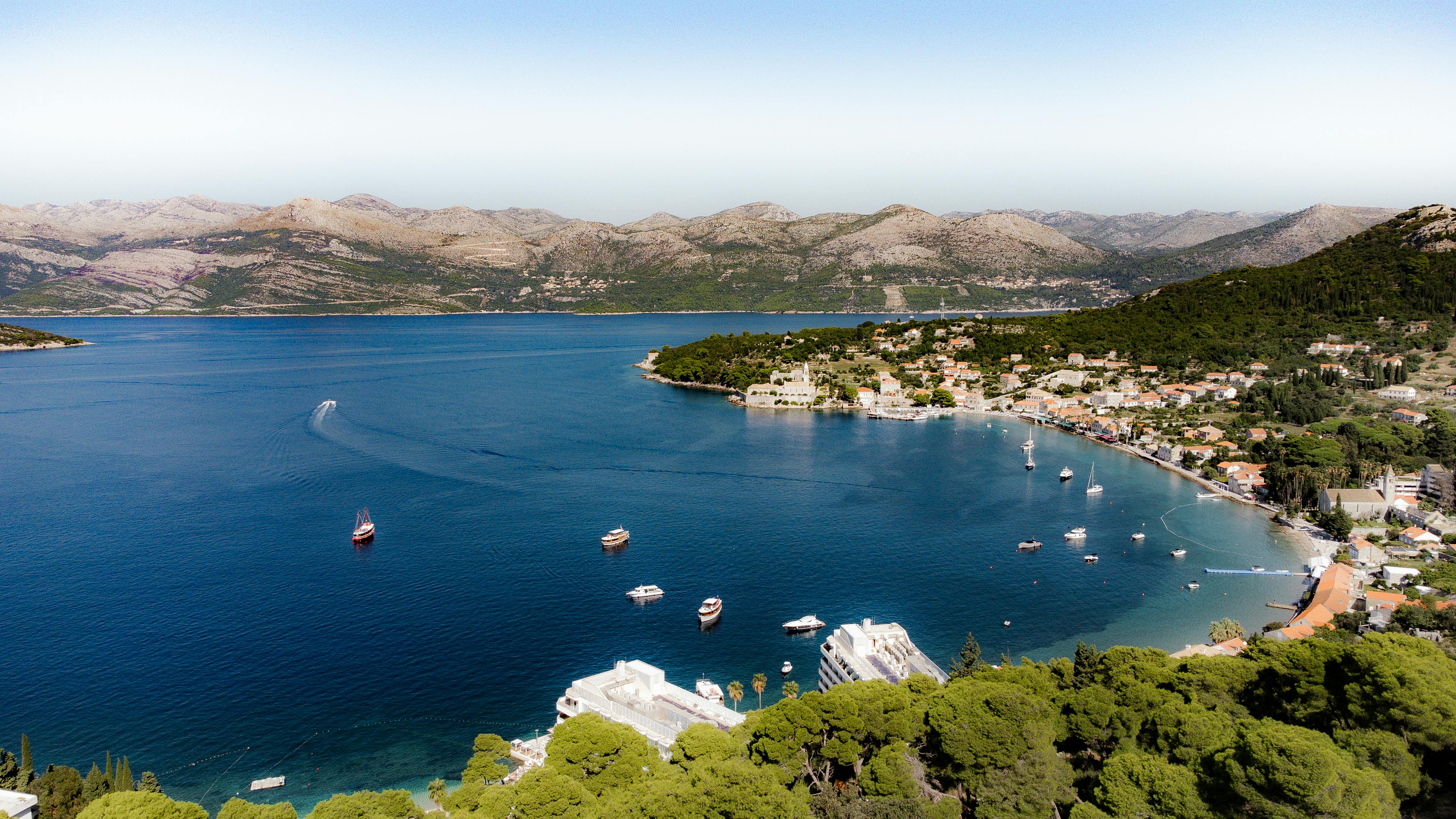
Practical tip for the three-hour Lopud stop: if you want the beach and you want lunch ashore, you need to move decisively. Walk briskly to Sunj Beach (25 minutes), swim for 45 minutes, walk back (25 minutes), and you’ll have 90 minutes left for a proper sit-down lunch at a harborfront restaurant before the boat leaves. Trying to squeeze in the Franciscan monastery on the same stop is ambitious unless you skip either the beach or the sit-down meal.
Koločep & Šipan: The Other Two Islands
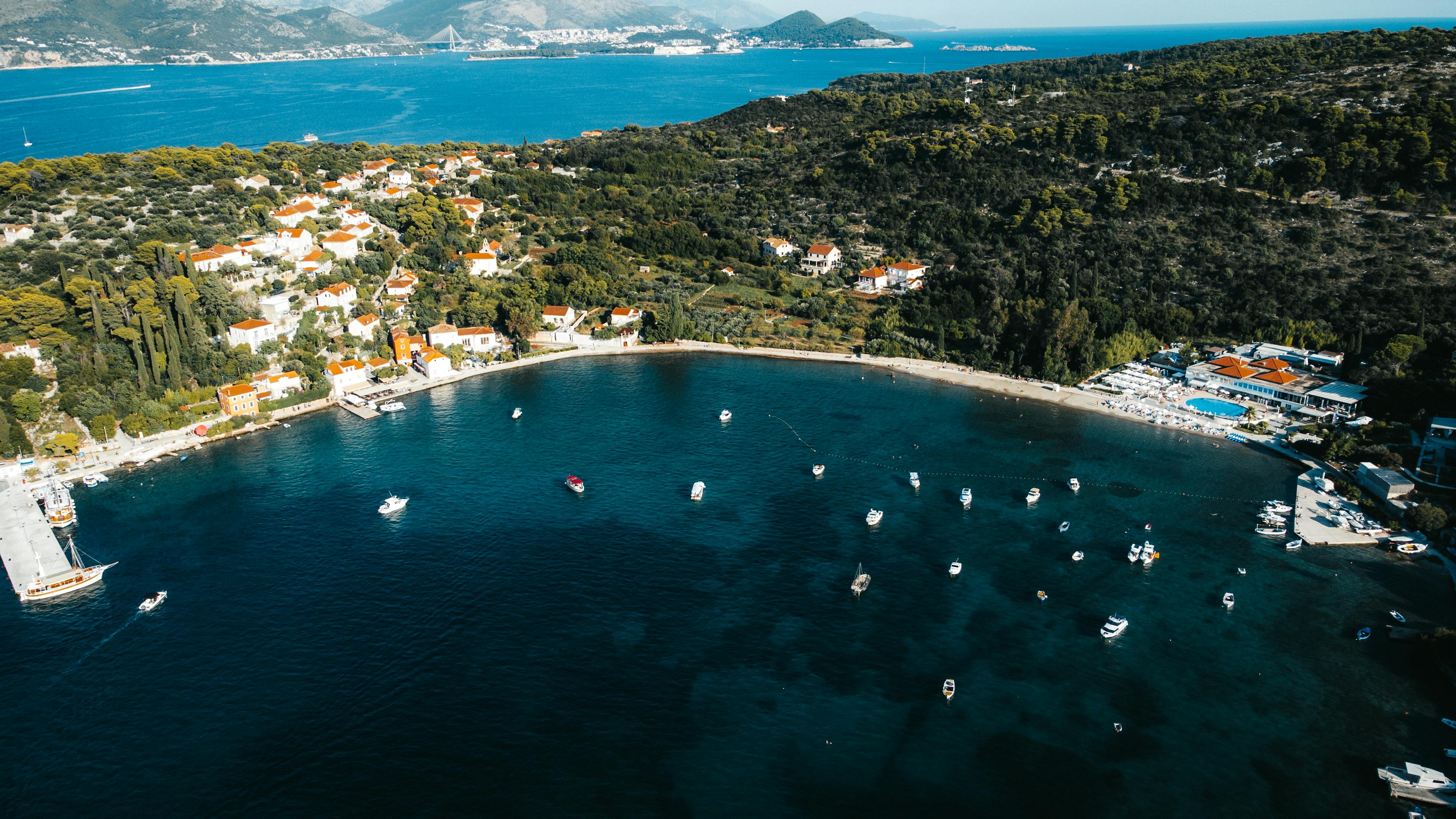
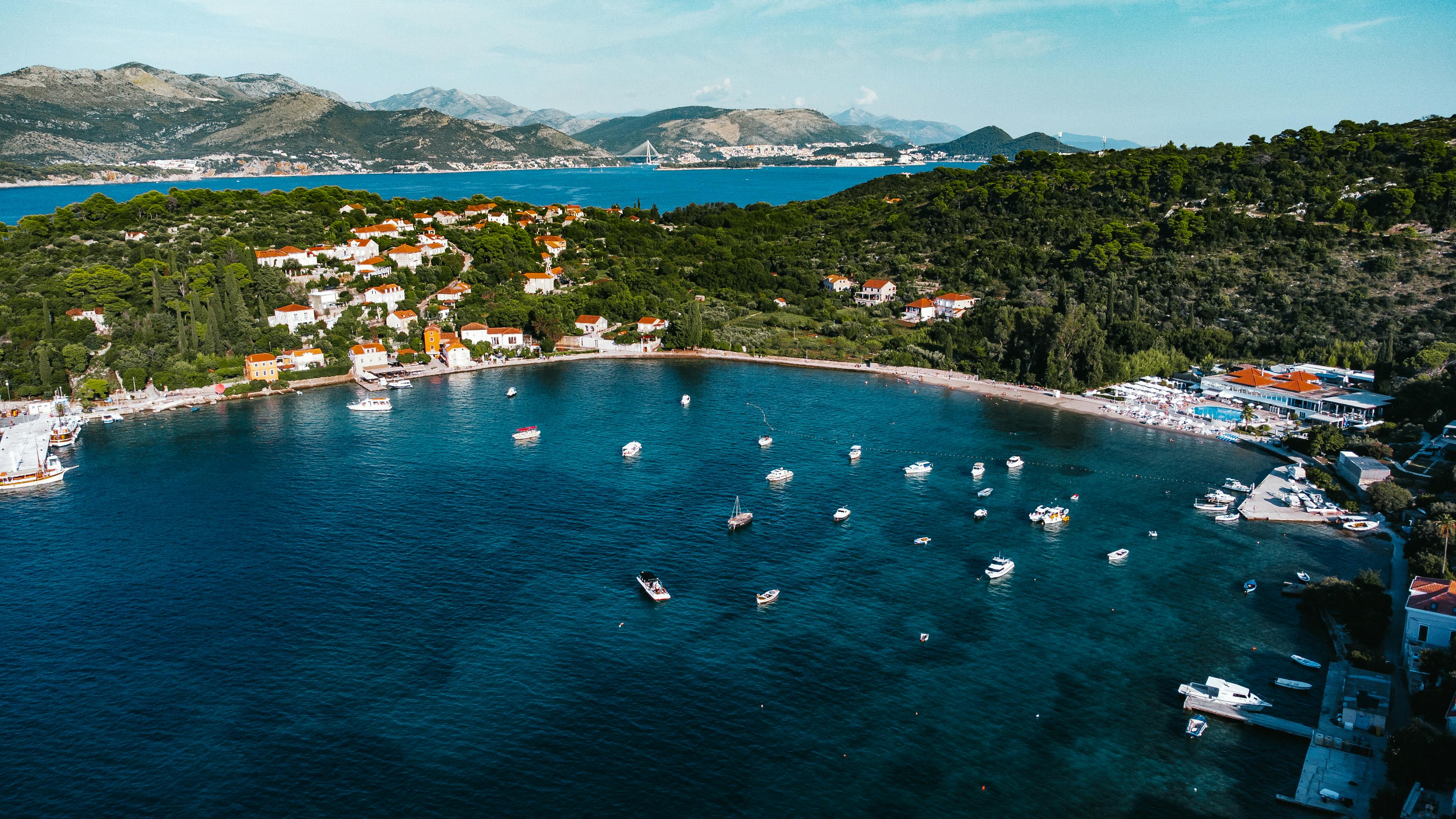
Koločep is the smallest and closest to Dubrovnik — the first stop on most cruises and the shortest, typically only 45 minutes to an hour ashore. That’s long enough to walk the main path through Donje Čelo village, duck into the 11th-century Church of St. Nicholas (one of the oldest in the Dubrovnik region), and have an espresso at the single café on the harbor before re-boarding. If you’re pressed, you can skip the walk and just swim directly from the harbor area, which has clear water and a rocky entry point used by locals.
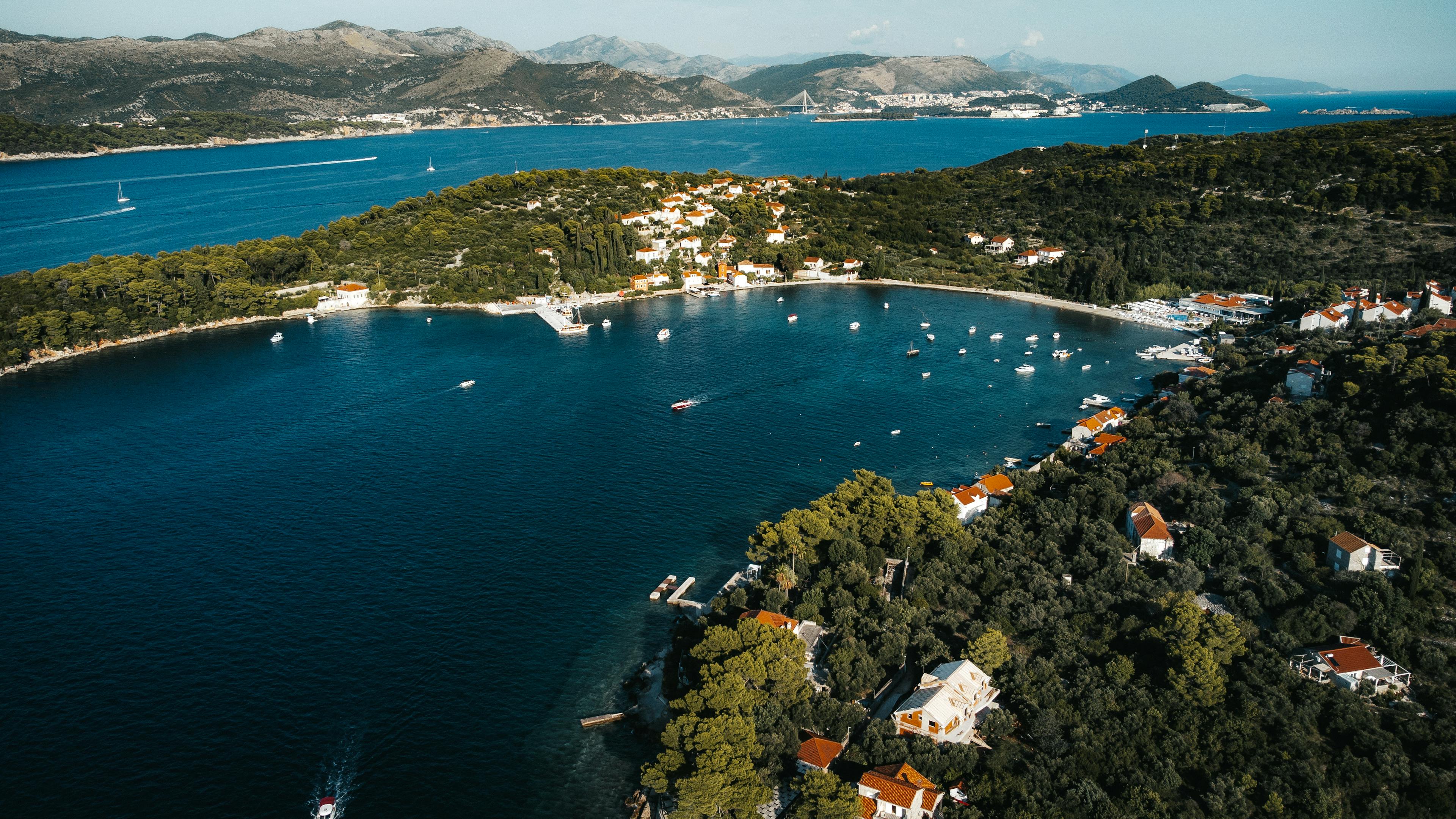
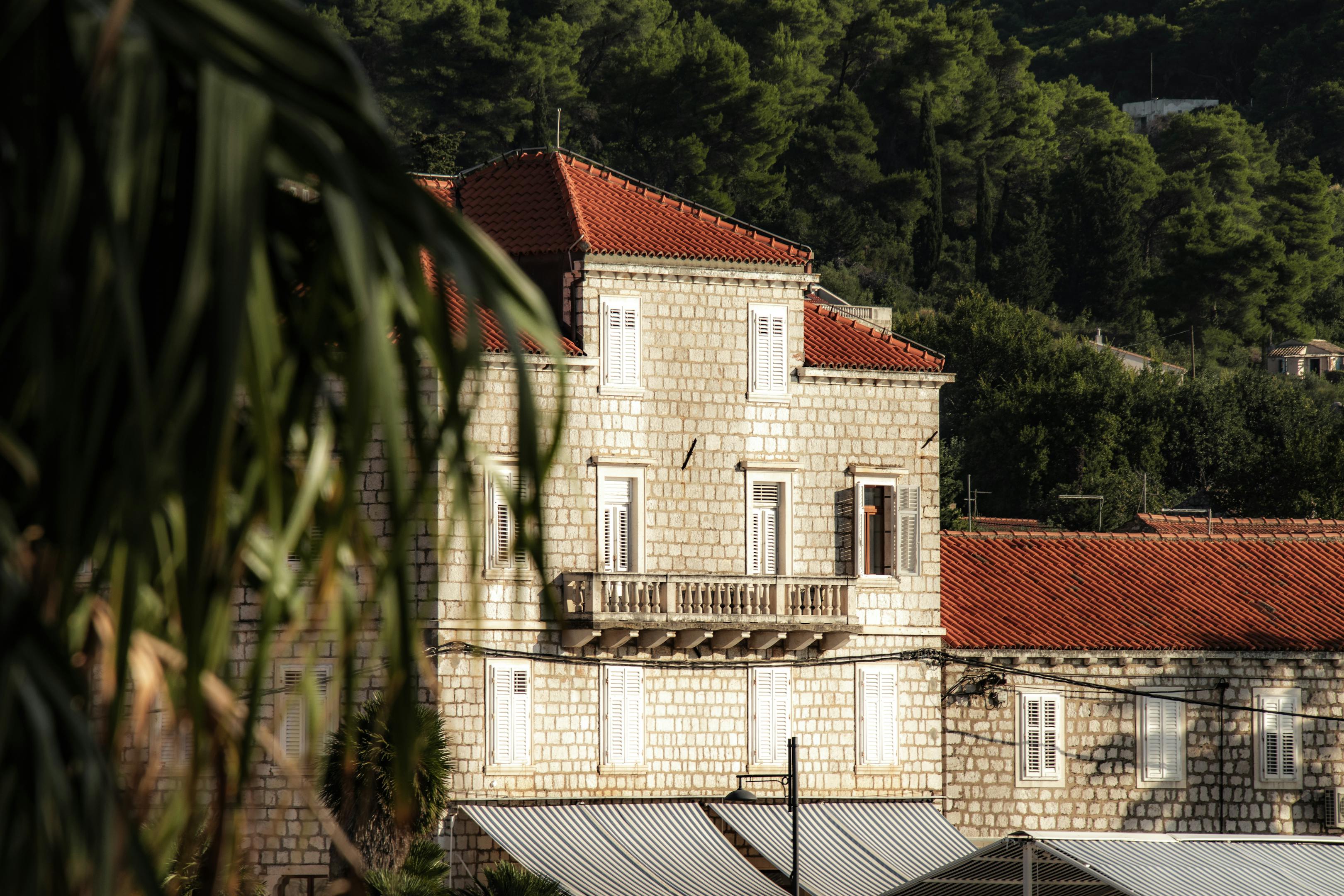
Šipan is the largest Elaphite in area (about 16 square km) but has a smaller population than Lopud because most of its interior is agricultural land rather than village. Olive groves, vineyards, and a scattering of ancient Ragusan summer villas that wealthy Dubrovnik families built in the 16th century when the Republic was booming. Many of these villas are now in picturesque ruin; a few have been restored as private residences. The main village of Šipanska Luka has a handful of konobas serving fresh seafood, and it’s where most cruises stop for either an hour or (in the case of some itineraries) for the main lunch portion of the day.
The fourth Elaphite you might hear mentioned is Jakljan, which is uninhabited but sometimes visited by private tours for swimming at its rocky coves. The remaining islands in the archipelago are tiny and uninhabited — worth knowing about if you’re into the full geographical picture, but not stops on any scheduled cruise.
Historical Context: Ragusa’s Maritime Empire
The Elaphite Islands are inseparable from the history of the Republic of Ragusa — medieval Dubrovnik’s independent city-state that flourished from roughly 1358 to 1808. Ragusa was one of the most sophisticated maritime republics in the Mediterranean, rivaling Venice for trade influence in the Adriatic and eastern Mediterranean, and its shipbuilding industry needed both timber and protected anchorages. The Elaphites provided both. Lopud and Šipan became secondary ports for the Ragusan fleet, and wealthy Ragusan families built summer villas on the islands to escape the stone-cooked heat of the walled city in August.
The name “Elaphites” comes from the Greek elaphos, meaning “deer” — ancient Greek sailors reportedly called the islands this because deer were historically abundant here. They’re long gone today; the last wild Elaphite deer disappeared around the end of the 19th century, casualties of hunting and habitat loss. But the name stuck, and the Greek connection is also a reminder that these waters have been trafficked by traders for at least three thousand years. Greek colonies on the Dalmatian coast predate the Roman province of Illyricum, which predates the Republic of Ragusa, which predates modern Croatia. The Elaphites have seen them all, quietly, and changed very little.
The 1667 Dubrovnik earthquake, which devastated the city and killed thousands, also damaged the Elaphite villas and churches — several of the ruins you can walk past today on Šipan and Lopud were structurally wounded in that event and never fully repaired. Ragusa as a political entity ended when Napoleon dissolved the Republic in 1808, and the islands (like Dubrovnik itself) spent the 19th century under Austrian Habsburg rule, then Yugoslav rule in the 20th century, before joining independent Croatia in 1991.
Practical Tips for Your Cruise
Book the Gruž harbor pickup, not the old town pickup. Most Elaphite cruises depart from Gruž harbor, which is about 3 km north of Dubrovnik’s walled old town. Getting there from the old town means either a bus (€2, 15 minutes), a taxi (€10-15), or a 40-minute walk along a busy road. If your accommodation is in the old town, plan for a taxi in the morning — the walk with a beach bag and sun gear isn’t fun. Coming back is easier because you’ll be tired and can happily sit on the bus.
Bring water shoes or rubber-soled sandals. The beaches on Koločep and Šipan are rocky, and even Sunj Beach on Lopud (which is sandy) has some sharp pebble zones at the waterline. Water shoes make the difference between a pleasant swim and a bruised-foot hobble back to the boat. You can buy cheap rubber sandals in Gruž harbor shops for €8-10 if you forgot.
Pack layers for the boat. Even in August, the wind over open water on the return journey can be surprisingly cool in the late afternoon. A light long-sleeved shirt or a thin fleece for the ride home is smart. You’ll be glad you brought it around 5:00 PM when the sun drops behind the hills and the breeze freshens. Reviewers who didn’t bring a layer mention wishing they had.
The sweet spot is May-June or September. These shoulder months offer warm swimming water (21-24°C), smaller crowds on the islands, reliable weather, and lower tour prices than peak July-August. Everything is open on the islands, the cruise boats aren’t sold out, and you can often book two days ahead and still get your first choice. In July and August, you’ll want to book a week or more ahead, and the popular Elaphite cruises regularly sell out on weekends.
One underrated detail: seat selection matters. The top deck on almost every Elaphite cruise boat has significantly better sun, better views, and a better social vibe than the covered main deck. The downside is obvious — direct sun for hours, and less protection if the wind picks up. If you’re prone to sunburn or traveling with young kids, the main deck is smarter. If you’re an adult who wants the Instagram version of the day, get on the top deck early and claim two seats on the port side (which faces the islands on the outbound leg). Seats aren’t assigned, so it’s first come, first served once boarding begins.
More Croatia Guides Worth Reading
A day on the Elaphites pairs beautifully with the land-based Dubrovnik experiences. After a morning sipping wine on a boat deck, the Dubrovnik City Walls and walking tours make a logical next-day activity — you spend one day looking at Dubrovnik from the sea and the next looking at it from its own fortifications. For fantasy TV fans, the Game of Thrones tours in Dubrovnik trace the real-world King’s Landing filming locations through the old city, and many of them can be combined with a morning walls tour for a full Dubrovnik day.
If you’re continuing north from Dubrovnik, Split is the next major base for Dalmatian exploration. The Split Blue Cave and Hvar 5-island speedboat tours are the Split equivalent of what the Elaphite cruises offer from Dubrovnik — a different archipelago, a faster boat, and the famous Biševo Blue Cave as the headline attraction. The Split to Krka Waterfalls tours cover the inland complement to any coastal itinerary, trading the Adriatic for travertine cascades and a traditional Dalmatian wine tasting. Further north, the Plitvice Lakes day trips from Zagreb guide covers the country’s biggest national park from its natural base in the capital, and the Zagreb walking tours and WWII tunnels handle the city itself for travelers flying into or out of the Croatian capital.