
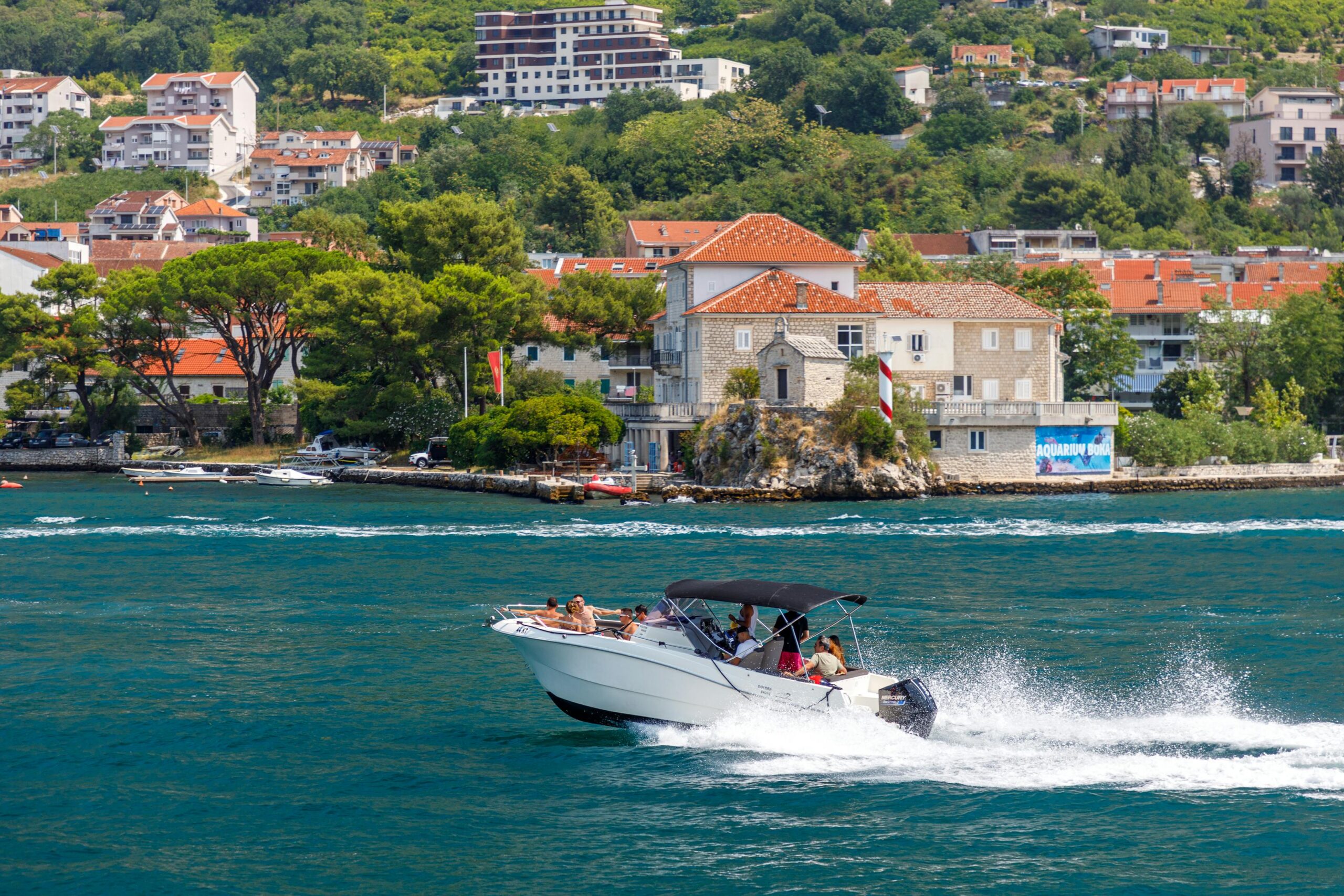
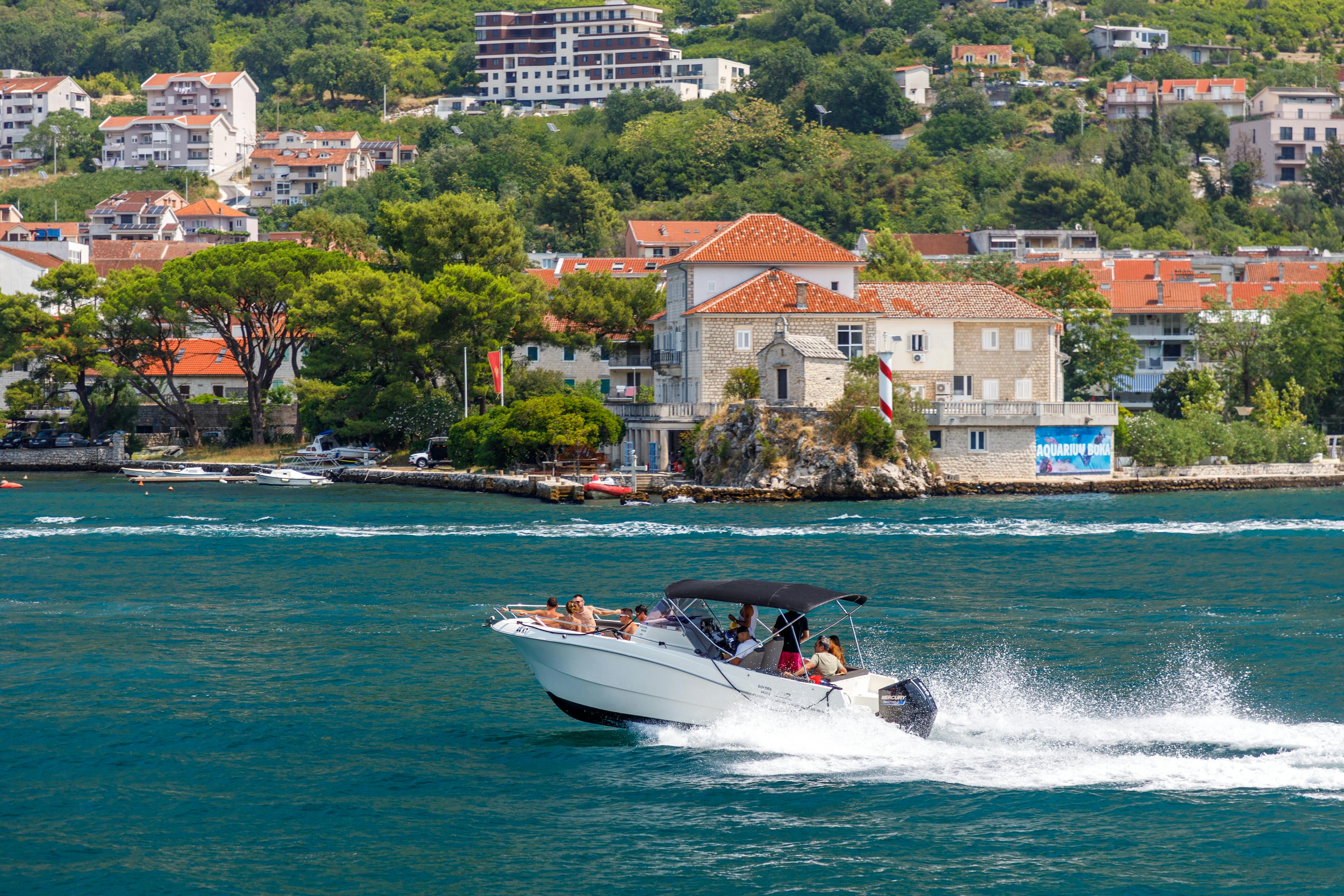
The Blue Cave speedboat tour is the single most booked day trip in Split, and it isn’t close. On any given summer morning, a small armada of RIBs and speedboats peels out of the city harbor at 8:00 AM heading for Biševo, Hvar, and a rotating cast of hidden coves, sea caves, and swimming stops along the way. The format is simple: one boat, one driver, eight to twelve passengers, and a tightly choreographed route that somehow squeezes five or six of Dalmatia’s best spots into a single long day on the water.
- Quick Pick: Best Blue Cave & Hvar Tours from Split
- What “Blue Cave” Actually Means
- The 4 Best Blue Cave & Hvar Tours Reviewed
- 1. Split/Trogir: Blue Cave, Mamma Mia, Hvar and 5 Island Tour
- 2. From Split: Blue Cave, Mamma Mia, Vis & Hvar 5-Island Tour
- 3. Split/Podstrana: Blue Cave, Hvar & 6 Islands Speedboat Trip
- 4. Split: Hvar, Pakleni, Brač & Šolta All-Inclusive Catamaran Tour
- Hvar Town: The Lunch Stop That Becomes the Best Part
- The Pakleni Islands: The Real Hidden Gem
- Historical Context: Why Vis Was Off-Limits for 40 Years
- Practical Tips for the Speedboat Tours
- More Croatia Guides Worth Reading
Quick Pick: Best Blue Cave & Hvar Tours from Split
🎬 Best with Vis added: Blue Cave, Mamma Mia, Vis & Hvar 5-Island — 2,585 reviews. Adds Vis island time on top of the standard route, great for film location fans.
🏝️ Best for extra islands: Blue Cave, Hvar & 6 Islands Speedboat Trip — 2,042 reviews. Squeezes a sixth stop into the itinerary for the travelers who want absolute maximum island time.
🍽️ Best all-inclusive (no Blue Cave): Hvar, Pakleni, Brač & Šolta Catamaran — 1,426 reviews. Skips the Blue Cave for a more relaxed catamaran day with food, drinks, and four island stops.
What “Blue Cave” Actually Means
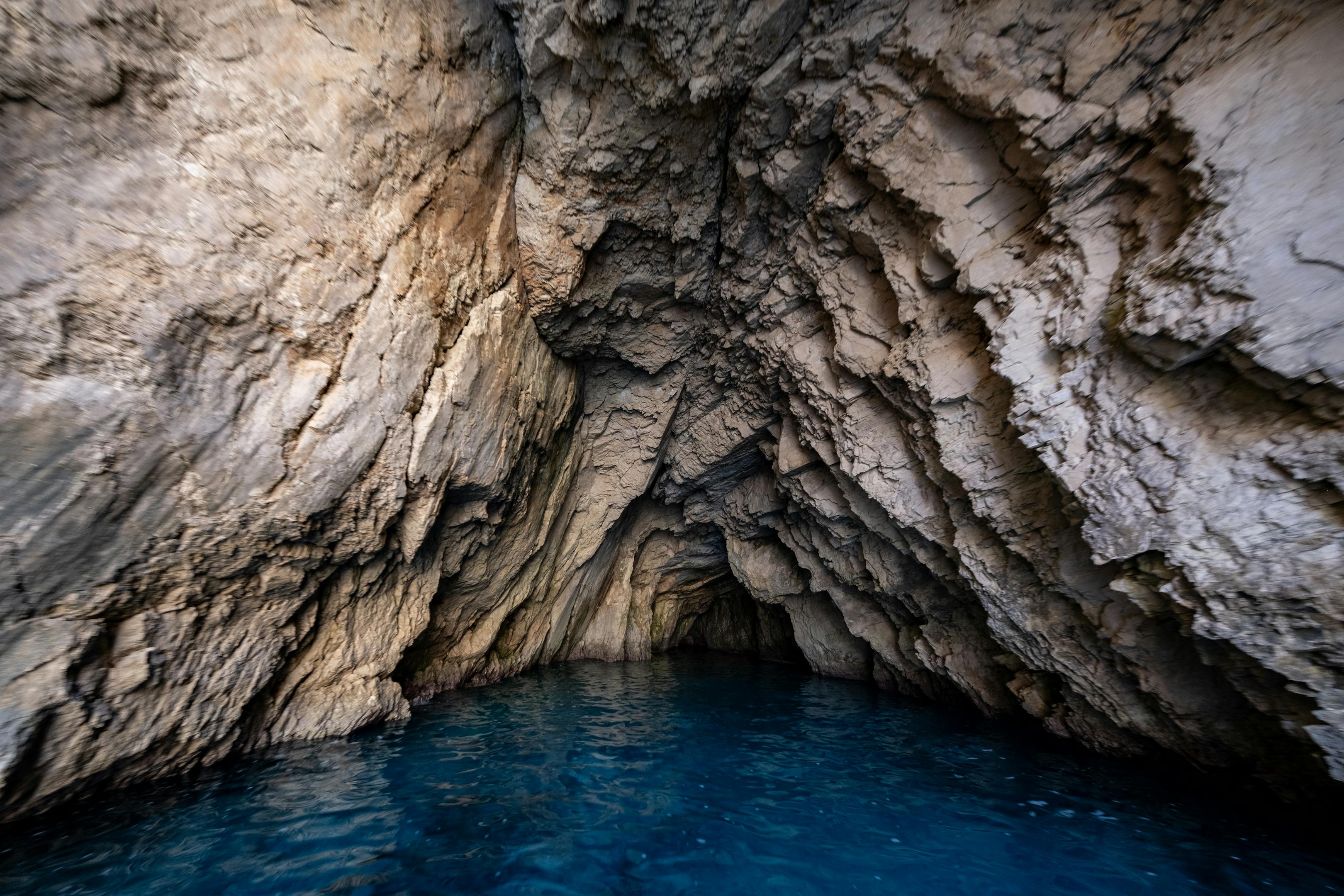
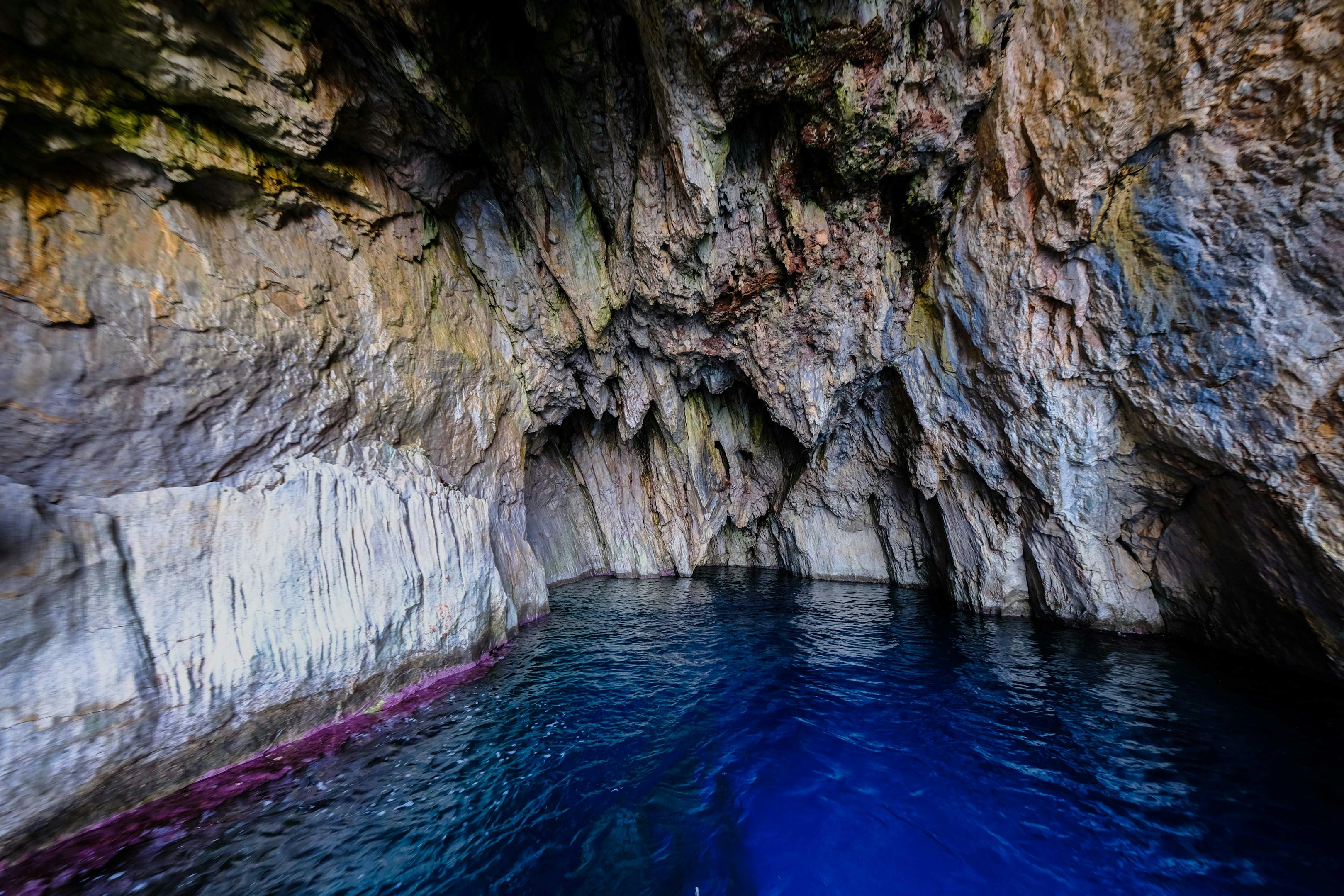
Before we get into the tours themselves, it helps to know what you’re actually going to see. The “Blue Cave” (Modra špilja in Croatian) is a sea cave on the small island of Biševo, about 5 kilometers southwest of Vis. Light enters the cave through an underwater opening and reflects off the white limestone floor, illuminating the interior with an otherworldly blue glow. It’s one of those natural phenomena that sounds overhyped until you’re actually inside it and realize no photo has ever done it justice. The effect is at its strongest between 11:00 AM and noon on a sunny day when the sun is high enough to angle through the underwater entrance at the right angle.
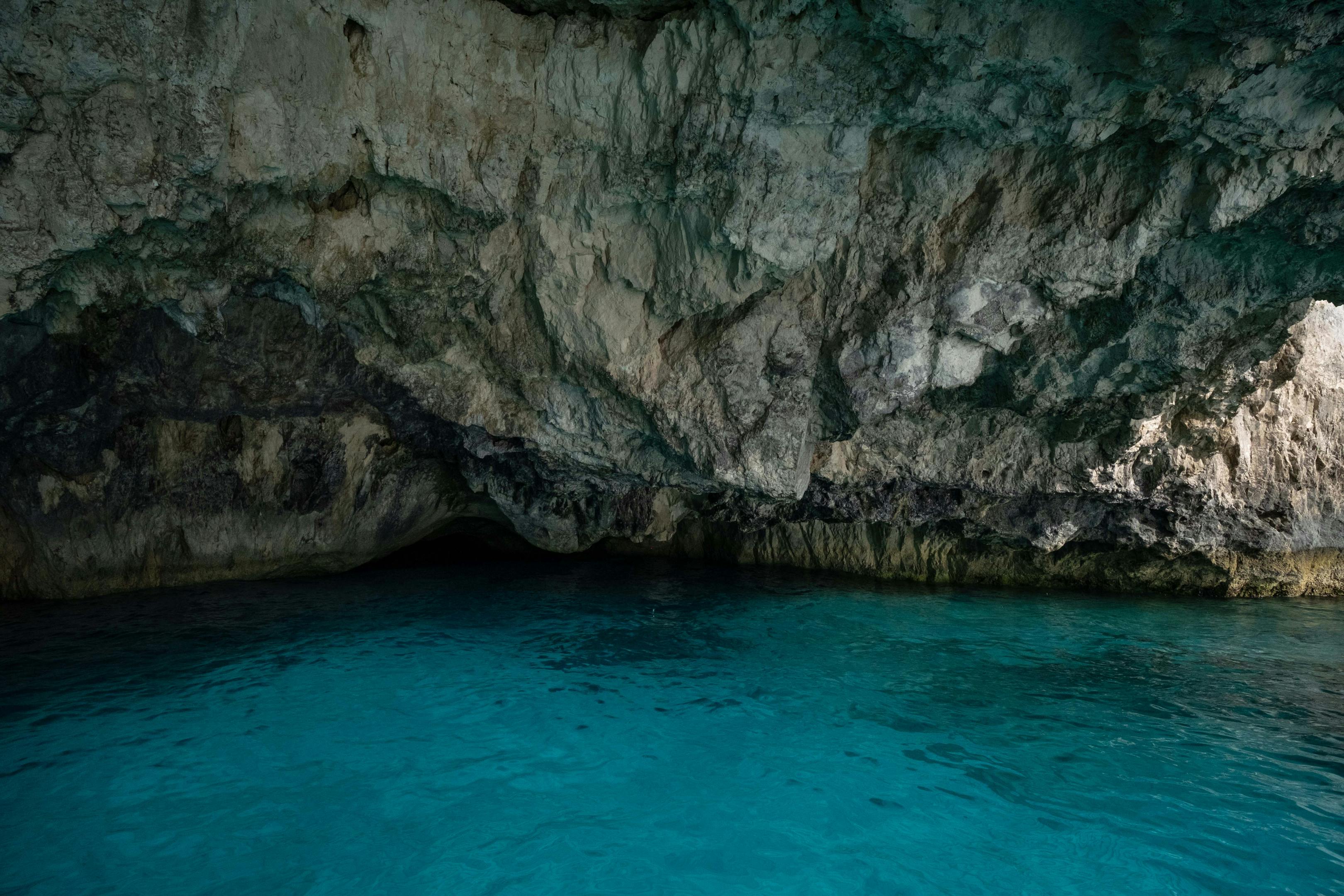
Here’s the catch: the cave is inside a small national monument with a separate entrance fee (around €18 per person in peak season, payable in cash on arrival and rarely included in tour prices). Only small boats can enter, which means every tour group has to transfer from their speedboat into a smaller dinghy operated by the monument authority. On calm days, the whole process takes about 20 minutes. On choppy days, the cave closes entirely for safety, and you’ll be refunded just the cave entrance — not the whole tour. This happens more often than tour companies advertise, especially in April-May and September-October shoulder seasons. If the weather forecast for your date shows swell over 1 meter, consider booking for an alternative day.
The 4 Best Blue Cave & Hvar Tours Reviewed
1. Split/Trogir: Blue Cave, Mamma Mia, Hvar and 5 Island Tour
This is the benchmark tour. Over six thousand reviews, consistent 4.8+ ratings, and a route that hits essentially every iconic spot in the central Dalmatian island chain in a single long day. You leave Split (or Trogir, if that’s more convenient) at 8:00 AM, hit the Blue Cave first thing to catch the light, then work your way through the rest of the route: Stiniva Cove on Vis, the Green Cave for a swim, Mamma Mia Beach on Vis (yes, where the film was shot), Budikovac Lagoon, and finally Hvar town for lunch and walking around. You’re back in Split by around 7:00 PM, sunburned and happy.
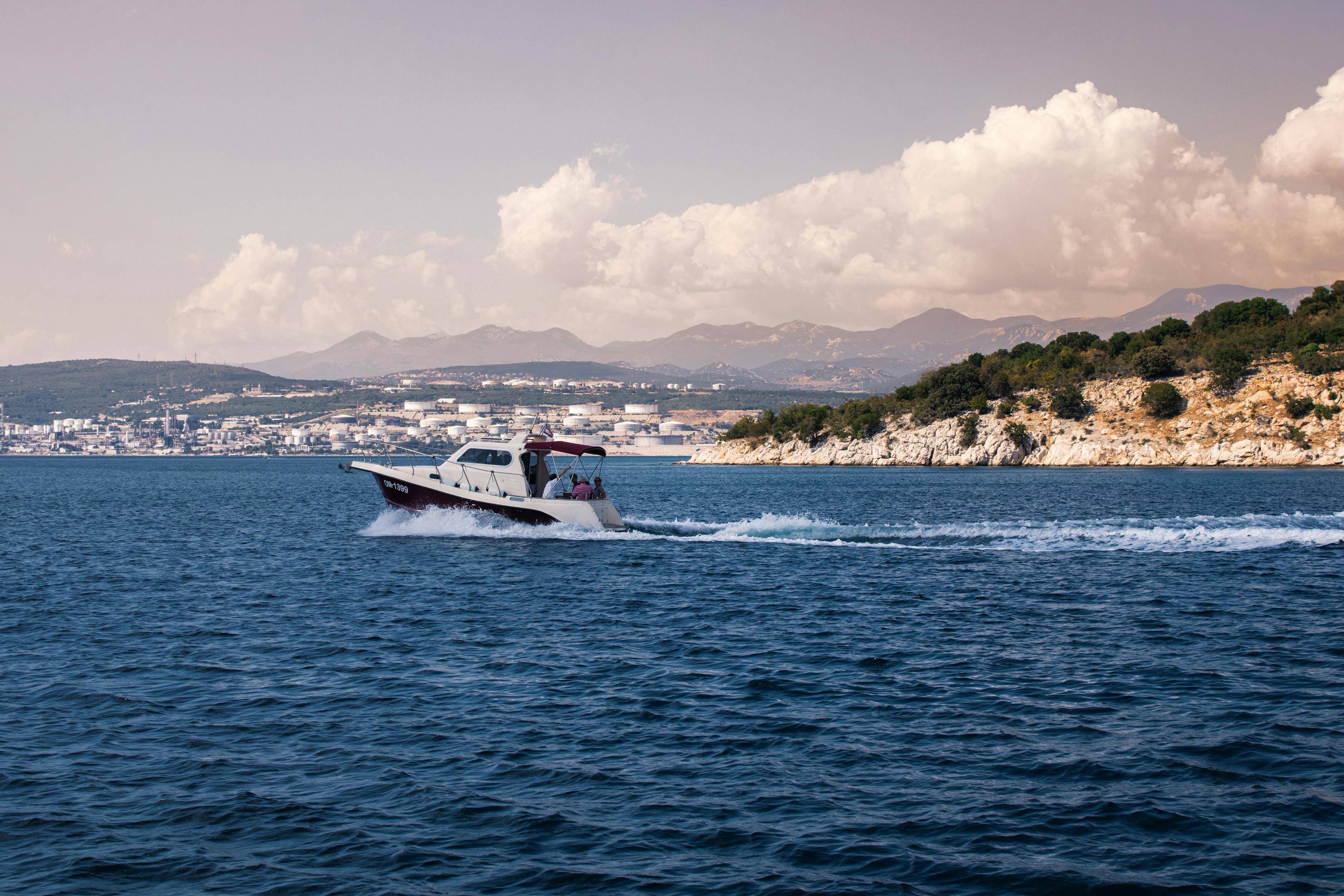
What makes this tour work is the pacing. The guides have done this route hundreds of times and know exactly when to push through (cave transit) and when to linger (swim stops). Reviewers repeatedly call out the music taste on the boat — it sounds trivial but becomes a genuine quality factor when you’re spending eight hours on the water with strangers. Guides like Anamaria, Sunil, and the crews from the main operators get specific praise for keeping the vibe relaxed and the timing tight even on days when weather forces itinerary changes.
“Guides had so much knowledge and had incredible music taste.”
“It was quite unfortunate that we could not visit all the places mentioned in the itinerary due to bad weather. But, that resulted us in have an exhilarating boat ride experience throughout. The skipper and the guide were terrific and they gave us tips on what we could do at each island and where people could swim.”
2. From Split: Blue Cave, Mamma Mia, Vis & Hvar 5-Island Tour
This tour covers the same core stops as the main option but adds meaningful free time on Vis itself — the island where the Mamma Mia sequel was filmed. Instead of just the beach scene stops, you get about an hour in Komiža, the tiny fishing village on the western side of Vis that features in the film and remains one of the most unspoiled island ports in the Adriatic. If you’ve seen the movie, walking through Komiža is a specific and satisfying thrill. If you haven’t, it’s still one of the prettiest villages in Croatia.
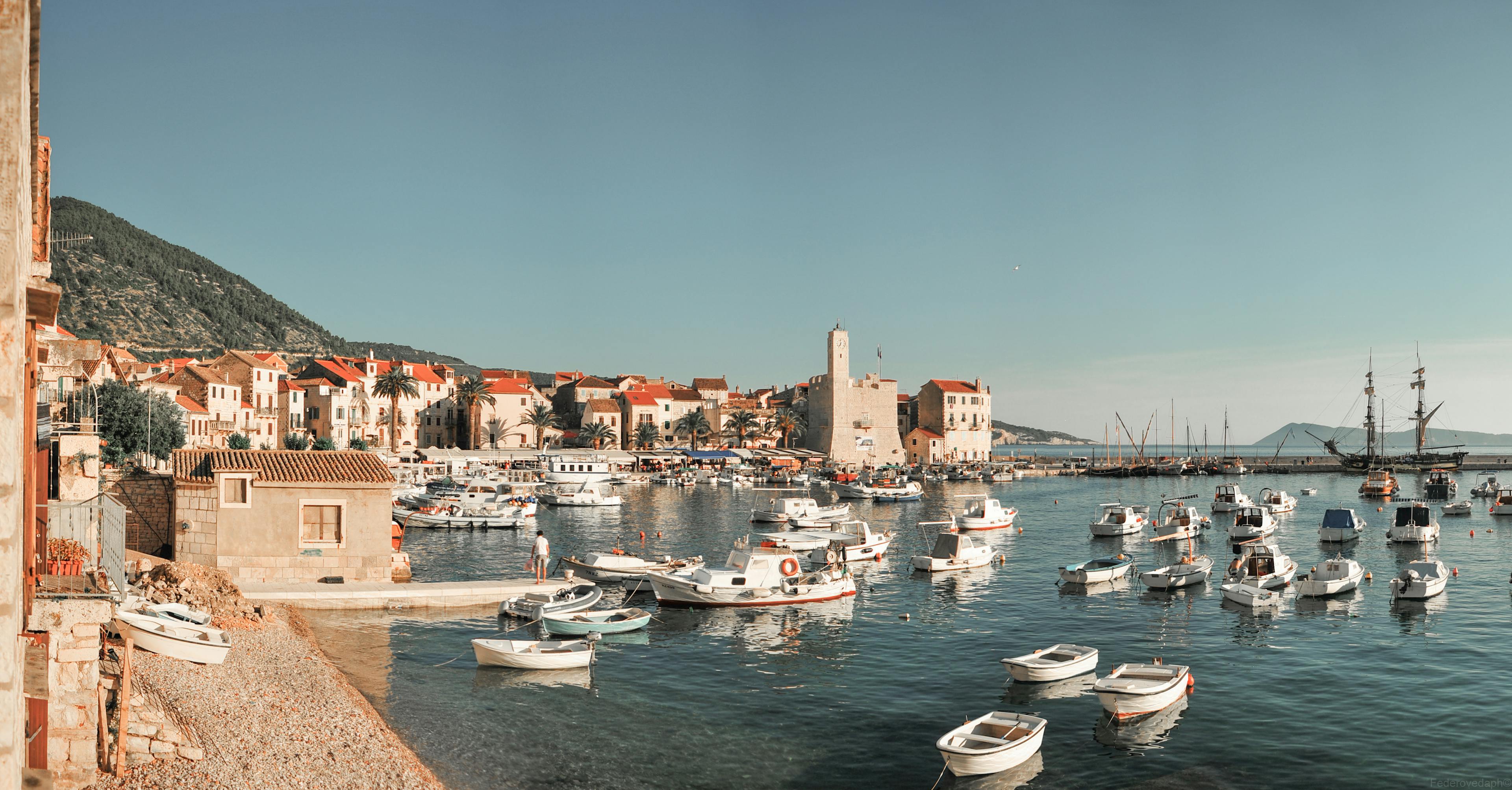
The guide Simon gets called out by name repeatedly in the reviews as a standout personality — the kind of guide who makes the wild boat ride part of the fun rather than just transit between stops. When weather shuts the Blue Cave (it happens), Simon and crew pivot to backup itineraries that reviewers generally rate as highly as the full version. That adaptability is worth paying for. Reviewers also note that the music playlist skews into proper upbeat tracks rather than generic tourist fare, and that the driving is faster and more thrilling than the calmer catamaran alternatives.
“Blue cave was closed unfortunately because of the weather but our guide Simon still made sure to make the tour just perfect. Couldn’t have asked for more. He is a great rider and would keep you awake all the time. Must take this tour.”
“It was the best day! We got to see so many beautiful places, and hear the incredible history of croatia. Simon was the best guide I’ve Ever had, and the music, driving, everything was on point.”
3. Split/Podstrana: Blue Cave, Hvar & 6 Islands Speedboat Trip
This is the “I want to see as much as possible” tour. Six islands in one day sounds insane until you realize that Dalmatia’s central islands cluster is geographically compact — you can hit Biševo, Vis, Budikovac, Pakleni, Hvar, and either Šolta or Brač without any single transit taking more than 30-40 minutes. The catch is that each stop is shorter than on the standard 5-island tours, so you’re more doing a “hit and move on” pattern than a relaxed lounge. Great if your priority is Instagram variety; less great if you wanted a long swim at every stop.
The pickup from Podstrana (just south of Split) is convenient if you’re staying in the hotel zone along that coast — you skip the morning traffic into Split and get on the water 20 minutes earlier. The tour guides Emil, Bruno, Nikolina, and Alex get named repeatedly for creating a friendly, safety-conscious vibe on the boat. Several reviewers mention seeing dolphins during transit — no tour guarantees this, but the central Dalmatian channels do have a resident dolphin population and sightings aren’t rare.
“We really enjoyed our 6-island boat trip! Our guide, Emil, was fantastic – super friendly, knowledgeable, and made sure everyone felt safe and had fun. Even though it’s not peak summer anymore, we still got to snorkel and explore all the beautiful spots, and the smaller crowds made it even better.”
“We had an amazing day out even though the weather was not the best and weren’t able to go into the Blue Cave. Our guides were very good and tried to make up for it. We saw dolphins and were taken to some other places of interest.”
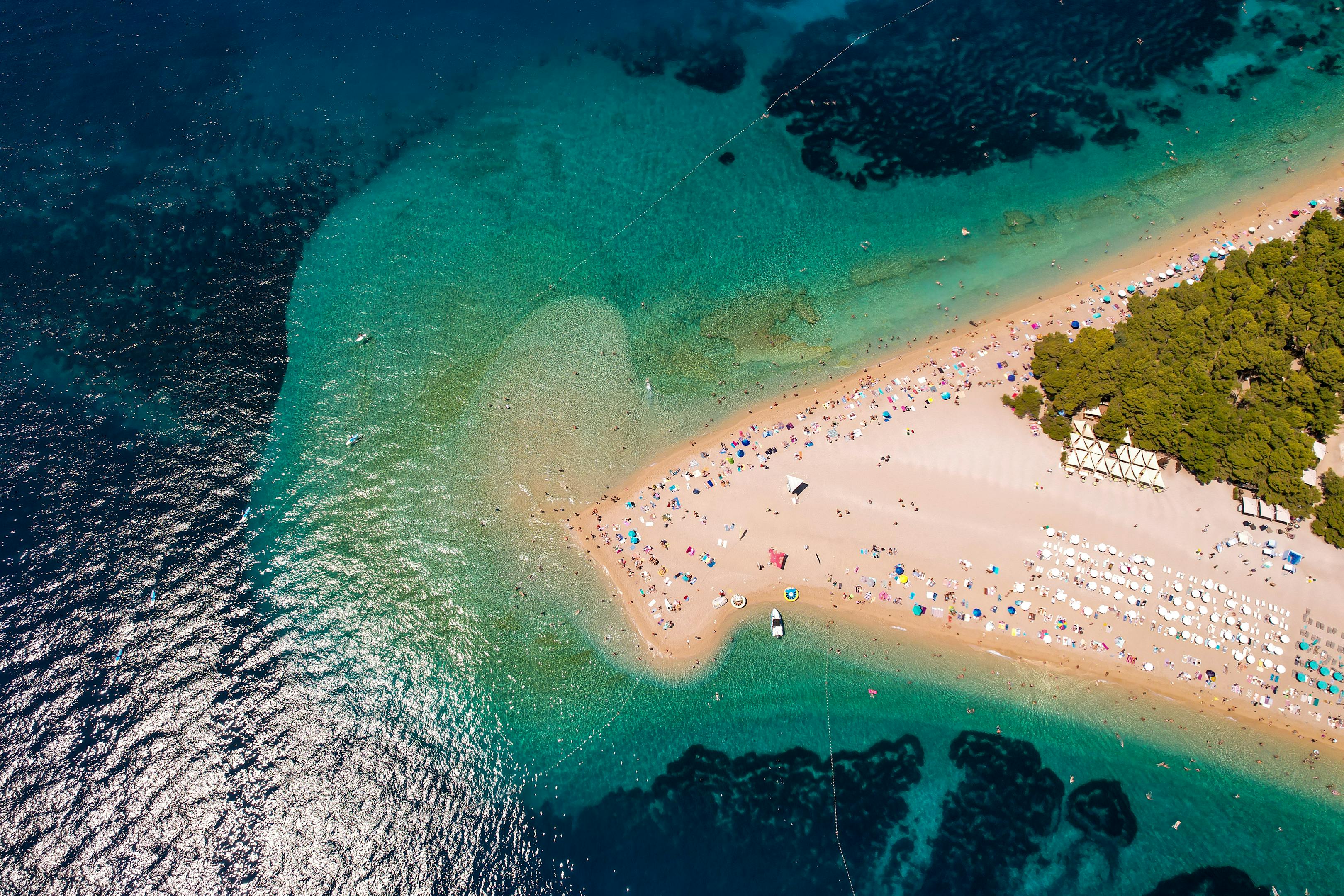
4. Split: Hvar, Pakleni, Brač & Šolta All-Inclusive Catamaran Tour
This is the option for travelers who don’t particularly care about the Blue Cave and would rather have a more comfortable, relaxed day with better food and a proper boat. The catamaran is significantly larger and more stable than the RIB speedboats used on the Blue Cave routes — no jostling, no wind in your face, and plenty of deck space to lounge between stops. The itinerary skips Biševo entirely (which also means no separate cave entrance fee, a quiet saving of €18 per person) and focuses on the closer central islands: Hvar town for walking, the Pakleni archipelago just off Hvar for swimming, Brač for another swim stop, and Šolta for lunch.
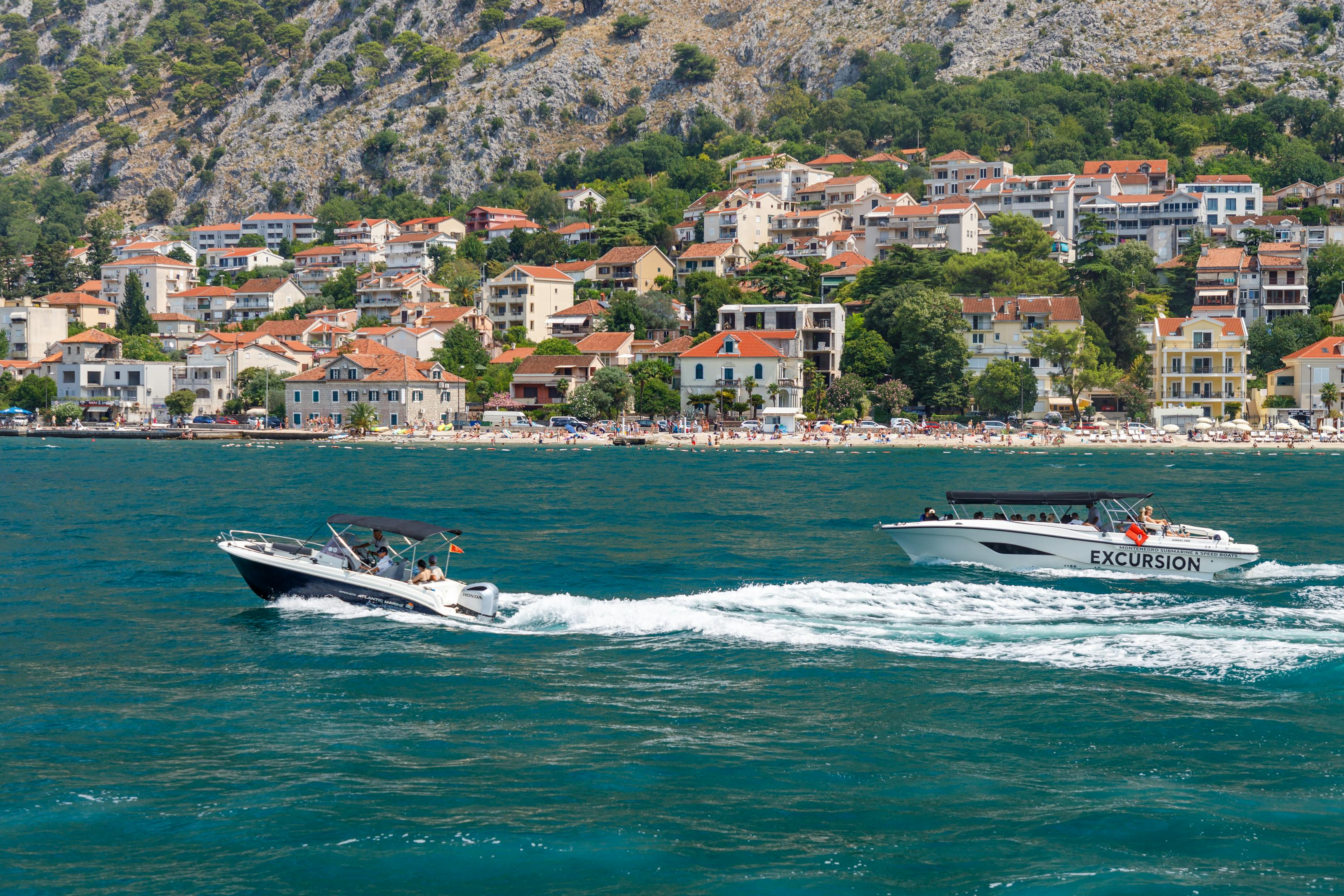
The inclusive pricing is a genuine selling point. Breakfast, lunch, snacks, and an open bar that opens at 11:00 AM are all rolled into the ticket price. When you tally up what a Blue Cave tour actually costs after the cave entrance fee, drinks at swim stops, and lunch in Hvar town (Hvar restaurants are not cheap), the catamaran tour often works out comparable or cheaper despite the higher sticker price. Reviewers consistently mention the breakfast-through-afternoon food service as exceeding expectations.
“Mia and the crew were fantastic! This trip was the highlight of our time in Split. We had the perfect amount of time in Hvar, the swim stops were lovely, and the food (breakfast, lunch, and snacks) was great for the price. The open bar from 11 AM was also excellent value. Easily the most entertaining and enjoyable trip we took.”
“Had a wonderful time on this catamaran. Interesting guided tour of Hvar and enough free time to explore. Great atmosphere on board!”
Hvar Town: The Lunch Stop That Becomes the Best Part
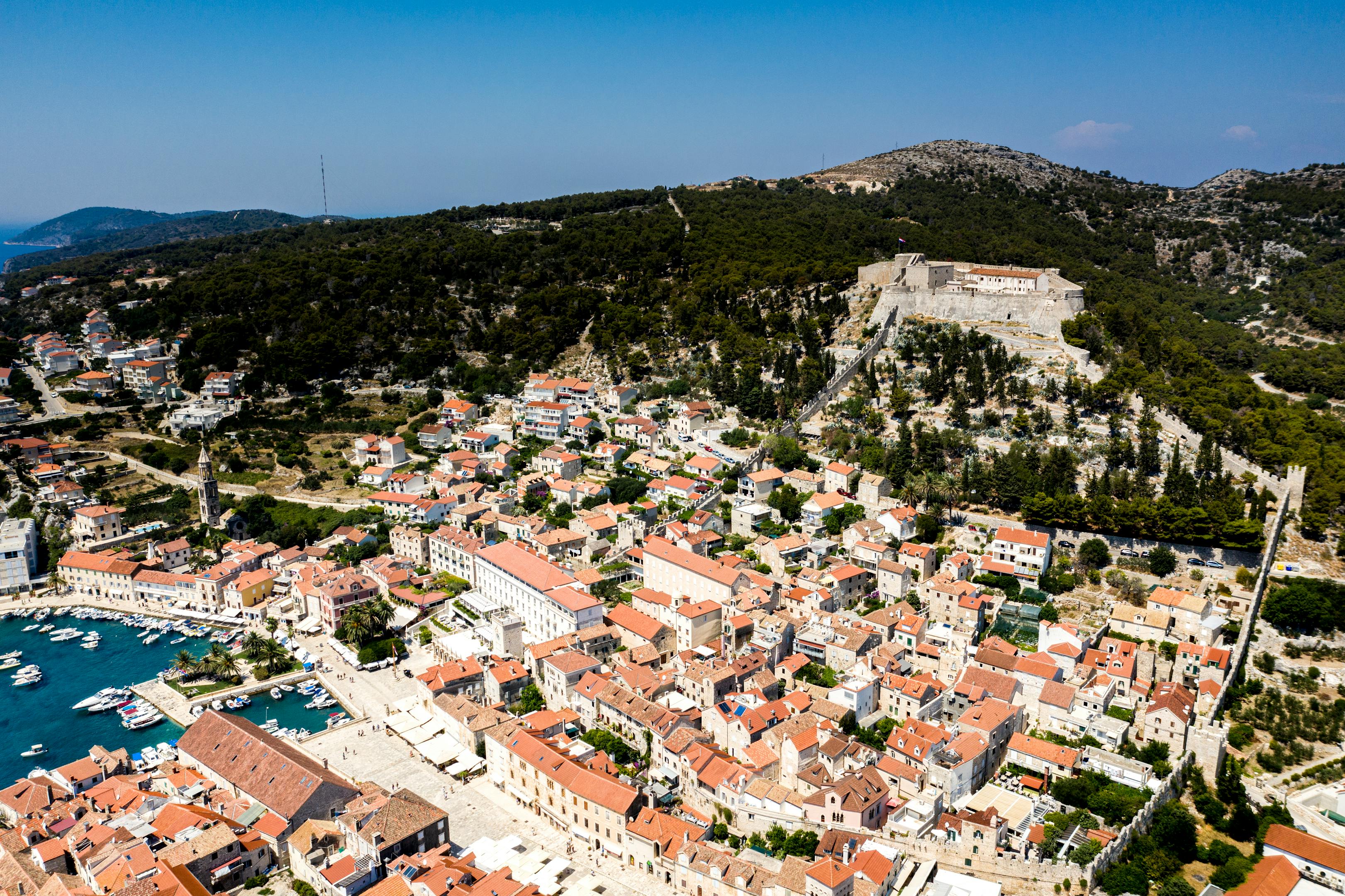
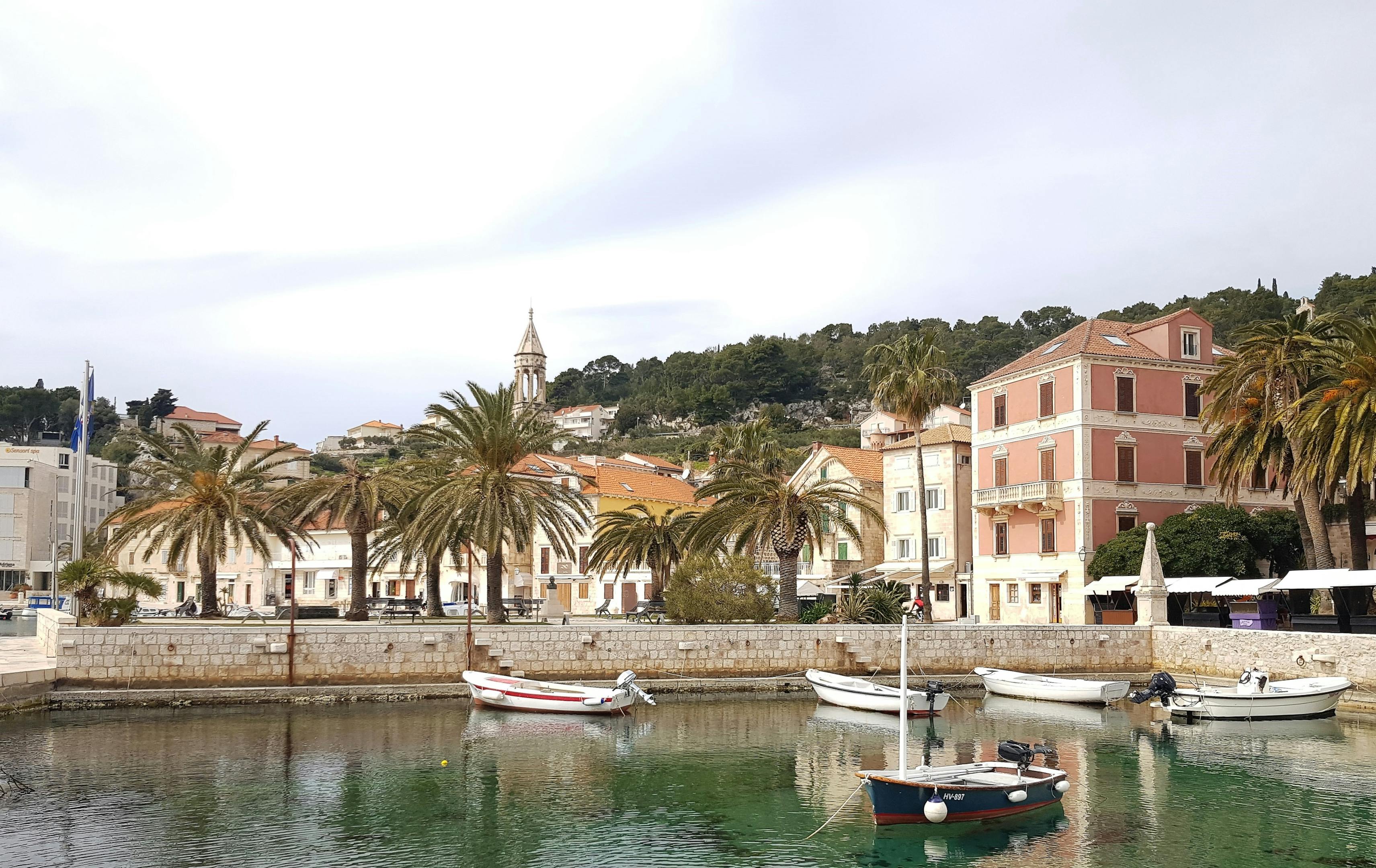
Almost every Blue Cave tour ends the outbound portion with a stop in Hvar town. You get between 90 minutes and 2 hours on land, which sounds short but is enough to walk the main promenade, climb to the Spanish Fortress above the town for the view, grab a proper sit-down lunch at one of the waterfront restaurants, and still make it back to the boat on time. The trick is to decide what you care about before you arrive: sit-down meal OR fortress OR aimless wandering — you can do two of these three in the time allowed, not all three.
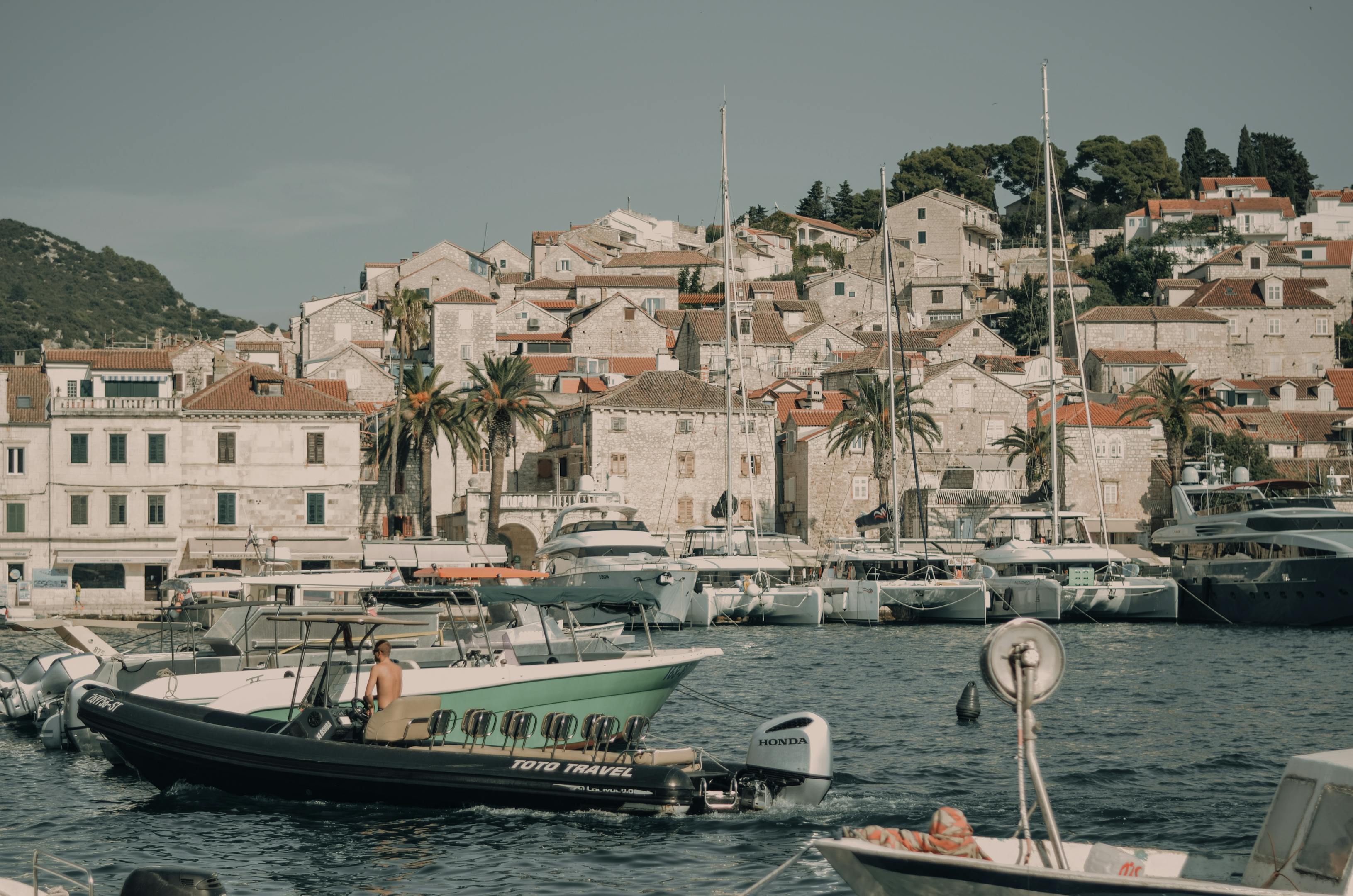
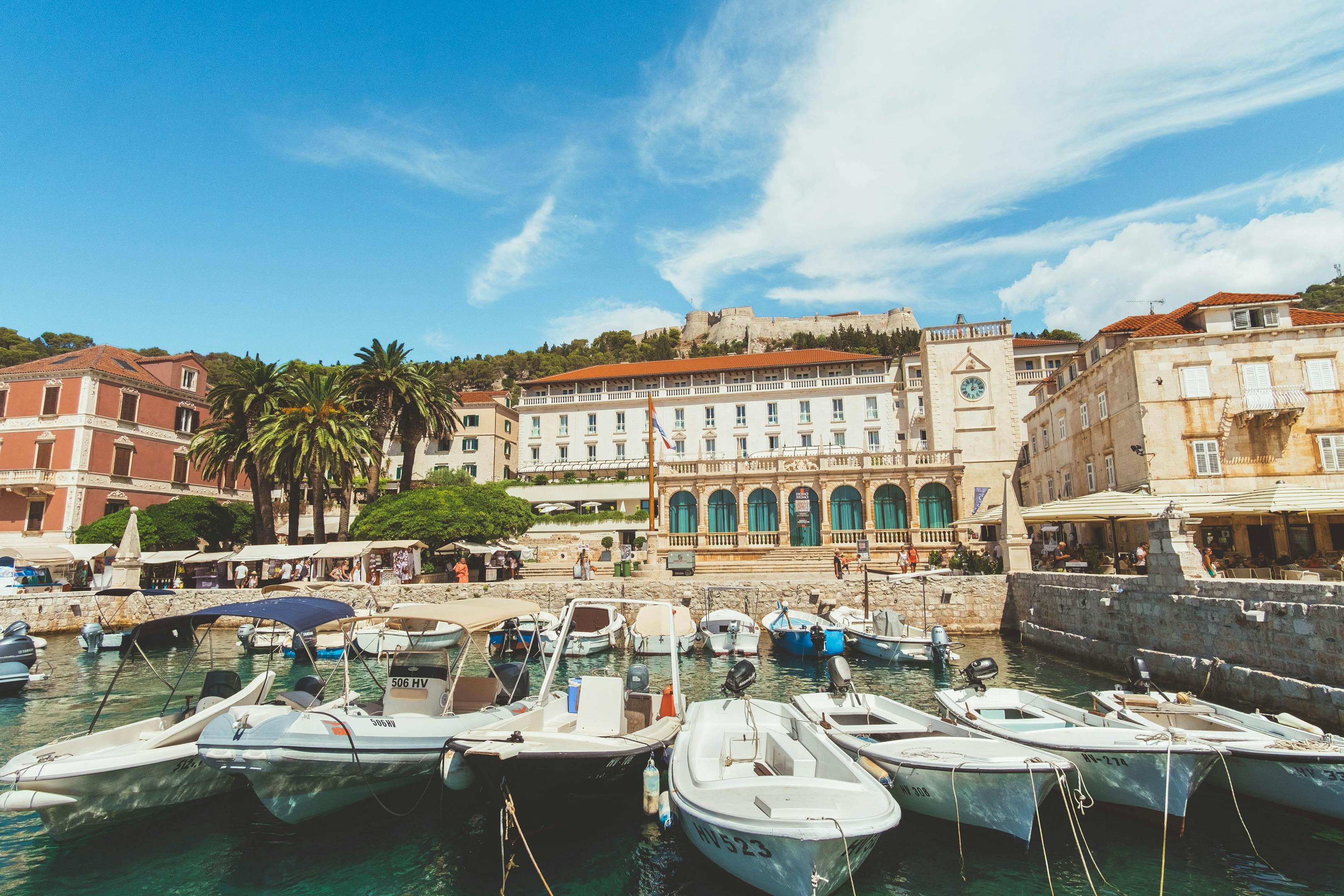
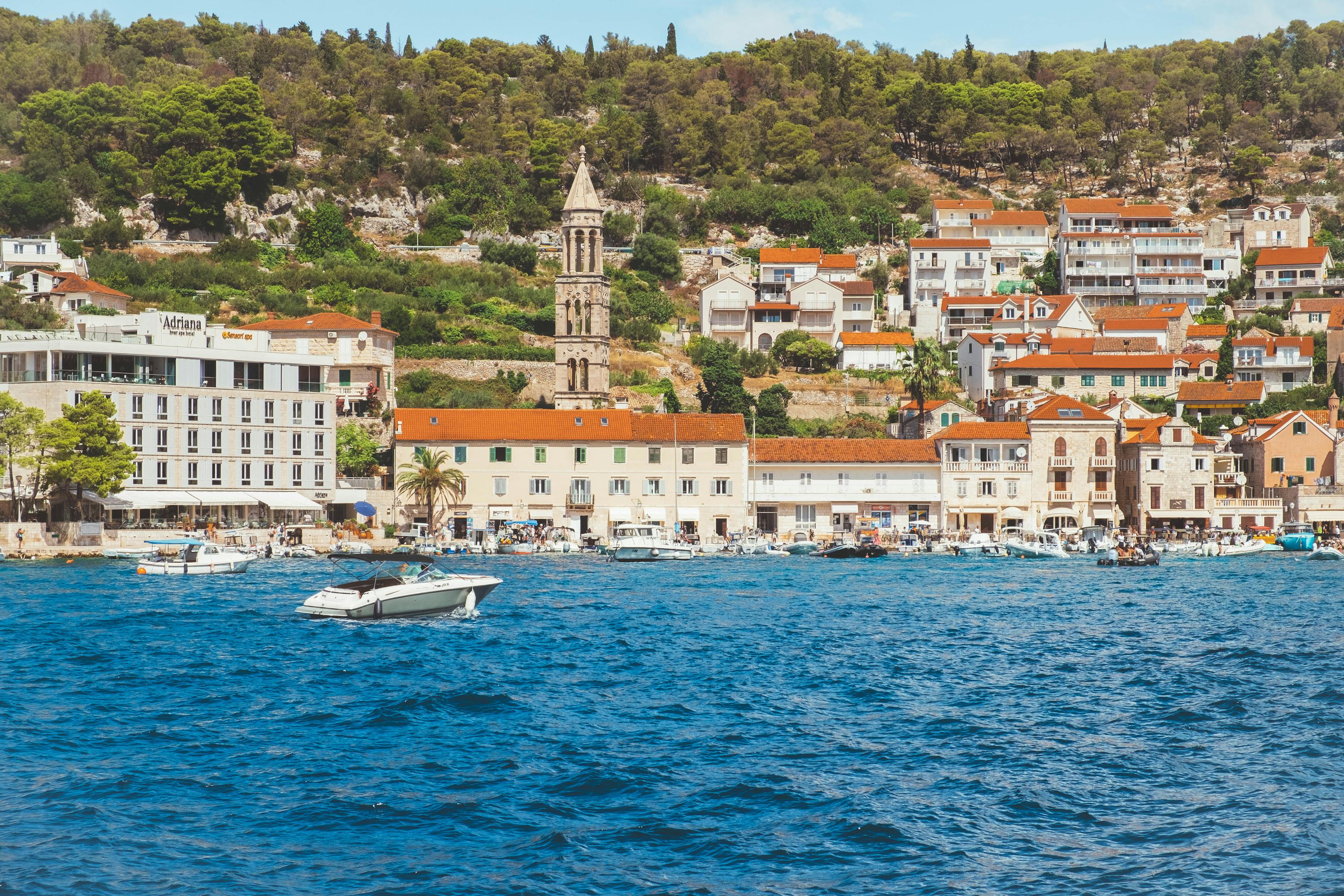
Hvar town has been a Dalmatian port since the Greek colony of Pharos was founded here in 384 BC, and the layered history shows in the architecture: Greek street grid, Venetian public buildings, 16th-century fortifications, a 13th-century cathedral on the main square, and a waterfront lined with restored stone warehouses now housing restaurants and bars. It’s also Croatia’s unofficial party capital in July and August — a fact that’s either wildly appealing or deeply off-putting depending on your travel style. On a day tour, you see the day face of Hvar, which is genteel, scenic, and well-behaved. The night face is a different experience, and if you want to see it, you’ll need to stay overnight.
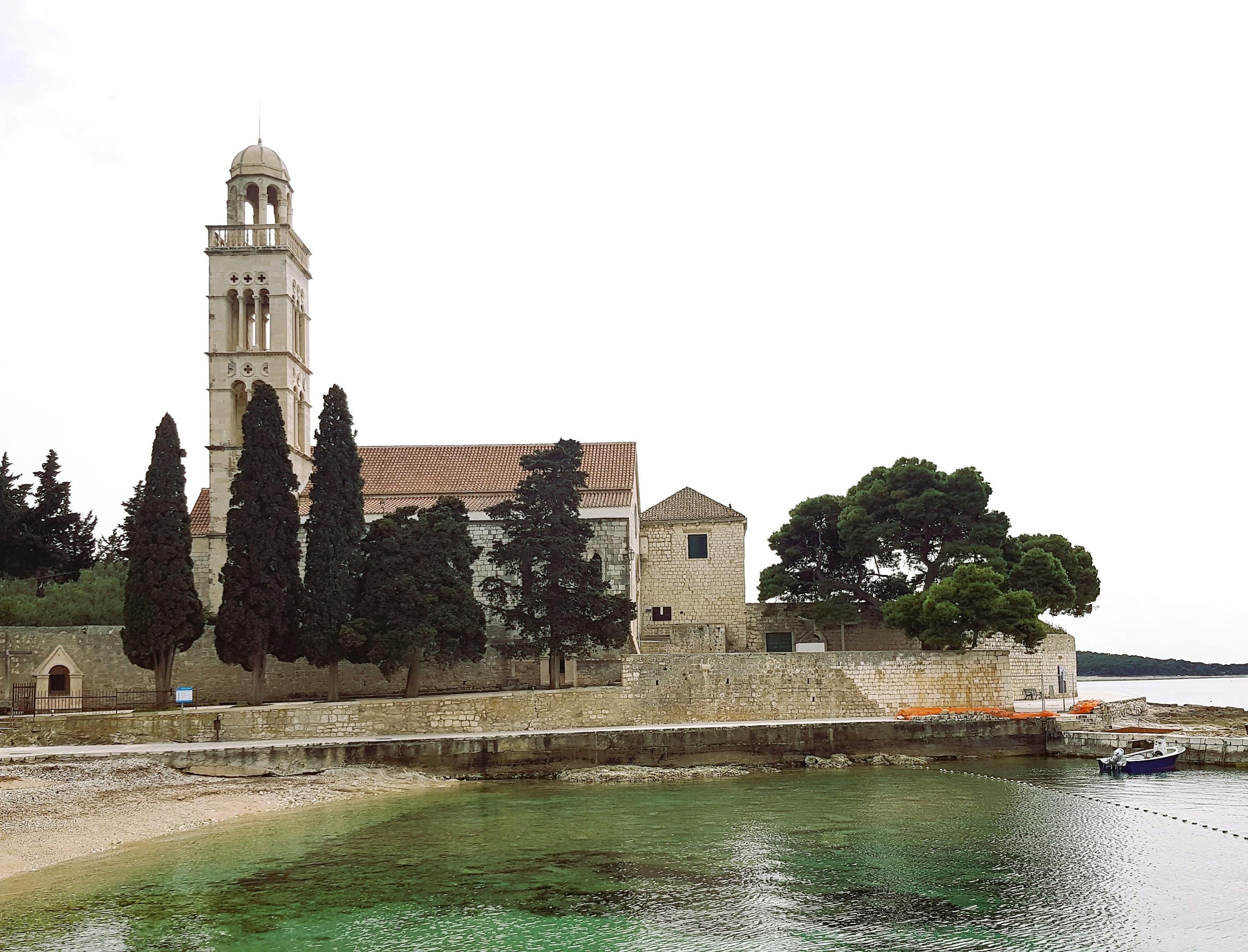
If you only have your tour’s 90-minute window, my pick is: walk straight to the Spanish Fortress (about 20 minutes uphill through narrow stone streets), take photos from the top for 15 minutes, walk back down for 15, and spend the remaining 40 minutes at a waterfront restaurant with a reservation you made before you arrived. The fortress view is the single most memorable part of Hvar and skipping it feels like a missed opportunity even with the climb.
The Pakleni Islands: The Real Hidden Gem
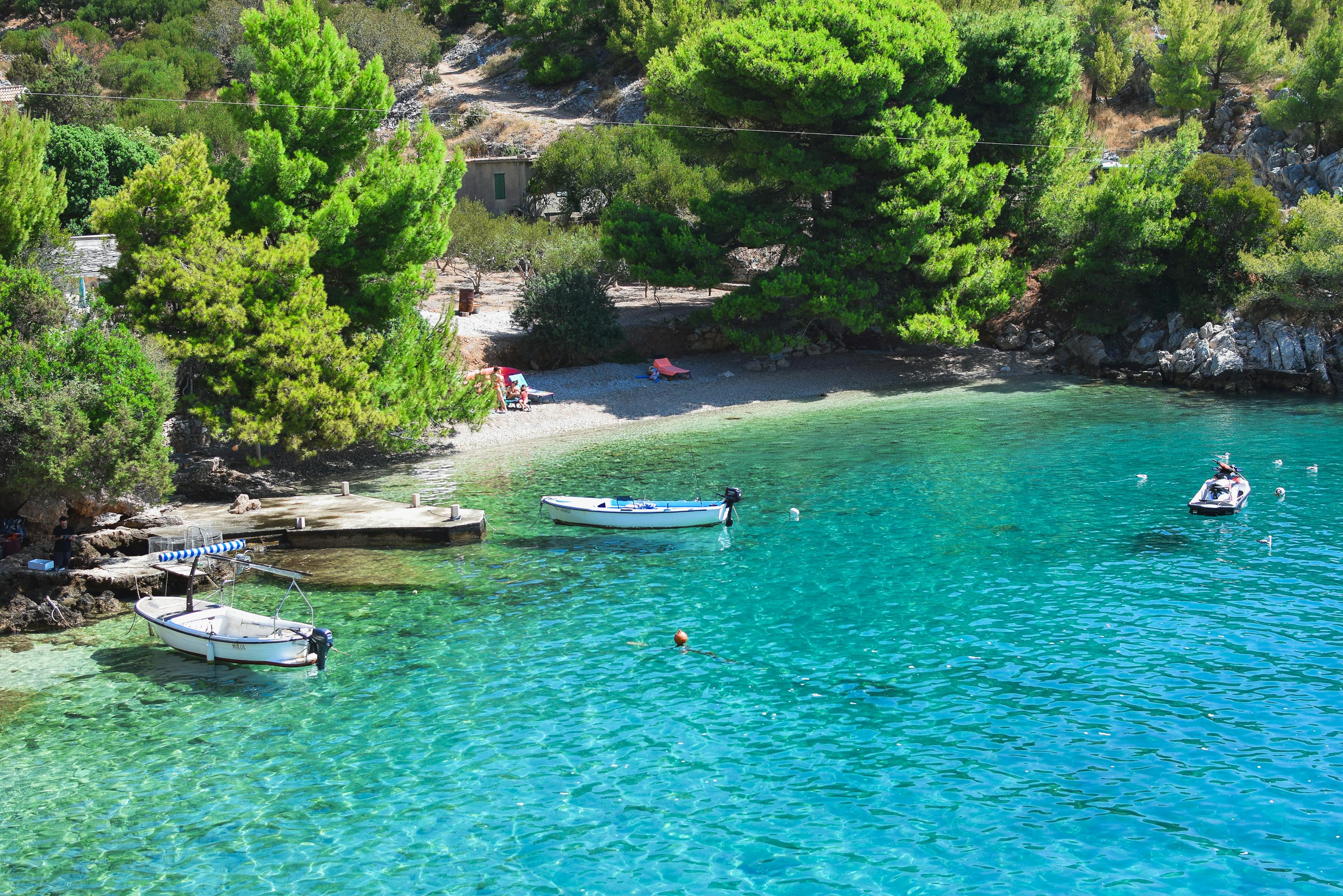
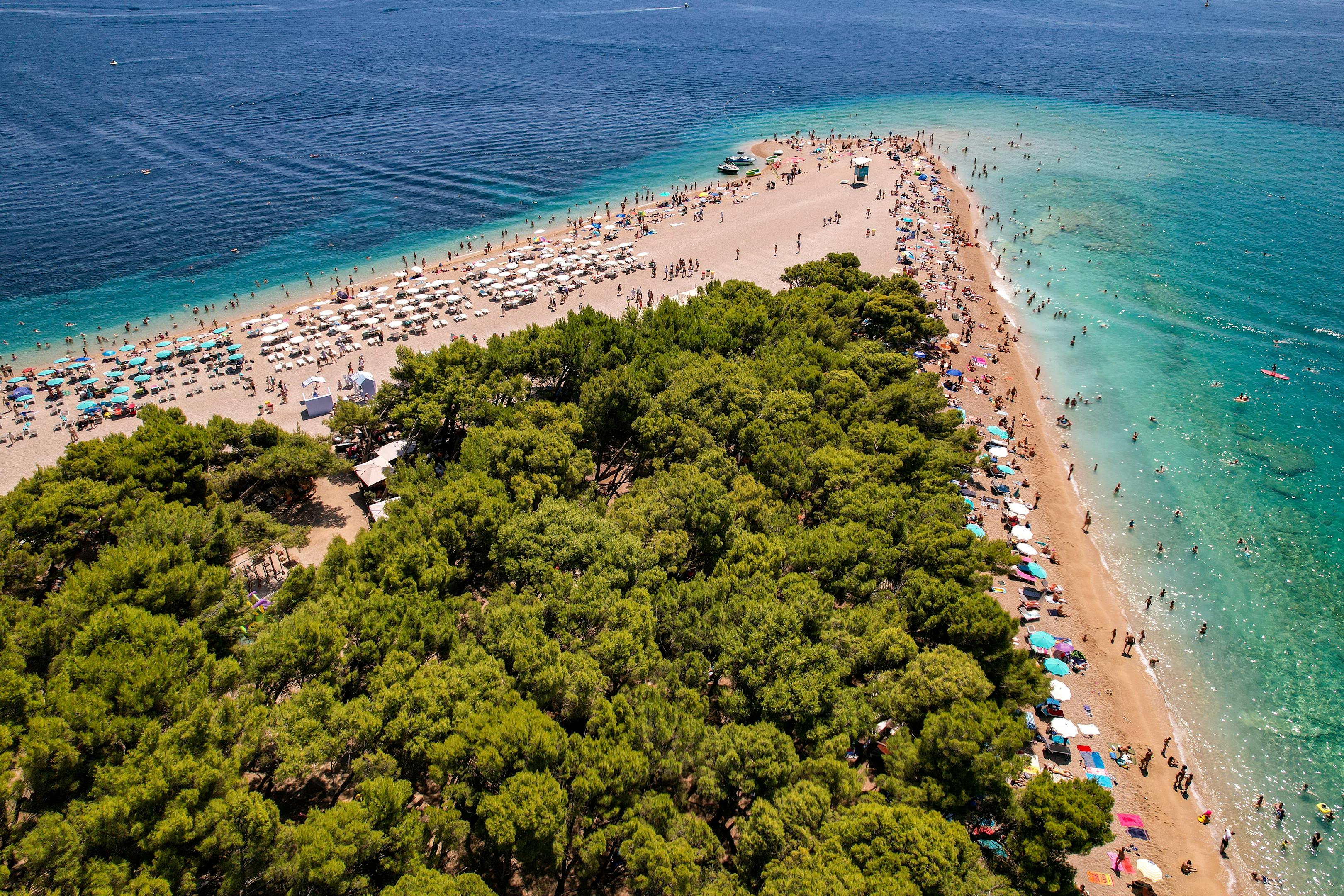
The Pakleni archipelago sits just 1-2 kilometers off Hvar town — you can see them from the harbor — but very few day-trippers realize they’re a destination in their own right rather than just a scenic backdrop. The name “Pakleni” is often translated as “Hellish Islands,” which is misleading; it actually comes from paklina, the pine resin that was historically collected here for boat waterproofing, not from any infernal associations. The islands are uninhabited apart from a handful of beach restaurants and yacht moorings, and the swimming is exceptional — clear water, rocky coves, almost no sand, and uncrowded even in August compared to the main Hvar beaches.
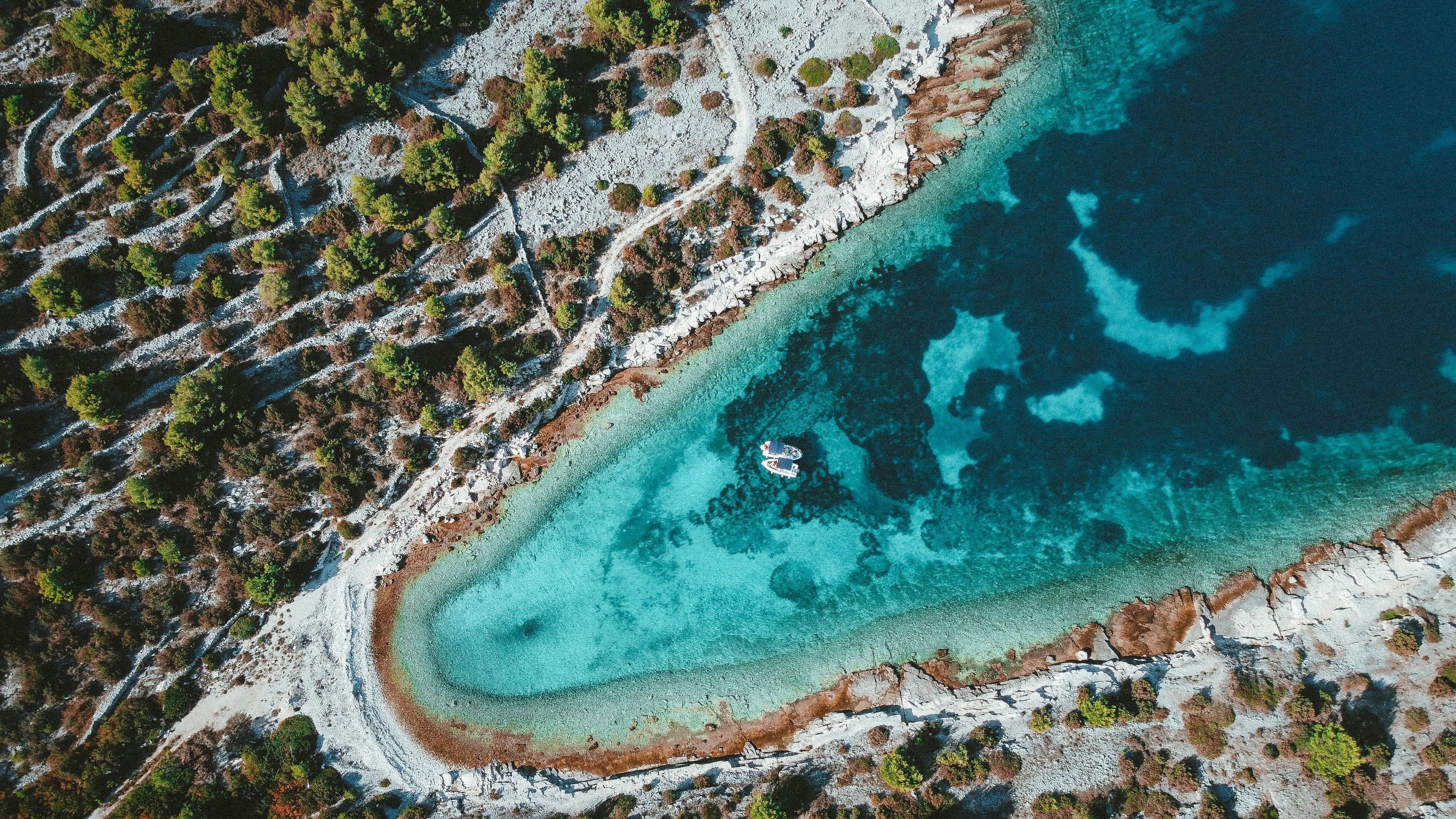
Most tours include a swim stop at either Palmižana (the main Pakleni bay with a restaurant) or Stipanska Beach (smaller, quieter, but harder to find). Both are excellent. If you’re the kind of swimmer who likes to kick off the boat and drift for 20 minutes, this is your stop. The water is deep enough that you can’t touch the bottom from the boat, so bring a snorkel mask if you want to get close to the rocky bottom — visibility is typically 10-15 meters on calm days.
One quirk of the Pakleni stops: the rocky shoreline means there’s almost nowhere to comfortably sit or sunbathe on land, so most passengers either stay on the boat between swims or float near the hull. If you’ve been dreaming of stretching out on warm sand between dips, this isn’t the place — but nobody has ever complained about the water quality itself. A pair of neoprene swim socks or water shoes helps for the short barefoot walks across the sharp rocks if your tour lets you actually land on the islands rather than just anchor offshore. Ask your guide on the boat — different operators handle this differently.
Historical Context: Why Vis Was Off-Limits for 40 Years
Here’s a detail most travelers don’t know: Vis was closed to foreign travelers from 1947 to 1989. During the Yugoslav period, Vis served as a strategic military base — Tito’s partisans had sheltered in its caves during WWII, and the post-war Yugoslav government maintained it as a secret naval installation complete with underground submarine pens, missile silos, and tunnels carved into the island’s hills. Civilian foreigners simply weren’t allowed to visit. When Croatia opened Vis to tourism in 1989, the island was essentially frozen in time — no overbuilt resorts, no mass-market hotels, no mega-marinas. It looked (and still largely looks) like the rest of Dalmatia did in the 1960s.
That preservation-by-accident is why Vis was picked as the filming location for Mamma Mia: Here We Go Again (2018). The production team wanted somewhere that could credibly stand in for a fictional Greek island without betraying any signs of modern Mediterranean tourism development. Vis fit the bill perfectly. The scenes were mostly shot in and around Komiža, Barjaci Beach on the north coast, and the harbor of Vis town. Walking around Komiža today, you can find yourself recognizing street corners and café fronts from the film — it’s surprisingly direct. Tour guides on the Vis-focused itineraries will generally point these out if asked.
You can still visit the old military installations on Vis — several operators run “military history” tours of the tunnels and submarine pens, though these are longer than a Blue Cave day trip and require an overnight on the island. If you want to see them while also hitting the Blue Cave, plan for a two-day Vis trip rather than trying to combine both in one day.
Practical Tips for the Speedboat Tours
Sun protection is non-negotiable. You’re on open water for 8-10 hours with minimal shade, and the combination of direct sunlight and reflected glare from the water burns people who don’t believe they can burn. Apply sunscreen every 90 minutes, wear a hat with a chin strap (or it’ll fly off at 50 km/h), and bring long-sleeved rash guard or light shirt for the middle part of the day when the sun is at its worst. Reviewers who got burned mention it specifically and regret not being warned.
Bring waterproof bags for phones and cameras. Speedboat transit is wet — spray, occasional full splashes, and no covered storage. A simple dry bag from any Split sporting goods store solves the problem for €10-15. Tour operators sometimes provide plastic bags, but these aren’t reliable. Better to bring your own and know your electronics are safe.
Pack your own snacks. Most Blue Cave speedboat tours include water on the boat but nothing else, and the Hvar lunch stop is expensive (expect €25-40 per person for a sit-down meal on the waterfront). If you’re budget-conscious, bring a substantial snack for the boat and plan a cheaper meal elsewhere. Grocery stores in Split sell decent pre-made sandwiches, fruit, and bottled drinks at a fraction of the on-tour prices.
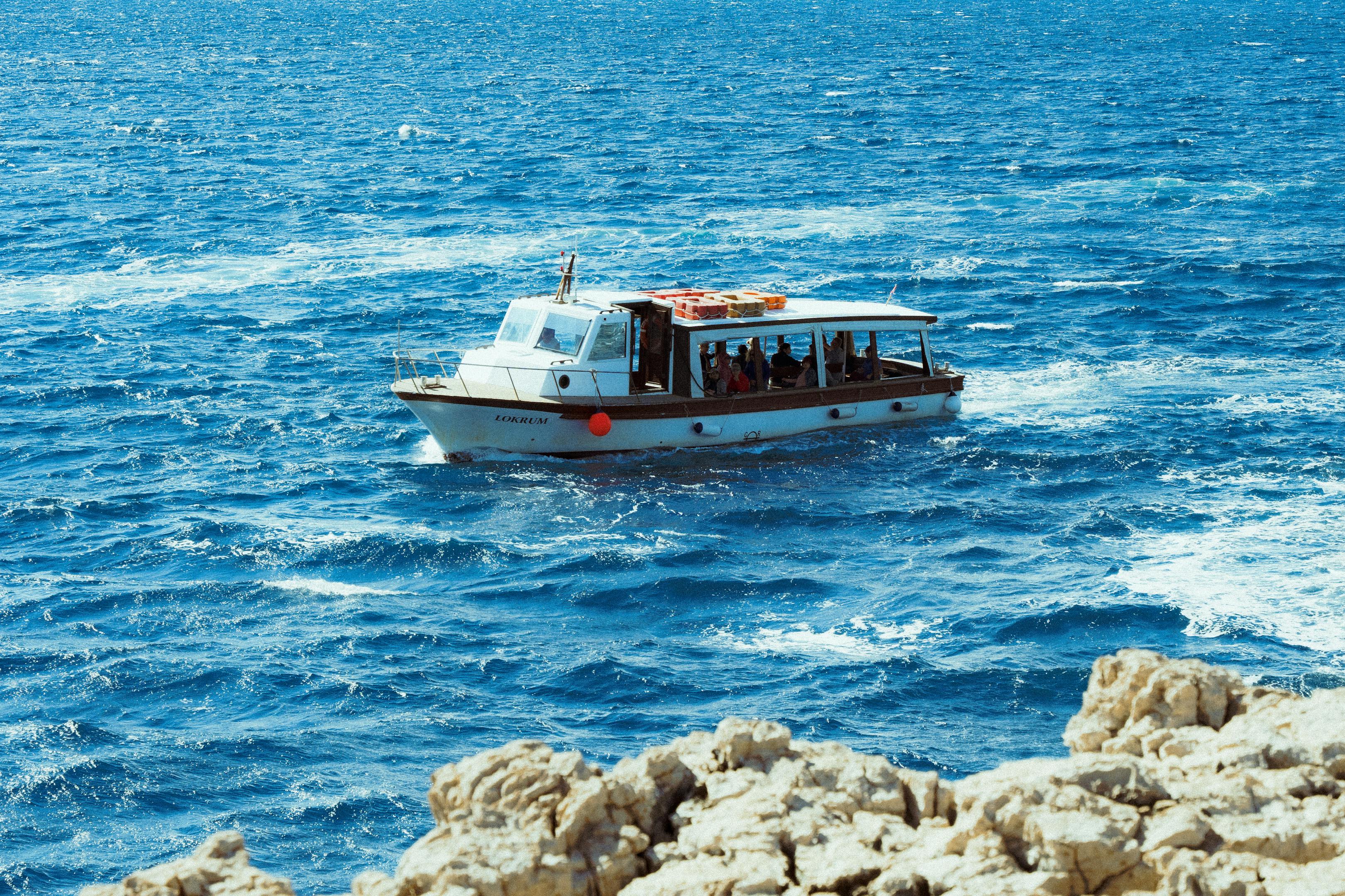
Consider motion sickness medication. Even on calm days, 8-10 hours on a small boat getting bounced around can trigger seasickness in people who never have issues on larger ferries. Take a preventive dose (Dramamine or similar) before boarding, not after you start feeling queasy. Once the nausea starts, it’s hard to reverse on a boat that can’t stop. Pharmacies in Split sell the usual options over the counter.
Book 2-4 weeks ahead for July and August. These tours regularly sell out in peak season, and last-minute booking means taking whatever’s left — often the less-reviewed operators. In shoulder season (May, June, September, early October), you can usually book a week ahead and still get your first choice. October and late April are more weather-dependent — you might be rebooked once or twice before a viable date appears.
More Croatia Guides Worth Reading
The Blue Cave speedboat tour is the sea-based flagship of any Split visit, but Dalmatia’s inland attractions deserve just as much attention. The Split to Krka Waterfalls tours are the natural day-two option after a long day on the water — trade the Adriatic for freshwater cascades and a traditional Dalmatian wine tasting. If you’re planning a broader Croatia itinerary, the Plitvice Lakes day trips from Zagreb cover the country’s biggest national park and its 16-lake cascade system from its natural base in the capital.
Further south, Dubrovnik has its own day-trip economy. The Dubrovnik City Walls and walking tours guide covers the definitive experience of the old city on foot, while the Elaphite Islands cruises from Dubrovnik are the Dubrovnik equivalent of what the Hvar tours do for Split — multiple islands in a single day, with a very different feel. Fantasy fans shouldn’t miss the Game of Thrones tours in Dubrovnik that trace the King’s Landing filming locations through the walled city. And if your Croatia trip begins or ends in Zagreb, the Zagreb walking tours and WWII tunnels pair well with Plitvice as a city-plus-nature day combo.