- Introduction
- Key Points
- What the Tour Includes and Excludes
- The Itinerary in Detail
- Stop 1: Tuol Sleng Genocide Museum
- Stop 2: Choeung Ek Genocidal Center
- Authentic Insights from Reviewers
- Practical Details and Tips
- The Sum Up
- FAQs
- The Best Of Phnom Penh!
- More Tours in Phnom Penh
- More Tour Reviews in Phnom Penh
Introduction
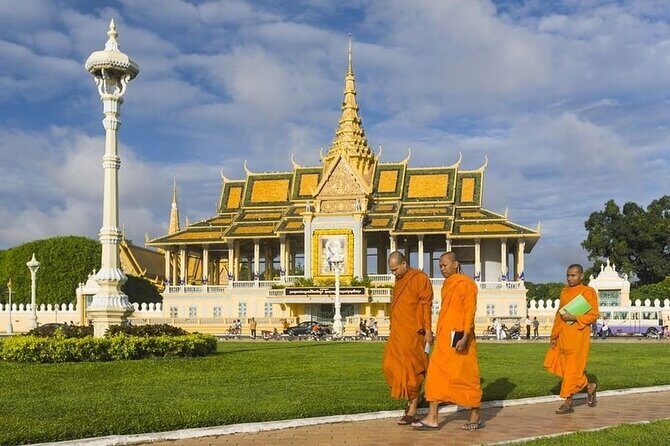
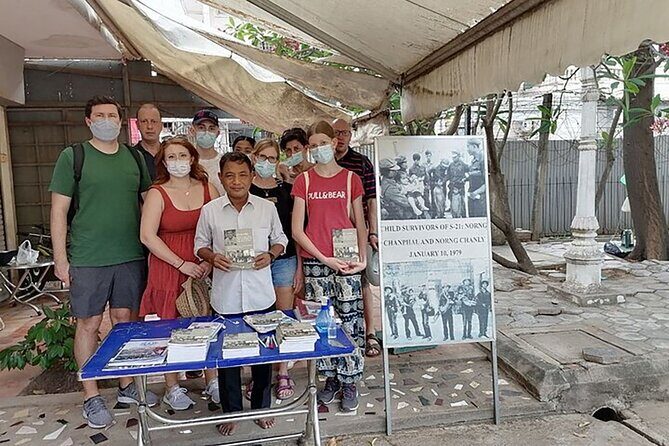
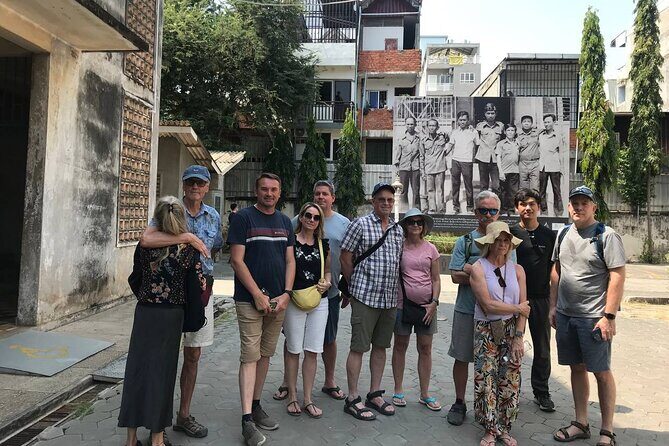
Taking a half-day tour in Phnom Penh focused on the Khmer Rouge era offers a profound glimpse into Cambodia’s troubled history. This experience is crafted for those who want to understand the country’s darkest chapters beyond surface-level sightseeing.
What we love about this tour? First, the guided interpretation helps make sense of complex history, especially at the emotionally charged sites. Second, the comfort of air-conditioned transport ensures a smoother, less exhausting visit. Third, with a reasonable price of $20, it offers an accessible way to deepen your appreciation of Cambodia’s resilience.
However, one point to keep in mind is the ticket fees not included—adding an extra $8 to your cost—and the emotional weight of the visits, which can be quite intense. This tour suits travelers who are ready for a respectful, educational experience that delves into Cambodia’s past, especially if you’re interested in history or human rights.

👉 See our pick of the 8 Best Airport Transfers In Phnom Penh (With Reviews & Prices)
Key Points
- Affordable Price: At just $20, it provides a meaningful cultural experience.
- In-Depth Guided Tours: Knowledgeable guides help interpret the sites’ significance.
- Emotional and Educational: Focuses on Cambodia’s tragic history, making it impactful.
- Comfortable Transportation: Air-conditioned vehicle ensures a relaxed journey.
- Two Historic Sites: The tour covers both the Killing Fields and S-21 prison.
- Consider Additional Costs: Entrance tickets are paid separately, around $8 total.
You can also read our reviews of more tours and experiences in Phnom Penh.

What the Tour Includes and Excludes
This half-day experience is built around a professional, English-speaking guide and a comfortable driver. The vehicle is air-conditioned, which is a real plus given Cambodia’s heat and humidity. Included in the price are cool water and service charges, making the journey more comfortable and less stressful.
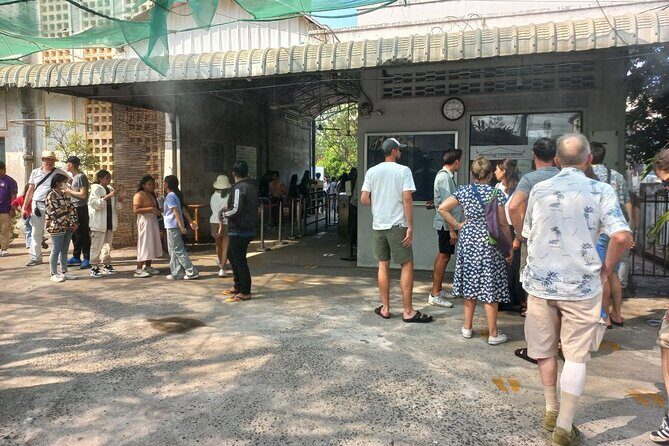
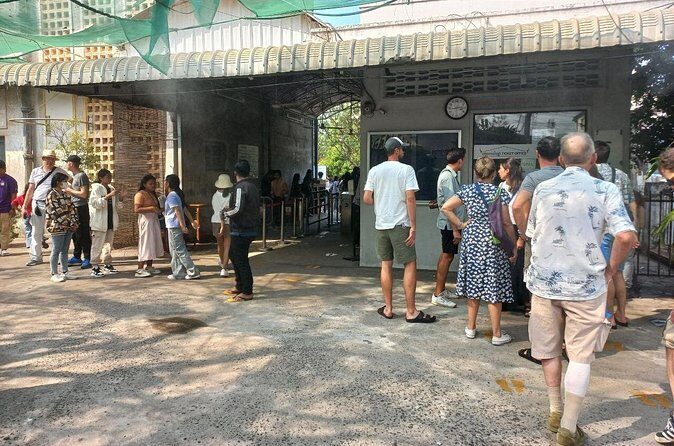
On the downside, entrance tickets to the sites are not included—costing approximately $3 for the Killing Fields and $5 for Tuol Sleng—so budget for that additional expense. Tipping your guide or driver is not obligatory but appreciated, and personal expenses are not covered.
The Itinerary in Detail
Stop 1: Tuol Sleng Genocide Museum
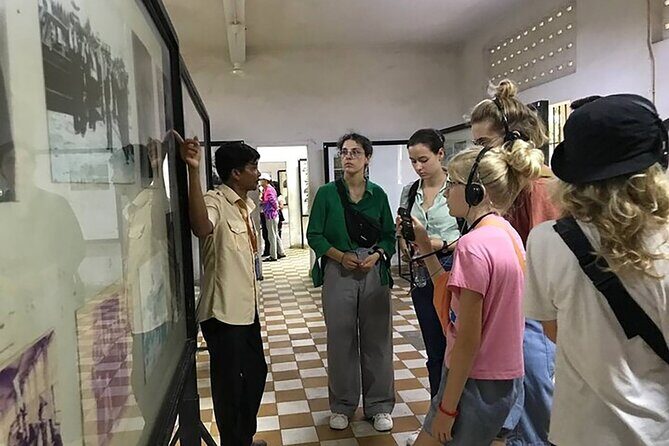
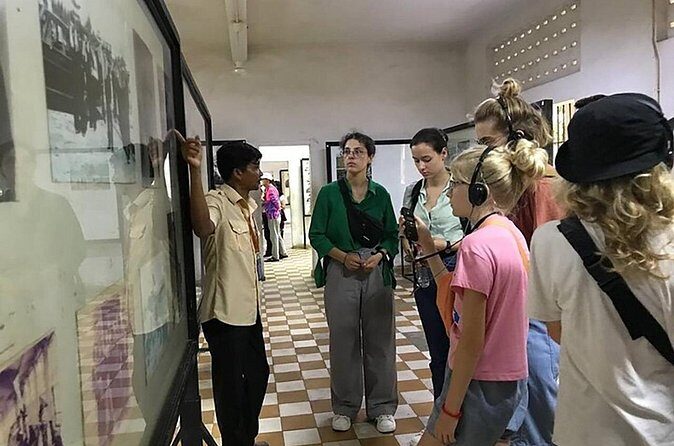
The first stop at Tuol Sleng (also known as S-21) is a stark reminder of Cambodia’s brutal history. This former high school was converted into a prison by the Khmer Rouge, where between 14,000 and 17,000 prisoners were detained, tortured, and often executed.
What makes this site particularly impactful is walking through the surviving classrooms turned into cells—small, primitive brick chambers that still evoke a haunting sense of confinement. Guides often point out the primitive torture devices and photographs that reveal the scale of atrocities. One reviewer mentioned that the guide’s storytelling “helped make sense of the complex history,” highlighting how interpretation enhances the experience.
While this site can be emotionally heavy, it also serves as an essential lesson on human rights and resilience. Expect to spend about two hours here, giving enough time to absorb the stories and reflect.
Stop 2: Choeung Ek Genocidal Center
Just nine miles south of Phnom Penh, the Killing Fields at Choeung Ek stand as a chilling testament to the Khmer Rouge’s brutal regime. Once an orchard and Chinese cemetery, it was turned into a site of mass executions where approximately 20,000 victims were murdered during a three-year period.
Walking through the fields, you can see the memorial stupa filled with thousands of skulls—an emotionally powerful sight. The site’s history as a place where nearly 2.5 million people were buried in mass graves underscores its significance. Reviewers note that the guide’s explanations help contextualize the horrors, making it easier to grasp the scale of the crimes committed.
The visit takes around two hours, allowing visitors to pay respects and reflect on the tragic history. It’s a visceral experience that many find both sobering and educational.
Authentic Insights from Reviewers
A recurring theme among travelers’ feedback is the value of guided interpretation. One reviewer appreciated how the guide “helped make sense of the complex history,” emphasizing the importance of knowledgeable commentary at such emotionally charged sites. Another highlighted that the comfortable transport made it easier to focus on the historical context rather than logistical worries.
Some travelers mentioned that ticket prices added to the overall cost but still felt the experiences were worth the extra expense. The clarity around the timing—starting at 8:15 am and returning to the meeting point—helps travelers plan the rest of their day.
Practical Details and Tips
This tour departs from Amanjaya Pancam Hotel at 8:15 am, giving you a peaceful start before the midday heat and crowds. It’s best suited for most travelers, but be prepared for an emotionally intense experience. The maximum group size is 20, which helps keep the tour intimate and allows your guide to give personalized attention.
Since the tour is only four hours and fifteen minutes, it offers a compact, impactful visit—not a full-day commitment but enough to get an insightful overview. The half-day format makes it perfect for those with limited time or for travelers who want to include other activities later in the day.
The Sum Up
This half-day tour in Phnom Penh is a respectful, educational look into Cambodia’s dark history. It’s well-suited for travelers who seek an authentic, meaningful experience without overextending their schedule. With guided insights and comfortable transportation, you’ll be able to connect emotionally and intellectually with what you see.
While the additional ticket costs may seem small, they are worth considering for a comprehensive understanding of the sites. The emotional weight of the visits calls for a respectful mindset, but the stories shared are invaluable for anyone wanting to understand Cambodia’s resilience.
This tour offers a well-balanced mix of history, reflection, and comfort. It’s ideal for anyone interested in human rights, history buffs, or travelers looking to gain a deeper appreciation for Cambodia’s past and its ongoing journey of recovery.
FAQs
Are the entrance tickets included in the price?
No, the entrance fees for the Killing Fields and Tuol Sleng are paid separately, totaling around $8 per person.
What is the tour duration?
The entire experience lasts approximately 4 hours and 15 minutes, starting at 8:15 am and returning to the meeting point.
Is transportation included?
Yes, all transfers are by a comfortable air-conditioned vehicle, making the journey smooth and less tiring.
Can I participate if I am not very fit?
Yes, the tour is suitable for most travelers, but be prepared for emotional intensity and some walking at each site.
What should I bring?
Bring water, sun protection, respectful clothing, and possibly a camera for photos. Be mindful of the emotional impact of visiting these sites.
Is the guide’s commentary helpful?
Yes, reviewers praise the guides for helping interpret the complex and sensitive history, making the experience more meaningful.
Is this tour suitable for children?
It may be emotionally challenging for young children, so parental discretion is advised based on their sensitivity to such history.
What if I need to cancel?
You can cancel free of charge up to 24 hours in advance for a full refund.
Is tipping expected?
Tipping the guide and driver is appreciated but not obligatory; it depends on your satisfaction with the service.
This tour provides a poignant and respectful way to explore Cambodia’s history, making it a valuable addition to any trip. It’s an opportunity to learn, reflect, and honor the resilience of a nation that has faced unimaginable hardships.