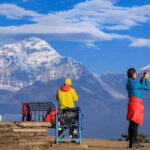
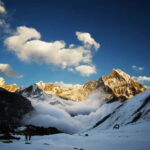
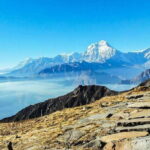
Planning a trek in Nepal often involves weighing breathtaking scenery against challenges like crowds and altitude. This 7-day Mardi Himal trek from Everest Helicopter Tours offers a balanced mix of stunning views, peaceful trails, and local culture, all at an accessible price point of $502 per person. Whether you’re a beginner or short on time, this adventure promises a memorable journey through some of the Annapurna region’s quieter, less-trodden paths.
Three things that really stand out about this trek are the panoramic vistas of Machapuchare and Annapurna South, the opportunity to trek through lush rhododendron and oak forests, and the chance to experience authentic Gurung and Magar village hospitality. One consideration worth noting is the moderate difficulty level, which includes reaching 4,500 meters at Mardi Himal Base Camp; those with health concerns should plan accordingly. This trek is ideal for travelers seeking stunning scenery and culture with manageable logistics.
This experience made our article of Ghandruk’s 15 Top Tours & Experiences (With Prices).
- Key Points
- The Itinerary Breakdown: What to Expect on the Mardi Himal Trek
- Day 1: From Pokhara to Kande and Trek to Deurali
- Day 2: Trek to Forest Camp
- Day 3: From Forest Camp to Low Camp and Beyond
- Day 4: Ascend to High Camp
- Day 5: Trek to Mardi Himal Base Camp & Sunrise View
- Day 6: Descend to Siding and Return to Pokhara
- Day 7: Rest and Exploration in Pokhara
- The Value of Guided Support, Meals, and Permits
- Accommodation & Facilities
- Seasonality & Best Time to Visit
- Additional Practical Details
- What to Bring
- Restrictions & Regulations
- Flexibility & Cancellation
- Final Thoughts: Who Is This Trek Perfect For?
- FAQ
- The Best Of Ghandruk!
- More Hiking & Trekking Tours in Ghandruk
- More Guided Tours in Ghandruk
- More Tour Reviews in Ghandruk
Key Points
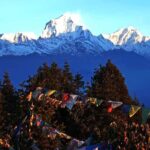
- Stunning mountain views of Machapuchare, Annapurna South, and Hiunchuli.
- Less crowded trail through lush forests and charming villages.
- Authentic village visits offering insight into local Gurung and Magar cultures.
- Comfortable teahouse accommodations with meals included.
- Moderate difficulty, suitable for beginners with some hiking experience.
- Excellent value considering guided support, permits, and meals included.
👉 See our pick of the Which Ghandruk Tours To Choose? Our Best 7 Picks
The Itinerary Breakdown: What to Expect on the Mardi Himal Trek
You can also read our reviews of more guided tours in Ghandruk
Day 1: From Pokhara to Kande and Trek to Deurali
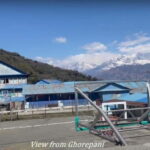
The adventure begins with a scenic drive from Pokhara to Kande, a popular starting point for many treks in the region. This drive, which takes about an hour, offers glimpses of the lush foothills and the Himalayan skyline in the distance. From Kande, you’ll begin your trek on a relatively gentle trail that winds upward toward Deurali. Expect to pass through terraced fields, rhododendron forests, and small villages along the way.
Travelers often mention that the initial stage is a gentle warm-up, perfect for acclimatization. As one reviewer notes, “The trail is manageable even for those new to trekking,” which makes this a good option if you’re worried about strenuous hikes. The overnight stay is in cozy teahouses in Deurali, where the hosts are known for their warm hospitality.
Day 2: Trek to Forest Camp
The second day sees you ascending through dense rhododendron and oak forests, a highlight that many describe as magical, especially during flowering season. The trail gets a little steeper but remains manageable for most. Expect to see a lot of wildlife and listen to the sounds of the forest.
Travelers appreciate the authentic village atmosphere at Forest Camp, where locals often serve simple, filling meals. The views begin to open up on clear days, revealing glimpses of the surrounding peaks. One guest mentions, “The forest was so vibrant, and I loved how peaceful it felt away from busy tourist routes.”
Day 3: From Forest Camp to Low Camp and Beyond
The trek continues gradually, with a slight climb toward Low Camp. Along this stretch, you’ll notice the trail narrows and the forest thickens, offering a serene environment. The highlight here is the sense of stepping away from the crowds, as this route is less frequented.
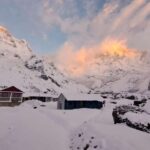
Many trekkers find the altitude manageable at this stage, helping with acclimatization. The overnight stay at Low Camp offers spectacular views of the surrounding peaks, especially as the sun sets.
More Great Tours NearbyDay 4: Ascend to High Camp
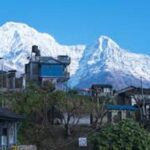
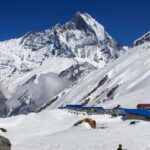
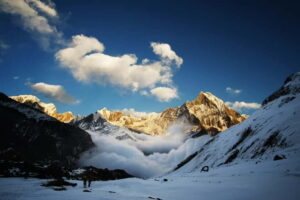
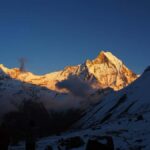
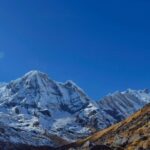
The climb to High Camp is more demanding but rewarded with panoramic vistas of Machapuchare, Annapurna South, and Hiunchuli. This is the most scenic stop on the trek, with many describing it as “arguably the most beautiful campsite in the region.”
At High Camp, you’ll get your first real glimpse of Mardi Himal itself. Several reviews praise the comfortable teahouses and the friendly guides who make the ascent both safe and enjoyable. Expect a stunning sunset and the possibility of seeing the peaks illuminated in the golden evening light.
You can also read our reviews of more hiking tours in Ghandruk
Day 5: Trek to Mardi Himal Base Camp & Sunrise View
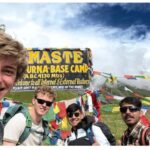
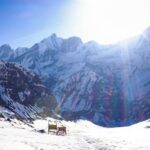
This is the big day—reaching the Mardi Himal Base Camp at 4,500 meters. The trail is moderately challenging but well worth the effort. The route winds through rocky and sometimes scree-filled paths, so sturdy hiking shoes are a must.
Many travelers describe this as the highlight of their trek. The view of the sunrise over the Himalayas is unforgettable, with towering mountains lit up in warm hues. One review states, “The sunrise from the base camp was worth every step; the mountains looked like they were glowing.”
Day 6: Descend to Siding and Return to Pokhara
After breakfast, you’ll start your descent, which is often quicker and easier than the ascent. The walk back through the forests and villages offers time to reflect on the adventure. Arriving in Siding, the trek concludes with a drive back to Pokhara, often filled with photos and stories.
Day 7: Rest and Exploration in Pokhara
Though not part of the official trek, the final day in Pokhara allows you to unwind, visit lakeside cafes, or explore local markets. It’s a good opportunity to absorb the relaxed atmosphere and reminisce about your journey.
The Value of Guided Support, Meals, and Permits
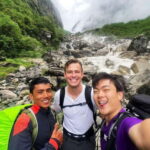
This trek provides professional licensed guides and porters, which makes the experience safer and more enjoyable, especially if you’re unfamiliar with Himalayan terrain. The inclusion of meals three times daily means you won’t need to worry about finding food on the trail, which is helpful after a long day of hiking.
Permits like the Annapurna Conservation Area Permit (ACAP) and TIMS card are also included, removing any hassle of arranging these locally. The round-trip transportation from Pokhara to Kande and Siding ensures smooth logistics, saving you time and stress.
Adding to the convenience, the first aid kit, map, paperwork, and taxes are covered, indicating a well-organized package aimed at making your trek as straightforward as possible.
Accommodation & Facilities
During the trek, you’ll stay in teahouses or lodges—simple but comfortable accommodations that typically feature shared bathrooms and basic amenities. Many guests mention that the facilities are quite adequate considering the remote setting, and the hosts are known for their hospitality.
Seasonality & Best Time to Visit
The trek is best enjoyed during March to May and September to December, when the weather is clear and the mountain views are at their best. The monsoon season (June-August) can make the trails muddy and obscure the views, while winter (January-February) might bring colder temperatures but fewer trekkers.
Additional Practical Details
- Difficulty Level: Moderate, suitable for beginners with some hiking experience.
- Maximum Altitude: 4,500 meters at Mardi Himal Base Camp.
- Duration: 7 days, including travel time.
- Group Size: Typically small groups, ensuring personalized attention.
- Language: Guides speak English, French, German, and Spanish.
- Age Suitability: Not recommended for children under 12 or travelers with certain health issues.
What to Bring
Make sure to pack warm clothing, sturdy hiking shoes, sunscreen, water bottles, snacks, and a hat. Travel insurance is recommended, and carrying some cash is essential, especially in remote villages. Trekking gear like trekking poles can help with stability, and a reusable water bottle supports eco-friendly practices.
Restrictions & Regulations
Smoking, alcohol, and drugs are not permitted on the trail, respecting local customs and safety guidelines.
Flexibility & Cancellation
You can reserve your spot now with a pay-later option, which allows some flexibility if your plans change. Cancellations are accepted up to 24 hours in advance for a full refund.
Final Thoughts: Who Is This Trek Perfect For?
This Mardi Himal trek is an excellent choice for travelers seeking spectacular mountain scenery without the crowds common on more popular routes. Its moderate difficulty makes it accessible for those with some hiking experience, yet it remains rewarding enough to impress seasoned trekkers. The inclusion of guides, meals, and permits provides great value, especially for first-timers or those with limited time in Nepal.
If you’re after a peaceful trek with authentic village encounters and an opportunity to see stunning Himalayan vistas from a less crowded path, this trek offers a compelling package. Plus, the chance to watch a breathtaking sunrise at the base camp elevates the experience further.
FAQ
Is this trek suitable for beginners?
Yes, the trek is rated as moderate and is suitable for those with some hiking experience. It avoids overly technical or strenuous sections, but reaching 4,500 meters still requires good physical condition.
What is included in the price?
The price covers a professional guide and porter, transportation from Pokhara to Kande and Siding, teahouse accommodations, three meals daily, permits (ACAP and TIMS), a first aid kit, and all taxes.
Are meals provided during the trek?
Yes, three meals a day—breakfast, lunch, and dinner—are included, served in teahouses along the trail.
Can I book the trek now and pay later?
Yes, you can reserve your spot with a flexible, pay-later option, allowing you to confirm your plans without immediate payment.
What is the best time to do this trek?
The ideal seasons are March to May and September to December, when weather conditions are most stable and views are clearest.
How do I get to Pokhara to start the trek?
Most travelers fly or drive from Kathmandu or other parts of Nepal to Pokhara. The trek begins with a drive from Pokhara to Kande.
Is there a support system if I encounter problems on the trail?
Yes, guides are trained and experienced, equipped with first aid kits, and familiar with the terrain. They prioritize safety and can assist with any issues that arise during the trek.
Ready to explore Nepal’s hidden gem? Whether you’re after stunning mountain panoramas, cultural encounters, or simply a peaceful escape into nature, this Mardi Himal trek offers a well-rounded, memorable adventure at a reasonable price.
📍 This experience made our list of the 15 best Tours & Experiences in Ghandruk