Planning a trek to Everest Base Camp might seem intimidating at first, especially for first-timers. Yet, this 12-day adventure offered by Excited Travel & Adventure makes the journey accessible, manageable, and immensely rewarding. It balances breathtaking mountain scenery with culture, all while accommodating those new to high-altitude hiking.
What we love about this experience is its focus on stunning vistas, authentic Sherpa encounters, and a clear, well-structured itinerary. The accessibility for beginners is another big plus—no need to be an elite athlete to enjoy this trek. However, it’s important to be aware of the high-altitude challenges and the need for proper preparation. This tour is ideal for adventure seekers who want a taste of Everest’s grandeur without the extreme technical demands.
- Key Points
- Why Choose the 12-Day Everest Base Camp Trek?
- The Itinerary Breakdown
- Day 1: Fly to Lukla and Trek to Phakding
- Day 2: Phakding to Namche Bazaar
- Day 3: Acclimatization in Namche Bazaar
- Day 4: Namche to Tengboche
- Day 5: Tengboche to Dingboche
- Day 6: Acclimatization at Dingboche
- Day 7: Dingboche to Lobuche
- Day 8: Lobuche to Gorak Shep and Everest Base Camp
- Day 9: Hike to Kala Patthar, then Pheriche
- Day 10-11: Return Trek to Lukla
- Day 12: Flight back to Kathmandu
- What’s Included and What’s Not?
- Practical Tips for Preparation
- Why This Tour Offers Great Value
- Who Should Consider This Trek?
- FAQs
- Final Thoughts
- The Best Of Kathmandu!
- More Tour Reviews in Kathmandu
Key Points
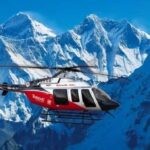
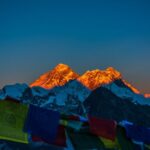
- Stunning Views: Expect panoramic vistas of Everest, Lhotse, Ama Dablam, and other Himalayan giants.
- Cultural Encounters: Visit Sherpa villages and monasteries for authentic cultural insights.
- Accessible for Beginners: Designed with first-timers in mind, with gradual acclimatization and comfortable tea house stays.
- Value for Money: At $1,150, the tour includes permits, local guides, flights, and basic equipment, offering good value.
- Travel Logistics: The itinerary is carefully planned, with acclimatization days and scenic routes.
- Extra Perks: Exclusive student discounts make this adventure even more accessible.
👉 See our pick of the Discover 12 Great Airport Transfers In Kathmandu
Why Choose the 12-Day Everest Base Camp Trek?
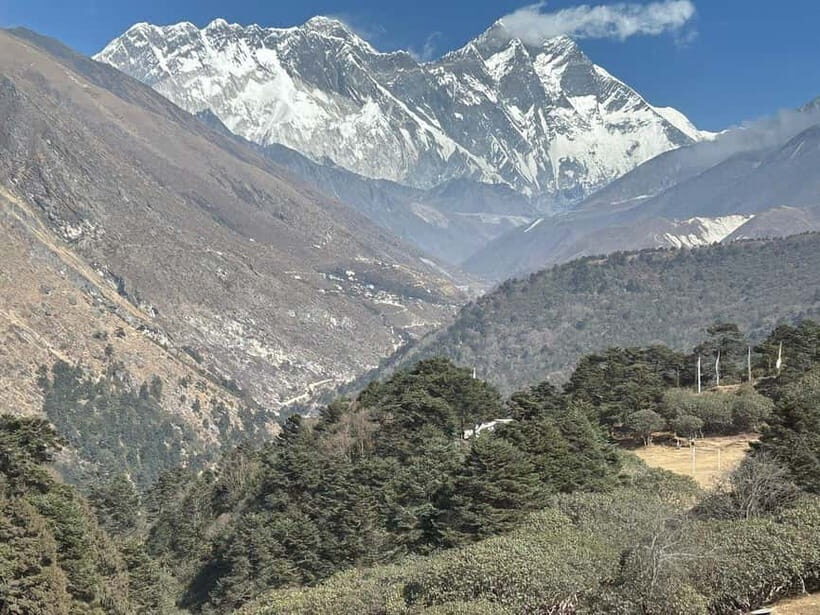
This trek strikes a wonderful balance between challenge and enjoyment. You’ll get up close to the world’s highest peak, soak in jaw-dropping mountain views, and gain a genuine feel for Sherpa culture—all suitable for those with a moderate fitness level. The journey is designed to be manageable, with gradual altitude gains and rest days built in, which helps prevent altitude sickness.
The tour’s price point of $1,150 covers essential permits, local guides, domestic flights, and basic gear, making it a solid value considering what’s included. Plus, the inclusion of professional, government-licensed guides ensures safety and local expertise throughout the trek.
You can also read our reviews of more tours and experiences in Kathmandu.
The Itinerary Breakdown
Day 1: Fly to Lukla and Trek to Phakding
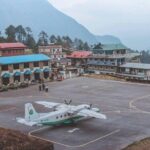
Your adventure begins with a short, scenic flight from Kathmandu to Lukla, known as one of the most exciting airports in the world. Once landed, the trek starts with a gentle walk to Phakding. The flight duration of around 30-35 minutes is an experience itself, giving an immediate taste of the Himalayan majesty.
On this first day, you’ll settle into cozy tea houses and get a preview of the trail and surroundings. The trail is mostly flat here, crossing suspension bridges over glacial rivers, with lush forested landscapes.
Day 2: Phakding to Namche Bazaar
The trek from Phakding to Namche Bazaar is more dynamic, covering about 5-6 hours. Expect stunning river views and a gradual ascent into the Sherpa heartland. The route includes crossing the Dudh Koshi River via iconic suspension bridges, which many reviews highlight as a highlight.
More Great Tours NearbyDay 3: Acclimatization in Namche Bazaar
This day is dedicated to adjusting to the altitude. Travelers often explore the bustling town, visit the local market, or take an optional short hike to Everest View Hotel or the nearby Jeitso Peak. This rest and acclimatization step is critical and well appreciated by trekkers—many report it helps prevent altitude sickness.

Day 4: Namche to Tengboche
The trail ascends through forests of rhododendron and pine, leading to the monastery at Tengboche. The monastery offers one of the most iconic views of Everest, Lhotse, and Ama Dablam. Many find this stretch emotionally rewarding, with some reviewers noting it’s their favorite scenery segment.
Day 5: Tengboche to Dingboche
This section continues through alpine meadows and pastures, with views of Ama Dablam and other peaks. Dingboche’s altitude of 4,410 meters makes it a crucial acclimatization stop. Some travelers opt for a side hike to Nangkartshang Peak, which offers spectacular panoramas of Makalu and surrounding mountains.
Day 6: Acclimatization at Dingboche
Another acclimatization day, with optional hikes. This day is vital for adjusting to the high elevations ahead. Many reviewers say this day prevents the fatigue that can spoil the trek and provide time to enjoy the stunning scenery.
Day 7: Dingboche to Lobuche
The trail becomes more rugged, crossing rocky terrain and memorials to climbers lost on Everest. The view of Nuptse and Pumori peaks becomes more prominent, offering emotional and visual impact. It’s a short but high-altitude walk.
Day 8: Lobuche to Gorak Shep and Everest Base Camp
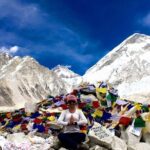
The highlight of the trek—walking into Everest Base Camp. The trail from Lobuche to Gorak Shep takes about 3 hours, and reaching the Base Camp around midday allows ample time for photos and soaking in the atmosphere. Many reviews describe this moment as surreal and humbling.
Day 9: Hike to Kala Patthar, then Pheriche
The early morning hike to Kala Patthar (5,545m) is a must, offering what many consider the best panoramic view of Everest and the surrounding peaks. The trek then continues to Pheriche, a village known for its altitude and vibrant trekking community.
Day 10-11: Return Trek to Lukla
Retracing your steps, the walk back from Pheriche to Namche and then Lukla takes about two days. The scenery remains awe-inspiring, with plenty of time to reflect on your journey.
Day 12: Flight back to Kathmandu
A quick 30-35 minute flight returns you to Kathmandu, wrapping up this unforgettable adventure.
What’s Included and What’s Not?
The tour’s price includes the essentials: Sagarmatha National Park permit, TIMS card, local government fees, professional guides, domestic flights, airport transfers in Kathmandu, and some basic equipment like sleeping bags and down jackets. These inclusions make the affordability more appealing and remove some logistical stress.
Not included are international flights, visas, personal insurance, and extras like food, Wi-Fi, hot showers, or personal gear. Knowing this, travelers can plan their budget accordingly and understand that the core experience is well-covered, but extras will be personal expenses.
Practical Tips for Preparation
Since altitude is a factor, ensure you’re physically prepared for the moderate challenge. The trek reaches 5,364 meters at Everest Base Camp, so gradual acclimatization days are built into the itinerary for safety. Pack warm clothing—layers are key—as temperatures can drop rapidly at higher altitudes.
Bring essentials such as sunscreen, sunglasses, sturdy trekking boots, and a reliable power bank for your devices. Many reviews emphasize the importance of good footwear and headgear to handle the variable weather conditions.
Why This Tour Offers Great Value
Considering the inclusions—permits, guides, flights, equipment—$1,150 is a fair price for such an iconic and well-supported trek. The guided service ensures safety, cultural insights, and logistical ease, especially important for first-timers unfamiliar with Himalayan travel.
The tour’s structure, with acclimatization days and scenic routes, maximizes comfort while minimizing risks. Plus, the chance to see Everest up close and experience Sherpa hospitality makes every penny worth it.
Who Should Consider This Trek?
This journey is perfect for first-time adventurers who want a taste of high-altitude trekking but aren’t looking for extreme technical challenges. If you’re reasonably fit and eager for breathtaking views and authentic cultural exchanges, this is an ideal choice.
It’s especially suitable for travelers who appreciate well-organized tours with clear logistics, like domestic flights and comfortable tea house accommodations. The inclusion of a student discount also makes it attractive for budget-conscious young explorers.
FAQs
Q: Is this trek suitable for first-time trekkers?
Yes. The itinerary is designed with gradual altitude gains and acclimatization days, making it accessible for beginners with moderate fitness.
Q: How much does the tour cost?
It’s priced at $1,150 per person, which covers permits, guides, flights, and basic equipment, offering good value for such an iconic trek.
Q: What is included in the price?
The tour includes Sagarmatha National Park entry permit, TIMS card, local government fees, professional guides, domestic flights, airport transfers, basic trekking gear, and insurance for guides.
Q: Are there any age or health restrictions?
The tour isn’t suitable for pregnant women, people with heart problems, or VIsually impaired travelers. A reasonable level of fitness is necessary to manage the moderate challenge.
Q: What should I bring?
Pack warm clothing, sunglasses, sunscreen, rain gear, a sleeping bag, trekking gear, and a charged smartphone. Good hiking boots and a power bank are also recommended.
Q: When is the best time to go?
Spring (March-May) and autumn (September-November) are ideal, with clear skies and stable weather for trekking.
Q: Can I book now and pay later?
Yes, the provider allows flexible booking with the option to reserve your spot and pay later, giving you extra planning flexibility.
Final Thoughts
The Everest Base Camp trek with Excited Travel & Adventure offers an impressive mix of natural beauty, cultural richness, and logistical ease. It makes the challenge of Everest accessible and enjoyable, especially for first-timers who want to experience the Himalayas without the need for advanced mountaineering skills.
You’ll love the views of Everest and other towering peaks, the chance to step into Sherpa villages, and the overall sense of achievement. The well-organized itinerary and included permits simplify logistics, so you can focus on soaking in the scenery and making memories.
While altitude and weather are always considerations at high elevations, the itinerary’s pacing and acclimatization days help manage those risks. The added bonus of a student discount makes this route even more appealing to young travelers eager to tick Everest off their bucket list.
In essence, this trek is a fantastic way to experience the majesty of the Himalayas and gain a deeper appreciation for the mountain culture, all while feeling supported and safe. It’s a journey that’s as much about personal growth as it is about conquering a mountain.
You can check availability for your dates here: