This experience made our article of 15 Top Tours & Experiences In Pisang (With Reviews & Prices).
- Introduction
- Key Points
- The Itinerary Breakdown
- Starting Point and Meeting Arrangements
- Day 1-2: Kathmandu to Besisahar
- Day 3-4: From Besisahar to Manang
- Day 5-6: Manang to Tilicho Lake
- Day 7-8: Tilicho Lake to Yak Kharka and Thorong Phedi
- Day 9: Cross Thorong La Pass (5,416m)
- Day 10-11: Muktinath and Lower Valleys
- Day 12-14: Pokhara or Return to Kathmandu
- What Makes This Trek Special?
- Practical Considerations
- Cost and Value
- Physical Demands
- Gear and Preparation
- Group and Language
- Flexibility
- What Reviewers Say
- The Sum Up
- FAQ
- The Best Of Pisang!
- More Tour Reviews in Pisang
Introduction
Thinking about a trekking adventure that combines jaw-dropping scenery, cultural richness, and a true physical challenge? The Annapurna Circuit with Tilicho Lake promises just that. We’ve looked into the details of this popular 17-day trek, and it’s clear why many consider it a must-do for seasoned hikers and curious trekkers alike.
What we love most? The chance to stand at Tilicho Lake (the world’s highest glacial lake), crossing the Thorong La Pass (one of the highest in the world), and exploring traditional Himalayan villages. One possible consideration is the journey’s physical demands—altitude and long days might not suit everyone, especially those with low fitness or altitude sickness concerns.
This trek is perfect for those craving a blend of natural beauty and authentic mountain culture, along with a sense of accomplishment and stunning photo opportunities. Whether you’re an avid hiker or a culturally curious traveler, this route offers a little bit of everything.
You can check availability for your dates here: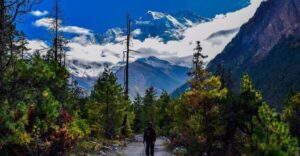
👉 See our pick of the 15 Top Tours & Experiences In Pisang (With Reviews & Prices)
Key Points
- High-altitude adventure: Cross the Thorong La Pass (5,416m) and visit Tilicho Lake (4,919m) for unbeatable mountain experiences.
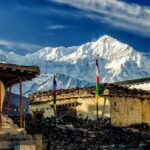
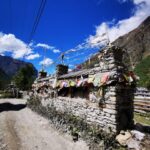
- Cultural immersion: Explore villages like Manang, Pisang, and Kagbeni, each with their own unique traditions and scenery.
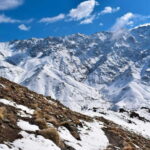
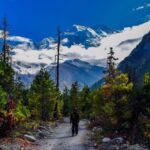
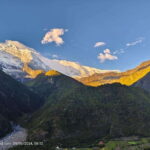
- Scenic diversity: Enjoy lush valleys, alpine forests, arid highlands, and panoramic mountain vistas of Annapurna and Dhaulagiri ranges.
- Value for money: For around $300, this 17-day trek offers an incredible mix of natural beauty and cultural insight, with knowledgeable guides.
- Physical challenge: The trek’s altitude and length require good fitness levels; it’s not suited for those with altitude sickness or low stamina.
- Authentic experience: Stay in teahouses and interact with local Gurung, Manangi, and Thakali communities, gaining insight into Himalayan life.
You can also read our reviews of more tours and experiences in Pisang.
The Itinerary Breakdown
Starting Point and Meeting Arrangements
Your adventure begins with a guide meeting at your hotel or a designated meeting point (coordinates: 27.7103, 85.3221). The meeting process is straightforward, and guides are accustomed to helping travelers get ready for the journey ahead. If you’re arriving at Tribhuvan International Airport, your rep from Mount Elegance Treks will be waiting outside with your name, easing the first step of your trek.
Day 1-2: Kathmandu to Besisahar
After a scenic drive from Kathmandu, you’ll reach Besisahar, the starting point of the trek. Here, the atmosphere begins to shift from city hustle to mountain calm, and you’ll start acclimatizing to the altitude.
More Great Tours NearbyDay 3-4: From Besisahar to Manang
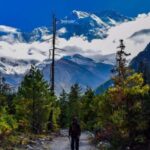
Expect lush terraced farmland, dense forests, and river gorges. The trail gradually ascends, with highlights including crossing suspension bridges over roaring rivers and passing through quaint villages. Manang, a hub of local culture, provides your first real taste of Himalayan traditions, plus a chance to acclimate before hitting higher elevations.
Day 5-6: Manang to Tilicho Lake
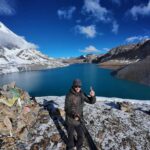
This stretch is one of the most memorable. The route skirts the lake’s turquoise waters, surrounded by towering snow peaks like Tilicho Peak. The trail is rocky but manageable, and the views of Annapurna III and IV are stunning. According to reviews, trekkers appreciate the chance to visit Tilicho Lake, known for its dramatic setting and icy surroundings, and many say it’s one of the highlights of the entire journey.
Day 7-8: Tilicho Lake to Yak Kharka and Thorong Phedi
Descending from Tilicho, you’ll make your way through more arid terrain and smaller villages. Yak Kharka provides a quiet stopover, where we loved the way the landscape opens up into high-altitude plains. This part prepares you for the big crossing ahead.
Day 9: Cross Thorong La Pass (5,416m)
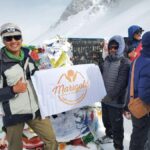
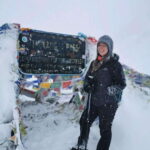
The day of days. Rising early, you’ll start the ascent toward Thorong La, the highest point of the trek. This is physically demanding but incredibly rewarding. The snow-capped vistas and the feeling of standing atop one of the highest passes in the world are unforgettable. Many reviews mention the sense of achievement and the surreal beauty of the landscape during this crossing.
Day 10-11: Muktinath and Lower Valleys
Descending from Thorong La, you’ll explore Muktinath Temple, a spiritual site revered by both Hindus and Buddhists. The surrounding villages have a rugged charm, and you’ll enjoy the change in scenery from arid highlands to more lush areas. It’s a place where many reflect on the spiritual significance of the trek.
Day 12-14: Pokhara or Return to Kathmandu
After exploring the Mustang region, you’ll either continue to Pokhara for some relaxation or head back to Kathmandu, depending on your chosen arrangement. The trek ends with a sense of accomplishment and plenty of stories to share.
What Makes This Trek Special?
Tilicho Lake alone is a highlight, offering a surreal, icy landscape surrounded by snow peaks. It’s the world’s highest glacial lake, and reaching it feels like a true achievement. The scenery along the entire route is captivating, from lush green terraced farms to stark high-altitude deserts and snow drifts.
Crossing Thorong La is arguably the most iconic moment. The altitude, the effort, and the views make it a true mountain milestone. Many reviewers speak of the camaraderie built during the ascent and the incredible views at the top—just remember to go slow, stay hydrated, and listen to your guide.
Cultural encounters add depth to the journey. Staying in teahouses run by local families, you get to experience Himalayan hospitality firsthand. Visiting villages like Kagbeni and Manang provides insight into the diverse ways of mountain life, with some travelers noting their appreciation for the local Gurung, Manangi, and Thakali traditions.
Practical Considerations
Cost and Value
At around $300 per person, this trek offers excellent value considering the duration, guided support, and included logistics. It covers the essentials: guiding, accommodation, and some permits, making it an accessible way to access the Annapurna region’s highlights without the hassle of planning every detail.
Physical Demands
This adventure requires good fitness levels due to the high altitude, long days, and challenging terrain. Many reviews emphasize the importance of proper preparation. Trekkers with altitude sickness or low endurance might find certain sections tough—especially crossing Thorong La or visiting Tilicho Lake.
Gear and Preparation
Guides recommend bringing sturdy hiking shoes, warm jackets, trekking pants, and appropriate gear. The weather can vary from subtropical warmth in the lowlands to freezing temperatures at high elevations, so packing layers is key.
Group and Language
This tour runs as a private group, which can be tailored to your pace. Guides speak English, Spanish, and French, so language barriers shouldn’t be an issue if you speak one of those languages.
Flexibility
The option to reserve and pay later adds flexibility, allowing you to confirm your plans without immediate financial commitment. Cancellation policies are straightforward—full refunds if you cancel 24 hours in advance.
What Reviewers Say
Reviewers often mention the professionalism of guides, with many praising their knowledge and friendliness. One noted, “Our guide was fantastic—helpful, attentive, and always cheerful despite the altitude.” Others mention that staying in teahouses adds to the authentic vibe, with some noting the basic but cozy accommodations.
Many appreciate the balance of adventure and comfort, with some saying, “The trek is physically demanding but totally worth it for the views and culture.” Others highlight the importance of acclimatization days, especially after ascending to higher altitudes.
The Sum Up
The Annapurna Circuit with Tilicho Lake combines natural grandeur with cultural richness, making it a well-rounded Himalayan adventure. Featuring some of Nepal’s most iconic sights, challenging high passes, and welcoming villages, it caters to those seeking both physical achievement and authentic mountain life.
This trek offers an excellent value for its length and diversity, perfect for those with good fitness levels and a desire for a meaningful, scenic journey. If you’re after a true Himalayan adventure that pushes your limits but also immerses you in local culture, this trek could be just the right fit.
FAQ
Is this trek suitable for beginners?
It’s better suited for trekkers with good fitness and some high-altitude experience, as it involves strenuous days and crossing high passes like Thorong La.
How difficult is the altitude?
The highest point, Thorong La (5,416m), is challenging and requires proper acclimatization. People sensitive to altitude sickness should be cautious or consult a doctor beforehand.
What kind of scenery will I see?
Expect a stunning variety—from lush valleys, dense forests, and terraced farmland to stark, arid highlands and snow-capped peaks.
Are accommodations comfortable?
Teahouses along the trail are simple but cozy, offering basic beds, meals, and a friendly atmosphere. Many reviewers find them charming and authentic.
How much does the trek cost?
Around $300 per person, which covers guided support, permits, and some logistics, representing good value for the comprehensive experience.
What should I bring?
Essential gear includes hiking shoes, warm jackets, trekking pants, layered clothing, and personal essentials. Weather can vary widely.
Can I customize the trip?
The tour is designed as a private group, so you can discuss any adjustments or pacing with your guide.
What is the best time to do this trek?
While not explicitly stated, Nepal’s trekking seasons are generally spring and autumn, offering the best weather conditions.
Is transportation arranged?
Yes, transportation from Kathmandu to the starting point is included, and guides coordinate logistics for a smooth journey.
What’s the main highlight?
Crossing the Thorong La Pass and visiting Tilicho Lake are considered the most memorable parts, with breathtaking scenery and a sense of achievement.
The Annapurna Circuit with Tilicho Lake offers a remarkable mix of adventure, culture, and natural beauty. It’s suitable for experienced trekkers ready for a high-altitude challenge, but equally rewarding for those prepared to embrace the trek’s physical demands.
📍 This experience made our list of the 15 best Tours & Experiences in Pisang