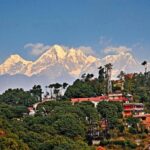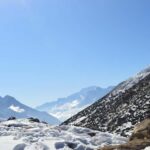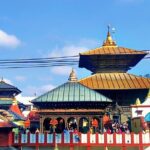
Travelers looking for a trek that balances breathtaking scenery, cultural discovery, and a touch of adventure often find themselves drawn to Nepal’s iconic Annapurna region. The Annapurna Circuit with Nar Phu Valley Trek offers just that—an opportunity to experience some of the most spectacular high-altitude landscapes and authentic Himalayan communities without the crowds. This 17-day journey combines the allure of the classic Annapurna Circuit with the secluded, Tibetan-influenced villages of Nar Phu, creating a trek that’s both challenging and deeply rewarding.
What makes this trek stand out? First, you’ll enjoy high passes like Thorong La (5,416m) and Kang La (5,320m), which are bucket-list worthy for any avid hiker. Second, the cultural richness of Tibetan-style villages and monasteries offers a glimpse into a way of life untouched by modernity. Third, the variety of terrain—from lush forests to arid plateaus—keeps the journey engaging every step of the way. However, be prepared for some physically demanding sections, especially crossing the high passes, which require acclimatization and good fitness.
A possible consideration is the overall length and altitude of the trek—it’s not for everyone, especially those with health issues or limited trekking experience. But for travelers who thrive on adventure and want a more authentic, less touristy experience, this trek offers incredible value. Whether you’re a seasoned trekker or an adventurous first-timer willing to prepare, you’ll find this trip ideal for enjoying the Himalayas’ raw beauty and spiritual culture.
Who is this trek best suited for?
This experience is perfect for travelers seeking an authentic Himalayan adventure combined with cultural discovery. It appeals to those comfortable with high-altitude trekking and looking for a bit of a challenge. If you’re interested in exploring Tibetan-influenced villages, crossing high passes, and experiencing the true essence of Nepal’s mountain life, this trek will meet your expectations well.
You can check availability for your dates here:
👉 See our pick of the Discover 12 Great Airport Transfers In Kathmandu
- Who is this trek best suited for?
- Key Points
- The Journey Begins: From Kathmandu to Pokhara
- Exploring Nar Phu Valley: A Hidden Himalayan Gem
- Crossing Kang La: A High-Altitude Achievement
- The Iconic Thorong La Pass: The Trek’s Crown Jewel
- Muktinath and the Descent to Pokhara
- Practical Details and Value
- Final Thoughts: Who Should Consider This Trek?
- FAQs
- The Best Of Kathmandu!
- More Hiking & Trekking Tours in Kathmandu
- More Tour Reviews in Kathmandu
Key Points
- High Passes: Cross Thorong La (5,416m) and Kang La (5,320m), offering unmatched panoramic views.
- Cultural Encounters: Visit ancient monasteries, Tibetan villages, and Muktinath Temple.
- Varied Landscapes: Experience lush forests, alpine deserts, and rugged river gorges.
- Authentic Experience: Trek through less-crowded areas, gaining insight into traditional Himalayan life.
- Value for Money: At $360 per person, the comprehensive package includes guides, permits, accommodations, and meals.
- Physical Challenge: Expect altitude and terrain that demand good fitness and acclimatization.
You can also read our reviews of more hiking tours in Kathmandu
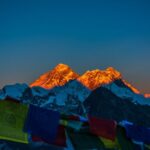
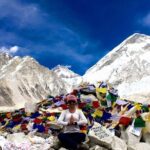
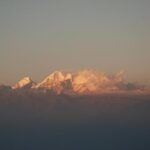
The Journey Begins: From Kathmandu to Pokhara
The adventure starts with a transfer from Kathmandu, either by private vehicle or included bus, to Pokhara—a scenic drive that takes around 6-7 hours. This initial leg gives you a taste of Nepal’s diverse landscapes, from urban sprawl to green hillsides. In Pokhara, you’ll spend a night in a comfortable 3-star hotel, allowing you to prepare for the trek ahead.
The next morning, a scenic drive takes you to Besisahar, the starting point of the trek. From here, the real adventure begins with a gradual ascent through lush forests, charming villages, and terraced fields. The early days serve as a warm-up, helping your body adjust before tackling higher elevations.
Exploring Nar Phu Valley: A Hidden Himalayan Gem
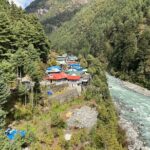
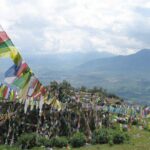
The first major highlight is the Nar Phu Valley, a place that feels worlds away from crowded trekking routes. These valleys are remote, with Tibetan-influenced villages that have preserved their traditional way of life. As you trek through wind-blown highlands, expect to see ancient gompas, prayer flags fluttering in the breeze, and locals going about their daily routines.
Reviews highlight the uniqueness of this part: “We loved the way the villages felt untouched, like stepping back in time. The monasteries perched on cliffs are a highlight,” one traveler shared. The landscape here is stark yet beautiful—high-altitude deserts with panoramic views of peaks like Annapurna and Daulagiri looming in the distance.
Expect to visit monasteries and interact with villagers who maintain a spiritual connection to their land. This section offers a chance to experience authentic Himalayan culture away from the tourist crowds.
Crossing Kang La: A High-Altitude Achievement
After exploring Nar Phu, you’ll rejoin the main Annapurna Circuit, starting with the crossing of Kang La Pass (5,320m). This pass is less popular than Thorong La, but it offers equally spectacular views of Annapurna II, the Manaslu range, and the surrounding peaks. The ascent is steep, often requiring careful pacing and acclimatization, but the sense of achievement upon reaching the summit is well worth the effort.
From the top, the views are breathtaking—vast, rugged landscapes stretching as far as the eye can see. Many trekkers describe this as a highlight, with one reviewer noting, “The climb was tough, but the views from the top made it all worthwhile. It felt like standing on the roof of the world.”
The descent into the next valley is equally scenic, leading you toward the town of Manang for a well-earned rest and acclimatization.
More Great Tours NearbyThe Iconic Thorong La Pass: The Trek’s Crown Jewel
The Thorong La (5,416m) is the most famous and challenging part of this journey. It’s a high-altitude col that separates the Annapurna and Dhaulagiri ranges, and many consider crossing it a rite of passage for trekkers in Nepal.
The trek up to Thorong La involves an early start to beat the crowds and avoid afternoon weather changes. The trail is marked with prayer flags and cairns, and the ascent can be physically demanding. However, the panoramic views of the Annapurna massif and the surrounding peaks make every step worthwhile.
One experienced trekker mentioned, “The climb was tough, but the sense of achievement and the sweeping mountain vistas made it unforgettable.” A guide’s role here is crucial—they help pace the group and ensure safety at these high elevations.
Once across, you descend into Muktinath, a sacred site revered by both Hindus and Buddhists. The temple and the surrounding landscape provide a spiritual contrast to the rugged wilderness you’ve just crossed.

Muktinath and the Descent to Pokhara
Muktinath is a highlight for many, offering both cultural insights and scenic beauty. The temple complex is believed to grant spiritual liberation, and the area’s natural beauty adds to the experience.
From Muktinath, the trek continues through dramatic river gorges and arid landscapes, culminating in a scenic drive back to Pokhara. The drive through the Kali Gandaki Gorge, the world’s deepest canyon, is nothing short of spectacular. Many travelers find it a fitting end to their journey, with one reviewer stating, “The gorge is like nothing I’ve seen before—vast, raw, and humbling.”
The final leg is a transfer back to Kathmandu, where you’ll reflect on the mountains, villages, and spiritual moments that made this trek so memorable.
Practical Details and Value
At $360 per person, this package offers excellent value considering the inclusions: all accommodations, meals during the trek, experienced guides, permits, and porters. The transportation arrangements—such as the bus from Kathmandu to Pokhara and the drive to Besisahar—are smoothly organized, reducing stress and maximizing your trekking time.
The group sizes are typically small, with one porter for every two trekkers, ensuring more personalized attention. The guides are experienced and knowledgeable, often sharing insights about local culture, flora, and fauna.
Accommodation during the trek is in cozy teahouses, offering basic but comfortable lodging, perfect for recharging after a day’s walk. Meals include hearty local dishes, with options suitable for different dietary needs.
Expected physical effort is moderate to high, with high-altitude passes demanding good acclimatization and trekking stamina. This trek is not suitable for young children or travelers over 70, but fit, healthy individuals will find it manageable with proper preparation.
Final Thoughts: Who Should Consider This Trek?
This trek is ideal for those seeking a combination of adventure and cultural exploration. It’s perfect if you want to see Tibetan-style villages, challenge yourself with high passes, and enjoy stunning Himalayan vistas—all while avoiding the busiest routes. The inclusion of the Nar Phu Valley adds a unique touch that sets this trek apart from the standard Annapurna Circuit.
Travelers who value well-organized tours at a reasonable price, coupled with authentic experiences, will find this package particularly appealing. Be prepared for some altitude, unpredictable weather, and physical demands, but in return, you’ll receive a journey filled with natural beauty, cultural richness, and personal achievement.
FAQs
Is this trek suitable for beginners?
While the trek offers stunning scenery and cultural experiences, crossing high passes at altitudes above 5,000 meters requires good physical fitness and some trekking experience. Beginners should prepare adequately and consider acclimatization days.
What is included in the $360 price?
The package covers airport transfers, transportation from Kathmandu to Pokhara and Besisahar, accommodations in Kathmandu and Pokhara, teahouses during the trek, all meals during the trek, guides, porters (one for every two trekkers), permits, first aid kit, comprehensive travel insurance, a duffel bag and sleeping bag, and a farewell dinner.
Are meals provided during the trek?
Yes, all meals—breakfast, lunch, and dinner—are included, typically featuring local Nepali dishes, which are hearty and nourishing.
What about trekking gear and equipment?
Travelers need to bring their own personal gear, such as hiking shoes, jackets, trekking pants, and other essentials. The tour provides the duffel bag and sleeping bag, which must be returned after the trek.
How physically demanding is the trek?
It involves high-altitude passes, steep climbs, and variable terrain, so a good level of fitness and acclimatization are necessary. It’s not recommended for children under five or those over 70.
Can I book this tour with flexible payment options?
Yes, the tour offers a “Reserve & Pay Later” option, allowing you to book your spot and pay nothing upfront, giving you flexibility.
What is the best time of year to do this trek?
While specific seasons aren’t specified in the details, Nepal’s trekking seasons are generally pre-monsoon (March-May) and post-monsoon (September-November). These periods offer clear skies and stable weather.
Is there a chance to extend the trek or customize it?
The core itinerary is fixed, but many operators can tailor parts of the trip or extend stays in Kathmandu or Pokhara. It’s best to discuss with your tour provider, Mount Elegance Treks & Expedition.
This comprehensive trek offers a well-balanced mix of adventure, culture, and natural beauty. For those ready to take on high passes and explore remote Himalayan villages, it promises an experience that’s both challenging and deeply fulfilling.
You can check availability for your dates here: