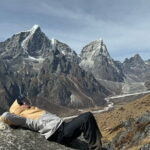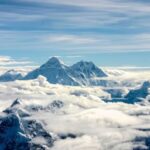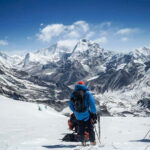
Planning a trip to witness the world’s tallest peak, Mount Everest, can be daunting, but this 12-day Everest Base Camp trek offers a well-balanced, authentic experience that balances adventure with culture. Whether you’re an avid hiker or a curious traveler, this trek promises jaw-dropping vistas, Sherpa hospitality, and a chance to stand alongside history’s most iconic mountain.
What makes this trek stand out? For starters, the spectacular views of Everest and neighboring peaks like Lhotse and Makalu are unforgettable. The opportunity to learn about Sherpa culture and visit monasteries like Tengboche adds depth to the journey. Plus, the overall value — considering all included transport, permits, and accommodations — makes it a compelling choice for adventure seekers on a budget.
However, a key consideration is the high altitude and rugged terrain, which demand good physical fitness. Also, since the trek involves several days of walking in thin air, it’s not suited for those with low fitness levels or altitude sickness concerns.
This trip will suit those who love a mix of mountain scenery, cultural discovery, and physical challenge. If you’re after a bucket-list experience with proper support, this trek should be at the top of your list.
This experience made our article of The Top 13 Lukla Tours & Experiences.
- Key Points
- A Close Look at the Everest Base Camp Trek Experience
- The Journey Begins: From Kathmandu to Lukla
- Trekking Through Sherpa Heartland
- The Climb to Namche Bazaar
- Approaching Everest Base Camp
- Reaching Everest Base Camp and Beyond
- The Return Journey
- Practicalities and Logistics
- Accommodation and Food
- Transportation and Permits
- Guide and Support
- Cost and Value
- Tips for a Successful Trek
- Final Thoughts
- FAQ
- The Best Of Lukla!
- More Hiking & Trekking Tours in Lukla
- More Tour Reviews in Lukla
Key Points
 1 / 4
1 / 4 2 / 4
2 / 4 3 / 4
3 / 4 4 / 4
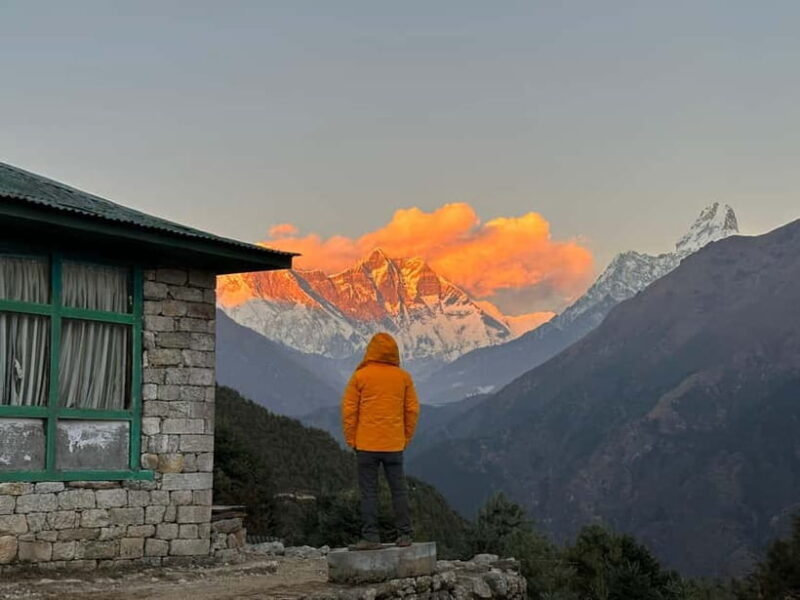
4 / 4- Stunning views of Everest and iconic peaks like Lhotse and Ama Dablam.
- Cultural immersion with Sherpa hospitality, monasteries, and Himalayan traditions.
- Well-organized logistics with inclusive flights, permits, and accommodations.
- Moderate physical challenge requiring good fitness but not extreme mountaineering skills.
- Authentic experience in Sagarmatha National Park, a UNESCO World Heritage Site.
- Great value considering the flight, permits, guide, porter, and lodge stays included.
👉 See our pick of the The Top 13 Lukla Tours & Experiences
A Close Look at the Everest Base Camp Trek Experience
You can also read our reviews of more hiking tours in Lukla
The Journey Begins: From Kathmandu to Lukla
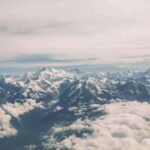
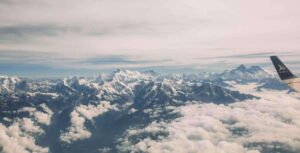
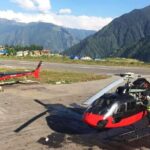
The trek kicks off with a 30-minute scenic flight from Ramechhap to Lukla, known as one of the world’s most exhilarating high-altitude flights. As the plane approaches Lukla’s Tenzing Hillary Airstrip, hikers are treated to a dramatic view of snow-capped peaks and rugged terrain. Travelers often say, “The flight alone is worth the trip,” as it sets the tone for the adventure ahead.
Lukla acts as the initial gateway into the Everest region. From here, the trail begins to wind through lush forests and traditional Sherpa villages, giving a sense of entering a remote, yet welcoming world.
Trekking Through Sherpa Heartland
The route ascends gradually, passing through villages like Phakding and Namche Bazaar, the bustling Sherpa hub. The treks here are mostly on well-maintained trails, but the altitude and thin air mean you’ll want to pace yourself. Expect to see Rhododendron forests in bloom, pine and juniper trees, and chances of encountering wildlife like Himalayan Pikas or even the elusive Snow Leopard, according to some reviews.
Sherpa guides are a big plus — their local knowledge, friendliness, and storytelling prowess elevate the experience. “Our guide, Pasang, was incredible,” one traveler shared, praising his insights into Sherpa traditions and mountain safety.
The Climb to Namche Bazaar
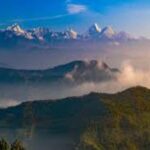
Spending a rest day in Namche Bazaar is essential. Here, you’ll find shops, cafes, and a chance to acclimatize. Many trekkers say this is the first real taste of Sherpa culture, with monasteries and chortens dotted along the trail. The views of Everest and Lhotse from here are some of the most iconic.
More Great Tours NearbyApproaching Everest Base Camp
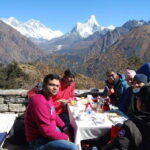
The trail ascends through scenic viewpoints, with stops at Tengboche Monastery — one of the highlights. The monastery offers a panoramic view of Everest’s north face and an opportunity to learn about Himalayan Buddhist culture. Travelers often comment on how special it is to walk through prayer-flag-adorned villages and see prayer wheels spinning in the mountain breeze.
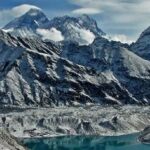
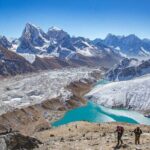
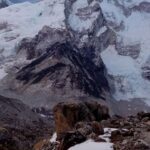
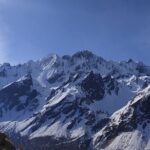
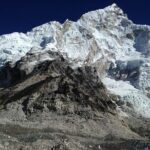
The journey continues through a landscape dotted with glaciers, icefalls, and rugged terrain, culminating at Everest Base Camp. The views of Everest (8,848 meters), perched above the Khumbu Icefall, are the highlight — they remain etched in most travelers’ memories for years.
Reaching Everest Base Camp and Beyond
Most trekkers stay at base camp for a short time, soaking in the surreal atmosphere and photographing the iconic Everest. Considering the popularity, some reviews mention that it can be crowded, yet the experience remains awe-inspiring.
From base camp, many also opt to visit the South Col or even trek to Kala Patthar for a closer view of Everest’s summit — an optional extension that offers some of the best photo opportunities.
The Return Journey
Descending through the same trail, trekkers enjoy a different perspective of the landscape and Sherpa villages. The trek back is faster but equally scenic, with many appreciating the chance to reflect on their journey and the towering peaks they’ve encountered.
Practicalities and Logistics
Accommodation and Food
Throughout the trek, you’ll stay in lodges and teahouses — cozy, rustic, often communal spaces that serve hearty local foods. Most meals are simple but nourishing, including dal bhat, momos, and hot drinks. While breakfast is typically included, some reviewers note that lunch and dinner are pay-as-you-go, which keeps costs flexible.
Transportation and Permits
Your package covers all ground transportation in private vehicles, plus two-way flights between Ramechhap and Lukla. Porters carry your luggage, with a maximum of 25kg, including their costs like insurance and equipment, which reduces your burden considerably.
Guide and Support
An experienced English-speaking guide leads the group, sharing insights into the terrain, local culture, and safety protocols. The guides are praised for their friendliness and knowledge. You’ll also have a porter for your luggage, making the walking easier and more enjoyable.
Cost and Value
At $1,328 per person, this trek includes permits, flights, guide, porter, and accommodations. Compared to other similar treks, this price offers good value, especially considering the logistics involved in high-altitude trekking. Additional costs may include personal meals, hot showers, and optional side trips like Kala Patthar.
Tips for a Successful Trek
- Physical Fitness: Be prepared for days of hiking in thin air. Regular cardio and strength training before your trip will help.
- Altitude Adjustment: Take your time in Namche Bazaar and other acclimatization days to prevent altitude sickness.
- Appropriate Gear: Pack comfortable shoes, layered clothes for variable weather, and personal medications.
- Respect Local Culture: Visit monasteries respectfully and be mindful of the Sherpa way of life.
Final Thoughts
This 12-day Everest Base Camp trek offers a comprehensive adventure to one of the planet’s most impressive landscapes. The combination of stunning mountain views, Sherpa culture, and well-organized logistics makes it an excellent choice for those seeking an authentic Himalayan experience without the extreme mountaineering demands.
It’s best suited for travelers who are fit and adventurous, eager to witness the world’s highest peaks up close, and willing to embrace the physical challenge and cultural richness of Nepal’s Everest region. The value you get from inclusive flights, permits, and guided support makes this trek accessible for many.
Whether it’s your first big trek or a bucket-list adventure, this journey delivers some of the most memorable moments in Himalayan travel — from the thrill of Tenzing Hillary Airport to the serenity of prayer flags fluttering in the wind at Everest Base Camp.
FAQ
Is this trek suitable for beginners?
While it doesn’t require mountaineering experience, you should be physically fit and prepared for multiple days of walking at high altitude.
Are flights included in the price?
Yes, the package covers two-way airfare between Ramechhap and Lukla, which is a significant part of the logistical convenience.
How much luggage can I bring?
Porters carry up to 25kg, including their costs, so pack light and bring only essentials for the trek.
What kind of accommodations are provided?
You’ll stay in lodges and teahouses, which are basic but comfortable, with communal dining areas and warm bedding.
Are permits included?
Yes, the necessary trekking and National Park entry permits are part of the package, so no hidden costs there.
Is it safe to trek in this region?
With experienced guides and proper acclimatization, this trek is generally safe. However, travelers should be aware of altitude risks and follow safety instructions.
When is the best time to do this trek?
Typically, the best seasons are pre-monsoon (spring) and post-monsoon (autumn), when weather conditions are most stable.
In summary, this trek offers a well-rounded, value-packed Himalayan adventure that balances stunning vistas, Sherpa hospitality, and logistical ease. It’s an excellent choice for those wanting to experience Everest beyond just photos — truly a once-in-a-lifetime journey.
📍 This experience made our list of the 13 best Tours & Experiences in Lukla