Sand dunes beat jet lag.
This 3-day run from Marrakech to Merzouga mixes mountain roads, a UNESCO kasbah stop, and a real Sahara overnight. I love how the route strings together the best-known highlights without feeling like you only stop for photos, and I also love the big finale: a camel ride timed for sunset and sunrise over Erg Chebbi. One thing to weigh before you book: the driving time is long, and the comfort level on the road and at the camp can be more rustic than you might expect.
You’ll sleep one night in a hotel area near Tinghir, then switch to Berber-style desert camp tents in Merzouga. The tour also builds in sandboarding and time to walk up to high dunes. If you dislike crowds, or you’re picky about food quality, plan to bring your expectations down to earth a notch.
- Key points worth knowing
- Marrakech morning: the pickup and the start of the long road
- Over Tizi n’Tichka: why the Atlas crossing matters
- Ait Benhaddou UNESCO: what to expect at the kasbah
- Ouarzazate and Tinghir: the “breathing room” between big hits
- Todra Gorges and the oasis route toward Merzouga
- Merzouga arrival: hotel reset and the luggage shuffle
- Camel trek at Erg Chebbi: sunset, sunrise, and sandboarding
- Desert camp reality check: comfort level and practical fixes
- Food and shopping stops: where value can slip
- Guides, drivers, and how to get the best version of this tour
- Day 3 return: early sunrise and getting back to Marrakech
- Price and value: what 5.86 really buys
- Should you book it? Who it fits and who should think twice
- FAQ
- FAQ
- What is the starting time for this tour?
- Where does the tour pick you up in Marrakech?
- How long is the desert tour from Marrakech to Merzouga?
- What’s included in the price?
- Are lunches included?
- Is a local guide included for Ait Ben Haddou?
- Can I expect good food options if I’m vegan?
- Is this tour free to cancel?
- More Hiking & Trekking Tours in Marrakech
- More Tours in Marrakech
- More Tour Reviews in Marrakech
Key points worth knowing




- High Atlas pass timing over Tizi n’Tichka for classic mountain views and photo stops
- UNESCO Ait Ben Haddou as your major culture anchor, with time to explore on your own
- Todra Gorges and Tinghir oasis gives you a greener break from the road
- Erg Chebbi camel trek includes dunes at night, plus sandboarding
- Desert camp is atmospheric, not a hotel (think drums, basic facilities, and simple meals)
- Value can be great, but extras add up (lunches and tips are not included)
Marrakech morning: the pickup and the start of the long road
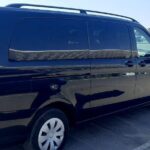
The day kicks off early from the heart of Marrakech, at the Hotel Restaurant Café de France by Jamaa el-Fna. Expect a shared ride in an air-conditioned minibus, with the start time listed around 7:30am. I like early departures because you get the big scenery before the crowds show up and before the heat presses down.
From minute one, you’re in “road trip Morocco” mode. You’ll pass through High Atlas villages and viewpoints, not just drive past them, so the first day feels like a moving tour of everyday mountain life. The bus rides are part of the package here, so pack water, snacks, and something to keep your neck happy.
You can also read our reviews of more hiking tours in Marrakech
Over Tizi n’Tichka: why the Atlas crossing matters
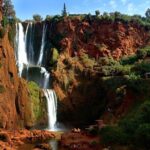
The tour’s standout travel moment on Day 1 is the crossing of the High Atlas via Tizi n’Tichka. This is where the drive becomes scenic enough that you stop thinking about time and start watching the ridgelines and villages roll by. You also get the sense of altitude as the mountains change shade and the air feels different as you climb.
A good part of why this section is worth it: it sets up the desert contrast. You go from sharp mountain viewpoints to river valleys, then down toward oases and eventually sand. If you’ve never driven in Morocco’s Atlas regions, this is a strong introduction to how the country’s geography shapes daily life.
Ait Benhaddou UNESCO: what to expect at the kasbah
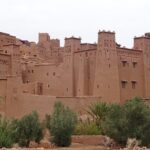
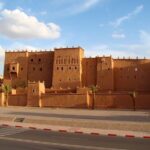
Ait Ben Haddou is the big culture stop, and it’s the one the tour clearly wants you to remember. You’ll visit the UNESCO World Heritage kasbah of Ait Ben Haddou, and you’ll also have lunch there. If you’re into architecture, this is a satisfying stop because the place reads like an old world fortress town—mud-brick walls, layered lanes, and dramatic views from inside.
One practical note: a local guide inside Ait Ben Haddou is listed as not included. That doesn’t mean you’ll be lost, but it does mean you should expect to self-navigate and use your own curiosity to get the most out of it. If you like deep context, consider adding a guide on the spot (and you’ll likely want cash ready).
Also, be aware that famous sites attract sellers. I’d treat shopping requests with calm politeness, not guilt. You can always say no and still enjoy the kasbah.
Ouarzazate and Tinghir: the “breathing room” between big hits
After Ait Ben Haddou, the route continues through the Ouarzazate area, with a stop described as a supermarket break before heading onward. This kind of stop is useful because it gives you a chance to reset for the next leg—charge your phone, buy water, and pick up small items you forgot.
Then you reach Tinghir for the night. Tinghir is a smart choice for this itinerary because it puts you close to the Todra Gorge region the next day, without forcing you to rush back and forth. I also like that it breaks up the trip: Day 1 is mountains, Day 2 is desert, and the Tinghir stop sits in the middle as a valley-and-oasis intermission.
Todra Gorges and the oasis route toward Merzouga
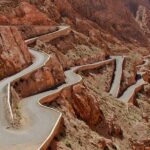
Day 2 starts with breakfast and then moves toward Erg Chebbi in Merzouga. On the drive, you’ll pass through Todragorges, oasis areas, and places like Tinjdad, Jorf, and Erfoud. This route is more than scenery; it’s how you feel the transition from cultivated valleys into the edge of the Sahara.
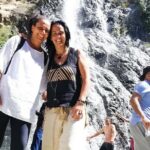
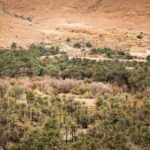
Todragorges brings the “wow, there’s water here” effect. Even if you’ve seen plenty of canyons, this one tends to hit because of the contrast: tall rock walls with palms and a sense of green life nearby. Then you keep rolling east toward the Tafilalet region feel, and by the time you reach Merzouga, the desert stops looking theoretical.
You can also read our reviews of more tours and experiences in Marrakech
Merzouga arrival: hotel reset and the luggage shuffle
When you arrive in Merzouga, the tour includes time in a hotel before the camel trek. A key detail here: you take only the necessary luggage in a small bag for the night at the camp, and you leave the rest at the hotel. This matters because it keeps the desert side manageable and prevents you from hauling everything across sand.
I like this plan. It also reduces what you worry about during the camel ride and at the camp. Just don’t forget basics like a warm layer. Evenings in the desert can cool down fast, and you’ll want something more than a light shirt once the sun drops.
Camel trek at Erg Chebbi: sunset, sunrise, and sandboarding
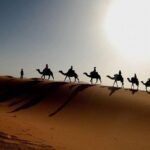
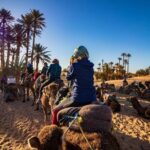
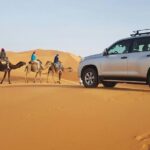
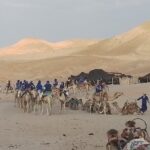
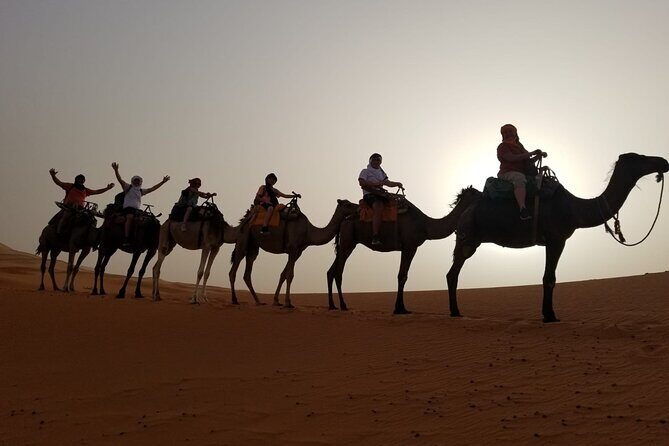
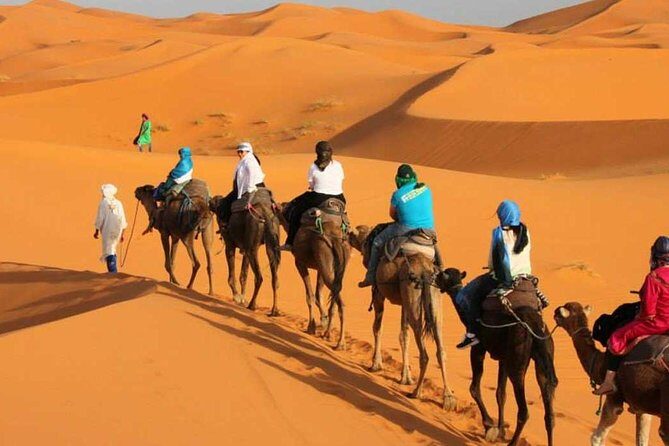
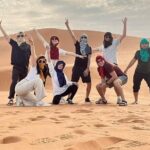
This is the heart of the tour. You ride camels across Erg Chebbi sand dunes, timed for sunset and sunrise, and you get that classic moment when the colors shift across the dune faces. The experience is also practical because you’re not just watching—you’ll walk up toward the highest dunes too, which is where the best views usually happen.
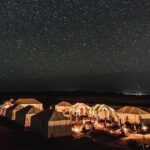
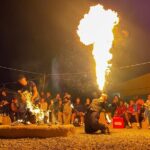
Once you reach the camp area, the tour includes sandboarding. It’s not an extra activity you have to hunt for; it’s built into the camp time, which is a big reason this itinerary scores well. One more small thing I really like: you get the night in Berber-style nomad tents, with drums music described at the camp, so it feels like a genuine overnight in the desert rather than a quick stop.
Desert camp reality check: comfort level and practical fixes
Here’s where you should calibrate expectations. Even among positive experiences, the camp is repeatedly described as more rugged than a city hotel. Amenities can be basic, and some people have reported issues like low water pressure or a lack of hot water in camp showers. If you’re the type who needs a reliable shower routine, you’ll want to bring wet wipes and a small towel, and keep your plan simple.
Sleep can also vary with weather and tent setup. So I’d pack for temperature swings: a warm layer for early morning and something to cover up at night. And since the tour’s meals include breakfast and dinner but not lunch, you’ll want to manage energy during the day with snacks you buy along the way.
Finally, a softer point: there’s a lot of atmosphere at night—drums, people, and the desert sky. But if you’re sensitive to sound or you want quiet, ask your camp team (or your guide) what your tent situation is like before you settle in.
Food and shopping stops: where value can slip
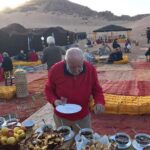
Meals included are breakfast (2) and dinner (2). Lunches and drinks are not included, which means you’ll decide what and where to eat during breaks. Many people enjoy Moroccan comfort-food style meals like tajine and couscous, but there have also been complaints about food quality and pricing, including at least one report of a buffet causing illness.
What does this mean for you? Don’t assume every roadside meal is automatically great just because it’s convenient. If you have a sensitive stomach, eat lighter when you can. If you’re vegetarian or vegan, you may get options, but it helps to communicate needs clearly in advance because sometimes vegan can get mistaken for simply vegetarian.
Shopping is the other risk area. Some stops can feel like cooperative or market “support requests,” including selling crafts, rugs, or small desert items tied to stories about families. You don’t have to play along. If you do want something, set a budget before you get carried away, and check the quality with your own eyes.
Guides, drivers, and how to get the best version of this tour
One reason this trip gets a high recommendation rate is the human part. Across experiences, names that come up include Hammid (driver), Mohamed Ait Ouaghlad (guide), Abdul (guide), Ali (guide), and guides like Yassine, Khalid, Hassan, and Iddir. The common theme: organized timing, safe driving, and helpful explanations along the way.
How do you benefit from that? When the guide gives you a schedule, follow it. When they recommend what to bring for heat and sand, listen. And if there’s an opportunity to ask questions about the kasbah or the desert, do it early—before you’re tired and hungry.
Tip guidance shows up in the way people talk about extra costs. Some advice mentions bringing cash for local guides and tips, and that local add-ons like camel-ride tips can come up. I’d plan a modest budget for this so you don’t feel stressed mid-trip.
Also, keep an eye on pacing. A few experiences mention arriving in the desert around evening and leaving the next morning, which means desert time can feel short if you expected hours of solitude. If you want maximum desert stillness, ask your operator what the camp timing typically looks like.
Day 3 return: early sunrise and getting back to Marrakech
The final day starts early again for sunrise in the dunes. Then you ride camels back to Merzouga, have breakfast, and take a shower at camp if available. After that, the road trip runs back through different Berber villages and includes a stop around Ouarzazate before returning to Marrakech.
The tour ends late afternoon around 7:30pm, with drop-off back at the meeting point or the nearest accessible spot to your riad. This is a full journey day, so keep your evening plans loose. You’ll be dusty, sun-tired, and very happy about it.
Price and value: what $115.86 really buys
At about $115.86 per person for a roughly 3-day trip, the value comes from the package: transport in an air-conditioned minibus, one hotel night in the Tinghir area, one desert camp night in Merzouga, and the camel trek with sandboarding. You also get two breakfasts and two dinners, which saves you money and decision fatigue.
What’s not included matters because it affects the real total. Lunches and drinks are not included, and tips are not included. Local guiding at Ait Ben Haddou is also listed as not included. So your out-of-pocket costs will depend on what you choose to add and how much you snack and drink during breaks.
Even with those extras, the “big picture” is good: you’re getting three major zones—Atlas mountains, kasbah culture, and Sahara desert—inside one fixed schedule. If you tried to stitch this together independently, it would likely cost more and would be harder to manage.
Should you book it? Who it fits and who should think twice
Book this tour if you want a classic Morocco route with a clear structure and a strong desert highlight. It fits couples, solo travelers, and groups who don’t mind long drives as long as the stops are worth it. If you love sunrise/sunset moments, sandboarding, and the feeling of a night in the desert camp, this is exactly the kind of itinerary built for that.
Think twice if you require high-end comfort, reliable hot water, or long, unhurried desert time. Some experiences mention basic hotel rooms, rugged camp amenities, and a packed schedule that can limit how long you truly sit in the desert. If that sounds like you, ask questions before booking about camp facilities and the exact timing of the camel trek and desert stay.
One more serious consideration: one critical experience raised camel trek abuse concerns. I can’t confirm details beyond that concern being raised, but if animal welfare matters to you, it’s fair to ask your operator how camels are cared for and handled, and watch for signs of stress during the trek.
FAQ
FAQ
What is the starting time for this tour?
The start time is listed as 7:30am at the Hotel Restaurant Café de France near Jamaa el-Fna.
Where does the tour pick you up in Marrakech?
Pickup is at Hôtel Restaurant Café de France on Rue des Banques, near Jamaa el-Fnna, 40000 Marrakech, Morocco.
How long is the desert tour from Marrakech to Merzouga?
The duration is about 3 days, with the return to Marrakech late afternoon around 7:30pm.
What’s included in the price?
Included are hotel accommodation in Tinghir, a desert camp night in Merzouga, camel ride for sunset and sunrise (one camel each), sandboarding, air-conditioned minibus transport, plus breakfast (2) and dinner (2).
Are lunches included?
No. Lunches and drinks are not included.
Is a local guide included for Ait Ben Haddou?
No. A local guide in Ait Ben Haddou Kasbah is not included.
Can I expect good food options if I’m vegan?
Vegan food has been provided on at least one experience, but communication can be tricky if vegan gets assumed to mean vegetarian. It’s smart to tell the operator clearly in advance.
Is this tour free to cancel?
Yes. It offers free cancellation with a full refund if you cancel at least 24 hours before the experience start time.
If you want one ticket that hits mountains, kasbah culture, and the Erg Chebbi camel experience, this tour is a strong value. Just go in knowing it’s a long day of road time, desert camp comfort is basic, and you’ll want cash for lunches and tips.