
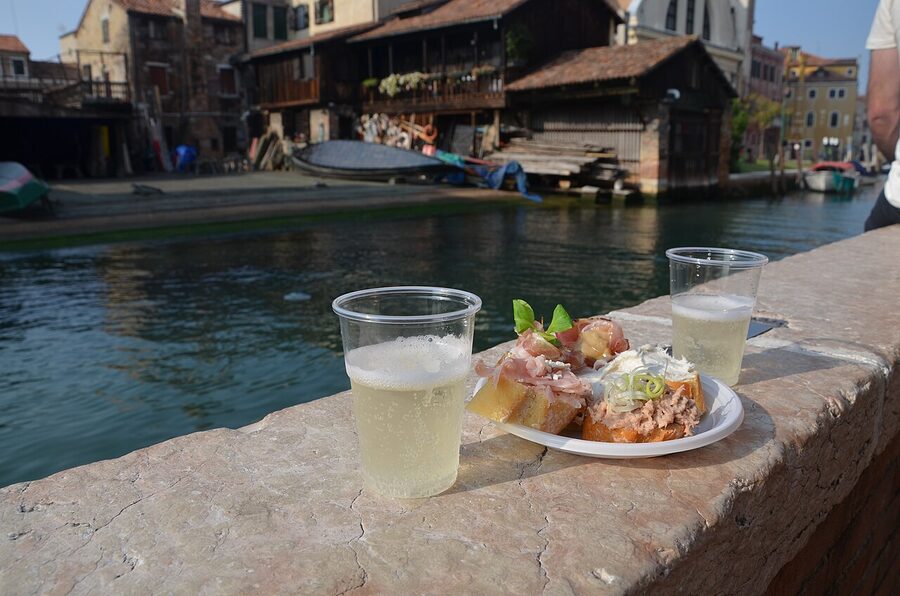
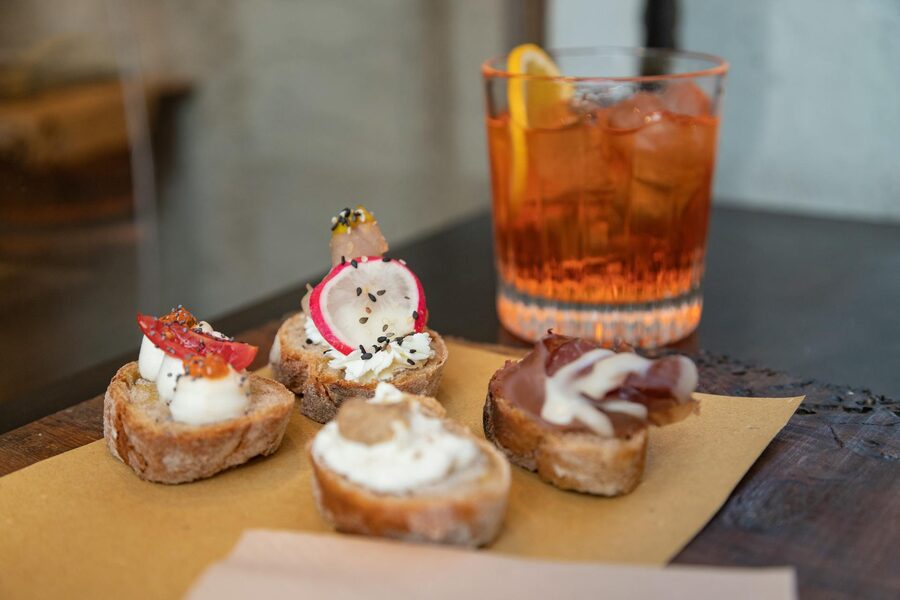
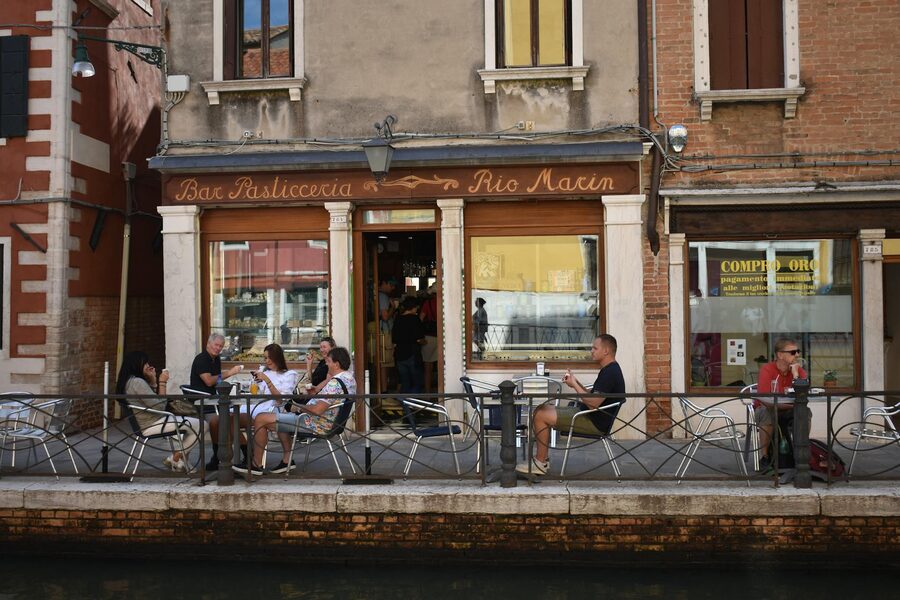
Venice doesn’t really do sit-down lunch. You stand at a bar, you eat with a toothpick, you drink a small glass of cold white called an ombra, and then you move to the next bar.
That’s cicchetti. It’s also what a Venice food tour actually is — a guided version of the thing Venetians do on a Tuesday.
Quick Picks
- The full premium walk — Eat Like a Local: 3-hour Venice Small-Group Food Tasting Walking Tour ($107). Small group, six-plus stops, the whole food arc.
- Budget version — Venice Street Food Tour with Market Visit ($53). Half the price, covers the cicchetti core.
- Wine-focused — Cicchetti & Wine Tour ($108). Sommelier guide, full pours, proper bacari.
- Quick Picks
- Why Cicchetti Are Venice’s Real Food Identity
- The Three Real Options
- Eat Like a Local: 3-hour Venice Small-Group Food Tasting Walking Tour — 7.10
- Venice Street Food Tour with Local Guide with Local Food Market Visit — .21
- Experience Venice Like a Local: Small Group Cicchetti & Wine Tour — 7.63
- What You’ll Actually Eat
- The Rialto Market — Why Every Tour Visits
- The Walk Itself
- The Wine Side
- Who This Is For
- Timing and Season
- Pairing With Your Venice Trip
- Common Questions
- The Honest Verdict
Why Cicchetti Are Venice’s Real Food Identity
Visit Venice and you’ll find maybe 200 restaurants advertising “authentic Venetian cuisine” to tourists, and about 150 bacari (cicchetti bars) quietly feeding locals. The bacaro system predates restaurant culture. It’s how Venetians have eaten between meals for 500 years — a quick toast at 11:00 on the way to work, another round at 18:30 before dinner, a plate at 13:00 when a proper lunch is too much. The food is cheap (€1.50-3 per piece), high-quality, and specific to Venice’s lagoon geography.
Restaurants catering to tourists have gotten worse over the last 20 years — overpriced pasta, microwaved risotto, mediocre Prosecco by the glass. Bacari haven’t. The locals keep them honest. If the baccalà is bad, regulars stop coming, the bar goes out of business. The filter is brutal and you benefit from it as a visitor.
The only problem with doing this on your own: you don’t know which bacari are good, where they hide, what to order, or how the etiquette works. That’s exactly what the guided tours solve. A good guide takes you to 4-6 places you’d never find, orders the stuff you’d be too shy to try, and explains what you’re eating in real time.
The Three Real Options

Eat Like a Local: 3-hour Venice Small-Group Food Tasting Walking Tour — $107.10
The 3,137-review category leader. 3 hours, 6+ food stops including 2-3 bacari, plus a visit to a bakery, a cheese shop, and a gelateria. Wine pairings throughout. Small groups (max 12). Guides are vetted Venetian locals, not part-time university students. Our review argues this is the most comprehensive Venice food experience available — not just cicchetti but the whole food ecosystem, including sweet stops and the Rialto market.
Venice Street Food Tour with Local Guide with Local Food Market Visit — $53.21
The half-price option. Two hours, four stops, one market visit, tighter focus on the street-food-specific side — cicchetti, fried seafood cones, bakery. Fewer bells and whistles than the premium version but the same cicchetti core. Guides are younger and the vibe is less formal. Our review rates this as the better per-euro value on a short Venice trip.
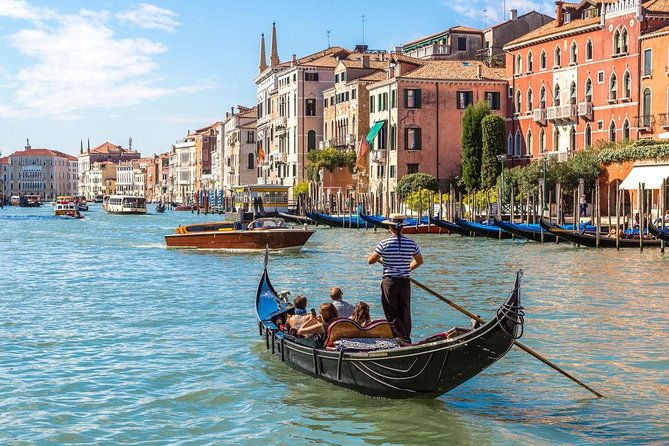
Experience Venice Like a Local: Small Group Cicchetti & Wine Tour — $107.63
Wine drinkers, this one is yours. Same price point as the premium food tour but weighted toward wine — three or four bacari with full pours rather than tastes, plus sparkling wine and spritz stops. Max eight guests. The guide is almost always a sommelier or wine writer. Our review notes you shouldn’t book this on an empty stomach.
What You’ll Actually Eat
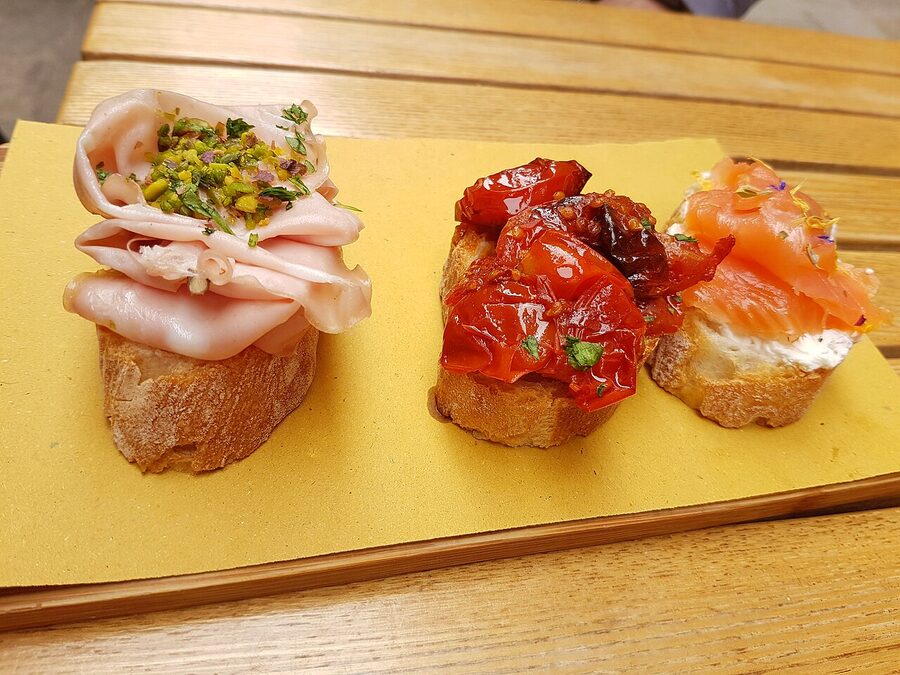
Cicchetti categories are predictable even if specific toppings vary between bars. A good tour gets you through the main types.
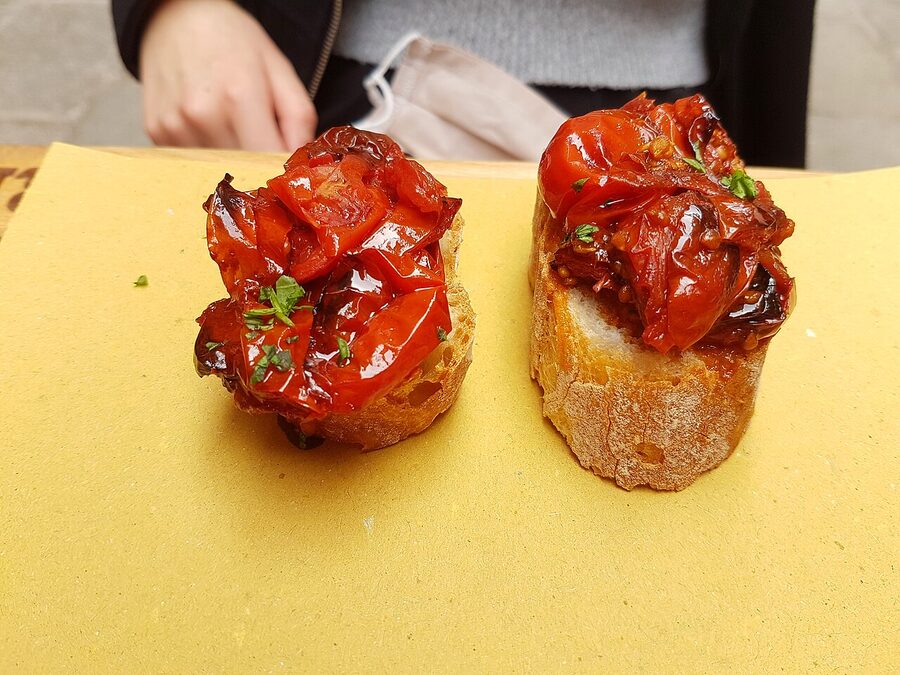
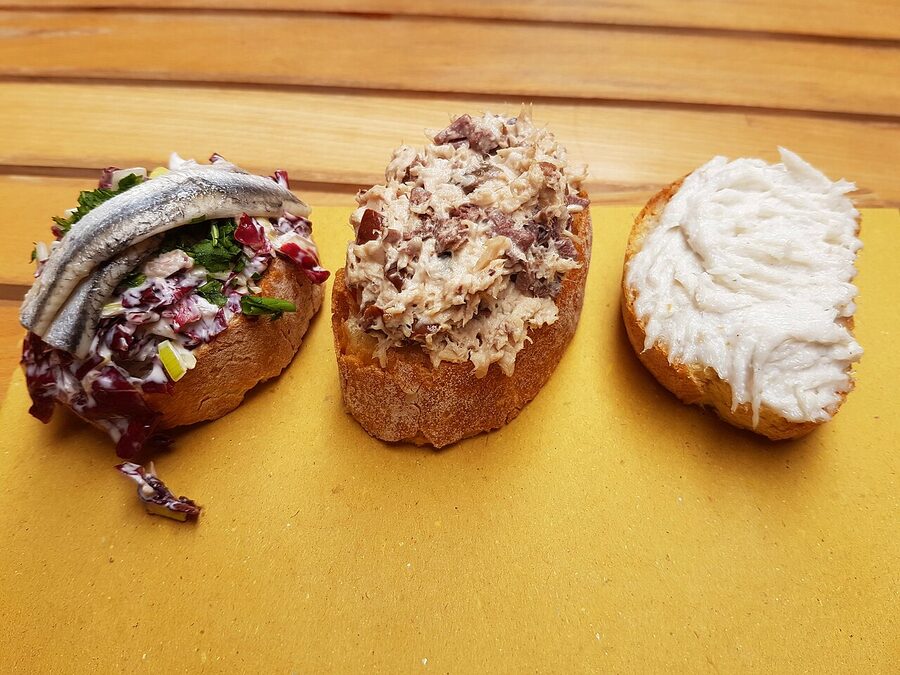
Baccalà mantecato: the signature topping. Salt cod whipped with olive oil until it’s a creamy spread, served on bread or polenta. Not fishy. Deeply savoury. Every Venetian tries to claim their grandmother’s version is the best. This alone is worth the tour.
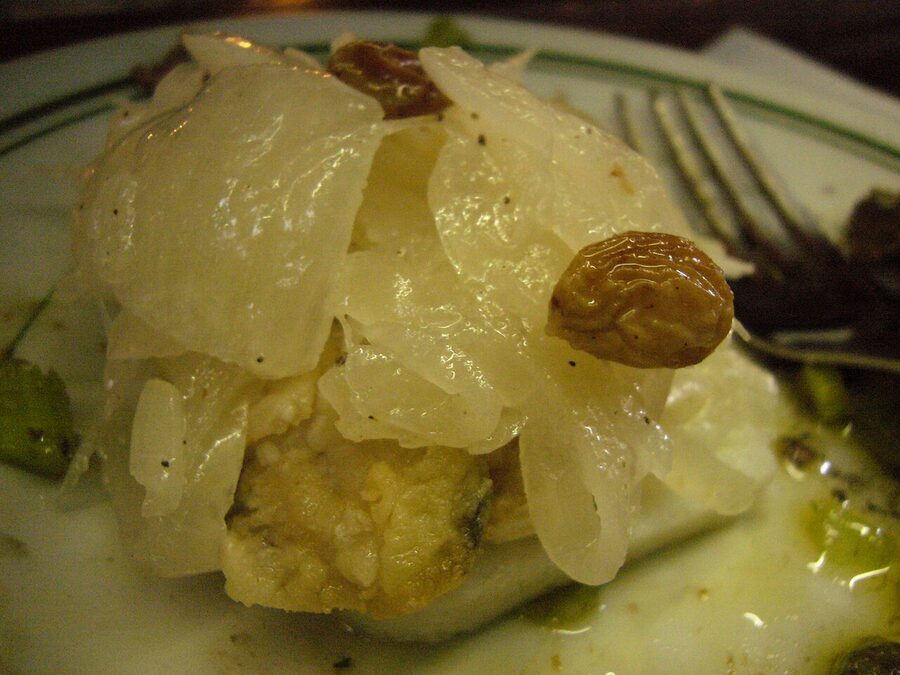
Sarde in saor: sardines marinated with onions, pine nuts, and raisins. A Venetian invention dating to sailors preserving fish on long voyages. Sweet-and-sour and unusual — the raisins surprise everyone the first time.
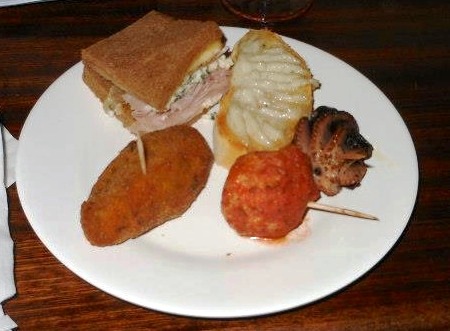
Polpette: small meatballs, often fried, made with a mix of meat and bread. Served alone or on a toothpick. The tuna-and-potato version is a Venice-specific variant you rarely see elsewhere in Italy.
Folpetti: tiny whole boiled octopuses served with olive oil, parsley, and lemon. About 4cm each. Eaten whole, eyes included. Not for everyone but weirdly delicious — sweet, tender, clean.
Moeche (in season, April-May and October): soft-shell crabs, rolled in egg, deep-fried, eaten whole. Only available twice a year when Adriatic crabs are moulting. Worth timing a Venice trip around. Tours in season always hit a moeche stop.
Frittura mista: Venetian mixed fried seafood — small calamari, baby shrimp, little fish — in a paper cone. Eaten walking or at a standing counter. The portable street-food version of cicchetti. A €5-8 cone is real lunch.
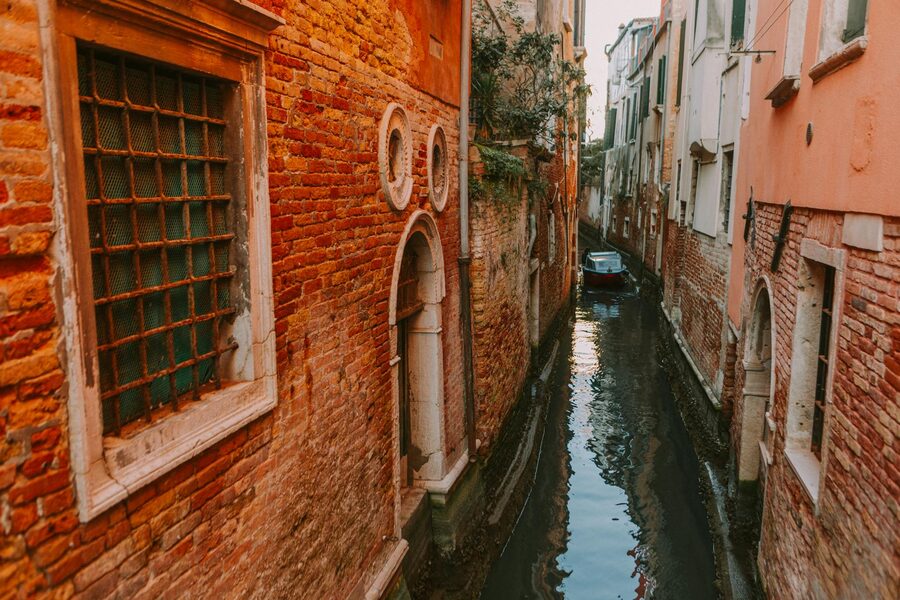
The Rialto Market — Why Every Tour Visits
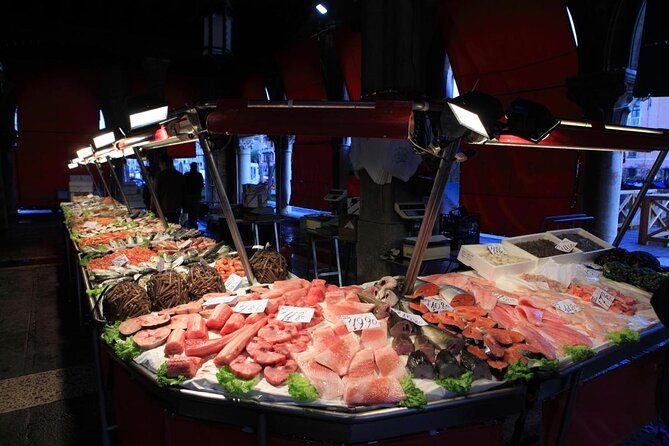
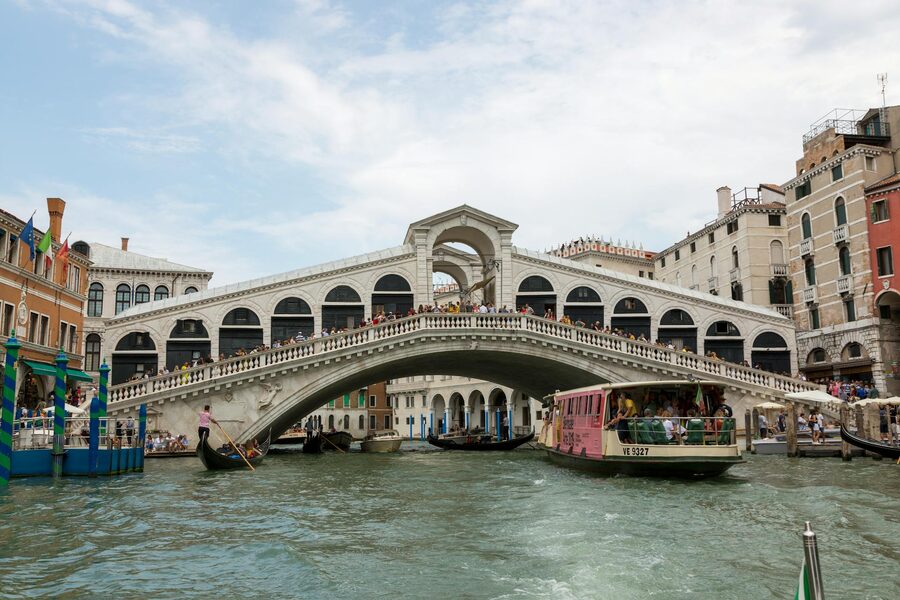
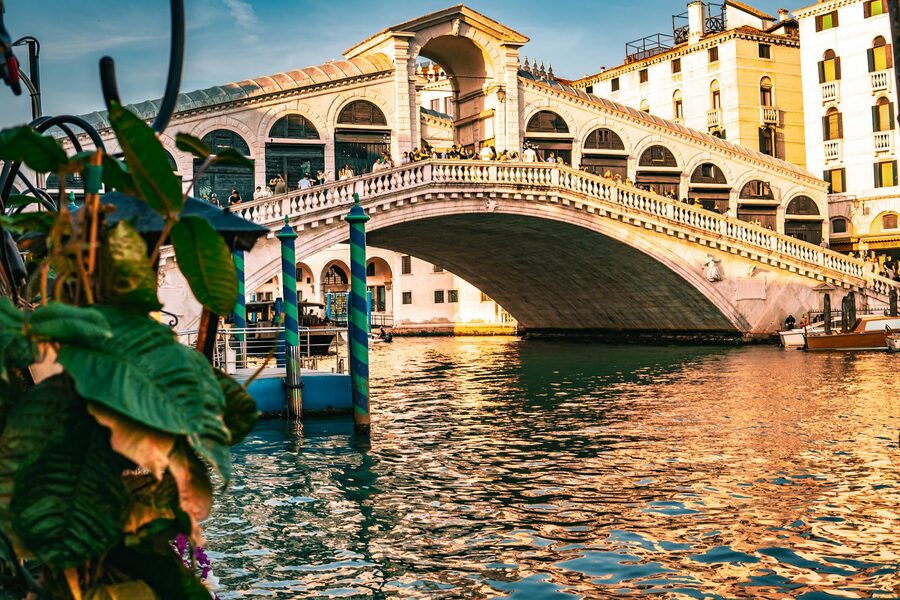
The Mercato di Rialto has been Venice’s wholesale produce and seafood market since 1097. The fish hall (Pescaria), built in 1907, sits on the Grand Canal and operates 7am-12pm Tuesday through Saturday. The produce market (Erberia) runs slightly longer. Both close Sunday and Monday. Tours that include a market visit always aim for the morning slot.
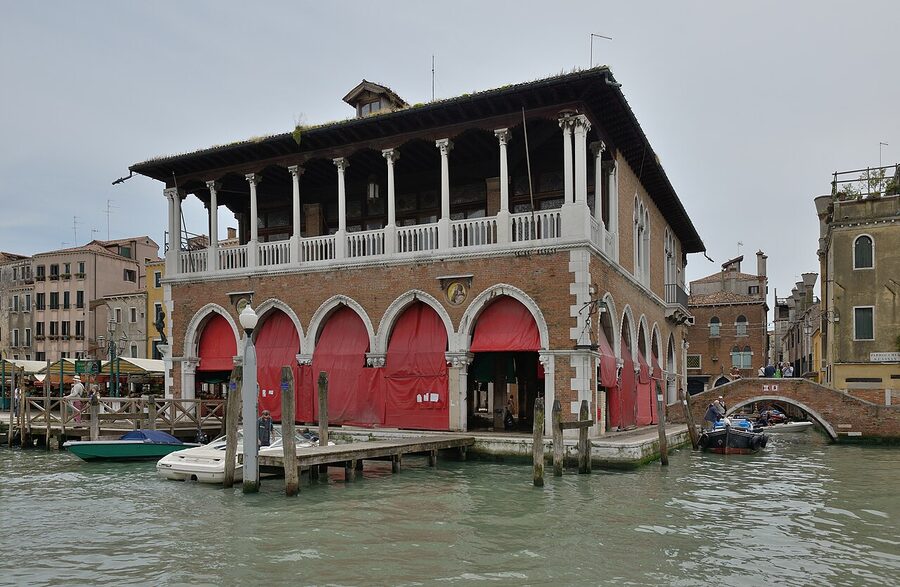
Walking through Rialto in the morning is a cultural experience independent of the food tour. Locals haggle in Venetian dialect (which is different from Italian — you’ll hear “ciao” but not much else you can parse). Old men in white coats gut fish with 6-inch knives. Restaurant chefs negotiate with suppliers they’ve known for decades. This isn’t a tourist attraction; it’s an industrial-scale working market that tourists are allowed to walk through.
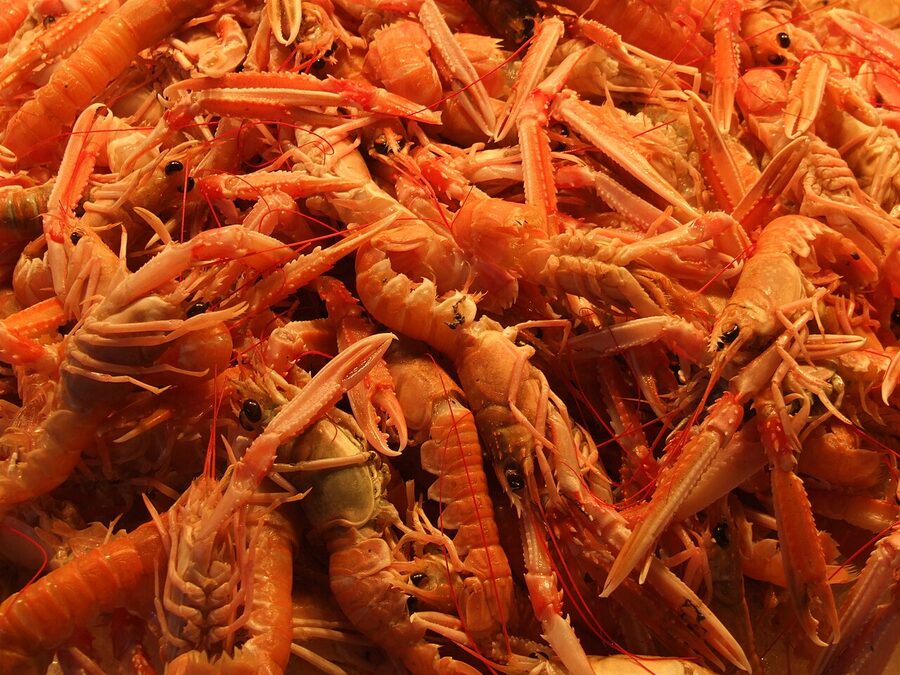
Arrival timing: the tour optimises for the 10:00-11:00 slot — late enough that the initial rush is over, early enough that things are still happening. Earlier and you’re in the way of working wholesalers; later and the fresh stuff is already sold.
The Walk Itself
Venice food tours cover 2-3 kilometres across roughly 3 hours — moderate walking, but the whole city is cobbled and there are about a dozen small bridges to cross. Footwear matters.
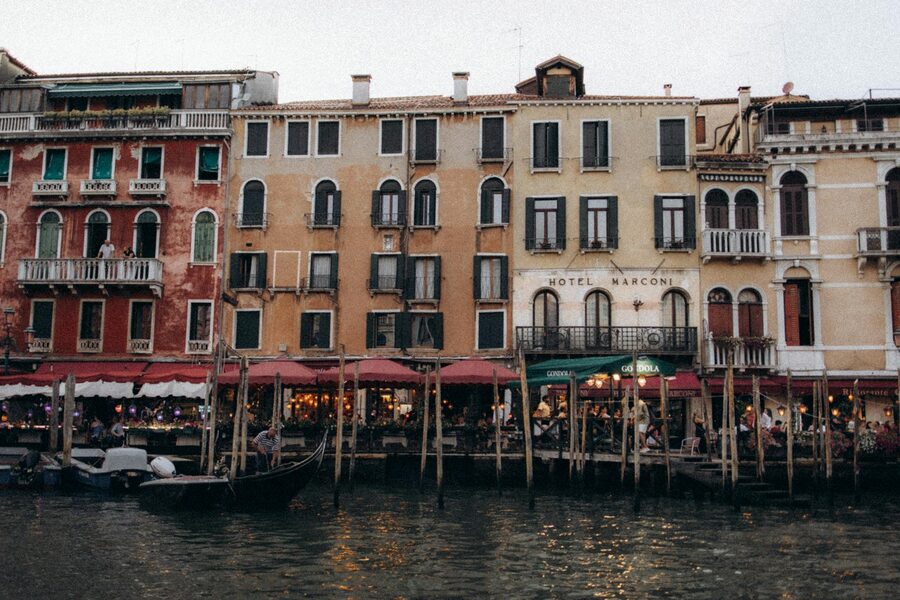
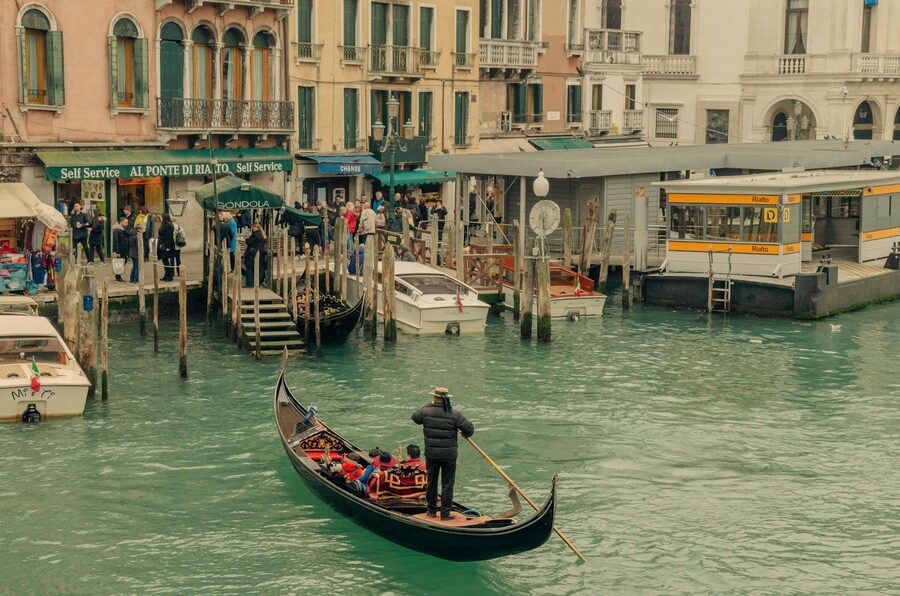
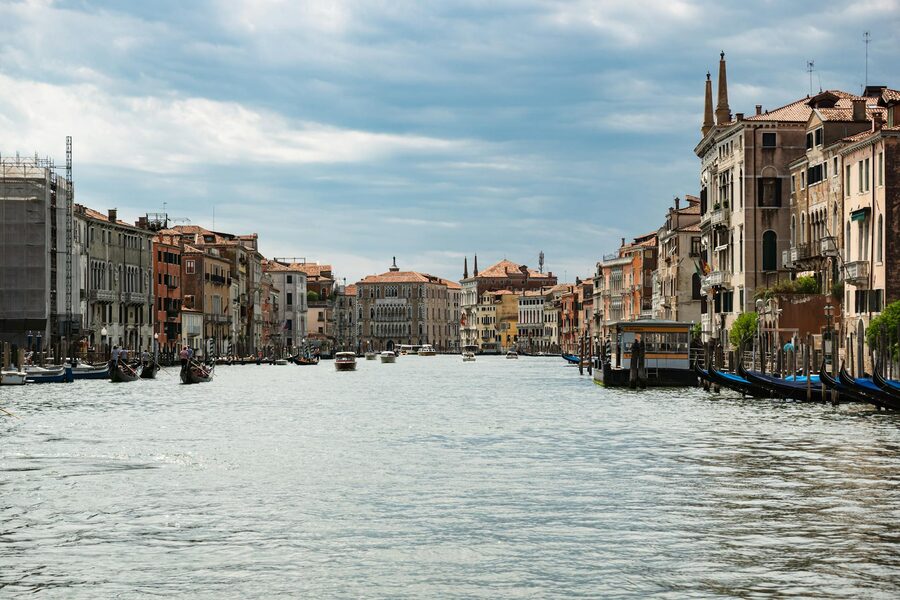
Typical route: starts near San Marco or the Rialto Bridge, cuts through San Polo (the historically working-class district), crosses into Cannaregio (the old Jewish quarter), ends somewhere near the Ghetto. About 2.5 km total. The guide knows exactly where to cross the Grand Canal at the quietest bridges.
Physical demands: low-to-moderate. If you can walk around a museum for 3 hours, you can do this. The stop-start nature (15 minutes walking, 20 minutes standing at a bar, repeat) makes it much easier than a straight walking tour.
The Wine Side
Venetian wine culture is its own study. The region produces Prosecco (north of Venice, in the Conegliano-Valdobbiadene DOCG), Soave (white, east of Verona), Valpolicella (red, north of Verona), and Amarone (the premium Valpolicella). Tours hit all four in pours, often at the same bacaro.
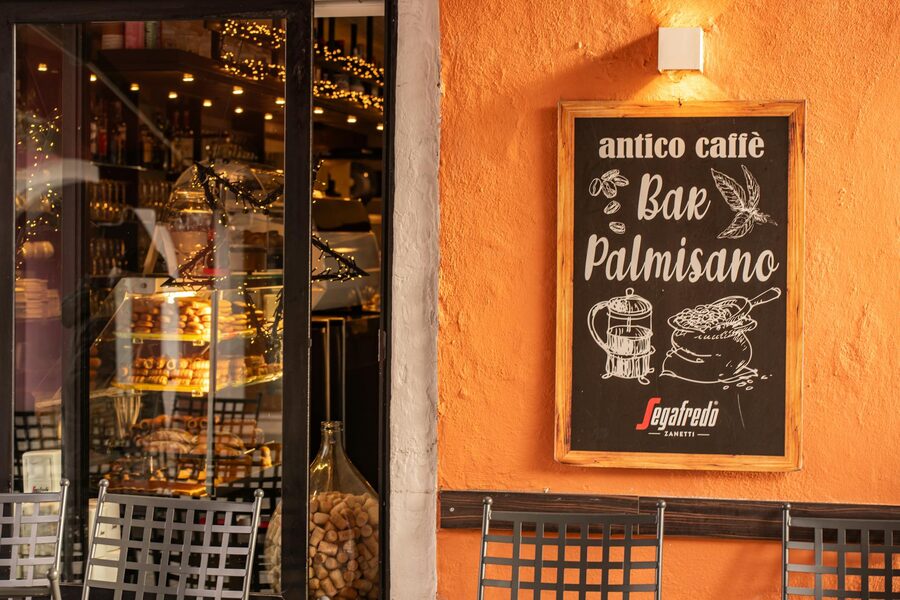
Ombra: the standard Venetian house wine pour. About 100ml of white wine, cold, €2-3. The name comes from “shadow” — historically sold from stalls under the Campanile of San Marco where the shade moved across the piazza through the day.
Spritz: the Venetian invention, created in the 19th century when the city was under Austrian rule and Austrian soldiers wanted their wine diluted. The classic Venetian spritz uses Select bitter (not Aperol — Aperol is a Padovan concession to mass-market taste). Orange slice, olive on a toothpick.
Prosecco: served in real Venice by the glass (bottled Prosecco is for celebrations or tourist restaurants). The cheap €3 glass at a bacaro is often better than a €15 glass in a Piazza San Marco restaurant. Trust the guide.
Who This Is For
Great fit: travellers serious about food, first-time Venice visitors, couples, anyone willing to eat standing up. Food writers, adventure eaters, wine lovers.
Reasonable fit: casual tourists with average curiosity, budget-conscious travellers (book the $53 version).
Bad fit: pescatarians/vegetarians (a lot of the iconic dishes are seafood or meat — vegetarian options exist but you’ll miss the signature experiences), travellers with shellfish allergies (clams and moeche dominate menus; cross-contamination risk is real), kids under 10 (3 hours standing is rough).
Timing and Season
Tours run year-round. Some options are clearly better than others.
April-May: moeche season. The soft-shell crab cycle makes this the best food window of the year. Mild temperatures. Book 1-2 weeks ahead.
June-August: hot. Crowded. Venetian restaurants get inundated. Tours still run but the cicchetti bars are full of tourists (bad for authenticity). Book if you must; optimise for morning or late-afternoon tours to avoid peak heat.
September-October: the second moeche season plus stabilised weather. Arguably the best month overall. Harvest of Italian seasonal produce at Rialto.
November-March: off-season. Weather cold and damp, occasional acqua alta flooding. But the bacari are locals-only, the food is uncompromised, and tour prices drop 15-20%. For food-focused travellers, genuinely the best season.
Pairing With Your Venice Trip
The food tour eats one afternoon or evening. Plan around it.
The day-shape that works: morning Rialto market walk (on your own), afternoon water-taxi tour of the islands (Murano and Burano), food tour at 17:00-20:00 as the anchor evening activity. That’s a full day covering Venice’s market, island craft traditions, and food culture in one coherent rhythm. Alternatively, pair with the Vivaldi Four Seasons concert — book the food tour 15:00-18:00, grab a quick dinner, concert at 20:30. For wider Italian trips, the cicchetti experience is the Venetian counterpart to Florence’s sunset food tour — book both in the same Italy trip and you’ll have a proper north-to-south food arc from Venetian seafood to Tuscan salumi. And if you’re doing Venice + Chianti on the same itinerary, a Chianti bike tour the following week makes the wine arc complete — Prosecco and Amarone here, Chianti Classico and Sangiovese there, contrast delivered without overlap.
Common Questions
Is this enough food for dinner? Yes. Most travellers leave the 3-hour tour too full for another meal. Plan light post-tour — gelato at most.
What if I’m vegetarian? Tours accommodate with notice. You’ll get vegetable-based cicchetti (aubergine, artichoke, ricotta, tomato) and skip the seafood rounds. You’ll miss baccalà and sarde in saor, which are the iconic dishes. Still a good tour but at 70% of the experience.
Food allergies? Gluten-free is genuinely tough — cicchetti are bread-based. Shellfish allergy is higher-risk; notify at booking and confirm again at the start. Dairy-free is manageable. Nut-free is manageable except for the pine nuts in sarde in saor.
Do they include dessert? Most tours finish at a gelateria or a bakery. Fritelle (Venetian carnival doughnuts) if you’re there in February-March. Tiramisu was invented in Treviso (nearby Veneto) so its version here is genuinely good.
Is it alcoholic? Significantly. 4-6 wine pours across 3 hours = maybe 2-3 standard drinks. Non-drinkers are welcomed with substitutes (sparkling water, sodas) and don’t miss much beyond the wine pairing education.
Do I tip the guide? €5-10 per person is customary if the tour was good. Not mandatory. Guides work on commission at the bacari (they usually get a small kickback on food orders) so you’re not their only income.
Is the €53 tour actually worse than the €107 one? Different, not worse. The premium tour is longer, has more stops, better guides, a Rialto market visit, and a dessert course. The budget tour has the same core cicchetti experience at lower cost. For food enthusiasts, the premium is worth it. For general travellers, the budget version delivers the essence.
The Honest Verdict
A Venice food tour is one of the best-value tourism products in the city. You pay $53-107 for knowledge you couldn’t acquire otherwise — which bacari are good, what to order, how to drink an ombra standing up like a local. The food itself costs almost nothing (cicchetti are €2 a piece); you’re paying for the curation.
Book the $107 Eat Like a Local tour if Venice is a major food-destination stop. Book the $53 Street Food tour if Venice is one city among many in your Italy trip. Book the Cicchetti & Wine tour if wine is your thing. Whichever one: do it early in your Venice stay — Day 1 or Day 2 — so you can use the knowledge for the rest of your time in the city. Book 1-2 weeks ahead in peak season. Don’t eat lunch beforehand. Wear comfortable shoes. Don’t be shy about pointing at the plate on the bar when you see something you want.