
Florence food tours start in daylight and end at sunset. That’s the whole trick. You eat while the city cools, and by the time you hit the rooftop for aperitivo, the Duomo is catching the last of the afternoon in orange.
I’ve done the premium version twice and the budget version once. They’re different products and both work. Here’s how to pick.
Quick Picks
- The premium version — Florence Sunset Food & Wine Tour With Eating Europe ($150). Four hours, proper stops, food-writer guide.
- The budget version — Florence Street Food Tour with Wine & Local Guide ($44). Lampredotto, schiacciata, cheaper wine. 2.5 hours.
- On the river instead of walking — Florence Arno River Cruise with Aperitivo. One hour on a flat boat at sunset.
- Quick Picks
- Why the Sunset Timing Actually Matters
- The Three Real Options
- Florence Sunset Food & Wine Tour With Eating Europe — 9.95
- Florence: Street Food Tour with Wine & Local Guide —
- Florence: Arno River Cruise with Aperitivo
- What You’ll Actually Eat
- The Wine Pairing Reality
- The Oltrarno Route Reality
- Who This Tour Is For
- The Sunset-Timing Practical Details
- Pairing With Your Florence Trip
- Common Questions
- The Honest Verdict
Why the Sunset Timing Actually Matters
Food tours can run any time of day. Most operators do morning versions because that’s when markets are busy and kitchens are cooking. The sunset version exists for a specific reason: Florence’s light peaks between 17:30 and 20:00 in summer, between 16:00 and 18:00 in winter, and the Oltrarno’s narrow streets get exactly the right warm glow during that window. You’re not just eating — you’re walking through a city lit like a film set.
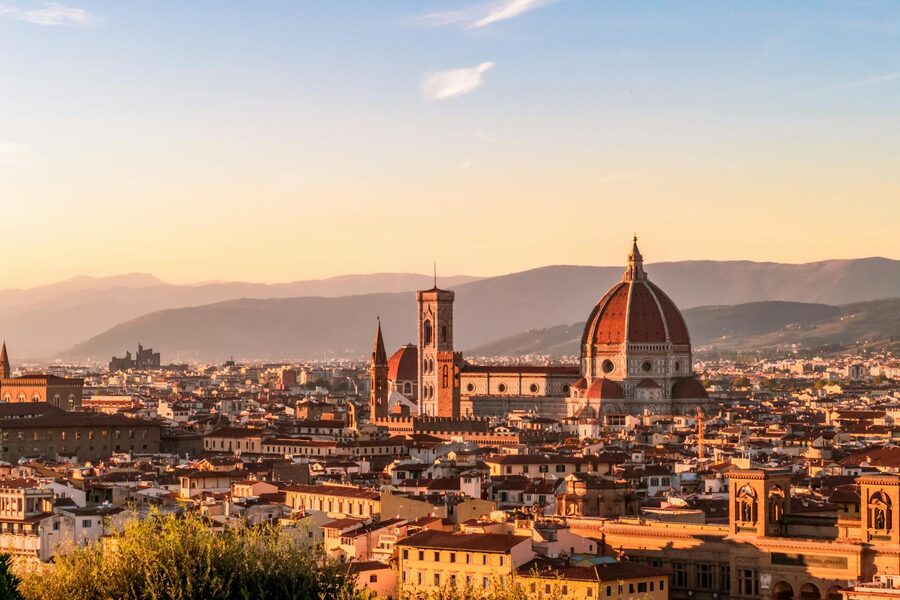
The second reason is food culture. Italians don’t really eat between meals; the entire country runs on a rhythm of colazione (coffee + pastry) → pranzo (lunch, 13:00) → aperitivo (17:30-20:00) → cena (dinner, 20:30+). Morning food tours fight this rhythm; sunset tours ride it. You’re doing what Florentines are doing, in the spots they’re doing it, at the hour they do it. That’s the only way to experience aperitivo culture authentically without being a local.
The third reason is practical: the stops on a sunset tour tend to be the places locals actually drink at, not the tourist-trap trattorias. Morning Florence is tourists; sunset Florence is Florentines coming home from work. Your guide knows this, routes you accordingly, and you end up in the rooms where the wine actually gets poured.
The Three Real Options
Different budgets, different formats. Pick based on how premium you want the experience.
Florence Sunset Food & Wine Tour With Eating Europe — $149.95
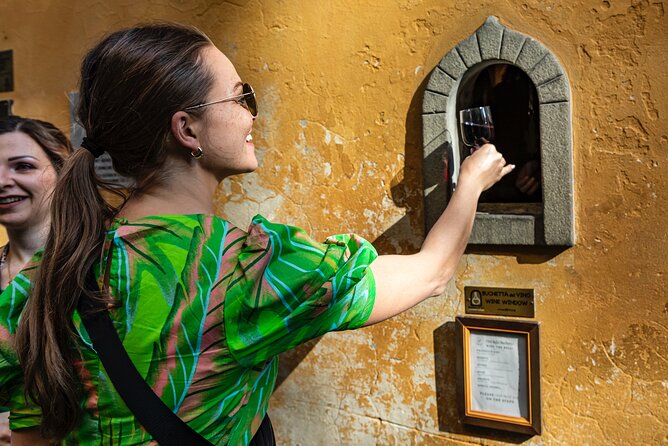
Eating Europe is the London-founded brand that runs these in a handful of European cities. Florence format: four hours, four or five proper food stops, three or four wine pairings, a food-writer guide, and an aperitivo at a rooftop bar. Max twelve people. The best food tour in the city if price isn’t the deciding factor.
Florence: Street Food Tour with Wine & Local Guide — $44
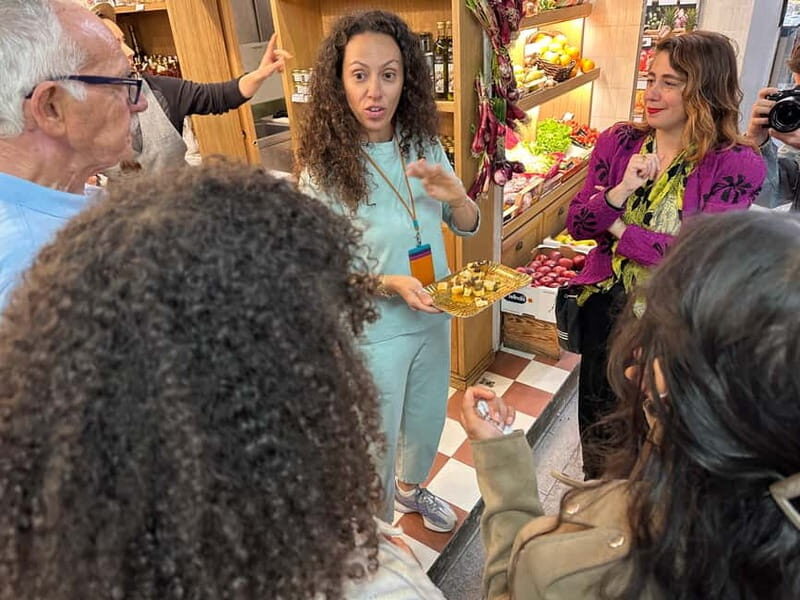
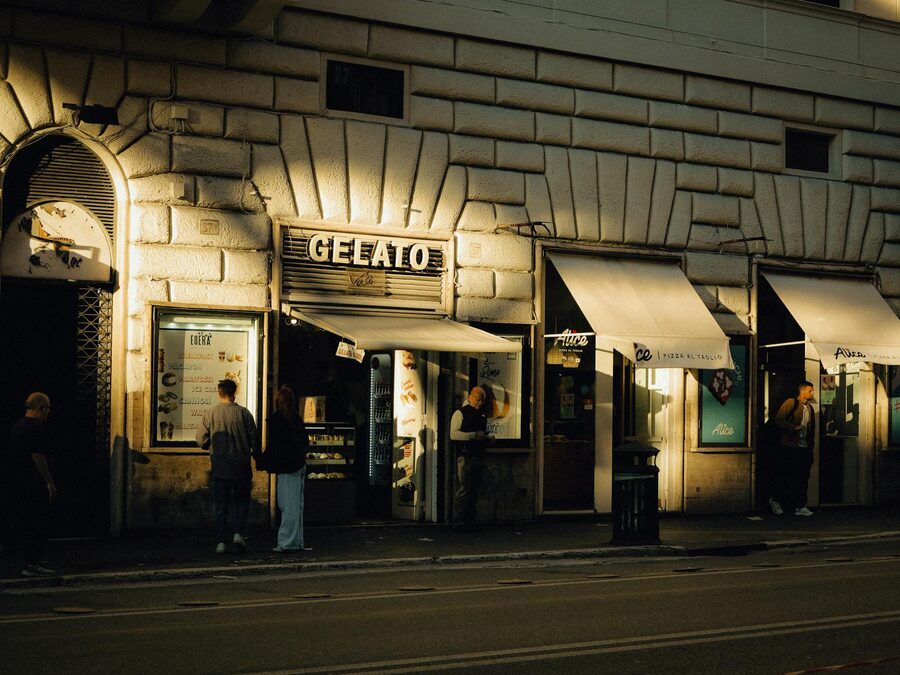
The value pick. 2.5 hours, cheaper food stops — lampredotto sandwich, schiacciata, a panino — a glass or two of wine, and a local guide who’s usually a university student or young Florentine. Different product from Eating Europe, focused on the cheap eats Florentines actually buy. Why this is arguably the better tour if you value authenticity over polish is the honest argument. The Trastevere equivalent in Rome fills the same niche further south.
Florence: Arno River Cruise with Aperitivo
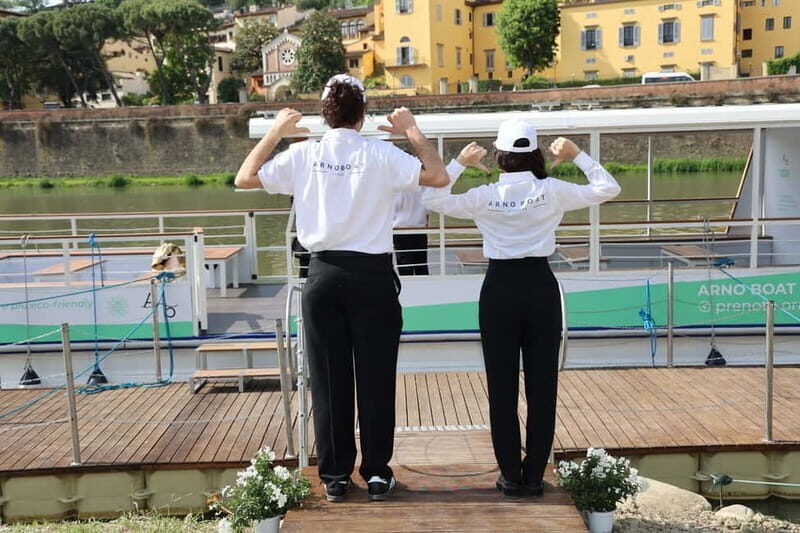
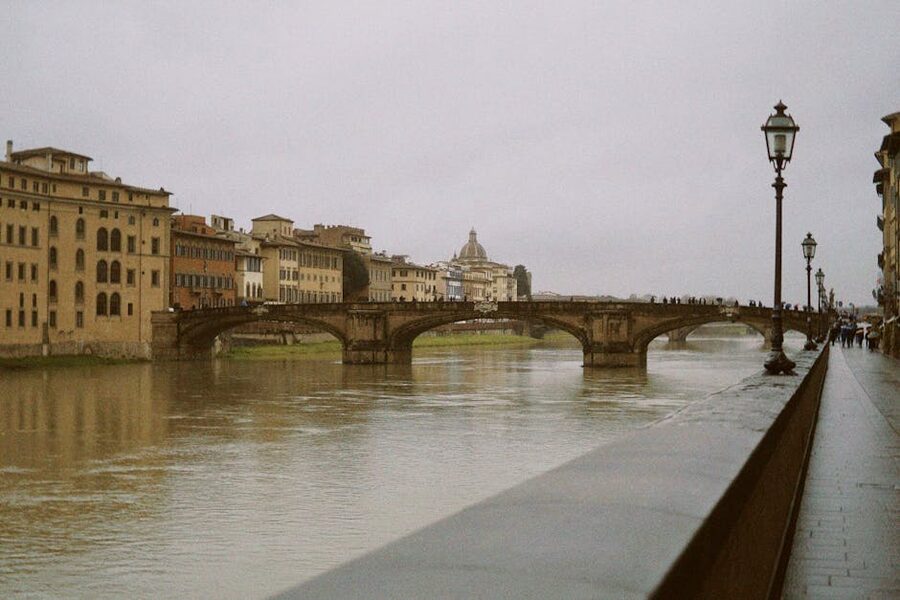
The alternative format. One hour on a flat-bottomed barchetto on the Arno at sunset, with aperitivo drinks and small plates served on board. Less food-focused, more view-focused — pick this if you want the Florence sunset without a four-hour walking commitment. The best way to see the Ponte Vecchio from an angle most tourists never get.
What You’ll Actually Eat
The premium Eating Europe format lands five distinct food stops across four hours. The exact rotation varies with the season and which restaurants are open, but the core architecture looks like this.
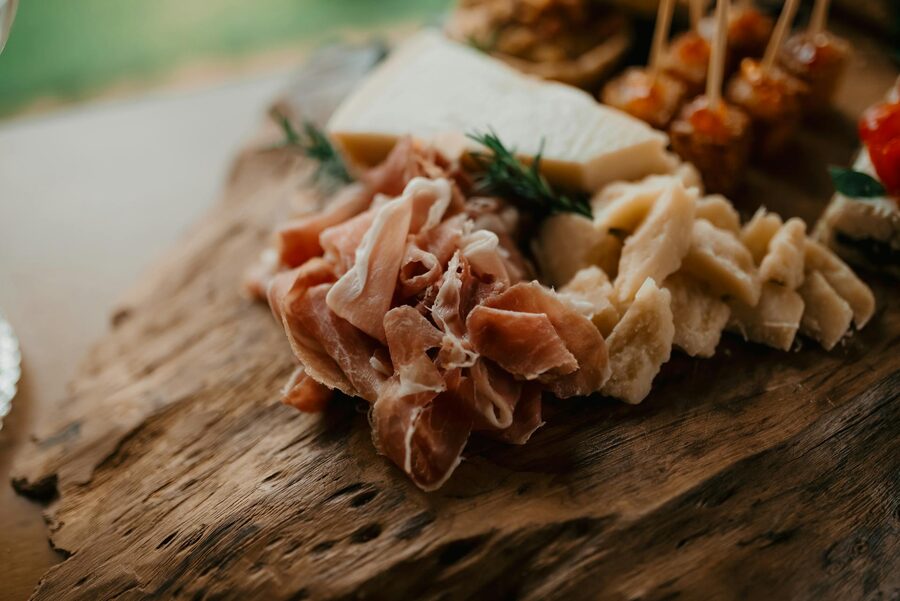
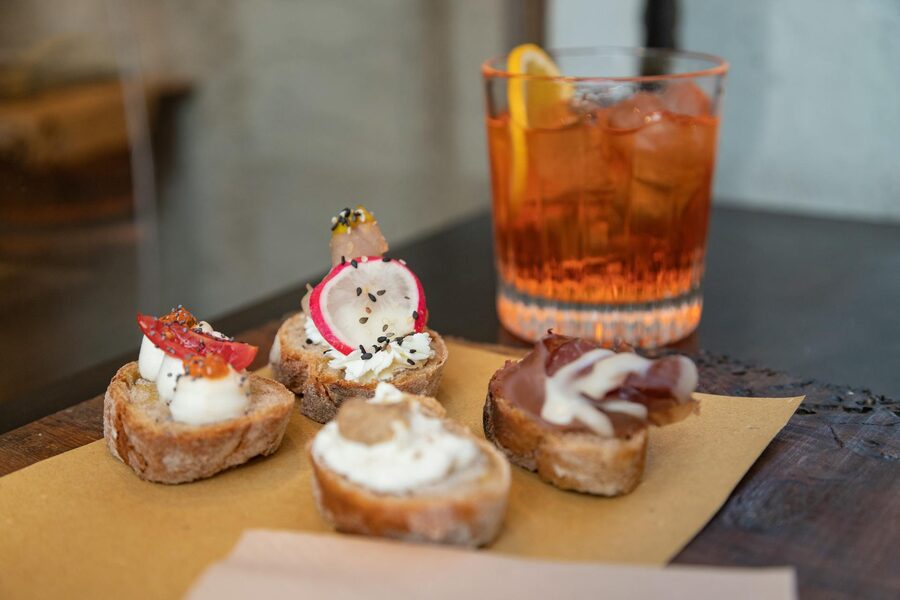
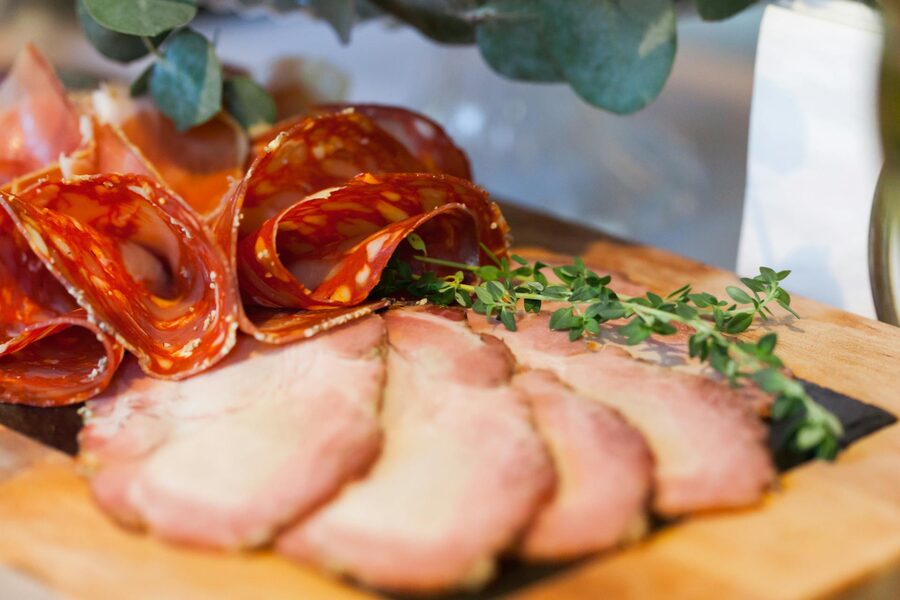
Stop 1 — Enoteca / wine bar: cured meats + cheese + a Chianti Classico by the glass. This sets the flavour baseline for the rest of the night. Guide introduces you to the specific pecorino/salami combinations that locals order.
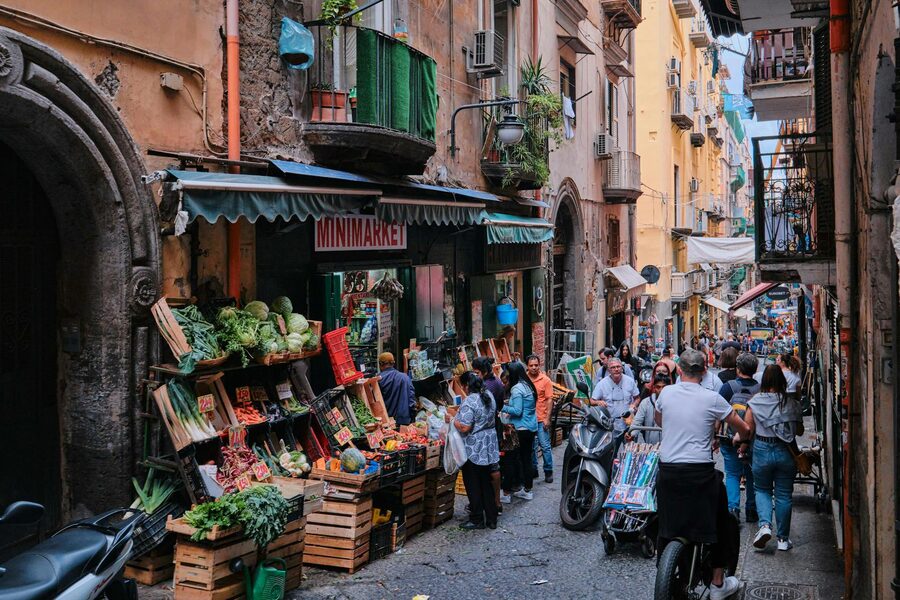
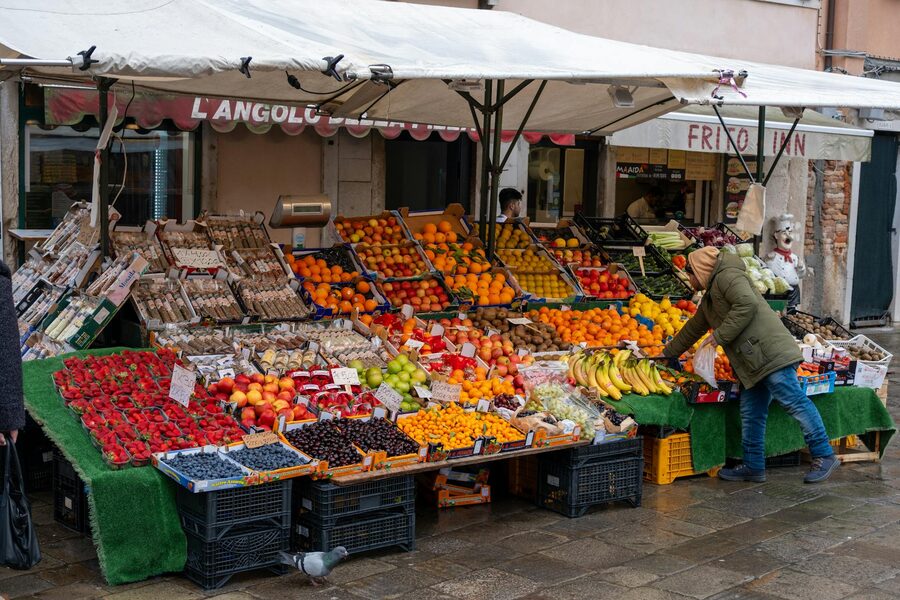
Stop 2 — Market stall or bakery: schiacciata (Tuscan flatbread, oily and salty) with either prosciutto or truffle spread. This is street food in its Florentine form — not pizza, not focaccia, something else. Dense, flavourful, unapologetically heavy.
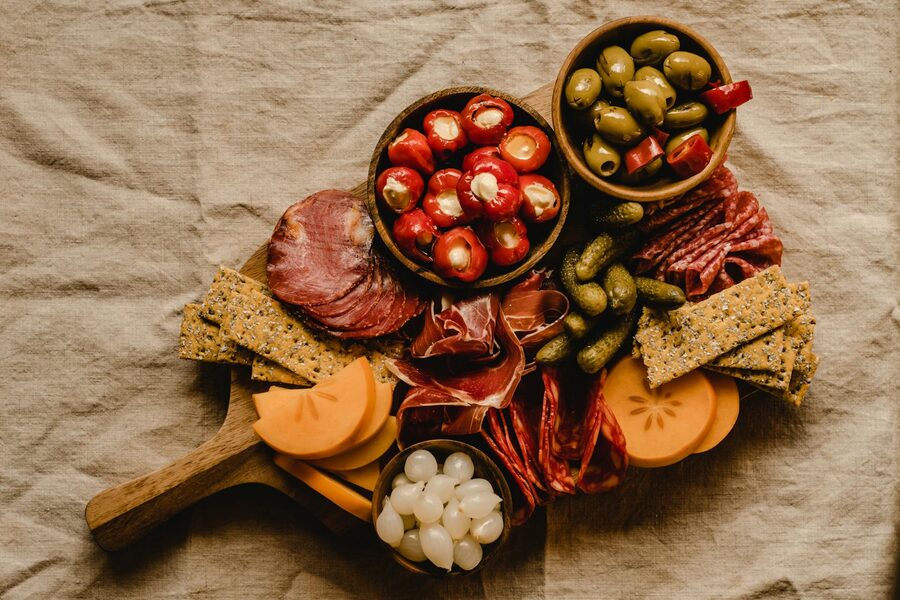
Stop 3 — Traditional trattoria: pasta course. Usually pici (hand-rolled thick spaghetti) or pappardelle with wild boar ragù, both iconic Tuscan preparations. This is where the tour stops feeling like a tasting and starts feeling like a meal.
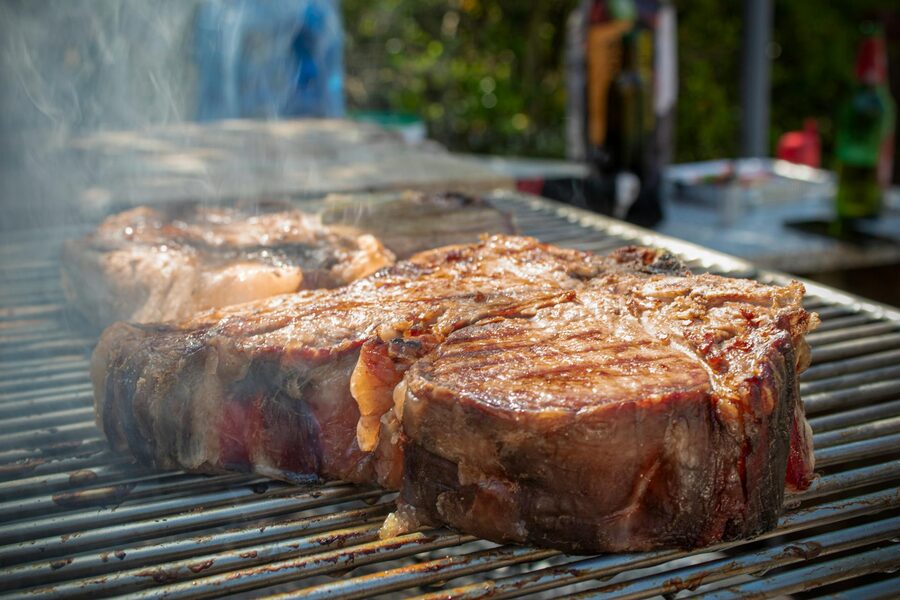
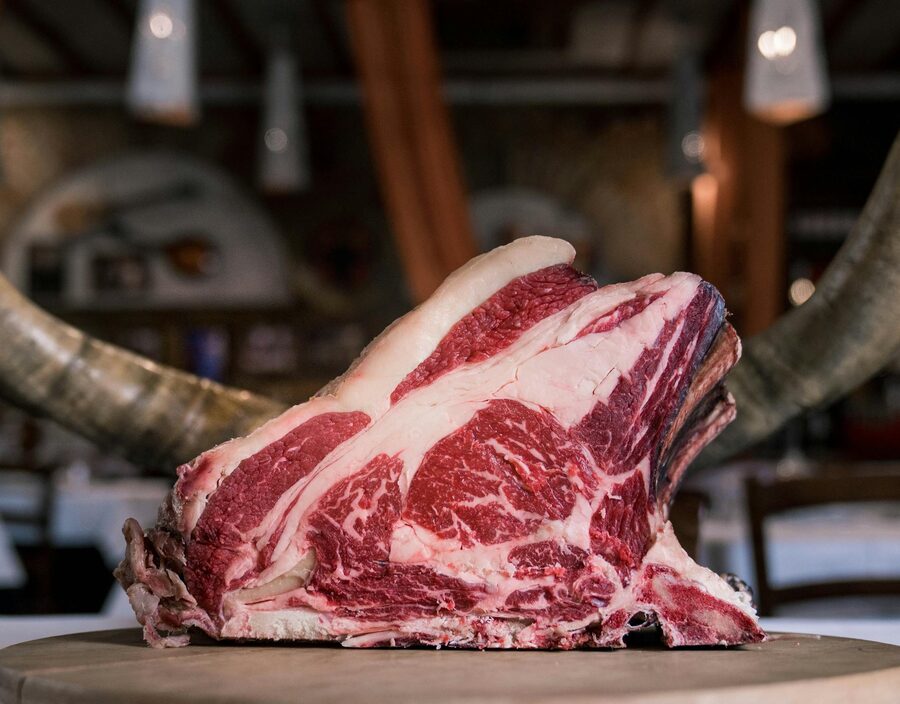
Stop 4 — Lampredotto or bistecca stop: Florence’s two most famous protein offerings. Lampredotto is the offal sandwich — slow-cooked cow’s fourth stomach in broth, served in bread with green sauce. It sounds off-putting; it’s one of the best cheap sandwiches on earth. Bistecca alla fiorentina is the 1kg T-bone steak, rare. Tours usually offer a taste rather than a full serving — enough to know if you want to come back tomorrow for dinner.
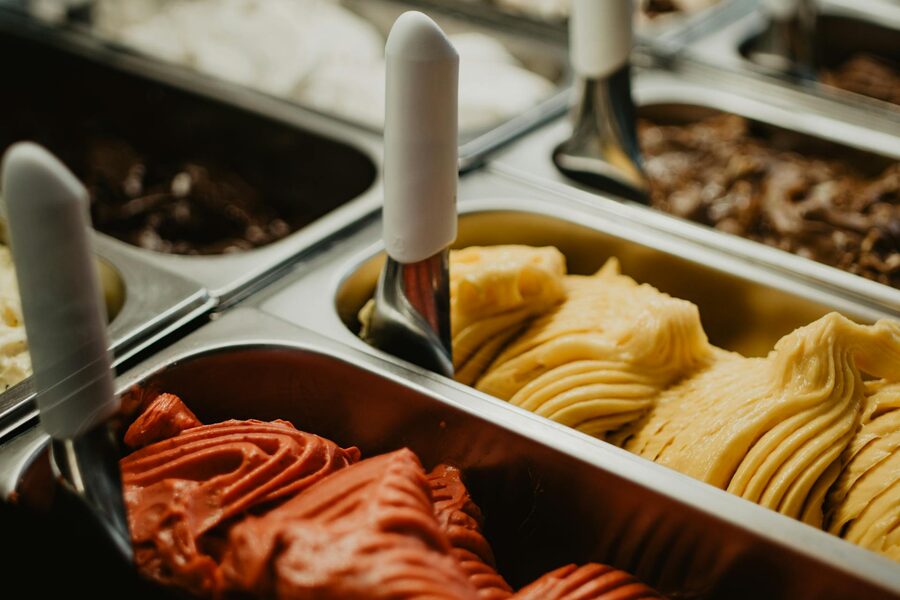
Stop 5 — Gelato or dolce: one of the big three Florentine gelaterias (Vivoli, Gelateria dei Neri, Perché no!) for a closing sweet. The sunset tour often ends here, with spritz + gelato, around 20:30.
The Wine Pairing Reality
The drink side of the tour is as structured as the food side. Each stop has a matched pour. Expect 3-4 glasses total across 4 hours — enough to get a buzz, not enough to get drunk.
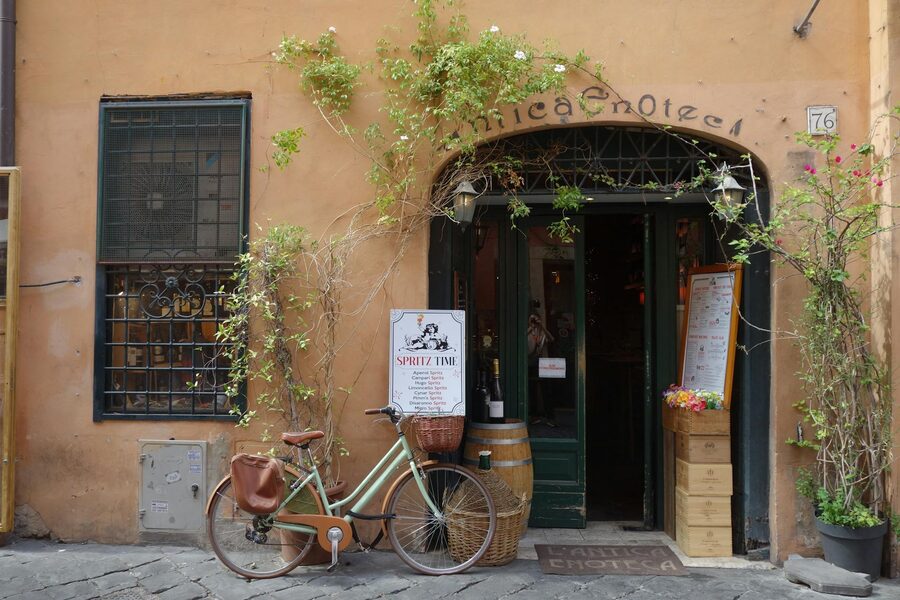
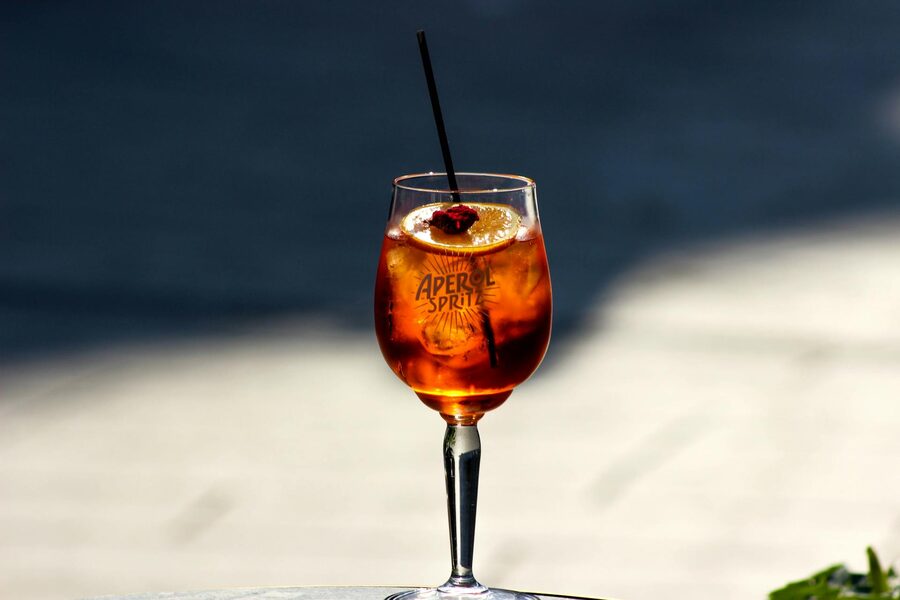
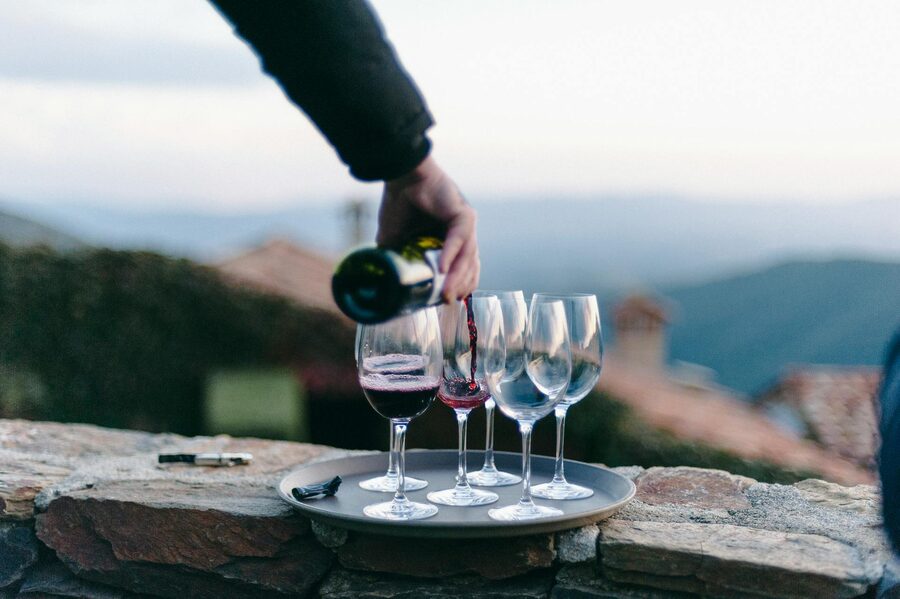
Standard pairings: Chianti Classico with the tagliere (antipasto), Rosso di Montepulciano or a Brunello-region Rosso with the pasta, Aperol spritz for the sunset moment, Vin Santo with the gelato/biscotti.
The guide’s role in wine: not just pouring but explaining. A good Eating Europe guide will cover: DOC vs DOCG rules, why Chianti Classico is Sangiovese-dominant, what Super Tuscans are and why they changed the industry in the 1970s, why Vin Santo is made the way it is. Even non-wine-drinkers leave with a basic education.
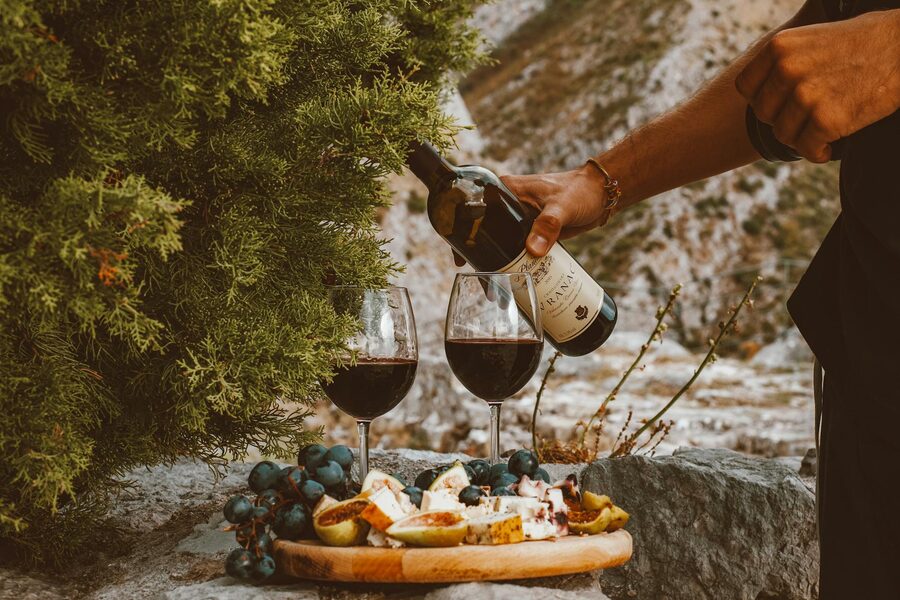
Non-drinkers: well handled. Tours accommodate at booking — guides will bring you alternative pours (sparkling water, mocktails, sometimes non-alcoholic beer). You won’t be excluded; the stops and stories are the same.
The Oltrarno Route Reality
Sunset food tours mostly happen in the Oltrarno — Florence’s south-bank district — because that’s where the aperitivo culture is strongest. The Piazza Santo Spirito area specifically has 20+ bars and restaurants within a 300-metre radius, most of them properly independent rather than tourist-corporate.
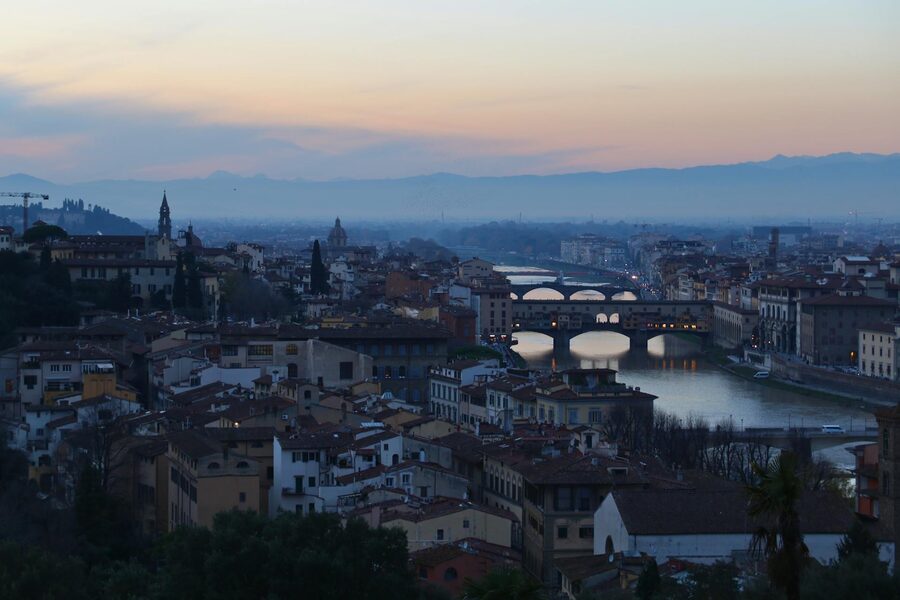
The Oltrarno has been Florence’s artisan district for 500 years. Still is. Cabinet makers, gilders, bronze restorers, leather workers all operate in workshops barely updated since the 1800s. The tour sometimes routes past active workshops during the walking segments, and your guide knows which windows are open and which artisans will wave at a passing group.
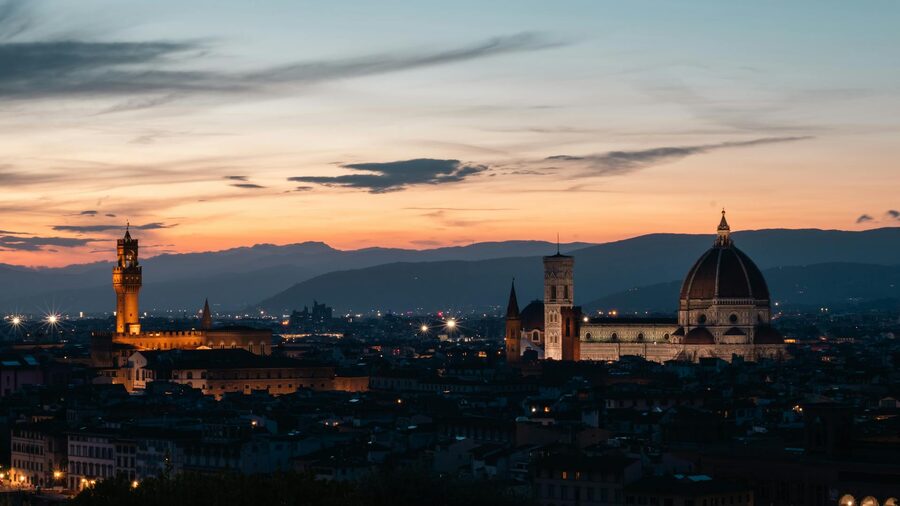
The route density is part of the charm. Total walking across 4 hours: maybe 2.5 km. That’s less than 700 metres an hour of actual movement; the rest is sitting, eating, drinking. Comfortable shoes matter but you’re not hiking.
Who This Tour Is For
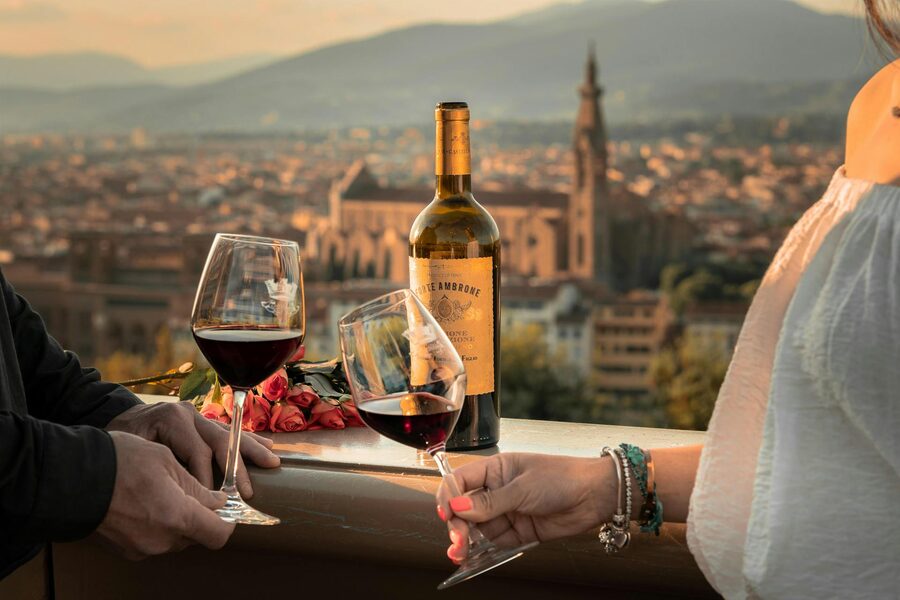
Great fit: couples on anniversaries or early-trip nights, solo travellers who want social without awkward. Food-curious people who’ve done a few food tours elsewhere and want a premium one. Anyone celebrating something specific.
Reasonable fit: budget-conscious travellers (do the $44 street food version instead), groups of 4-6 friends, parents on a rare night without kids.
Bad fit: families with kids under 12 (too much wine, too long, too late — ends at 20:30), picky eaters (organ meats, sheep’s cheese, pasta with game — not adjustable), anyone with serious dietary restrictions beyond vegetarian (celiac is possible with 48-72 hours’ notice, vegan is tough because pecorino and salumi are the soul of the tour).
The Sunset-Timing Practical Details
Tour start time shifts with the calendar. Plan accordingly.
Summer (June-August): tour starts at 17:30-18:00, sunset around 20:30. You have aperitivo hour, then walking in golden light, then sunset viewing, then gelato. Ideal. This is the peak booking period.
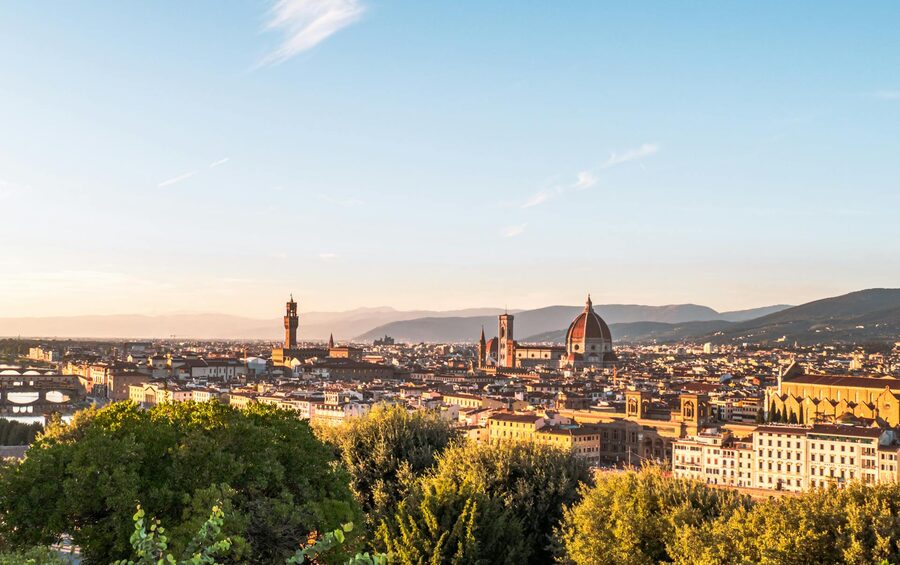
Spring/Autumn (April-May, September-October): tour starts 16:30-17:00, sunset around 19:00-19:30. Slightly less time in the “golden hour” aesthetic window, but temperatures are better and crowds are thinner. Often a better overall experience than summer.
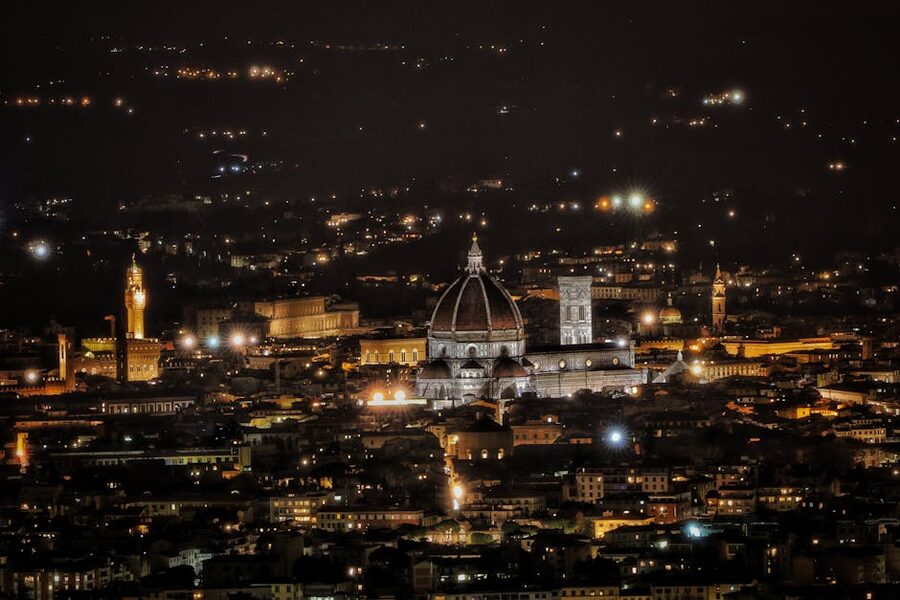
Winter (November-March): tour starts 16:00, sunset around 17:00-17:30. You’re doing most of the tour in full dark, which changes the whole aesthetic — lights on in restaurants, candlelight in enoteche, Christmas-market feel in December. Less sunset, more evening. Still great.
Logistical details that matter: confirm meeting point 24 hours ahead (usually sent by email). Arrive 10 minutes early. Bring a light jacket in any season — Florence evenings cool down fast once the sun drops. Flat shoes. Small bag or just phone in pocket.
Pairing With Your Florence Trip
The sunset food tour eats a full evening. Plan around it.
The day-shape logic: use the morning for a Florence walking tour to get your bearings (Duomo, Signoria, Ponte Vecchio, Uffizi exterior), have a long lunch with your feet up, nap or museum in the afternoon, then the sunset food tour from 17:00 — that’s the day Florence was designed to deliver. Alternatively, if you’ve booked a Florence cooking class earlier in the trip, the food tour deepens the context — you’ll know what Tuscan ingredients taste like when you’re not cooking them. The food tour also works as the social anchor of a Chianti day. Pair it with the Chianti bike tour the following day — eat and drink evening 1, ride it off with lunch and more tastings day 2. For a slower trip, combine with the Santa Monaca opera concert on alternate evenings (food tour Day 1, opera Day 2) for a two-night culture-and-food rhythm. A final pairing most people miss: do the sunset food tour the night before a Val d’Orcia day trip — you’ll start the countryside day with your palate properly calibrated to Tuscan wine and you’ll spend the bus ride already hungry again for Pienza pecorino.
Common Questions
Is it too much food? Yes, honestly. Five stops in four hours means a lot of small plates. Most travellers don’t finish every portion and don’t need dinner afterwards. Plan nothing big for food the next day either.
Can I skip wine? Easily. Tell the guide at the start. You’ll get sparkling water or tea at each wine pairing. The tour doesn’t lose anything — the conversation still happens.
Will the guide just read off a script? Not on the Eating Europe premium version. Guides are vetted, usually food writers, sommeliers, or long-term residents with actual hospitality experience. They’ll answer questions, adapt the route, and often riff into personal recommendations. On the cheap versions guides skew younger and less experienced, but still usually good.
What if I’ve done a food tour elsewhere? This one’s still worth doing. Florence food culture is specific enough (Tuscan wine, offal traditions, pecorino, schiacciata) that even veteran food tourists learn things. If you did a Bologna or Rome food tour and liked it, Florence will also land.
Refund policy? Eating Europe runs flexible cancellation — 24-48 hours typically. Not a concern for weather since Florence tours don’t cancel in light rain (covered meeting points, covered restaurant interiors). Heavy rain extremely rare in the April-October main season.
Booking window: 3-5 days in advance for April-June and September. Same-week often available in shoulder months. High season (July-August) weekend slots can sell out 1-2 weeks ahead. The small group size (max 12) is the constraint — they genuinely can’t scale up.
The Honest Verdict
The Eating Europe Florence Sunset Food & Wine Tour is worth every cent of $149.95 if food is a core reason you’re in Italy. If it’s not, the $44 street-food alternative delivers 70% of the value at 30% of the price — legitimately a better buy for casual eaters. The $150 tour is a curated premium experience with food writers as guides and serious wineries as partners; the $44 tour is a local university student showing you their favourite lampredotto window. Both are good; they’re different products.
Book the premium Eating Europe tour if you’re on a special trip (honeymoon, anniversary, milestone birthday) or if you care about food specifically. Book the street food tour if you’re on a regular holiday and want one food evening. Book the Arno cruise if you want the sunset without the walking commitment. Whichever one: book for a night early in your Florence stay, not late — you’ll want to use the restaurant recommendations the guide gives you during the remaining nights of your trip.