
Most people don’t realise this: the Dolomites start two hours north of Venice. You can be standing under Tre Cime di Lavaredo by 11am and back on the Arno for dinner.
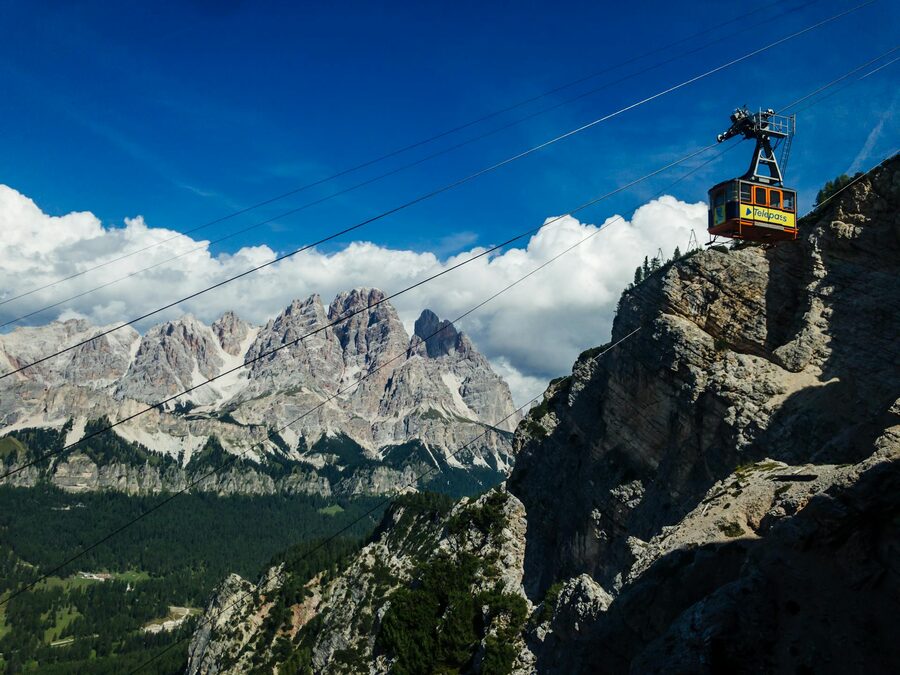
The one tour that does it properly is a long day in a small van. €205 feels expensive until the mountains come into view around Cortina.
Quick Picks
- The Dolomites trip — Dolomite Mountains and Cortina Semi-Private Day Trip From Venice ($224). Max 8 people, 12 hours, the proper version.
- If 12 hours in a van feels mad — Verona: Arena di Verona Opera Ticket ($58). Evening opera in a 2,000-year-old Roman arena. Summer only.
- Verona day trip instead — Verona: City Card with Arena Priority Entrance ($35). 48 hours, all the Verona headliners.
- Quick Picks
- Why the Dolomites from Venice Actually Work
- The Three Options
- Dolomite Mountains and Cortina Semi Private Day Trip From Venice — 3.72
- Verona: Arena di Verona Opera Ticket —
- Verona: City Card with Arena Priority Entrance —
- The Route in Detail
- Season Matters More Than Anything
- What to Pack for the Day
- Who This Trip Is For
- Pairing With Your Venice Trip
- Common Questions
- The Honest Verdict
Why the Dolomites from Venice Actually Work
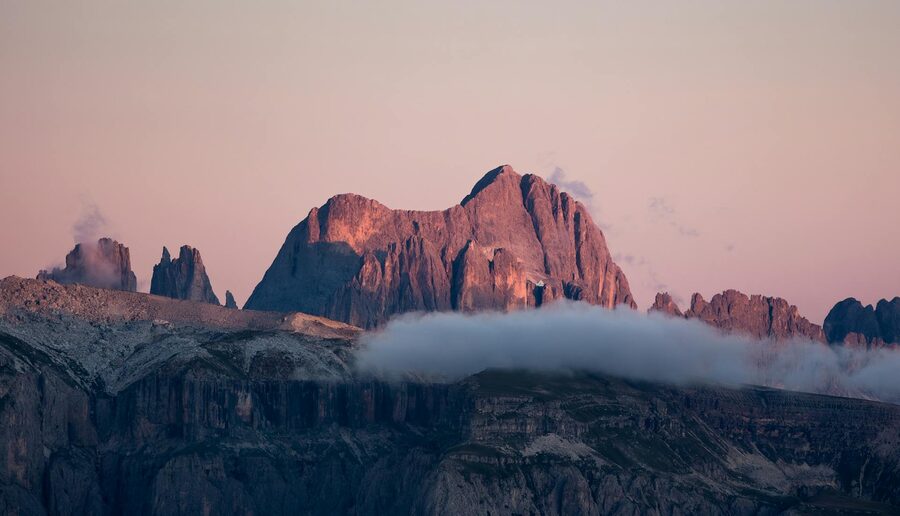
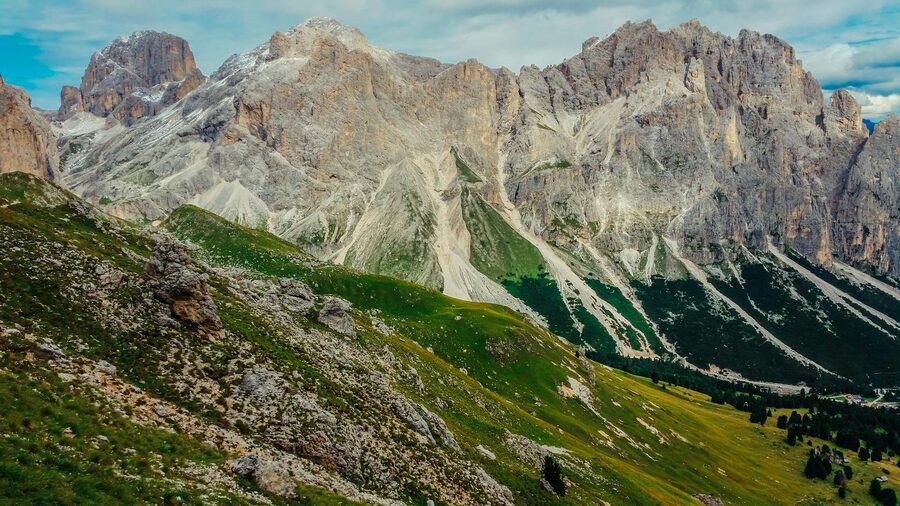
Geography first. The Dolomites are a distinct subrange of the Alps that run through the Veneto, Trentino-Alto Adige, and Friuli regions of northern Italy. The peaks are pale dolomite limestone (hence the name), which catches alpine light in a way grey granite doesn’t — you get the famous “enrosadira” rose-pink alpenglow at sunrise and sunset. This is why photographers pilgrimage here.
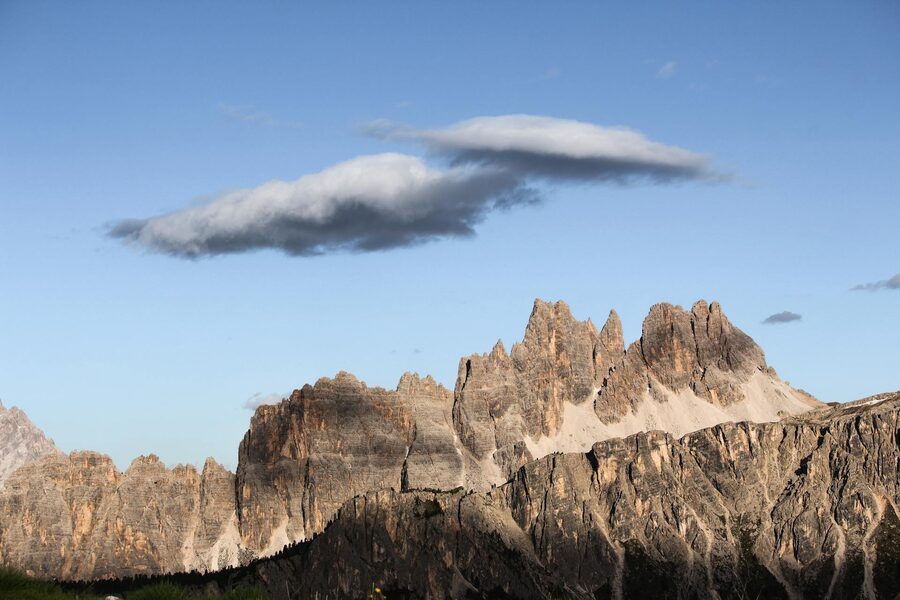
From Venice, driving time to the edge of the Dolomites is 90 minutes; driving time to Tre Cime di Lavaredo viewpoint is another 60 minutes on top. Total round-trip: about 5 hours of driving, plus 7 hours on the ground at the mountains. Tight but workable as a day trip. Anything shorter and you’d spend all day driving; anything longer and you’d need to overnight in Cortina.
The second reason the trip works: very few other tour operators run this route. The day-trip-from-Venice category is dominated by Murano/Burano and Dolomites variants. If you want mountains in your Italy trip without committing to a dedicated mountain stay, this is the booking.
The Three Options

Dolomite Mountains and Cortina Semi Private Day Trip From Venice — $223.72
The one most people book. Small group, max eight, air-conditioned van, English-speaking driver-guide, twelve hours door to door from Venice. Hits Lago di Misurina, the Tre Cime di Lavaredo viewpoint, and Cortina town centre for lunch. Included: pickup, transport, guide. Not included: lunch, cable car if you want to ride it. Our review argues the price is earned.
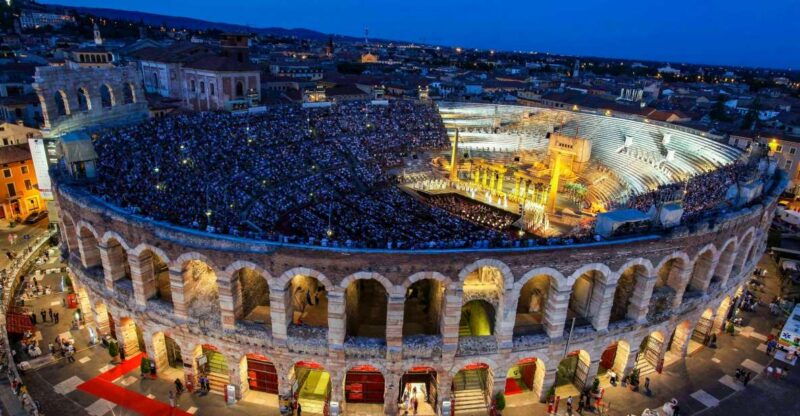
Verona: Arena di Verona Opera Ticket — $58
For travellers who can’t face twelve hours in a van: Verona is ninety minutes from Venice by train and hosts full-scale opera productions in its Roman arena from June through September. Stone-step tickets start at €25, proper reserved seating €60-80. A different kind of Veneto day trip — culture instead of mountains. Our review explains which Arena productions are worth the evening.
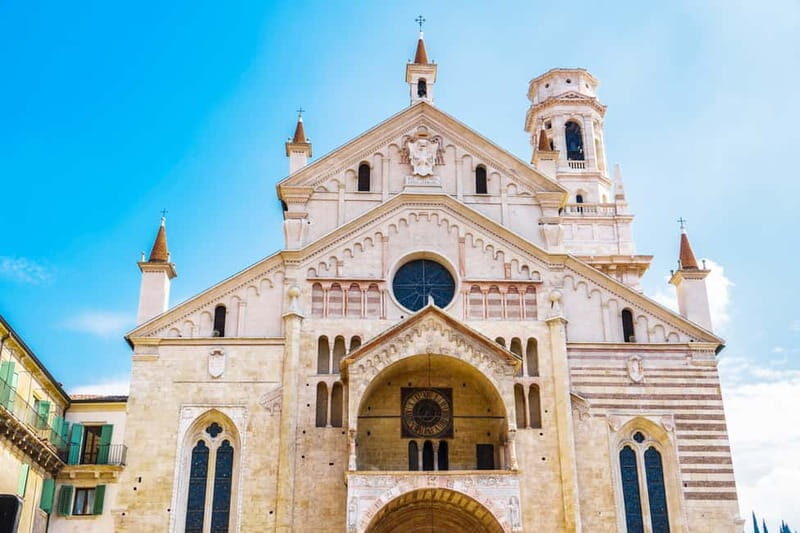
Verona: City Card with Arena Priority Entrance — $35
If Verona is your alt-day-trip choice, the 48-hour City Card includes daytime Arena entry, Juliet’s House, Castelvecchio, and free public transport. Best paired with a Verona overnight rather than rushing back to Venice on the same night. Our review calls this excellent value compared to paying per attraction.
The Route in Detail
The standard day goes like this. Pickup from central Venice (Piazzale Roma or Tronchetto) at 7:30. Drive north through the Veneto plains for about 90 minutes — flat agricultural land, maize fields, occasional glimpses of the pre-Alps rising ahead. You cross into the proper mountains around Belluno and the road narrows, climbs, and switches into hairpins.
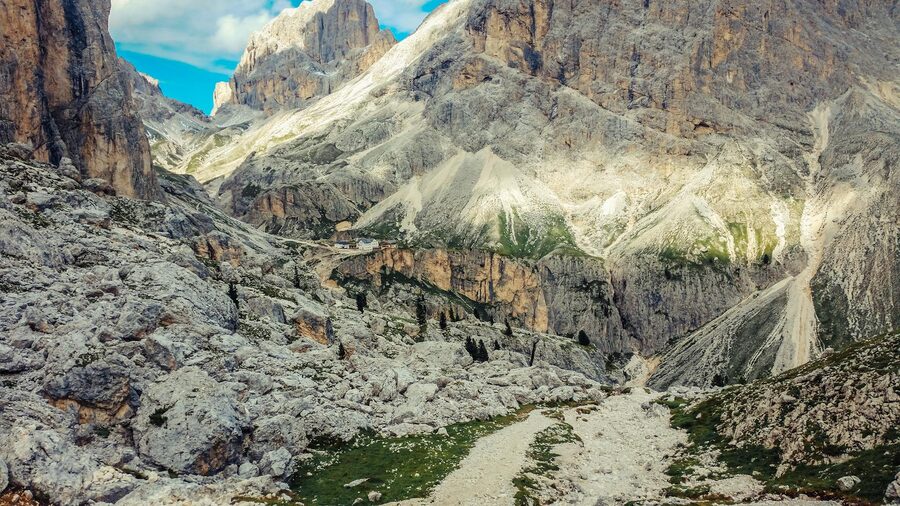
Stop 1 — Lago di Misurina (arrival around 10:30): a small lake at 1,750m altitude with the Dolomites rising behind. Classic postcard composition. You get 30-40 minutes here — enough for photos from multiple angles, a coffee at one of the lakeside cafés, and a short walk along the shore.
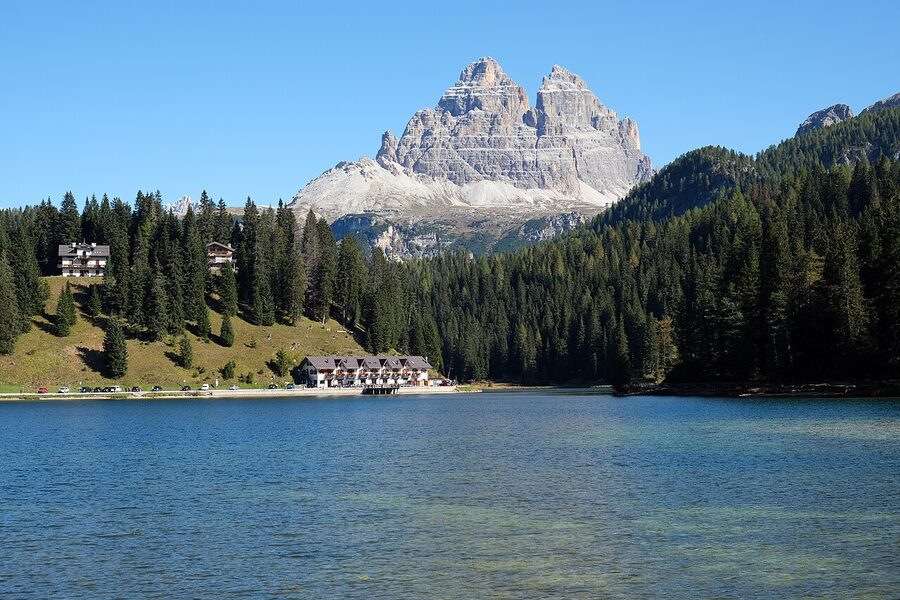
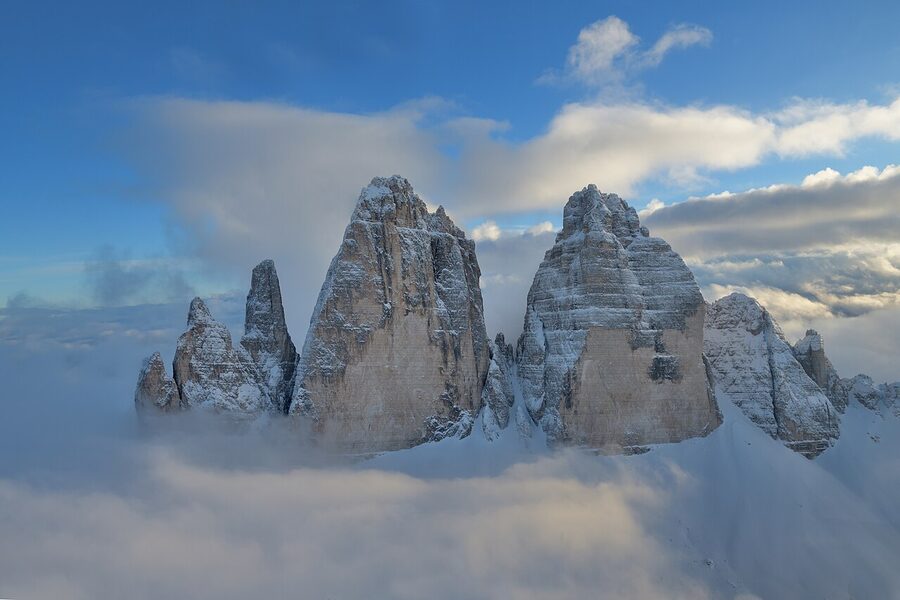
Stop 2 — Tre Cime di Lavaredo viewpoint (around 11:30): the three iconic peaks. You don’t climb to them — that’s a full-day hike — but you get to the viewpoint parking lot and spend 60-90 minutes walking the short gravel path around it. From here the peaks dominate the skyline. Bring a jacket; the viewpoint sits at 2,300m and the wind is real even in August.
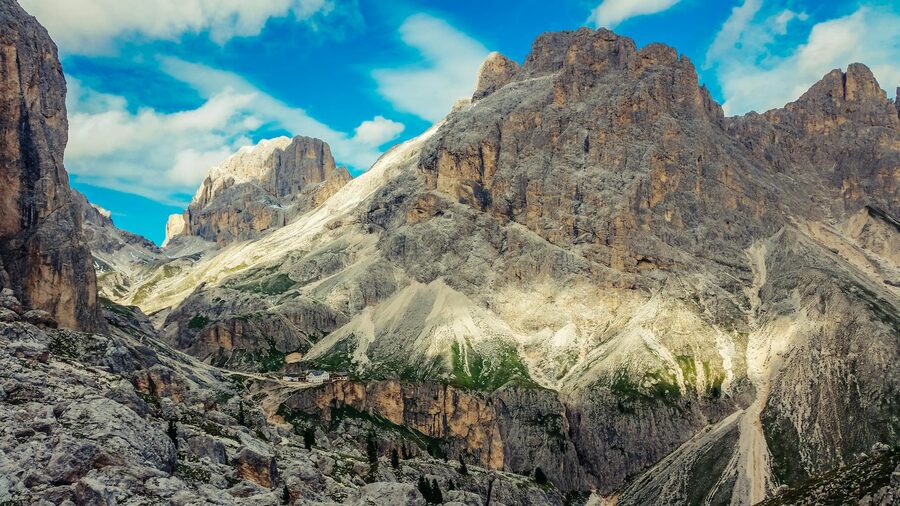
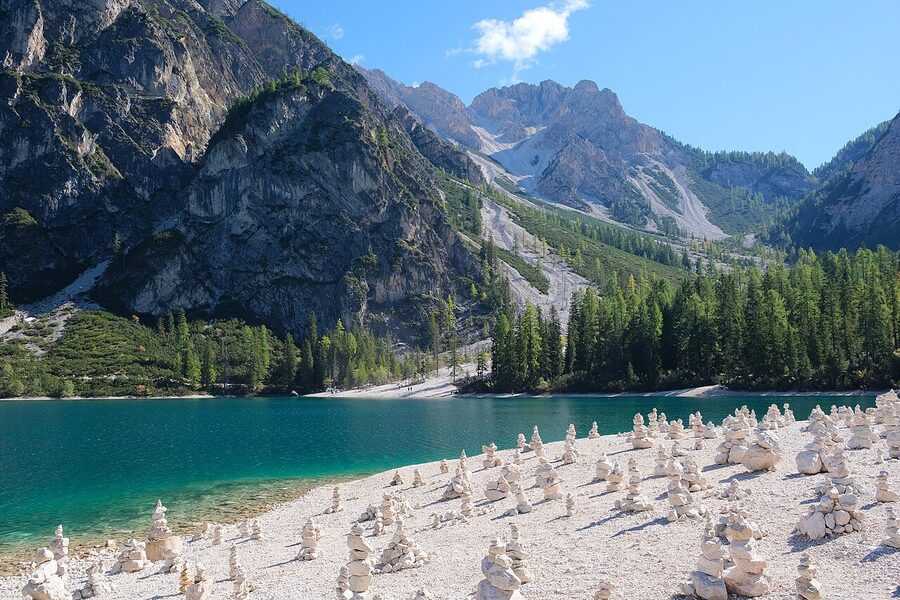
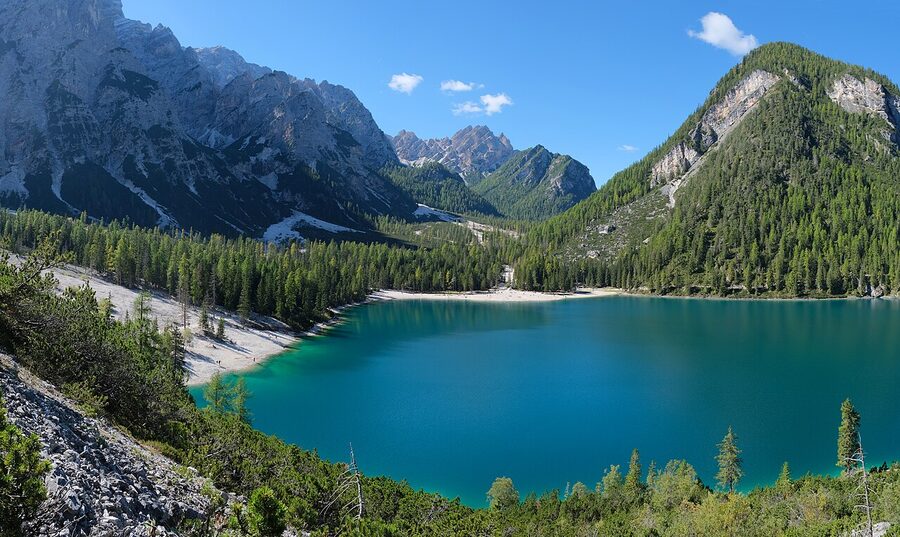
Stop 3 — Lago di Braies detour (some itineraries, around 13:00): the emerald-green alpine lake in a valley just north of the Tre Cime area. Made famous by Italian TV drama (A Lonely Place to Die) and a thousand Instagram posts. Not always included — depends on timing and weather.
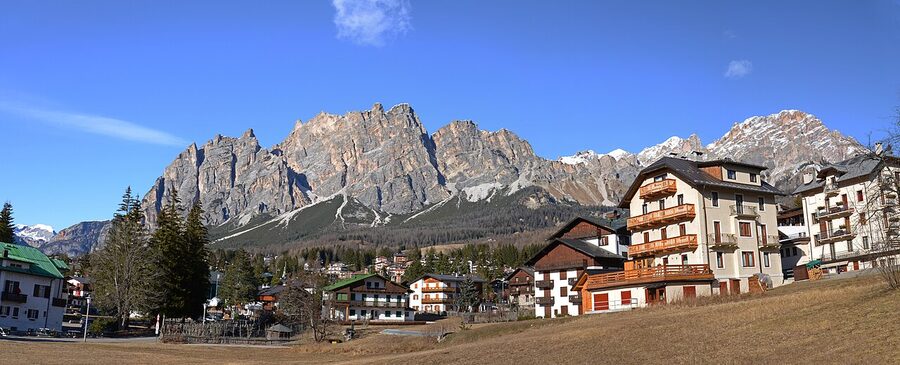
Stop 4 — Cortina d’Ampezzo lunch (around 13:30-15:00): the famous ski resort town. Lunch is self-organised — the guide drops you in the town centre and recommends restaurants. Budget €20-35 for a proper sit-down lunch, €12-15 for a quick pasta at a bar. Cortina itself is compact and walkable; you can see the main square, the cathedral, and the ice stadium (1956 Olympics venue) within an hour.
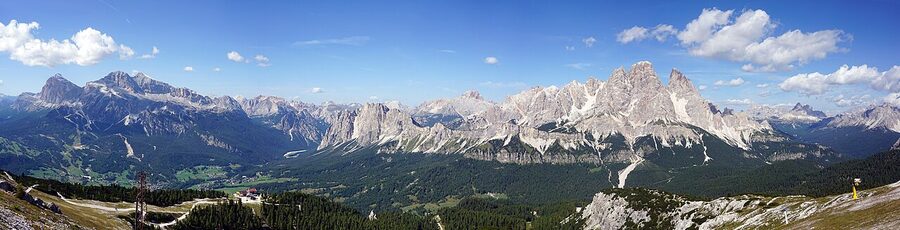
Stop 5 — Scenic drive back through the Passo Falzarego (around 15:30-17:30): one of the most dramatic mountain roads in Europe. Serpentine switchbacks, cliffs on both sides, occasional photo pullouts. The guide stops at 2-3 scenic spots. Total driving time back to Venice: about 3.5 hours with stops.
Return to Venice (around 19:30-20:00): drop-off at Piazzale Roma. If you’re staying in central Venice you’ll still need to take a vaporetto or walk to your hotel — budget 20-30 more minutes post-arrival.
Season Matters More Than Anything
The Dolomites are a radically different experience depending on when you go. Some months are excellent, some are pointless.
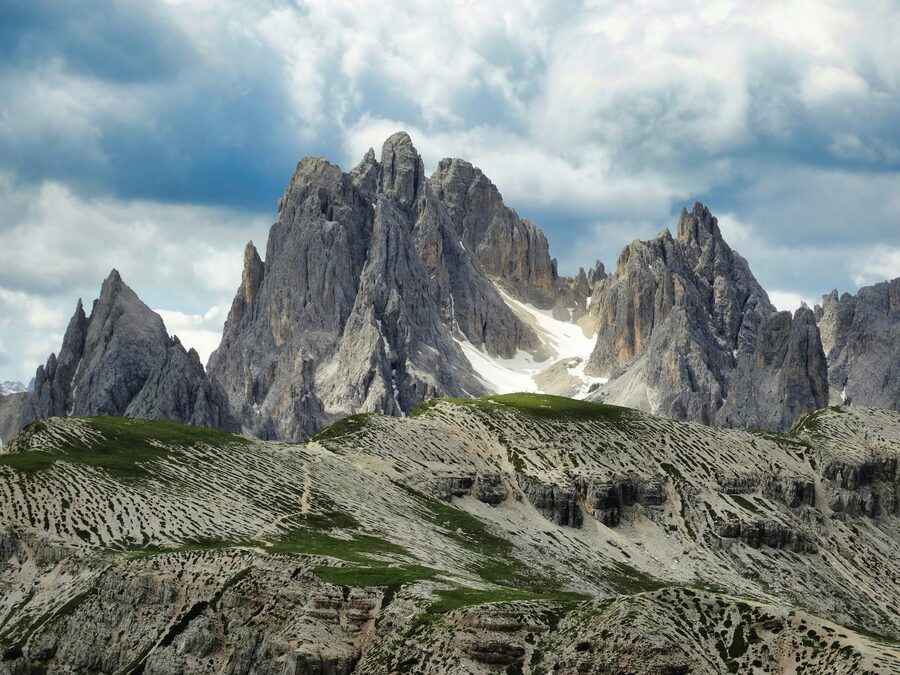
June-September: optimal. Snow has melted from the roads. Alpine flowers bloom. Temperatures at mid-altitude (where the tour stops) are 15-22°C. Clear-weather days are frequent (around 60-70% chance of no rain). The tour operates at full frequency.
October: autumn colours in the valleys, first dustings of snow on peaks, dramatic light. Tour still runs but weather gets less reliable. Final tours of the season usually end early-to-mid October.
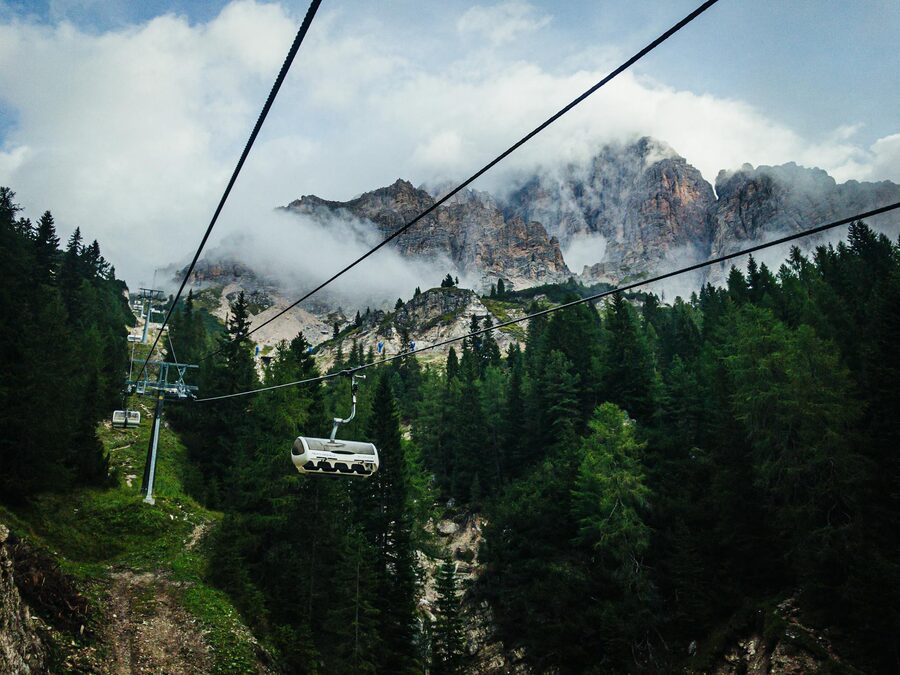
November-May: the Dolomites day trip from Venice typically doesn’t run. The high mountain roads close, Tre Cime viewpoint is inaccessible, and tour logistics break down. Cortina is in full ski mode but requires a proper mountain holiday to access, not a day trip.
Winter Olympics 2026: February 2026 brings the Milan-Cortina Winter Olympics. Accommodation in Cortina is booked solid for months around the event, day-trip logistics may be disrupted, and prices spike significantly. Plan around the Olympics window unless you’re specifically there for the games.
What to Pack for the Day
The Dolomites are high mountains. You’re leaving sea-level Venice in a T-shirt and arriving at 2,300m altitude in conditions that may require a jacket. Layers are non-negotiable.
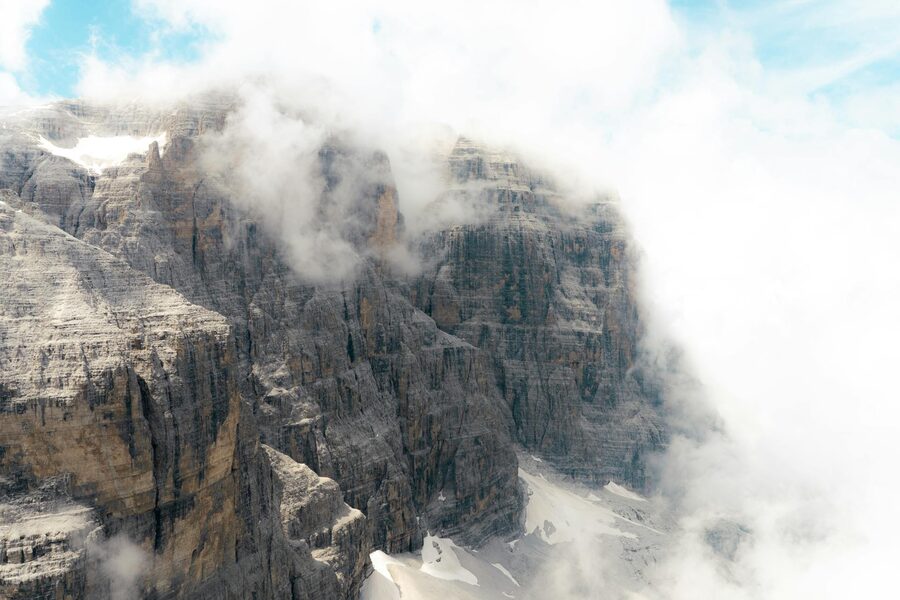
Layers: T-shirt plus lightweight fleece or long-sleeve, plus a windproof jacket. Even in July. The temperature differential between Venice and Tre Cime can be 15°C+.
Sturdy walking shoes: hiking boots preferred, proper trainers acceptable, flip-flops actively bad. Surfaces at the viewpoints are loose gravel or uneven stone. Ankle support is good insurance.
Sunscreen + hat + sunglasses: UV at 2,300m is about 30% stronger than sea level. Sunburn happens in 20 minutes if you’re unprepared.
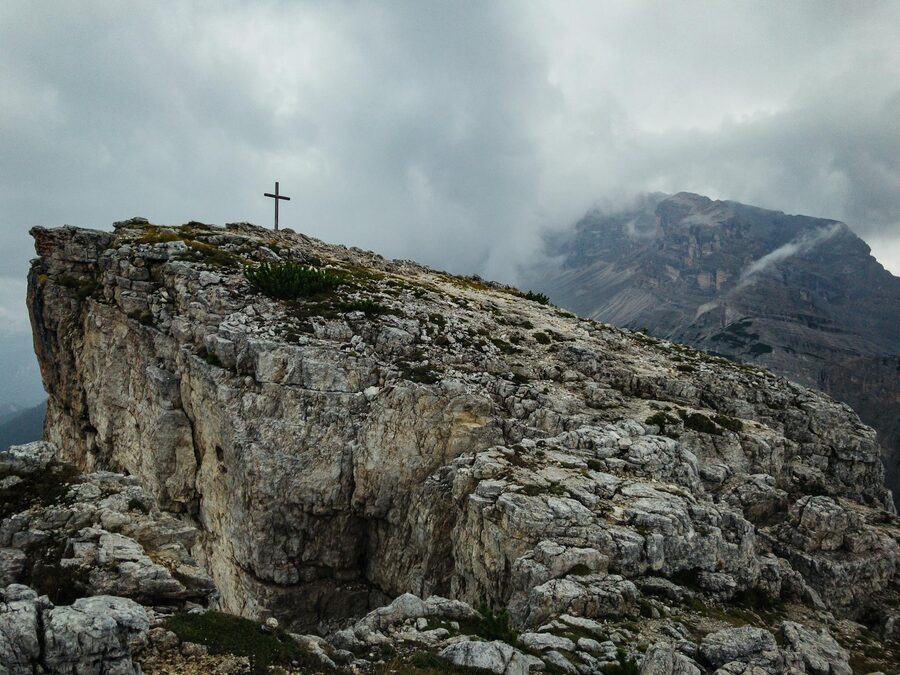
Water: 1-1.5 litres per person. The tour doesn’t provide it. Cafés exist at Misurina and in Cortina but not at the Tre Cime viewpoint.
Camera with wide-angle lens: the peaks are huge and close. Phone cameras work for the composition but miss the depth. If you have a real camera, bring it.
Who This Trip Is For
Great fit: travellers on a Venice trip of 4+ nights who want mountain contrast. Photographers. Landscape travellers. Nature people who find Venice’s stone-and-water aesthetic too intense after 2-3 days. Older travellers (the tour is van-based, not hiking-based — physical demands are low).
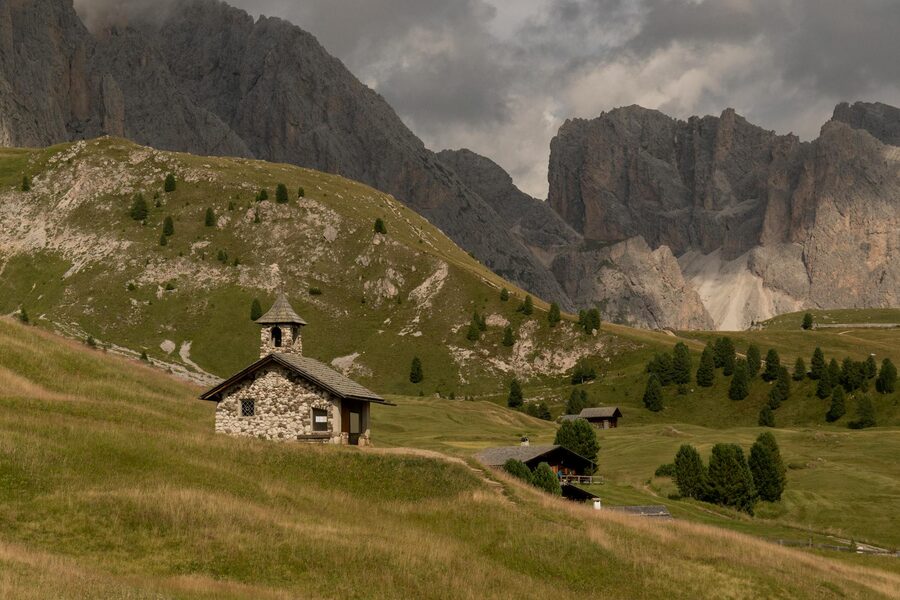
Reasonable fit: couples looking for an unusual day, solo travellers who want to meet other tour participants (the 8-person van creates accidental conversation).
Bad fit: visitors on short 1-2 night Venice trips (12 hours is too much of your stay), families with kids under 10 (10+ hours in a vehicle is rough for young kids), travellers prone to motion sickness (the mountain roads are winding), serious hikers (this isn’t hiking — it’s sightseeing with walking stops).
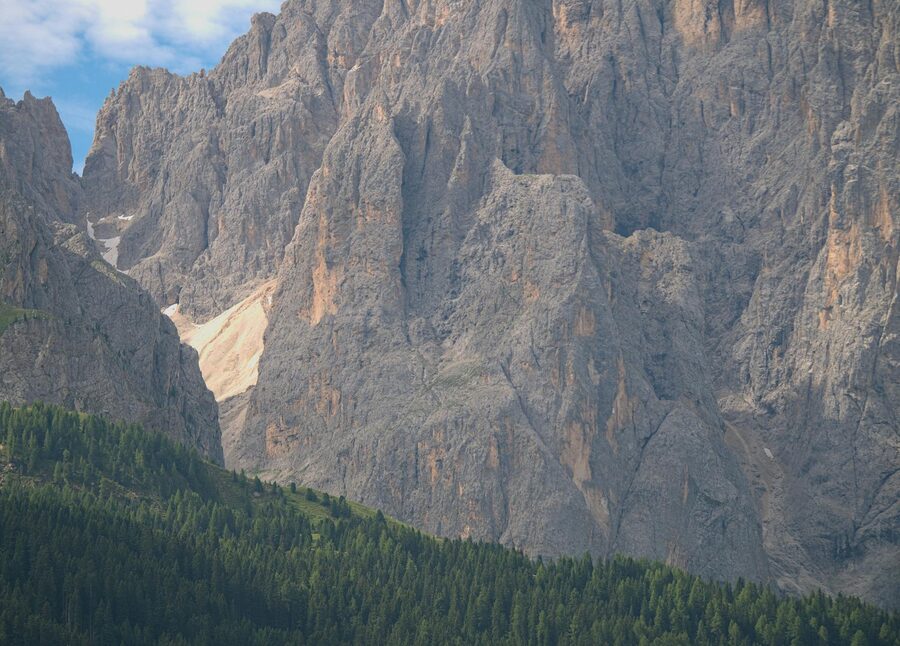
Pairing With Your Venice Trip
The Dolomites day trip is a full-day investment. Don’t stack it against other demanding days.
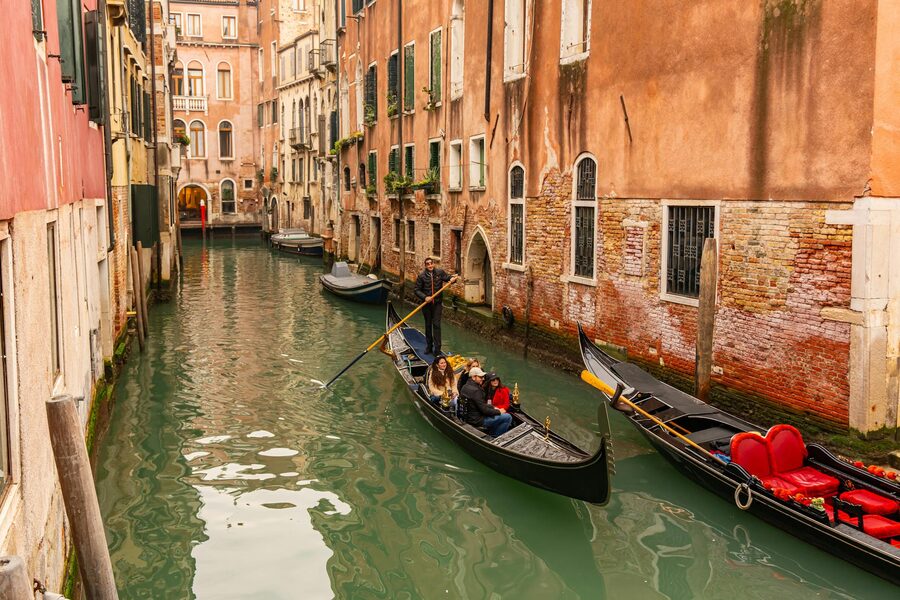
The rhythm that works: Day 1 arrive Venice, settle in, gentle walking. Day 2 full Venice day (St Mark’s, Doge’s Palace, Rialto, gondola). Day 3 Dolomites day trip. Day 4 recovery + islands (Murano and Burano). Day 5 departure. That’s a proper 5-day Venice-plus-Dolomites itinerary. Alternatively, combine with Venice street food tour on Day 2 evening — mountain day on Day 3 sets up nicely after a heavy food evening the night before (you need 12 hours of van air and fresh Alps to burn off cicchetti). After the mountain day, a low-key cultural evening works well: Vivaldi Four Seasons concert lets you sit still for 90 minutes while your legs recover.
Common Questions
Is the driving comfortable? The van is good (Mercedes Sprinter class, max 8 passengers), but the mountain road switchbacks are relentless. Motion-sickness-prone travellers should take meds preventatively.
How cold is it up there? Depends on season. June 12-20°C at altitude, July-August 15-25°C, September 8-18°C, October 2-14°C. Always 10-15°C cooler than Venice.
Do I hike? No real hiking on the standard tour. Walking 1-2 km total at the viewpoints, gentle paths, all on gravel or paved surfaces. If you want hiking, book a dedicated Dolomites walking tour (not a day trip).
What about weather cancellations? Tour cancels only in severe weather (heavy snow, storms). Light rain or cloud cover doesn’t stop the trip — conditions at altitude are often better than in the Veneto plains anyway. Cancelled tours get full refunds.
Can I skip Cortina and do more mountains? No. The route is fixed. Cortina lunch is built into the timing — you can’t swap it for additional viewpoint time.
Is there a bathroom schedule? Yes. Stops at Misurina, Cortina, and one highway rest area on the way back. Tour drivers adjust for passenger needs if asked.
Photography-wise, what’s the best stop? Lago di Misurina for composition (lake + peaks), Tre Cime viewpoint for scale (you’re directly below 2,800m cliffs). Both are worth prioritising time.
The Honest Verdict
The Dolomites from Venice is one of those tours that pays off disproportionately — you spend 12 hours in a van to earn 7 hours in some of Europe’s most spectacular mountains. The $223 price tag is high for a day trip but honest for what you get: small-group van, competent guide, well-designed route, proper lunch break. Cheaper bus-tour alternatives exist and compress the experience badly; the semi-private is worth the premium.
Book it if Venice is at least Day 3+ of a longer Italy trip and you want mountain contrast. Skip it if you’re on a short Venice-only stay or if you have mobility issues that make a 12-hour van day brutal. Book June-September for best conditions; avoid winter entirely unless you’re going for skiing and staying in Cortina. Take motion-sickness meds, pack layers, wear real shoes, and have your phone ready when the van turns the corner and Tre Cime first appears over the ridge. That moment is why you booked this.