
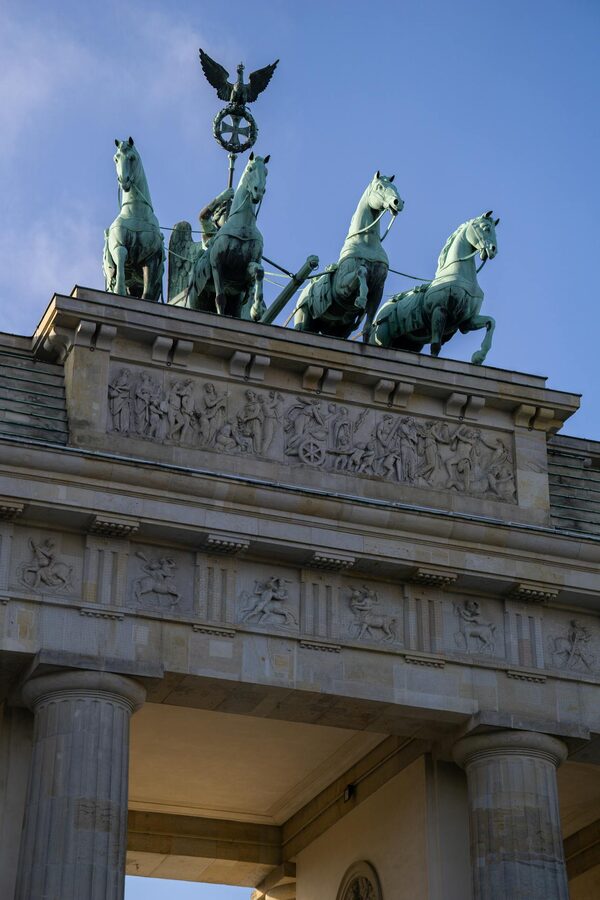
Berlin doesn’t make sense until someone explains it. You can stand in front of the Brandenburg Gate and see a neoclassical arch — or you can stand there with a guide who tells you that 30 years ago, this was the dead centre of a walled-off no man’s land, and the people who tried to cross it were shot.
A walking tour is the best first thing to do in Berlin. Not because the walks are scenic (they’re not — Berlin is flat, grey, and architecturally inconsistent). But because the stories are extraordinary. Two world wars, the rise and fall of Nazism, 40 years of Cold War division, a wall that split a city in two, and a reunification that’s still playing out. The guides who lead these tours are usually historians, and the good ones turn a 3-hour walk into something you’ll think about for years.

Best highlights: Berlin Top Attractions 3-Hour Tour — $24, 3 hours, covers the highlights with a different guide pool.
Best by bike: Berlin Highlights Bike Tour — $42, 3 hours, covers more ground on two wheels with the same quality guides.
- What the Walking Tours Cover
- The Bike Tour Alternative
- Berlin’s Layers of History
- Berlin’s Food and Drink Along the Route
- Berlin’s Neighbourhoods: What Each One Adds
- Practical Tips for Walking Tours
- Best Tours to Book
- 1. Discover Berlin Half-Day Walking Tour —
- 2. Berlin Top Attractions 3-Hour Tour —
- 3. Berlin Highlights 3-Hour Bike Tour —
- Practical Tips
- More Berlin Experiences
What the Walking Tours Cover
The standard Berlin highlights walking tour covers about 4-5 kilometres through the city centre, hitting the key sites in a logical sequence. A typical route runs:
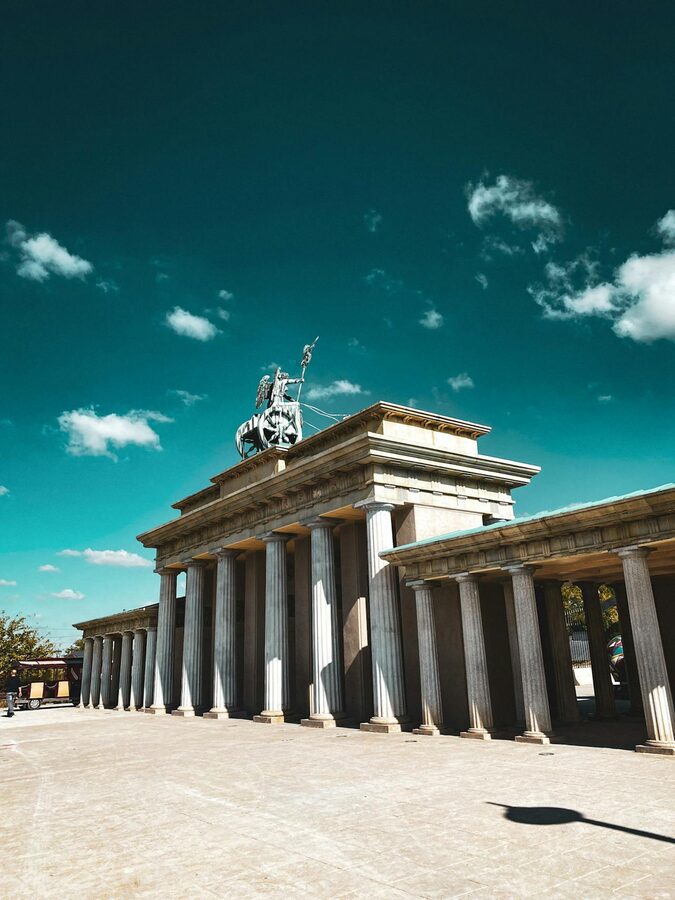
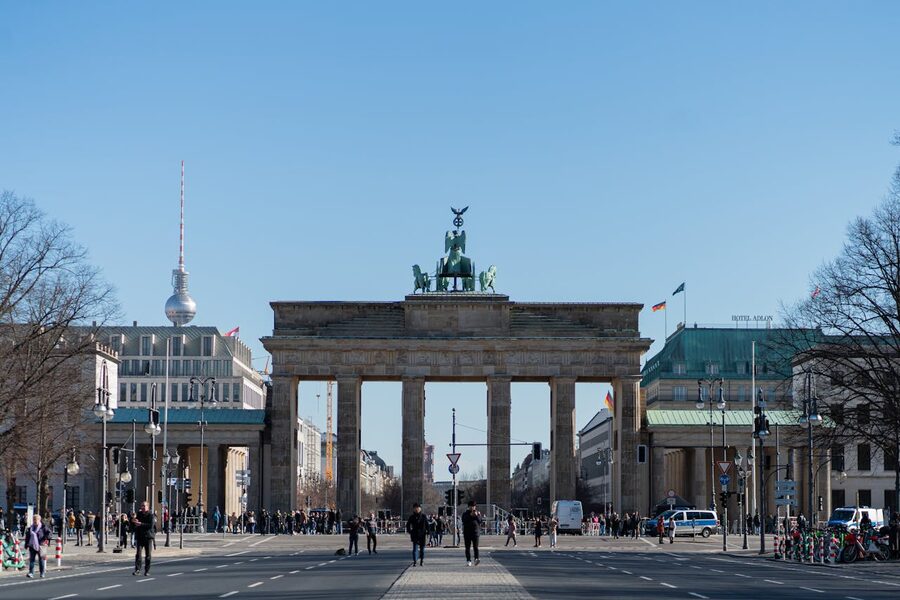
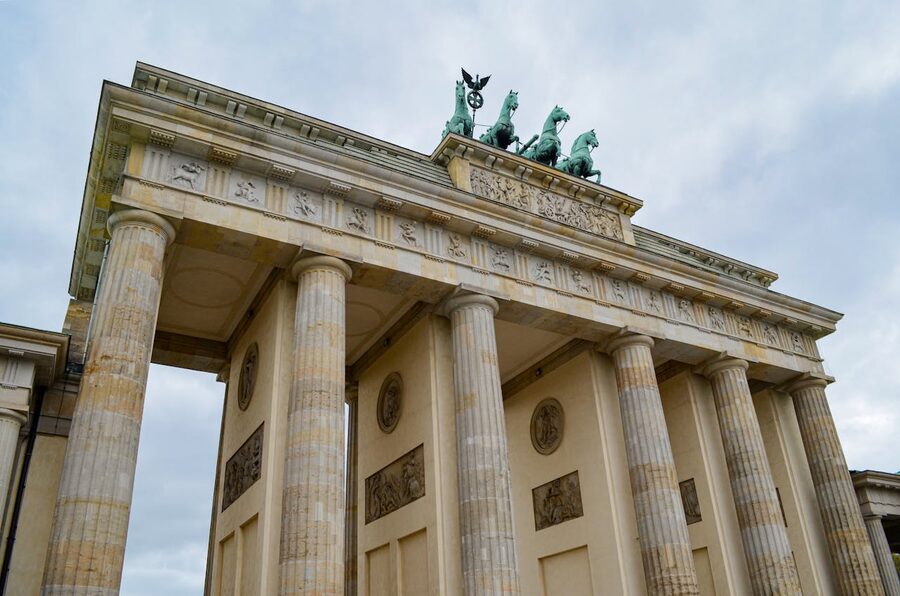
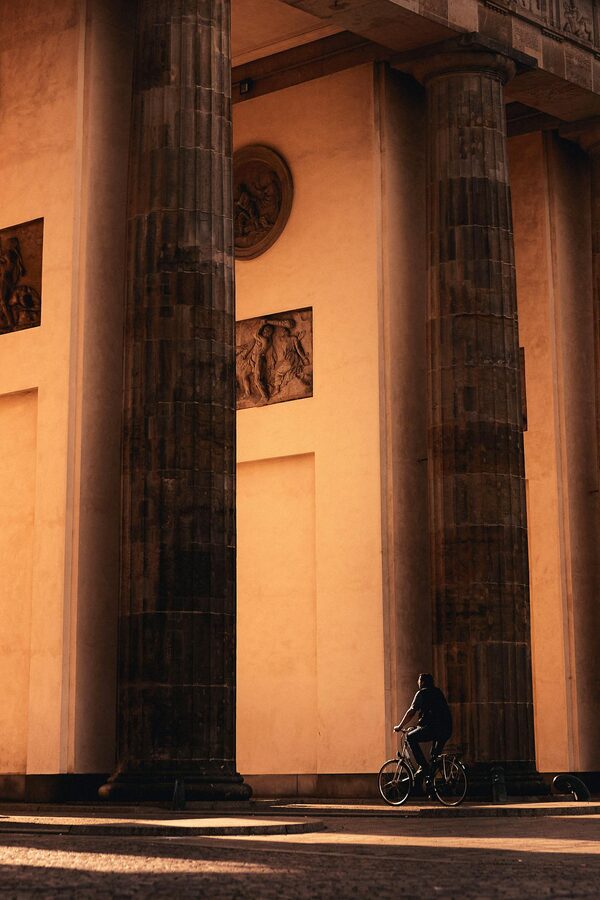
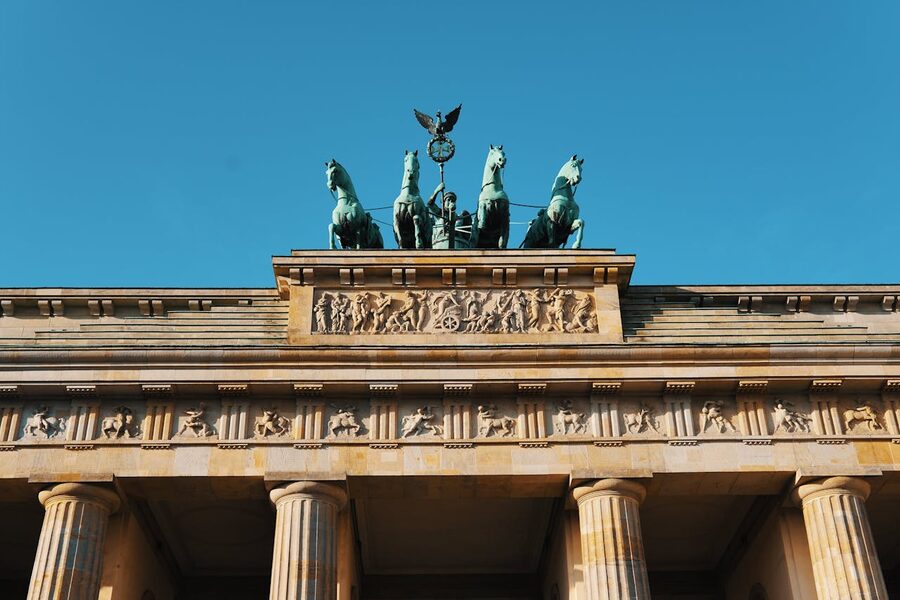
Brandenburg Gate — the starting point and the symbol of Berlin’s division and reunification. The guide explains how this gate sat in no man’s land for 28 years, unreachable from either East or West Berlin.
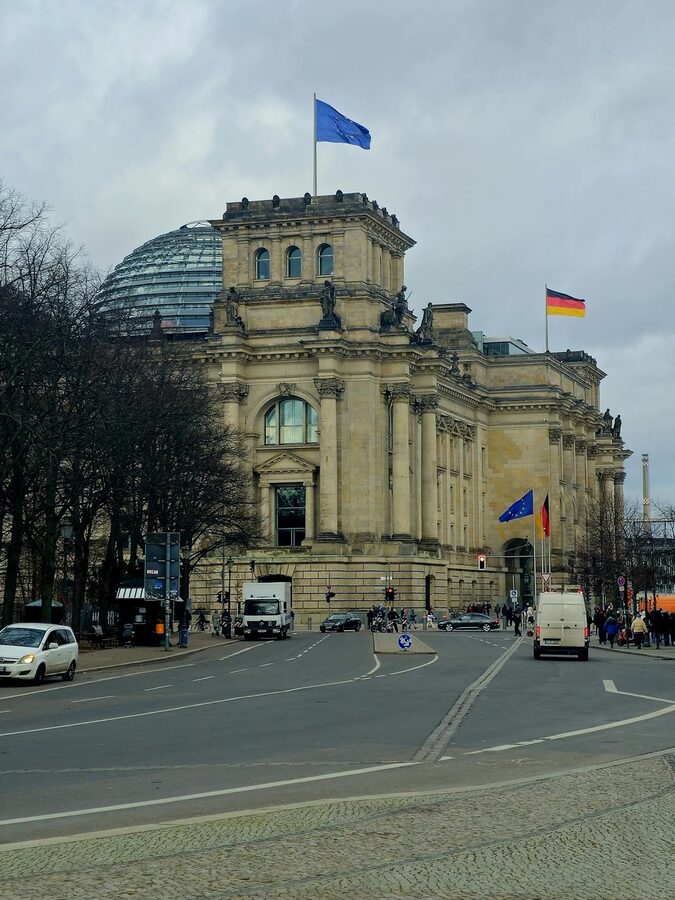
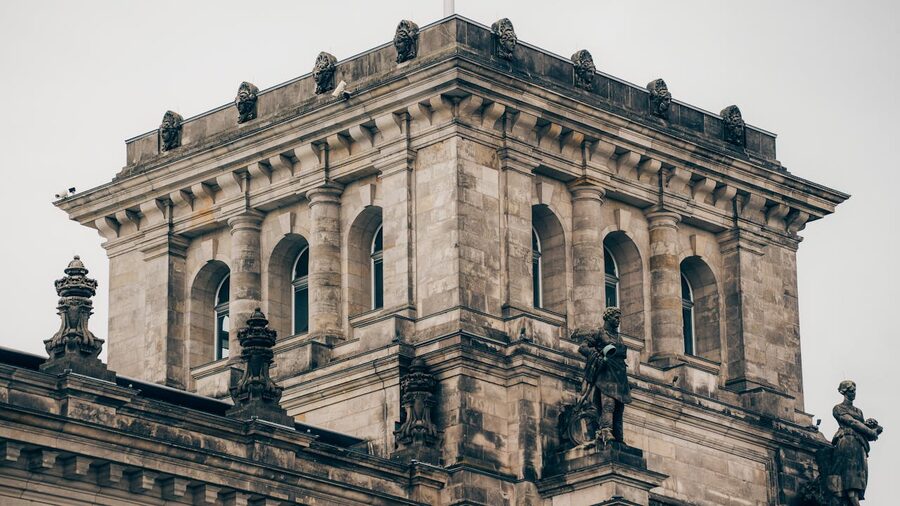
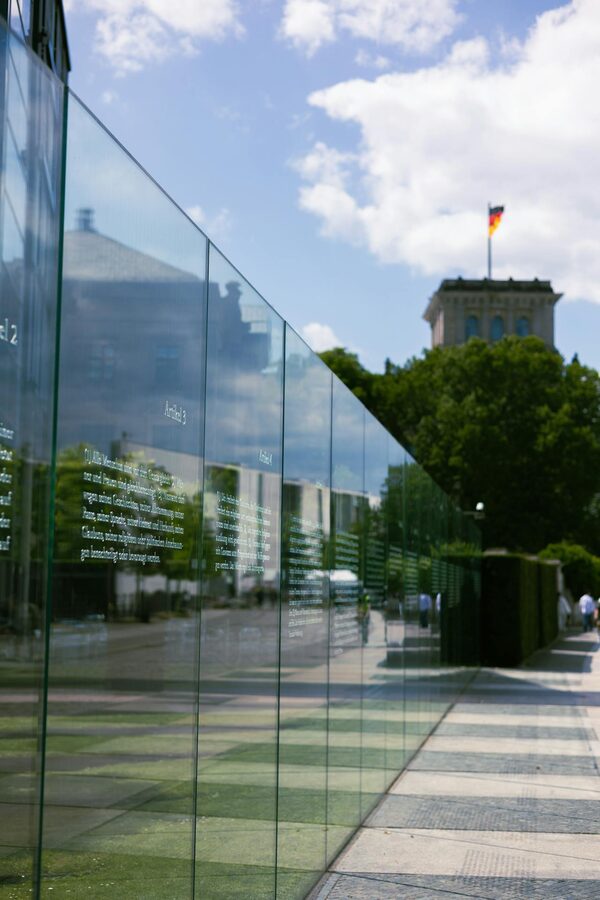
The Reichstag — the German parliament building, burned in 1933, bombed in 1945, left as a ruin until reunification, and then rebuilt with Norman Foster’s famous glass dome. The dome is free to visit (separate booking required) and gives you views over the government district and Tiergarten.
The Holocaust Memorial — 2,711 concrete blocks of varying heights spread across a sloping field. The memorial has no plaques, no names, no explanation. You walk between the blocks and the ground drops away and the blocks rise above your head. It’s disorienting and oppressive by design. The information centre beneath (free) provides the names and stories.

Checkpoint Charlie — the famous crossing point between the American and Soviet sectors. Now commercialised, but the stories the guides tell here — the escape tunnels, the hot air balloon crossing, the family that drove through the barrier in a sports car — are some of the most dramatic on the tour.
The Berlin Wall traces — a double line of cobblestones embedded in the pavement marks where the Wall once stood. The walking tour follows sections of this line, and the guides explain what life was like on each side. The contrast between the affluent former West and the still-slightly-rawer former East is visible in the architecture even today.
The Bike Tour Alternative
The 3-hour bike tour covers the same historical ground but adds distance — the East Side Gallery, Kreuzberg, and sections of the former Wall that are too far to walk in a half day. The pace is gentle (Berlin is completely flat) and the guide stops at every major site for explanation and photos. At $42, it’s more expensive than the walking tours but covers roughly twice the territory.
This is one of the highest-rated tours in Berlin, with consistently excellent feedback across years of daily operation. The bikes are comfortable city bikes, the groups are small (usually 10-15), and the guides are the same quality historians who lead the walking tours. If you can ride a bike and the weather cooperates, this is the more efficient way to see Berlin’s highlights.
Berlin’s Layers of History
What makes Berlin walking tours special is the density of history per square metre. Within a 2-kilometre radius of the Brandenburg Gate, you pass the site where Hitler’s bunker stood (now a car park — deliberately unmarked), the rebuilt Prussian palace on Museum Island, the Soviet war memorial in the Tiergarten, the Cold War no man’s land (now prime real estate), and the modernist buildings of the reunified German government. No other European city packs this many historical turns into such a small area.
Berlin’s Food and Drink Along the Route
The walking tours pass through some of Berlin’s best eating and drinking areas. Most guides will point out their favourite spots as you walk — take notes, because the recommendations are usually better than anything you’d find on TripAdvisor.
Döner Kebab — Berlin’s unofficial national dish. The city has over 1,300 döner shops and the quality ranges from forgettable to life-changing. Mustafa’s Gemüse Kebap near Mehringdamm has a permanent queue (and deserves it). But any neighbourhood shop with a queue of locals at lunchtime is going to be good. Expect to pay €5-7 for a kebab that constitutes a full meal.
Currywurst — a sliced pork sausage with curry ketchup, served with chips. It was invented in Berlin in 1949 and the city takes it seriously — there’s even a Currywurst museum (near Checkpoint Charlie). Curry 36 at Mehringdamm and Konnopke’s Imbiss (under the Eberswalder Straße U-Bahn) are the two most famous stands.
Berlin’s beer scene has exploded beyond the traditional Pilsner. Craft breweries like BRLO, Heidenpeters, and Vagabund have brought IPA and sour beer culture to a city that was drinking the same Schultheiss and Berliner Kindl for a century. The walking tours end near enough to Kreuzberg or Mitte that a post-tour beer is easy to arrange.
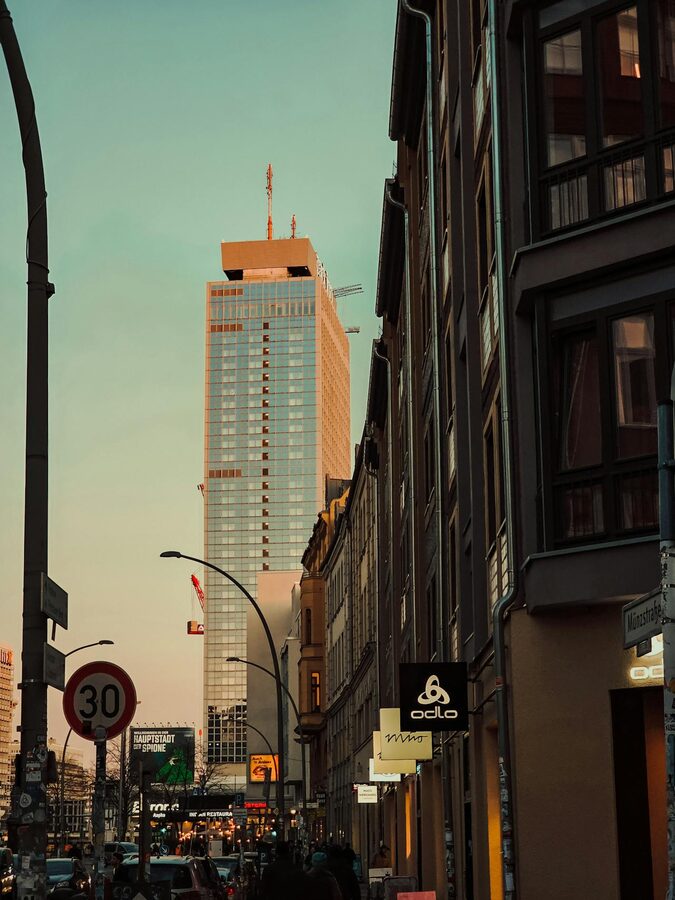
Berlin’s Neighbourhoods: What Each One Adds
Berlin isn’t a city with one centre — it’s a collection of villages that got absorbed into one metropolitan area. Each neighbourhood (Kiez) has its own character, and the walking tours touch on several of them.
Mitte — the historic centre, where most tours operate. The government buildings, Museum Island, Brandenburg Gate, and Unter den Linden are all here. Mitte has the grandest architecture but the least authentic Berlin vibe — it’s where travelers go. Still essential.
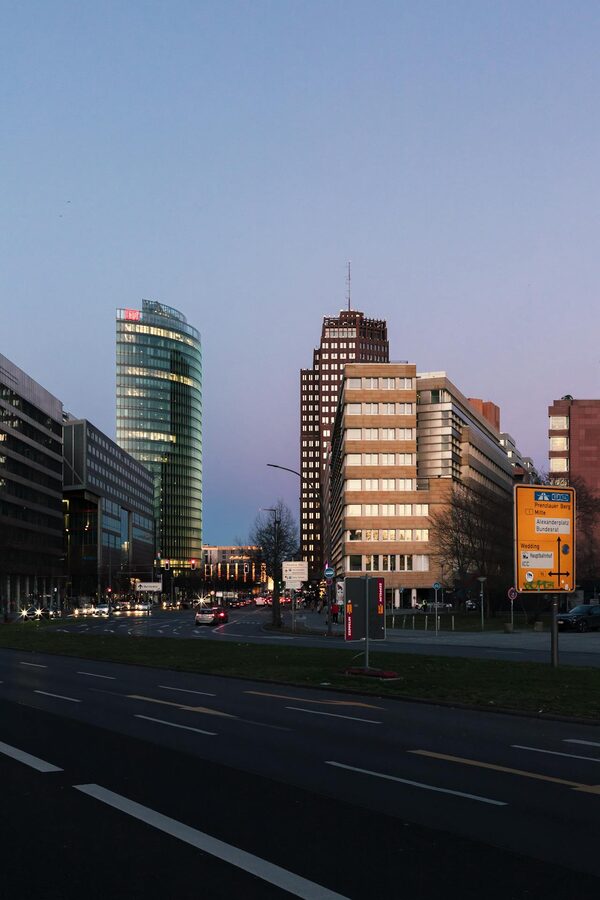
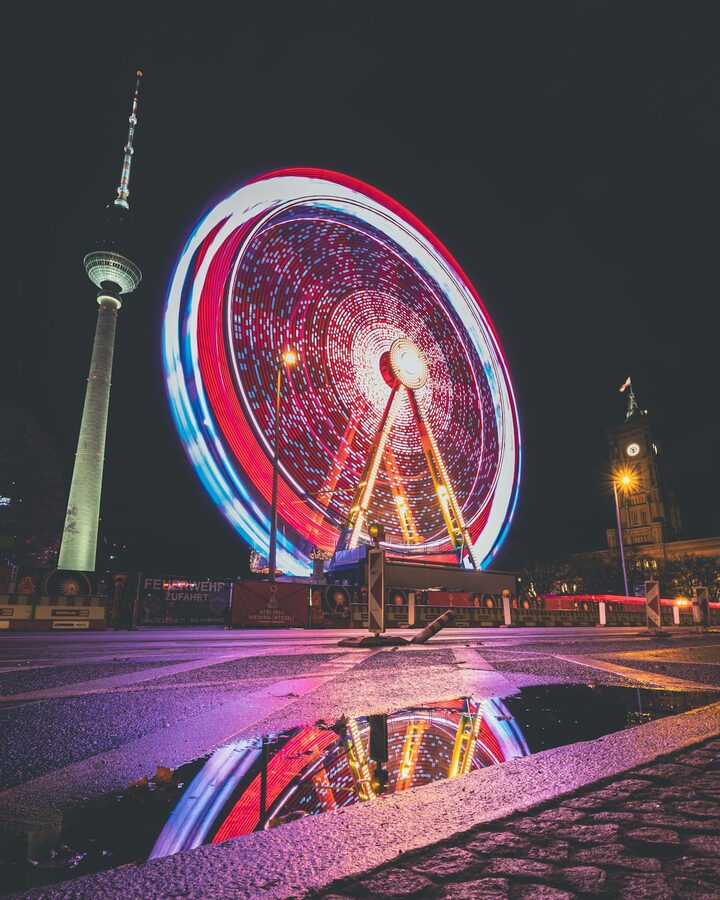
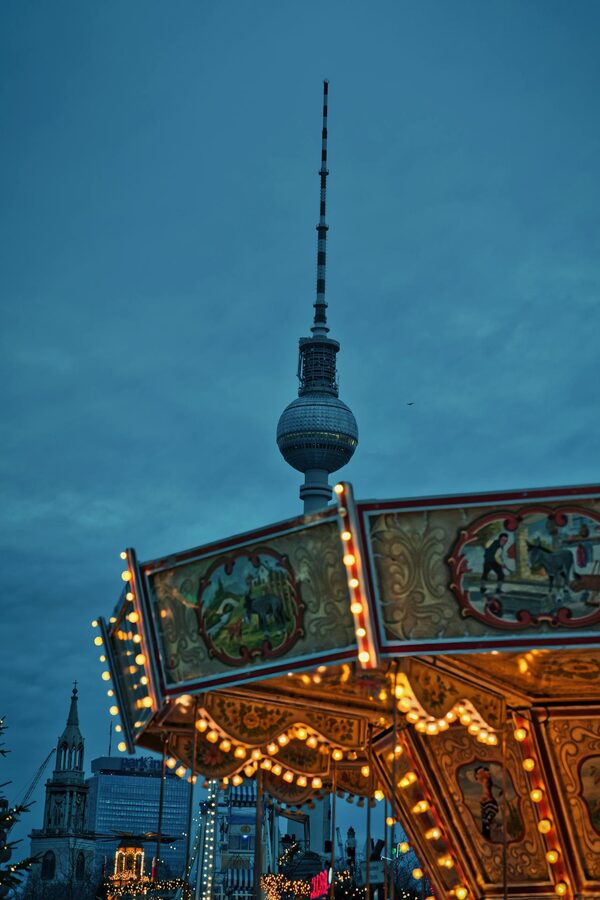
Kreuzberg — the most multicultural neighbourhood in Berlin. Turkish, Arabic, and Kurdish communities have lived here for decades, and the food reflects it. Kreuzberg is also where Berlin’s alternative culture lives — squats, punk bars, and independent art spaces. The bike tour routes through here; the walking tours usually don’t have time.
Prenzlauer Berg — gentrified former East Berlin. Beautiful pre-war apartment buildings, young families, and the Mauerpark flea market on Sundays. The neighbourhood was largely spared during WWII bombing (the Allies focused on industrial targets) which is why the 19th-century architecture survives here when it doesn’t in Mitte.
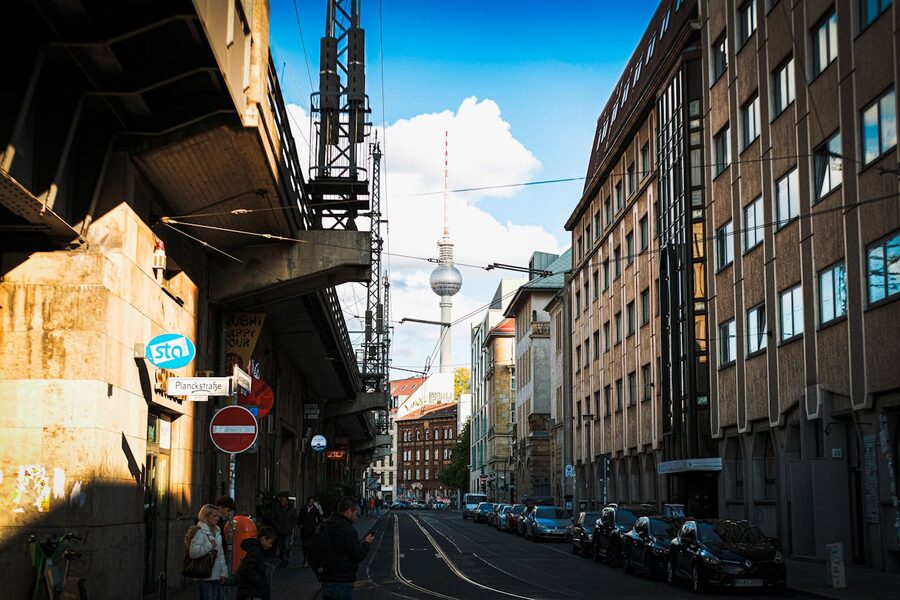
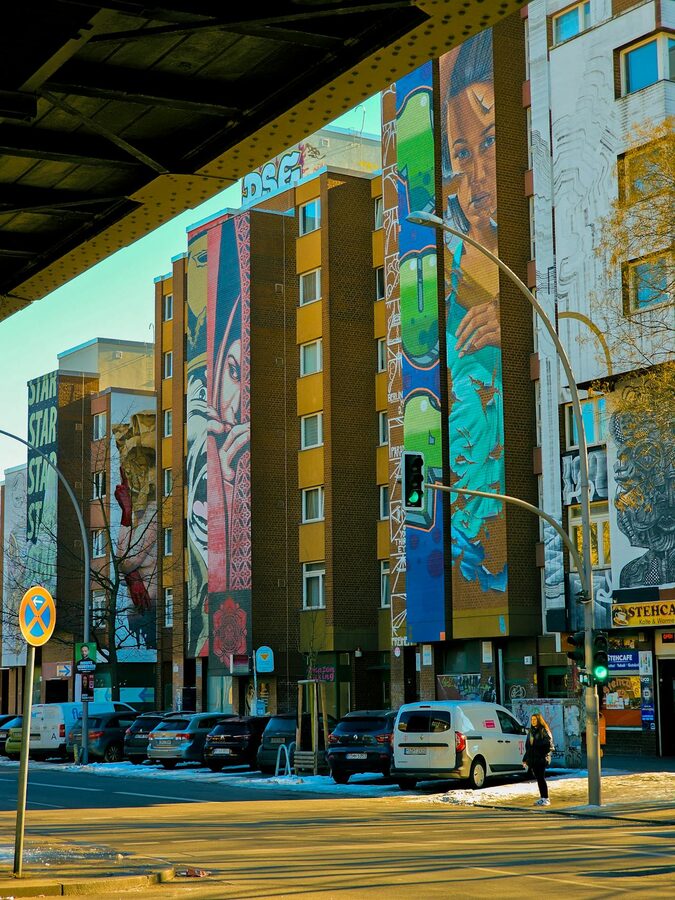
Friedrichshain — the former East Berlin neighbourhood that houses the East Side Gallery (Berlin Wall murals), the RAW Gelände (a former railway yard turned nightlife and cultural complex), and Simon-Dach-Straße (Berlin’s bar street). The bike tours go here; the walking tours point toward it and suggest you explore after.
Practical Tips for Walking Tours
What to wear: Comfortable walking shoes — the tours cover 4-5 kilometres on mostly flat ground. Layers are essential because Berlin weather changes fast. An umbrella or rain jacket is wise year-round.
Language: All recommended tours operate in English. The guides are fluent and the historical vocabulary is precise. Some operators also offer German, Spanish, and French departures.
Tipping: Tips of €5-10 per person are standard for a good guide. The guides depend on tips for a significant portion of their income — €10 for a 3-hour tour that changed your understanding of a city is a fair exchange.
When to book: Daily departures year-round. Summer has multiple departures per day. Winter tours run but dress warmly. The morning tours (usually 10-11am) are most popular. Afternoon departures (2-3pm) are often smaller groups.
Best Tours to Book
1. Discover Berlin Half-Day Walking Tour — $24
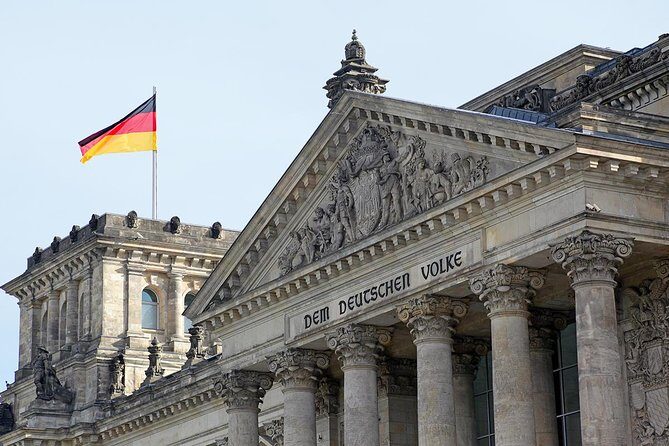
The most-reviewed Berlin walking tour and one of the highest-rated tours in Europe. 3.5 hours covering the Brandenburg Gate, Reichstag, Holocaust Memorial, Checkpoint Charlie, and the Wall traces. The guides are historians who bring the stories to life — this isn’t a guidebook read aloud, it’s a performance. At $24, the value is extraordinary. Our review covers the full route and what makes the guides consistently excellent across thousands of tours.
2. Berlin Top Attractions 3-Hour Tour — $24

Same price, same quality, slightly shorter format. The 3-hour tour covers the major landmarks with a focus on highlights and hidden sites that the tourist buses miss. The guide pool is different from the Discover tour, so the commentary style varies — some visitors book both on different days to get two perspectives on the same history. Our review compares both tours and explains which one suits different interests.
3. Berlin Highlights 3-Hour Bike Tour — $42
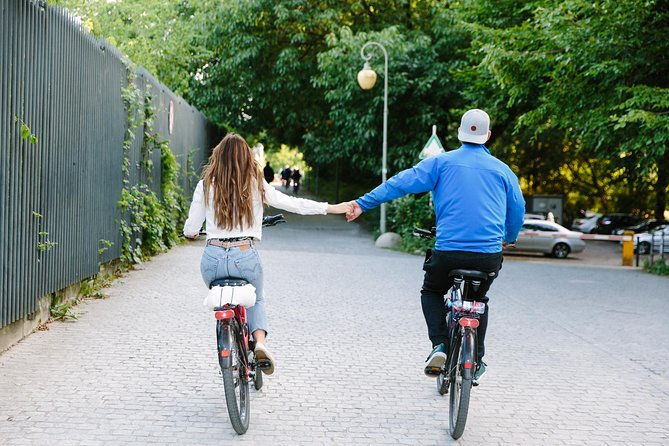
The active option. Three hours on a bike covering the central landmarks plus the East Side Gallery, Kreuzberg district, and sections of the former Wall that are too spread out for walking. Berlin’s flat terrain and good bike lanes make this genuinely easy — you don’t need to be a cyclist. The guide stops at every major site and the historical commentary is the same quality as the walking tours. Our review covers the route, the bike quality, and whether the extra distance adds genuine value over walking.
Practical Tips
When to book: Daily departures year-round. Summer tours (May-September) have the best weather but the largest groups. Spring and autumn are ideal — mild weather, smaller groups, and the city looks good in low-angle light. Winter tours run but bundle up — Berlin gets properly cold (below zero is common December-February).
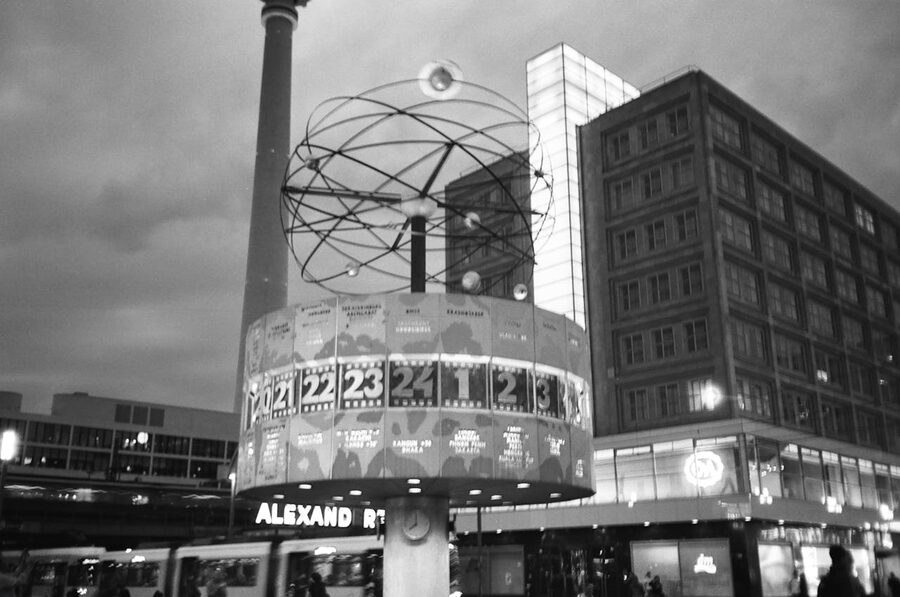
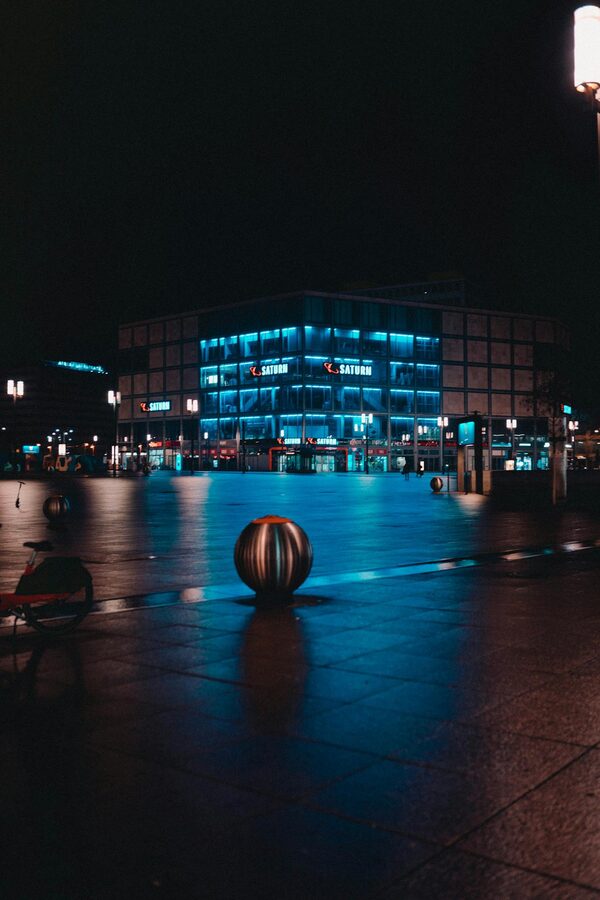
Meeting points: Most tours meet near the Brandenburg Gate or Alexanderplatz. The exact location is confirmed after booking. Arrive 10 minutes early — the groups depart on time and stragglers miss the introduction, which sets the context for everything that follows.
Language: All three recommended tours operate in English. The guides are fluent and the historical vocabulary is precise — they know how to explain complex history clearly. Some operators also offer tours in Spanish, French, and German.
Budget: Walking tours: $24. Bike tour: $42. Both are among the cheapest guided experiences in any major European city. Tips are appreciated (€5-10 is standard for a good guide) but not required.
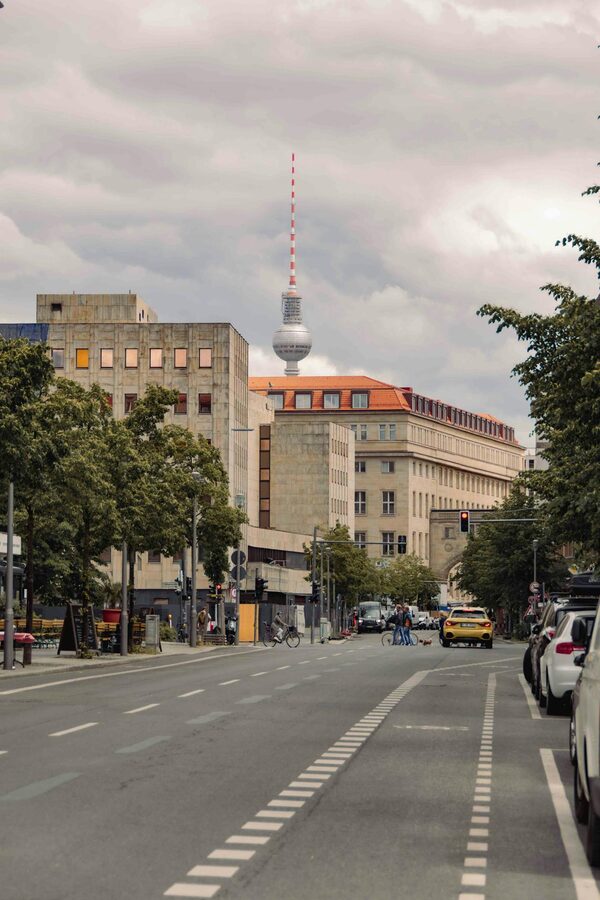
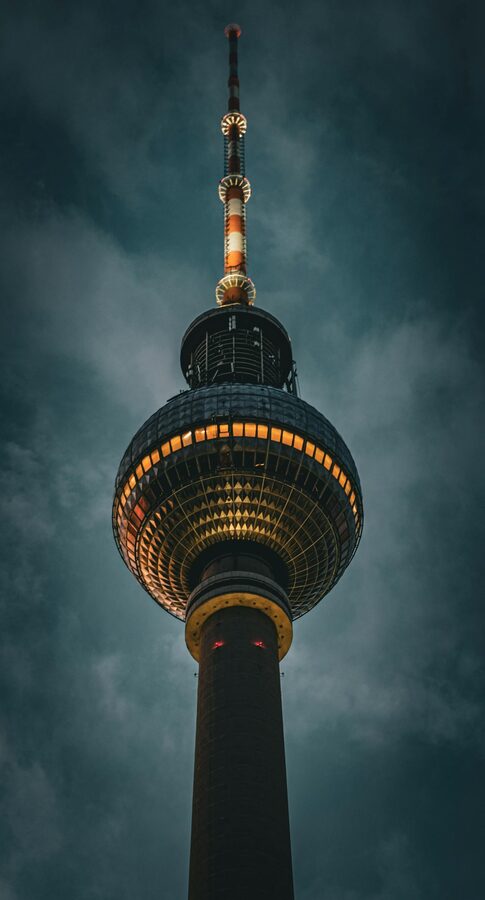
Combine with: A walking tour in the morning, the TV Tower observation deck in the afternoon for the aerial perspective, and a Spree boat tour at sunset for the waterside view. Three perspectives on the same city in one day.
More Berlin Experiences
The general walking tour is the orientation. The deeper dives come next. The Third Reich and Cold War walking tours focus specifically on the Nazi era and the divided city — darker, more detailed, and essential for understanding why Berlin looks the way it does. The Sachsenhausen concentration camp tour is a sobering half-day trip outside the city that most visitors consider the most important thing they did in Berlin. And the TV Tower gives you the aerial view that puts everything from the walking tour into geographic context.