
The Bowery, once a modest Native American trail, has undergone a remarkable transformation over the centuries. What was once a quiet pathway has blossomed into a vibrant and storied thoroughfare, reflecting the dynamic evolution of Manhattan. From its notorious past as a hub of entertainment and vice to its enduring cultural legacy, the Bowery’s history is a captivating tapestry waiting to be unraveled. Delve deeper to discover the secrets that lie within this iconic New York City street.
- Key Points
- The Native American Trail
- A Major Thoroughfare of Wild Fun
- Diverse Architecture of the Bowery
- Recruiting Soldiers at Bull’s Head Tavern
- P.T. Barnum’s First Site
- The Bowery Mission’s Enduring Legacy
- The Cooper Union Building
- The Evolution of Theater in NYC
- Ask Away
- Why Was the Bowery Known for Its Anything-Goes Attitude?
- How Did the Architecture of the Bowery Evolve Over Time?
- What Types of Performances Were Held at CBGB Music Venue?
- What Was the Significance of Flophouses in the Bowery’s History?
- How Did the Bowery Mission’s Mission and Impact Change Over the Years?
- Final Words
- More Private Tours in New York City
- More City Tours in New York City
- More Tour Reviews in New York City
- Still browsing? Here are more New York City experiences we've covered recently
Key Points
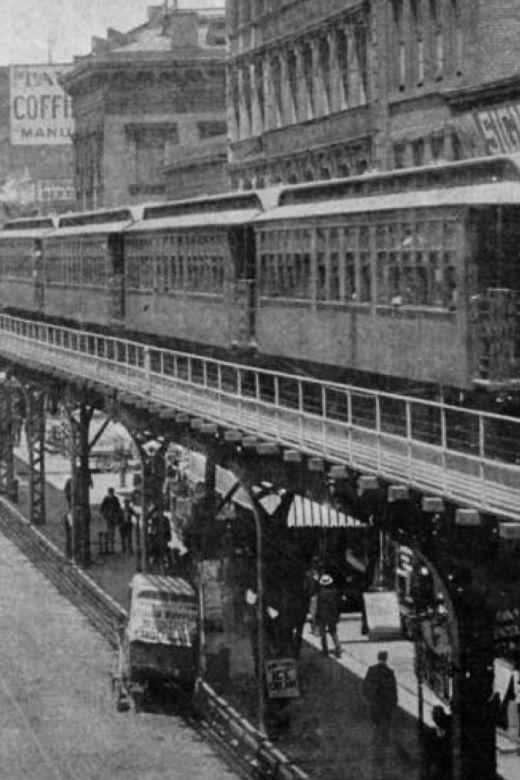
- The Bowery’s origins trace back to a Native American trail that evolved into a major urban thoroughfare with European settlement.
- In the early 19th century, the Bowery became known for its raucous entertainment venues, attracting a diverse crowd seeking excitement and vice.
- The Bowery’s architectural landscape reflects its transformation from a colonial outpost to a vibrant, multifaceted urban center.
- Key historical sites on the Bowery, such as the Bull’s Head Tavern and the Bowery Mission, highlight the area’s significance during the American Revolution and as a center for social services.
- The iconic Cooper Union building, with its prestigious educational institution and history of hosting influential speeches, has been a cultural hub on the Bowery for over 150 years.
The Native American Trail
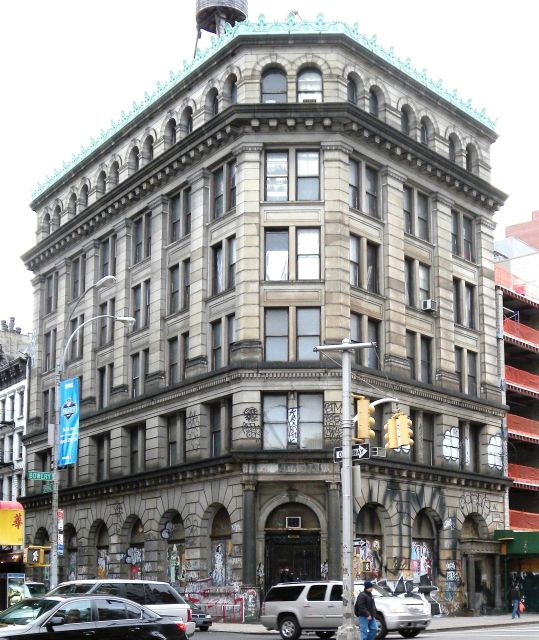
Originally, the Bowery trace was a Native American trail that wound its way through the island of Manhattan. This ancient path connected the southern tip of the island to points north, serving as a key transportation route for indigenous peoples.
Over time, as European settlers arrived, the trail evolved into a major thoroughfare known as the Bowery. This transformation from Native footpath to bustling New York street was emblematic of the city’s rapid development and growth, as it transitioned from a colonial outpost to a thriving metropolitan center.
Fascinated by the past? Here are other historical experiences we've covered in New York City
A Major Thoroughfare of Wild Fun
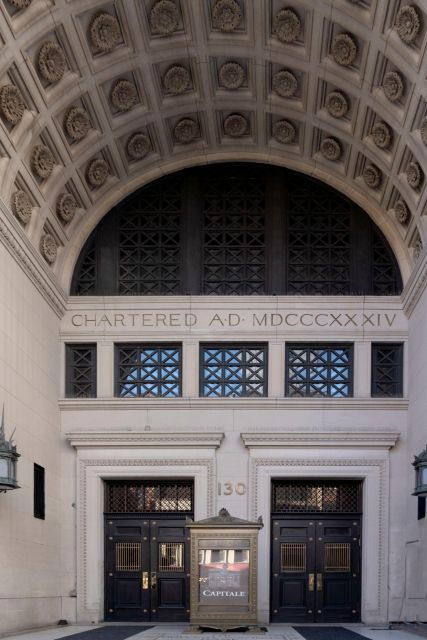
By the early 19th century, the Bowery had emerged as a major thoroughfare known for its wild fun and anything-goes attitude.
Lined with theaters, saloons, and flophouses, the street catered to those seeking entertainment, vice, and the occasional oddity. It was a place where gamblers, prostitutes, and curious onlookers mingled, creating an atmosphere of excitement and unpredictability.
The Bowery’s reputation as a hub of debauchery and vice attracted both the adventurous and the unsavory, cementing its status as one of the most vibrant and notorious streets in New York City.
Diverse Architecture of the Bowery
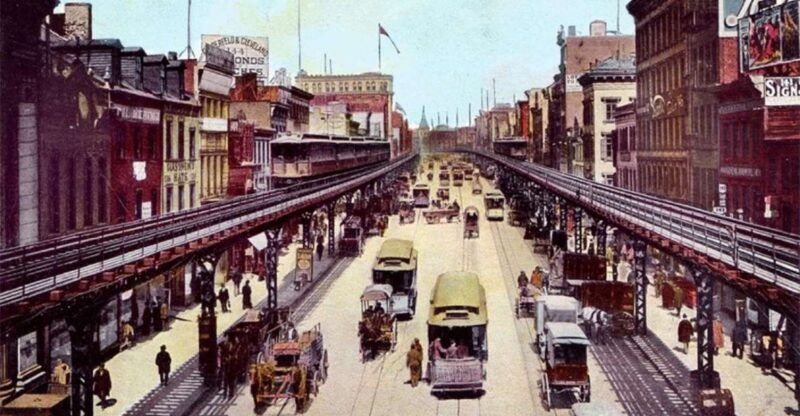
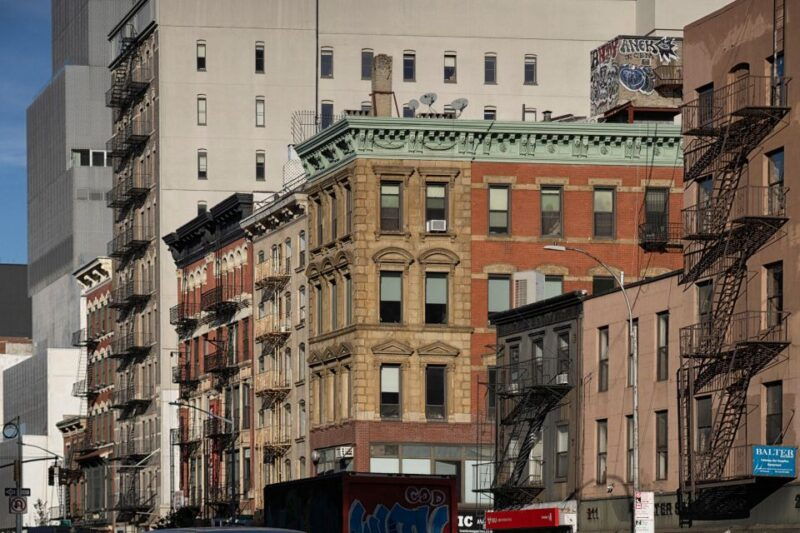
Though the Bowery was once known for its wild and anything-goes atmosphere, the street’s diverse architectural landscape tells a story of its transformation over the decades.
From grand theaters and ornate banks to humble education centers and flophouses, the Bowery’s buildings reflect the changing needs and character of the neighborhood.
Theaters like the Amato Opera House and music venues like CBGB showcased the area’s vibrant cultural scene, while the Cooper Union building housed one of the city’s renowned educational institutions.
This architectural diversity captures the Bowery’s evolution from a raucous thoroughfare to a more refined and multifaceted urban landscape.
Recruiting Soldiers at Bull’s Head Tavern
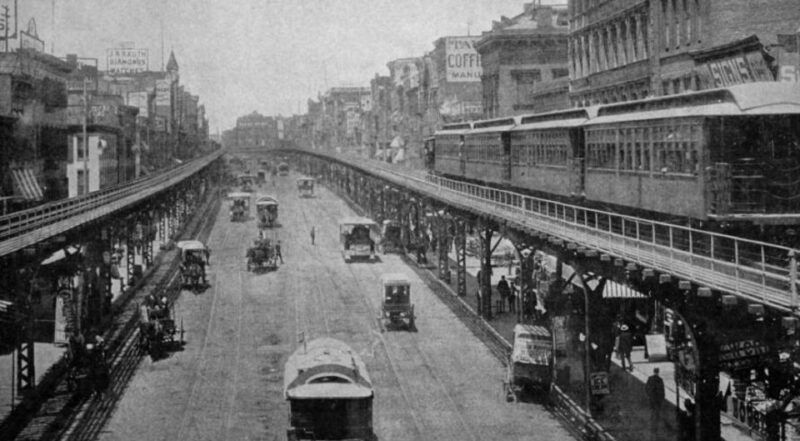
One of the most significant sites along the Bowery was the Bull’s Head Tavern, where General George Washington recruited soldiers to join the Continental Army during the American Revolution.
Located at the intersection of the Bowery and Chatham Street, the tavern was a popular gathering place. Washington saw it as an ideal spot to rally patriotic young men to the cause of independence.
The tavern was a popular gathering place, where Washington recruited patriotic young men to join the fight for independence.
Many answered the call, fueling the ranks of the Continental Army as it fought against the British forces occupying New York City.
The Bull’s Head Tavern played a vital role in the birth of the nation.
More Great Tours NearbyP.T. Barnum’s First Site
P.T. Barnum, the legendary showman, opened his first museum on the Bowery in 1839. This site was the humble beginnings of his renowned entertainment empire.
The Bowery location was strategically chosen, as the street was a hub of activity and foot traffic. Barnum’s museum showcased an eclectic mix of curiosities, from exotic animals to human oddities. It drew crowds eager to be entertained and amazed.
The Bowery site was instrumental in Barnum’s rise to fame and fortune, as he honed his skills in showmanship and marketing. Notable features of this location included:
-
Taxidermy specimens
-
"Living Oddities"
-
Elaborate stage shows
-
Entrance fees of 25 cents
The Bowery Mission’s Enduring Legacy
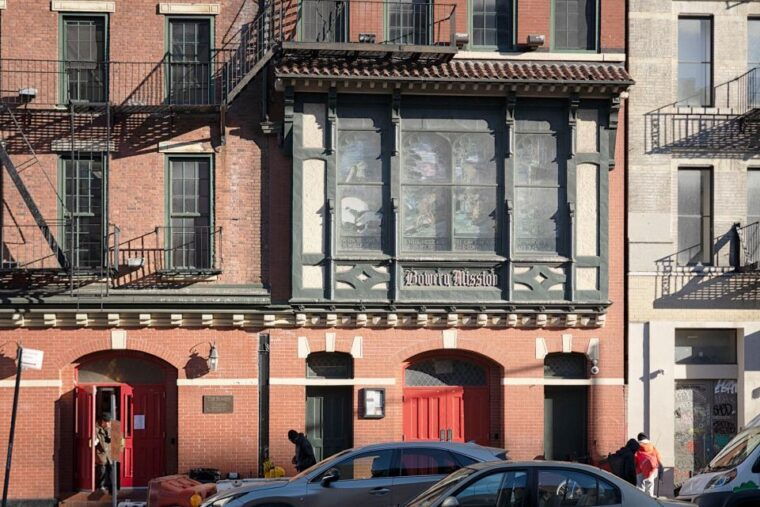
As one of the oldest continuously operating charitable organizations in the United States, the Bowery Mission has played a vital role in supporting the needy and destitute of New York City for over 140 years.
Founded in 1879, the mission has provided food, shelter, and rehabilitation services to countless individuals struggling with homelessness, addiction, and poverty.
Today, the Bowery Mission remains a beacon of hope, offering comprehensive programs to empower the city’s most vulnerable residents and help them reclaim their lives.
Its enduring legacy stands as a testament to the power of compassion and community in transforming lives.
The Cooper Union Building
The Cooper Union building stands as a testament to the intellectual and architectural legacy of the Bowery. Founded by inventor and philanthropist Peter Cooper, the building has served as a hub for innovation, education, and social progress since its completion in 1859.
The Cooper Union building stands as a testament to the intellectual and architectural legacy of the Bowery, founded by inventor Peter Cooper.
Key facts about the Cooper Union building:
-
Designed in the Greek Revival style, it features a striking façade and grand lecture hall.
-
Hosted influential speeches, including Abraham Lincoln’s famous "Right Makes Might" address in 1860.
-
Home to the Cooper Union for the Advancement of Science and Art, offering tuition-free education.
-
Continues to serve as a center for community engagement and public discourse.
The Evolution of Theater in NYC
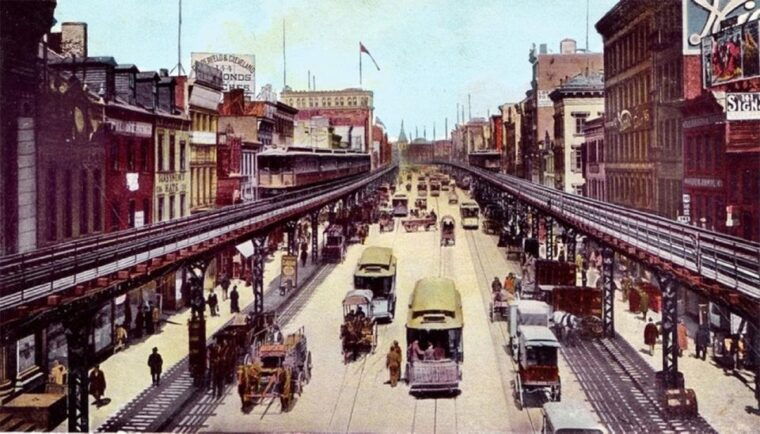
The Bowery’s rich history is closely intertwined with the evolution of theater in New York City. As the street grew into a hub of entertainment, it witnessed the rise and fall of various theatrical venues.
The infamous blackface minstrel shows, which perpetuated harmful racial stereotypes, once thrived here. Later, the area became home to vaudeville theaters, showcasing a diverse array of acts.
The Bowery also saw the emergence of off-Broadway theaters, paving the way for more experimental and avant-garde productions.
Today, the street’s legacy as a cultural melting pot continues to influence the vibrant theater scene of New York.
Ask Away
Why Was the Bowery Known for Its Anything-Goes Attitude?
The Bowery was known for its anything-goes attitude because it was a major thoroughfare that attracted a diverse range of people, from entertainers to the down-and-out, creating an environment of lawlessness and unrestrained behavior.
How Did the Architecture of the Bowery Evolve Over Time?
The architecture of the Bowery evolved from its beginnings as a Native American trail to a diverse mix of theaters, banks, education centers, and flophouses by the early 20th century, reflecting the street’s ever-changing character.
What Types of Performances Were Held at CBGB Music Venue?
CBGB was a renowned music venue that hosted influential punk, new wave, and alternative rock bands in the 1970s and 1980s. It showcased seminal acts like Talking Heads, Blondie, and the Ramones, cementing its status as a legendary incubator of the New York music scene.
What Was the Significance of Flophouses in the Bowery’s History?
Flophouses were inexpensive lodgings that provided basic accommodations for the homeless and transient population in the Bowery. They played a significant role in the area’s history as it evolved from a major thoroughfare to a hub for the down-and-out.
How Did the Bowery Mission’s Mission and Impact Change Over the Years?
The Bowery Mission started as a shelter for the homeless and evolved to provide comprehensive social services. Over the years, it remained a vital resource, helping thousands of people in need through changing times and challenges in the Bowery neighborhood.
Final Words
The Bowery’s transformation from a Native American trail to a thriving entertainment district reflects Manhattan’s dynamic history. Its diverse architecture, notable landmarks, and evolving cultural landscape have all contributed to the Bowery’s enduring significance. Today, the area continues to evolve, with the Cooper Union and the Bowery Mission standing as testaments to the Bowery’s rich heritage and ongoing influence in New York City.
You can check availability for your dates here:More Private Tours in New York City
- Central Park Zoo Skip-the-line Tickets & Private Transfers
- From NYC -Private Transfer From NYC Airports to Hotels
- From NYC: Private Washington & Philadelphia Tour in 1 Day
- NYC: JFK Airport to Manhattan or Brooklyn Private Transfer
- JFK Airport: Private Transfer to New York City
- New York: Louis Armstrong Private Walking Tour with Concert
More City Tours in New York City
More Tour Reviews in New York City
Still browsing? Here are more New York City experiences we've covered recently
- 3 Top-Rated New York City Historical Tours
- You’ll Love These 7 Walking Tours In New York City
- 14 Of The Best Tours In New York City
- 14 Best Tours & Experiences In New York City
- Which New York City City Tours To Choose? We Rank The 10 Best
- 5 Must-Try Bike Tours In New York City
- Which New York City Bike Rentals To Choose? Our Best 5 Picks
- From New York: Niagara Falls and Washington DC 3-Day Trip
- New York City: Central Park Bike Rental
- Central Park Bike Rental
- Central Park Electric Bike Rental
- Central Park, Rockefeller & Times Carriage Ride (4 Adults)