
Central Park is a beloved and iconic landmark in New York City, but its creation wasn’t without its challenges. Landscape architects Frederick Law Olmsted and Calvert Vaux had a vision to transform the rugged terrain into a harmonious oasis, but acquiring the land and securing funding proved difficult. Despite these obstacles, their dedication resulted in a retreat that not only shaped the city’s identity but also provided a vital green space for recreation and community. What led to the park’s creation, and how has it evolved over time?
- Key Points
- Central Park’s Origins
- Designing the Ideal Urban Oasis
- Challenges and Controversies in Construction
- The Park’s Diverse Landscape
- Iconic Landmarks and Attractions
- Evolving Use and Preservation Over Time
- Central Park’s Role in NYC’s History
- The Park’s Enduring Legacy and Impact
- The Sum Up
- The Best Of New York City!
- More Tour Reviews in New York City
Key Points
-
Central Park was meticulously designed by renowned landscape architects Olmsted and Vaux to create a naturalistic urban oasis for the people of New York City.
-
The park’s diverse landscape features, including lakes, meadows, forests, and winding paths, were intentionally designed to provide visitors with a serene escape from city life.
-
Despite funding challenges and political obstacles, Olmsted and Vaux persevered to transform the rugged terrain into a beloved public space that has since become a symbol of civic pride.
-
Central Park’s role as the first large-scale public park in the United States has shaped the identity of New York City and influenced the development of urban green spaces worldwide.
-
The park’s preservation of diverse ecosystems and wildlife habitats has contributed to its enduring legacy as a vital green oasis in the heart of the bustling metropolis.

👉 See our pick of the 3 Top-Rated New York City Historical Tours
Central Park’s Origins
Though Central Park is now considered the crown jewel of New York City’s public spaces, its origins were rather humble.
In the 1850s, New York was rapidly growing, and the lack of green spaces was becoming a pressing issue. The city acquired over 700 acres of land in the heart of Manhattan and tasked landscape architects Frederick Law Olmsted and Calvert Vaux with designing a grand public park.
Olmsted and Vaux envisioned a naturalistic landscape that would provide respite from the bustling city. Their innovative design transformed the rugged terrain into a harmonious blend of meadows, lakes, and winding paths, establishing Central Park as a true urban oasis.
You can also read our reviews of more tours and experiences in New York City.



Designing the Ideal Urban Oasis
Olmsted and Vaux’s vision for Central Park went beyond merely creating a green space. They aimed to design an "ideal urban oasis" – a harmonious landscape that would uplift the spirit and provide an escape from the city’s chaos.
Using naturalistic features like lakes, bridges, and winding paths, they crafted a serene environment that felt separate from the bustling streets nearby. The park’s diverse landscapes, from pastoral meadows to rugged cliffs, allowed visitors to enjoy nature without leaving Manhattan.
This carefully planned design made Central Park a beloved retreat, a place where urbanites could recharge and reconnect with the natural world.
Challenges and Controversies in Construction
Despite Olmsted and Vaux’s ambitious vision, the construction of Central Park faced significant challenges and controversies. Acquiring the land proved difficult, with many property owners reluctant to sell. Funding was also a constant issue, as the city struggled to secure the necessary resources.
Plus, the park’s design wasn’t without its critics, who argued that it was too elaborate and expensive. The project was further complicated by political infighting and a lack of coordination between the various stakeholders involved.
Nonetheless, Olmsted and Vaux persevered, and the park’s construction slowly but surely took shape, overcoming these obstacles to become the iconic urban oasis it’s today.
The Park’s Diverse Landscape
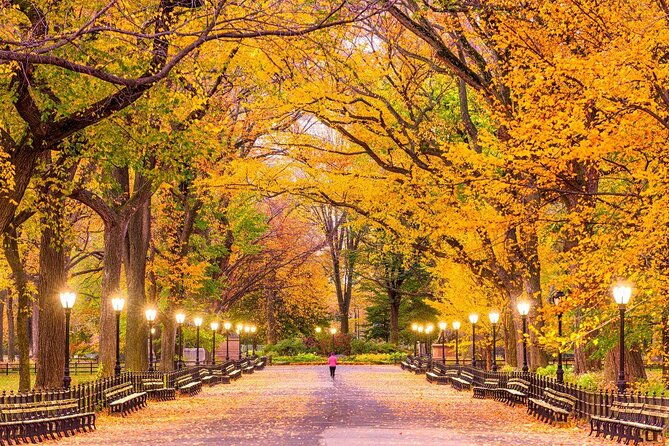
One of the defining features of Central Park is its diverse landscape, which was meticulously designed by Olmsted and Vaux to provide visitors with a variety of experiences.
From the rolling hills and meadows to the dense forests and tranquil lakes, Central Park offers a natural respite from the bustling city.
Central Park’s diverse landscape, from rolling hills to tranquil lakes, provides a natural escape from the city’s bustle.
Visitors can stroll through the lush Ramble, enjoy a boat ride on the Lake, or take in the stunning views from Belvedere Castle.
This carefully curated landscape is a testament to the vision and skill of the park’s designers, creating a beloved urban oasis.
Iconic Landmarks and Attractions
Central Park is home to a wealth of iconic landmarks and attractions that captivate visitors. Strolling through the park, one can’t help but be mesmerized by the grand Bethesda Fountain, the enchanting Bow Bridge, and the serene Jacqueline Kennedy Onassis Reservoir. The park’s diverse landscapes, including rolling meadows, dense woodlands, and tranquil lakes, provide a serene escape from the bustling city. Visitors can also explore the renowned Belvedere Castle, discover the enchanting Alice in Wonderland statue, and marvel at the iconic Strawberry Fields tribute to John Lennon. Central Park’s iconic features make it a true urban oasis.
| Iconic Landmarks | Iconic Attractions |
|——————|——————-|
| Bethesda Fountain| Bow Bridge |
| Belvedere Castle | Alice in Wonderland|
| Strawberry Fields| Jacqueline Kennedy Onassis Reservoir |



Evolving Use and Preservation Over Time
As Central Park has evolved over the decades, its preservation has become increasingly crucial. While initially designed as a green oasis for the public, the park has adapted to shifting needs and uses over time:
-
Serving as a gathering place for recreation, relaxation, and cultural events
-
Providing an urban refuge amidst the city’s bustling landscape
-
Hosting concerts, protests, and other community activities
-
Preserving diverse ecosystems and wildlife habitats
-
Requiring ongoing maintenance and protection against overuse and environmental threats
Careful stewardship and planning are essential to ensuring Central Park remains a beloved, thriving treasure for generations to come.
Central Park’s Role in NYC’s History
Since its creation in the 1850s, Central Park has played a pivotal role in shaping New York City’s history and identity. As the first large-scale public park in the United States, it became a symbol of the city’s commitment to improving the lives of its residents. Over the decades, the park has hosted countless events, protests, and celebrations that have shaped the cultural and political landscape of the city. From its role as a refuge during times of crisis to its enduring status as a beloved public space, Central Park remains an integral part of New York’s story.
| Impact | Example |
| — | — |
| Social | Provided green space for the working class amid industrialization |
| Cultural | Hosted rallies, concerts, and festivals that defined eras |
| Political | Served as a site for protests and movements for social change |
| Environmental | Offered respite from urban sprawl and preserved natural habitats |
| Economic | Boosted property values and attracted tourism to the city |
The Park’s Enduring Legacy and Impact
Despite the passage of time, Central Park’s enduring legacy and impact on New York City remain undiminished.
The park continues to serve as:
-
A vital green oasis in the concrete jungle, providing respite and recreation for millions
-
A hub for cultural events, from concerts and festivals to public art installations
-
A driver of economic activity, attracting travelers and boosting property values in surrounding neighborhoods
-
A testament to the power of urban planning and design to shape a city’s identity and livability
-
A symbol of civic pride and the enduring importance of public spaces in modern metropolises.
The Sum Up
Central Park’s transformation from rugged terrain to a harmonious oasis showcases the power of vision and dedication. Olmsted and Vaux’s design has endured, providing New Yorkers with a vital green space for recreation and community. Despite facing obstacles, their groundbreaking work has shaped the city’s identity and continues to inspire people worldwide, demonstrating the enduring legacy of this remarkable urban landscape.