
New York City’s LGBTQIA community has come a long way since the Stonewall Riots of 1969. Today, the city proudly celebrates its vibrant identity through parades, activism, and cultural expressions. This tour, "Pride in NYC: Stonewall to Now," explores the transformative journey of the LGBTQIA rights movement in the city, providing an insightful look into the ongoing fight for equality and representation. Explore the significance of Stonewall and the community’s impact on the city’s landscape.
- Key Points
- Tour Overview and Details
- Meeting and End Points
- Tour Schedule and Accessibility
- Tour Experience
- Host Information
- The Significance of Stonewall
- The LGBTQIA Community Today
- Frequently Asked Questions
- What Is the Dress Code for the Tour?
- Is There an Age Requirement for Participants?
- Can I Bring My Own Food and Drinks on the Tour?
- Is Photography Allowed During the Tour?
- How Long Is the Walking Distance on the Tour?
- The Sum Up
- More Tour Reviews in New York City
- Still browsing? Here are more New York City experiences we've covered recently
Key Points
- The Stonewall riots in 1969 sparked the modern LGBTQIA rights movement, challenging societal norms and inspiring community solidarity in New York City.
- Pioneering LGBTQIA activists and organizations from the Stonewall movement have played a crucial role in advocating for legislative and policy changes over the decades.
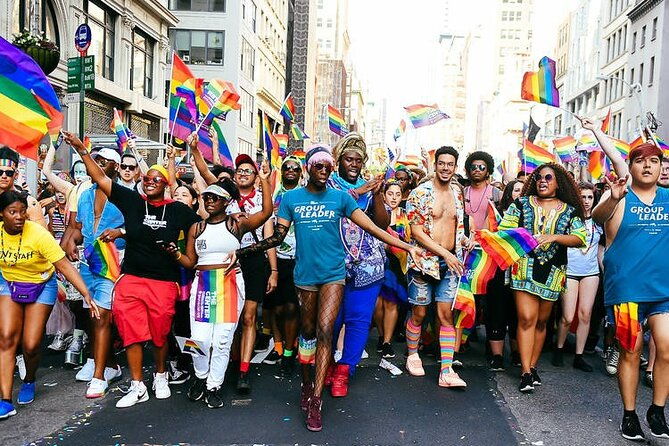
- The annual NYC Pride March, one of the largest LGBTQIA pride celebrations in the world, commemorates the Stonewall uprising and the ongoing fight for equality and representation.
- The LGBTQIA community in NYC continues to face challenges, but has made significant progress in achieving greater visibility, acceptance, and legal protections over the past 50 years.
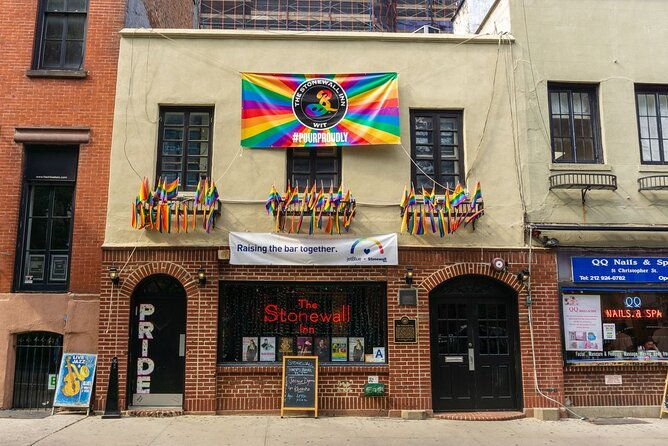
- The Stonewall Inn, the site of the 1969 riots, is now a National Historic Landmark and a symbol of the LGBTQIA community’s resilience and the ongoing struggle for equal rights.
Tour Overview and Details
The "Pride in NYC: Stonewall to Now" tour provides an immersive exploration of New York City’s LGBTQIA history, with a focus on the significance of the Stonewall Riots.
Priced at $35, the tour accommodates up to 20 travelers and offers free cancellation up to 24 hours in advance. It starts at 5:30 PM near the Leslie-Lohman Museum of Art and ends at the Church of the Village.
The tour is wheelchair accessible and near public transportation. While not suitable for those with certain medical conditions, the moderate physical activity level makes it accessible to most.
The tour guide, Martin, is praised for their expertise.
Looking for more options in New York City? We've reviewed plenty of other experiences.
Meeting and End Points
Across from the Leslie-Lohman Museum of Art, travelers will find the meeting point for the "Pride in NYC: Stonewall to Now" tour at 28 Wooster St, New York, NY 10013.
The tour ends at 201 W 13th St, New York, NY 10011, in front of the Church of the Village.
The nearest subway stations are Canal Street (1 – N/Q/R/W – 4/5/6) and 14th Street (A/C/E/L – F/M/L).
The tour is accessible, with wheelchair access, service animals allowed, and near public transportation.
The tour is accessible, with wheelchair access, service animals allowed, and near public transportation.
Surfaces are wheelchair-friendly, though the tour may not be suitable for those with back problems or serious medical conditions.
Tour Schedule and Accessibility
The tour starts at 5:30 PM, with confirmation received at the time of booking.
It’s wheelchair accessible, and service animals are allowed.
The tour’s near public transportation, with the nearest subways being Canal Street and 14th Street.
The surfaces are wheelchair-friendly, though the tour’s not suitable for travelers with back problems, pregnant individuals, or those with serious medical conditions.
A moderate fitness level is required.
Tour Experience
Focusing on LGBTQIA history, the tour explores the significance of the Stonewall riots and its lasting impact on the community.
The tour experience provides:
-
An in-depth look at the Stonewall Inn, the site of the historic 1969 uprising
-
Insights into the pioneering activists and organizations that emerged from the Stonewall movement
-
Discussions on the ongoing fight for LGBTQIA rights and representation in New York City
-
Opportunities to engage with the guide’s expertise in LGBTQIA history and community involvement
-
A deeper understanding of the resilience and progress of the LGBTQIA community over the past 50+ years.
Host Information
Nerd Herd Tours, the provider of this tour, taps into Martin’s expertise in LGBTQIA history and community engagement to guide visitors through the tour.
Martin’s deep knowledge of the topic and ability to connect with the group ensure an enriching experience. Participants consistently praise his engaging storytelling and insightful commentary, which bring the history of Stonewall and the LGBTQIA community to life.
Nerd Herd Tours values feedback and remains dedicated to offering high-quality tours that educate and inspire its guests, with Martin’s leadership playing a crucial role in the tour’s success.
- SUMMIT One Vanderbilt Experience Ticket
- All-Access 9/11: Ground Zero Tour, Memorial and Museum, One World Observatory
- New York Catacombs by Candlelight
- SoHo, Little Italy, and Chinatown Walking Tour in New York
- NYC Bus Tour of Brooklyn, Bronx, Queens: Contrasts, Color and Character
- Official NYC Horse Carriage Rides in Central Park Since 1979 ™
The Significance of Stonewall
Stonewall Inn, a modest bar in New York City’s Greenwich Village, became the epicenter of a pivotal moment in LGBTQIA history.
On June 28, 1969, police raided the hotel, sparking a series of protests that ignited the modern LGBTQIA rights movement.
This event:
-
Challenged the mainstream narrative and societal norms of the time
-
Inspired a sense of community, solidarity, and activism among LGBTQIA individuals
-
Paved the way for groundbreaking legislation and policy changes
-
Fostered greater visibility and representation for the LGBTQIA community
-
Continues to be celebrated and commemorated as a symbol of resilience and progress.
The LGBTQIA Community Today
Since the historic Stonewall riots, the LGBTQIA community has continued to make significant strides in securing equal rights and societal acceptance.
Same-sex marriage was legalized nationwide in 2015, and LGBTQIA individuals now serve openly in the military.
While challenges remain, Pride celebrations across the country showcase the community’s vibrancy and resilience. Advocacy groups work tirelessly to combat discrimination and support LGBTQIA youth.
Pride celebrations across the country showcase the LGBTQIA community’s vibrancy and resilience, as advocacy groups fight discrimination and support youth.
Though progress is ongoing, the LGBTQIA community today enjoys greater visibility, legal protections, and societal embrace than ever before, standing as a testament to the power of perseverance and the enduring quest for equality.
Frequently Asked Questions
What Is the Dress Code for the Tour?
The tour has no specific dress code. Participants should wear comfortable, weather-appropriate clothing and walking shoes, as the tour involves significant walking. No formal attire is required.
Is There an Age Requirement for Participants?
There’s no age requirement for this tour. However, it’s recommended for travelers ages 16 and up, as the content may not be suitable for younger participants. The tour requires a moderate fitness level.
Can I Bring My Own Food and Drinks on the Tour?
Yes, participants can bring their own food and drinks on the tour. The tour information does not mention any restrictions, so attendees are free to bring snacks and beverages to enjoy during the experience.
Is Photography Allowed During the Tour?
Photography is generally allowed during the tour. The tour operator encourages guests to capture the sights and share their experiences, though they recommend being respectful and mindful of other participants. It’s best to check with the guide on any specific photography policies.
How Long Is the Walking Distance on the Tour?
The walking distance on the tour is not specified in the details provided. However, the tour starts at 28 Wooster St and ends at 201 W 13th St, covering several city blocks in New York City.
The Sum Up
The tour "Pride in NYC: Stonewall to Now" offers an insightful exploration of the LGBTQIA community’s transformative journey in New York City. From the historic Stonewall Riots to the vibrant celebrations and ongoing fight for equality today, this tour provides a comprehensive understanding of the community’s resilience and its lasting impact on the city’s cultural landscape.
More Tour Reviews in New York City
Still browsing? Here are more New York City experiences we've covered recently
- 3 Top-Rated New York City Historical Tours
- You’ll Love These 7 Walking Tours In New York City
- 14 Of The Best Tours In New York City
- 14 Best Tours & Experiences In New York City
- Which New York City City Tours To Choose? We Rank The 10 Best
- 5 Must-Try Bike Tours In New York City
- Which New York City Bike Rentals To Choose? Our Best 5 Picks
- From New York: Niagara Falls and Washington DC 3-Day Trip
- New York City: Central Park Bike Rental
- Central Park Bike Rental
- Central Park Electric Bike Rental
- Central Park, Rockefeller & Times Carriage Ride (4 Adults)