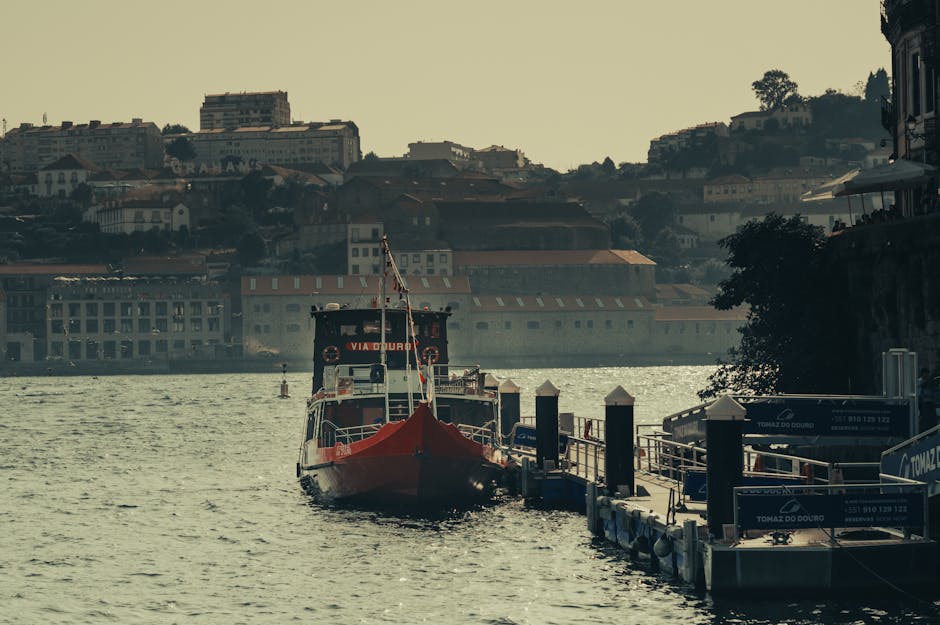
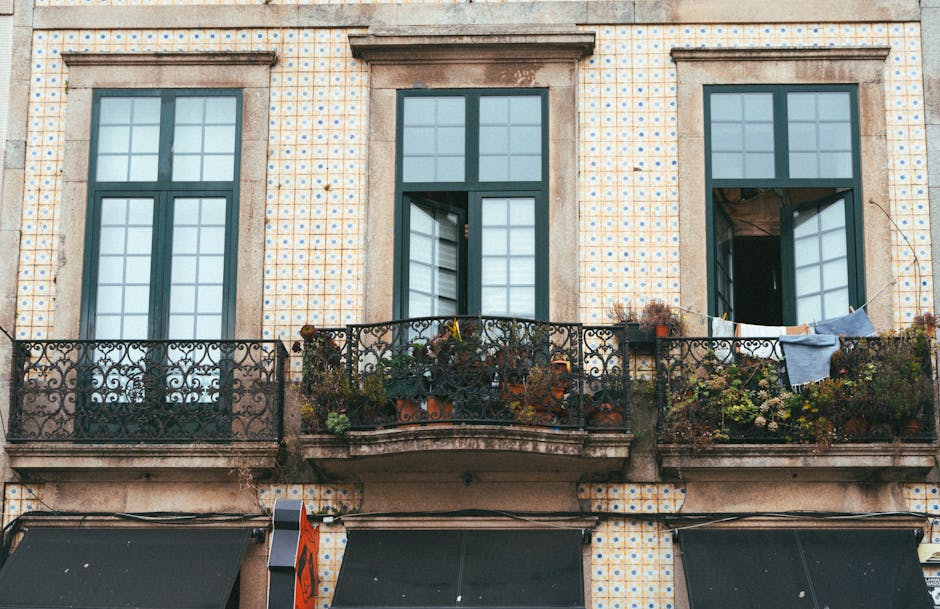
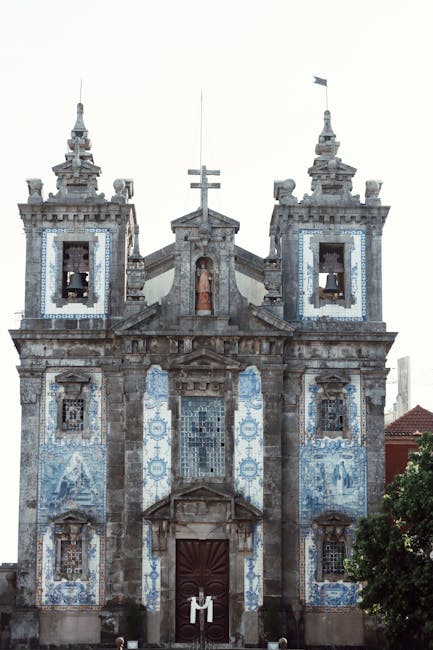
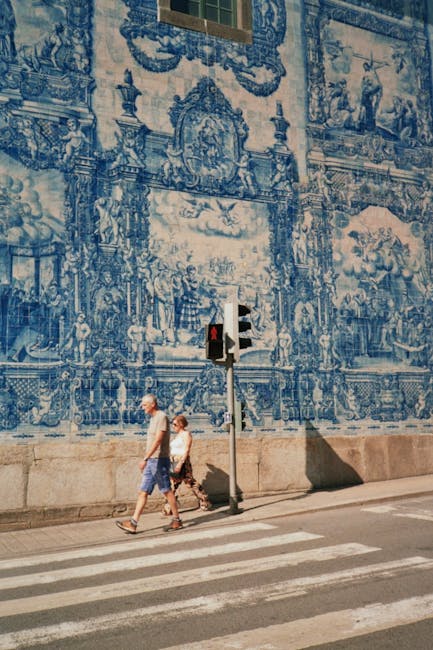
Porto doesn’t reveal itself easily. Unlike Lisbon, which spreads its attractions across wide boulevards and miradouros with obvious sign-posting, Porto hides its best moments behind unassuming doorways, down narrow alleys lined with azulejo tiles, and inside buildings that look ordinary from the outside but are extraordinary within. A walking tour — preferably with a local who knows which doors to push open and which alleys to duck into — is genuinely the best way to crack the city’s code on your first day.
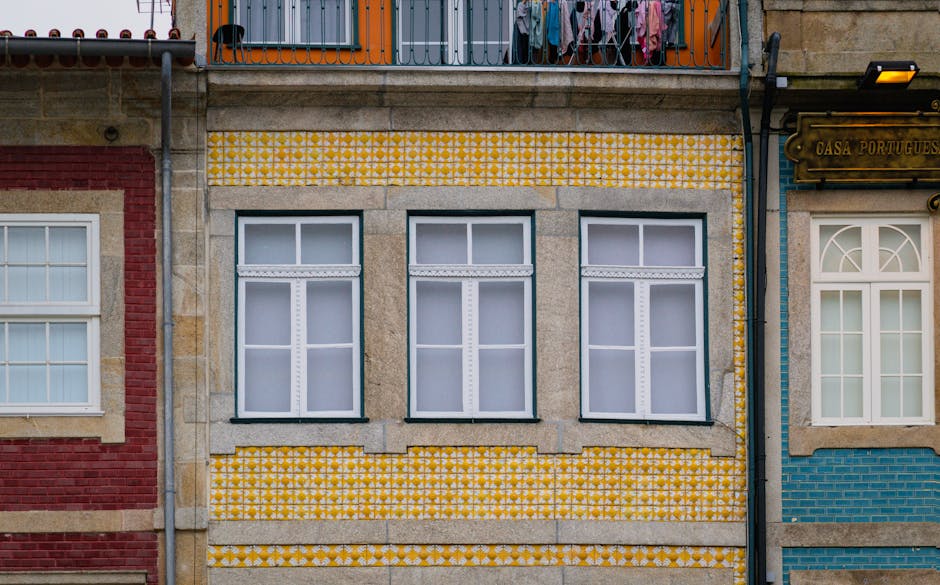
The city is also seriously vertical. Built on the steep banks of the Douro River, Porto’s streets climb, drop, and twist in ways that can leave you standing at the bottom of a staircase wondering if that restaurant you’re heading to is genuinely 40 metres above you (it probably is). A walking tour guide knows the routes that connect the highlights without destroying your knees, which shortcuts actually save time, and which steep climbs are worth the view at the top.
The Unvanquished Tour is the standout choice with an extraordinary 26,497 reviews. It’s a free walking tour (tip-based) covering Porto’s city centre with passionate local guides who bring the city’s history to life. For a more structured paid option, the Perfect Introduction Walking Tour offers a smaller group experience.
- Recommended Walking Tours
- 1. The Unvanquished Tour — Porto’s Most Popular Walking Tour
- 2. Porto Walking Tour — The Perfect Introduction to the City
- 3. Livraria Lello Entry Ticket — The World’s Most Beautiful Bookshop
- 4. Porto Bridges Cruise with Wine Cellar Tour Option — See the City from the Water
- A Self-Guided Alternative: Porto’s Highlight Loop
- What You’ll See on a Porto Walking Tour
- São Bento Railway Station
- The Ribeira District
- The Clérigos Tower
- Vila Nova de Gaia — Across the Bridge
- Practical Tips for Walking Porto
- Shoes Matter
- Hydration and Fuel
- Best Time to Walk
- Getting Around Beyond Walking
- Porto Card: Worth It?
- Porto’s History: The Unconquered City
- Porto Gave Portugal Its Name
- The City That Ate Tripe for Prince Henry
- Wellington Crossed Here
- The Bridge That Eiffel’s Student Built
- More Porto and Portugal Guides
Recommended Walking Tours
1. The Unvanquished Tour — Porto’s Most Popular Walking Tour
Numbers don’t lie, and 26,497 reviews make this the most-reviewed walking tour in Porto by a massive margin. The name “Unvanquished” refers to Porto’s proud history of resistance — the city has never been successfully conquered from outside (a claim that locals make with fierce pride) — and the tour uses this theme as a lens to explore Porto’s major landmarks, from the Clérigos Tower to the Ribeira waterfront.
The tour operates on a free/tip basis, which means you pay what you think the experience was worth. Most travellers tip between 10 and 20 euros per person, which is fair compensation for a 2.5-3 hour tour with expert guidance. This model attracts guides who are genuinely motivated to deliver an excellent tour — their income depends on it, and the quality shows. Brenda’s review reflects what most visitors experience: “Our guide Tiago was extremely knowledgeable and an excellent guide.” Mayra agreed, calling it “a great way to know the city centre and the history of Porto” and adding that Tiago “was very helpful and gave us plenty of information and advice about where to eat and visit.”
Myron’s review highlights the practical value: “Jaime provided an excellent overview of Porto and insight into Portuguese history. He is friendly and knowledgeable and took us around on foot to various historical sites and gave all of us a great first look at Porto which helped us enjoy our time in the city.” That last point is key — doing this tour on your first day in Porto essentially gives you a mental map of the city, local restaurant recommendations, and enough historical context to appreciate everything you’ll see for the rest of your trip.
Tours run twice daily, typically at 10 AM and 2:30 PM. The morning tour is better for photos (the light on the Ribeira is particularly good before noon) while the afternoon tour tends to have slightly smaller groups.
Read reviews and check availability
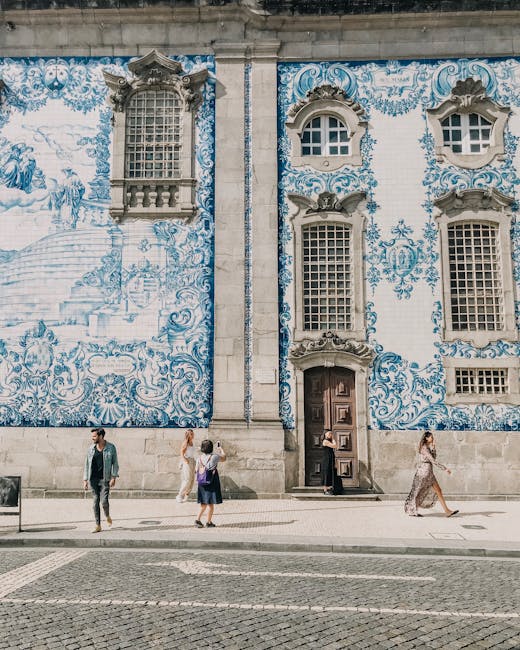
2. Porto Walking Tour — The Perfect Introduction to the City
This tour is the paid alternative to the Unvanquished Tour, and what you’re paying for is smaller groups and a more structured experience. With 733 reviews and consistently high ratings, it’s a good option for travellers who prefer a less crowded, more conversational tour where you can ask questions without competing with 30 other people.
The guide quality is exceptional. One reviewer described their guide as “a physiology major with great passion in history” who gave “uniquely nice” commentary with “balanced analysis” and answered “all kinds of questions.” Justin’s review praised Monica for being “funny, personable and very engaging” with “great knowledge about the city of Porto, and also all of the local stray cats.”
The local food and wine recommendations that come with this tour are genuinely useful — Porto has hundreds of restaurants, and knowing which ones locals actually eat at versus which cater exclusively to travelers can save you from several disappointing meals. The guide’s tip to try a francesinha at a specific local spot, rather than at one of the tourist-facing restaurants on the Ribeira, will probably save you money and give you a better meal.
The tour lasts approximately 2.5 hours and covers about 3 kilometres. Groups are capped at a reasonable size, which means the guide can actually engage with participants individually rather than broadcasting to a crowd through a microphone. This intimacy makes a real difference — you can ask specific questions about neighbourhoods you’re planning to visit, restaurants you’ve seen recommended, or practical queries about getting around the city.
Read reviews and check prices for this tour
3. Livraria Lello Entry Ticket — The World’s Most Beautiful Bookshop
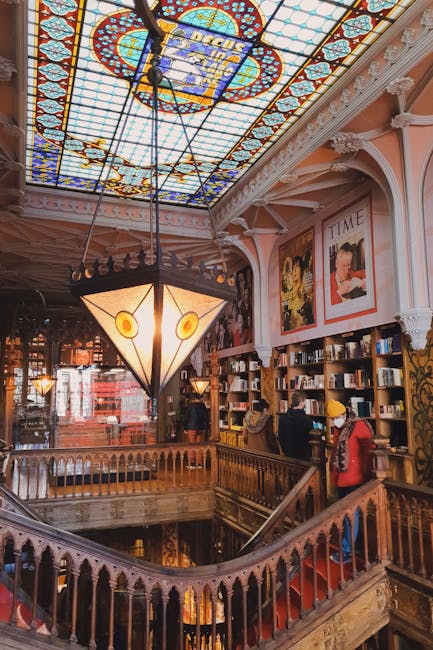
Livraria Lello isn’t a walking tour, but it’s on every walking tour route and deserves its own mention because it requires a timed entry ticket. This bookshop, founded in 1906, is regularly named the most beautiful in the world — and when you see the crimson staircase spiralling upward between carved wooden bookshelves and a stained-glass ceiling, you’ll understand why. J.K. Rowling lived in Porto in the early 1990s and reportedly visited Lello frequently — the staircase is widely believed to have inspired Hogwarts.

With 4,834 reviews, the ticketed experience is well-organised. Abril noted: “I love that your ticket automatically applies to you receiving a book credit of your pick!” — the entry fee includes a voucher redeemable against any book purchase, which is a smart touch. Yvette appreciated the “lovely staff” and “plenty of time to really look round.”
Book your timed slot in advance — the queue for walk-up tickets can stretch around the block, especially in summer. Morning slots (before 10 AM) tend to be less crowded and better for photos.
Read reviews and book your time slot
4. Porto Bridges Cruise with Wine Cellar Tour Option — See the City from the Water
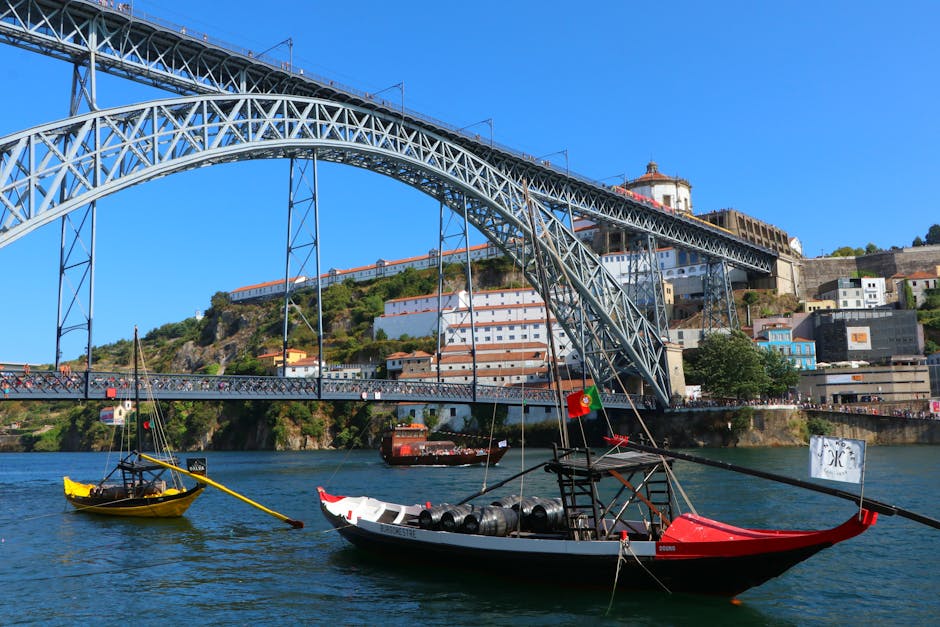
After walking Porto’s hilly streets, seeing the city from the river puts everything in perspective. This cruise passes under Porto’s six bridges — including the iconic Dom Luís I Bridge designed by a student of Gustave Eiffel — and gives you views of both the Porto and Vila Nova de Gaia waterfronts. The optional wine cellar extension includes a port wine tasting across the river in Gaia, which is an excellent way to end an afternoon.
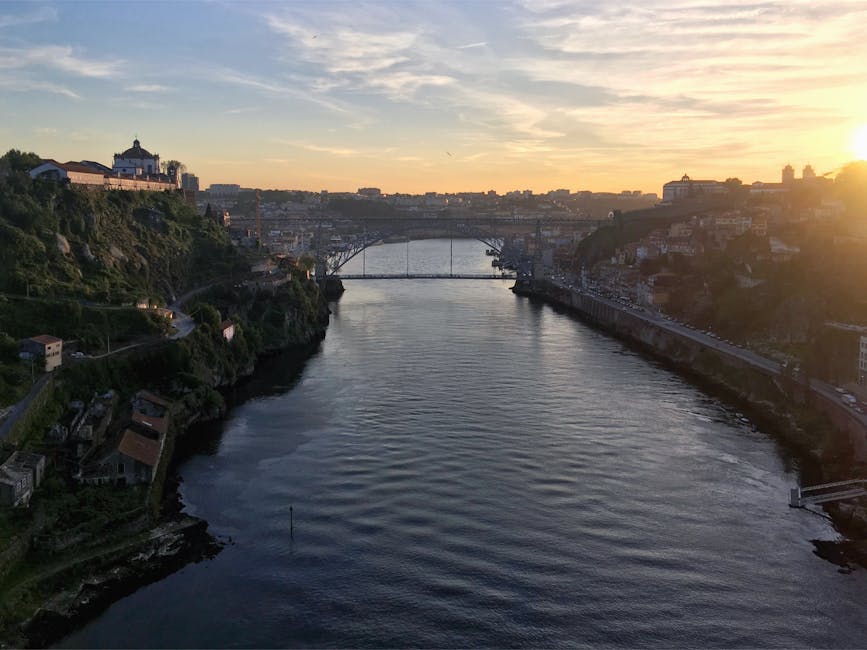
With 4,180 reviews, this is the most popular river cruise in Porto. Grecia’s review is enthusiastic: “The River Sightseeing is something that you should do for sure, the view from the boat was a dream. The Wine Cellar had the best wine and the guide tour was very interesting and fun.” Jenny called it “excellent value for money” and “stunning — a must do if in Porto.”
Read reviews and check prices for this tour
A Self-Guided Alternative: Porto’s Highlight Loop
If you prefer to explore independently, Porto’s main attractions can be connected in a loop of roughly 4 kilometres that takes 3-4 hours at a leisurely pace with stops. Start at São Bento station, walk up to Clérigos Tower, head to Livraria Lello, then down through the university quarter to the Sé Cathedral, continue down to the Ribeira waterfront, cross the Dom Luís I Bridge upper deck to Gaia, take in the panoramic views, and cross back on the lower deck. End at one of the Ribeira’s riverside cafes for a well-earned drink.
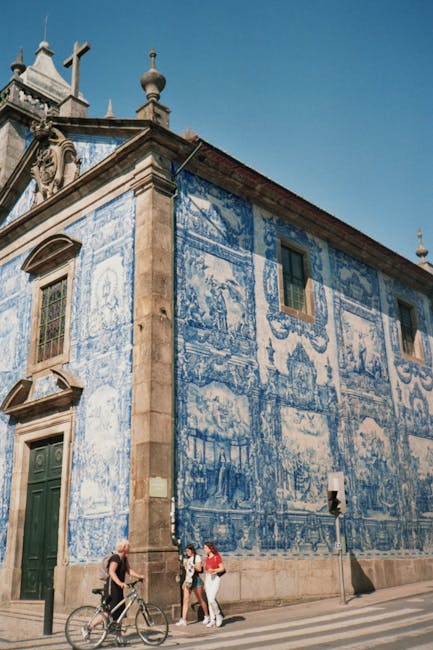
The advantage of a guided tour over this self-guided route is the stories. Porto’s buildings don’t explain themselves — the azulejo-covered churches, the medieval towers, the hidden courtyards — all have histories that you’d never know just by looking. Guides fill in these gaps with anecdotes, local legends, and recommendations that transform a pleasant walk into a genuinely educational experience. But if you’re the type who hates being on someone else’s schedule, the self-guided loop is a solid backup plan.
What You’ll See on a Porto Walking Tour
São Bento Railway Station
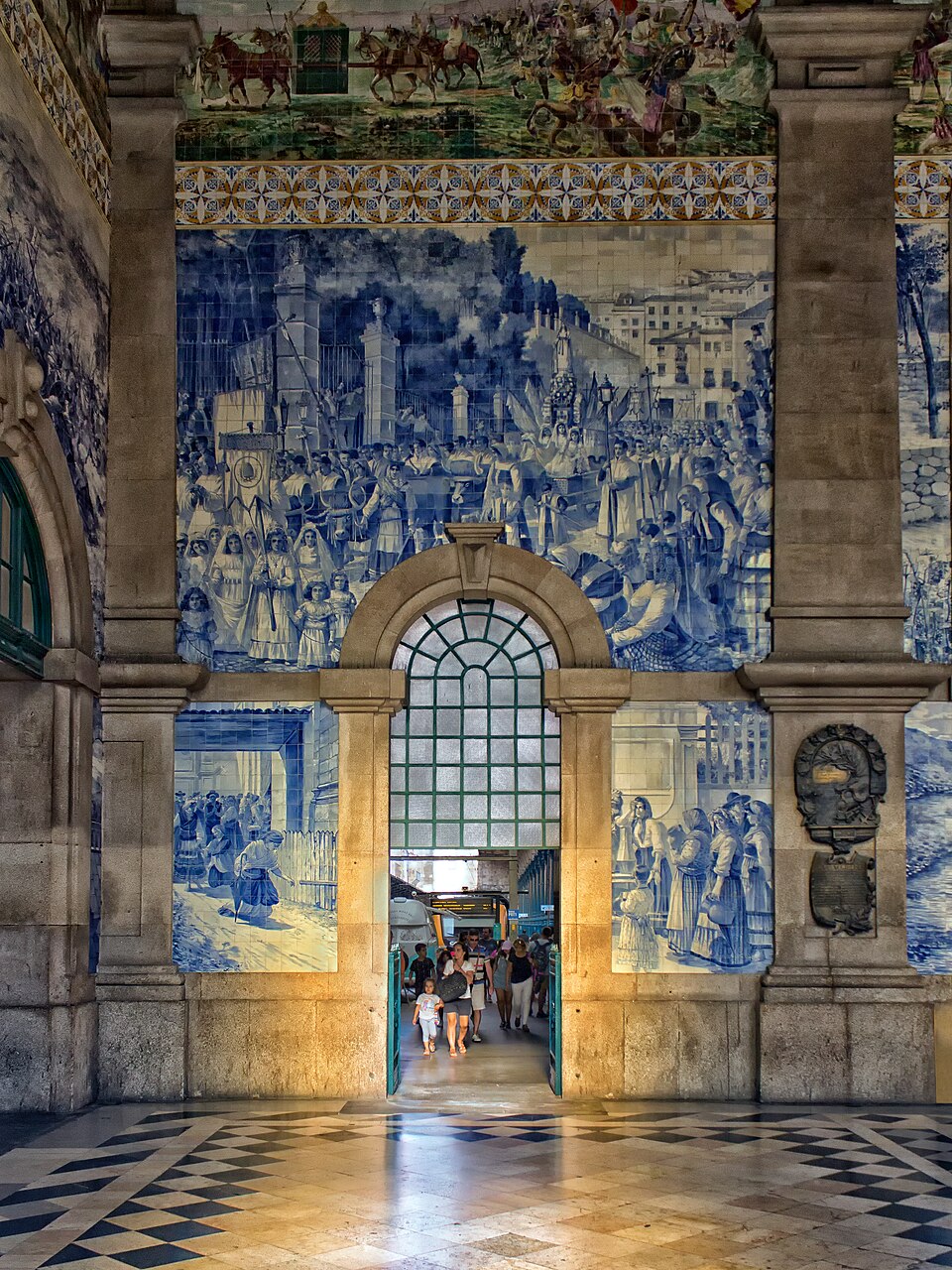
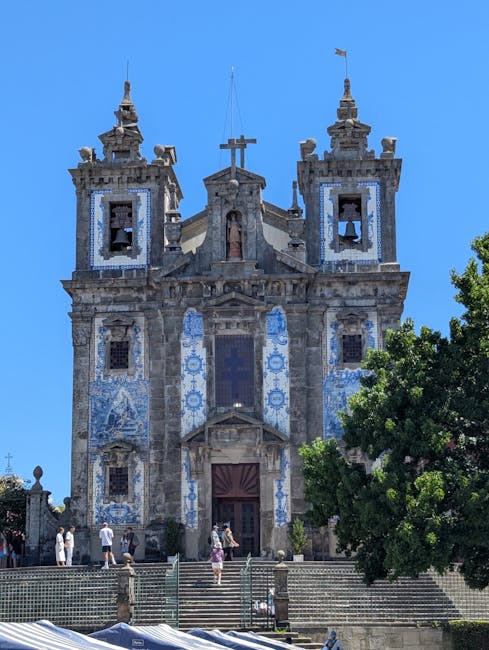
Most walking tours start at or near São Bento station, and for good reason — the entrance hall is one of the most beautiful in the world. Over 20,000 hand-painted azulejo tiles cover the walls, depicting scenes from Portuguese history: the Battle of Arcos de Valdevez, the arrival of King João I in Porto, and the capture of Ceuta in North Africa. The tiles were created by artist Jorge Colaço between 1905 and 1916, and they’re in remarkable condition. Even if you’re not taking a train, it’s worth stepping inside for five minutes.
The Ribeira District
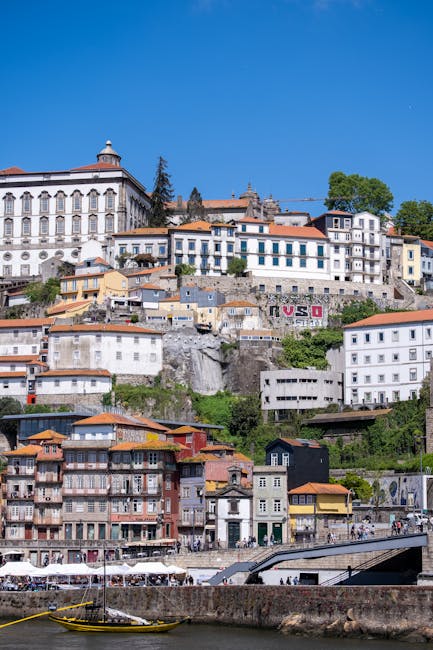
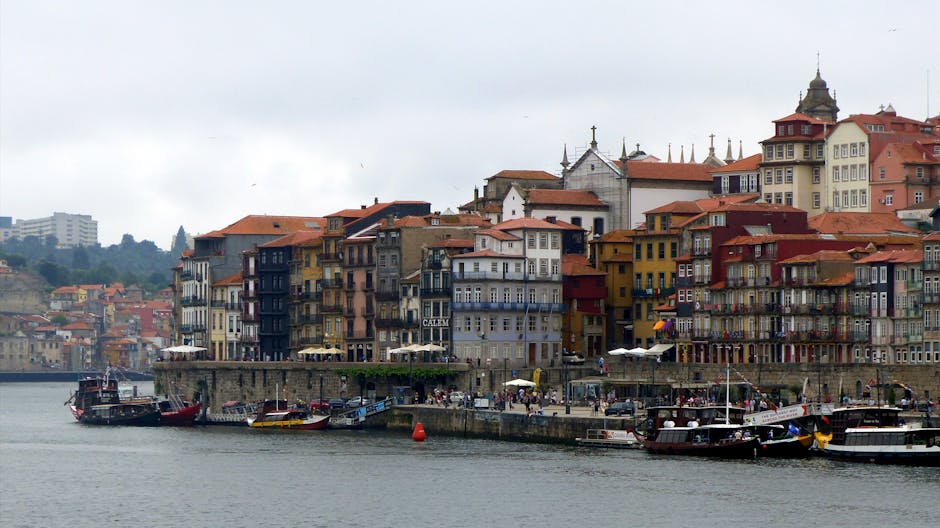
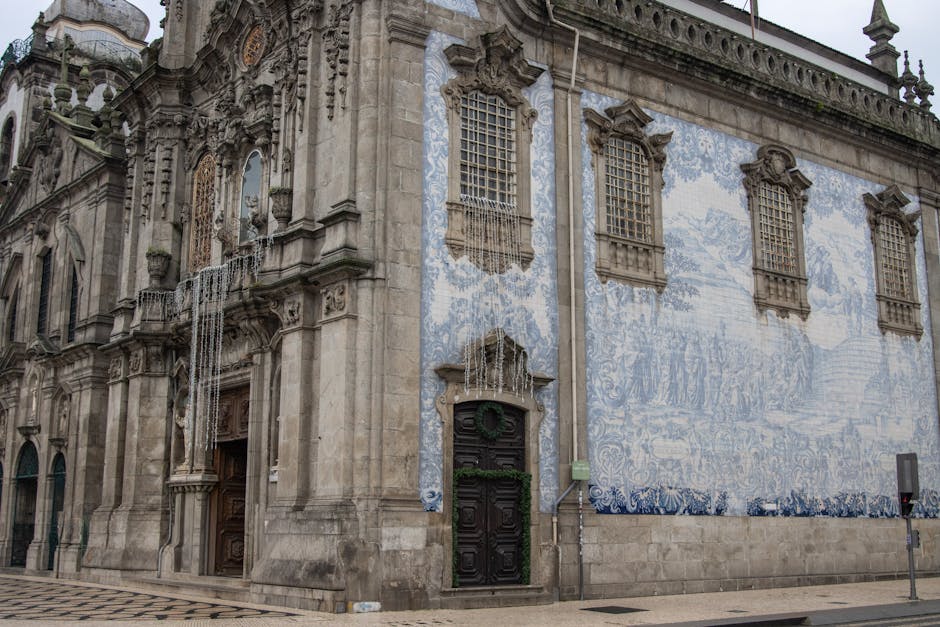
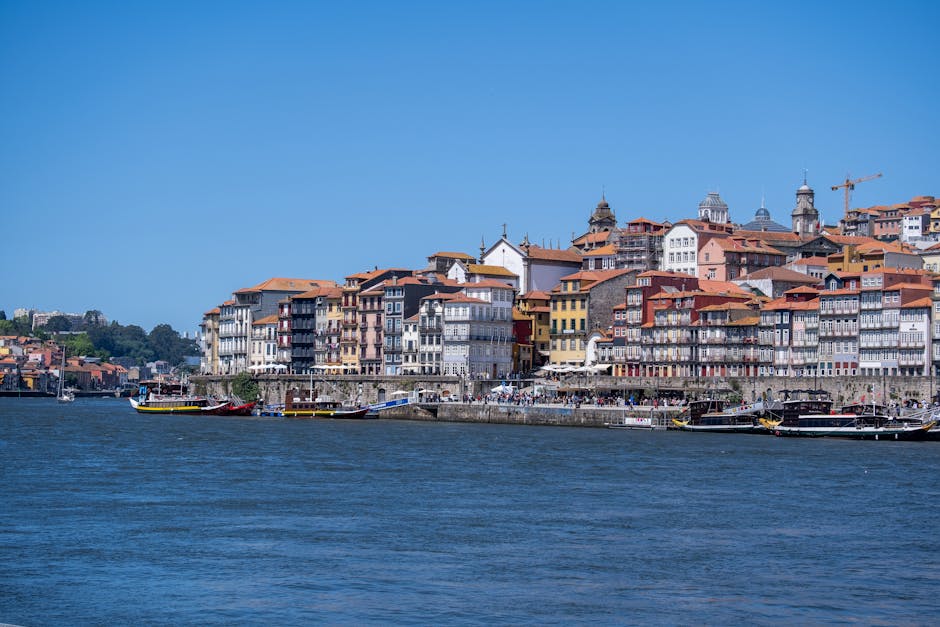
The UNESCO-listed Ribeira waterfront is Porto’s postcard image: tall, narrow houses painted in every shade of terracotta, yellow, and blue, leaning over each other as they cascade down to the river. It’s been a commercial hub since medieval times, and while the restaurants lining the waterfront are now firmly aimed at travelers (with prices to match), the alleys behind them still contain family-run tascas (taverns) where locals eat lunch for half the price. Walk two streets back from the water and the vibe shifts completely — laundry hanging between buildings, elderly neighbours chatting from balconies, cats asleep on doorsteps. This is the Porto that walking tour guides love showing visitors, and it’s a world away from the selfie-stick crowds along the quayside.
The Clérigos Tower
This 76-metre Baroque tower was once the tallest structure in Portugal, and climbing its 240 steps rewards you with a 360-degree panorama that puts all of Porto’s geography into context. From the top, you can see how the city spills down the hillside to the river, with the wine cellars of Gaia directly opposite and the Atlantic glinting on the horizon. The tower was designed by Nicolau Nasoni, an Italian architect who essentially shaped Porto’s skyline in the 18th century — he’s buried in the church at the tower’s base, which he also designed.
Entry costs around 8 euros (2026 prices) and the queue moves quickly. The staircase is narrow and spiral, so if you’re claustrophobic, brace yourself for the final section. It’s worth the squeeze — the view from the top is the single best way to understand how Porto fits together before you walk it.
Vila Nova de Gaia — Across the Bridge
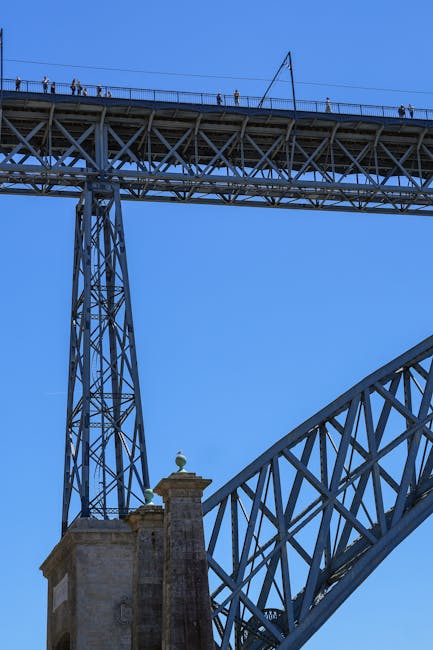
Walking across the upper deck of the Dom Luís I Bridge to Vila Nova de Gaia is a highlight of any Porto visit. The port wine cellars line the Gaia waterfront — Taylor’s, Sandeman, Graham’s, Ferreira — each offering tours and tastings that range from quick 30-minute overviews (around 15 euros) to premium aged port experiences that can run over an hour. Taylor’s terrace, perched above the river with sweeping views of Porto’s skyline, is particularly popular for sunset drinks — arrive before 5 PM in summer to get a good spot.
Even if you don’t do a formal cellar tour, the walk across the bridge at sunset, with Porto’s lights reflecting on the river, is one of those travel moments that justifies the entire trip. The Gaia side also has the Teleferico de Gaia, a short cable car ride from the bridge level down to the waterfront that gives you aerial views of the river and the rabelo boats moored below.
Practical Tips for Walking Porto
Shoes Matter
This isn’t a suggestion — it’s a requirement. Porto’s streets are paved with Portuguese cobblestones (calçada) that are beautiful but merciless on flat soles and high heels. Add the constant hills and stairways, and you need proper walking shoes with grip and cushioning. Sandals and fashion sneakers will leave you miserable by noon.
Hydration and Fuel
Porto’s hills generate a surprising amount of exertion, especially in summer. Carry water, and don’t skip breakfast — a francesinha (Porto’s legendary sandwich: layers of ham, sausage, and steak between toast, covered in melted cheese and a spicy tomato-beer sauce) is the traditional fuel for a morning walk, available at most cafes from around 10 AM. Alternatively, a pastel de nata and a strong coffee from any of the bakeries near Clérigos will tide you over.
Best Time to Walk
Morning is ideal — the light is best for photography, the streets are quieter, and you beat the afternoon heat in summer. Porto’s Mediterranean climate means mild winters (rarely below 8°C) but hot summers (frequently above 30°C). Spring (April-May) and autumn (September-October) offer the most comfortable walking conditions, with warm sunshine and manageable temperatures. Winter rain is common but rarely torrential — bring a light waterproof and embrace the moody atmosphere.
Getting Around Beyond Walking
Porto has an efficient metro system that connects the airport to the city centre in about 30 minutes, and it’s useful for reaching areas beyond walking distance — like the Foz do Douro neighbourhood where the river meets the Atlantic. But for the historic centre, walking really is the only practical option. The streets are too narrow for most vehicles, the cobblestones defeat bicycle tyres, and the hills make scooters more terrifying than fun. Embrace the walk — Porto’s beauty is in its details, and you miss everything at any speed faster than on foot.
Porto Card: Worth It?
The Porto Card offers free public transport and discounts at museums and attractions for 1-4 days. Whether it’s worth buying depends on your plans. If you’re doing a walking tour, visiting Lello, climbing Clérigos, and crossing to Gaia for a port tasting, you’ll save a few euros with the card. If you’re mainly walking the historic centre and eating — which is honestly the best way to spend time in Porto — you probably won’t recoup the cost. The free walking tours aren’t included on the card regardless.
Porto’s History: The Unconquered City
Porto’s claim to being “unvanquished” is more than marketing — it’s deeply rooted in the city’s identity and backed by genuine historical events that make most cities’ founding stories look tame. The walking tours use these stories to bring Porto’s streets alive — knowing why a building exists, who fought on which corner, and which revolution started in which square transforms Porto from a pretty backdrop into a living narrative.
Porto Gave Portugal Its Name
The Roman settlement here was called Portus Cale — “the port of Cale” — and when the medieval county that grew around it expanded south, it took the name “Portugal.” This means that Portugal is literally named after Porto, a fact that Porto residents will remind Lisboetas of at every opportunity. The rivalry between the two cities is real and occasionally heated, expressed most intensely through football (Porto vs Benfica) and subtle superiority complexes on both sides.
The City That Ate Tripe for Prince Henry
Porto’s residents are known as tripeiros — “tripe eaters” — and it’s a badge of honour, not an insult. The story goes that when Prince Henry the Navigator was preparing his fleet for the 1415 conquest of Ceuta in North Africa, Porto’s citizens donated all their meat to feed the sailors, leaving themselves with nothing but tripe (offal). They ate it, survived, and turned tripas à moda do Porto (Porto-style tripe) into the city’s signature dish — a stew of tripe, white beans, chorizo, and vegetables that’s still served in traditional restaurants today. If you see it on a menu, try it — it’s far more flavourful and comforting than the description suggests, especially on a rainy Porto afternoon.
Wellington Crossed Here
During the Peninsular War, the Duke of Wellington launched a daring crossing of the Douro in 1809, using commandeered wine barges to transport his troops across the river and surprise the French forces occupying Porto. The crossing succeeded, the French retreated in chaos, and Wellington’s reputation as a brilliant tactician was cemented. The spot where the crossing took place — near the current site of the Dom Luís I Bridge — is marked by a plaque that most walking tours will point out. The French had thought the river impassable, which made Wellington’s success all the more humiliating for Napoleon’s generals.
The Bridge That Eiffel’s Student Built
Porto’s most iconic landmark, the Dom Luís I Bridge, was designed by Théophile Seyrig, a student of Gustave Eiffel, and completed in 1886. The double-deck iron arch bridge was revolutionary for its time — the upper deck sits 45 metres above the river, making it one of the highest urban bridges in Europe when it opened. Today, the metro runs across the top deck while pedestrians and cars share the lower level. Walking across the upper deck is exhilarating, with the Douro gorge dropping away beneath the metal grating under your feet and panoramic views stretching in both directions. It’s genuinely one of the best free experiences in Porto — don’t skip it even if heights make you nervous.
More Porto and Portugal Guides
Porto rewards more than just walking. The Douro Valley wine tours take you two hours east into UNESCO-listed terraced vineyards where Portugal’s most famous wines are produced — complete with winery lunches, tastings, and river cruises through breathtaking scenery. For evening culture, Porto’s fado and port wine experiences pair live traditional music with tastings in atmospheric historic venues.
If you’re also visiting Lisbon, a day trip to Sintra covers fairytale palaces and dramatic Atlantic cliffs, while Lisbon’s fado shows offer a different style of the same haunting musical tradition — more intimate and melancholic than Porto’s version. For beach and adventure, the Algarve’s Benagil Caves down south are one of Europe’s most spectacular natural wonders, reachable by boat or kayak from several coastal towns. And if you’re spending time in Lisbon, sunset boat tours on the Tagus offer a completely different water experience — sailing past Belém Tower and under the 25 de Abril Bridge with wine in hand.