Two islands, one unforgettable lagoon ride.
This tour is interesting because you skip the usual Venice crowd rhythm and ride a private water taxi with your own small group, then get guided stops focused on glass and lace craft. I especially like the way the lagoon ride turns into a history lesson, and how the artisan demonstrations give you a real sense of why Murano and Burano became famous. One possible drawback: the demonstrations may feel short, and lace-making availability can vary, especially on Monday tours.
You also get a guide who tells the story in plain, human terms, with names like Sylvia, Elly, Carrie, Elena, Serena, and Frankie showing up in guide experiences people rave about. With up to 22 travelers, it stays manageable, and you’re not stuck searching for a pocket of space like you are on public boats.
Plan for a sun-and-legs kind of day. You’ll do moderate walking, some areas have little shade, and you’ll want a hat, sunscreen, and water—plus keep an eye out for the Venice Access Fee registration on certain dates.
- Key things to know before you go
- Why Murano and Burano Feel Like a Reset From Venice
- Private Boat Logistics: The Comfort Upgrade You Actually Notice
- Stop 1: Murano Glassblowing Workshop and What to Expect in 2.5 Hours
- The demonstration is the star—then you browse
- Why Murano’s history matters (even if you’re not a history buff)
- Time to look around (and where to aim)
- Stop 2: Burano Lace-Making and Color-First Canals
- Lace-making demo: watch, then move on to exploring
- Lace museum or just wander the photo streets
- How the Tour Time Actually Works (So You Don’t Feel Rushed)
- Price and Value: What You’re Paying For, and When It Makes Sense
- Practical Tips: Sun, Walking, and How to Get the Most From Your Guide
- Should You Book This Murano & Burano Tour?
- FAQ
- How long is the Murano & Burano guided tour?
- How big is the group?
- What transport is included?
- Are the glassblowing and lace-making demonstrations always guaranteed?
- Where do I meet the tour, and where does it end?
- What if the weather is bad?
- The Best Of Venice!
- More Boat Tours & Cruises in Venice
- More Tours in Venice
- More Tour Reviews in Venice
- Not for you? Here's more nearby things to do in Venice we have reviewed
Key things to know before you go
- Private water taxi for your group: no mixing with the bigger public-boat crowds
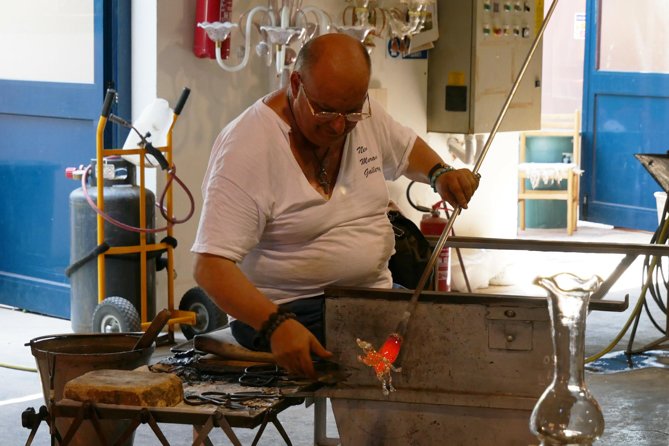
- Murano workshop visit (2.5 hours): glass demo plus time to browse and shop
- Burano lace-making (2.5 hours): hand-stitching demonstration and photo time around the houses
- Guide-led lagoon narration: the boat ride is part of the experience, not just transport
- Demo timing can vary: lace-making can be unavailable on Mondays; demonstrations may be brief
- Some sun, some walking: bring water and dress for comfort
👉 See our pick of the Which Venice Workshops & Classes To Choose? We Rank The 13 Best
Why Murano and Burano Feel Like a Reset From Venice
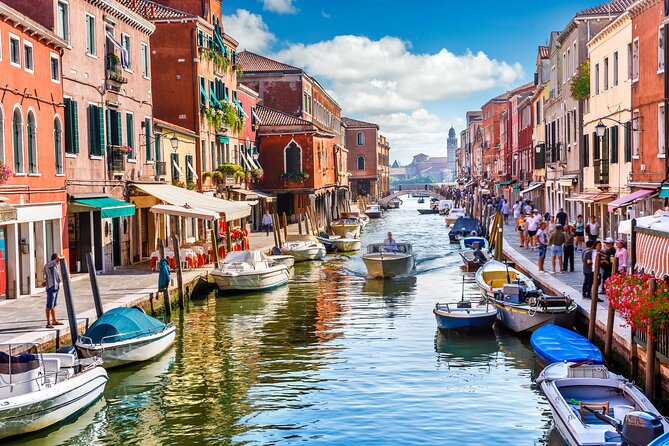
Venice can be beautiful and exhausting in the same breath. This tour gives you a cleaner rhythm: ride out on the lagoon, watch real craft work up close, then spend real time wandering at each island.
What I like most is that you’re not just taking photos and moving on. You get context for what you’re seeing—why Murano glass mattered so much that artisans were historically protected by strict rules, and why Burano’s lace craft became a legacy locals kept alive.
You can also read our reviews of more boat tours in Venice


Private Boat Logistics: The Comfort Upgrade You Actually Notice
The biggest practical win here is transportation. You meet in central Venice near the Riva degli Schiavoni area (at the Monument to Victor Emmanuel II), then head out by private boat with your guide and group.
Compared with vaporetti, it’s quieter and calmer. You’re not negotiating entrances, dealing with packed lines, or sharing the same boat with random groups—your ride stays focused, and your guide can point out sights as you cruise.
You’ll also feel the difference on return. Going back to Venice on the same schedule means you don’t waste your vacation time guessing which ferry to catch or how quickly you can get back to your next plan. The tour ends back on Riva degli Schiavoni near Hotel Gabrielli Sandwirth.
Stop 1: Murano Glassblowing Workshop and What to Expect in 2.5 Hours
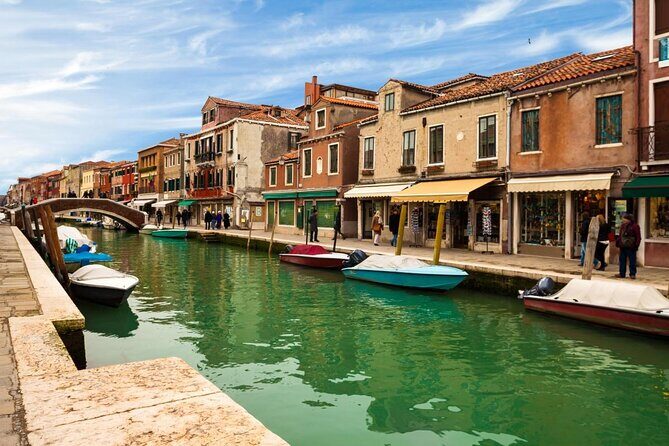
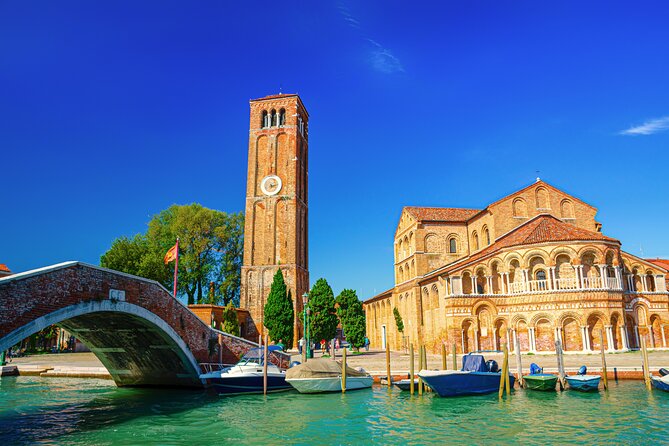
Murano is the island most people picture when they think of Venice’s artisan side. Here, you’ll visit a specially chosen glassblowing workshop where you’ll see modern glassblowers work with techniques tied to the island’s legendary past.
The demonstration is the star—then you browse
The schedule includes admission and a glassblowing demonstration, followed by time in the workshop’s gallery/showroom. This is where the tour can surprise you in a good way: the finished pieces often look more impressive than you expect after watching only a short process.
Some reviews point out that the demo portion can be brief, with the hands-on moment lasting around minutes rather than turning into a full masterclass. That doesn’t ruin the visit, but it does affect expectations—think watch-and-learn, not hands-on training.
Why Murano’s history matters (even if you’re not a history buff)
Your guide explains why Murano became a glass powerhouse. The story is dramatic: for centuries, glassmaking secrets were guarded so intensely that sharing them could historically be punished by execution. You don’t need to remember every date for it to land—you just feel why this craft was treated like serious power.
You can also read our reviews of more guided tours in Venice


Time to look around (and where to aim)
You also get around 2 hours 30 minutes on Murano. That’s enough to do two things well: browse the showroom/gallery, then step out for slower island time.
If you want a low-stress plan, focus on canal-side wandering and the feeling of the island rather than trying to tick off everything. One info note you’ll want to keep in mind: the order of stops and demonstrations can shift with local conditions.
Stop 2: Burano Lace-Making and Color-First Canals
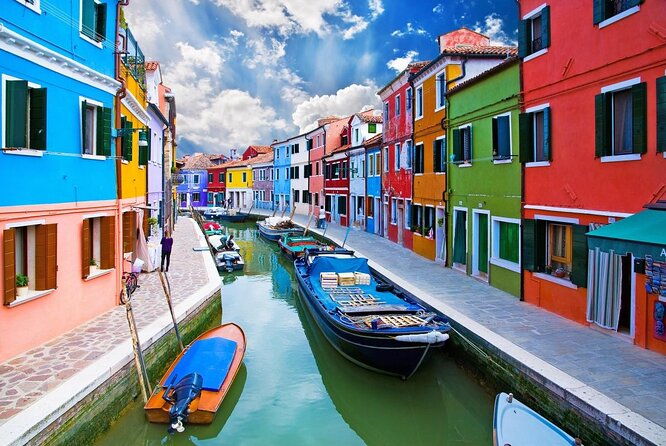
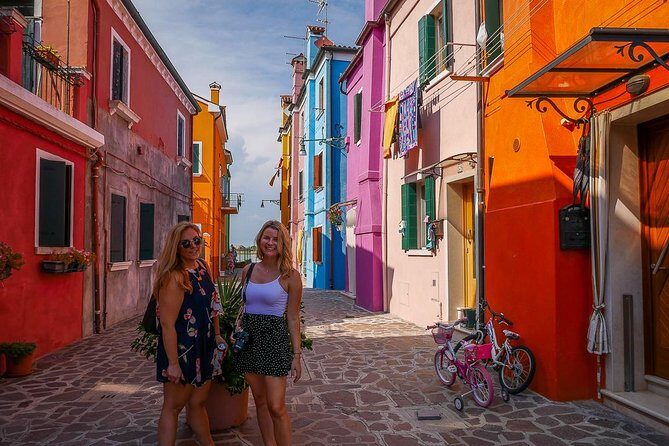
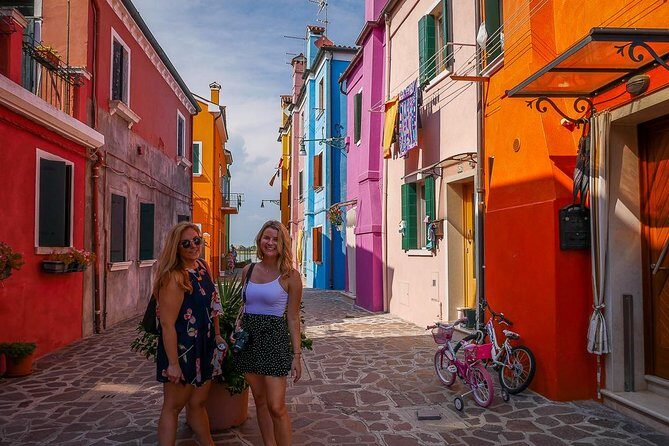
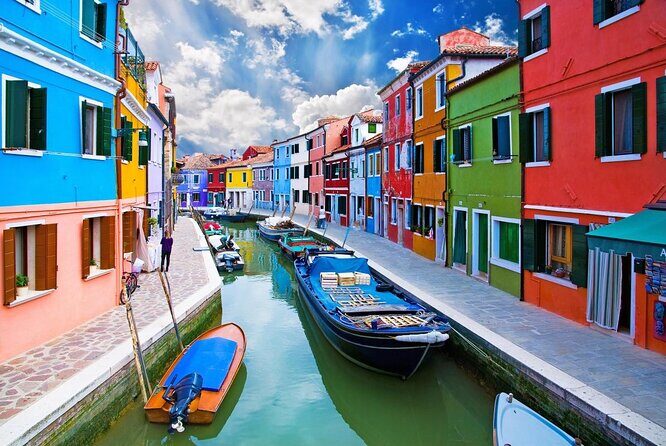
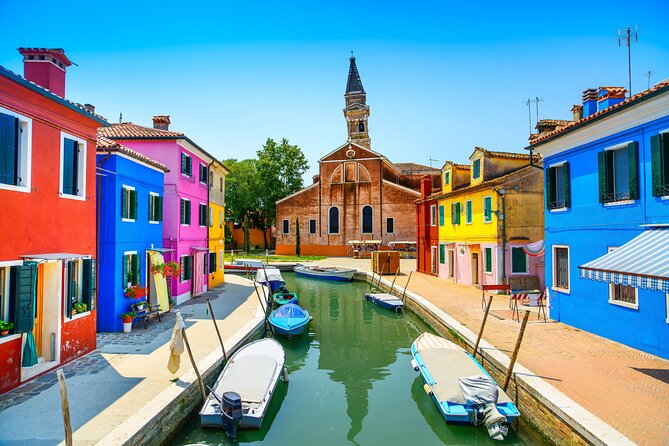
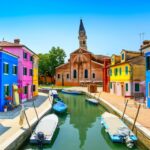
Burano is where Venice’s arts-and-crafts side turns into something you can almost taste. It’s famous for handmade lace and the island’s unmistakable look—bright houses that make for standout photos from canals.
Lace-making demo: watch, then move on to exploring
You’ll see lace being hand-stitched the way it has been for generations. This is the part that changes your viewpoint fast: lace isn’t just a pretty pattern, it’s labor, tension, repetition, and skill.
Important caveat: the lace-making demonstration is not always available on Monday tours. If your dates fall on a Monday, I’d treat Burano more as a lace legacy + island wandering visit rather than counting on a specific demo moment.
Lace museum or just wander the photo streets
You also get time to visit the lace museum if you want it. Or you can skip the indoor element and spend your hours outside—Burano’s canal-side walkways and colorful facades give you constant photo opportunities without much searching.
One theme I noticed in the guide feedback: people love using this time to slow down and enjoy simple food breaks too. Gelato gets mentioned often, and lunch tends to be the natural move once you’ve finished the demonstrations.
How the Tour Time Actually Works (So You Don’t Feel Rushed)
This is about a 5-hour tour with two island stops, each around 2.5 hours. Since the pace is built around demonstrations plus exploration, your experience depends on how you balance the guided parts with your own walking and looking.
Here’s a realistic way to think about it:
- On Murano, you’ll spend time at the workshop first, then you’ll likely keep most of your “free” energy for browsing and light island wandering.
- On Burano, the hand-lace viewing and/or museum time tends to take the first chunk, then the rest becomes your own island roam, photo stop, and coffee or lunch time.
Some people loved the structured stops because it made the islands feel bigger than a quick day trip. Others felt like the craft demos were shorter than they expected, and the value is more in the transportation + guide + guided context than in turning it into a long training session.
Either way, the main takeaway is this: if you want deep craft technique lessons, adjust your expectations and treat this as a guided introduction that points you toward what to look for.
Price and Value: What You’re Paying For, and When It Makes Sense
At about $36.28 per person, the price is hard to ignore—especially because it includes round-trip private boat for your group plus guide time and admission tickets for both island stops.
That’s the value formula. If you’re trying to see Murano and Burano in a way that doesn’t eat your day planning routes and waiting for connections, the private boat and timed stops can be worth it quickly.
That said, there’s a key trade-off. You’re not paying for long guided-only time inside workshops; you’re paying for coordinated transportation and a guided entry into the craft. One review criticized the experience as mostly transportation with short demo bursts. I think that’s only an issue if you’re expecting a full, classroom-length explanation.
If your goal is a smooth, well-timed day with good narration and enough island time to actually enjoy yourself, the price feels reasonable—many people also mention that the boat ride commentary made the day better than they expected.
Practical Tips: Sun, Walking, and How to Get the Most From Your Guide
Venice lagoon days come with two predictable problems: sun and getting overheated while standing around. This tour includes areas with little shade, so bring a hat, sunscreen, and a bottle of water in warm weather.
You’ll also want comfortable shoes. The tour notes say moderate walking, and in real life that means you’ll be on and off boats and moving through island streets and canal paths.
One small strategy that helps: let the guide do the first explanation for Murano and Burano, then use your free time to ask yourself what you’re drawn to. If you love materials and processes, spend extra time looking at glass pieces up close and lace details. If you just want photos and atmosphere, shift your focus to canal corners and colorful house fronts in Burano.
Finally, don’t be shy about the “human” part of the tour. Reviews mention that guides like Sylvia, Elly, Carrie, Elena, Serena, Monica, and Frankie often share local recommendations beyond the strict itinerary. That can help your timing for food stops without derailing the tour flow.
Should You Book This Murano & Burano Tour?
Book it if you want a simple, low-stress day with private boat comfort, clear guided storytelling, and enough time on each island to see more than just a showroom window. It’s a great fit for first-time Venice visitors who want lagoon scenery without turning their day into logistics.
Skip (or at least recalibrate expectations) if you’re chasing long, deep craft instruction. This tour is built around a guided introduction and island exploration, and the demonstrations can feel brief depending on the workshop flow and the day’s availability.
If your dates include Monday, treat Burano lace demonstration availability as variable. And regardless of day, plan for sun and walking so you can actually enjoy the time you’re given.
If you want Murano’s glass and Burano’s lace with guided context plus the practical payoff of private transportation, this is an easy yes. Just go in expecting a curated highlight day, not a full-day master artisan course.
FAQ
How long is the Murano & Burano guided tour?
The tour runs about 5 hours (approx.), with about 2 hours 30 minutes at each island.
How big is the group?
The group is kept small, with a maximum of 22 travelers.
What transport is included?
You get round-trip transportation by private boat for your tour group, instead of using public vaporetti.
Are the glassblowing and lace-making demonstrations always guaranteed?
Glassblowing on Murano is included, but the lace-making demonstration in Burano is not always available on Monday tours. Demonstrations can also change without notice due to local conditions.
Where do I meet the tour, and where does it end?
The start is at Monument to Victor Emmanuel II on Riva degli Schiavoni. The tour ends near Hotel Gabrielli Sandwirth on Riva degli Schiavoni, close to San Marco.
What if the weather is bad?
The tour operates in all weather, but if it’s canceled due to poor weather you’ll be offered a different date or a full refund.