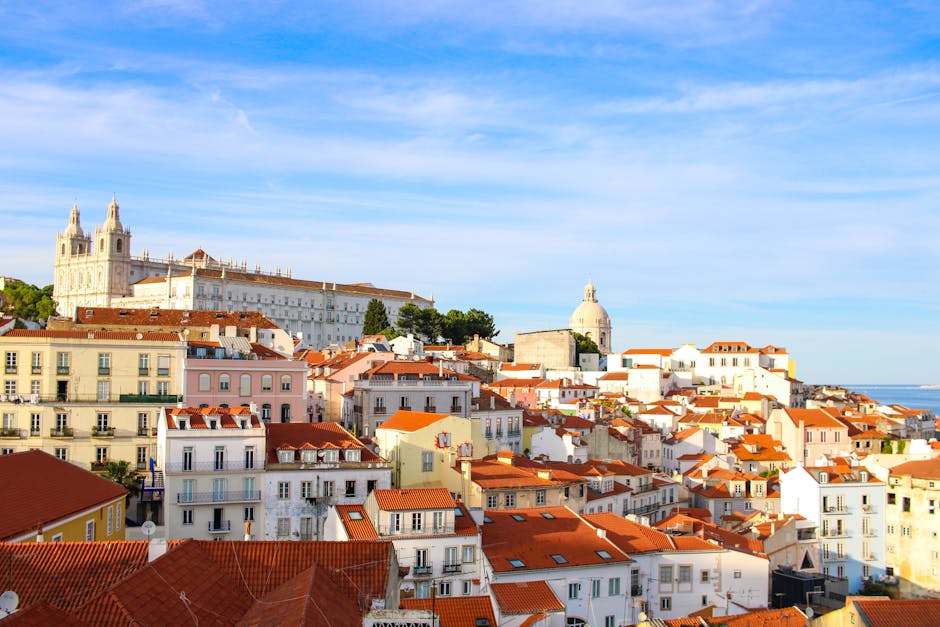
Sintra sits about 30 kilometres west of Lisbon, tucked into forested hills where the Atlantic mist rolls in and stays. The town is small enough to walk across in twenty minutes, yet it contains more palaces, castles, and estates per square kilometre than almost anywhere in Europe. Most visitors treat it as a day trip from Lisbon, and honestly, that’s the right call — one full day lets you hit the highlights without paying Sintra’s steep hotel prices.
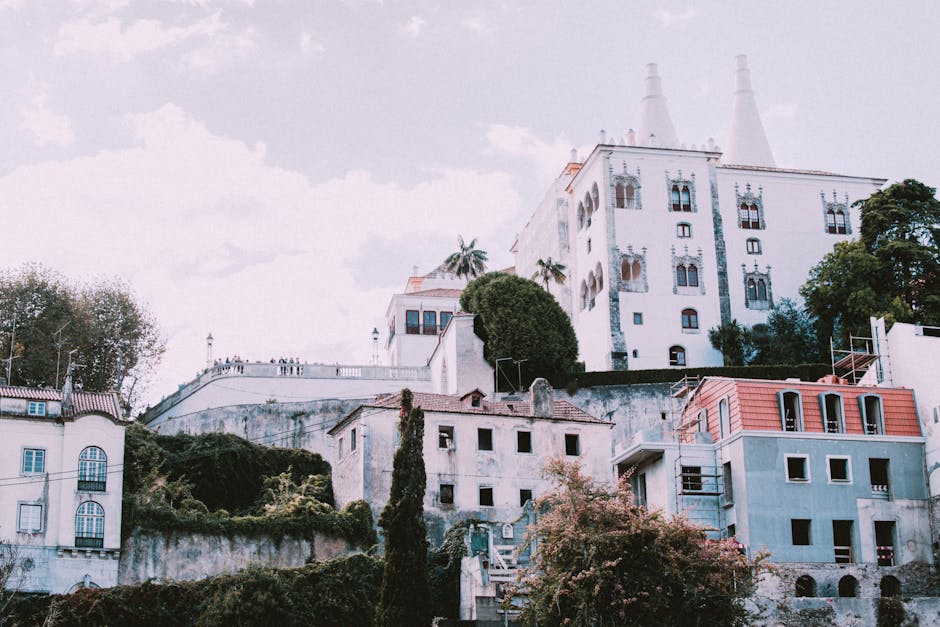
The question isn’t whether Sintra is worth visiting — it absolutely is. The question is how to tackle it without losing half your day in queues, missing the best bits, or arriving back in Lisbon so exhausted you skip dinner. Having sorted through thousands of traveller reviews and compared every route option, here’s a practical breakdown of what actually works.
The Sintra, Pena Palace, Cabo da Roca & Cascais full-day tour is the one to book. It covers all four key stops, includes hotel pickup, and has over 10,000 reviews averaging nearly perfect scores. Guides handle the logistics so you just enjoy the scenery. If you want Quinta da Regaleira added, go with the version that includes Regaleira instead.
- Why a Guided Tour Makes More Sense Than DIY
- Recommended Tours for a Sintra Day Trip
- 1. Sintra, Pena Palace, Cabo da Roca & Cascais — The Classic Route
- 2. Sintra, Pena, Regaleira, Cabo Roca Coast & Cascais — The Extended Version
- 3. Sintra, Pena, Cabo da Roca, Cascais Tour with Pickup — Small Group with Door-to-Door Service
- 4. Sintra & Cascais Small Group with Tickets Included
- What You’ll Actually See on the Route
- Pena Palace — The Headline Act
- Cabo da Roca — Europe’s Western Edge
- Cascais — The Civilised Finish
- Quinta da Regaleira — The Mysterious One
- Booking Tips and Practical Advice
- When to Go
- What to Wear
- What to Eat
- Avoiding Crowds
- Photography Tips
- Sintra’s Hidden History: From Moorish Fortress to Royal Retreat
- The Moors Were Here First
- A German Prince Built Portugal’s Most Portuguese Palace
- The Town Palace and Its Twin Chimneys
- The Initiation Well at Regaleira
- Byron’s “Glorious Eden”
- More Lisbon and Portugal Guides
Why a Guided Tour Makes More Sense Than DIY
Here’s the thing about doing Sintra independently: the train from Lisbon’s Rossio station takes 40 minutes, which sounds fine. But then you’re standing in a queue for the bus up to Pena Palace, which in summer can mean an hour of waiting in the sun. Then there’s the separate ticket queue at Pena itself. Then you need to figure out how to reach Cabo da Roca (spoiler: no direct public transport) and Cascais, which means backtracking to Sintra station first.
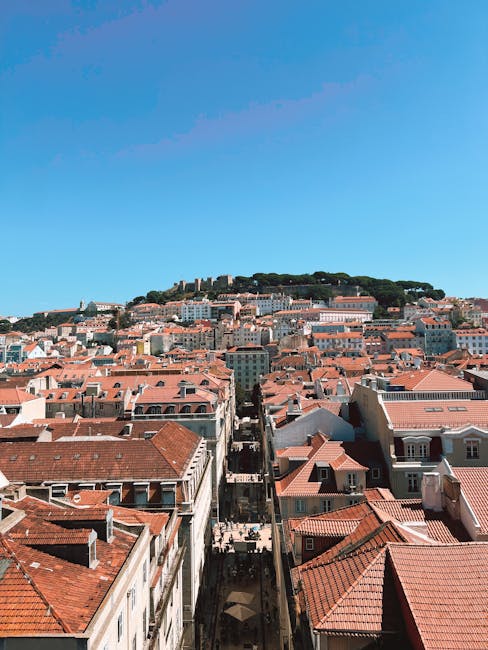
A guided tour eliminates every one of those headaches. You get picked up from your hotel or a central meeting point, driven directly to each stop, and — crucially — your guide knows exactly when to arrive at Pena Palace to dodge the worst crowds. The cost difference is surprisingly small once you factor in train tickets, bus fares, and Pena’s entrance fee (which alone runs around 14 euros).
There’s also the navigation factor. Sintra’s road system is a tangle of one-way streets, narrow lanes, and sudden roundabouts that confuse even GPS systems. Parking near the palaces in summer is essentially a competitive sport, with cars circling the same blocks for thirty minutes looking for a spot. Tour guides know the back routes, the alternative drop-off points, and which parking areas still have space at 10 AM. It’s the kind of local knowledge you can’t replicate with Google Maps.
Recommended Tours for a Sintra Day Trip
1. Sintra, Pena Palace, Cabo da Roca & Cascais — The Classic Route
This is the tour that most people should book, and the numbers back that up — over 10,000 reviews with an average rating that hovers near perfect. The itinerary hits the four essential stops in the right order: Pena Palace first (before the afternoon hordes), then down through Sintra’s historic centre, out to Cabo da Roca for the dramatic clifftop views, and finishing in Cascais for a waterfront stroll before heading back to Lisbon.
Groups are kept small — typically a minibus of eight to twelve people — and the guides are genuinely passionate about Portuguese history. One reviewer, Tatsuo, summed it up well: “Leo, who used to be a history teacher, gave detailed and wonderfully humorous explanations that made the trip many times more enjoyable. It was an incredibly valuable tour that allowed us to learn about Portuguese history from ancient times through Islamic rule, the Reconquista, absolute monarchy, the great earthquake, the revolution, and all the way to the present day.”
The tour runs roughly 8 hours including pickup and drop-off. Wear comfortable shoes — Nicole’s review puts it bluntly: “Wear comfortable shoes you will be doing a lot of walking but the views are worth it.”
Read reviews and check prices for this tour
2. Sintra, Pena, Regaleira, Cabo Roca Coast & Cascais — The Extended Version
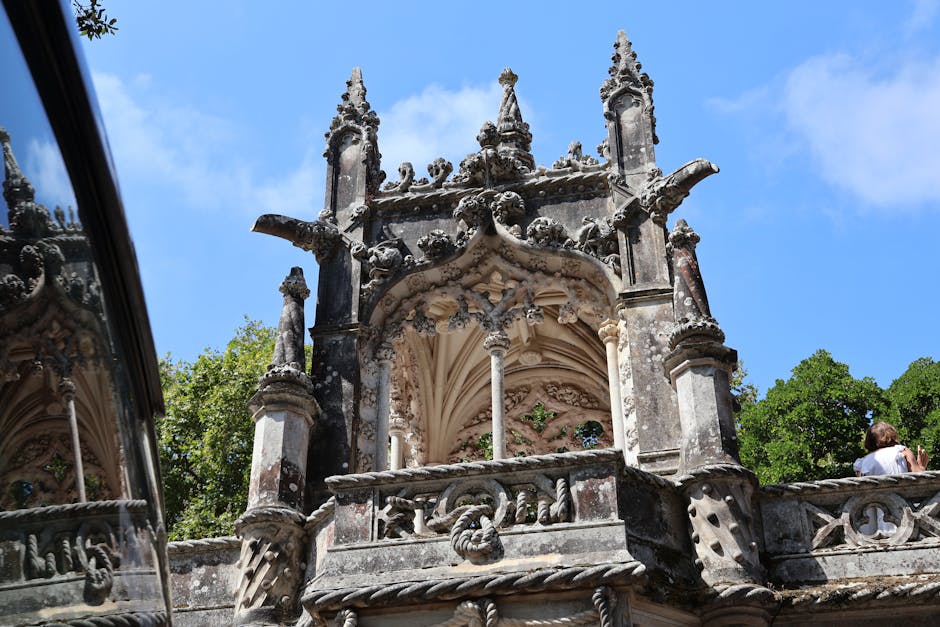
If you’ve got a full day and want the deepest possible experience, this tour adds Quinta da Regaleira to the standard route. Regaleira is the estate that Instagram made famous — the Initiation Well, the underground tunnels, the Gothic chapel — and it genuinely lives up to the hype. Adding it does mean slightly less free time at each stop, but most reviewers say it’s worth the trade-off.
With 6,499 reviews, this one’s also battle-tested. Desislava wrote: “Fransisco was a wonderful guide. He explained so many things and helped us in every situation. I recommend this tour to everyone who wants to have an unforgettable time in Sintra and Cascais.” Another reviewer, Sue, called her guide “amazing” and noted it’s “a great way to spend 11 hours.”
The longer duration is worth noting. This tour runs 10-11 hours, so you’ll be getting back to Lisbon in the early evening. Plan dinner reservations for 8:30 PM or later.
Read reviews and check prices for this tour
3. Sintra, Pena, Cabo da Roca, Cascais Tour with Pickup — Small Group with Door-to-Door Service
This variant is worth considering if hotel pickup matters to you. The operator collects you from your Lisbon accommodation and drops you back at the end — no walking to meeting points, no standing around in a crowd trying to identify your guide. With 5,445 reviews, it’s proven and reliable.
Julia’s review captures what makes the door-to-door service appealing: “As someone who usually goes on self-guided tours, I found it to be a breath of fresh air to have everything taken care of. I was so exhausted (in a good way) by the end of the day.” And Anastasia noted the efficiency: “We left at 8 a.m. and returned to Lisbon around 5 p.m. It was a very eventful trip with lots of beautiful views and stops with free time to walk around on our own.”
Read reviews and check prices for this tour
4. Sintra & Cascais Small Group with Tickets Included
The budget-conscious option that still delivers. This tour includes admission tickets in the price, which means no surprise costs on the day and no standing in ticket queues. With 2,237 reviews and strong ratings, it’s particularly popular with travellers who want a straightforward, no-hassle experience.
Glenn appreciated the flexibility: “We liked the small group for this activity. We were given time to wander on our own. The sites visited were exactly as advertised, but the small group gave us flexibility to decide to spend more time in one place than another.” That balance between guided information and personal exploration time is exactly what most people want.
One practical advantage of the tickets-included format: Pena Palace’s ticket counter regularly has 20-30 minute waits during peak season. Having your tickets pre-arranged means you can walk past the queue and head straight to the entrance — that saved time adds up when you’re trying to fit four stops into a single day.
Read reviews and check prices for this tour
What You’ll Actually See on the Route
Pena Palace — The Headline Act
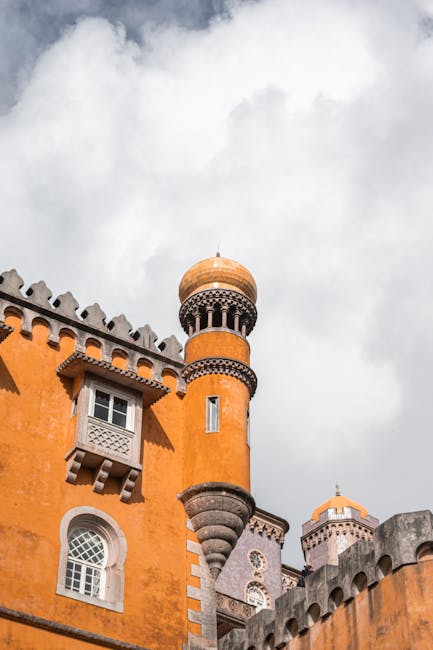
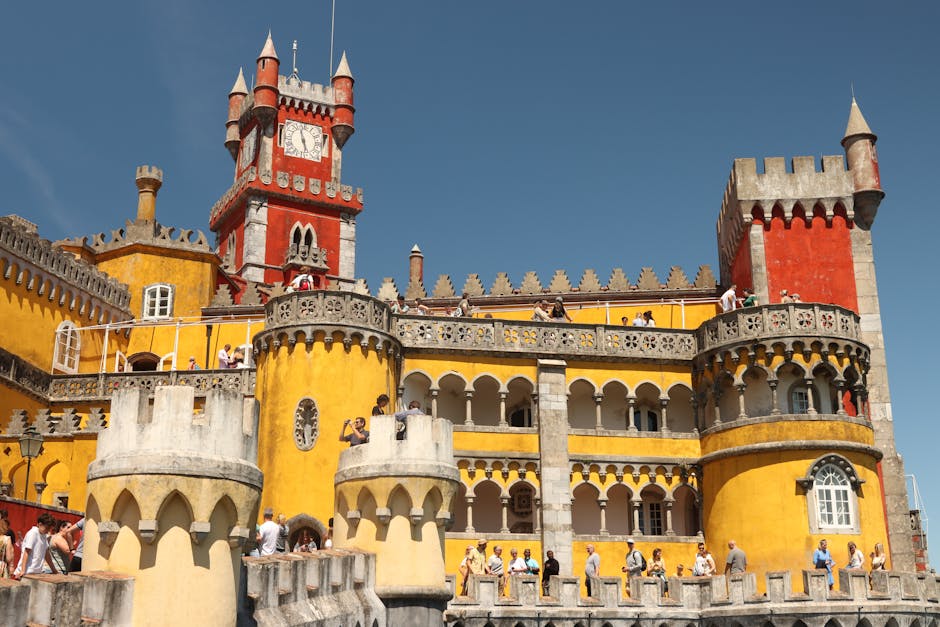
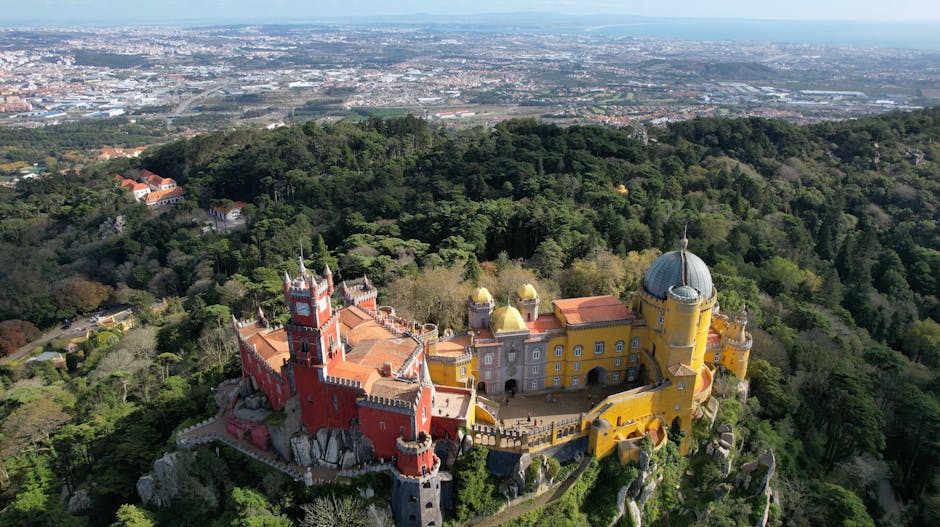
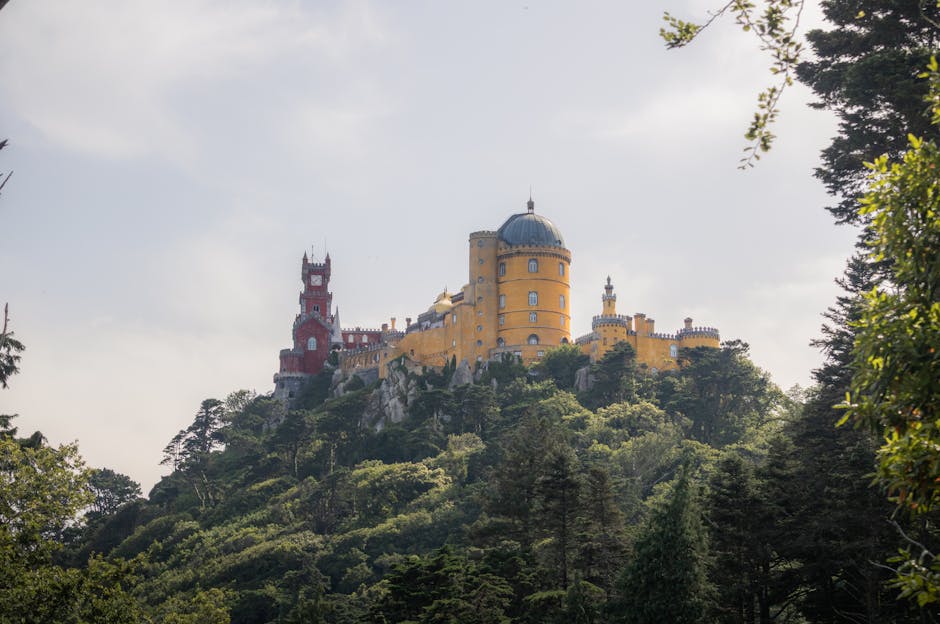
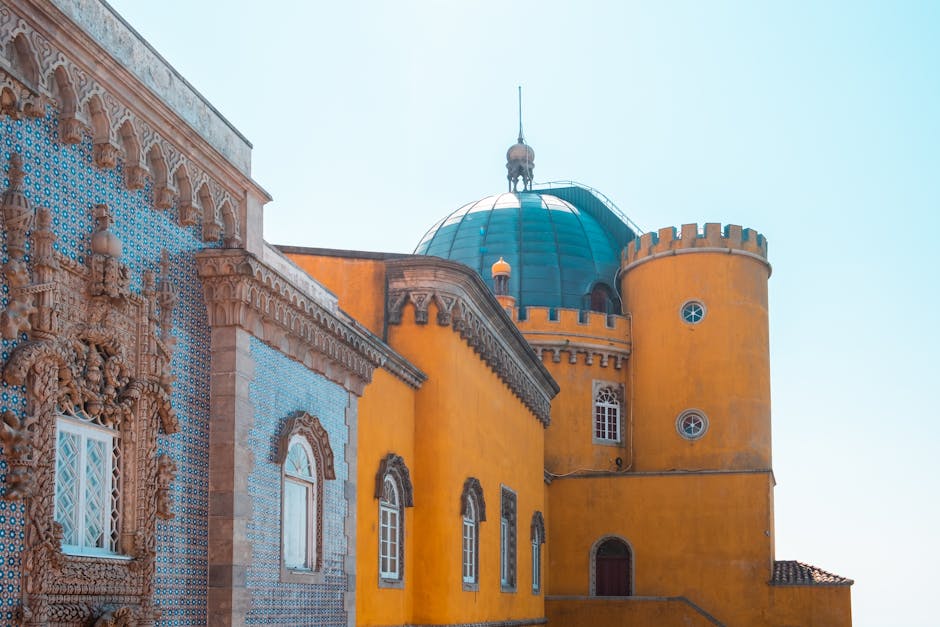
Pena Palace is the reason most people visit Sintra, and it delivers. Built in the 1840s by King Ferdinand II atop the ruins of a 16th-century monastery, it’s a deliberate mash-up of every architectural style that caught the king’s eye: Manueline archways, Moorish minarets, Gothic turrets, and walls painted in shades of yellow and terracotta that look outright theatrical against the surrounding forest.
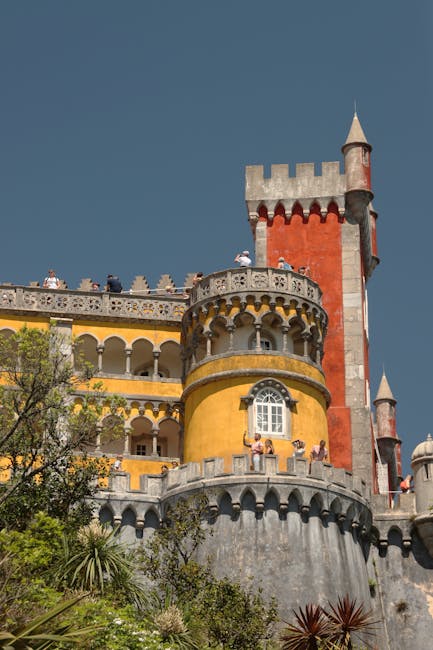
The interior is just as over-the-top as the exterior. The royal apartments are preserved almost exactly as they were when the Portuguese monarchy fell in 1910 — Queen Amelie’s bedroom still has her personal items on display. On a clear day, the terrace views stretch from the Atlantic coast to Lisbon’s skyline, which is a genuinely breathtaking panorama that justifies the steep walk up from the entrance gate.
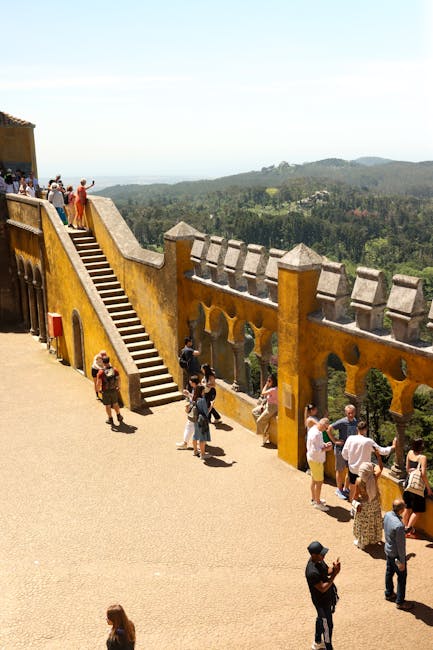
Practical tip: the walk from the entrance gate to the palace itself takes about 15 minutes uphill. Tours typically drop you at the top, but if you’re doing it independently, budget time and energy for the climb.
Cabo da Roca — Europe’s Western Edge
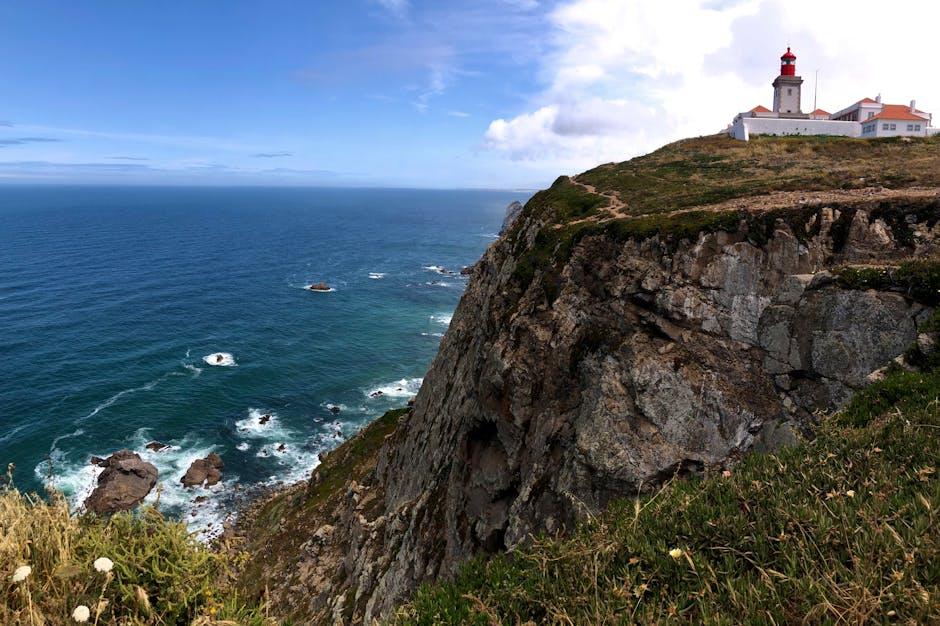
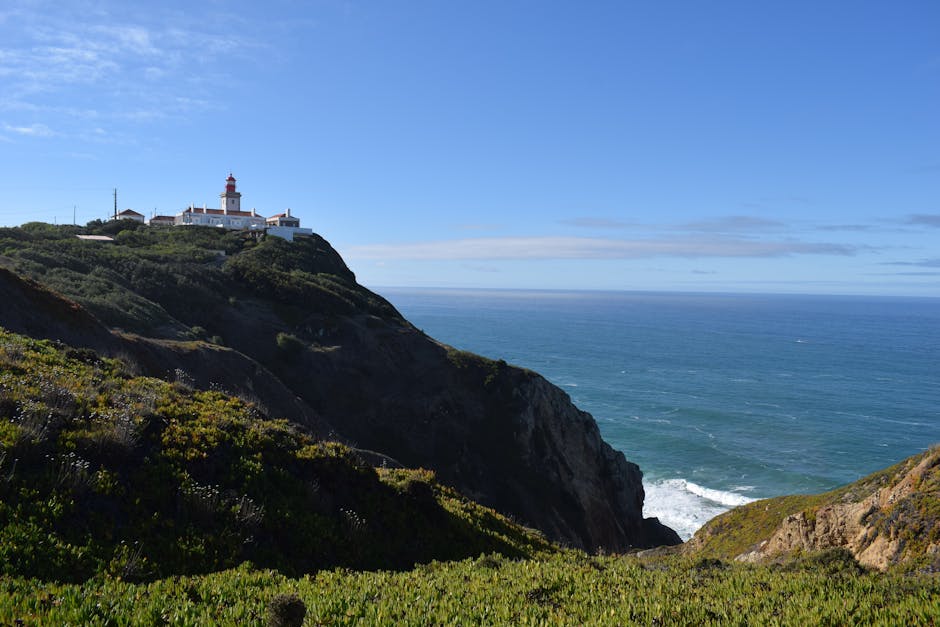
Standing at Cabo da Roca is one of those travel moments that actually delivers the emotion the guidebooks promise. This is the westernmost point of mainland Europe — nothing but Atlantic Ocean between you and North America. The cliffs drop 140 metres straight down to churning water, and the wind is almost always howling, which adds to the drama.
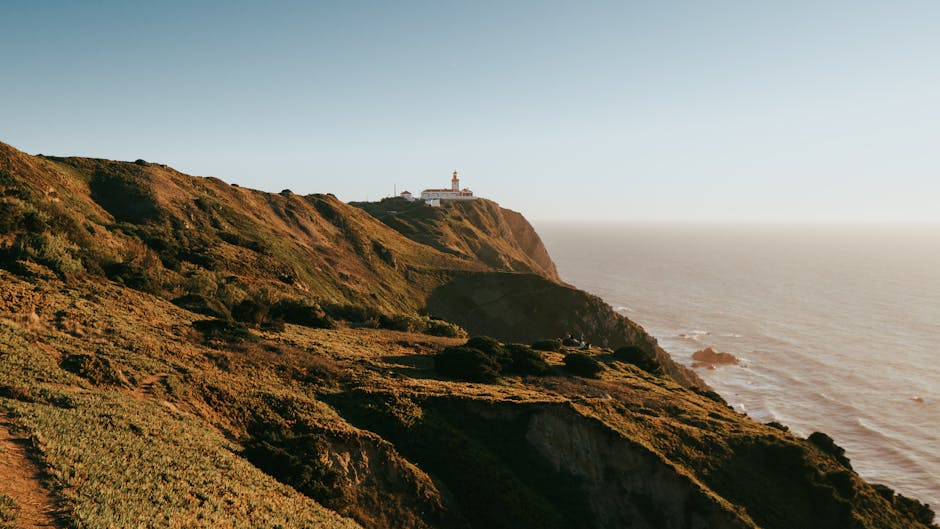
There’s a small monument with a cross, a lighthouse, and a gift shop where you can buy a certificate confirming you stood at the edge of the continent (it’s touristy but fun). Most tours give you 20-30 minutes here, which is enough to take photos, feel the wind in your face, and contemplate the fact that 16th-century Portuguese sailors left from near this spot not knowing if they’d ever see land again.
Cascais — The Civilised Finish
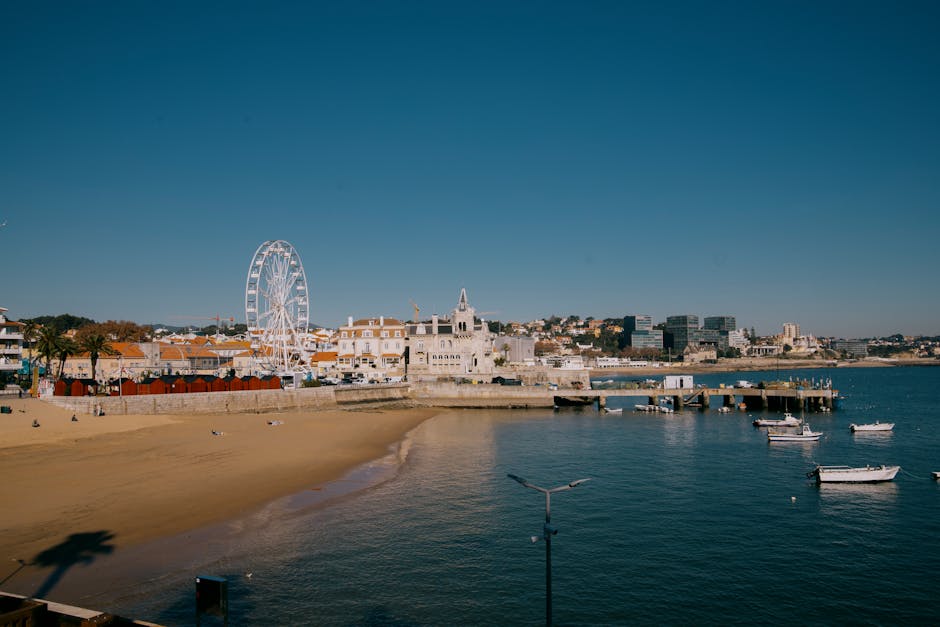
After the intensity of Pena Palace and the raw drama of Cabo da Roca, Cascais is the perfect wind-down. This former fishing village turned upmarket resort town has a gorgeous waterfront promenade, excellent seafood restaurants, and the kind of laid-back atmosphere that makes you want to cancel your evening plans and just stay.
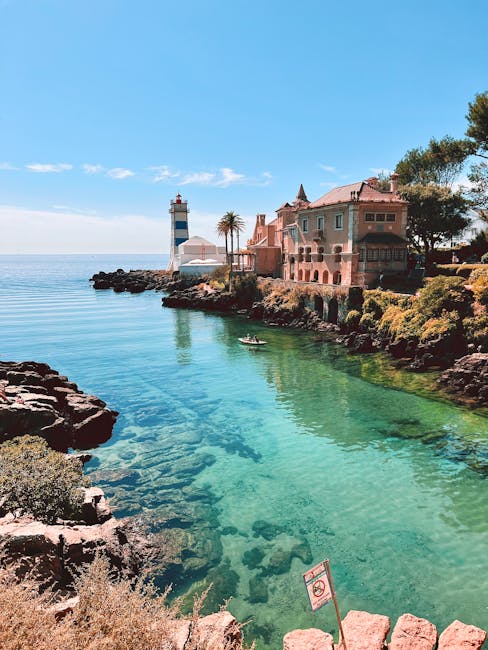
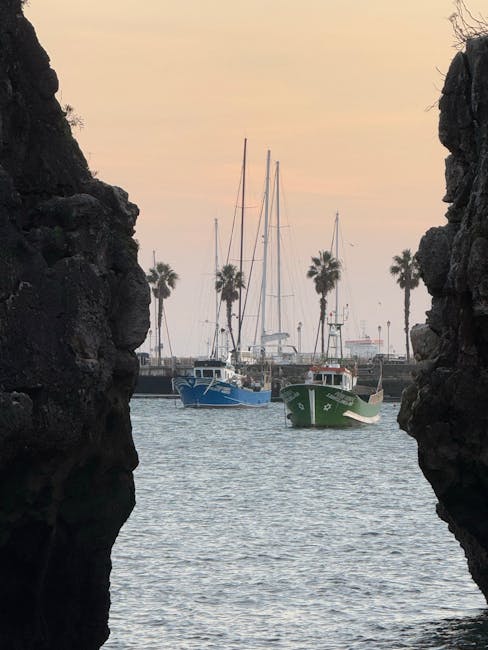
Most tours give you 30-45 minutes of free time in Cascais. Use it to grab a pastel de nata (custard tart) from one of the bakeries near the marina, walk along the harbour wall, or just sit on a bench and watch the boats. If your tour happens to arrive near sunset, the light on the water is genuinely spectacular. The town also has a small but excellent art museum, the Casa das Historias Paula Rego, which is free to enter and architecturally striking — worth a quick look if you have time to spare.
Quinta da Regaleira — The Mysterious One
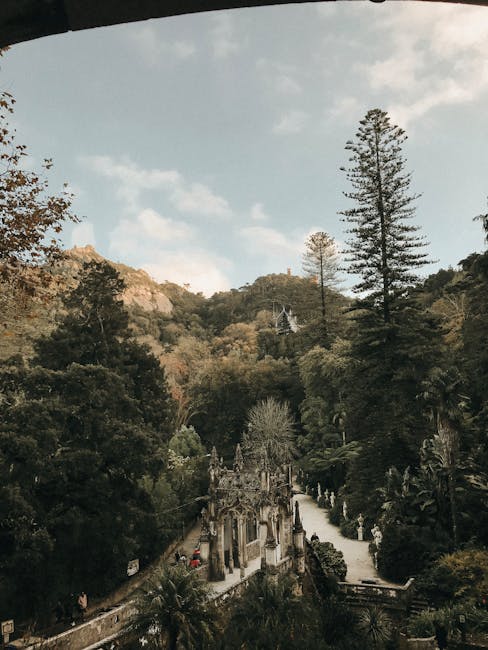
Not every tour includes Regaleira, but the ones that do are worth the extra time. This estate was built in the early 1900s by a Brazilian-Portuguese millionaire named Carvalho Monteiro, who was deeply into Freemasonry, Templar mythology, and the occult. The result is an estate that feels like walking through a Dan Brown novel — underground tunnels connect hidden wells, a chapel covered in esoteric symbols overlooks gardens designed with alchemical principles, and the famous Initiation Well descends nine levels into the earth, each level representing a circle of Dante’s Inferno.
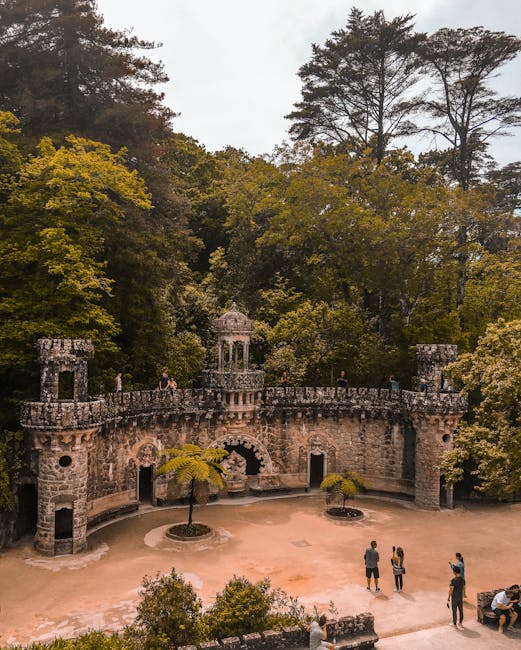
The gardens alone could fill an afternoon. Paths wind through fern-covered grottos, past waterfalls and ornamental lakes, up to viewpoints where you can see the main palace and chapel framed by centuries-old trees. It’s the most atmospheric spot in Sintra, which is saying something in a town that practically invented atmosphere.
Booking Tips and Practical Advice
When to Go
Sintra is a year-round destination, but the experience varies dramatically by season. Summer (June through August) means the best weather but also the biggest crowds — Pena Palace can have queues stretching 45 minutes or more for entry. Spring and autumn are the sweet spot: warm enough to enjoy the outdoor attractions, cool enough that the walks aren’t punishing, and substantially fewer visitors.
Winter has its own charm. Sintra’s microclimate means more fog and rain than Lisbon, which actually makes the palaces and forests look more romantic and mysterious. You’ll have the attractions almost to yourself, though some outdoor areas may close in heavy weather.
Weekdays are consistently better than weekends throughout the year. Sintra gets a lot of domestic visitors from Lisbon on Saturdays and Sundays, so even in the quieter shoulder seasons, a Tuesday or Wednesday visit will feel noticeably calmer. If your schedule allows it, avoid Fridays too — some tour operators run larger groups on Fridays to accommodate the weekend spillover.
What to Wear
Layers. Always layers. Sintra sits at a higher elevation than Lisbon and gets its own weather systems. You can leave Lisbon in sunshine and arrive in Sintra to find fog and a temperature drop of 5-8 degrees. Bring a light jacket even in summer, and wear shoes with grip — the cobblestone paths around the palaces get slippery when wet.
What to Eat
Sintra has its own pastry, and it’s worth seeking out. Travesseiros are pillow-shaped puff pastries filled with almond and egg cream, and queijadas de Sintra are small cheese tarts that have been made in the town since the 13th century. The most famous bakery is Piriquita on Rua das Padarias, which has been making both since 1862. If your tour includes free time in Sintra town, skip the tourist restaurants and head straight there — the queue moves fast and the pastries are worth every minute of waiting.
For a proper meal, most tours stop in Cascais at the end, where the seafood is excellent and reasonably priced. Grilled sea bass (robalo grelhado) with a glass of Vinho Verde is the classic choice, and nearly every restaurant along the harbour serves it.
Avoiding Crowds
Book a tour that departs early — 8 AM or earlier from Lisbon if possible. The first coaches arrive at Pena Palace around 9:30 AM, and by 11 AM the place is heaving. Guided tours that start early get you there in that golden window when the crowds haven’t arrived and the morning light is at its best.
Photography Tips
Morning light at Pena Palace hits the yellow and terracotta walls at the most dramatic angle. If you’re on a photography-focused visit, the terrace on the palace’s south side offers the best panoramic shots. At Cabo da Roca, the afternoon light is better — the cliffs catch golden tones that look incredible against the deep blue Atlantic. For Regaleira’s Initiation Well, overcast days actually produce better photos because direct sunlight creates harsh shadows that blow out the spiral staircase detail.
Sintra’s Hidden History: From Moorish Fortress to Royal Retreat
Most travelers visit Sintra for the Instagram shots, but the history underneath those colourful facades is genuinely fascinating — and occasionally wild.
The Moors Were Here First
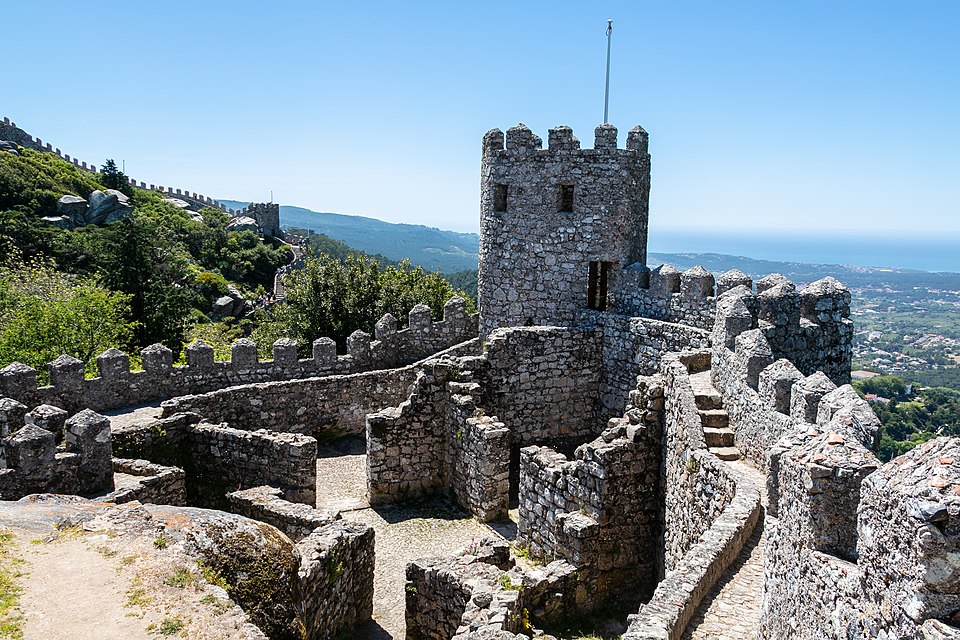
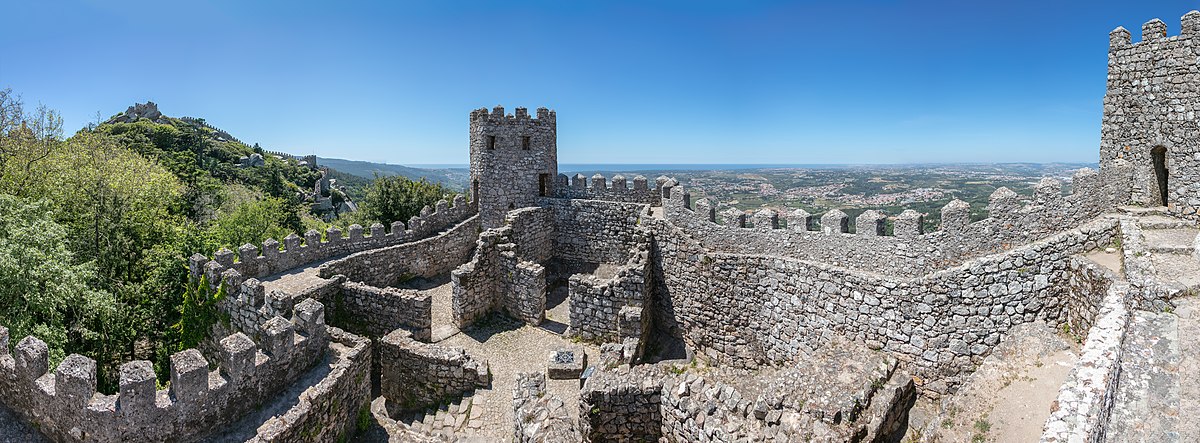
Long before any palace was built, Sintra was a Moorish stronghold. The Castle of the Moors, whose crumbling walls still snake across the hilltops above town, was constructed in the 8th and 9th centuries when much of the Iberian Peninsula was under Islamic rule. When Afonso Henriques, Portugal’s first king, captured Lisbon from the Moors in 1147, Sintra fell shortly after. The castle was largely abandoned as a military fortification, but its walls survived — and today they offer some of the best views in the region.
A German Prince Built Portugal’s Most Portuguese Palace
Here’s an irony that guidebooks gloss over: Pena Palace, arguably the most iconic building in Portugal, was designed and commissioned by a German. Ferdinand of Saxe-Coburg and Gotha married Portugal’s Queen Maria II in 1836 and almost immediately fell in love with Sintra’s romantic landscape. He bought the ruins of a 16th-century Hieronymite monastery on the hilltop and spent the next two decades transforming it into the fantastical palace you see today.
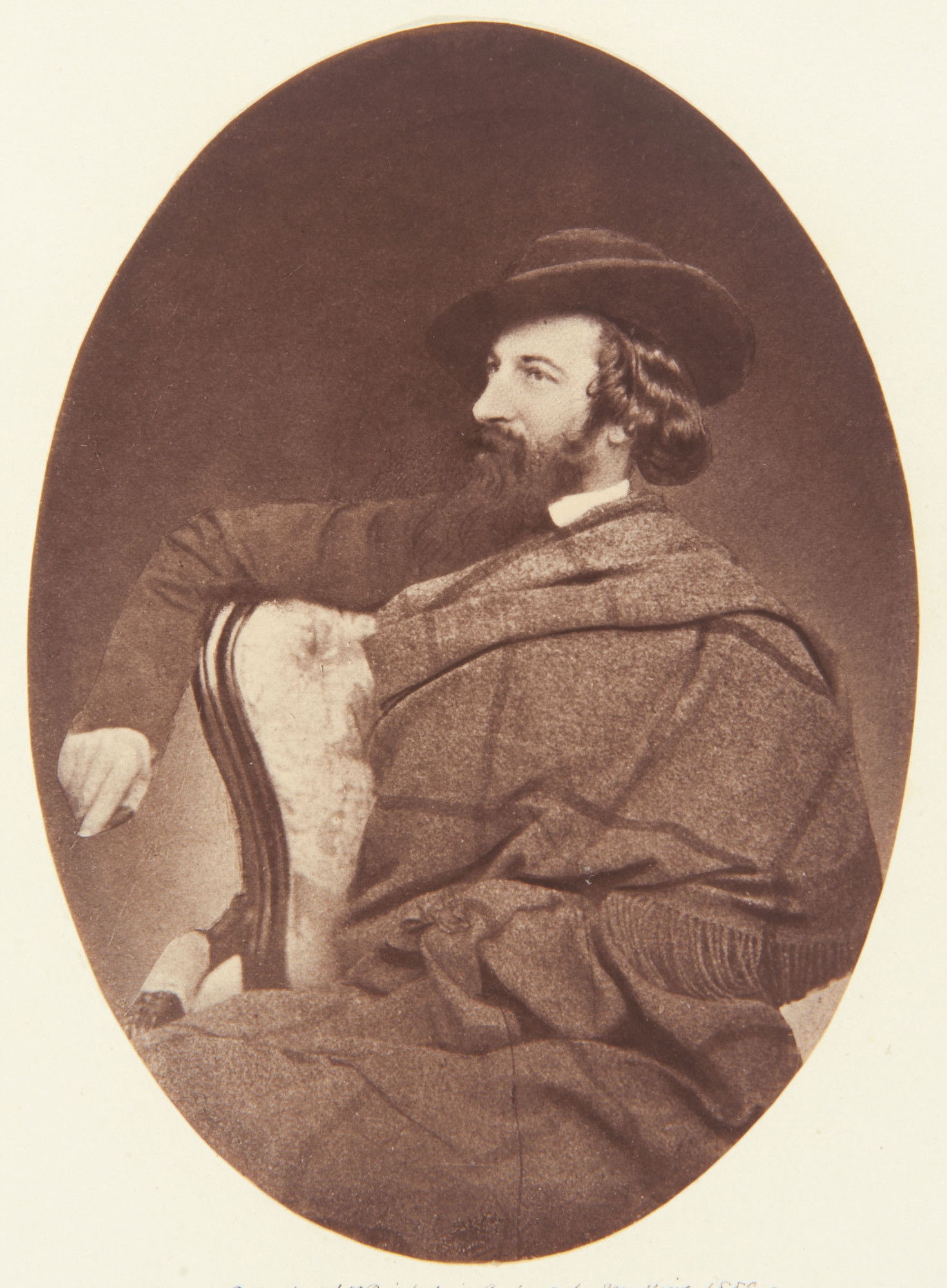
Ferdinand was a genuine eccentric. He studied botany, painting, and architecture with equal obsession, and he personally oversaw every detail of Pena’s construction. He planted exotic trees from every Portuguese colony — that’s why the palace grounds contain species from Brazil, Australia, Japan, and North Africa growing side by side. After Maria’s death, he scandalised the court by marrying an opera singer, Elise Hensler, and living with her at Pena until his own death in 1885.
The Town Palace and Its Twin Chimneys
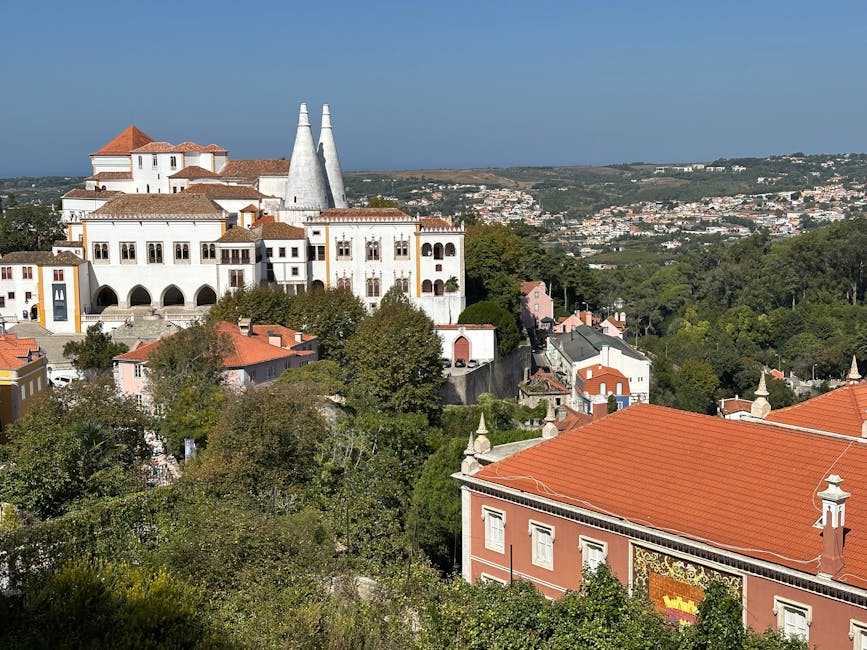
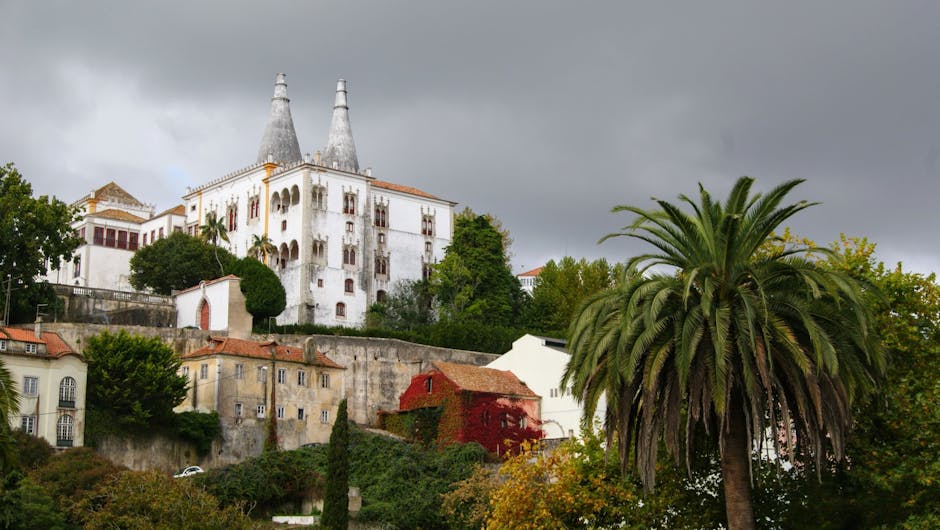
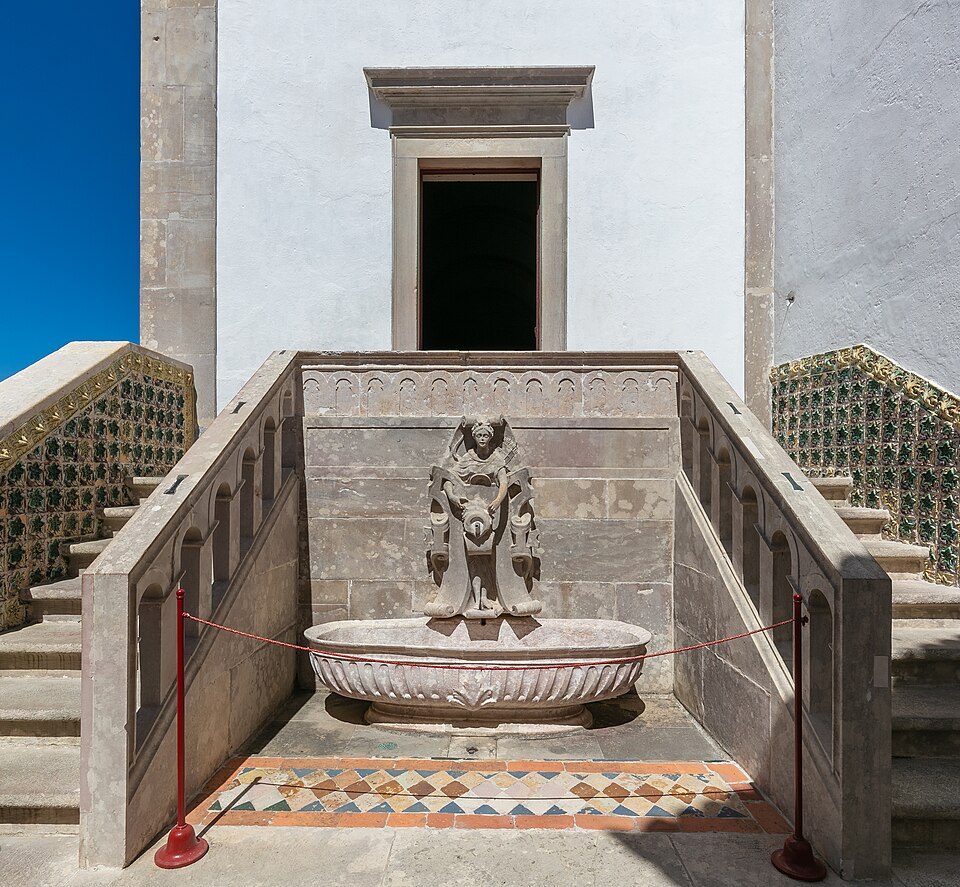
Down in Sintra town, the National Palace is easy to spot thanks to its twin conical chimneys — they’re visible from almost everywhere in the valley. This palace has been in continuous use since at least the 15th century, serving as a summer residence for Portuguese royalty. Each room is named after the motif on its ceiling: the Magpie Room has 136 painted magpies (one for each lady-in-waiting at court, according to legend — the king had them painted after being caught kissing one of the ladies and told the queen the gossip was just “magpie chatter”).
The Initiation Well at Regaleira
The most mysterious structure in Sintra is the Initiation Well at Quinta da Regaleira. It looks like a well but it’s actually an inverted tower — you descend nine spiral levels into the earth, each representing a level from Dante’s Divine Comedy. At the bottom, a compass rose mosaic marks the centre, and a series of underground tunnels lead out to other parts of the estate.
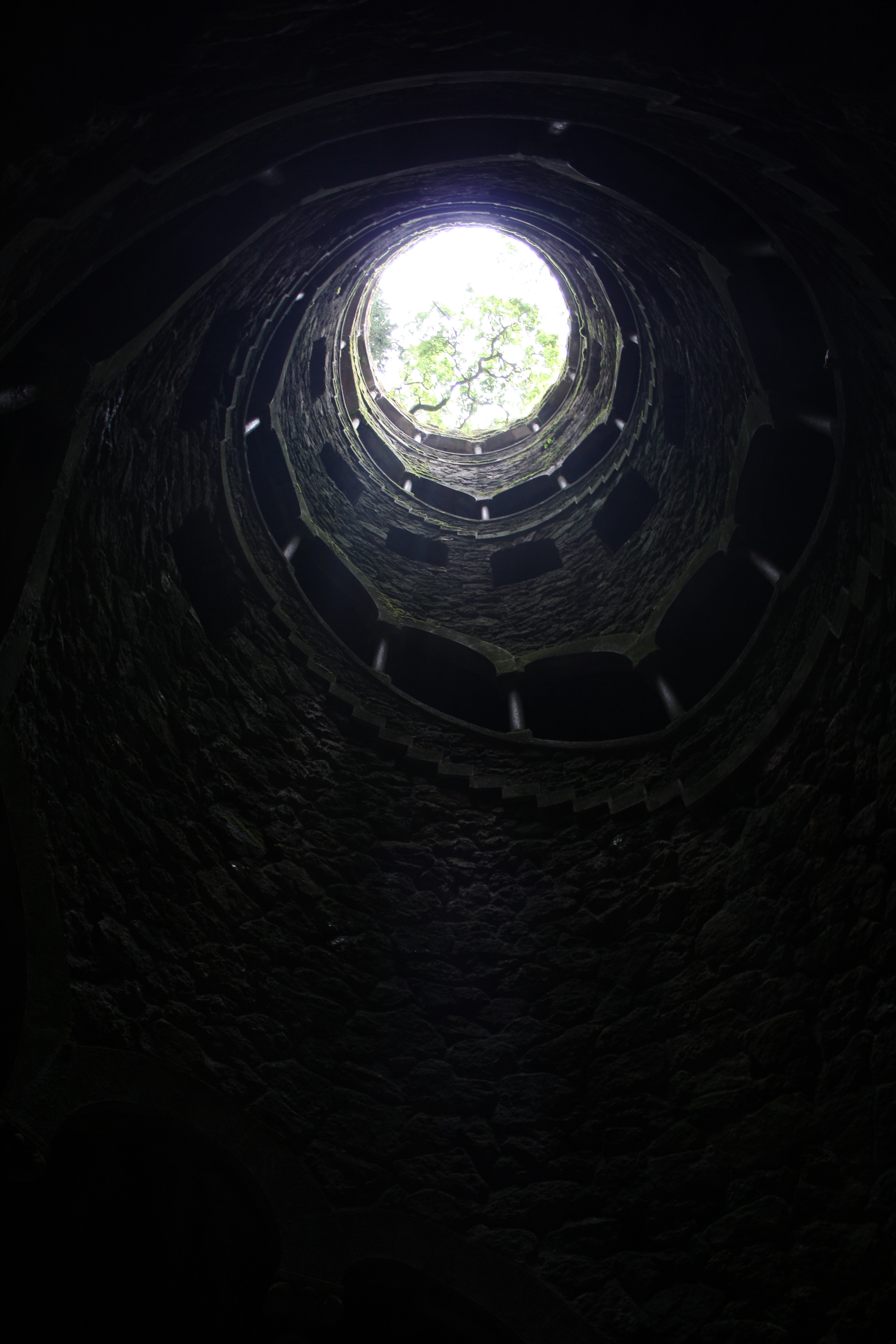
The well was almost certainly used for Masonic initiation ceremonies. Carvalho Monteiro, who commissioned the estate, was a member of several secret societies, and the symbolism throughout Regaleira is drawn from Templar, Rosicrucian, and Masonic traditions. Whether you’re into occult history or just appreciate a good story, it’s one of those places that rewards slow exploration.
Byron’s “Glorious Eden”
Sintra has been attracting famous visitors for centuries, but none wrote about it more passionately than Lord Byron. The English poet visited in 1809 during his grand tour of Europe and declared Sintra a “glorious Eden” in his poem Childe Harold’s Pilgrimage. He stayed at the Lawrence Hotel (still operating today, making it one of the oldest hotels on the Iberian Peninsula) and spent his days exploring the forests and castles that he called “the most beautiful in the world.” Byron’s endorsement put Sintra on the European aristocratic tourist map — within a generation, wealthy families from across the continent were building summer estates in the hills, creating the extraordinary concentration of palaces you can visit today.
More Lisbon and Portugal Guides
If Sintra’s palaces and clifftop views have you hooked on Portugal, there’s plenty more to explore from Lisbon and beyond. The Douro Valley wine region is one of Portugal’s most stunning landscapes — think terraced vineyards tumbling down to a winding river, with wine tastings and river cruises included on most tours. For something closer to the capital, Lisbon’s fado houses offer an evening of Portugal’s hauntingly beautiful traditional music, often paired with port wine in atmospheric medieval venues.
Down south, the Benagil Caves and the Algarve coastline are genuinely jaw-dropping — sea caves, golden cliffs, and turquoise water that looks photoshopped but isn’t. Back in the north, Porto’s walking tours take you through one of Europe’s most underrated cities, from the tiled churches of the Ribeira district to the legendary port wine cellars across the river. And if you’re a music lover, Porto’s fado and port wine experiences combine two of the city’s greatest cultural traditions in a single evening. For a completely different perspective of the capital, Lisbon’s boat tours on the Tagus offer sunset sailing cruises past Belém Tower and the 25 de Abril Bridge — one of the most romantic ways to experience the city.