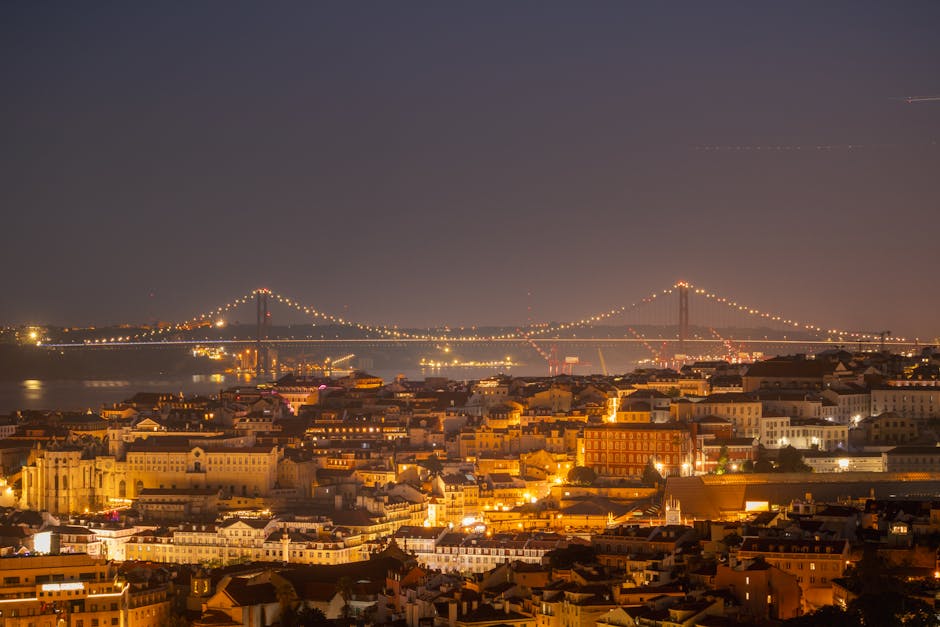
Fado is the sound of Lisbon. Not the trams, not the seagulls, not the construction noise from the latest renovation project — fado. This uniquely Portuguese musical tradition, born in the Alfama district’s narrow alleys sometime in the early 1800s, is built on a single emotional concept: saudade, a longing for something lost that can never be recovered. It sounds heavy, and it is — but in the hands of a good fadista, it’s also transcendently beautiful, the kind of music that makes an entire room fall silent.
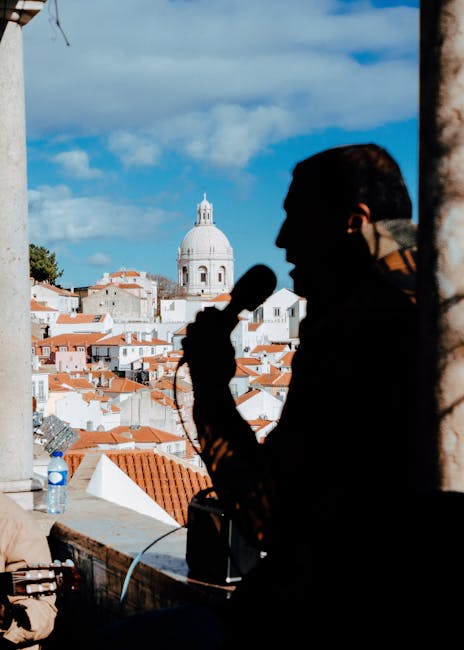
The good news for visitors is that Lisbon makes it remarkably easy to experience live fado. You don’t need to know someone who knows someone, you don’t need to dress up, and you don’t need to understand Portuguese (though it helps). Several venues in the historic centre offer ticketed shows that combine live performance with port wine in atmospheric settings — medieval walls, candlelit rooms, and spaces small enough that you can see the emotion on the singer’s face. Here’s a guide to the best options.

The Live Fado Show & Port Wine in Historic Central Venue is the top-rated option with 4,721 reviews. It runs in a beautiful historic space, includes port wine, and features professional musicians who consistently earn superlatives from reviewers. Shows run multiple times per evening, so it fits most schedules.
- What Makes a Good Fado Show?
- Understanding Fado Before You Go
- Recommended Fado Shows
- 1. Live Fado Show & Port Wine in Historic Central Venue — The Top Choice
- 2. Intimate Live Fado Music Show with Port Wine — The Emotional One
- 3. Fado Show and Wine inside Medieval Walls — The Most Atmospheric Venue
- Fado Etiquette: What You Need to Know
- Silence Is Respect
- Clapping and “Olés”
- Photos and Phones
- Dinner and Fado: Timing Your Evening
- Where to Sit
- What About the Port Wine?
- Booking Advice
- The Story of Fado: From the Docks to UNESCO
- Maria Severa: The First Fado Star
- Amália Rodrigues: The Queen of Fado
- UNESCO Recognition
- The New Wave: Fado’s Modern Renaissance
- Beyond the Shows: Fado in Everyday Lisbon
- More Lisbon and Portugal Guides
What Makes a Good Fado Show?
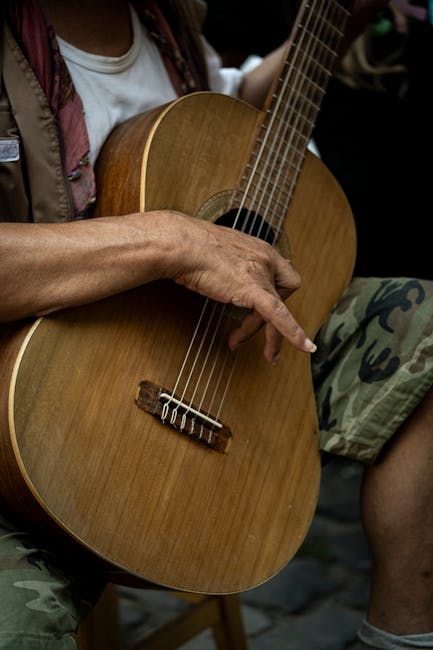
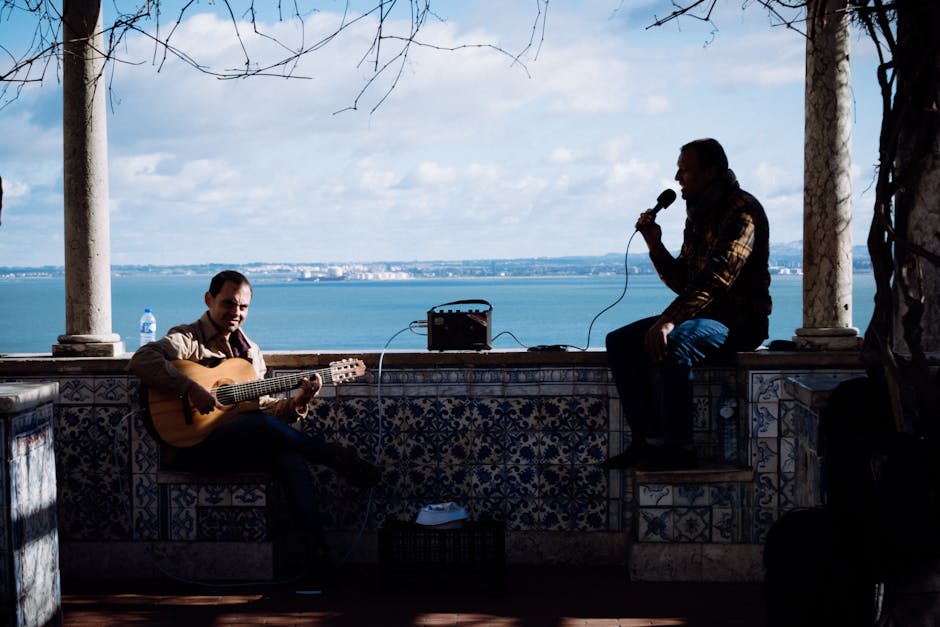
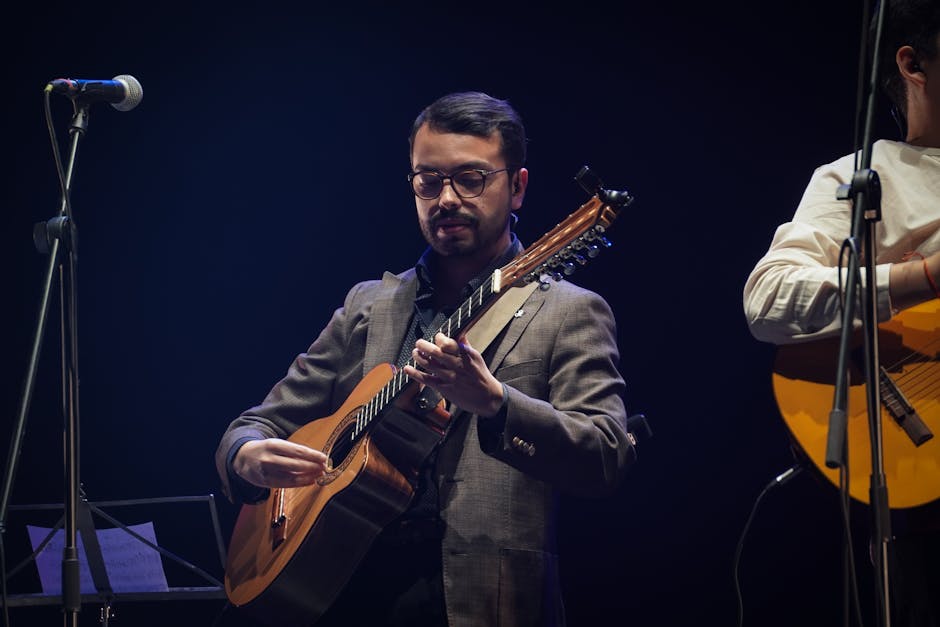
Not all fado shows are created equal, and understanding the differences will help you choose the right one. A traditional fado performance requires three musicians: a fadista (singer), a Portuguese guitar player (the guitarra portuguesa, a 12-string instrument with a distinctive bright, melancholic sound), and a classical guitar player who provides the rhythmic foundation. The interplay between these three creates the characteristic fado texture — sparse, raw, and emotionally charged.
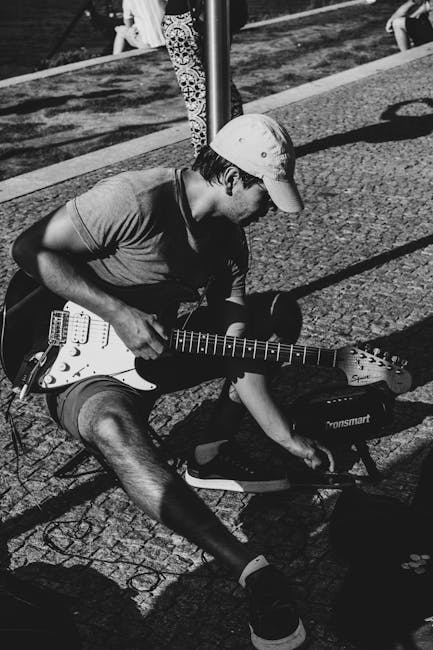
The best shows are intimate. Fado was never meant for concert halls — it evolved in tiny taverns where the singer stood arm’s length from the audience. When the room is small enough that you can hear the singer breathe between phrases, and quiet enough that no one dares clink their glass, that’s when fado hits hardest. The venues below all understand this, which is why they keep capacities small and atmospheres focused.
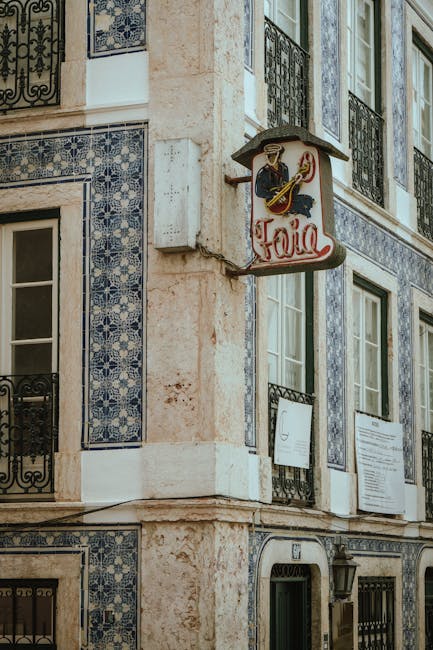
One important distinction: “tourist fado” at large restaurant-shows, where dinner is served during the performance and the room holds 100+ people, is a different experience from the intimate shows listed here. It’s not bad — the musicians are still talented — but the atmosphere is more entertainment than emotional experience. The shows recommended below sit on the authentic side of that spectrum.
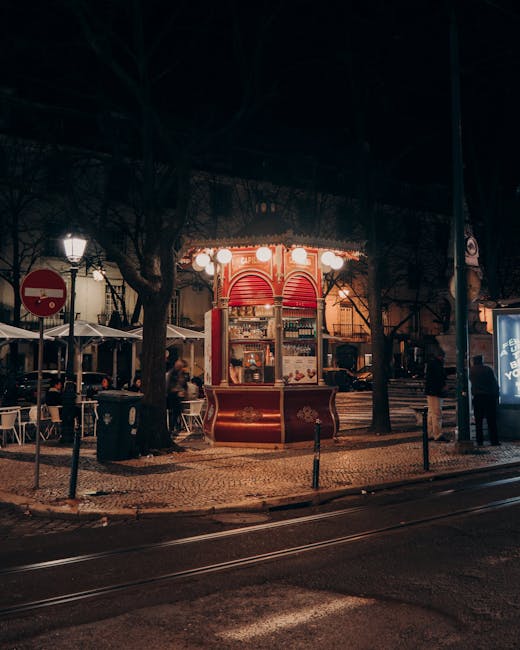
Timing matters too. Most fado shows run in the evening, starting between 6 PM and 9 PM, which makes them a perfect pre-dinner or post-dinner activity. Shows typically last 45-60 minutes — long enough to experience the full emotional range of fado without overstaying its welcome. This isn’t a three-hour commitment; it’s a concentrated dose of Portuguese culture that leaves time for dinner in a nearby Alfama restaurant.
Understanding Fado Before You Go
You don’t need any preparation to enjoy fado, but a little context deepens the experience considerably. Fado songs fall into several categories: the fado vadio (wandering fado) is the most traditional, sung in a raw, unpolished style; fado canção is more polished, with formal compositions and literary lyrics; and fado corrido follows a specific melodic pattern that allows improvisation. At most tourist-facing shows, you’ll hear a mix of all three styles.
The lyrics deal almost exclusively with loss, memory, fate, and the sea. Portuguese sailors leaving for months-long voyages, women waiting for men who might never return, neighbourhoods changing beyond recognition — these are fado’s recurring subjects. The concept of saudade — an untranslatable Portuguese word for a deep, nostalgic longing — runs through everything. You don’t need to understand the Portuguese words to feel the emotion; the voice and the guitar communicate directly, bypassing language entirely.
Recommended Fado Shows
1. Live Fado Show & Port Wine in Historic Central Venue — The Top Choice
With 4,721 reviews, this is Lisbon’s most popular fado experience, and the feedback explains why. The venue is a beautifully restored historic space in the city centre — atmospheric without being gimmicky — and the show features professional fadistas backed by Portuguese and classical guitar. Port wine is included (typically two glasses), and the show runs about 50 minutes, which is the perfect length for a first-time listener.
Sam’s review captures the quality: “Exceptional musicians delivered with grace and beauty.” Measha called the performers “phenomenal” and described fado as “such a beautiful art form.” The show includes some audience participation — a singalong section — which divides opinion. Sam found it “less interesting: I would rather listen to the talented musicians” while others loved the inclusiveness. Either way, the core performance is outstanding.
Multiple show times run throughout the evening, typically at 6 PM, 7 PM, and 8:30 PM, making it easy to fit around dinner plans. The location is central — walking distance from major Lisbon landmarks — so you won’t spend half the evening in transit. Linda Lee noted that the show included “two musicians playing the guitar and fado instrument, two singers, audience participation in the singing, and a choice of port and orange juice” — a comprehensive introduction to the art form.
Read reviews and check prices for this show
2. Intimate Live Fado Music Show with Port Wine — The Emotional One
This show distinguishes itself through intimacy and emotional intensity. The venue is deliberately small — think 30-40 seats maximum — which means you’re close enough to the performers to see the tendons in the guitarist’s wrist and the tears in the singer’s eyes (which happen more often than you’d expect). At 4,300 reviews, it’s nearly as proven as the first option, and the feedback is consistently about the emotional impact.
Taka’s review is worth quoting in full: “What a truly unforgettable evening filled with soul-stirring music and deep emotion. The fado performers poured their hearts into every note, creating a magical atmosphere that transported us to the very heart of Portuguese culture.” Catherine noted the “intimate atmosphere” and “marvellous” musicians who were “very warm and engaging with the audience.”
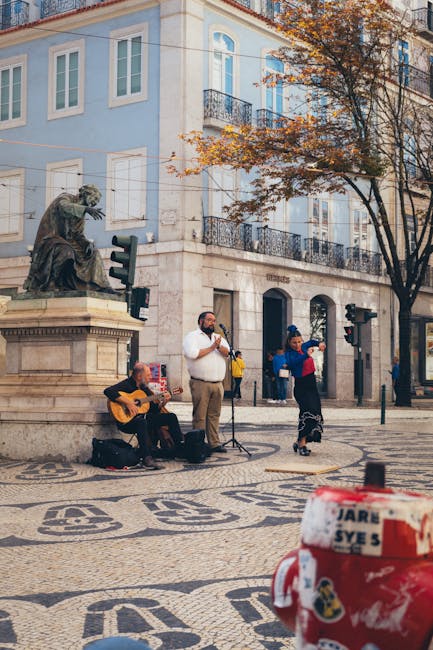
Jennifer, who watched three fado shows in one weekend, ranked this as her “second best” and praised the “fantastic crowd work” and how the singers “made the audience feel included.” If you want the most emotionally charged option, this is the one.
Read reviews and check prices for this show
3. Fado Show and Wine inside Medieval Walls — The Most Atmospheric Venue
If the setting matters as much as the music, this is your show. The venue is inside actual medieval walls — part of Lisbon’s original Moorish fortifications — which gives the performance a sense of deep history that newer venues can’t replicate. The acoustics in stone-walled spaces are naturally warm and reverberant, which suits fado’s raw, unprocessed sound perfectly.
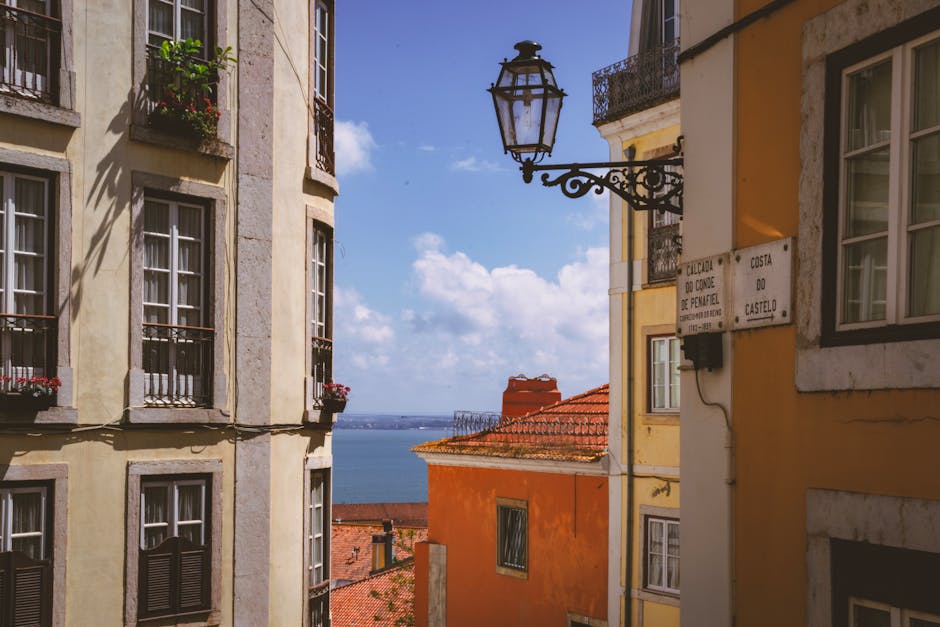
With 3,819 reviews, it’s well-established. Amanda’s review is succinct: “Amazing voices and great ambience! And that wine sneaks up on you.” Fatma flagged one practical issue: “The only tricky part was finding the place as there was no sign on the door.” This is actually typical of traditional fado houses — the lack of signage is intentional, maintaining a sense of discovery. Follow the booking confirmation directions carefully and you’ll find it.
Rafaella recommended it specifically for newcomers: “This experience was a great introduction to Fado music. Since we didn’t know if we would like this music and it was our first time listening to it, we wanted to find an experience that would be just enough. The venue was very atmospheric and you get to hear a number of Fado songs as well as some historical things about it.”
The wine selection at this venue tends to be slightly more generous than others — some reviewers report receiving more than the standard two glasses. Nate described his evening as an “excellent end to the evening, enjoying the various live singers and musicians on the Portuguese guitar.” The variety of performers — multiple singers taking turns, each with their own style and emotional range — means you experience different facets of fado in a single session.
Read reviews and check prices for this show
Fado Etiquette: What You Need to Know
Silence Is Respect
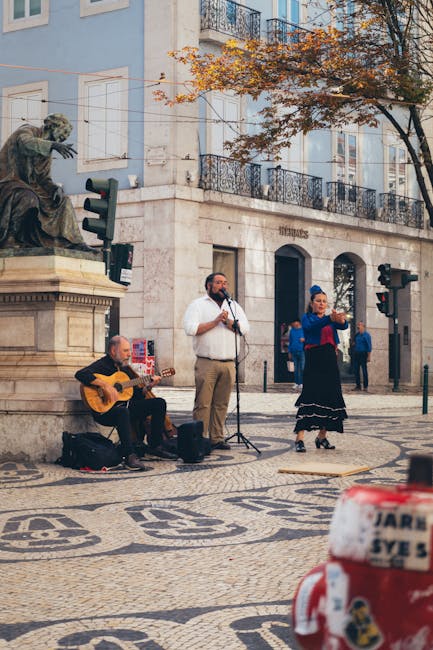
The most important rule of fado: when the singer performs, you stop everything. Stop talking, stop eating, stop reaching for your glass. In traditional fado houses, the room goes absolutely silent during a song, and anyone who breaks that silence will get looks that could curdle milk. This isn’t pretentiousness — it’s genuine cultural practice. Fado was born in intimate spaces where the performer and audience shared the same emotional moment, and that requires everyone’s full attention.
The ticketed shows listed above are a bit more forgiving than traditional taverns, but the expectation of respectful silence during songs is universal. You’ll notice it happen naturally — when a good fadista starts singing, something shifts in the room and conversation simply stops. It’s one of those rare experiences where a whole group of strangers spontaneously agrees to be present together.
Clapping and “Olés”
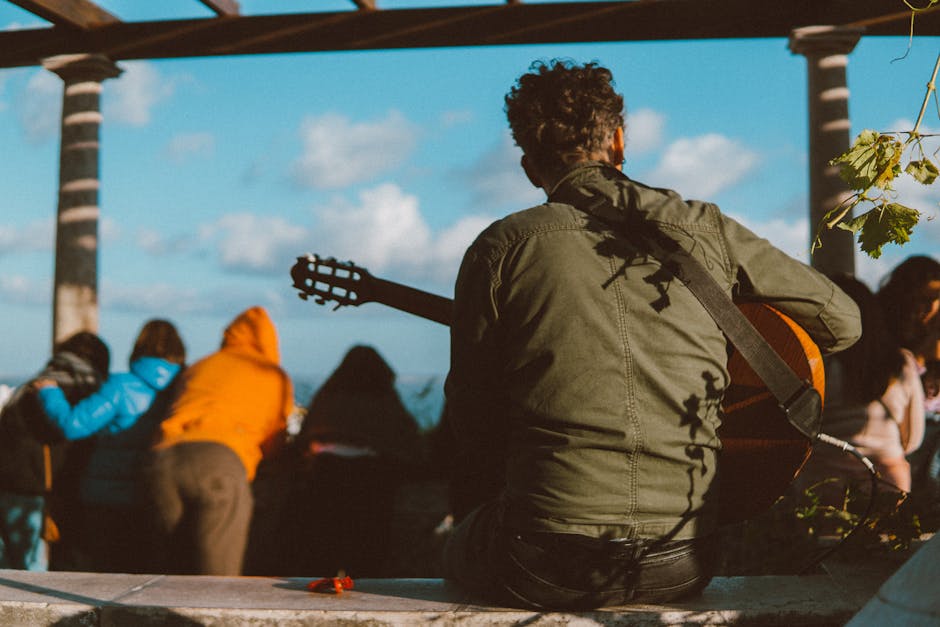
After a song, applause is welcome and expected. You might hear people shout “olé!” or simply murmur appreciation. Don’t clap during a song, even if there’s a pause — the singer may not be finished. Watch the regulars in the audience and follow their lead. If the room doesn’t clap, neither should you; sometimes a particularly powerful song leaves the audience in silence even after it ends, and that silence is the highest compliment a fadista can receive.
Photos and Phones
Most ticketed shows allow photos and short videos, but check the specific venue’s policy. Even where it’s allowed, put your phone away during performances — the light from screens breaks the atmosphere and annoys other audience members. Take your photos during the breaks between songs, or ask the performers after the show.
Dinner and Fado: Timing Your Evening
Portuguese dinner time is late by northern European standards — restaurants fill up between 8 and 10 PM. Most fado shows have early evening slots (6-7 PM) that work perfectly as a pre-dinner activity: watch the show, then walk to a nearby restaurant for dinner. Alternatively, eat early (Lisbon has plenty of restaurants serving from 7 PM) and catch a later show at 8:30 or 9 PM. The Alfama and Mouraria districts have dozens of excellent small restaurants within walking distance of the fado venues — grilled fish, traditional petiscos (Portuguese tapas), and local wine are all reliable choices.
Where to Sit
In the small venues recommended here, every seat is a good seat. But if you have a preference, closer is better in fado — the subtle dynamics of the singer’s voice, the finger work on the Portuguese guitar, and the emotional connection between performer and audience are all amplified at close range. Arrive 10-15 minutes before the show starts to get your preferred spot, especially for weekend evening performances which tend to sell out.
What About the Port Wine?
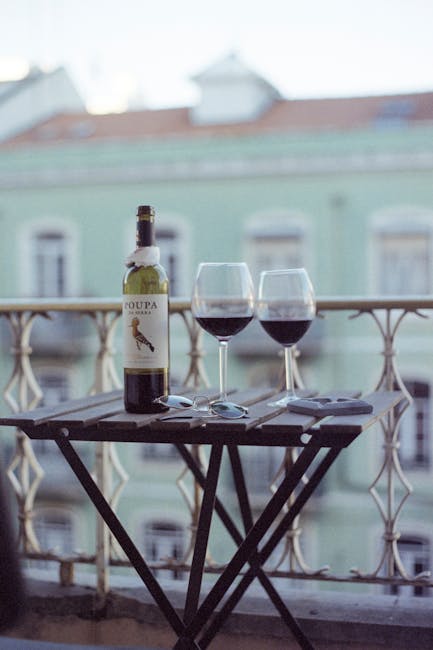
All three recommended shows include port wine as part of the ticket price — typically two glasses of tawny or ruby port. The wine is served before and during the show, which adds to the atmosphere and helps the audience relax into the music. Port wine’s sweetness and warmth complement fado’s emotional intensity in a way that regular wine doesn’t quite match — there’s a reason these two Portuguese traditions are always paired together. Non-drinkers are usually offered alternatives like orange juice or sparkling water, so don’t skip the show if you don’t drink alcohol. The music is the main event; the wine is a pleasant bonus.
Booking Advice
Weekend shows (Friday and Saturday) sell out fastest, often days in advance during summer. If your dates are fixed, book as early as possible. Weeknight shows are easier to get into and often have a slightly more local crowd, which can make the atmosphere more authentic. Most venues offer instant confirmation through their booking platforms, and cancellation policies are typically flexible up to 24 hours before the show.
The Story of Fado: From the Docks to UNESCO
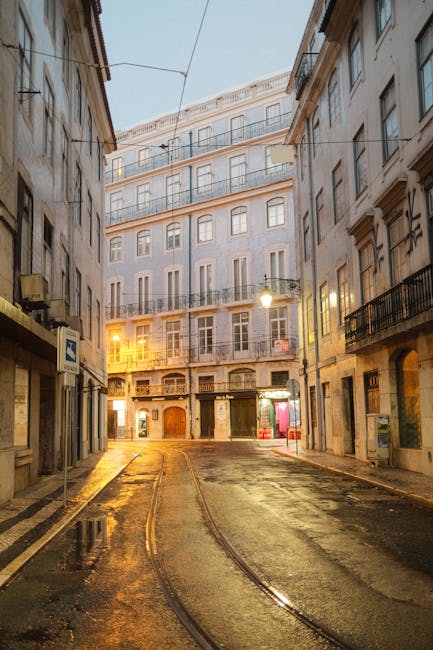
Fado’s origins are debated, but the most compelling theory places its birth in Lisbon’s port districts in the early 1800s. Sailors, dockworkers, and their families sang songs of longing — for lovers at sea, for homelands left behind, for a better life that never quite arrived. The music drew on multiple traditions: Arabic modal scales from the Moors, Brazilian rhythms brought back by returning colonists, and the melancholic folk songs of the Portuguese countryside. Some scholars argue that fado’s roots go even deeper, to the cantigas de amigo of medieval troubadour poetry, which expressed eerily similar themes of longing and loss a thousand years ago.
What’s certain is that fado consolidated into its recognisable modern form in the Mouraria and Alfama districts of Lisbon in the mid-1800s, spreading through taverns, brothels, and working-class neighbourhoods before gaining respectability in the early 1900s. By the time the Salazar dictatorship took power in 1933, fado was popular enough that the regime co-opted it, requiring all performers to be licensed and all lyrics to be approved by censors. This sanitised fado during the Estado Novo period, removing the raw edges and political content, but it also made fado the official sound of Portuguese culture — broadcast on state radio, performed at state events, and taught in conservatories.
Maria Severa: The First Fado Star
The first fadista whose name survives is Maria Severa Onofriana, a working-class woman from the Mouraria district who sang in taverns in the 1830s. She became famous not just for her voice but for her scandalous affair with the Count of Vimioso, an aristocrat who fell in love with her singing and crossed class boundaries to be with her. Severa died young, at 26, possibly of tuberculosis, and her story became the template for fado mythology: the beautiful, doomed singer whose suffering fuels transcendent art. A film about her life, made in 1931, was the first Portuguese sound film ever produced.
Amália Rodrigues: The Queen of Fado
If one person brought fado to the world, it was Amália Rodrigues. Born in 1920 in Lisbon, she began singing professionally as a teenager and spent the next six decades recording and performing across Europe, the Americas, and Asia. Her voice — rich, controlled, emotionally devastating — turned fado from a local tradition into an internationally recognised art form. She collaborated with poets to elevate fado lyrics from folk simplicity to literary sophistication, and her recordings remain the standard against which all fadistas are measured.

When Amália died in 1999, Portugal declared three days of national mourning. Her home in Alfama is now a museum, and her influence echoes through every fado performance you’ll hear in Lisbon today. If you want to understand fado before you go, listen to her recording of “Estranha Forma de Vida” — it’s the perfect four-minute introduction to what the genre can do.
UNESCO Recognition
In 2011, UNESCO inscribed fado on its Representative List of the Intangible Cultural Heritage of Humanity. The recognition was both a celebration and a protective measure — fado was at risk of being diluted by tourism and commercialisation, and UNESCO status helped ensure that authentic traditions were preserved alongside the tourist-friendly shows. The Museu do Fado in Alfama documents the genre’s history and is worth a visit before or after your show — it gives context that deepens the experience considerably.
The New Wave: Fado’s Modern Renaissance
Fado didn’t die with Amália — it evolved. In the early 2000s, a new generation of fadistas began reimagining the tradition while respecting its roots. Mariza, born in Mozambique and raised in Lisbon’s Mouraria district, brought a powerful contemporary voice to fado and performed at international festivals that previously wouldn’t have programmed Portuguese music. Ana Moura collaborated with the Rolling Stones. Carminho trained in traditional fado houses before recording albums that topped charts across Europe. These artists proved that fado could speak to a global audience without losing its Portuguese soul.
Today, Lisbon’s fado scene is healthier than it’s been in decades. Young musicians are learning the tradition in official fado schools and informal tavern sessions, and new venues open regularly alongside the century-old fado houses. The shows recommended above feature musicians from both the traditional and contemporary camps, so you’ll hear the genre’s full range in a single evening.
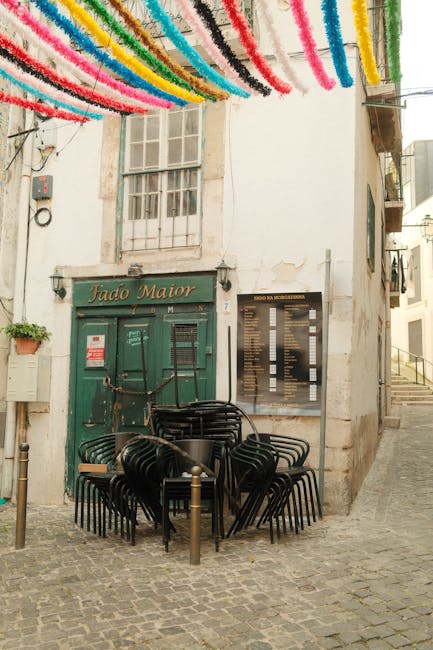

Beyond the Shows: Fado in Everyday Lisbon
If your fado show leaves you wanting more, Lisbon offers several ways to go deeper. The Museu do Fado on Largo do Chafariz de Dentro in Alfama has an excellent permanent collection covering the genre’s entire history, from Maria Severa to the present day. The museum is small enough to visit in an hour and includes listening stations where you can hear rare recordings that predate the commercial era.
For a more spontaneous experience, some traditional taverns in Mouraria and Alfama still host fado vadio sessions — amateur nights where locals stand up and sing. These are the closest thing to original, unpackaged fado, but they’re hard to find without local knowledge and typically start very late (after 11 PM). Ask at your hotel or at the Museu do Fado for current recommendations — the locations shift regularly.
Record shops in Alfama and Chiado sell fado CDs and vinyl — if you’re looking for a meaningful souvenir, a recording of the fadista you heard live is far more memorable than a fridge magnet. Discoteca Amália on Rua Áurea specialises in fado and can guide you to recordings that match your taste. Staff are passionate and multilingual — tell them what you liked about the show and they’ll find you the perfect album. Expect to pay around 15-25 euros for a good fado CD, and check if your preferred format is available on vinyl — fado sounds particularly warm on analogue, and several classic albums have been reissued in recent years.
More Lisbon and Portugal Guides
Fado is just one facet of Lisbon’s extraordinary cultural depth. During the day, a trip to Sintra takes you to fairytale palaces and the westernmost point of mainland Europe — most tours include Pena Palace, Cabo da Roca, and the charming seaside town of Cascais. For wine lovers, the Douro Valley from Porto offers UNESCO-listed terraced vineyards, winery lunches, and river cruises through Portugal’s most stunning landscape.
If you’re heading to the Algarve, the Benagil Caves and the coastal formations are genuinely breathtaking — golden cliffs, turquoise water, and sea caves accessible by boat or kayak. Up north, Porto’s walking tours reveal a city that rivals Lisbon for beauty and cultural richness, with the added bonus of port wine cellars just across the river. And if tonight’s fado left you wanting more, Porto has its own fado tradition — different in style but equally moving, often paired with port wine in the city’s historic taverns. For a daytime contrast, Lisbon’s sunset boat tours on the Tagus let you see the city’s waterfront landmarks from the river — perfect for the afternoon before an evening fado show.