
Exploring the Berlin Wall offers a fascinating glimpse into the turbulent history of Cold War Berlin. Behind the concrete barriers, we’ll discover how division shaped lives and identities, with strict surveillance, travel restrictions, and censorship defining daily existence. Though daunting, uncovering these stories reveals the profound sacrifices made for freedom – a triumph that still resonates today. Where will our journey through this complex and powerful chapter of history take us next?
- Key Points
- The Divided City
- Constructing the Berlin Wall
- Crossing the Border
- Life Under Communist Rule
- Escape Attempts and Consequences
- The Fall of the Berlin Wall
- Preserving Berlin’s History
- Exploring Berlin’s Lasting Legacy
- The Sum Up
- More Tour Reviews in Berlin
- Still browsing? Here are more Berlin experiences we've covered recently
Key Points
-
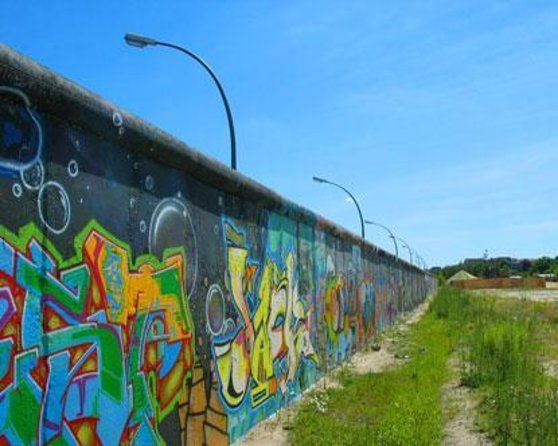
The Berlin Wall was a physical and ideological barrier dividing East and West Berlin, symbolizing the contrast between Communist control and Western freedoms.
-
The Wall’s construction and enforcement, including lethal force, demonstrated the East German government’s extreme measures to prevent citizens from fleeing to the West.
-
Crossing the border was perilous, with some attempting daring escapes through tunnels or dashes across the "death strip," facing imprisonment or worse consequences if caught.
-
Life under Communist rule in East Berlin was marked by surveillance, restricted movement, censorship, and shortages, significantly impacting the daily existence of its citizens.
-
The Wall’s collapse in 1989 ended decades of division and oppression, symbolizing the triumph of human rights and democracy over authoritarianism.
The Divided City
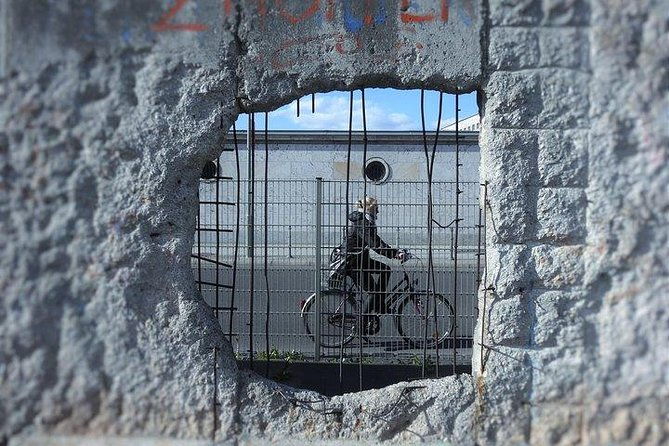
Although Berlin was once a vibrant and thriving metropolis, the city was brutally divided by the construction of the Berlin Wall in 1961.
For nearly 30 years, this notorious barrier physically and ideologically separated East and West Berlin. Families were torn apart, travel was severely restricted, and the daily lives of Berliners were profoundly impacted.
The Wall came to symbolize the iron grip of Communist rule and the stark contrast between the freedoms of the West and the oppression of the East.
Exploring the remnants of this divided city provides a powerful window into a tumultuous chapter of German history.
Looking for more options in Berlin? We've reviewed plenty of other experiences.
Constructing the Berlin Wall
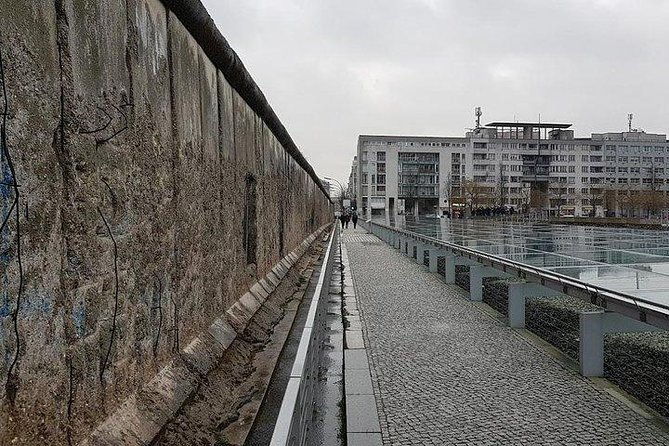
The Berlin Wall’s construction in 1961 marked a pivotal moment in Cold War history. Over the course of 28 years, the wall physically divided East and West Berlin, representing the ideological divide between communism and capitalism. Let’s examine the wall’s construction in more detail:
| Reason for Construction | Barrier Composition | Enforcement Measures |
|---|---|---|
| To stop East Germans from fleeing to the West | Reinforced concrete, barbed wire, anti-vehicle trenches | Watchtowers, attack dogs, shoot-to-kill policy |
The wall’s construction exemplified the extreme measures taken by the East German government to maintain control and isolate their citizens from Western influence. Understanding this history provides critical context for exploring the remnants of the Berlin Wall today.
Crossing the Border
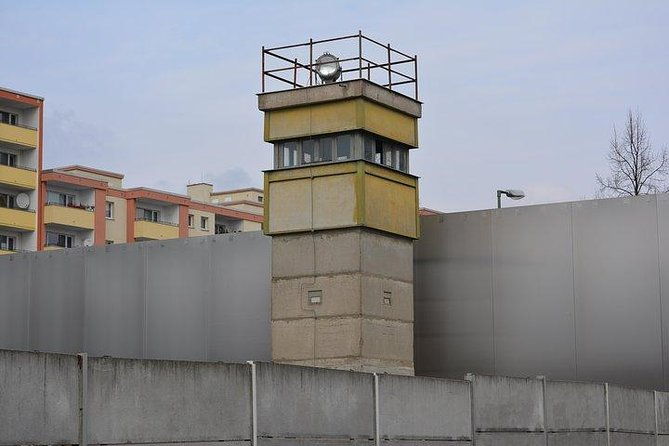
Crossing the border between East and West Berlin was a perilous endeavor during the decades the Berlin Wall stood, with guards stationed along the barrier authorized to use lethal force against those attempting to flee.
Escape tunnels, secret passageways, and daring dashes through the "death strip" were the only ways to cross the heavily fortified line. Those caught faced imprisonment or worse.
Tourists today can visit key crossing points like Checkpoint Charlie, where the tensions of the Cold War era are palpable.
The Berlin Wall’s legacy continues to shape the city’s identity and commemorate the personal sacrifices of its divided history.
Life Under Communist Rule
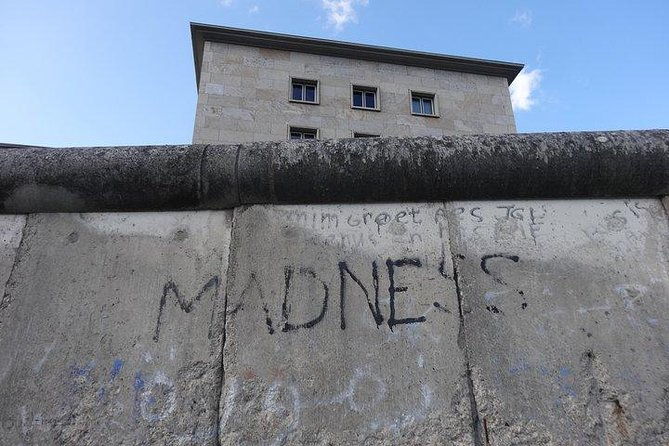
As inhabitants of East Berlin under communist rule, we endured a stifling daily existence marked by pervasive surveillance, restricted movement, and a profound sense of isolation from the vibrant culture and freedom of the West. Our lives were tightly controlled, with mandatory participation in state-sanctioned activities and a constant fear of being reported to the secret police. The table below highlights the harsh realities we faced:
| Restriction | Impact |
|---|---|
| Travel Bans | Inability to visit family and friends in West Berlin |
| Censorship | Limited access to uncensored information and media |
| Shortages | Scarcity of basic goods and consumer products |
| Informants | Constant anxiety over who might be watching or listening |
Escape Attempts and Consequences
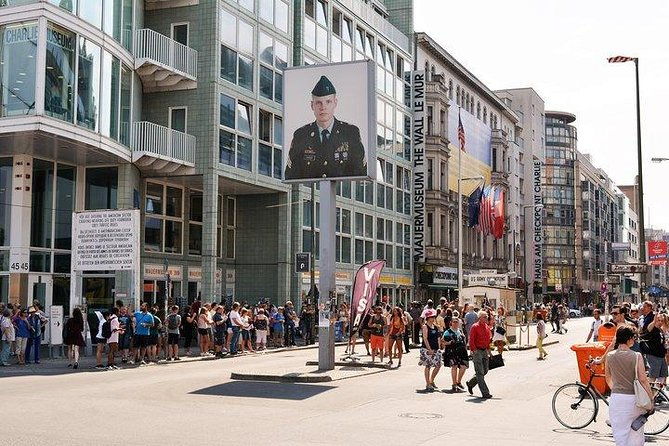
Although the consequences were severe, many East Berliners risked everything to escape the oppressive regime across the Berlin Wall. Some dug underground tunnels, others leapt from windows into the West, and a few even attempted daring daylight crossings.
Those caught faced imprisonment, torture, or even death. Despite the risks, the desire for freedom drove many to take desperate measures. Treacherous escape routes and perilous journeys typified the lengths people went to in pursuit of liberty.
Tragically, the Berlin Wall’s dark legacy includes hundreds who perished in their bid for a better life on the other side.
The Fall of the Berlin Wall
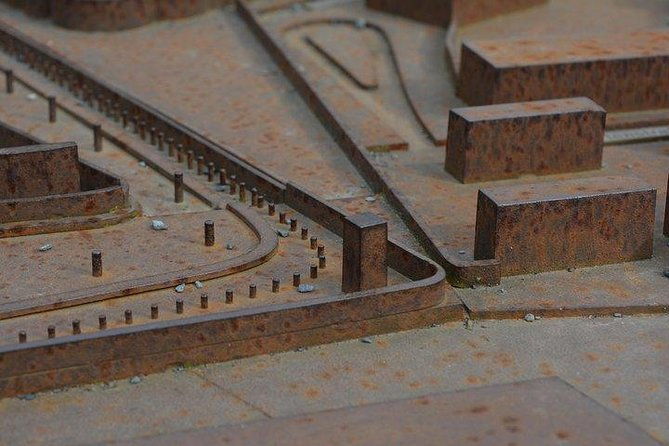
The Berlin Wall’s collapse in 1989 marked a pivotal moment in world history, ending decades of division and oppression. After growing civil unrest and international pressure, East Germany’s government unexpectedly opened the border, allowing East and West Berliners to freely cross. Jubilant crowds flooded the checkpoints, celebrating the end of a dark era.
| Key Dates | |
|---|---|
| June 1963 | Kennedy’s "Ich bin ein Berliner" speech |
| August 1961 | Berlin Wall construction begins |
| November 1989 | Border crossings opened |
| October 1990 | German reunification |
This historic moment symbolized the triumph of human rights and democracy over authoritarianism. The fall of the Berlin Wall paved the way for German reunification and the end of the Cold War. It’s a powerful reminder of the human capacity for change.
Preserving Berlin’s History
Preserving Berlin’s History
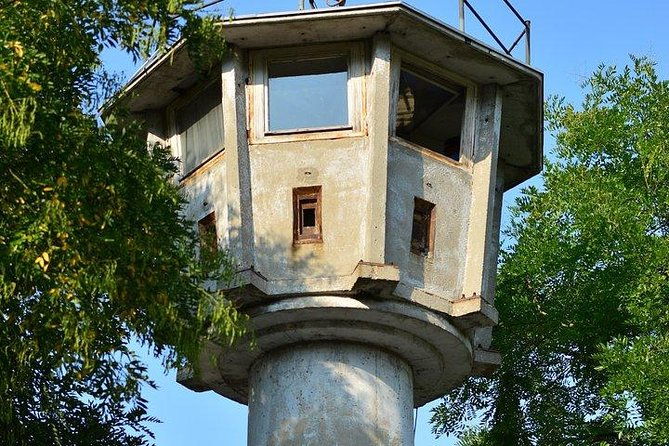
Exploring Berlin’s past through the Berlin Wall’s complex history is crucial. The walking tour provides an immersive experience, guiding visitors through remaining wall sections, Checkpoint Charlie, and a former DDR watchtower.
Knowledgeable tour guides share stories of survival and daring escapes, deepening our understanding of the division between East and West Berlin. With high accessibility, the tour accommodates most travelers, making this a memorable and educational experience.
With an impressive 97% recommendation rate, this tour offers an unparalleled opportunity to engage with and preserve Berlin’s historically significant Cold War architecture and narratives.
Exploring Berlin’s Lasting Legacy
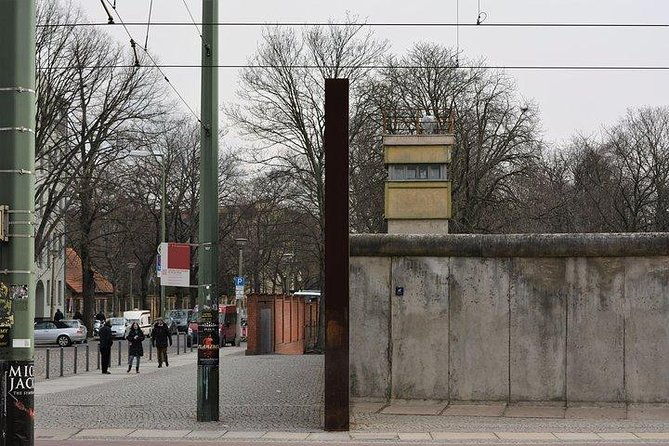
As we explore Berlin’s lasting legacy, we’re struck by the resilience and determination of its people.
From the harrowing stories of survival to the physical remnants of the Berlin Wall, this city’s history is etched into every corner.
Here are 3 highlights of exploring Berlin’s lasting legacy:
- Tracing the path of the Berlin Wall and witnessing the imposing presence of its remaining sections.
- Visiting Checkpoint Charlie, a powerful symbol of the division between East and West.
- Gaining insights from knowledgeable guides who bring the past to life with captivating narratives.
This eye-opening journey reveals the strength of a city that has emerged from its divided past.
The Sum Up
The Berlin Wall stands as a powerful symbol of the Cold War‘s ideological divide. Though its concrete barriers have crumbled, the stories of those who lived under its shadow endure. By exploring this historic site, we can gain a deeper understanding of the struggle for freedom and the resilience of the human spirit. The Wall’s legacy continues to shape Berlin’s identity and serve as a reminder of the fragility and importance of democracy.
More Tour Reviews in Berlin
Still browsing? Here are more Berlin experiences we've covered recently
- Berlin’s 4 Best Vegan & Vegetarian Tours (With Prices & Reviews)
- 12 Best Drinking Tours In Berlin
- 6 Best Shopping & Market Tours In Berlin
- Berlin’s 10 Top Photography Experiences (With Prices)
- 14 Of The Best Food Tours In Berlin
- The 12 Most Popular Tours & Experiences In Berlin
- Berlin’s 10 Best Workshops & Classes (With Prices & Reviews)
- We Rank The 13 Best Tours In Berlin
- The Top 4 Wine Tours In Berlin
- The 14 Most Popular Walking Tours In Berlin
- 12 Best Cruises And Boat Tours In Berlin (With Reviews & Prices)
- Berlin’s 4 Best Sailing Experiences (With Prices & Reviews)