
Berlin’s haunting history under Nazi rule is a somber yet essential chapter to explore. This guided tour in Italian immerses visitors in the city’s turbulent past, from the rise of the Nazi Party to the devastating impact of World War II. Discover key landmarks that bear the scars of persecution, and gain deep insights into this pivotal era with the guidance of a professional. Whether you’re a history buff or simply seeking to understand this complex history, this tour promises a thought-provoking and meaningful experience.
- Key Points
- The Rise of the Nazi Party
- Hitler’s Ascent to Power
- Key Landmarks of Nazi Germany
- The Impact of World War II
- Exploring the German Resistance
- Berlin’s Transformation in the Postwar Era
- Tour Inclusions and Requirements
- Meeting and Pickup Information
- Frequently Asked Questions
- Can I Take Photos During the Tour?
- How Much Time Is Spent at Each Location?
- Is There a Dress Code for the Tour?
- Are Audio Headsets Provided for the Tour?
- Can I Extend the Tour to Include Additional Sites?
- The Sum Up
- More Tours in Berlin
- More Tour Reviews in Berlin
- Still browsing? Here are more Berlin experiences we've covered recently
Key Points
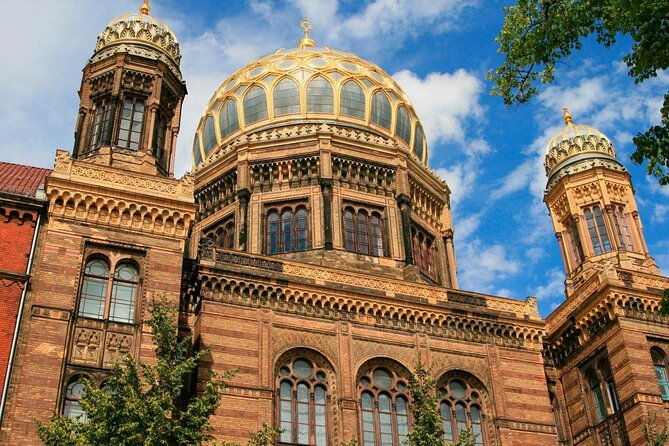
- The tour provides insights into the rise of the Nazi Party and its impact on Berlin, including landmarks like the New Synagogue and Anhalter Banhof.
- A professional Italian-speaking guide offers historical context and analysis of the regime’s efforts to reshape the city’s collective memory.
- The tour explores the Jewish Quarter and German Resistance Memorial Center, highlighting the persecution of Jews and organized opposition to the Nazi regime.
- Visitors can experience the lasting effects of World War II on Berlin’s infrastructure and the German people’s resilience in the face of division and reunification.
- The tour package includes local taxes, public transportation, and an optional tip for the guide, facilitating a comprehensive and immersive exploration of Berlin’s Nazi history.
The Rise of the Nazi Party
The rise of the Nazi Party in Germany was a gradual process that took place in the years following World War I.
The party initially gained support from disillusioned citizens who blamed the Treaty of Versailles for the country’s economic and political troubles.
Through effective propaganda and shrewd political maneuvering, the Nazis were able to capitalize on this sentiment, eventually securing a majority in the Reichstag and appointing Adolf Hitler as Chancellor in 1933.
This marked the beginning of the party’s consolidation of power and the hotel of the Third Reich, which would have devastating consequences for Germany and the world.
Looking for more options in Berlin? We've reviewed plenty of other experiences.
Hitler’s Ascent to Power
Following the rise of the Nazi Party in the aftermath of World War I, Adolf Hitler skillfully maneuvered his way to the highest echelons of German politics. Leveraging the country’s economic and social instability, Hitler capitalized on public resentment, consolidating power through a series of strategic political maneuvers.
| Year | Event |
|---|---|
| 1933 | Hitler becomes Chancellor of Germany |
| 1934 | Hitler declares himself Führer, merging the offices of Chancellor and President |
| 1935 | The Nuremberg Laws strip Jews of German citizenship and civil rights |
| 1938 | Hitler annexes Austria and the Sudetenland region of Czechoslovakia |
| 1939 | Germany invades Poland, marking the start of World War II in Europe |
Key Landmarks of Nazi Germany
As Hitler’s grip on power tightened, the Nazi regime sought to cement its ideology through the strategic placement and design of key landmarks across Berlin.
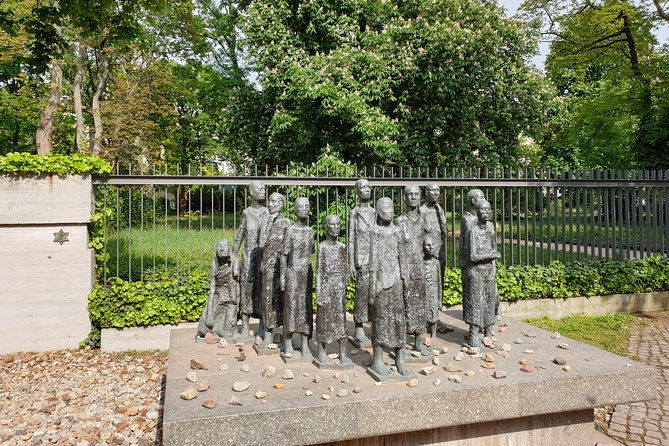
The New Synagogue, once a symbol of Jewish heritage, was heavily damaged during Kristallnacht. The adjacent Jewish Quarter also bore the scars of Nazi persecution.
At Anhalter Banhof, thousands of Jews were deported to concentration camps.
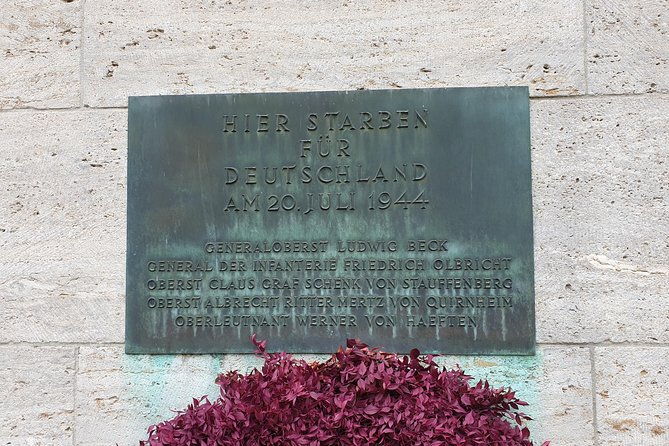
The German Resistance Memorial Center honors those who opposed the regime.
These sites stand as powerful reminders of the regime’s efforts to reshape the city’s landscape and collective memory according to its twisted vision.
The Impact of World War II
World War II had a profound and lasting impact on Germany and the world. The war devastated the country, causing widespread destruction of cities, infrastructure, and human lives. Millions of Germans perished, and the nation faced economic ruin.
The Holocaust, the genocide of European Jews and other groups, forever scarred the German psyche. In the aftermath, Germany was divided into East and West, leading to decades of ideological and military tension during the Cold War.
However, the country’s resilience and the determination of its people ultimately led to reunification and the emergence of a prosperous, democratic Germany.
Exploring the German Resistance
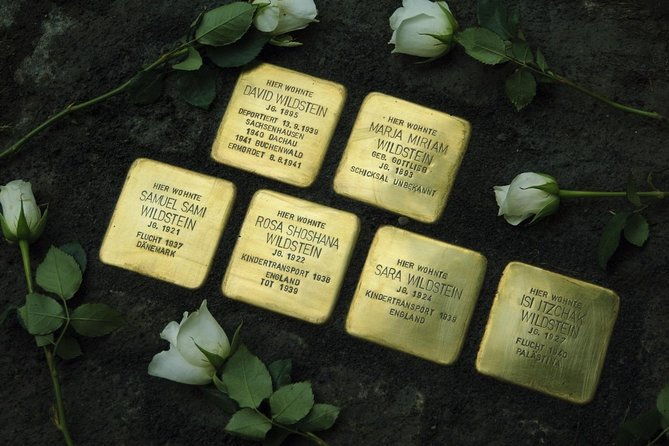
Amidst the darkness and devastation of World War II, a courageous group of Germans stood up against the tyrannical Nazi regime.
The German Resistance Memorial Center in Berlin honors their bravery and sacrifice. Visitors can explore:
- Exhibits chronicling the organized efforts to overthrow Hitler, including the July 1944 plot to assassinate him.
- Personal stories of resisters, from student groups to military officers, who risked their lives to oppose the Nazis.
- The legacy of the German Resistance and its impact on post-war Germany.
- Somber reflections on the heavy toll paid by those who chose to fight against the regime.
Berlin’s Transformation in the Postwar Era
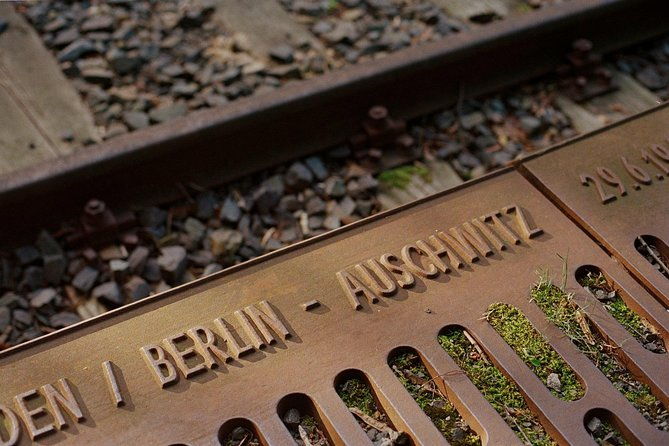
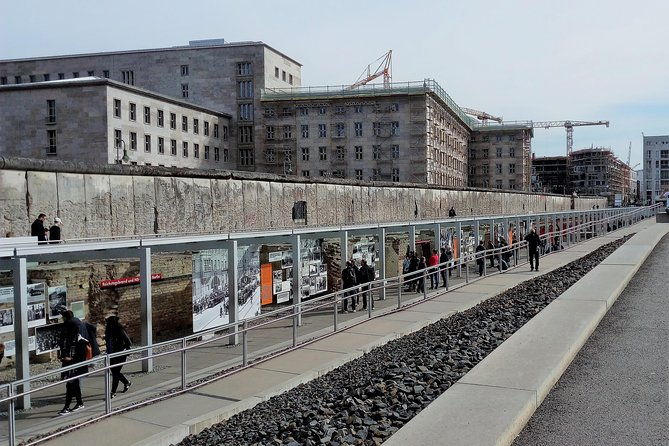
Following the devastation of World War II, Berlin faced immense challenges in rebuilding and transforming itself. The city had to reconstruct its infrastructure, housing, and public spaces while grappling with the legacy of Nazi rule.
Efforts were made to address the material and psychological scars, including memorializing the victims of the Holocaust.
Over time, Berlin evolved into a vibrant, cosmopolitan hub, blending its historic character with modern developments.
Today, the city showcases a dynamic mix of architecture, culture, and innovation, drawing visitors from around the world to explore its rich and complex history.
Tour Inclusions and Requirements
The tour includes several key inclusions and requirements for participants. These include:
-
Local taxes included in the tour price.
-
Professional guide available in Italian to provide historical context and insights.
-
Transportation to and from the attractions, with a day card for Berlin’s public transport (zones AB) provided.
-
Food and drinks not included, allowing travelers to explore local cuisine at their own pace.
-
Optional tip for the guide, as a way to acknowledge exceptional service.
Attention to these details ensures a seamless and informative experience for participants during the Berlin During Nazism tour.
Meeting and Pickup Information
The meeting point for the Berlin During Nazism tour is at Potsdamer Platz 10, 10785 Berlin, in front of the Espresso House. Travelers are advised to arrive 20 minutes before the 10:00 am tour start time. The tour ends at Hackescher Markt, 10178 Berlin.
| Meeting Point | Start Time | End Point |
|---|---|---|
| Potsdamer Platz 10, 10785 Berlin | 10:00 am | Hackescher Markt, 10178 Berlin |
The tour is wheelchair and stroller accessible, and service animals are allowed. Most travelers can participate, and free cancellation is available up to 24 hours before the tour starts.
Frequently Asked Questions
Can I Take Photos During the Tour?
Participants are generally allowed to take photos during the tour, but it is recommended to check with the guide beforehand as there may be certain restrictions or sensitive areas where photography is not permitted. The guide can provide guidance on appropriate photography etiquette.
How Much Time Is Spent at Each Location?
The tour itinerary allocates a specific amount of time at each landmark, though the exact durations may vary. Visitors can expect to spend sufficient time at each site to explore and learn about the history and significance.
Is There a Dress Code for the Tour?
The tour operates in all weather conditions, so travelers are advised to dress appropriately. No specific dress code is mentioned, but guests should wear comfortable clothing and footwear suitable for walking during the guided tour.
Are Audio Headsets Provided for the Tour?
The tour does not explicitly mention the use of audio headsets. However, the tour is described as a guided experience, so it is likely that the guide will provide commentary without the need for individual audio devices.
Can I Extend the Tour to Include Additional Sites?
The tour can be extended to include additional sites, subject to availability and additional fees. Travelers should inquire with the tour operator about customization options and associated costs prior to booking.
The Sum Up
The guided tour in Italian offers a poignant exploration of Berlin’s haunting history under Nazism. Participants can expect to visit key landmarks, explore the rise of the Nazi party, and gain insights into the devastating impact of World War II. The tour give you a comprehensive understanding of this tumultuous period while allowing participants to savor local cuisine and utilize convenient transportation.
More Tours in Berlin
More Tour Reviews in Berlin
Still browsing? Here are more Berlin experiences we've covered recently
- Berlin’s 4 Best Vegan & Vegetarian Tours (With Prices & Reviews)
- 12 Best Drinking Tours In Berlin
- 6 Best Shopping & Market Tours In Berlin
- Berlin’s 10 Top Photography Experiences (With Prices)
- 14 Of The Best Food Tours In Berlin
- The 12 Most Popular Tours & Experiences In Berlin
- Berlin’s 10 Best Workshops & Classes (With Prices & Reviews)
- We Rank The 13 Best Tours In Berlin
- The Top 4 Wine Tours In Berlin
- The 14 Most Popular Walking Tours In Berlin
- 12 Best Cruises And Boat Tours In Berlin (With Reviews & Prices)
- Berlin’s 4 Best Sailing Experiences (With Prices & Reviews)