
Berlin’s role in the rise and fall of National Socialism is a complex and chilling chapter in history. As the capital of the Third Reich, the city became a stage for the Nazi regime’s totalitarian ambitions, with grand architectural projects and aggressive propaganda. The Reichstag fire in 1933 marked a pivotal moment, enabling the Nazis to consolidate their control. Today, Berlin’s memorials and historical sites serve as poignant reminders of this dark period, inviting deeper exploration into the city’s transformation under the Nazi regime.
- Key Points
- Berlin’s Role in the Nazi Rise to Power
- Architectural Legacy of the Third Reich
- Memorials and Monuments of Berlin
- Sites of Nazi Persecution and Resistance
- The Reichstag Fire and Its Aftermath
- The Nuremberg Rallies and Berlin
- Berlin’s Liberation and the End of the Nazi Regime
- Remembering and Reflecting on Berlin’s Nazi History
- The Sum Up
- More Tour Reviews in Berlin
- Still browsing? Here are more Berlin experiences we've covered recently
Key Points
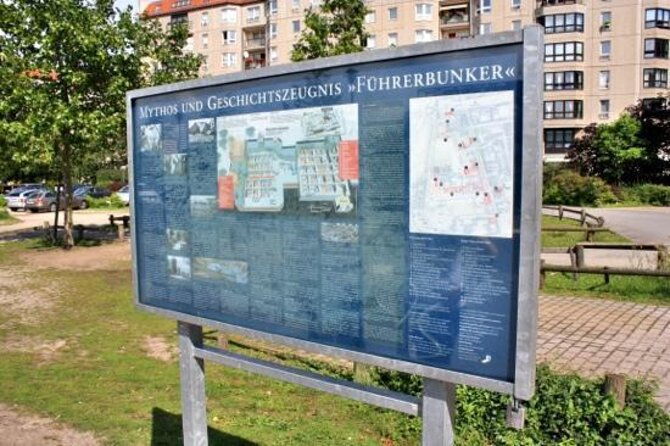
- Berlin was the capital of the Weimar Republic and a stronghold of socialist and communist politics, which the Nazis sought to undermine.
- The Nazi regime commissioned numerous monumental buildings in Berlin to showcase their power and the dark nature of their regime.
- Berlin’s memorials and monuments, such as the Memorial to the Murdered Jews of Europe, serve as reminders of the city’s complex history under Nazi rule.
- Significant sites in Berlin, like the Topography of Terror and Sachsenhausen Concentration Camp, memorialize the victims of Nazi persecution and honor those who resisted the regime.
- The Reichstag fire in 1933 was a pivotal event that allowed the Nazis to consolidate their power and establish a one-party totalitarian state in Germany.
Berlin’s Role in the Nazi Rise to Power
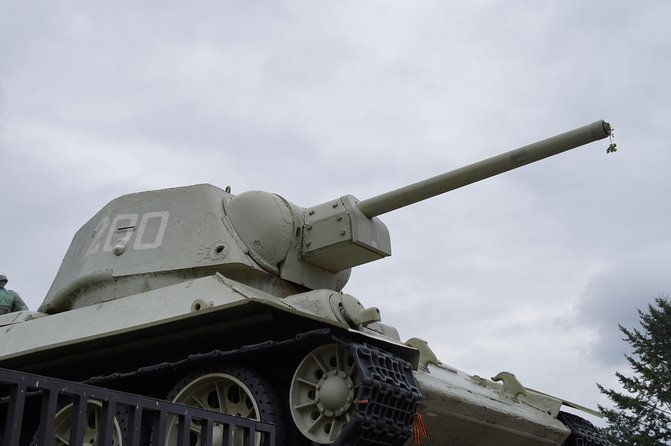
As the capital of the Weimar Republic, Berlin played a crucial role in the Nazi party’s ascent to power. The city was a stronghold of socialist and communist politics, which the Nazis sought to undermine.
Through rallies, propaganda, and the exploitation of economic instability, the Nazis gained significant support among the urban working class in Berlin. The appointment of Adolf Hitler as Chancellor in 1933 was a pivotal moment, leading to the Reichstag fire and the Enabling Act, which allowed the Nazis to consolidate their control over the German government.
Berlin became the epicenter of the Nazi regime, hosting major events and serving as the backdrop for the Third Reich’s expansion.
Looking for more options in Berlin? We've reviewed plenty of other experiences.
Architectural Legacy of the Third Reich
The architectural legacy of the Third Reich is a complex and controversial aspect of German history. The Nazi regime commissioned numerous monumental buildings and structures to showcase its power and ambition. This included the Reich Chancellery, designed by Albert Speer as a symbol of Nazi supremacy.
Plus, the Reichstag fire brigade headquarters and the Olympic Stadium, built for the 1936 Summer Olympics, reflected the regime’s desire to project an image of strength and modernity.
However, these structures also evoke the dark and repressive nature of the Nazi regime, serving as reminders of a troubled past.
Memorials and Monuments of Berlin
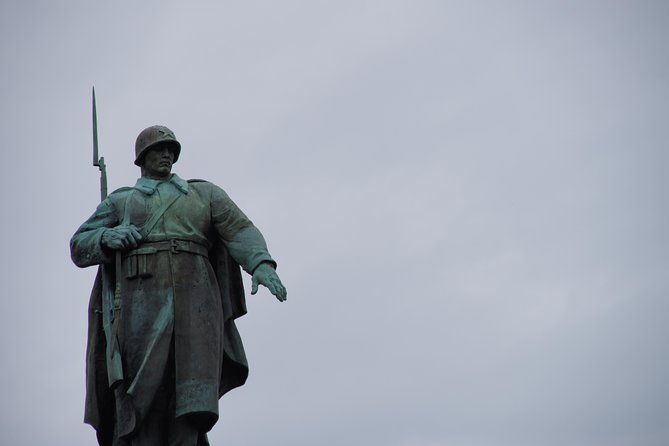
Scattered throughout Berlin, numerous memorials and monuments stand as solemn testaments to the city’s complex history.
The Memorial to the Murdered Jews of Europe is a powerful reminder of the tragedy of the Holocaust. The Neue Wache, once the site of a Nazi memorial, now honors victims of war and tyranny.
The Topography of Terror exhibition explores the crimes of the Nazi regime. Across the city, these structures and sites provide opportunities for reflection, commemoration, and learning about the city’s darkest chapter.
Together, they form a tangible connection to Berlin’s past, shaping its present and future.
Sites of Nazi Persecution and Resistance
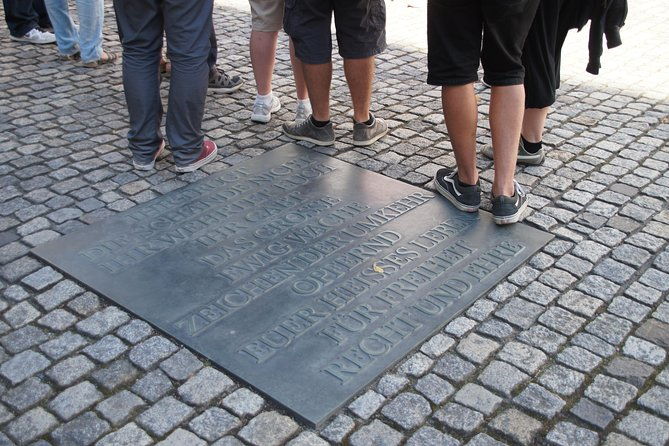
Throughout Berlin, the echoes of Nazi persecution and resistance reverberate through a network of sites that testify to the horrors and heroism of that era.
These include:
- The Topography of Terror, an outdoor exhibit on the former Gestapo headquarters.
- The Sachsenhausen Concentration Camp, a harrowing memorial to the tens of thousands imprisoned and murdered there.
- The Bendlerblock, where the 1944 plot to assassinate Hitler was planned and the conspirators were executed.
These haunting locations serve as grim reminders of the dark chapter in German history, while also honoring the brave individuals who dared to resist the Nazi regime.
The Reichstag Fire and Its Aftermath
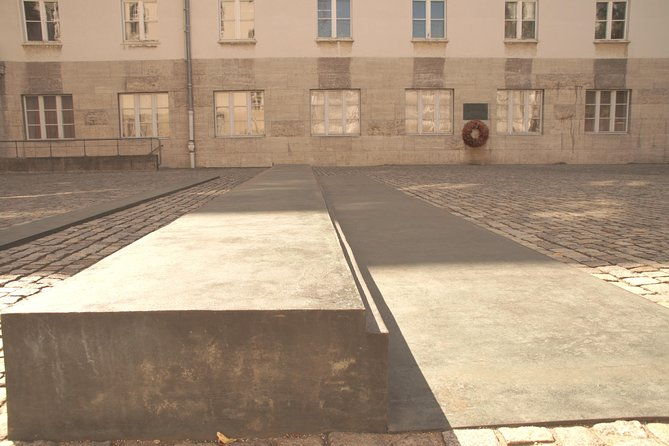
On the night of February 27, 1933, the Reichstag, the historic seat of the German parliament, was engulfed in flames.
Blamed on a young Dutch communist, the fire was used by the Nazi government as a pretext to suspend civil liberties and arrest political opponents.
This allowed the Nazi Party to consolidate power and pass the Enabling Act, which granted Hitler’s cabinet the authority to enact laws without the Reichstag’s approval.
The aftermath of the Reichstag fire marked a crucial step in the Nazis’ transformation of Germany into a one-party totalitarian state, solidifying their grip on power.
The Nuremberg Rallies and Berlin
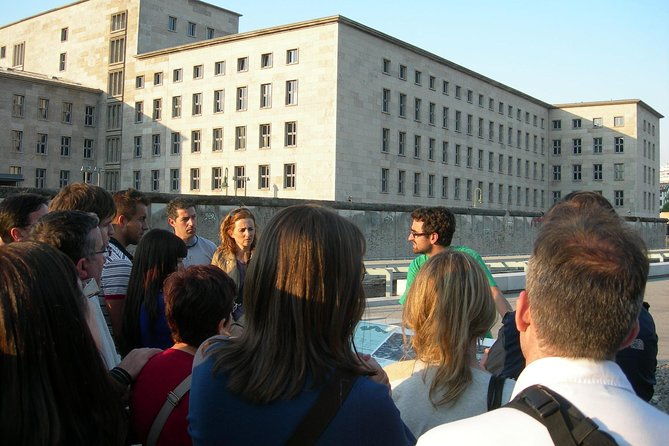
The Nuremberg Rallies were a series of massive propaganda events organized by the Nazi Party in the city of Nuremberg, Germany.
Berlin, as the capital, served as a significant backdrop for these rallies.
The Reichstag building, Nazi Party headquarters, and historic streets played host to:
- Elaborate parades and marches featuring thousands of uniformed Nazi troops and supporters.
- Speeches by Adolf Hitler and other Nazi leaders, espousing their ideology and policies.
- Displays of military might and technological prowess to project an image of German power and dominance.
These rallies solidified the Nazi’s grip on power and their vision for a Reich-controlled Berlin.
Berlin’s Liberation and the End of the Nazi Regime
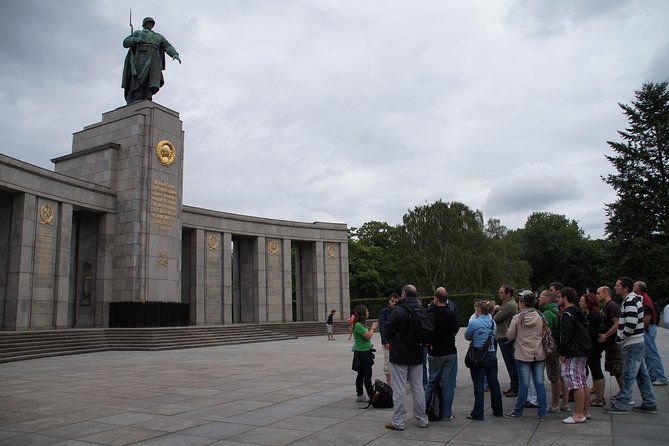
As the Nazi regime‘s hold on power began to falter, the focus shifted to Berlin’s eventual liberation from their oppressive rule.
By April 1945, the Soviet Army had surrounded the city, leading to the Battle of Berlin. After fierce fighting, Berlin surrendered on May 2, 1945, marking the end of Nazi Germany.
The city had been devastated, with widespread destruction and civilian casualties.
In the aftermath, the Allied powers divided Berlin into sectors, setting the stage for the subsequent tensions of the Cold War.
The Nazi era in Berlin had come to a close, ushering in a new chapter in the city’s complex history.
Remembering and Reflecting on Berlin’s Nazi History
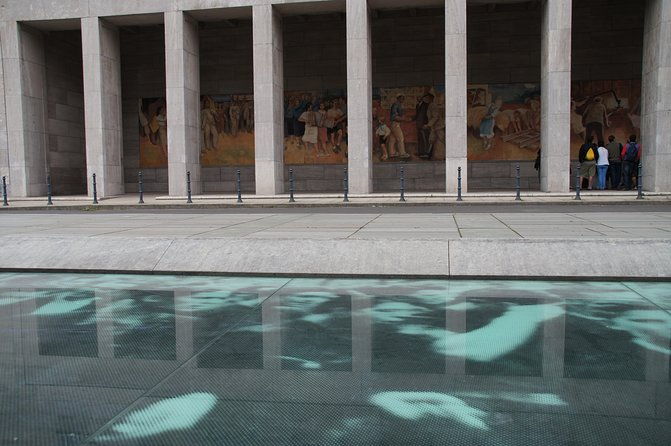
How does one reconcile the complex and often disturbing history of Berlin’s Nazi past? Navigating this legacy requires careful reflection and a willingness to confront the realities of that time.
Guided tours of Berlin’s Nazi-era sites offer visitors the opportunity to:
-
Explore buildings and memorials that stand as haunting reminders of the atrocities committed under the Third Reich.
-
Gain a deeper understanding of how the Nazi ideology took root and shaped the city’s landscape.
-
Ponder the ongoing challenge of memorializing and learning from this difficult chapter in Germany’s history.
Ultimately, these experiences allow individuals to engage with the past and consider its lasting impact on the present.
The Sum Up
Berlin’s tumultuous history under National Socialism remains a sobering reminder of the dangers of totalitarianism and the importance of vigilance in the face of extremism. Though the city’s architectural legacy and sites of Nazi persecution bear witness to this dark chapter, Berlin today serves as a beacon for remembrance, reconciliation, and a steadfast commitment to upholding democratic values.
More Tour Reviews in Berlin
Still browsing? Here are more Berlin experiences we've covered recently
- Berlin’s 4 Best Vegan & Vegetarian Tours (With Prices & Reviews)
- 12 Best Drinking Tours In Berlin
- 6 Best Shopping & Market Tours In Berlin
- Berlin’s 10 Top Photography Experiences (With Prices)
- 14 Of The Best Food Tours In Berlin
- The 12 Most Popular Tours & Experiences In Berlin
- Berlin’s 10 Best Workshops & Classes (With Prices & Reviews)
- We Rank The 13 Best Tours In Berlin
- The Top 4 Wine Tours In Berlin
- The 14 Most Popular Walking Tours In Berlin
- 12 Best Cruises And Boat Tours In Berlin (With Reviews & Prices)
- Berlin’s 4 Best Sailing Experiences (With Prices & Reviews)