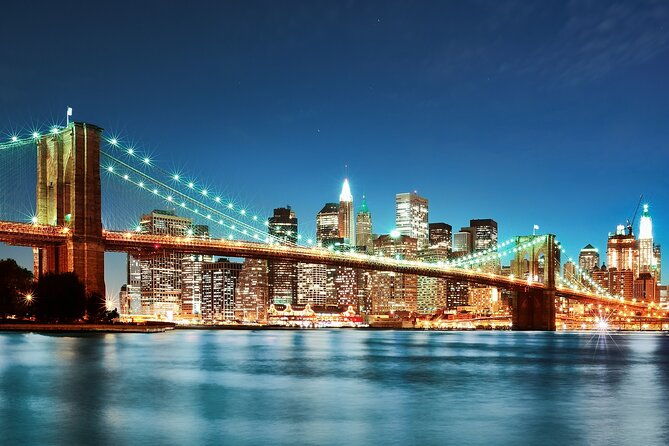
New York City’s skyline has long captivated the world, reflecting the city’s rich architectural heritage. From the humble beginnings of Dutch Colonial structures to the grand visions of Neoclassical design, the skyline’s evolution charts the city’s remarkable transformation. The arrival of the Flatiron Building heralded a new era of skyscrapers, while the Art Deco and Modernist movements further defined the cityscape. Exploring this architectural journey offers insights into New York’s dynamic past and its enduring influence on global design.
- Key Points
- The Dutch Colonial Era
- The Rise of Neoclassical Architecture
- The Flatiron Building and the Skyscraper Boom
- The Art Deco Masterpieces of the 1920s
- Modernism and the International Style
- The Postmodern Revolution
- Contemporary Architecture and the High Line
- The Transformation of Lower Manhattan
- Sum Up
- The Best Of New York City!
- More Historical Tours in New York City
- More Tour Reviews in New York City
Key Points



-
New York City’s architectural landscape has evolved from simple Dutch colonial structures to grand Neoclassical buildings, towering skyscrapers, and modernist masterpieces.
-
The shift from Dutch colonial to Neoclassical design in the early 19th century reflected the city’s ambitions to be a financial and cultural center.
-
The emergence of the Flatiron Building and the subsequent skyscraper boom in the late 19th century marked a new era of urban development and architectural innovation.
-
The rise of Art Deco in the 1920s transformed the city’s visual landscape, cementing New York’s status as a global center of design and innovation.
-
The mid-20th century saw a shift to modernist transformation influenced by the International Style, reflecting the city’s role in global commerce and desire for modern aesthetics.

👉 See our pick of the 3 Top-Rated New York City Historical Tours
The Dutch Colonial Era
Although New York City’s iconic skyline is today defined by towering skyscrapers, its origins can be traced back to a small Dutch colonial settlement.
In the early 1600s, Dutch colonists established New Amsterdam, a modest outpost along the banks of the Hudson River. The earliest structures were simple, one-story wooden buildings, reflecting the pragmatic sensibilities of the Dutch settlers.
As the colony grew, so too did its architectural style, incorporating elements of Dutch Renaissance design, such as steep roofs and ornate gables. This marked the humble beginnings of what would eventually become one of the world’s most recognizable cityscapes.
You can also read our reviews of more historical tours in New York City



The Rise of Neoclassical Architecture
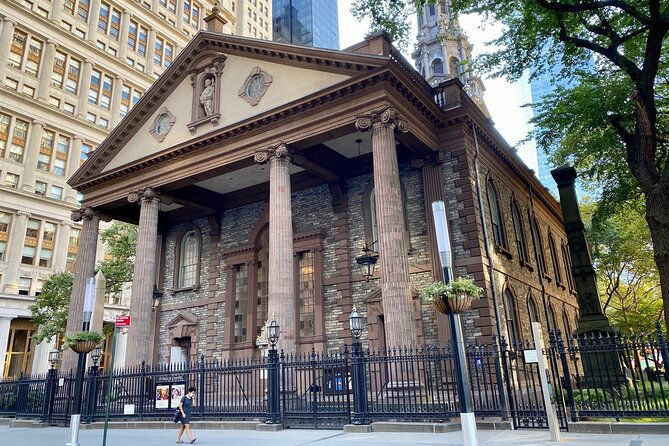
As New York City’s population and economy grew in the early 19th century, the city’s architectural style shifted from the modest Dutch colonial buildings to the more grandiose and imposing Neoclassical structures.
Inspired by ancient Greek and Roman designs, these new buildings featured symmetry, columns, and pediments. Prominent examples include Federal Hall, the New York Stock Exchange, and the New York City Hall.
This architectural shift reflected the city’s ambitions to be seen as a financial and cultural center, rivaling the grandeur of European cities. Neoclassical design became a symbol of power, wealth, and civic pride in the rapidly evolving metropolis.
The Flatiron Building and the Skyscraper Boom
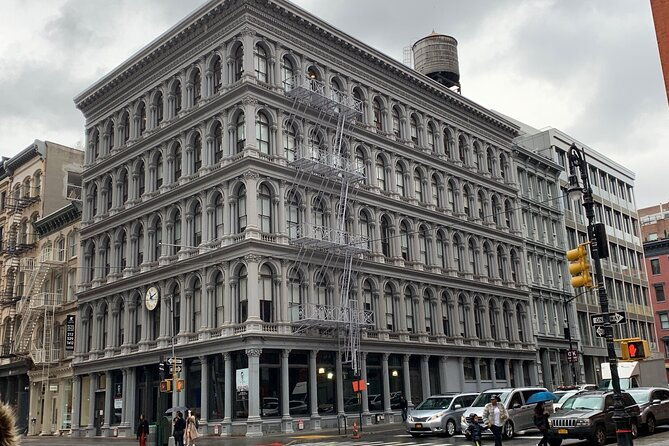
The late 19th century saw a dramatic shift in New York City’s architectural landscape with the emergence of the Flatiron Building and the subsequent skyscraper boom.
Completed in 1902, the Flatiron Building’s distinct triangular shape became an iconic symbol of the city’s architectural innovation. Its innovative steel-frame construction enabled the building to soar to unprecedented heights, defying the limitations of earlier masonry-based structures.
This success paved the way for a wave of skyscrapers that transformed New York’s skyline, as architects pushed the boundaries of design and engineering to create taller, more ambitious buildings.
The skyscraper boom reshaped the city’s visual identity and ushered in a new era of urban development.
The Art Deco Masterpieces of the 1920s
During the 1920s, New York City witnessed the rise of a groundbreaking architectural style that would forever shape its iconic skyline – Art Deco.
Characterized by geometric shapes, sleek lines, and lavish ornamentation, Art Deco buildings became symbols of modernity and progress.
Iconic examples include the Chrysler Building, the Empire State Building, and Radio City Music Hall.
These majestic structures not only transformed the city’s visual landscape but also reflected the optimism and dynamism of the Roaring Twenties.
The Art Deco era left an indelible mark on New York’s architectural heritage, cementing its status as a global center of design and innovation.
Modernism and the International Style
Following the 1920s Art Deco era, New York City’s architecture entered a new phase of modernist transformation in the mid-20th century. Influenced by the International Style, buildings in this era prioritized function over ornamentation, featuring:
- Clean, rectilinear forms
- Expansive glass facades
- Exposed structural elements
- Lack of historical references
- Emphasis on efficiency and technology
Iconic examples include the Seagram Building, Lever House, and the United Nations Headquarters.
This architectural shift reflected the city’s growing role in global commerce and desire for a modern, forward-looking aesthetic.
Modernism left a lasting impact on NYC’s skyline and built environment.



The Postmodern Revolution
As the 20th century drew to a close, New York City’s architectural landscape underwent another transformative shift – the postmodern revolution.
Tired of modernism’s rigid forms, architects embraced playful, ornate, and contextual designs. Notable examples include Philip Johnson’s AT&T Building, with its Chippendale-style top, and Helmut Jahn’s Sony Building, featuring a colorful, quirky exterior.
Postmodernism celebrated historicism, local traditions, and popular culture, rejecting the elitism of modernism. This new style reflected the city’s diverse influences and vibrant energy, ushering in a new era of architectural expression in New York.
Contemporary Architecture and the High Line
As New York City continued to evolve, contemporary architects embraced innovative designs that transformed the urban landscape.
Nowhere is this more evident than the High Line, a repurposed elevated freight rail line that has become a beloved public park.
This remarkable project features:
- Stunning city views
- Lush landscaping with native plants
- Elevated walkways and observation decks
- Rotating art installations
- Diverse public programming
The High Line’s success has inspired similar adaptive reuse projects, demonstrating how contemporary architecture can breathe new life into forgotten urban spaces and create dynamic community hubs.
The Transformation of Lower Manhattan
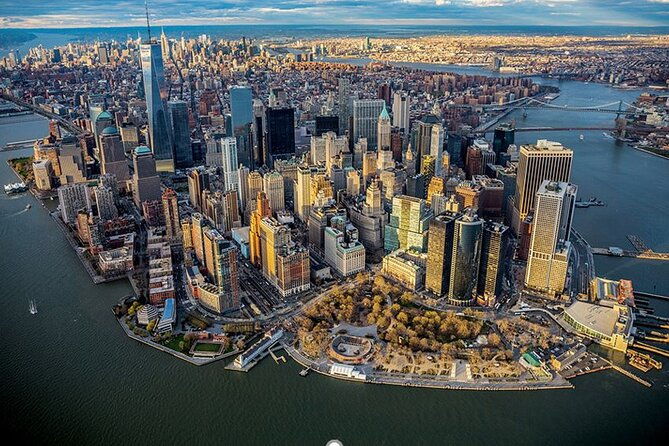
The transformation of Lower Manhattan has been nothing short of remarkable.
Once a gritty financial district, the area has undergone a stunning renaissance, with new landmarks and public spaces emerging. The gleaming Freedom Tower now dominates the skyline, while the High Line has transformed a former industrial eyesore into a beloved green oasis.
Bustling neighborhoods like Tribeca and the Financial District blend historic charm with modern amenities, offering a vibrant mix of restaurants, shops, and cultural attractions.
This evolution hasn’t only revitalized Lower Manhattan but also cemented its status as a must-see destination for visitors and locals alike.
Sum Up
New York City’s skyline has evolved dramatically, reflecting the city’s architectural journey. From the simplicity of Dutch Colonial structures to the grandeur of Neoclassical designs, the Flatiron’s skyscraper innovation, Art Deco masterpieces, and International Style modernism, the city’s architectural landscape has continually transformed, solidifying its status as a global design capital. Today, the skyline continues to evolve, showcasing the city’s ongoing commitment to architectural innovation and adaptation.