
The "How Money Was Made: Wall Street Walking Tour" takes visitors on an enlightening journey through the historic financial district of New York City. From its origins as a Dutch trading post to its current status as a global financial powerhouse, this immersive experience unveils the evolution of Wall Street. Participants explore iconic landmarks, uncover the impact of economic growth and crises, and gain a deeper understanding of the triumphs and challenges that have shaped the American capitalist system. It’s a captivating exploration that leaves one curious to discover more about the complex and fascinating history of this legendary financial hub.
- Key Points
- Discovering the Financial and Political Roots of Wall Street
- Exploring the Financial Crises Caused by Stock Market Crashes
- Admiring New York’s Architecture and Iconic Landmarks
- Visiting the Heart of Wall Street
- Learning About Native American Origins of Early Trading
- Examining the Impact of Aggressive Economic Growth
- Discussing the Rebirth of Lower Manhattan After 9/11
- FAQ
- Is the Tour Suitable for Children?
- Can the Tour Be Customized to Specific Interests?
- What Is the Cancellation Policy for the Tour?
- Are There Any Discounts Available for Group Bookings?
- Can the Tour Be Arranged for a Private Group?
- Sum Up
- The Best Of New York City!
- More Walking Tours in New York City
- More Tours in New York City
- More Tour Reviews in New York City
Key Points
-
Trace the evolution of Wall Street from a Dutch trading post to a global financial hub reflecting the growth of American capitalism.
-
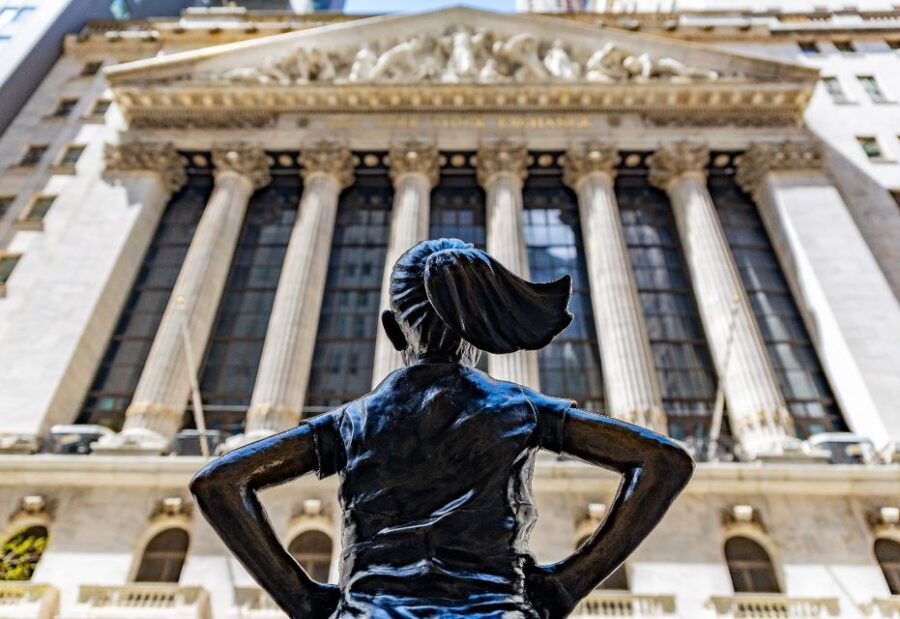
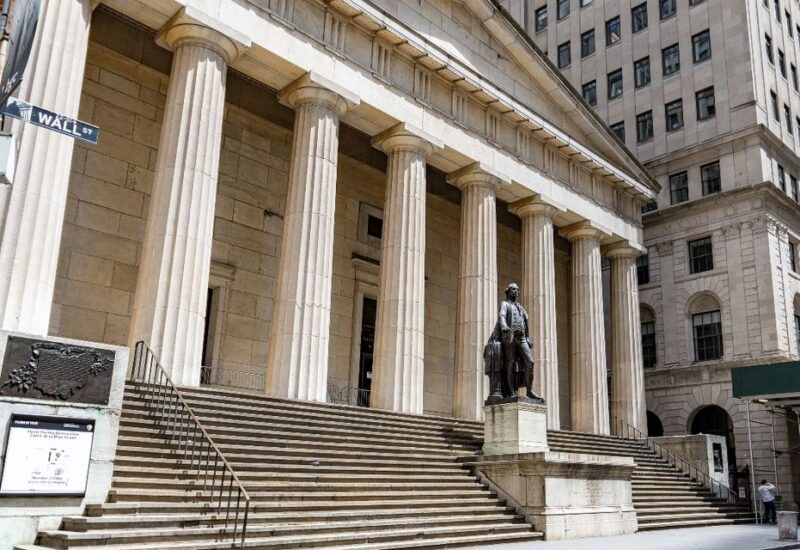
Explore the iconic architectural landscape of New York City, showcasing the neoclassical design of the New York Stock Exchange and the historical significance of Federal Hall.
-
Understand the impact of past financial crises, such as the Great Depression and the Great Recession, on the fragility of the financial system and the role of greed and speculation.
-
Discover the complex trading practices of Native American tribes, including the use of wampum as a form of currency, and their influence on the development of colonial commerce.
-
Examine the social and economic consequences of unchecked growth, including the displacement of marginalized communities and the need for more equitable and sustainable development models.

👉 See our pick of the 3 Top-Rated New York City Historical Tours
Discovering the Financial and Political Roots of Wall Street
Although Wall Street is now known as the epicenter of American finance, its origins can be traced back to the political and economic forces that shaped early colonial New York.
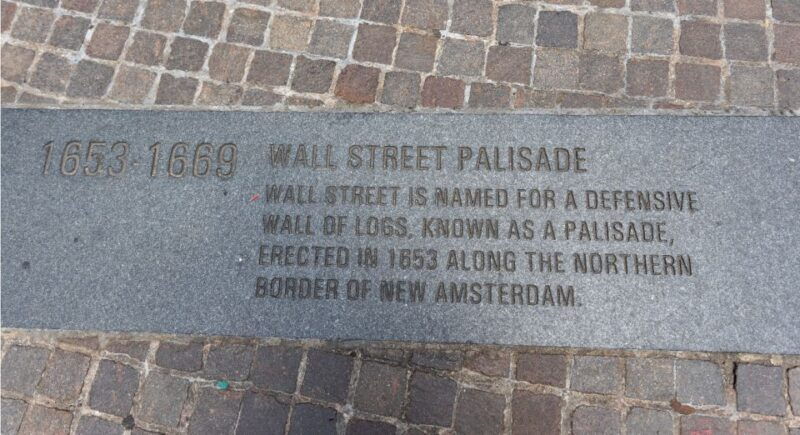
The area was originally the site of a Dutch trading post, where Native Americans and European merchants exchanged goods. Under British rule, the street became a hub for slave auctions and the slave trade.
Wall Street’s origins trace back to a Dutch trading post where Native Americans and Europeans exchanged goods, later becoming a hub for the slave trade.
Over time, it evolved into a center for banking, insurance, and securities trading, reflecting the growth of capitalism and the country’s expanding wealth.
Today, Wall Street’s iconic skyscrapers symbolize the power and influence of the American financial system.
You can also read our reviews of more walking tours in New York City



Exploring the Financial Crises Caused by Stock Market Crashes
Wall Street has weathered numerous financial crises over the years, often triggered by catastrophic stock market crashes. The most notorious include the Panic of 1907, the Great Depression of 1929, and the Great Recession of 2008.
These events devastated the economy, wiped out investments, and shattered public confidence. On the tour, you’ll learn how reckless speculation, unchecked greed, and lax regulations contributed to these crashes.
You’ll also discover how the failures of major financial institutions, such as banks and investment firms, fueled widespread panic and economic turmoil. By understanding these past crises, you’ll gain insight into the fragility of the financial system.
Admiring New York’s Architecture and Iconic Landmarks
As you shift your gaze from the turbulent financial crises to the city’s architectural landscape, you’ll be captivated by the striking juxtaposition of old and new.
From the towering skyscrapers of Wall Street to the timeless elegance of Federal Hall, New York’s skyline is a testament to its rich history and continual evolution.
New York’s skyline, a captivating juxtaposition of old and new, reflecting the city’s rich history and evolving character.
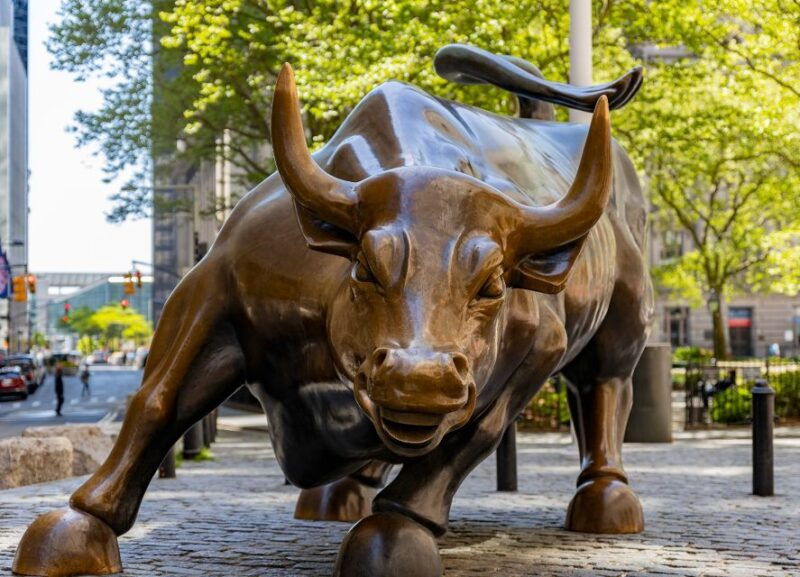
Admire the ornate details of the New York Stock Exchange building, a neoclassical masterpiece, and stand in awe of the iconic Charging Bull sculpture, a symbol of the city’s relentless financial prowess.
This walking tour offers a unique opportunity to learn about the architectural wonders that define the heart of New York City.
Visiting the Heart of Wall Street
Visitors to the "How Money Was Made: Wall Street Walking Tour" are treated to an up-close encounter with the heart of Wall Street.
They’ll stand in the shadow of the New York Stock Exchange, the iconic centerpiece of the financial district. The guide will point out significant landmarks like Federal Hall, where George Washington was sworn in as the first U.S. president.
Nearby, the group will see the statue of Alexander Hamilton, one of Wall Street’s founding fathers. Throughout the tour, the guide will share the history and significance of these important sites, giving visitors a deeper understanding of Wall Street’s influence.
More Great Tours NearbyLearning About Native American Origins of Early Trading
Although the tour primarily focuses on the European and American influences that shaped Wall Street, it also delves into the lesser-known Native American origins of early trading in the Americas.
Participants learn about how indigenous tribes engaged in complex trading networks long before the arrival of European settlers. These trading practices include:
-
Wampum, a form of shell beads used as currency
-
Fur trading with European colonists
-
Bartering of goods and resources
-
Establishment of early trading posts and markets
-
Influence of Native American trade routes on the development of colonial commerce



Examining the Impact of Aggressive Economic Growth
The tour also examines how the aggressive economic growth fueled by Wall Street’s financial activities has impacted diverse populations over time.
The rapid expansion of wealth and power centered on Wall Street has often come at the expense of marginalized groups, including Native Americans, immigrants, and enslaved workers.
The rapid growth of Wall Street’s wealth has frequently come at the cost of marginalized communities such as Native Americans, immigrants, and enslaved workers.
Through case studies, the tour explores how speculative bubbles, discriminatory lending practices, and gentrification have displaced communities and exacerbated inequality.
Participants learn to critically examine the costs of unchecked greed and the need for more equitable and sustainable models of economic development.
Discussing the Rebirth of Lower Manhattan After 9/11
After the devastating events of September 11th, 2001, Lower Manhattan underwent a remarkable transformation, rising from the ashes to become a vibrant, resilient community.
The area witnessed the construction of new skyscrapers, the revitalization of public spaces, and the influx of diverse businesses.
This rebirth was driven by:
-
Investments in infrastructure and transportation hubs
-
Collaborative efforts between government, private, and nonprofit organizations
-
Emphasis on urban planning and sustainable development
-
Creation of mixed-use neighborhoods that blended residential, commercial, and cultural elements
-
Commitment to honoring the memory of those lost while embracing a future of growth and resilience.
FAQ
Is the Tour Suitable for Children?
Based on the details provided, the tour may not be the best fit for children. The content focuses on historical financial topics and events that may not be engaging or appropriate for younger audiences. However, the tour’s accessibility suggests it could accommodate families.
Can the Tour Be Customized to Specific Interests?
The tour can likely be customized to specific interests. While the standard itinerary covers a broad range of financial and historical topics, the guide may be able to adapt the tour to focus more on areas of particular interest to the participants.
What Is the Cancellation Policy for the Tour?
The tour has a free cancellation policy – customers can cancel up to 24 hours in advance for a full refund. This provides flexibility for those who need to change their plans.
Are There Any Discounts Available for Group Bookings?
Yes, group discounts are available for the How Money Was Made: Wall Street Walking Tour. Bookings of 4 or more people can receive a 10% discount on the per person price. Contact the tour operator for more details.
Can the Tour Be Arranged for a Private Group?
Yes, the tour can be arranged for a private group. Customers can inquire about private group bookings, which may offer discounts and more flexibility in scheduling. The tour provider can accommodate these requests based on availability and group size.
Sum Up
The "How Money Was Made: Wall Street Walking Tour" provides a captivating journey through the financial and political history of Wall Street. Participants explore the architectural significance of iconic landmarks, explore the impact of economic growth and crises, and uncover the Native American origins of early trading. This immersive experience offers a balanced perspective on the triumphs and challenges of capitalism in America.