
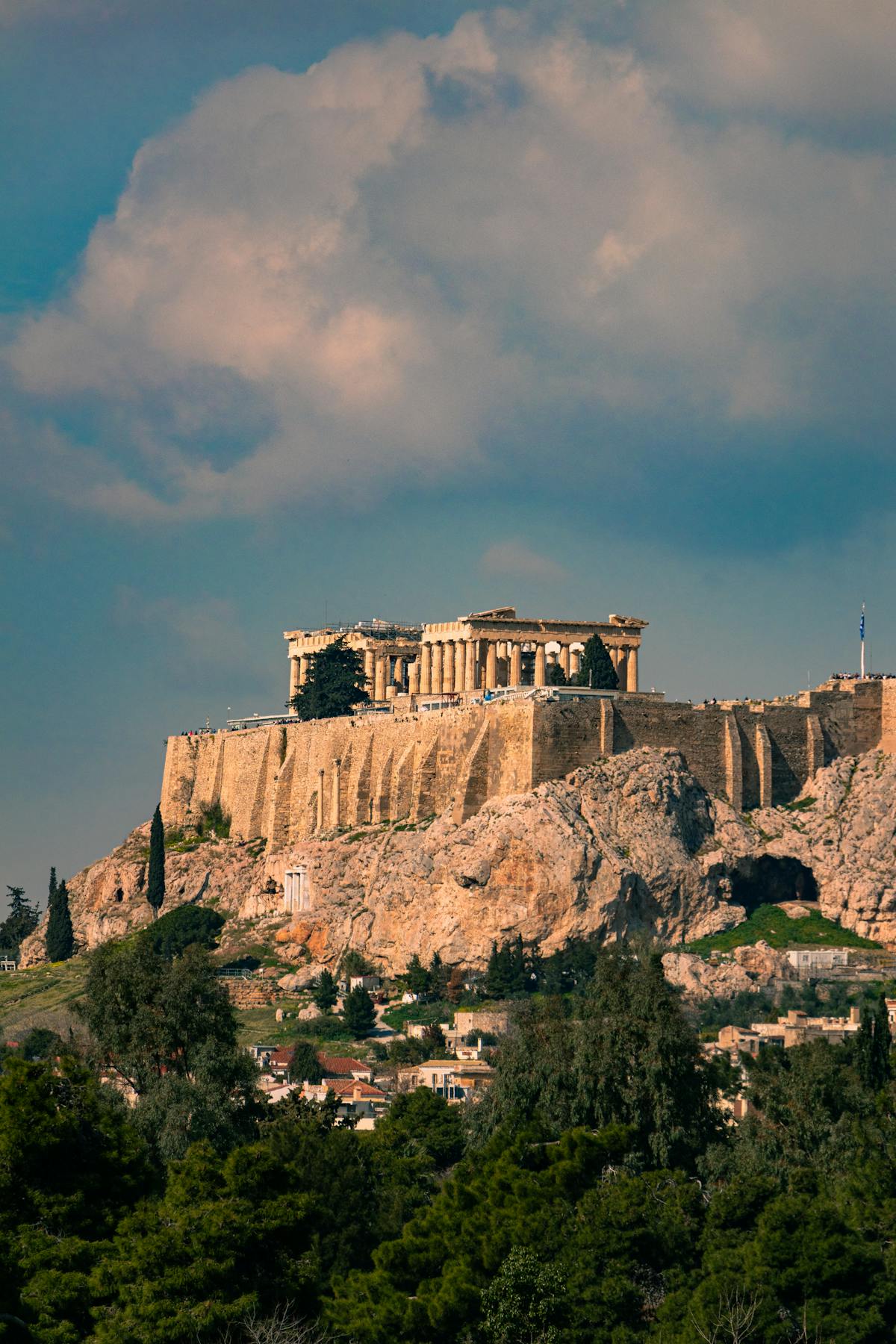
The Acropolis isn’t just Athens’ most famous landmark — it’s arguably the single most important archaeological site in the Western world. This limestone outcrop, rising 150 metres above the city, has been continuously significant for over 3,000 years, and the temples crowning its summit represent the peak of Classical Greek architecture, democracy, philosophy, and artistic achievement. You can wander up there on your own and it’s still impressive, but having a licensed guide decode the ruins transforms it from “impressive old buildings” into one of the most powerful history lessons you’ll ever experience. Every stone has a story, every column was placed with mathematical precision, and the mythology woven through the site connects directly to the foundations of Western civilisation.
The guided tours operating today are significantly better than the experience even a decade ago. Guides are now required to be licensed by the Greek state — meaning they’ve completed university-level education in archaeology, history, or art history — and most carry laminated photos, tablets, or printed reconstructions that show you what the buildings looked like when they were new. Groups use wireless headsets, so you can hear the guide clearly even when surrounded by hundreds of other visitors, and skip-the-line access means you bypass what can be a 1-2 hour queue in peak season.
The Acropolis and Parthenon Guided Walking Tour is the standout with 8,493 reviews and consistently praised guides like Deppy, Elena, and Dionysus. Skip-the-line access, headsets, and optional Acropolis Museum extension make it the most complete experience. For a mythology-focused alternative, the Mythological Tour weaves Greek myths into every stop.
- Recommended Acropolis Tours
- 1. Acropolis and Parthenon Guided Walking Tour — Athens’ Best-Reviewed
- 2. Acropolis and Parthenon Walking Tour — The Alternative Operator
- 3. Acropolis Monuments & Parthenon with Optional Museum
- 4. Athens & Acropolis Highlights — The Mythological Tour
- What You’ll See on the Acropolis
- The Parthenon
- The Erechtheion and the Caryatids
- The Theatre of Dionysus
- The Odeon of Herodes Atticus
- Practical Tips for Visiting the Acropolis
- Timing Is Everything
- What to Wear and Bring
- Tickets and Skip-the-Line
- Accessibility
- The Acropolis Through History: More Than Meets the Eye
- From Sacred Rock to Golden Age
- Centuries of Transformation
- Democracy Was Born Here
- Beyond the Acropolis: Exploring Athens
- The Plaka District
- The Ancient Agora
- More Greece Guides
Recommended Acropolis Tours
1. Acropolis and Parthenon Guided Walking Tour — Athens’ Best-Reviewed
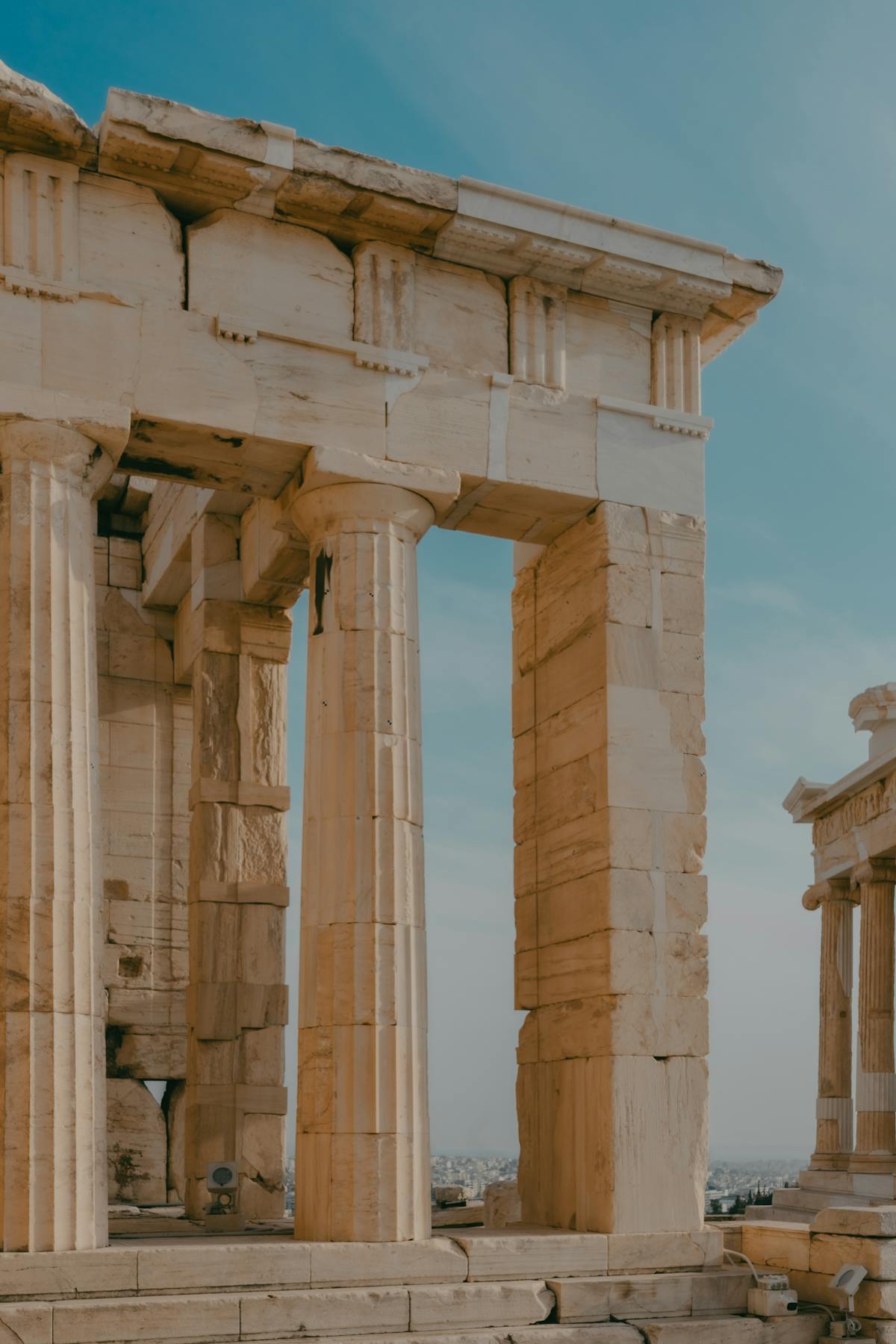
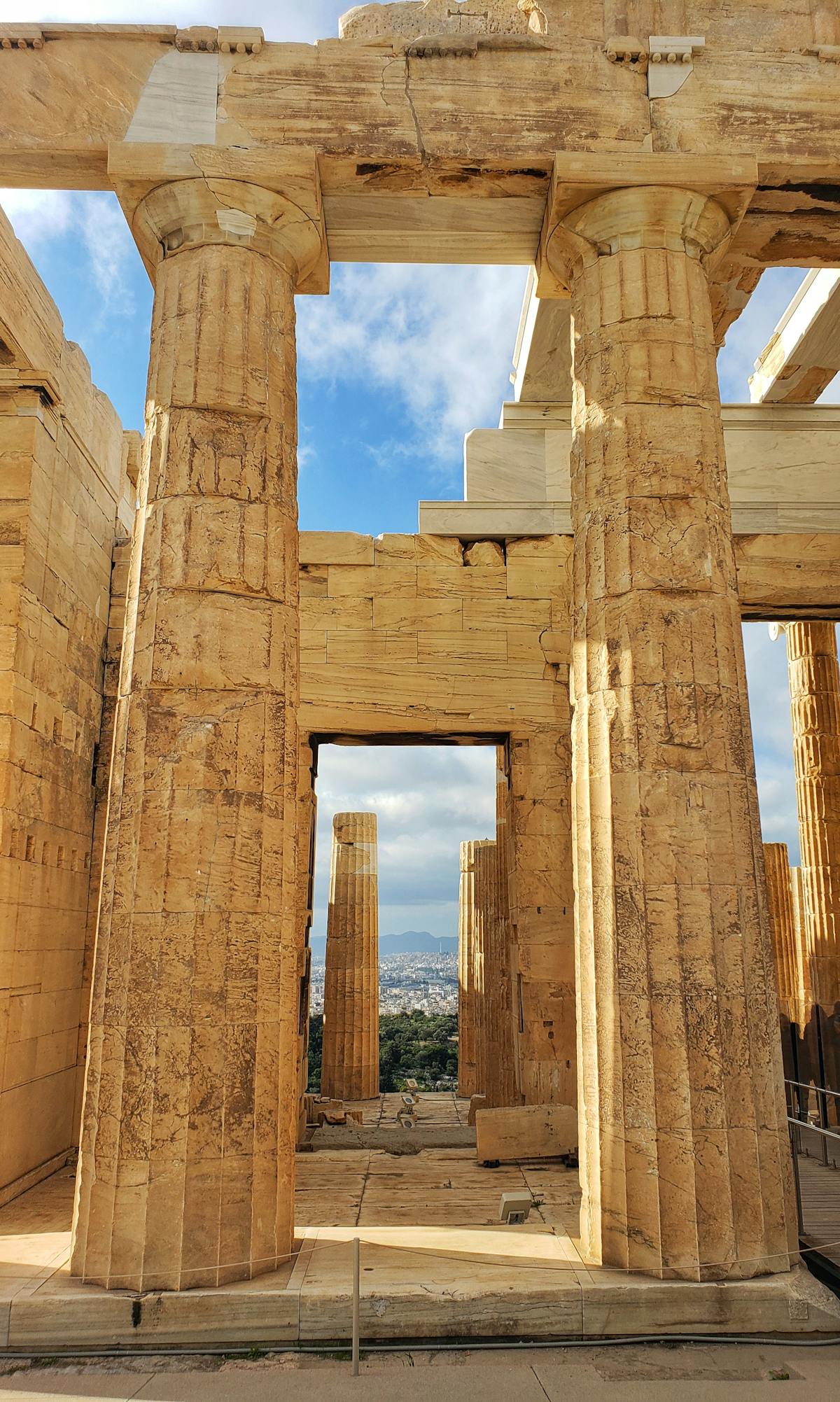
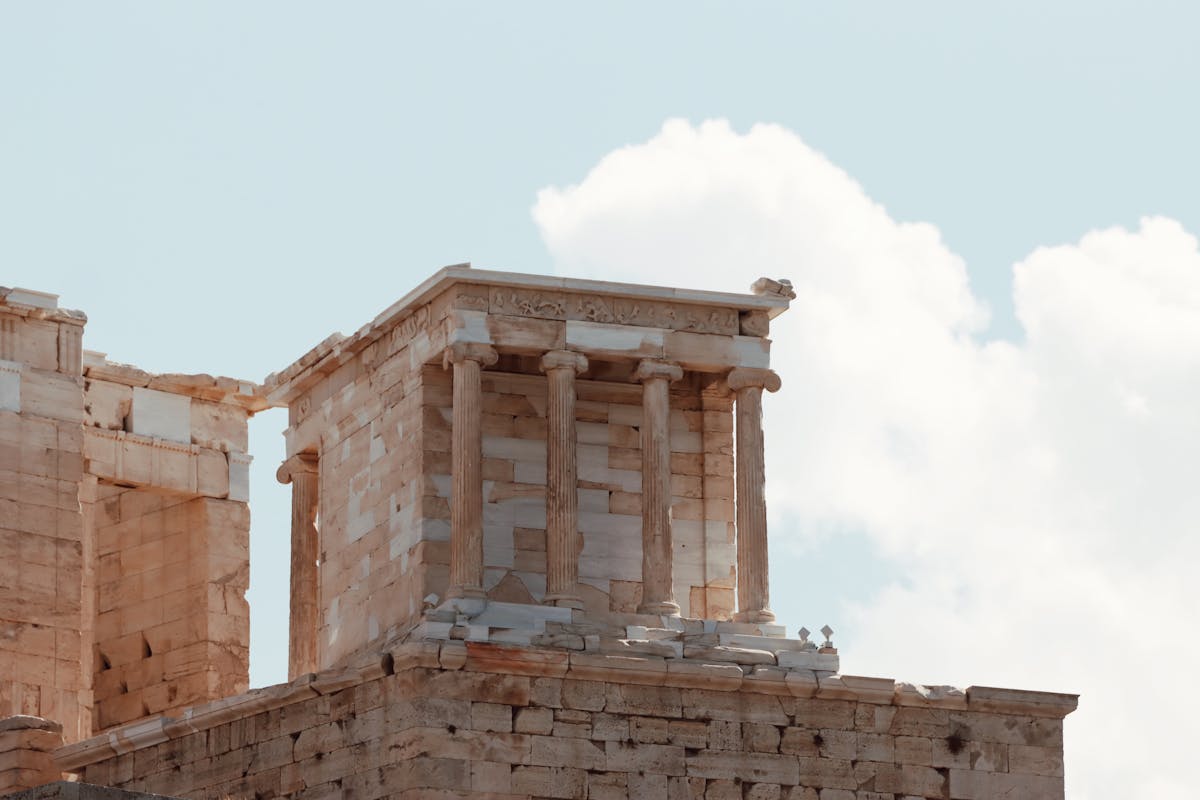
With a staggering 8,493 reviews, this is not just the most-reviewed Acropolis tour — it’s one of the most-reviewed guided tours in all of Europe. The format is well-refined: meet at the Athens Walks office near the Acropolis metro station, collect your skip-the-line tickets and wireless headset, and walk up the south slope with your guide explaining the Theatre of Dionysus, the Odeon of Herodes Atticus, the Propylaea gateway, the Temple of Athena Nike, the Erechtheion with its Caryatid maidens, and finally the Parthenon itself.
What makes this tour exceptional is the guide quality. Abbie called her tour with Elena “brilliant — she was funny, energetic and spoke excellent English. We learned so much more than we ever could have on our own.” Metin praised his guide for bringing “that entire historical period to life, almost like telling a fairy tale” and added: “the Acropolis is one of the places in the world everyone should visit at least once. However, I strongly recommend exploring it with a guide.” Joe’s family was so engrossed they “looked up and it was over 4 hours later” — and everyone “said they would do the tour again.”
The optional Acropolis Museum extension adds approximately 90 minutes and is worth every cent. Teri highlighted that guide Dora “hit interesting highlights and we got to see some of the originals preserved in the museum” — including the real Caryatid statues (the ones on the Erechtheion are replicas) and surviving Parthenon friezes. Stephanie agreed: “make sure not to miss the Acropolis Museum at the end as that was incredible too!”
The tour lasts approximately 2 hours for the Acropolis only, or 3.5 hours with the museum. Groups typically have 15-20 people — small enough for the guide to engage with individuals but large enough to keep the price reasonable. Morning tours (especially the early 8:30-9:00 AM slots) are best for beating the crowds and the heat.
Read reviews and check prices for this tour
2. Acropolis and Parthenon Walking Tour — The Alternative Operator
This 4,542-review tour covers the same ground as the top pick but through a different operator, and it’s worth comparing if the first is sold out or if you prefer certain time slots. The quality is equally impressive: Irene was praised for being “a wealth of knowledge and a true scholar” with “a sense of humour” that made the experience enjoyable, while Jessica recommended “the early morning slot to beat the major crowds” and called guide Angel “fantastic — so funny, knew so much and spoke clearly throughout.”
Alison’s review stands out for its warmth: she visited with “2 toddlers who were difficult on and off throughout the tour” and guide Eleni “was so patient and kind with them. She included our daughter in the tour and made her feel so special!” This suggests the guides are skilled at adapting their delivery to different audiences — not just reciting scripts. Penelope praised guide Kimon for his “enthusiasm for Greek history and mythology” with “clear explanations” that worked for the whole group.
Headsets, skip-the-line tickets, and a similar 2-hour format. The main difference is departure timing — check both operators’ schedules and pick whichever has your preferred slot.
Read reviews and check availability
3. Acropolis Monuments & Parthenon with Optional Museum
This tour earns a perfect 5.0 rating from 2,678 reviews — the highest-rated Acropolis experience on the site. The slightly higher rating reflects a combination of smaller group sizes and guides who tend to be more academically oriented. Dan described his experience as “a master class in Classical art and architecture” — their guide was “exceptionally knowledgeable about the history, art, mythology, and architecture” and the museum portion felt like “a private tour.”
Cathleen specifically praised guide Lisa for her “archeological background” that made “the museum tour fascinating — probably the highlight for us!” Colleen agreed: guide Dionisios was “knowledgeable and entertaining” and delivered a tour she’d “choose again.” Robert noted that while “you can definitely go to Acropolis on your own and see everything, if you do this tour and go with a guide, you learn a lot more about the history rather than just looking at stuff” — which is honestly the strongest argument for any guided tour.
The museum extension is particularly recommended with this operator — guides tend to spend more time on the Parthenon Gallery, where surviving sections of the frieze are displayed alongside plaster casts of the pieces held in the British Museum in London. This juxtaposition — original next to cast, with empty spaces where stolen sections belong — is one of the most powerful museum experiences in Europe.
4. Athens & Acropolis Highlights — The Mythological Tour
If straight archaeological history isn’t your thing but Greek mythology is, this 2,370-review tour (5.0 rating) approaches the same sites through the lens of the gods, heroes, and monsters whose stories played out here. Rather than focusing primarily on dates and construction techniques, the guides weave mythology into every stop — Athena and Poseidon’s contest for the city, the birth of democracy on the hill where citizens voted, the oracle at Delphi that influenced decisions made in these very buildings.
Paul highlighted that the guide had “many printed photos and visual aids to help describe the historical appearance of the site” — a thoughtful touch that helps you imagine the temples in their original painted glory (they were brightly coloured, not the austere white marble we see today). Lucia was lucky to get “an archeologist” as a guide who “answered all our niche questions.” Kristin said she “can’t imagine experiencing this tour any other way” — guide Alexandros “expertly wove together history, architecture, mythology and modern times.”

This tour also extends beyond the Acropolis hilltop to include the Ancient Agora — the marketplace where Socrates debated and democracy was practiced — adding context that the Acropolis-only tours miss. The agora is less crowded and arguably more atmospheric, with the beautifully reconstructed Stoa of Attalos providing shade and a sense of what ancient public buildings looked like.
Read reviews and book this tour
What You’ll See on the Acropolis
The Parthenon
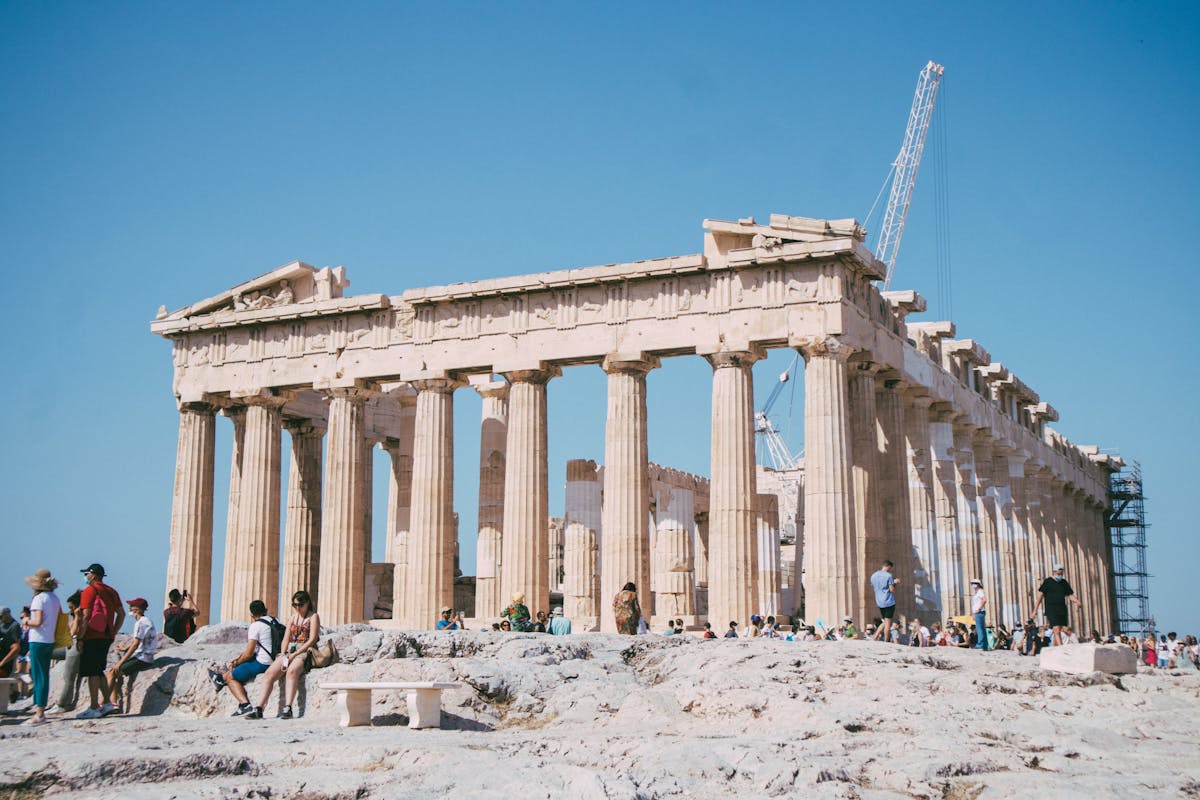
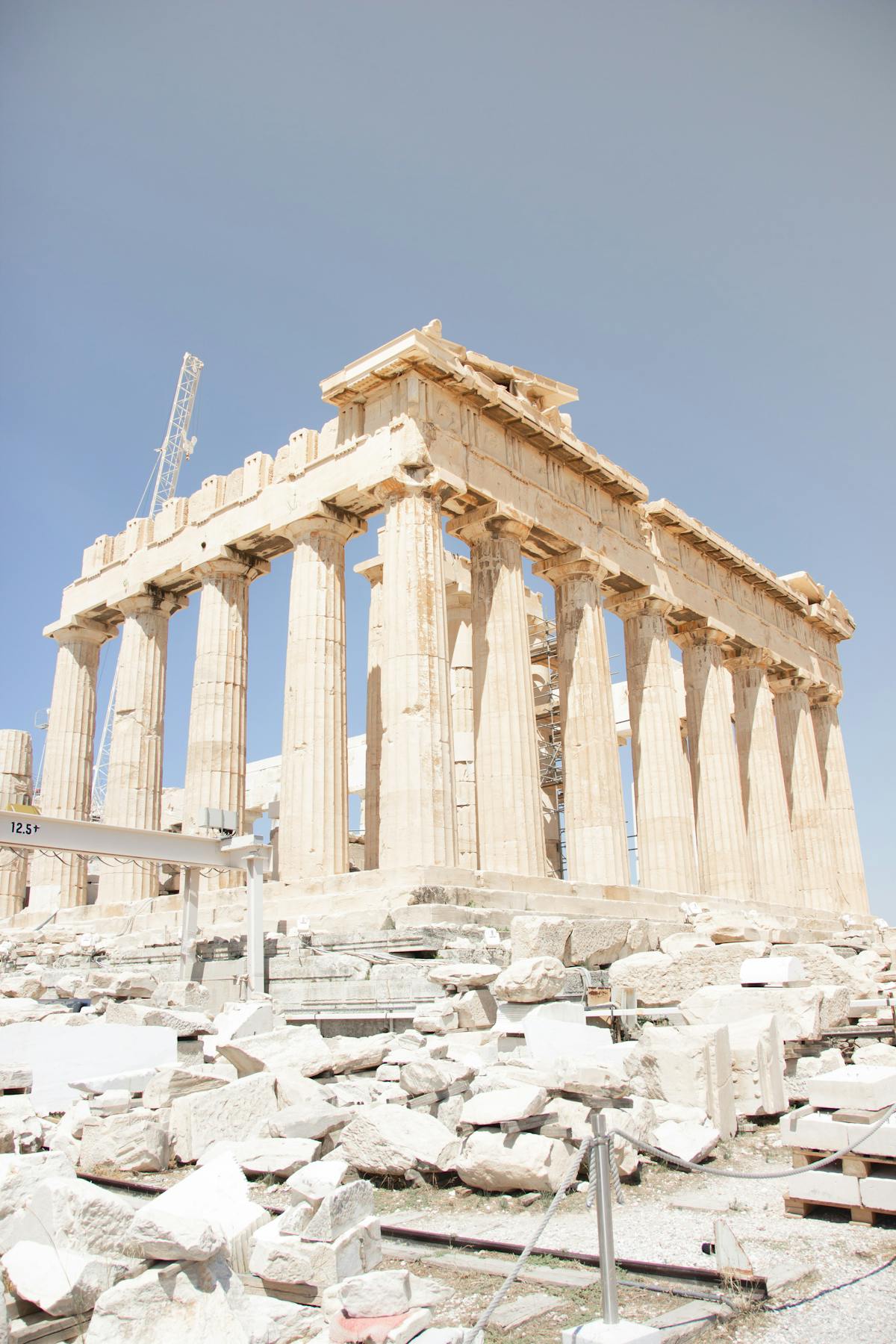
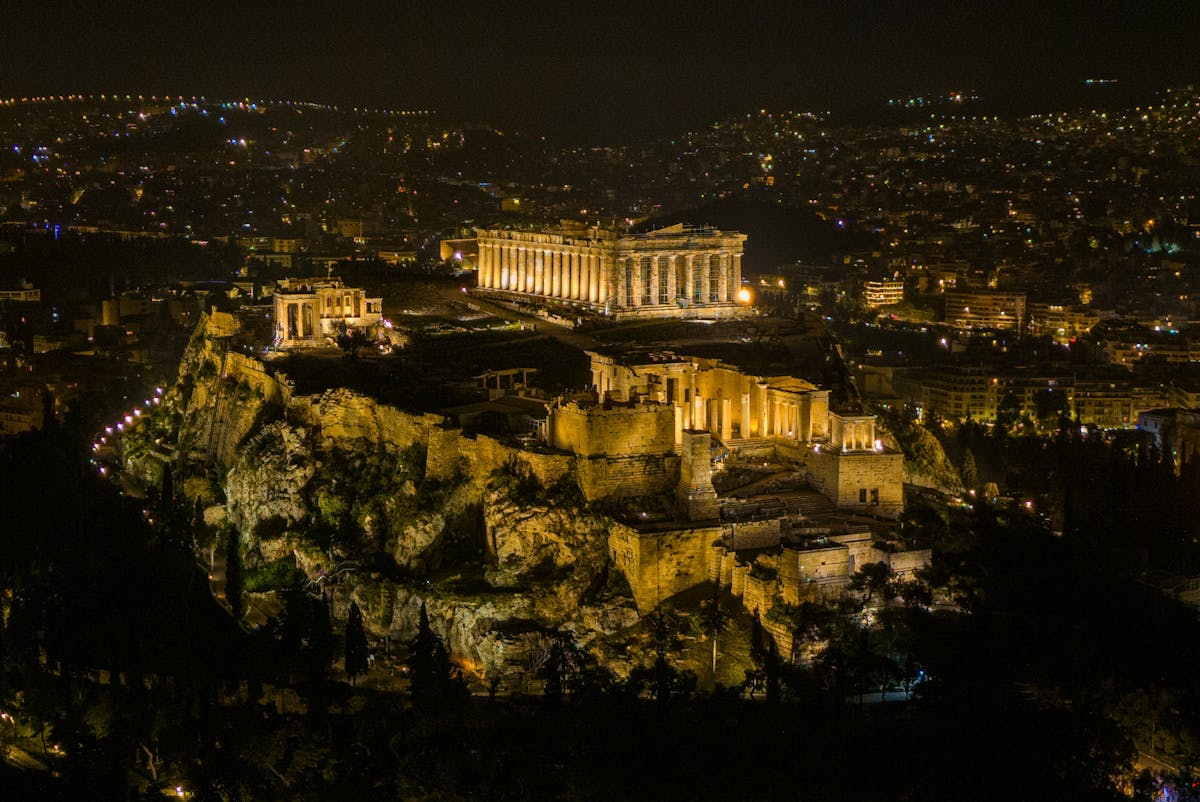
The Parthenon is the reason people come to Athens. Built between 447 and 432 BC as a temple to Athena Parthenos (Athena the Virgin), it represents the absolute pinnacle of Doric architecture and is arguably the most influential building ever constructed. Every column, every measurement, every angle was calculated to create the illusion of perfection — the columns lean slightly inward, the base curves upward by about 6 centimetres, and no two columns are exactly the same diameter. These “refinements” were designed to counteract optical illusions that would make straight lines appear to sag — meaning the building looks perfectly straight precisely because nothing about it actually is.
The original interior housed a 12-metre gold and ivory statue of Athena by the sculptor Phidias — one of the ancient world’s greatest artworks, now lost to history. The exterior was decorated with painted friezes depicting mythological battles: gods against giants, Greeks against Amazons, and the great Panathenaic procession. Many of these friezes were removed by Lord Elgin in the early 1800s and are now in the British Museum — a fact that remains a source of intense national grievance for Greece and a constant topic on guided tours.
The Erechtheion and the Caryatids
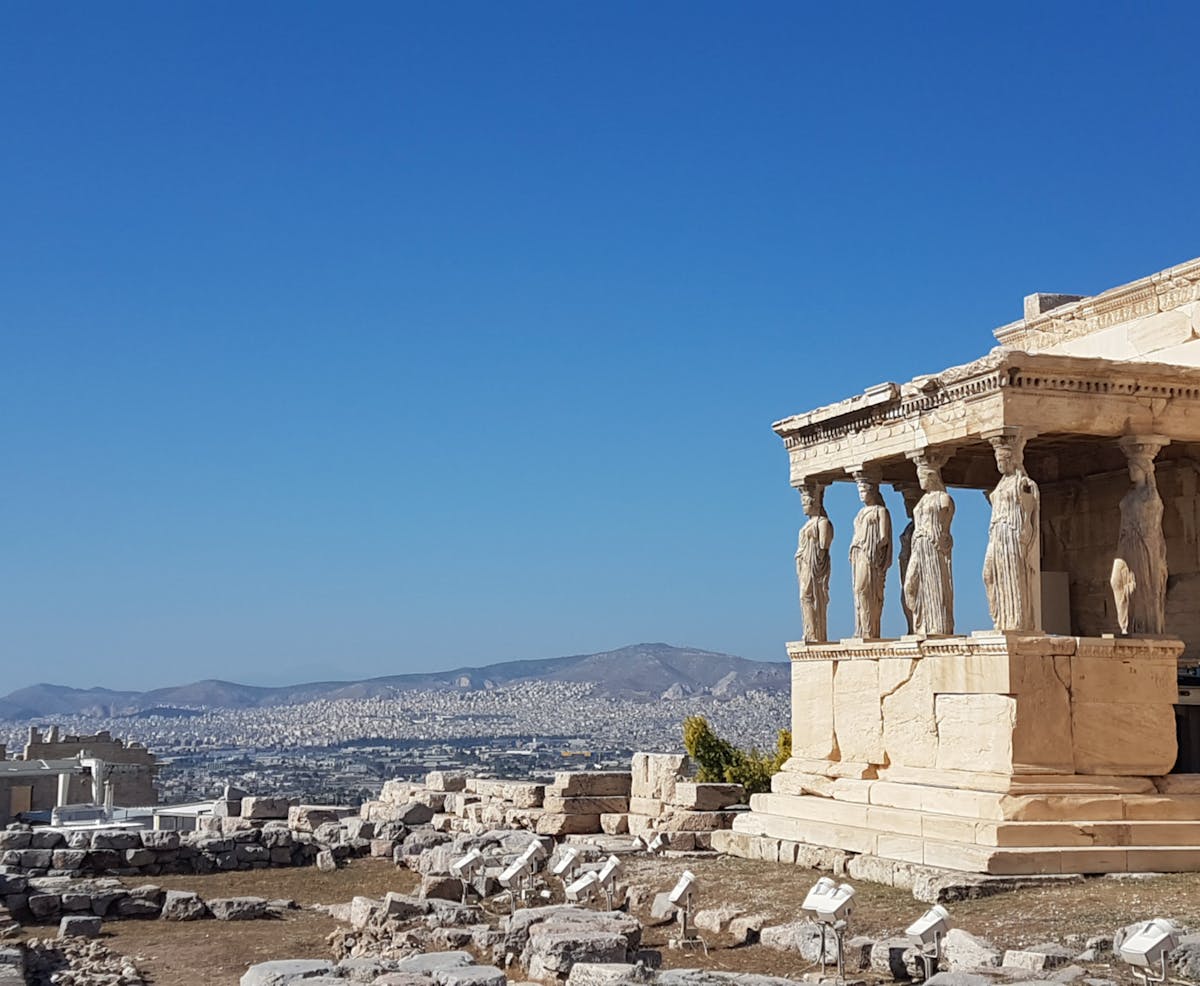
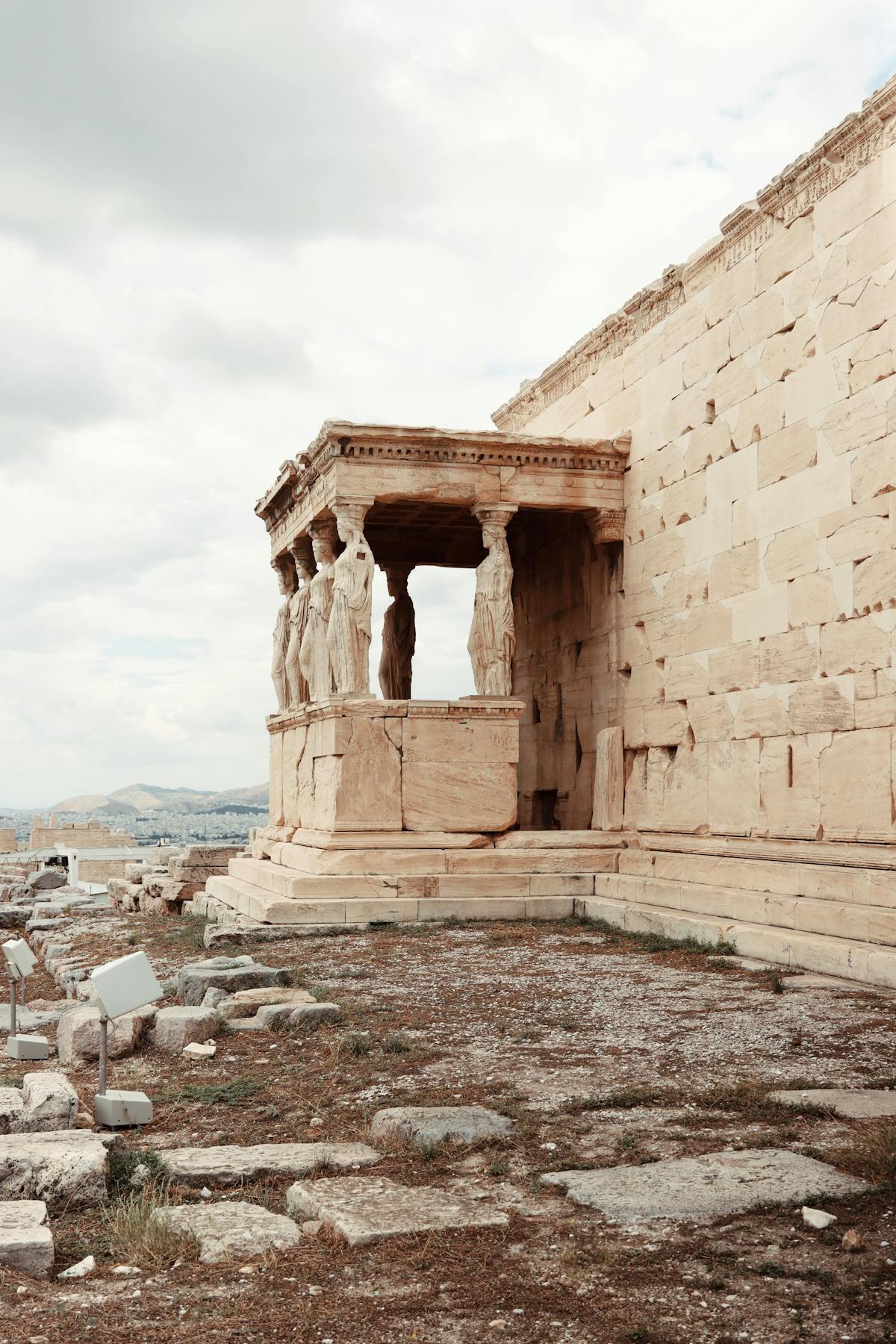
The Erechtheion is the most sacred building on the Acropolis, built on the exact spot where Athena and Poseidon supposedly competed for patronage of the city. Athena offered an olive tree; Poseidon struck the rock with his trident and produced a salt spring. The citizens chose Athena’s gift — and an olive tree still grows on the spot today. The building’s famous Porch of the Caryatids features six female figures serving as columns — each carved individually, each shifting her weight differently, creating a sense of relaxed grace despite literally holding up the roof.
The Theatre of Dionysus
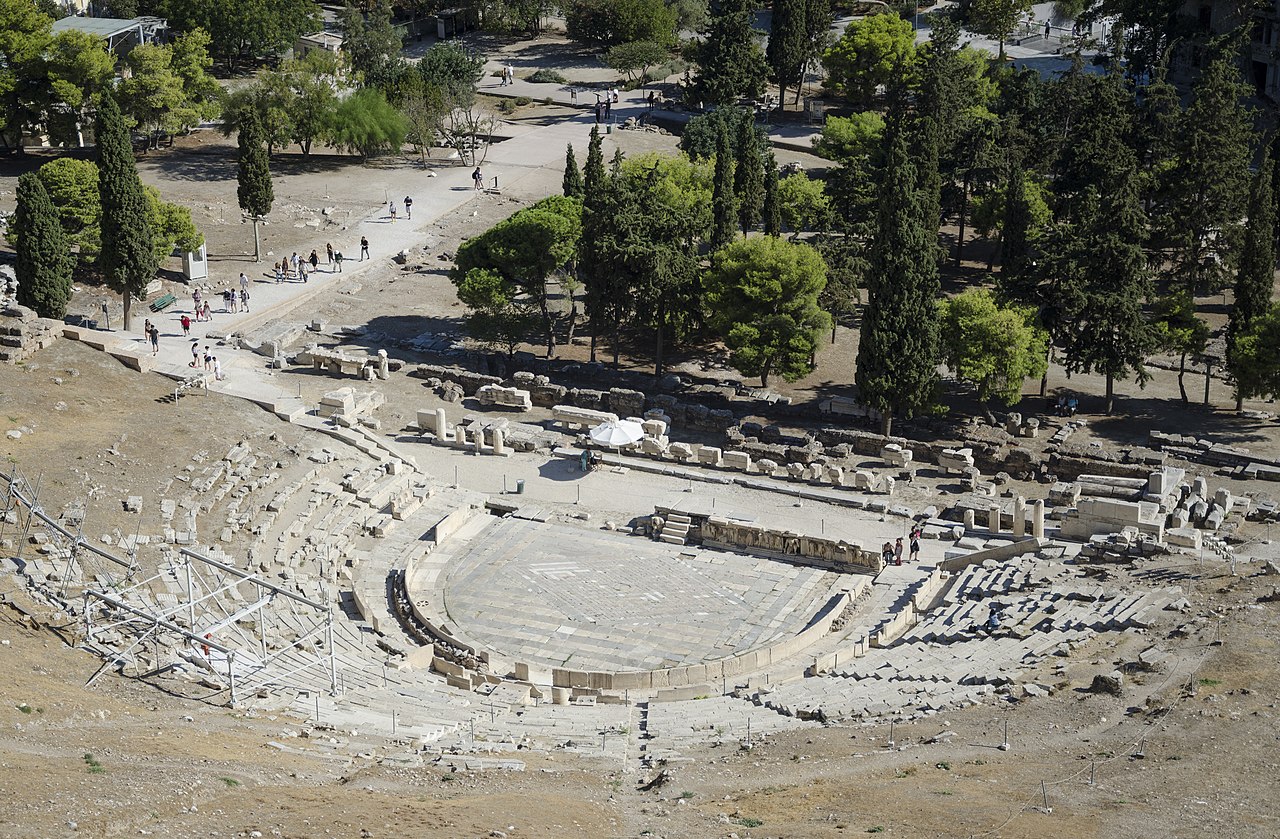
Before you reach the summit, most tour routes pass the Theatre of Dionysus on the south slope — the birthplace of Western theatre. This is where the works of Aeschylus, Sophocles, Euripides, and Aristophanes were first performed, in front of audiences of up to 17,000 Athenians. The stone seats you see today date from the 4th century BC, but performances took place here from at least 534 BC. Every play, every opera, every film you’ve ever watched traces its lineage back to this semicircle of stone benches on an Athenian hillside.
The Odeon of Herodes Atticus
This remarkably well-preserved Roman-era theatre sits on the southwest slope and is still used for performances today — the Athens Festival holds concerts and theatrical performances here every summer, and seeing a show in a 2,000-year-old amphitheatre under the stars is one of Athens’ most extraordinary experiences. The acoustics are remarkable — a whisper on stage can be heard in the back row. Most walking tours pass by the exterior and explain its history, but you can’t enter unless you have a performance ticket.
Practical Tips for Visiting the Acropolis
Timing Is Everything
The Acropolis opens at 8:00 AM in summer and the first hour is by far the best time to visit — fewer crowds, cooler temperatures, and the morning light is beautiful on the marble. By 10:00 AM in peak season (June-September), the site is packed and the heat becomes punishing. If you can’t do early morning, late afternoon (after 3:00 PM) is the second-best option — the crowds thin, the light turns golden, and sunset tours are increasingly popular. Midday in summer is genuinely brutal — exposed limestone, no shade, and temperatures often exceeding 38°C. The site occasionally closes entirely during extreme heatwaves, so check before you go.
What to Wear and Bring
Good walking shoes are essential — the paths are uneven limestone with polished surfaces that can be slippery. Avoid sandals and anything without proper grip. Bring water (at least 1 litre per person in summer), sunscreen, a hat, and sunglasses. There’s virtually no shade on the summit. A light long-sleeved layer is useful for the museum if you’re doing the combined tour — the air conditioning can be a shock after the heat outside.
Tickets and Skip-the-Line
The standard Acropolis ticket costs €30 (2026 prices). A combo ticket covering the Acropolis plus five other archaeological sites (Ancient Agora, Roman Agora, Hadrian’s Library, Temple of Olympian Zeus, and Kerameikos) costs €30 as well and is valid for 5 days — making it the obvious choice if you plan to visit even one additional site. All recommended guided tours include skip-the-line entry in the ticket price, which saves significant time in peak season — queue waits of 60-90 minutes are common from May to October.
Accessibility
The Acropolis has improved accessibility in recent years, with a lift on the north slope providing wheelchair access to the summit plateau. However, the paths on top are uneven and some areas remain difficult to navigate with mobility issues. If accessibility is a concern, contact the tour operator in advance — most can arrange adapted routes and the lift access. The Acropolis Museum, by contrast, is fully accessible with lifts, ramps, and smooth floors throughout. The museum’s glass floor on the ground level reveals ongoing excavations beneath the building — another reason to include it in your visit.
The Acropolis Through History: More Than Meets the Eye
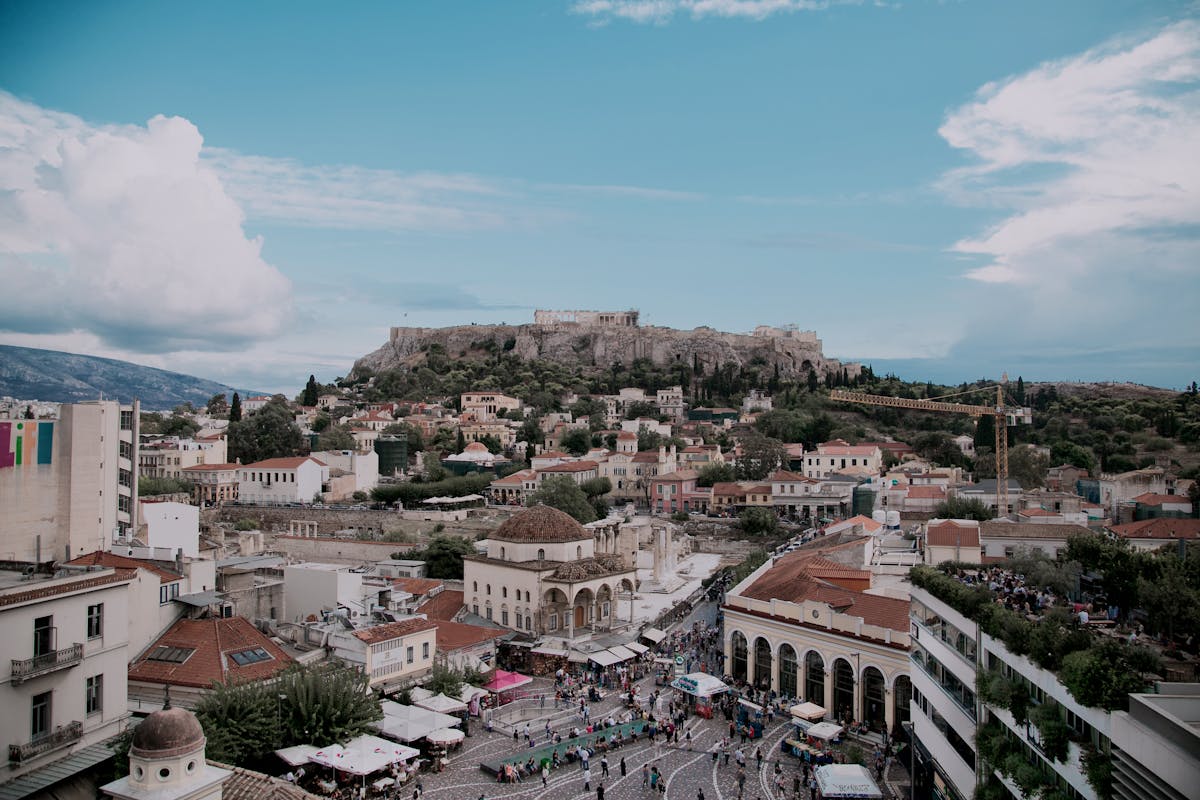
The ruins you see today represent just one era of a site that has been sacred, military, and political for over three millennia. Understanding this layered history transforms the visit from a photo opportunity into a genuinely moving experience — and it’s the main reason why a guided tour is worth every euro.
From Sacred Rock to Golden Age
The Acropolis was first inhabited around 4000 BC and served as a Mycenaean fortress before the Classical period. The temples you see today were built during Athens’ Golden Age under Pericles (461-429 BC), funded by tribute from the Delian League — essentially money that Athens’ allies paid for mutual defence but that Pericles redirected into his building programme. The Parthenon was completed in just 15 years, an astonishing feat of engineering using roughly 13,400 marble blocks quarried from Mount Pentelicus, 16 kilometres away, and transported to the site without modern machinery.

Centuries of Transformation
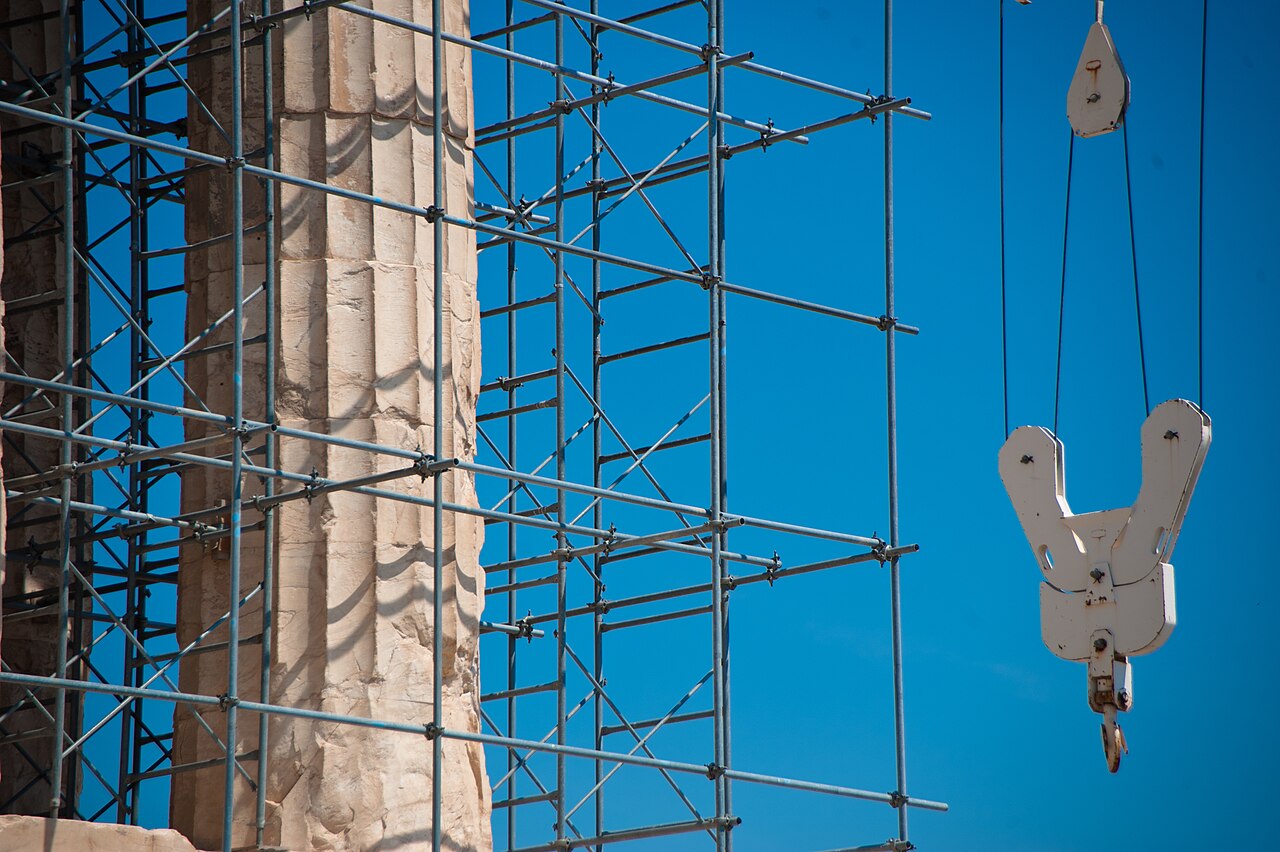
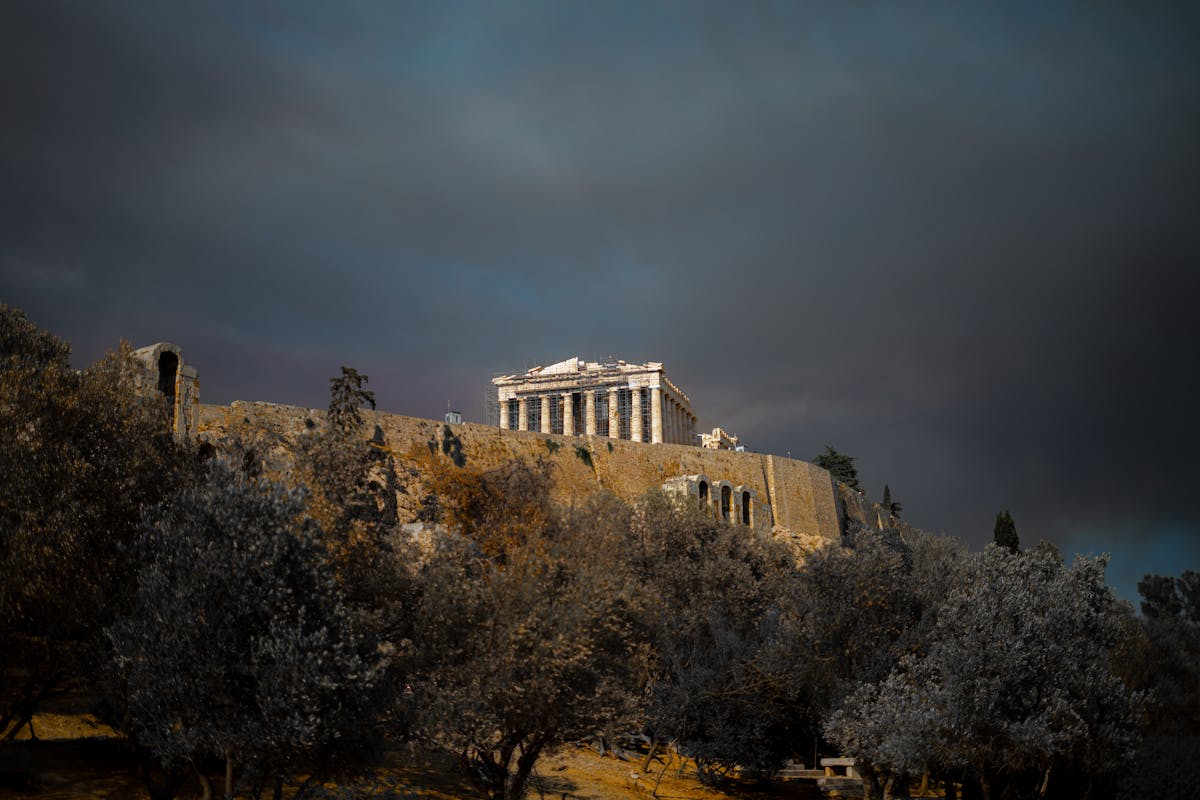
After the Classical period, the Parthenon was converted into a Christian church (around the 6th century AD), then a mosque after the Ottoman conquest (1458), complete with a minaret. In 1687, the Venetians besieging Athens fired a mortar round into the Parthenon, which the Ottomans were using as an ammunition store. The resulting explosion blew out the building’s centre — the damage you see today is largely from that single catastrophic moment, not from 2,400 years of gradual decay. The Elgin Marbles controversy (early 1800s) removed much of the surviving sculpture, and restoration work has been ongoing since the 1970s — you’ll see cranes and scaffolding that are now almost as permanent as the marble they’re helping to save.
Democracy Was Born Here
The Pnyx hill, visible from the Acropolis, is where Athenian citizens gathered to vote on laws, declare war, and hold their leaders accountable — the world’s first direct democracy. Citizens (admittedly, only free adult males) would walk up from the agora below, debate publicly, and vote by show of hands. Socrates walked these paths. Pericles gave speeches here. Aristotle studied nearby. The concentration of intellectual history within a few hundred metres of the Acropolis is staggering — and good guides make you feel the weight of it.
Beyond the Acropolis: Exploring Athens
The Plaka District
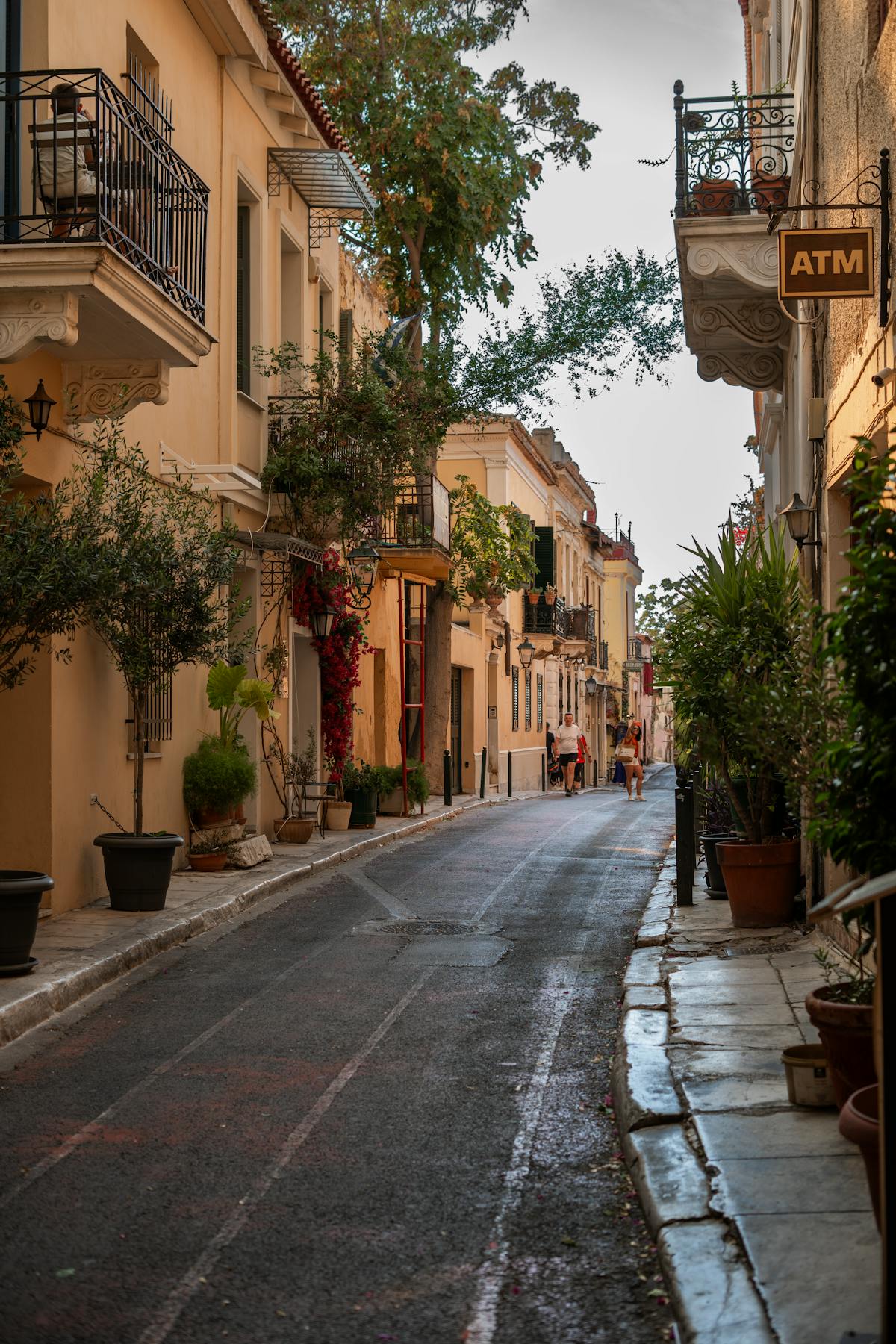
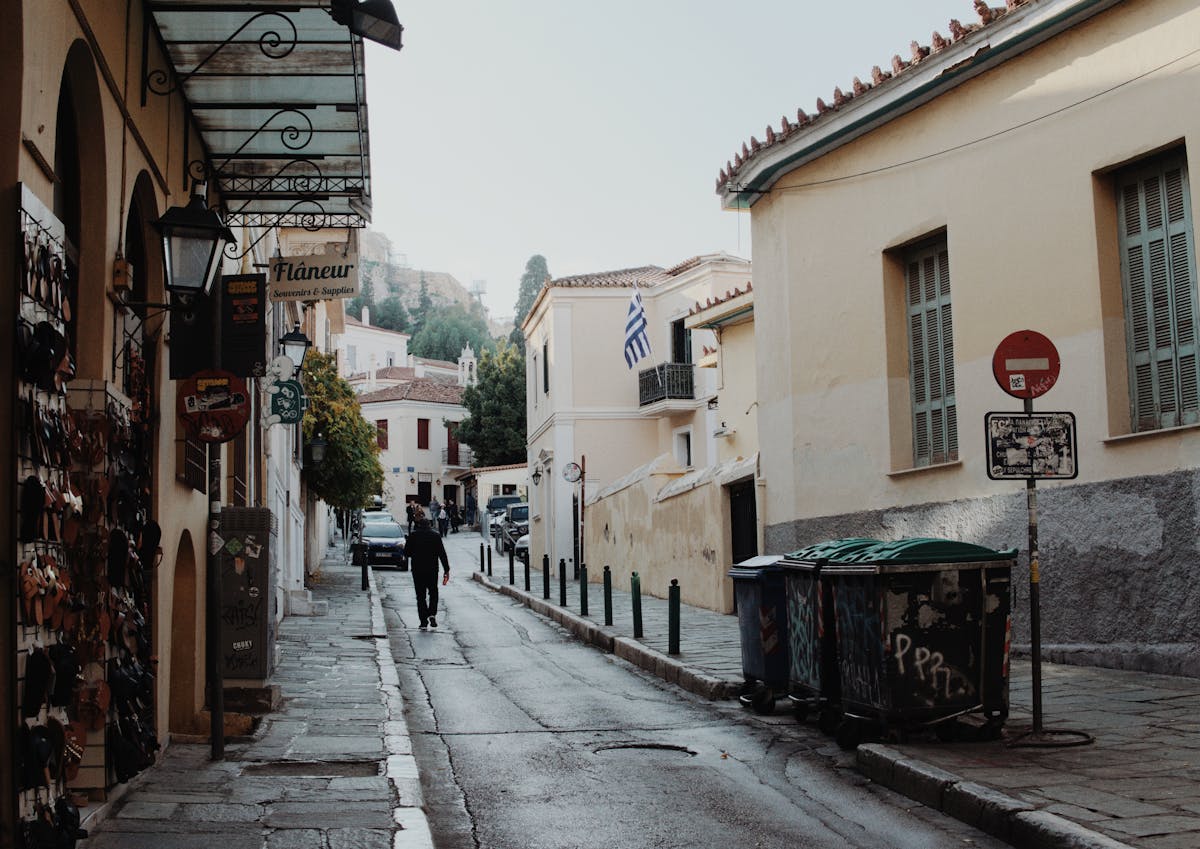
The oldest neighbourhood in Athens sprawls directly below the Acropolis and is where most visitors end up after their tour — the narrow pedestrianised streets are filled with tavernas, souvenir shops, and neoclassical houses painted in faded pastels. It’s touristic, yes, but it’s also genuinely beautiful, and the food is better than it looks from the outside. Avoid the restaurants with photo menus on Adrianou Street and instead walk one street back to find places where locals actually eat.
The Ancient Agora
If the Acropolis was Athens’ spiritual centre, the Agora was its civic heart — the marketplace where Athenians shopped, socialised, debated philosophy, and practiced democracy. The reconstructed Stoa of Attalos now houses a museum of everyday Athenian objects, and the Temple of Hephaestus (the best-preserved ancient Greek temple in the world) stands on the western edge. It’s included on the combo ticket and is far less crowded than the Acropolis — many visitors skip it, which is their loss. Budget an extra hour here — it’s shaded, peaceful, and genuinely fascinating.
More Greece Guides
Athens is just the starting point for a Greece trip that can take you from ancient ruins to volcanic islands. The Athens food tours dive into the city’s incredible culinary scene — from the Central Market to neighbourhood tavernas serving dishes that haven’t changed in centuries. For a day outside the city, the Meteora day trip takes you to monasteries perched on impossible sandstone pillars, while Delphi — the ancient world’s most sacred oracle — is equally spectacular.
If the islands are calling, Santorini’s catamaran cruises offer volcanic hot springs, sunset sailing, and the iconic caldera views. For a different island experience, Corfu’s boat tours to Paxos and Antipaxos feature turquoise lagoons and the dramatic Blue Caves. And if you want to explore the ancient world further, the Mycenae and Epidaurus day trip covers Lion Gate, the Treasury of Atreus, and the theatre with the world’s most perfect acoustics.