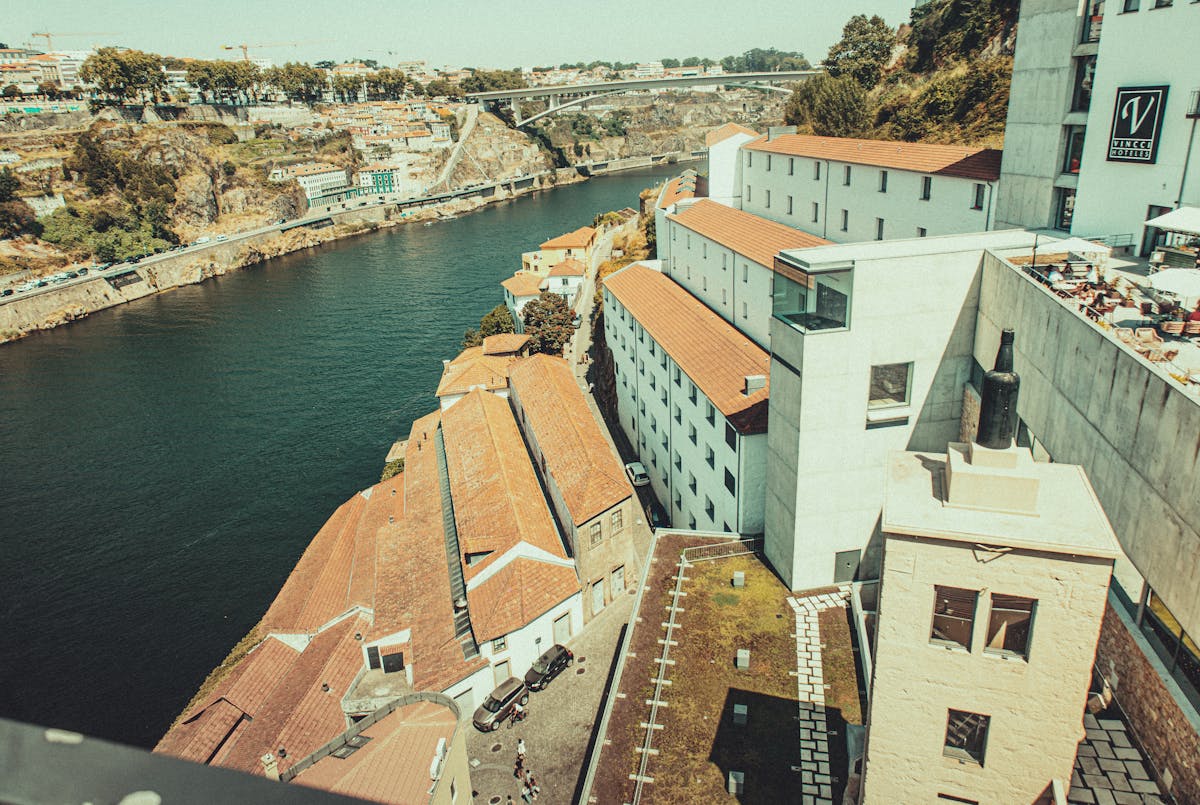
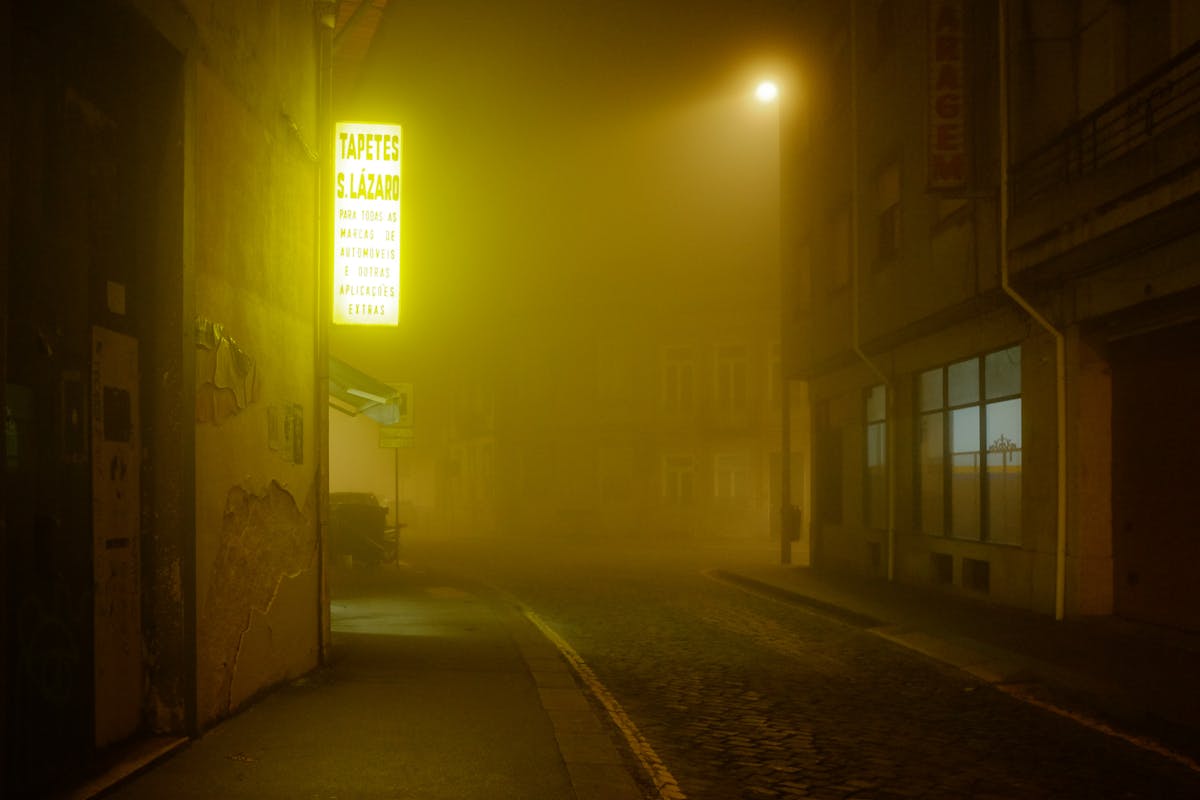
Porto after dark is a different city. The steep streets that punished your knees all afternoon become atmospheric corridors lit by wrought-iron lamps, the Douro reflects the lights of both banks like a mirror, and somewhere in the historic centre — behind an unassuming door, down a narrow staircase, inside a room that holds maybe 30 people — a singer opens their mouth and the Portuguese guitar starts to weep, and you suddenly understand why fado has been declared a UNESCO Intangible Cultural Heritage. Pair that experience with port wine, the fortified drink that literally takes its name from this city, and you have what is arguably Porto’s most complete evening out.
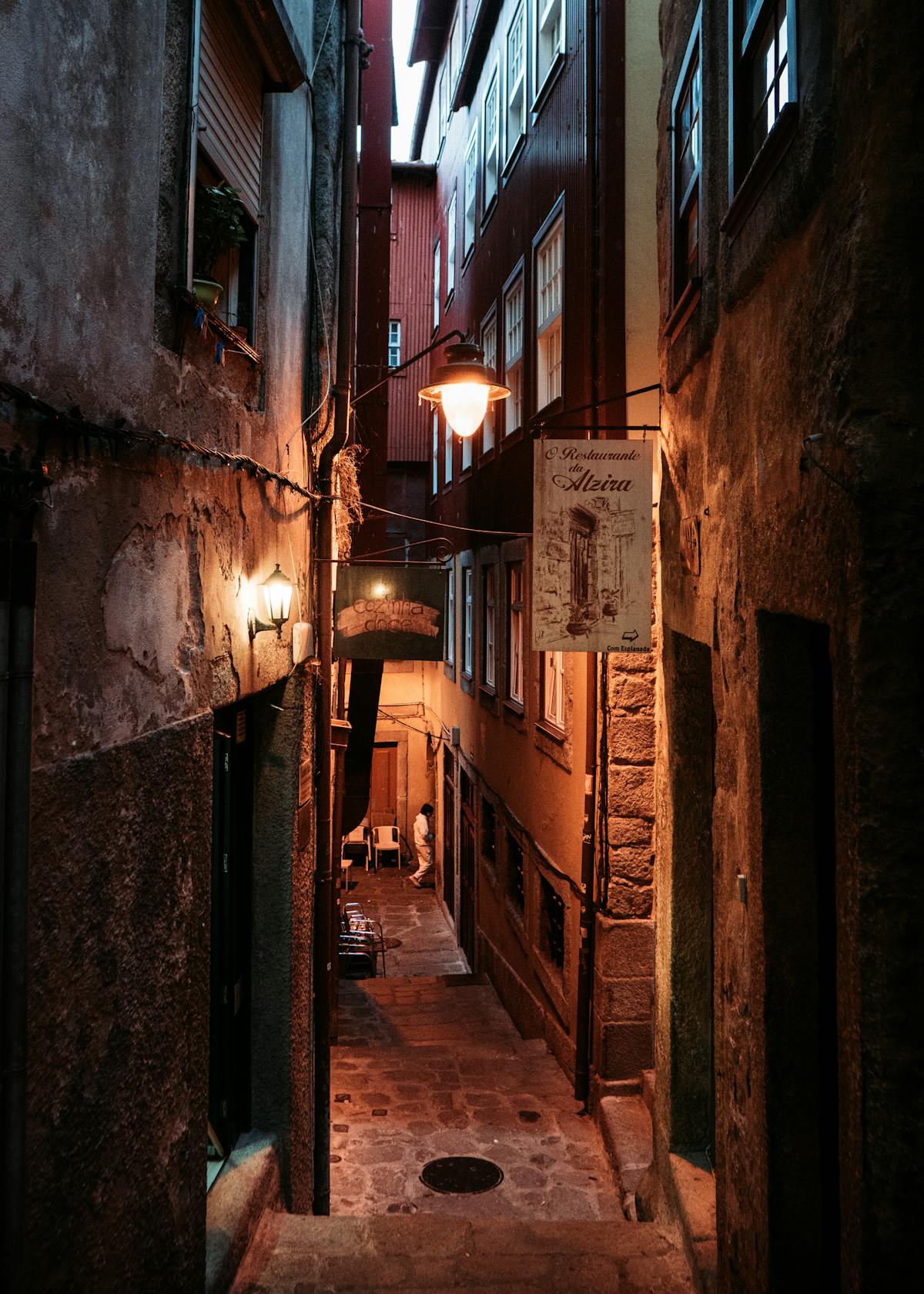
Porto’s fado scene is different from Lisbon’s. In Lisbon, fado is melancholic and deeply personal — a solo singer accompanied by two guitarists in a hushed room. Porto’s version tends to be more social, sometimes more energetic, and often paired with wine tastings and audience interaction. The venues are smaller and more intimate, the ticket prices are generally lower, and the experience feels less touristy — partly because Porto’s fado tradition has always been more underground and less commercialised than the Alfama district’s well-known fado houses. A glass of port wine is almost always included, which sets the mood perfectly.
The Casa da Guitarra fado show is the top pick with 2,906 reviews and outstanding performers in a venue surrounded by handmade instruments. For a more educational experience, the What is Fado? commented concert at Fado na Baixa combines documentary clips with live performance — perfect if you want context with your culture.
- Recommended Fado Shows & Wine Experiences
- 1. Casa da Guitarra — Fado in a Handmade Instrument Shop
- 2. Fado na Baixa — The Educational Concert
- 3. Authentic Fado Show with Handmade Instruments
- 4. Historical Tavern Fado Show — Two Sets, Two Styles
- 5. Porto Food and Wine Tasting Tour — Culture Through Cuisine
- Understanding Port Wine
- What Makes Port Wine Different
- The Main Styles
- Where to Taste in Vila Nova de Gaia
- Porto’s Fado History: From the Streets to UNESCO
- Amália Rodrigues — The Voice of Portugal
- Porto’s Fado Scene vs Lisbon’s
- UNESCO Recognition and Modern Revival
- Practical Tips for Porto’s Evening Scene
- When to Go
- What to Expect at a Fado Show
- Budget Planning
- Combining the Perfect Porto Evening
- More Porto and Portugal Guides
Recommended Fado Shows & Wine Experiences
1. Casa da Guitarra — Fado in a Handmade Instrument Shop
With 2,906 reviews and a 4.8 rating, Casa da Guitarra is the most-reviewed fado experience in Porto. The venue is a working shop for handmade Portuguese string instruments, located a stone’s throw from the upper deck of the Dom Luís I Bridge, and in the evenings it transforms into an intimate concert space where fado comes alive between walls lined with guitarras and violas. There’s no stage in the traditional sense — the musicians perform at the same level as the audience, close enough that you can see the fingerwork on the Portuguese guitar in exquisite detail.

Philip’s review says it plainly: “This is the best fado show in Porto (out of 6 visited). Very moving and top class singers and musicians.” Claire called it “wonderful” and “a intimate concert that should have cost a fortune.” Anuradha highlighted the raw power of the performance: “The singers were phenomenal. I was surprised that they didn’t use a mic and their voice was still so powerful. The venue was cozy and it enhanced the experience.”
A glass of port wine is served during the interval — Gunnar praised it as “delicious” and said the “value was far greater than the price.” The show lasts approximately one hour, which is ideal — long enough to feel the emotional range of fado, short enough to leave you wanting more. Christine appreciated how “the break for port in the middle gave us an opportunity to learn more about the instruments.”
Tickets typically cost €16-€22, making this one of the best-value cultural experiences in Porto. Book online for a small discount, and arrive 10-15 minutes early to get the best seats — the venue holds about 30 people and front-row seats go quickly.
Read reviews and book your ticket
2. Fado na Baixa — The Educational Concert
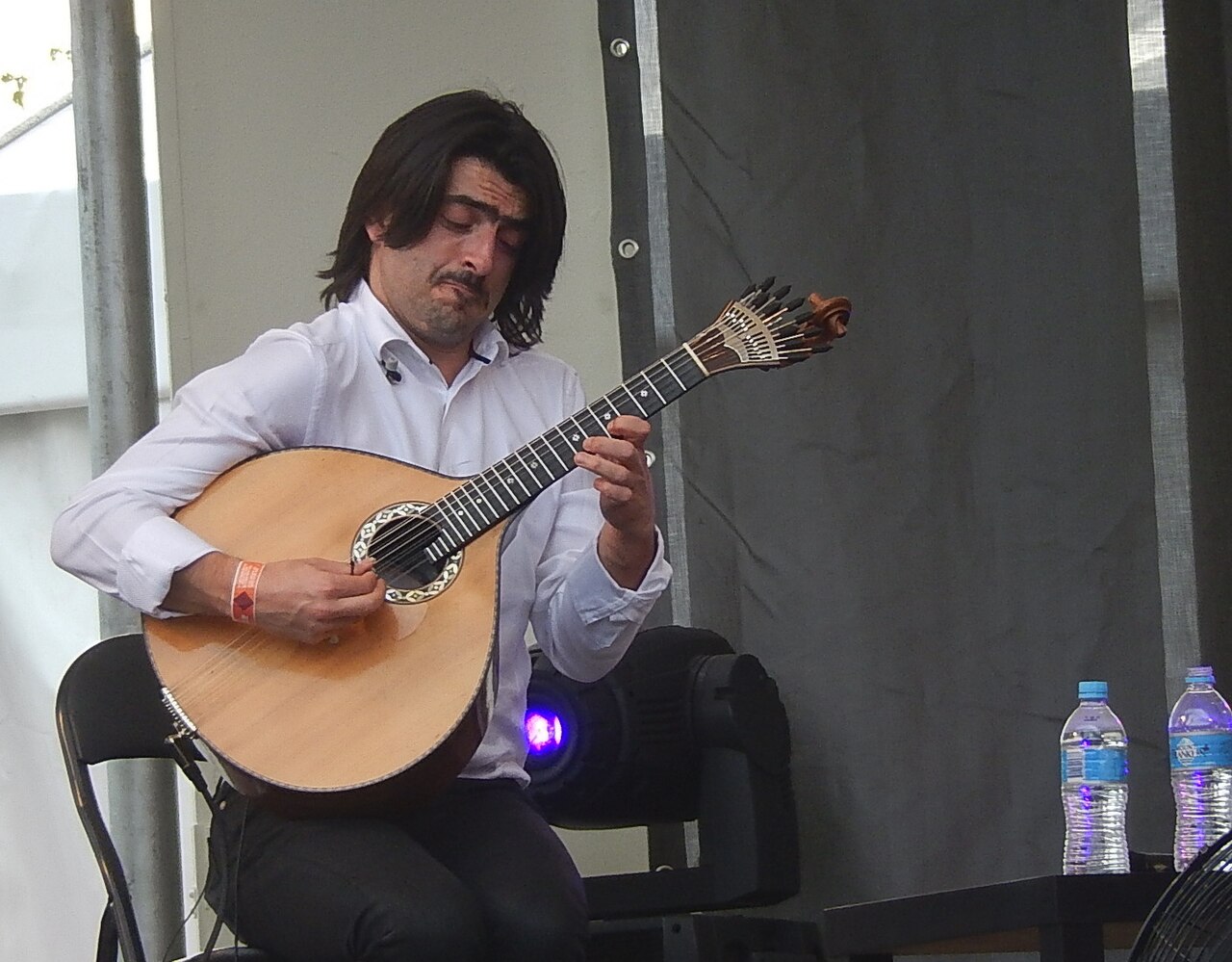
If you want to understand fado as well as feel it, this is the show to book. Fado na Baixa takes a different approach — interspersing live performances with short documentary segments that explain fado’s history, evolution, and cultural significance. With 2,839 reviews and a 4.8 rating, it’s almost as popular as Casa da Guitarra and earns consistently rave reviews for making fado accessible to newcomers without dumbing it down.

Ann captured the format perfectly: “The combination of the video, explaining the history, mixed intermittently with the singers was just enough. We learned about Fado, experienced it and drank some delicious Port to boot!” Ngoc loved “the interactive part — we were singing together for certain parts of a few songs under the singers’ guidance.” This audience participation element sets Fado na Baixa apart — instead of sitting in reverential silence (which is the norm at most fado shows), you’re encouraged to engage with the music, clap along, and even sing.
Jody, a guitar player, was “fascinated by — and envious of — the skill of the Portuguese guitar player” and praised learning “the history of the instrument and of the traditions and history of Fado across Portugal.” The show runs approximately one hour and includes a glass of port wine. Minna Maarit noted the only real criticism: “a non-alcoholic serving option to port wine would have been an extra plus” — something worth knowing if you don’t drink.
Read reviews and check availability
3. Authentic Fado Show with Handmade Instruments
This 2,756-review experience shares DNA with Casa da Guitarra (and uses similar venue concepts) but offers a slightly different programme with an emphasis on authenticity and interaction. The performers are consistently praised for exceptional quality, and the atmosphere feels less like a tourist attraction and more like being invited to a private music session in someone’s living room.
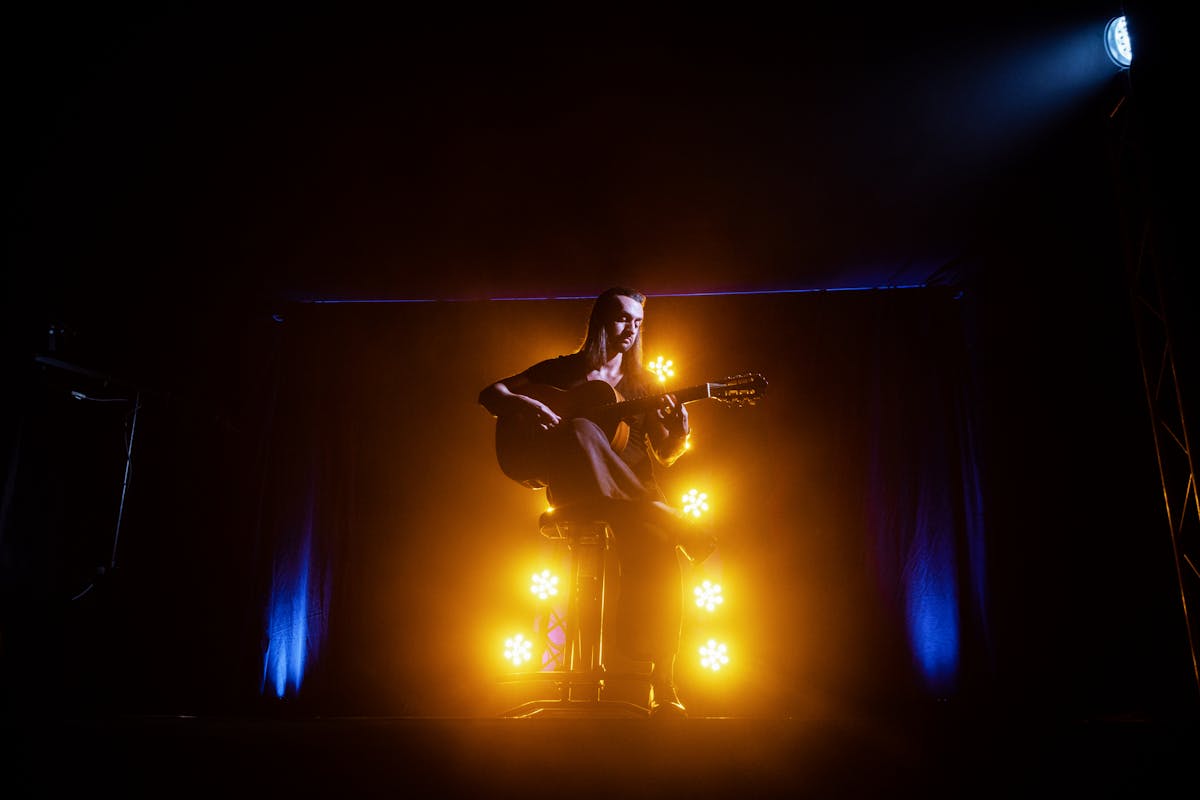
Dawn’s review captures why this experience resonates: “We learned that we love Fado! We went in not really knowing what to expect and were simply awed.” She added: “The talent with the guitars and voices — we just fell in love with Fado!” Karen described “a perfect experience in a very small, intimate setting” where the “musicians and singers spoke English.” Michael noted the venue “only holds about 30 people which makes it feel very cozy” — that size limit is key to the quality of the experience.
Noelia offered practical feedback: “Not too crowded and really good sound. Was funny interacting during the song. There is one glass of porto offered, would be great maybe 2 to sing better!” — which honestly captures the mood of most Porto fado shows. The performers are engaging, the port wine flows, and by the end of the hour you’ll be googling fado playlists for your flight home.
4. Historical Tavern Fado Show — Two Sets, Two Styles
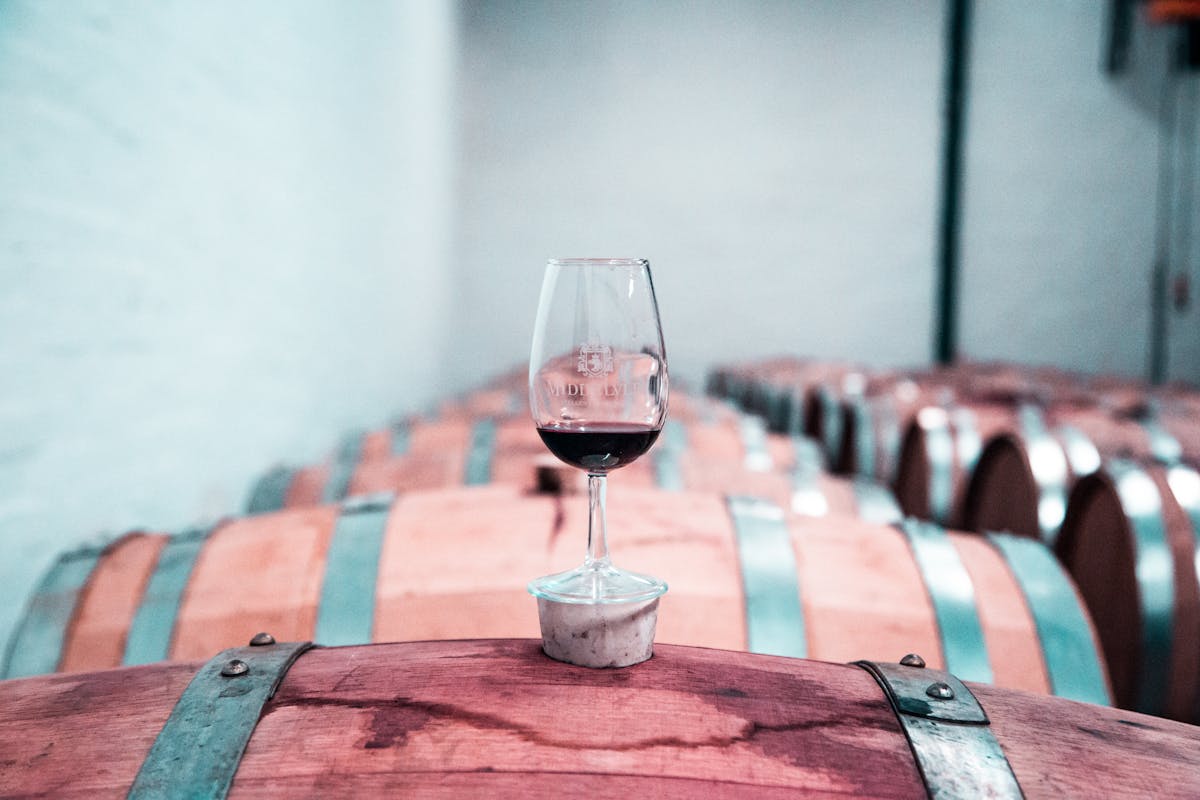
This 2,055-review experience is set in a stone-walled historical tavern and distinguishes itself with a clever format: two separate performances in one evening. The first set features emerging fado students — energetic, eager, and still learning their craft. The second set brings seasoned professionals who deliver the deep, soulful fado that the genre is famous for. The contrast between the two sets is illuminating, showing fado both as a living tradition being passed to a new generation and as a mature art form with decades of emotional depth.

Munro’s review describes the experience beautifully: “The students were energetic and explained each song at the start. The 2nd set was soulful and so emotional. The singer spoke Portuguese, English, Spanish & French.” He added: “The setting was intimate and simple. We sat one metre in front of the stage made of stone at small cocktail tables. It was incredible.” Trinity called it “a beautiful showcase of culture in an intimate venue” and Rebecca praised both groups as “incredible” with “everything running to time.”
Richard’s review captures the emotional impact: “Absolutely loved this Fado show. It was a genuine experience of this rich Portuguese culture. It was on a cold night, yet, the performances warmed the hearts of all present.” A glass of port is served on arrival, setting the tone for what Elizaveta described as “super intimate atmosphere, incredible musicians and singers.”
5. Porto Food and Wine Tasting Tour — Culture Through Cuisine
If you want to combine port wine tasting with a broader exploration of Porto’s food culture, this 3-hour walking tour with 2,303 reviews and a perfect 5.0 rating is the best way to do it. The tour visits five or six local establishments — including a bodega, a market, a traditional café, and a port wine bar — sampling everything from caldo verde (the iconic Portuguese cabbage soup) to bifanas (pork sandwiches) to pastéis de nata and, of course, port wine and vinho verde (green wine, a young and slightly fizzy white that Porto locals drink like water in summer).
Bret praised his guide Igor for sharing “so much more” than food descriptions: “His knowledge of the history of Portugal and how it related to the historical and cultural significance of the tastings was truly impressive.” Marie called the tour “so fun” with a guide who “gave us so much information about the food and the culture.” Michael described it as “tapping into the soul of the city” — not just eating, but understanding why Porto eats what it does and how the food connects to the city’s identity.
Phil highlighted that the tour ended “at a classic cafe with Fado music about to start” and noted “it was not touristic at all — looked like it was locals oriented.” That crossover between food, wine, and fado is exactly what makes Porto’s evening culture so compelling.
Understanding Port Wine
What Makes Port Wine Different
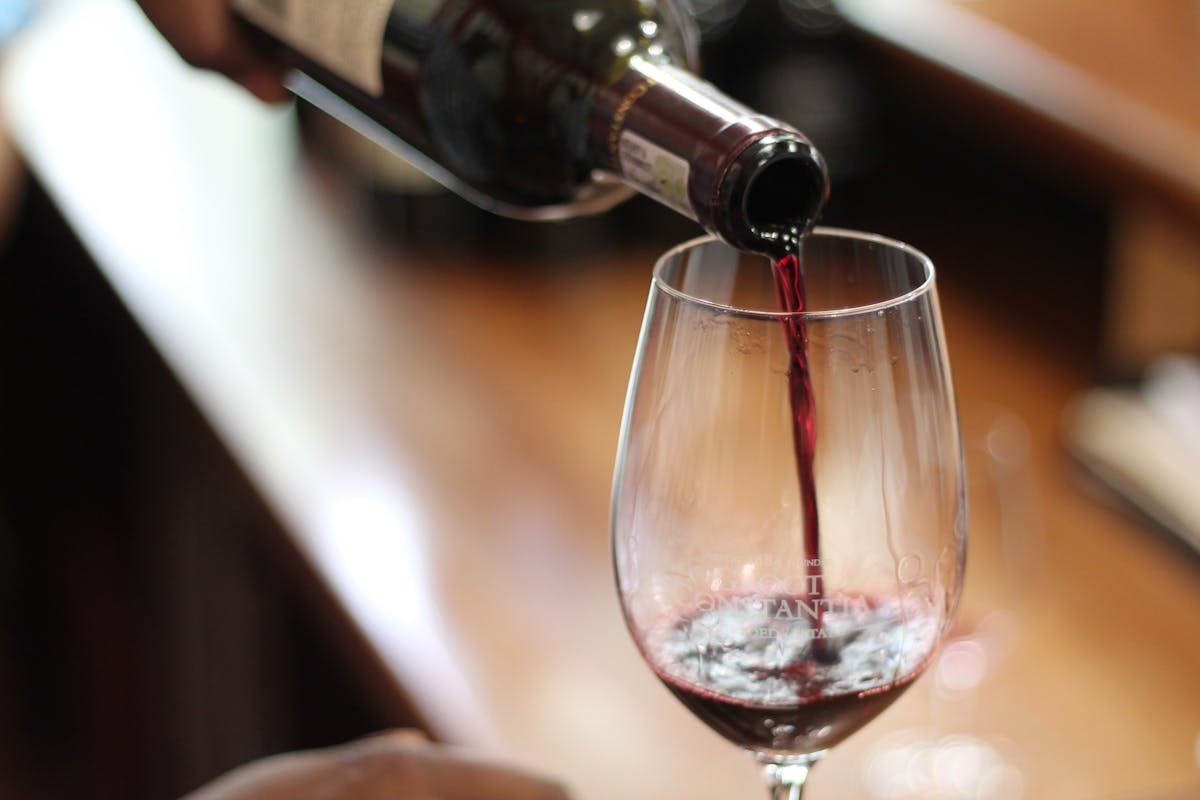
Port wine is a fortified wine — meaning grape brandy (aguardente) is added during fermentation, which stops the yeast from consuming all the sugar and results in a sweeter, higher-alcohol wine (typically 19-22% ABV versus 12-14% for regular wine). This process was developed in the 17th century partly out of practical necessity: the brandy helped preserve wine during long sea voyages to England, which was Portugal’s biggest export market. The result was a happy accident — a rich, complex, sweet wine that became one of the world’s great luxury products.
The Main Styles
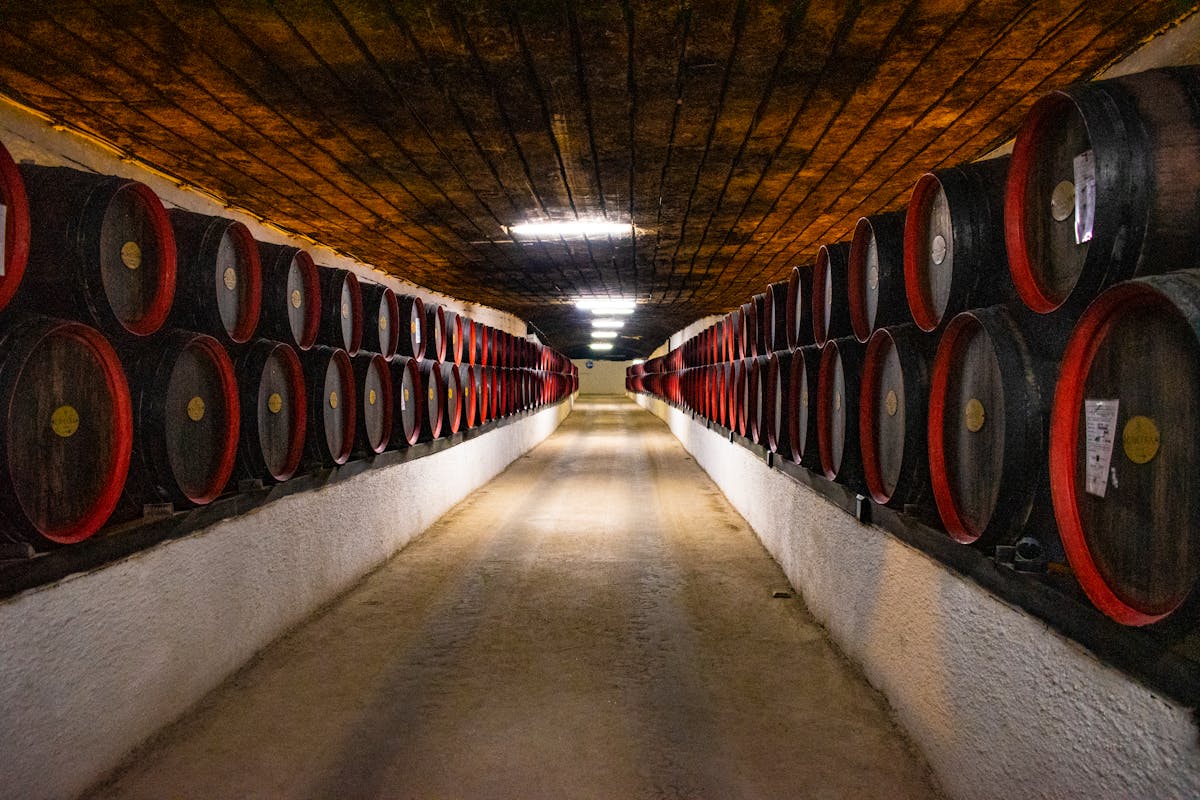
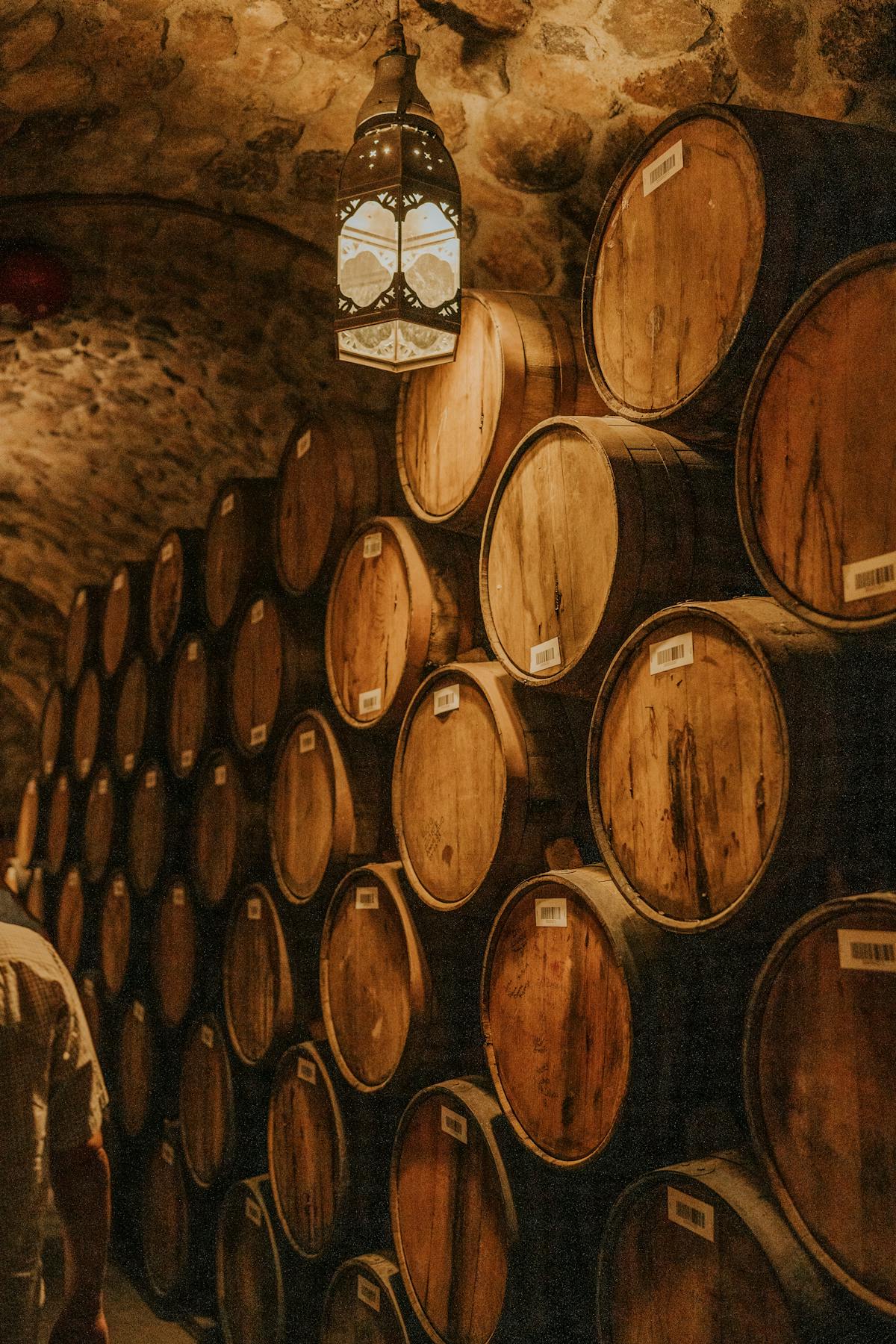
Ruby Port is the youngest and most approachable — deep red, fruity, and relatively simple. It’s what most people try first, and it’s excellent as an introduction. Tawny Port has been aged longer in oak barrels, developing amber colours and nutty, caramel flavours. A 10-year tawny is the sweet spot for quality versus value. Late Bottled Vintage (LBS) is aged 4-6 years and offers complexity at a reasonable price. Vintage Port is the pinnacle — made only in exceptional years, aged for decades, and priced accordingly. White port, served cold with tonic water and a sprig of mint, is Porto’s unofficial summer cocktail — you’ll see locals drinking it on terraces across the city from May onwards, and it’s dangerously easy to drink on a hot afternoon.
Where to Taste in Vila Nova de Gaia
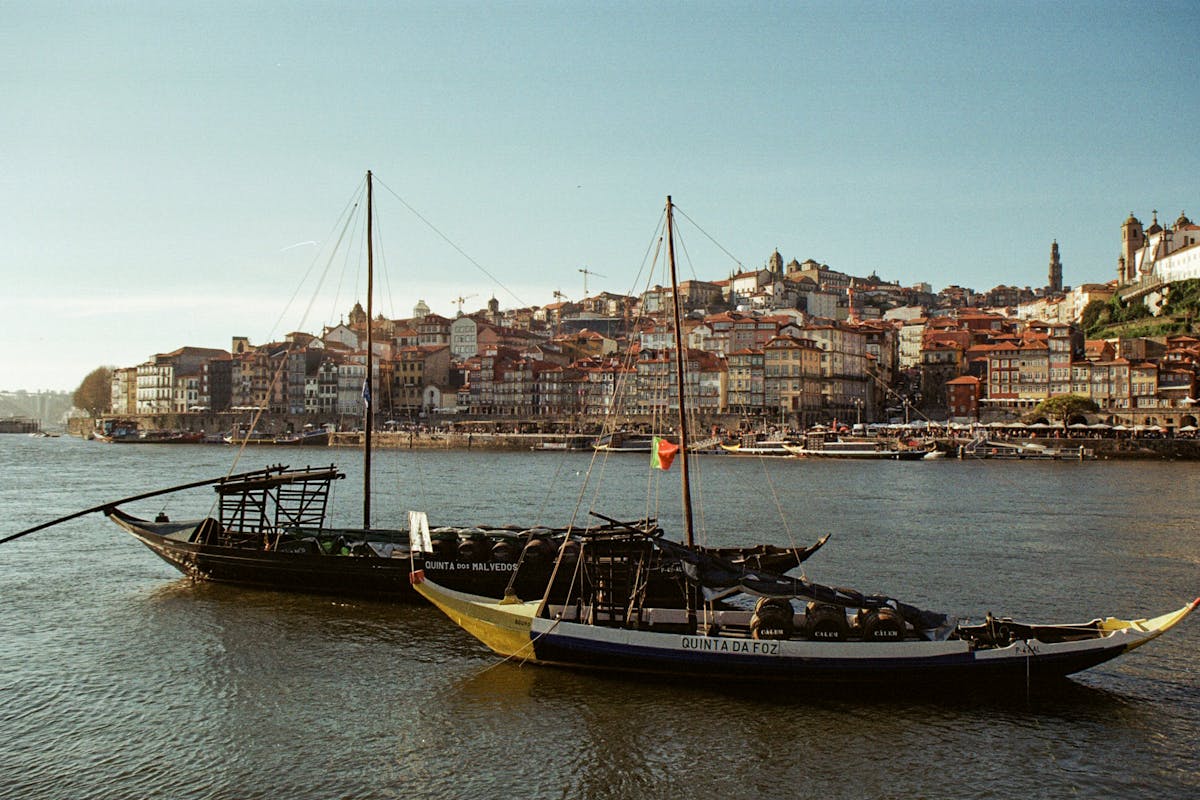
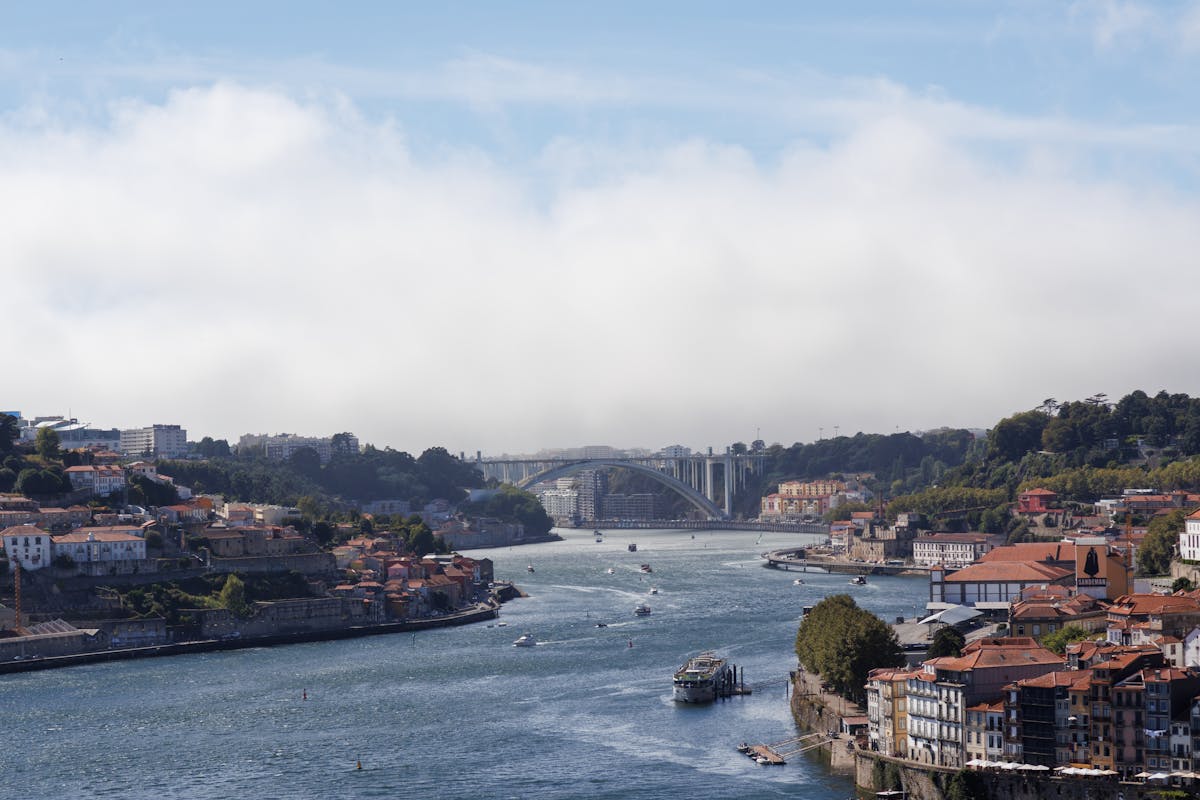
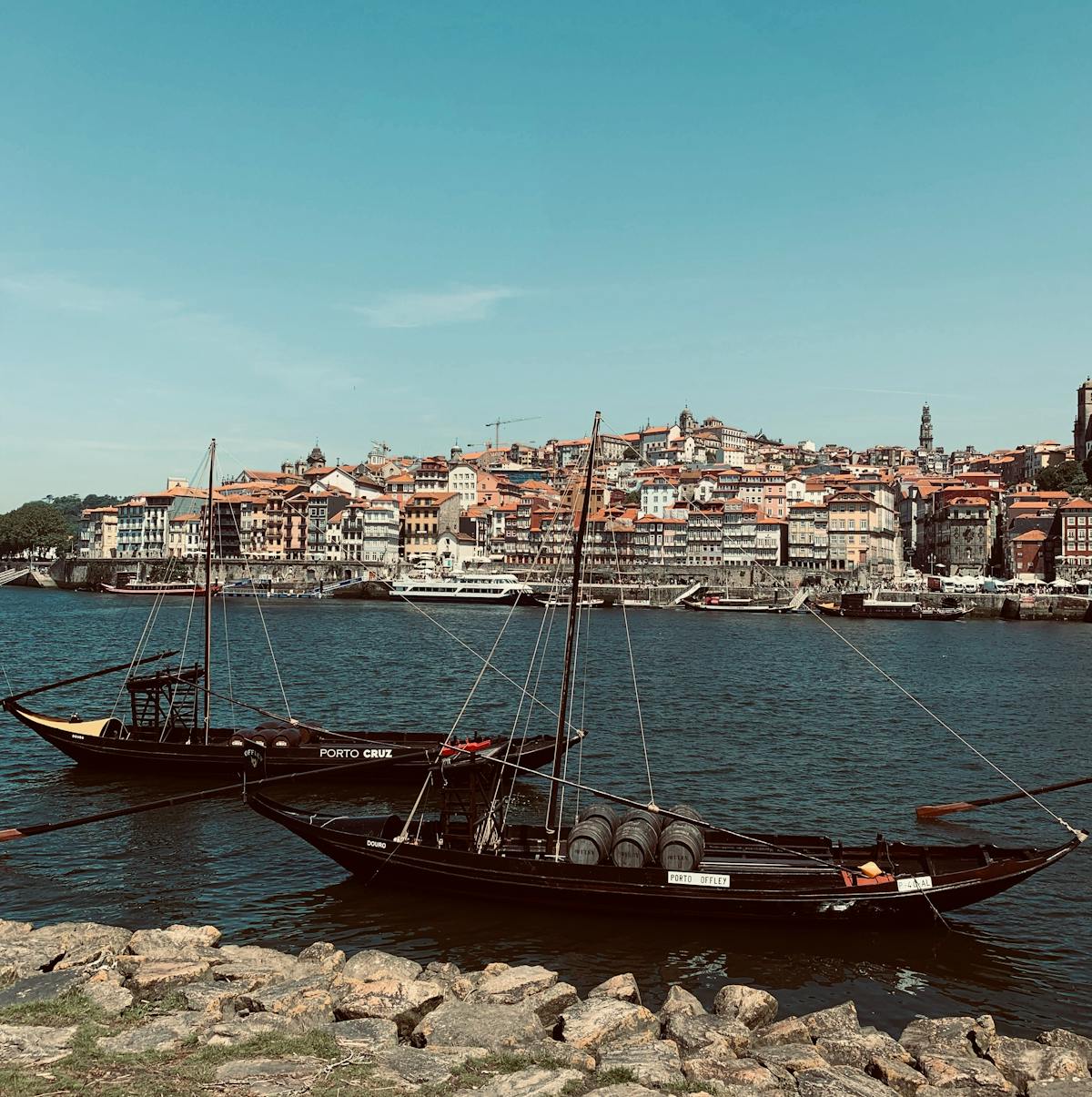
The major port wine houses are all located in Vila Nova de Gaia, directly across the river from Porto’s historic centre. You can walk there across the lower deck of the Dom Luís I Bridge in about 10 minutes. The big names — Taylor’s, Sandeman, Graham’s, Ferreira, Cockburn’s — all offer cellar tours and tastings, typically lasting 30-60 minutes and costing €15-€30 depending on how many wines you taste. Taylor’s terrace has the best view (overlooking the entire Porto skyline), while Graham’s offers some of the most refined tasting experiences. For something less commercial, the smaller houses like Ramos Pinto or Poças offer more intimate visits.
Porto’s Fado History: From the Streets to UNESCO
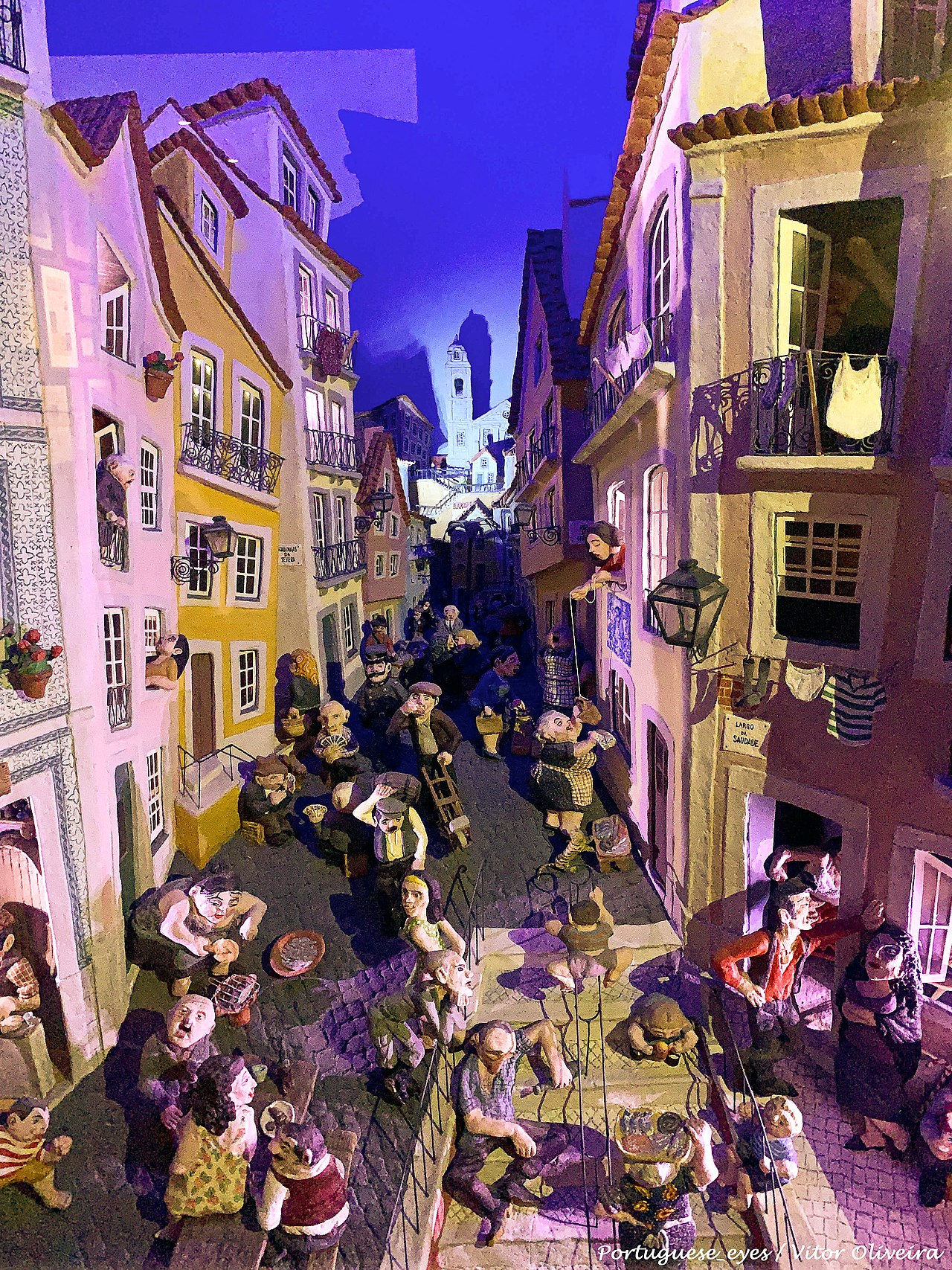
Fado’s origins are debated, but the most widely accepted theory traces it to the working-class neighbourhoods of Lisbon in the 1820s, where it emerged from a blend of Portuguese folk songs, African rhythms brought by Brazilian sailors, and the lundum dance tradition. The word fado comes from the Latin fatum — fate — and the music’s central emotion, saudade, is an untranslatable Portuguese concept that captures longing, nostalgia, and bittersweet memory all at once. You can’t fully explain saudade, but you can feel it in every note of a fado performance.
Amália Rodrigues — The Voice of Portugal
No figure looms larger in fado history than Amália Rodrigues (1920-1999), who transformed fado from a local tradition into an international art form. Born into poverty in Lisbon, she became Portugal’s most famous cultural export, performing on stages from the Paris Olympia to New York’s Carnegie Hall. Her voice — powerful, mournful, and utterly distinctive — defined fado for the 20th century, and her recordings remain the benchmark against which every fadista is measured. When she died in 1999, Portugal declared three days of national mourning.

Porto’s Fado Scene vs Lisbon’s
While Lisbon is considered fado’s birthplace and spiritual home, Porto has developed its own distinct fado culture. Porto’s fado has traditionally been more associated with student life and community gatherings rather than the professional casas de fado of Lisbon’s Alfama and Mouraria districts. This gives Porto’s scene a different energy — less formal, more communal, and often more accessible to newcomers who might find Lisbon’s strict fado etiquette (silence during performances, no clapping between songs at some venues) intimidating.
Porto’s fado venues tend to be smaller and more recently established, which means they’ve had the benefit of learning from Lisbon’s model while adding their own innovations — like the documentary-plus-performance format at Fado na Baixa, or the instrument-surrounded setting of Casa da Guitarra. The result is a fado experience that feels less like watching a museum piece and more like participating in a living, evolving tradition.
UNESCO Recognition and Modern Revival
In 2011, UNESCO inscribed fado as an Intangible Cultural Heritage of Humanity, recognising its importance not just as music but as a cultural practice that shapes Portuguese identity. The inscription sparked a revival — younger musicians began experimenting with fado elements, venues opened in cities that had never had a fado tradition, and a new generation of listeners discovered the genre through streaming platforms and social media. Porto’s current fado scene is partly a product of this revival, with venues opening in the last decade to meet growing demand from both Portuguese rediscovering their cultural heritage and international visitors seeking authentic experiences.
Practical Tips for Porto’s Evening Scene
When to Go
Most fado shows run between 6 PM and 9 PM, with some venues offering multiple sessions. The early evening shows (6:00-6:30 PM) tend to be less crowded, while the 7:30-8:00 PM slots fill up faster. If you’re combining a fado show with a port wine tasting across the river in Gaia, do the wine tasting in the late afternoon (most cellars close by 6 PM) and then walk back across the bridge for an evening fado show — the timing works perfectly.
What to Expect at a Fado Show
Porto’s fado shows typically last one hour and include a glass of port wine. The format is usually two or three fadistas (singers) accompanied by a guitarra portuguesa (the twelve-stringed Portuguese guitar with its distinctive pear-shaped body) and a viola (a standard classical guitar). Some shows encourage audience participation; others prefer respectful silence during performances. The host or guide will make the expected etiquette clear at the start. Photography is usually allowed but check first — and turn off your flash regardless. Phone screens are also distracting in these intimate spaces, so resist the urge to film the entire show and just experience it.
Budget Planning
Fado show tickets in Porto typically cost €16-€22 per person, including a glass of port wine. Port wine cellar tours across the river in Gaia range from €15-€30, depending on the number and quality of wines tasted. The food and wine walking tour is around €50-€65 per person and includes all tastings. A complete evening of fado plus wine tasting can be done for under €50 per person — exceptional value for two deeply cultural experiences in one night.
Combining the Perfect Porto Evening
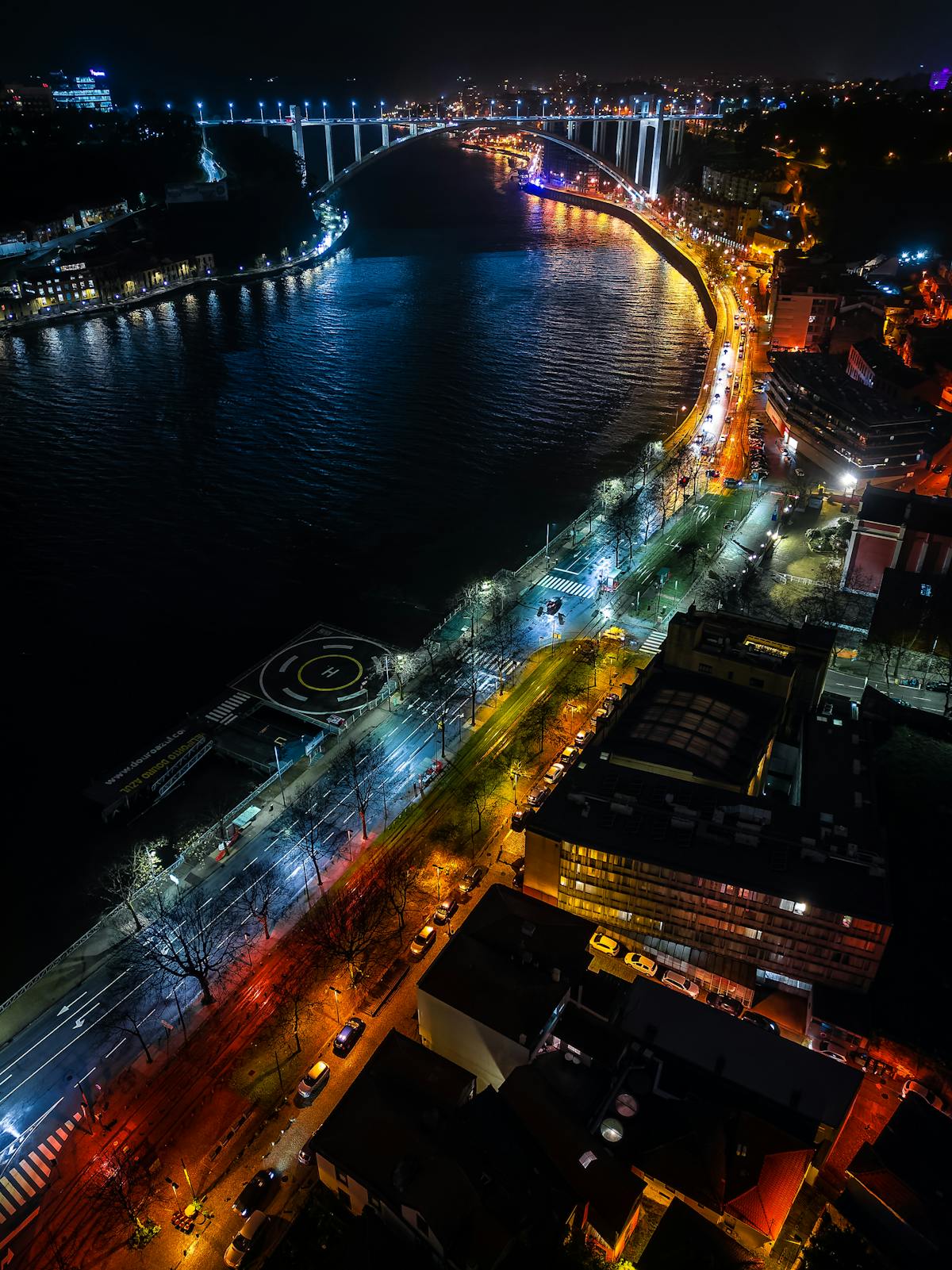
Here’s the ideal evening sequence: Start around 4 PM with a port wine cellar tour in Vila Nova de Gaia (book Taylor’s or Graham’s for the best experience). Walk back across the Dom Luís I Bridge upper deck around 5:30 PM — the light at this time is perfect for photos. Grab a light dinner at a tasca in the Ribeira or Sé district (try francesinha at Café Santiago or tripas à moda do Porto at Adega São Nicolau). Then head to your 7 PM or 7:30 PM fado show. Afterwards, stroll back to the Ribeira waterfront for a nightcap with the lit-up bridge reflected in the river. This sequence covers Porto’s three greatest cultural experiences — wine, food, and fado — in a single evening.
More Porto and Portugal Guides
Porto’s daytime culture is equally rewarding. The Porto walking tours unlock the city’s history through its streets — from the azulejo-covered churches to the Ribeira waterfront — with guides who bring the “Unvanquished City” narrative to life. For a full-day escape, the Douro Valley wine tours take you into the UNESCO-listed terraced vineyards where port wine begins its journey, with winery lunches and river cruises included.
If you’re also visiting Lisbon, the Lisbon fado shows offer a different — more melancholic and traditional — take on the same musical form, while Lisbon’s boat tours on the Tagus give you sunset cruises past Belém Tower and the 25 de Abril Bridge. A Sintra day trip from Lisbon adds fairytale palaces to your Portugal itinerary, and the Algarve’s Benagil Caves offer dramatic coastal scenery that’s completely different from anything in Porto or Lisbon.