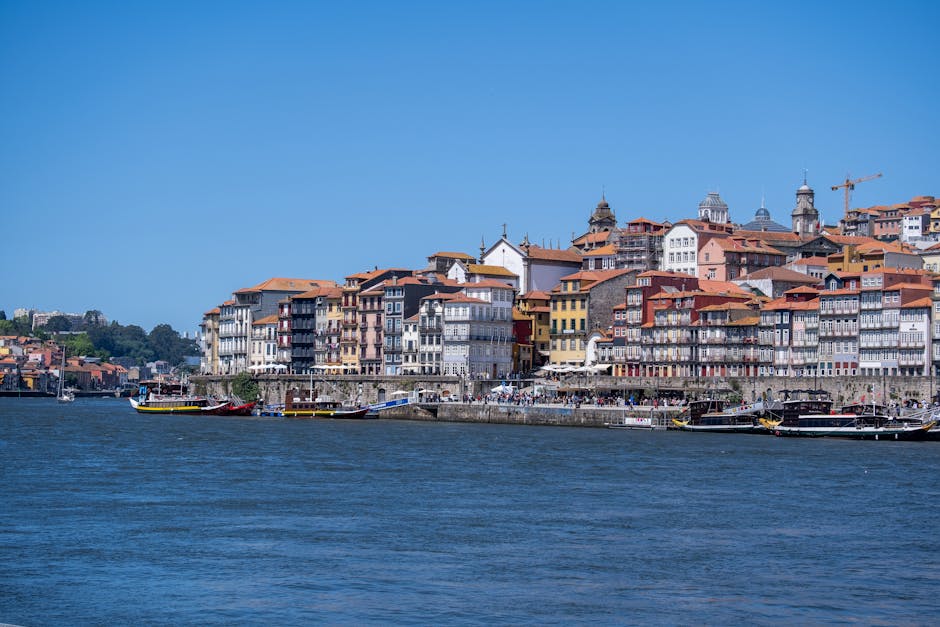
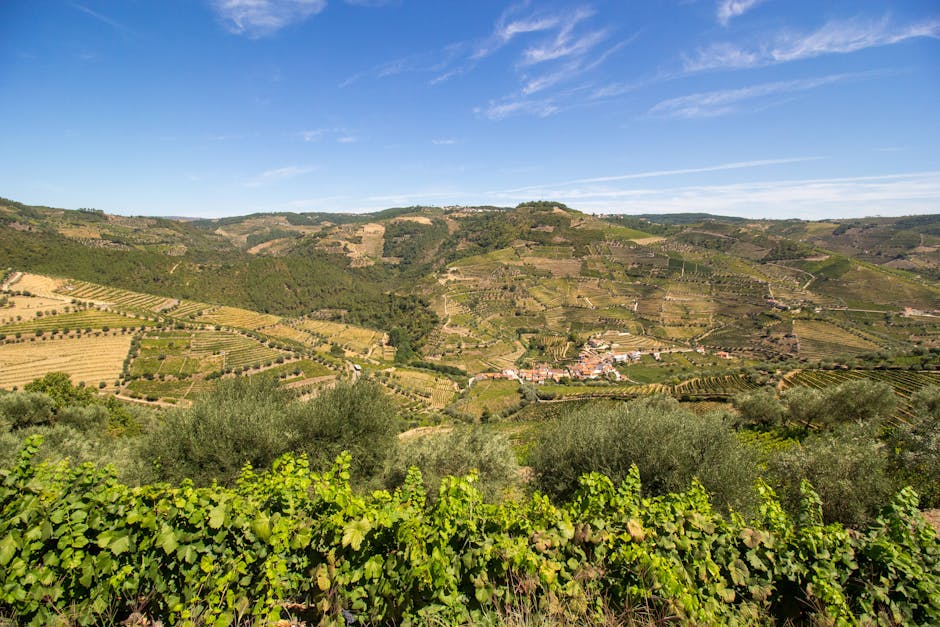
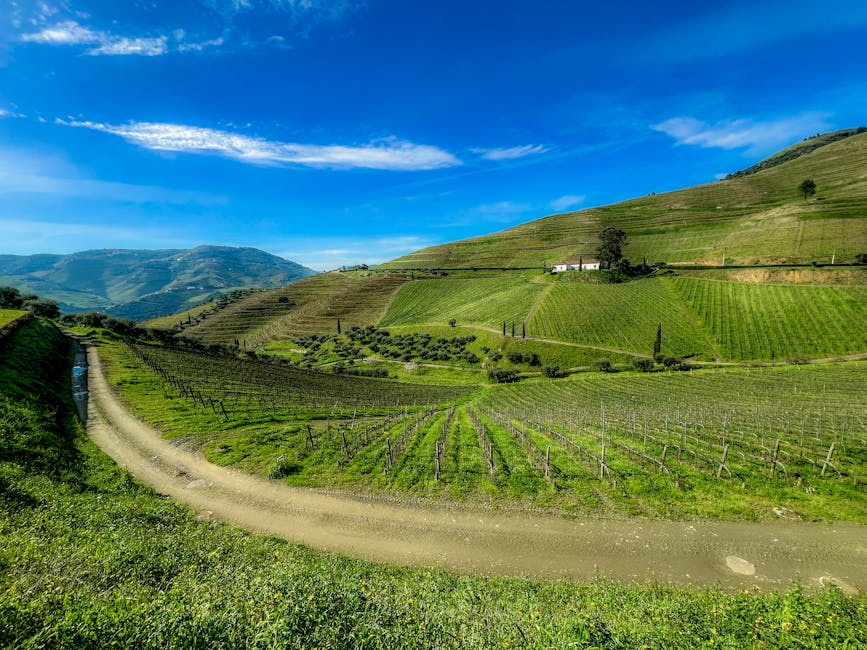
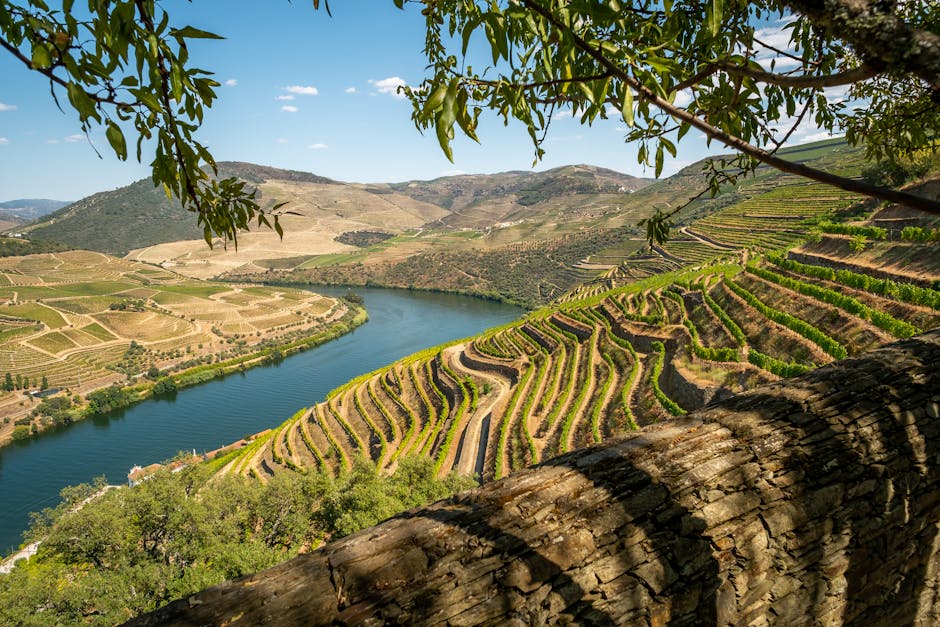
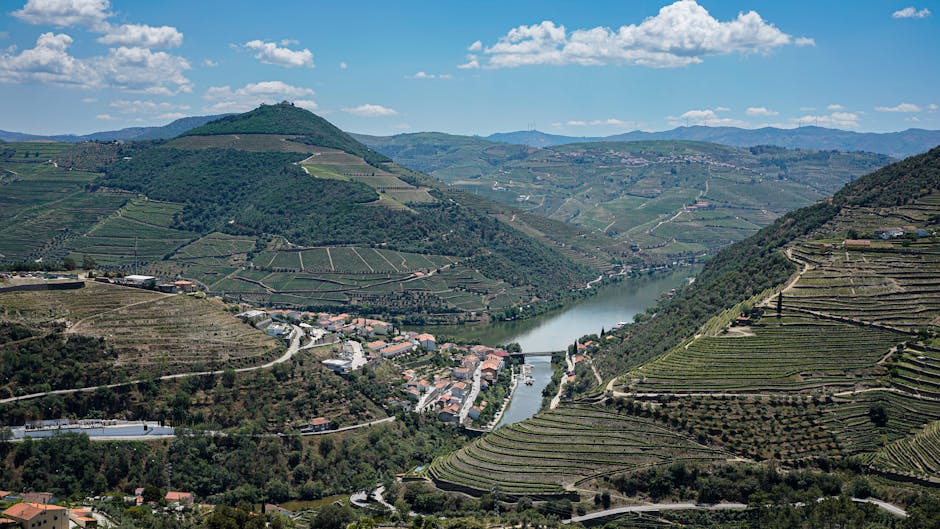
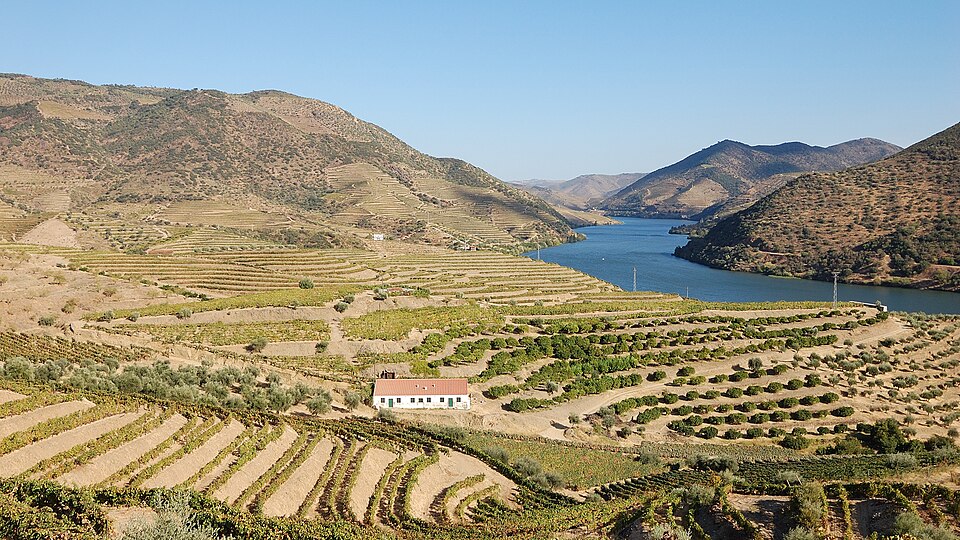
The Douro Valley is Portugal’s most beautiful landscape, and that’s not hyperbole — UNESCO agreed when they designated it a World Heritage Site in 2001. Terraced vineyards climb impossibly steep hillsides above a winding river, punctuated by white-walled quintas (wine estates) that have been producing wine here since the Romans figured out you could grow grapes on schist rock. The valley is about 120 kilometres east of Porto, making it a perfect full-day trip that combines stunning scenery, serious wine tasting, and a river cruise through some of the most photogenic countryside in Europe.
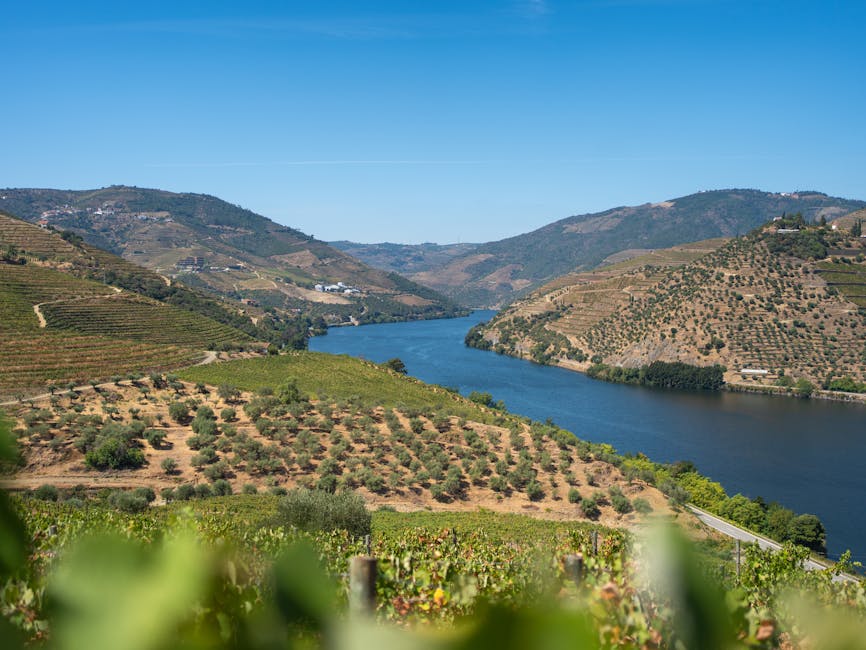
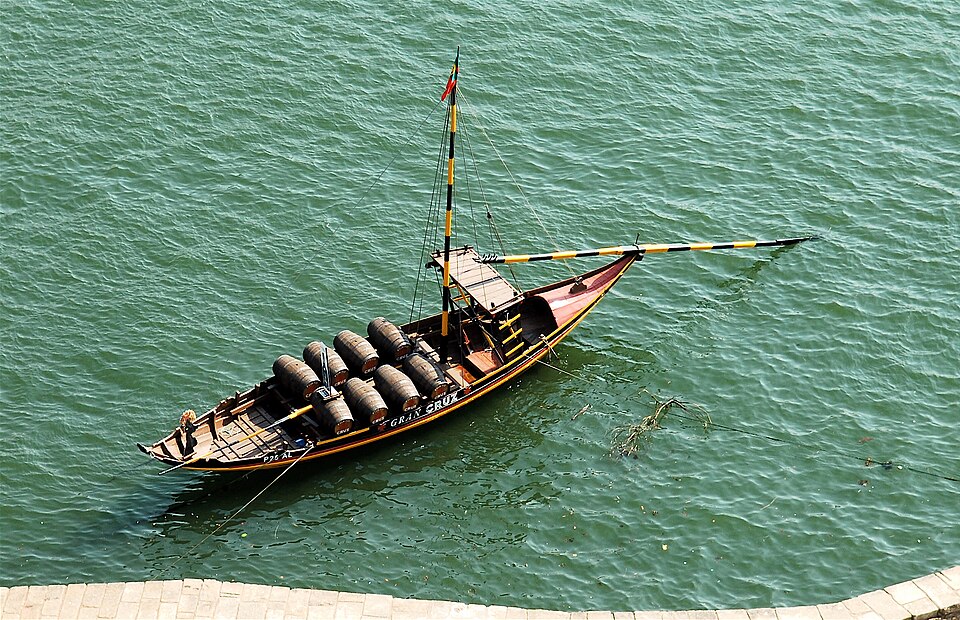
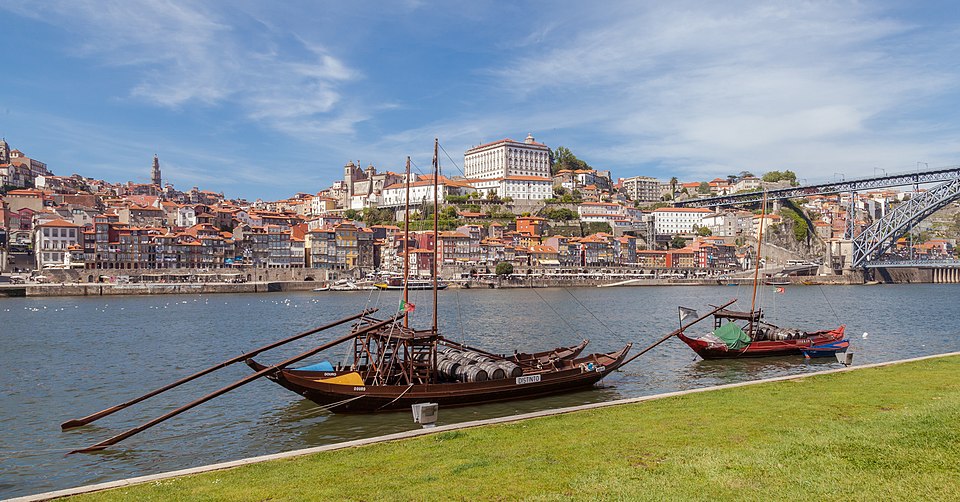
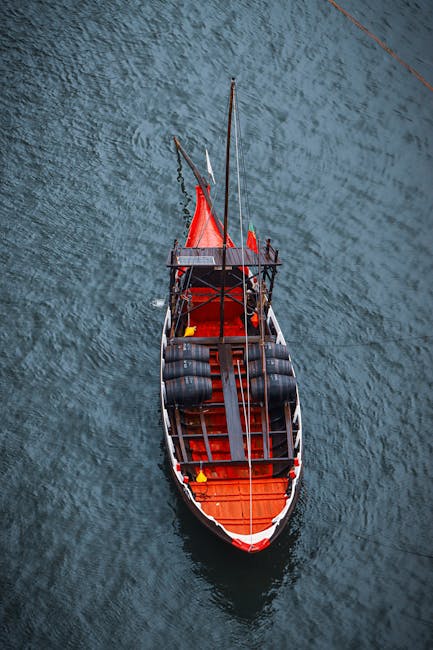
Porto itself is the gateway city — most tours depart from here, and the connection between Porto and the Douro is ancient and deeply entwined. Port wine gets its name from Porto, but it’s made from grapes grown in the Douro Valley, then historically shipped downriver in flat-bottomed rabelo boats to the cellars in Vila Nova de Gaia. That journey doesn’t happen by boat anymore, but you can still taste the history in every glass.
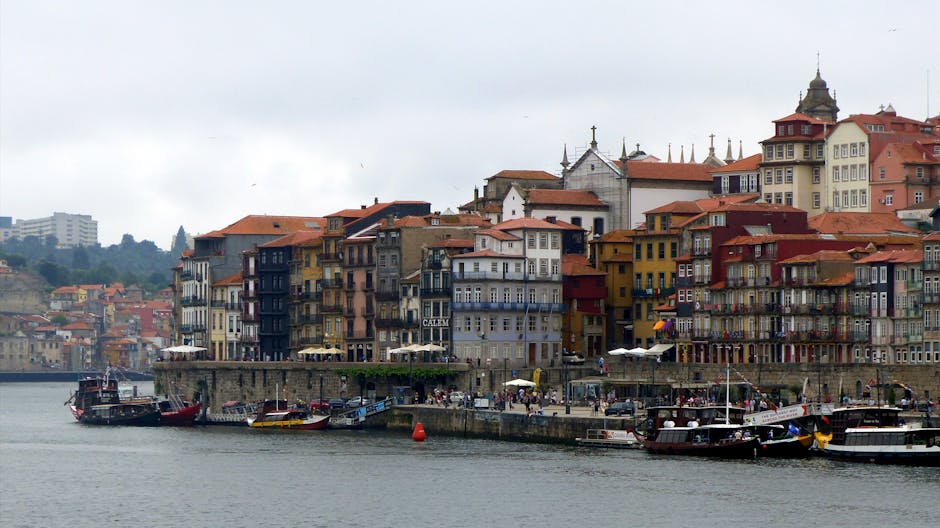
The Douro Valley with Winery Lunch, Tastings & Cruise is the top-rated option with over 7,000 reviews. You visit two wineries, enjoy a traditional Portuguese lunch, taste multiple wines, and take a river cruise — all in one day. The guide Slimmy was singled out by multiple reviewers for making the trip unforgettable. If you prefer smaller, family-run wineries, go with the 2 Wine Regions with Farm-to-Table Lunch tour instead.
- How Douro Valley Wine Tours Work
- Recommended Douro Valley Tours
- 1. Douro Valley with Winery Lunch, Tastings & Cruise — The Best All-Rounder
- 2. 2 Wine Regions, Farm-to-Table Lunch & Boat — The Foodie Choice
- 3. Tastings at 2 Wineries, Chef’s Lunch & Boat Tour — The Small Group Premium
- 4. Douro Valley with Small Wineries, Lunch & Boat Tour — The Off-the-Beaten-Path Option
- What to Know Before You Go
- Wine Knowledge Not Required
- Buying Wine to Take Home
- Weather and Timing
- What About the Drive?
- Lunch: Come Hungry
- Which Tour Should You Pick? A Direct Comparison
- The Story of Douro Wine: 2,000 Years in the Making
- How a Trade War Created Port Wine
- The World’s First Regulated Wine Region
- Beyond Port: The Douro’s Modern Wine Revolution
- Douro Valley vs Porto Wine Cellars: Do You Need Both?
- More Portugal Guides
How Douro Valley Wine Tours Work
Nearly every Douro Valley tour from Porto follows a similar structure, but the details vary enough to matter. You’ll be picked up from central Porto (usually near São Bento station or Avenida dos Aliados) around 8-8:30 AM and driven east through increasingly dramatic landscape. The drive takes about 90 minutes, and good guides use this time to explain the region’s winemaking history and what makes Douro wines distinctive.
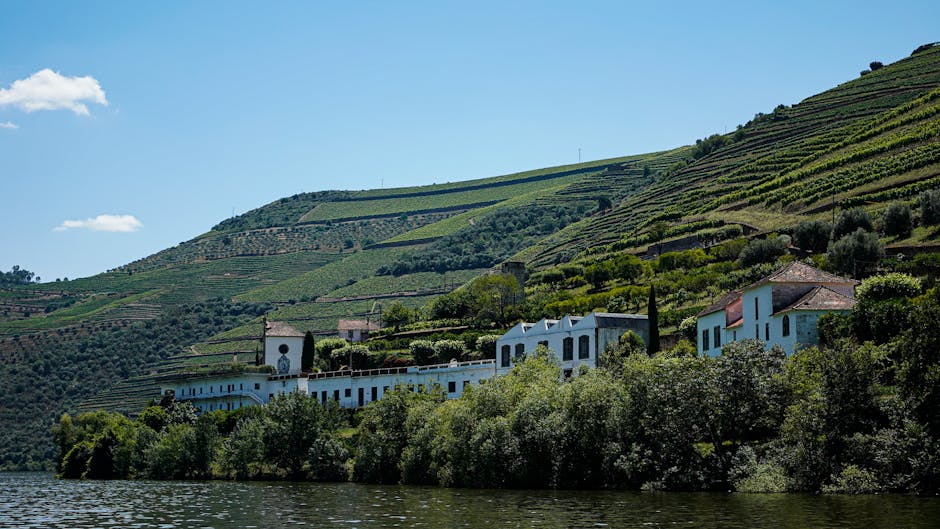
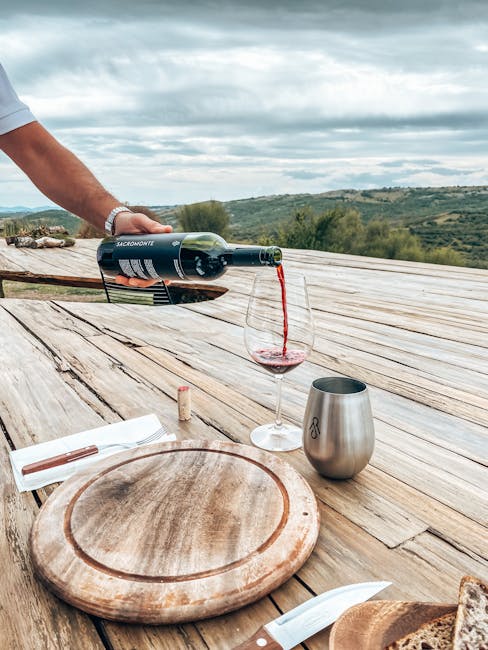
Most tours visit two wineries. The first is typically a larger, more established estate where you learn about the terroir and production process before tasting three or four wines. Then comes lunch — usually at one of the wineries — featuring traditional Portuguese dishes like bacalhau (salt cod), grilled meats, and local cheeses. The second winery is often smaller and more intimate, sometimes family-owned, where you meet the actual winemaker and taste wines you can’t find in shops.
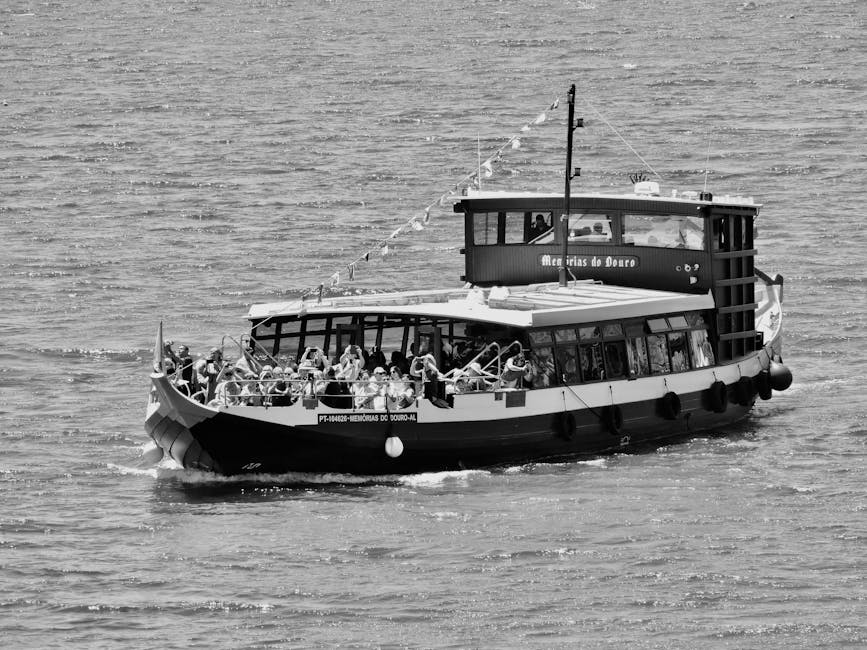
The river cruise is the afternoon highlight. It usually lasts about an hour, drifting along the Douro between the terraced hillsides. There’s no commentary on most boats — it’s meant as a relaxing interlude after a morning of wine — and honestly, the scenery does all the talking. You’re back in Porto by 6-7 PM, pleasantly full and probably carrying a bottle or two.
One important thing to keep in mind: the wine is flowing generously throughout the entire day. Most tours include tastings of four to eight different wines across two wineries, plus wine with lunch. That’s a lot of alcohol over several hours, especially if you’re not a regular drinker. The guides are responsible about this — there’s always water available, and the pace between tastings gives you time to metabolise — but eating a solid breakfast before departure is genuinely good advice, not just a throwaway tip.
Recommended Douro Valley Tours
1. Douro Valley with Winery Lunch, Tastings & Cruise — The Best All-Rounder
This is the tour that consistently tops the rankings, and with 7,002 reviews, it’s the most battle-tested Douro day trip available. The itinerary balances education and pleasure perfectly: two winery visits, a traditional lunch with wine pairings, and a river cruise through the heart of the valley. What sets it apart from cheaper options is the quality of the guides — several are mentioned by name in reviews, which is always a good sign.
Christopher’s review captures the vibe: “Our day trip was awesome! The scenery and the vibes are the best I’ve had in Porto. The wine and the vineyards were great but honestly the best highlight of the trip was our tour guide Slimmy. He made the whole trip a 20/10 experience. He gave excellent trivia making it fun but informative at the same time. He also asked each member of the group their favourite songs and played them one by one.” Steven called it “excellent and well worth the money” with special praise for guide José and the “excellent” navigation of the valley’s tricky roads.
Read reviews and check prices for this tour
2. 2 Wine Regions, Farm-to-Table Lunch & Boat — The Foodie Choice
If you care as much about the food as the wine, this tour from Porto stands out. With 5,724 reviews, it visits two distinct wine-producing regions — not just two wineries in the same area — giving you a broader understanding of how terroir affects flavour. The lunch is farm-to-table at a quinta, using ingredients sourced from the estate itself. This is not a buffet situation; it’s a proper sit-down meal that reviewers consistently rave about.
John’s review summed it up neatly: “Highly recommend! Our guide, Ruben, was friendly, knowledgeable, and so enthusiastic about his country. We learned so much from him and from the winemakers. The lunch was fantastic!” Tyler was even more direct: “Our day was nothing short of perfect, our guide was the best, the tours were the best and the lunch was amazing.”
Read reviews and check prices for this tour
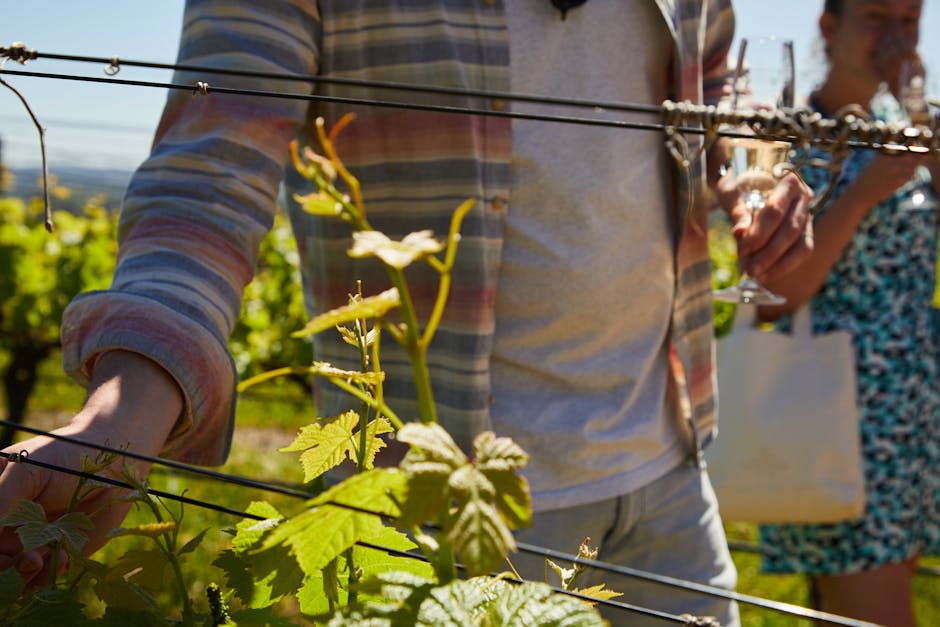
3. Tastings at 2 Wineries, Chef’s Lunch & Boat Tour — The Small Group Premium
This is the option for travellers who want a more intimate experience. Group sizes are smaller, the lunch is prepared by a chef rather than served from a kitchen, and the pace is slightly more relaxed. With 2,206 reviews, it’s newer than the first two but growing fast because of the consistently personal service.
Carie described it perfectly: “This tour was the highlight of our trip to Portugal! Our driver/guide Pedro was very knowledgeable and friendly. We traveled as a family of five and had our own van assigned to us. We enjoyed everything about our tour — the boat trip, the wine tastings, and the delicious lunch.”
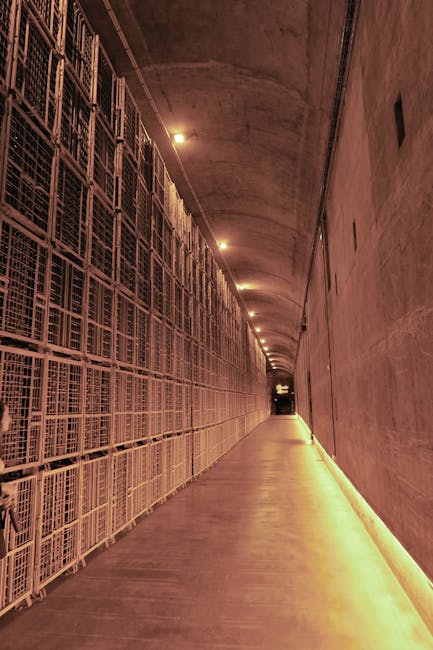
The chef’s lunch element deserves specific mention. While other tours serve family-style platters (which are still delicious), this option provides a more refined dining experience. Multiple reviewers mention the quality of the olive oil served alongside the meal — many quintas produce their own, and tasting it fresh on crusty bread with a glass of Douro red is one of those simple pleasures that stays with you.
Read reviews and check prices for this tour
4. Douro Valley with Small Wineries, Lunch & Boat Tour — The Off-the-Beaten-Path Option
If the idea of visiting a massive commercial winery doesn’t appeal to you, this tour deliberately seeks out small, family-owned operations. Groups max out at seven or eight people, and you’ll meet the actual owners pouring their own wine and telling you the story of their family’s connection to the land. It’s the kind of experience that makes you feel like a guest rather than a tourist.
Phillip captured what makes this different: “Definitely a more intimate experience with a small group, just 7 on our excursion, and with visits to smaller wineries where we had the chance to speak directly with the owners — as well as taste their produce, and have a traditional meal in stunning surroundings. Our driver/guide Filipe was friendly and informative. He was very relaxed about stopping for further photo and refreshment opportunities.”
Lee agreed, calling it ideal for anyone who prefers “less commercialised experiences — meeting people, small groups of 6-8, like talking to people who know their stuff.”
Read reviews and check prices for this tour
What to Know Before You Go
Wine Knowledge Not Required
Some people skip Douro Valley tours because they feel they don’t know enough about wine to appreciate the experience. That’s backwards thinking. The guides and winemakers expect beginners — they’ll explain the difference between a ruby and a tawny port, why Touriga Nacional is the signature Douro grape, and how the region’s extreme temperatures (scorching summers, freezing winters) produce wines with unusual depth and complexity. You’ll learn more in one afternoon than in a year of reading wine blogs.
That said, if you want to get a bit more out of the tastings, here’s a quick primer: the Douro grows over 100 grape varieties, but the five most important for port are Touriga Nacional, Touriga Franca, Tinta Roriz (known as Tempranillo in Spain), Tinta Barroca, and Tinto Cão. For table wines, Touriga Nacional produces the biggest, most complex reds, while Malvasia Fina and Rabigato make the best whites. Don’t worry about memorising these — just knowing they exist will make the winemakers’ explanations click a bit faster.
Buying Wine to Take Home
Every winery you visit will have bottles for sale, and prices are typically 30-50% lower than what you’d pay in Porto’s wine shops or at the airport. If you’re flying home within Europe, you can usually carry a couple of bottles in your checked luggage without issues. For port wine specifically, the tawny ports (10-year, 20-year, 40-year) age in barrels and can be drunk immediately upon opening, while vintage and vintage ports benefit from cellaring. If you’re unsure what to buy, ask your guide — they’ll steer you toward the best value bottles from each quinta.
Most quintas can also arrange international shipping if you fall in love with something and want a case sent home. Prices vary, but it’s usually cheaper than buying the same wine imported through a merchant in your home country. Just make sure to check your country’s import regulations on alcohol — some have quantity limits or require duty payments above a certain threshold.
Weather and Timing
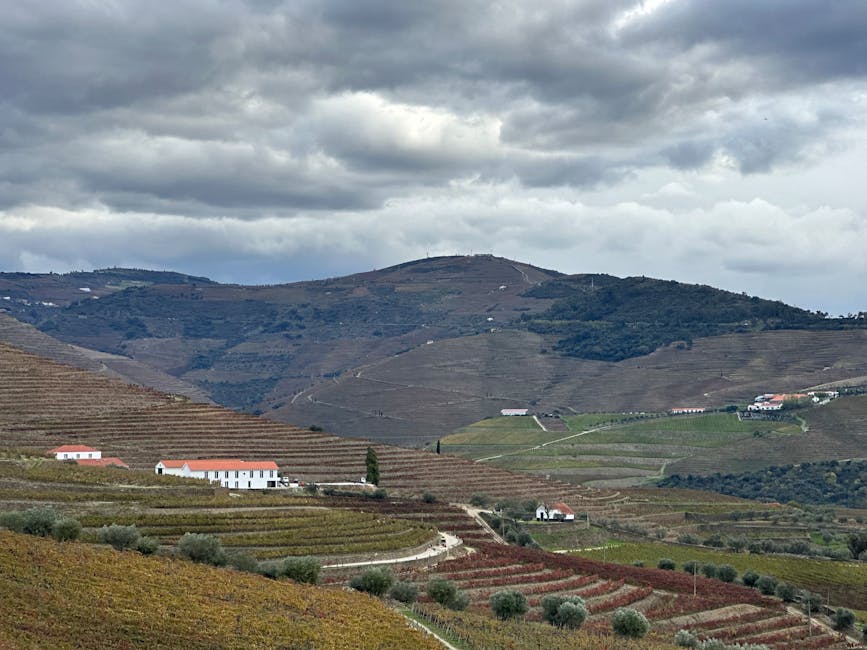
The Douro Valley has its own microclimate, protected from Atlantic weather by surrounding mountains. Summers are hot — temperatures regularly hit 40°C in July and August — so spring (April-May) and autumn (September-October) are the most comfortable times to visit. Autumn is particularly special: the grape harvest (vindima) happens in September and early October, the hillsides turn golden and red, and many quintas offer harvest experiences where you can stomp grapes the traditional way.
Winter tours run but with caveats: some river cruises may be cancelled due to water levels, and the landscape is starker (though some find the bare vines and misty valleys beautiful in their own way). As Sophia’s review noted about a winter visit, “Even with weather disruptions everything was handled well.” When the river cruise is cancelled, operators typically substitute an extra winery visit or a stop at a viewpoint — you won’t lose out on value, just the boat ride.
What About the Drive?
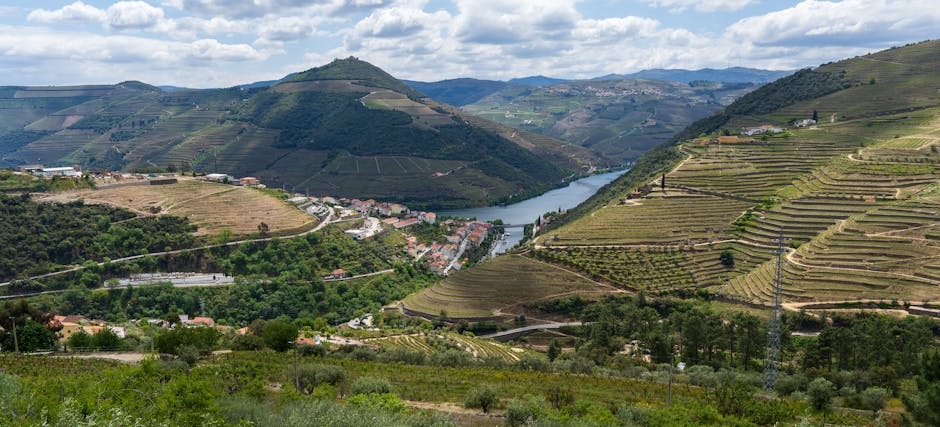
The road from Porto to the Douro Valley is part of the experience. The A4 motorway gets you inland quickly, but the last stretch follows winding roads that snake along the valley walls with drop-offs that make some passengers nervous. The guides are experienced drivers who know every curve, but if you’re prone to car sickness, take medication before departure and sit in the front if possible. The scenery more than compensates for any discomfort — every bend reveals another postcard-perfect view of terraced slopes and the silver ribbon of river below.
Most guides make one or two scenic stops on the drive for photos — often at a viewpoint called Miradouro de São Leonardo da Galafura, which provides one of the most photographed panoramas in Portugal. If your guide doesn’t stop here, it’s worth asking — the view is genuinely worth the five-minute detour.
Lunch: Come Hungry
Every tour includes lunch, and it’s never an afterthought. Portuguese winery lunches are serious multi-course affairs: expect a starter of local cheese and olives, a main course of grilled meat or bacalhau (salt cod), sides of roasted potatoes and salad, dessert, and of course, wine throughout. These meals are generous by any standard — don’t eat a big breakfast in Porto.
Which Tour Should You Pick? A Direct Comparison
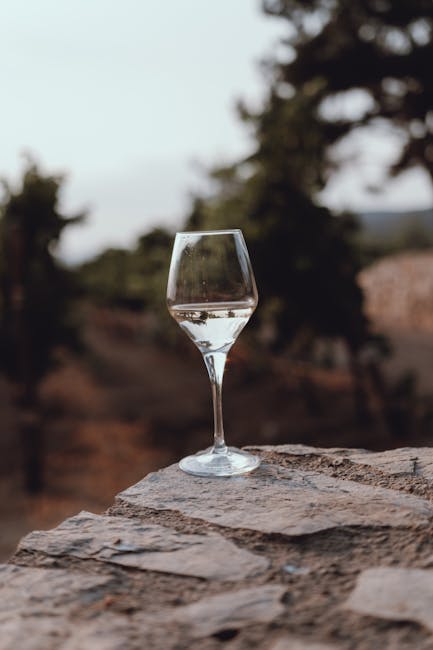
With four strong options, the choice really comes down to your priorities. If you want the most polished, reliable experience with the best chance of getting a great guide, the first option (Winery Lunch, Tastings & Cruise) is the safe bet — 7,000+ reviews means the kinks have been worked out. If food matters more than wine, the 2 Wine Regions with Farm-to-Table Lunch is the one — the lunch alone makes it worthwhile. For couples or small groups who want a premium feel, the Chef’s Lunch option delivers the most refined experience. And if you’re a wine geek who wants to meet actual winemakers and avoid the tourist circuit, the Small Wineries tour is the clear pick.
Price-wise, they’re all in the same ballpark — roughly 80-120 euros per person depending on the season. The higher-end options include slightly better wines at lunch and smaller groups, but even the most affordable tour includes a quality meal, multiple tastings, and the river cruise. None of these are budget-bin tours; the Douro Valley experience is inherently premium, and the operators know it. Book at least a week in advance during summer — the best-reviewed tours do sell out, especially the small-group options.
One factor that’s easy to overlook: group size matters more than you’d think on a wine tour. Smaller groups mean you can actually talk to the winemaker, ask questions during tastings, and have conversations with your guide. On a bus of 30 people, the tastings become a production line. All four recommended tours cap group sizes at 8-15, which is the sweet spot between social atmosphere and personal attention.
The Story of Douro Wine: 2,000 Years in the Making
The Douro Valley has been producing wine since at least the 3rd century, when the Romans planted the first vines on these steep hillsides. But the wine that made the region famous — port — was essentially invented by accident in the 17th century, and the story involves international politics, a trade war, and a lot of brandy.
How a Trade War Created Port Wine
In 1667, England banned imports of French wine as part of an ongoing trade dispute with France. English merchants, desperate for an alternative, turned to Portugal. The problem was that Douro red wine didn’t survive the long sea voyage from Porto to England — it kept spoiling en route. The solution? Add brandy. By fortifying the wine with grape spirit, merchants discovered they could preserve it for the journey and, as a happy bonus, the added alcohol created a richer, sweeter wine that English drinkers loved. Port wine was born.
The World’s First Regulated Wine Region
By the mid-1700s, port wine was so profitable that fraud became rampant — producers were adulterating wines with elderberry juice to make them darker and sweeter. In 1756, the Marquis of Pombal (the same reformer who rebuilt Lisbon after the 1755 earthquake) established the Companhia Geral, essentially creating the world’s first appellation system. He drew boundary lines around the Douro Valley, classified vineyards by quality, and set strict rules about what could and couldn’t go into port wine. This was nearly two centuries before France created the AOC system that most people think invented the concept of regulated wine regions.
Beyond Port: The Douro’s Modern Wine Revolution
For centuries, the Douro was synonymous with port wine and little else. That changed in the 1990s, when a new generation of winemakers started producing outstanding table wines — dry reds and whites that rivalled anything coming out of France or Spain. Today, many wine critics consider Douro reds to be among the best values in the world: complex, age-worthy wines at a fraction of the price of comparable Bordeaux or Barolo. The tours reflect this shift — you’ll taste far more than just port. In fact, on most tours you’ll taste two or three table wines for every port, which surprises visitors who expected an entire day of sweet, fortified wine. The dry reds from estates like Quinta do Crasto, Quinta do Vale Meão, and Niepoort are world-class, and you can often buy them at the cellar door for under 15 euros — a steal for wines that sell for three times that at London or New York restaurants.
Douro Valley vs Porto Wine Cellars: Do You Need Both?
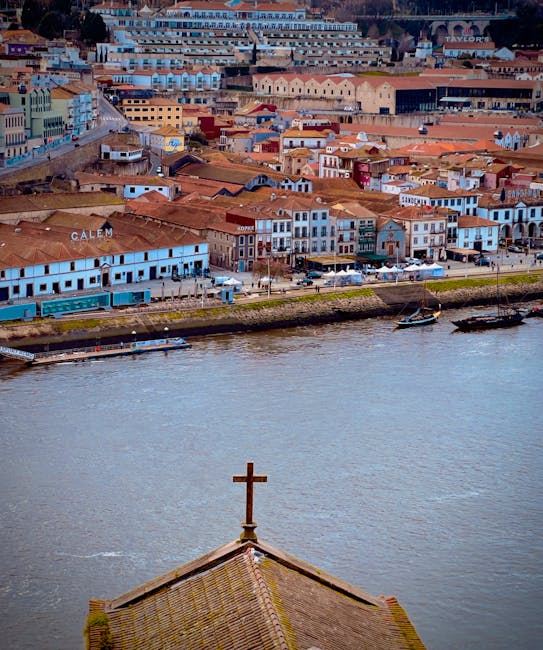
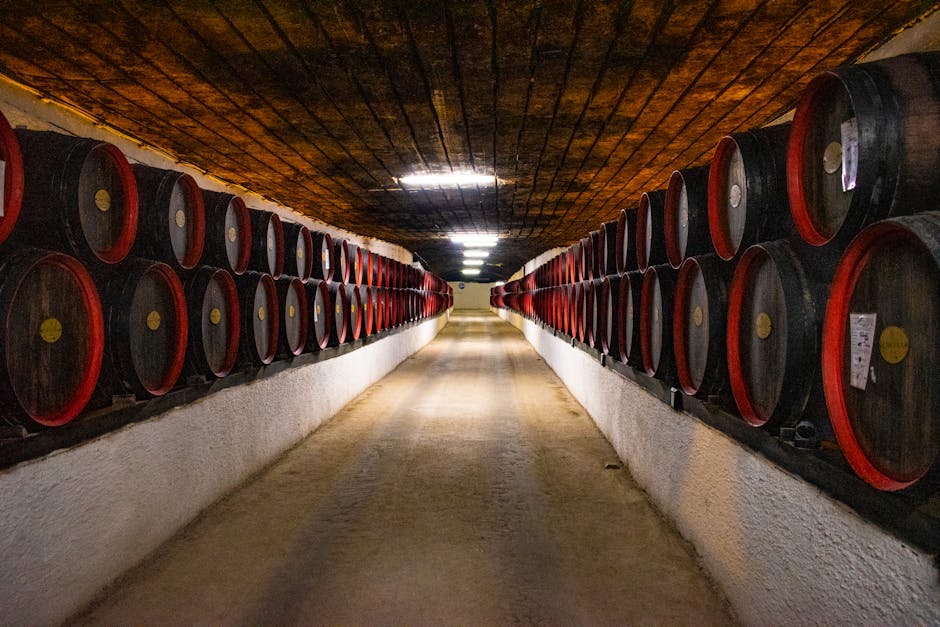
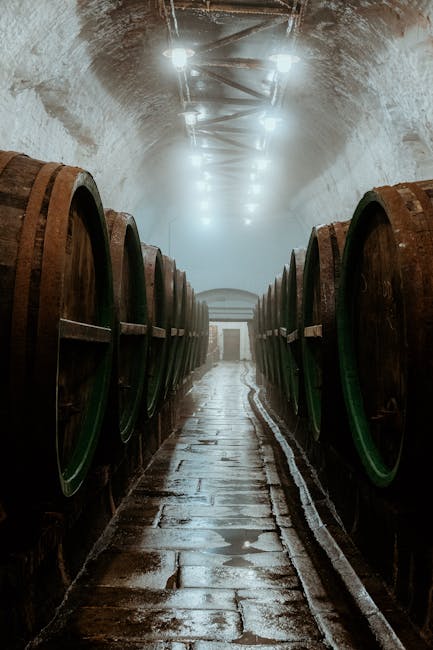
Many visitors to Porto are torn between a Douro Valley day trip and simply visiting the port wine cellars in Vila Nova de Gaia, which sit just across the river from the city centre. The short answer is: they’re completely different experiences, and if you have time, doing both is ideal. The cellars in Gaia — Taylor’s, Graham’s, Sandeman, Ferreira — are where the wine is aged and blended, and the tours are fascinating in their own right. You walk through dimly lit warehouses stacked with barrels, learn about the ageing process, and taste finished ports in tasting rooms with stunning river views.
But the cellars don’t show you where the wine comes from. The Douro Valley tour gives you the complete picture: the vineyards, the terraces, the crushing process, and the human story behind each bottle. It’s the difference between visiting a brewery and visiting the hop fields where the ingredients grow. The cellars explain what port wine is; the Douro Valley explains why it exists. If you only have time for one, choose the valley — the cellars can be done independently in a couple of hours on a free afternoon. Many are walkable from Porto’s Ribeira district — you just cross the Dom Luís I Bridge and you’re right there in Gaia, surrounded by historic lodges with their names emblazoned on the rooftops.
More Portugal Guides
The Douro Valley is just one of the extraordinary day trips available from Portugal’s two great cities. From Lisbon, the day trip to Sintra takes you to fairytale palaces and dramatic Atlantic clifftops — Pena Palace alone is worth the journey. If you’re staying in Porto, the city’s walking tours reveal centuries of history through tiled churches, narrow medieval lanes, and the famous Lello Bookshop. For evening entertainment, both cities offer authentic fado performances — Lisbon’s version tends toward melancholy and drama, while Porto’s fado and port wine evenings pair the music with tastings in atmospheric taverns.
If you’re heading south, the Algarve’s Benagil Caves are one of Portugal’s most spectacular natural wonders — sea caves, golden cliffs, and water so clear it barely looks real. For a different perspective on the water, Lisbon’s boat tours on the Tagus offer sunset sailing cruises past Belém Tower and the 25 de Abril Bridge — the perfect complement to a Douro Valley wine day.