
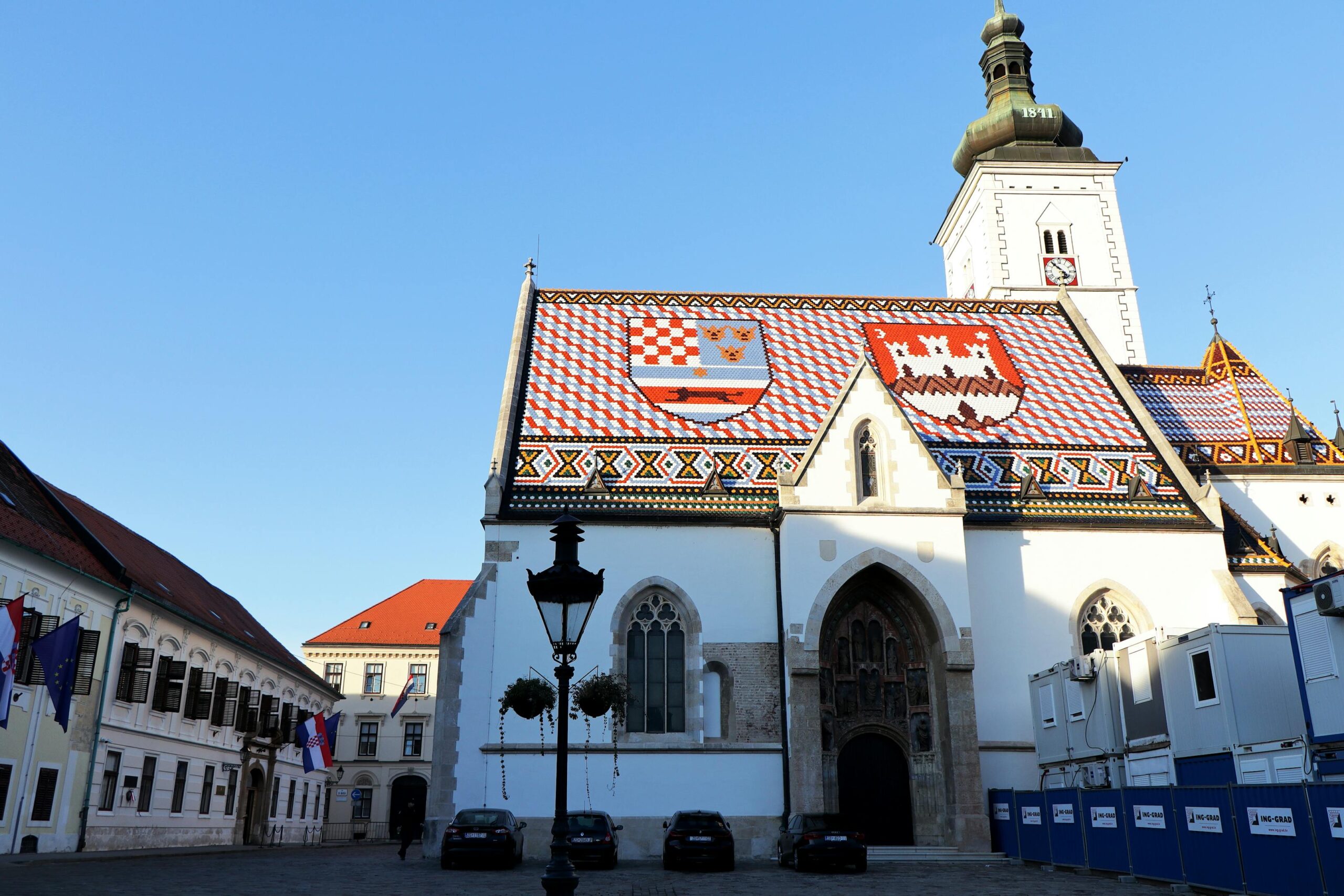
Zagreb is the Croatian capital that most travelers miss. They land at the airport, transit straight to Plitvice Lakes or the coast, and never set foot in the city itself — which is a shame, because Zagreb is one of the most underrated capitals in Central Europe. It has an Austro-Hungarian old town perched on a hill, a bustling working market that’s been operating since 1930, a tiled-roof church that’s on every Croatia postcard, and (unexpectedly) a network of WWII-era tunnels running beneath the Upper Town that were sealed for decades and only recently opened to the public. The walking tours that combine the old town with the tunnel visit are the single best introduction to Zagreb you can get in a morning.
- Quick Pick: Best Zagreb Walking Tours with WWII Tunnels
- What Are the Grič Tunnels?
- The 4 Best Zagreb Walking Tours Reviewed
- 1. Zagreb: City and WWII Tunnels Walking Tour
- 2. Zagreb: City & History Walking Tour & WW2 Tunnels
- 3. Best of Zagreb With the WW2 Tunnels
- 4. Zagreb: Small Group Walking Tour City Center and WW2 Tunnels
- The Upper Town: Where Zagreb Was Born
- The 2020 Earthquake and What You Can (and Can’t) See
- Dolac Market: The “Belly of Zagreb”
- Historical Context: Zagreb’s Three Occupations
- Practical Tips for Your Zagreb Walking Tour
- More Croatia Guides Worth Reading
Quick Pick: Best Zagreb Walking Tours with WWII Tunnels
🎭 Best for small groups: City & History Walking Tour & WW2 Tunnels — 1,202 reviews. Caps at around 10-12 people, with guides praised for making 2.5 hours feel like an hour.
💰 Classic value: Best of Zagreb With the WW2 Tunnels — 973 reviews. Long-running, well-reviewed, reliable pick for a straightforward 2-hour introduction.
👥 Most personal: Small Group Walking Tour City Center and WW2 Tunnels — 895 reviews. Specifically designed as a small-group format; guides like Petra get called out repeatedly.
What Are the Grič Tunnels?
The tunnels under Zagreb’s Upper Town (Gornji Grad) are called the Grič Tunnels, and they’re one of the strangest hidden features of any European capital. They were constructed in 1943-1944 during the Italian and then German occupation of Zagreb in World War II, designed as bomb shelters to protect civilians from Allied air raids that never fully materialized. The tunnel network runs for about 350 meters under the hill between Mesnička and Radićeva streets, connecting multiple entry points around the historic Upper Town and providing a hidden east-west passage between the market area and the upper plateau.
After WWII, the tunnels were mostly forgotten. They were briefly used during the 1991 Croatian War of Independence as shelter from Yugoslav air raids on Zagreb, but once the conflict ended they closed up again and sat abandoned for nearly two decades, slowly flooding and deteriorating. The city finally renovated and opened them to the public in 2016 as a free tourist attraction — you can walk through them on your own for nothing, or with a guided tour for context and history. The guided walking tours are significantly better because the tunnels themselves are mostly bare concrete corridors; the story is what makes them interesting, and you need someone who knows it.
A quirk worth knowing: the tunnels are also used for contemporary events, especially an annual festival called Festival of Lights that transforms the corridors into illuminated art installations for about a week each spring. If your trip happens to overlap, it’s worth checking — the festival version is an entirely different experience from the regular guided walk, with projection art covering the walls and Croatian contemporary artists showing work specifically designed for the space. Regular walking tours don’t include the festival, but both run concurrently, so you can do both in the same day if timing allows.
The tunnels also host pop-up markets and occasional concerts throughout the year. Zagreb’s tourism board has been actively looking for ways to make the space feel alive rather than simply preserved, and the result is that every visit is slightly different depending on what’s happening underground that week. Ask your guide what’s currently programmed — they usually know, and they can tell you whether it’s worth doubling back for.
The 4 Best Zagreb Walking Tours Reviewed
1. Zagreb: City and WWII Tunnels Walking Tour
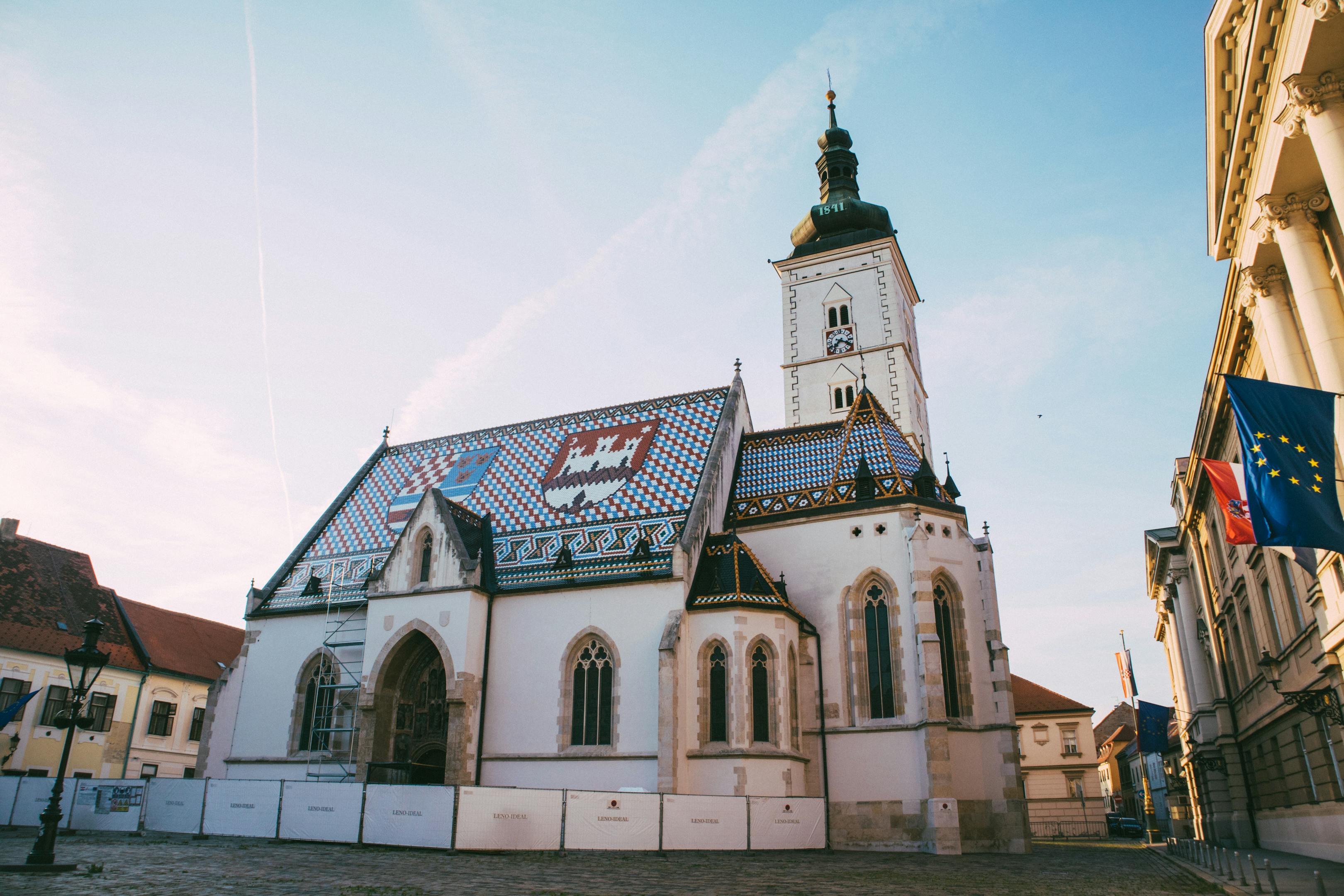
This is the benchmark Zagreb walking tour. Two hours long, small groups, and a route that starts in the Lower Town near Ban Jelačić Square (the main city square and meeting point for almost all Zagreb tours), walks up through the Dolac market area, into the Upper Town via the Stone Gate and past St. Mark’s Church, then descends through the Grič Tunnels before finishing back near the square. The pacing is leisurely enough for photos at every major stop and brisk enough that you don’t lose energy in the middle.
Guides like Robert, Marko, and Marin get specific praise in the reviews for being both informative and funny — the reviewers consistently mention the guides’ ability to weave jokes through the historical content without trivializing the serious parts. A reviewer named Estelle mentions being the only person on her tour and still getting Marin’s full attention and even photography help, which speaks to the consistency of quality even in shoulder season when groups thin out.
“Very nice tour. The guide (Robert) is very friendly and explains everything in a funny way. We could walk around the city and understand better about its history.”
“our tour guide Marin was really lovely and funny. he was very knowledgeable and a great photographer. Just us on the tour but he still went above and beyond.”
2. Zagreb: City & History Walking Tour & WW2 Tunnels
Slightly longer than the top pick (2.5 hours vs 2 hours) and with a stronger emphasis on Zagreb’s broader history beyond just the WWII tunnel context. The guides on this tour lean more into Austro-Hungarian Zagreb, the 1880 earthquake that leveled half the city, the 20th-century architectural styles that rebuilt it, and the post-WWII Yugoslav period. If you’re history-curious beyond the tunnels themselves, this is the richer of the two main options.
Reviewers repeatedly highlight the small group size as a key differentiator. Around 8-12 people is the typical limit, which means you can actually hear the guide comfortably in the tunnels (where the acoustics are terrible and bigger groups end up straining to catch words) and you can ask questions without feeling like you’re holding up 25 strangers. Guides like Petra, Tom, and Tomislav get repeat mentions for being genuinely engaging over the longer runtime.
“We booked this tour last minute as we had a few hours left in Zagreb before our bus. It was such a wonderful tour, and even showed us a Christmas market we had completely missed during our stay. Tomislav was a wonderful tour guide. His knowledge was expensive and he was open to all our questions. The size of the group was perfect.”
“Tomislav was so informative and happy to answer questions. The smaller group size made it much more conversational and we felt really immersed in the tour. It didn’t feel like 2.5hrs at all!! Highly recommend to get a great overview of Zagrebs history!”
3. Best of Zagreb With the WW2 Tunnels
One of the longest-running Zagreb walking tours with a solid reputation built over years. The format is the standard “city intro plus tunnel” and the route covers all the headline sights: Ban Jelačić Square, the cathedral, Dolac market, the Upper Town, St. Mark’s, the Grič Tunnels. What distinguishes this option is the depth of local context — guides like Diana and Darko are experienced enough to go beyond the standard talking points and share small cultural observations about Croatian daily life, local politics, food, and contemporary Zagreb rather than just historical dates.
Reviewers specifically mention that this tour works well for families — kids and teenagers seem to engage with the mix of stories (the tunnels alone usually hold teenage attention, and the guides are skilled at tailoring content to younger audiences without losing the adults). If you’re traveling with family and want one activity that works for everyone, this is a safe pick. The price is also on the lower end of the Zagreb walking tour range, making it the natural value choice if you’re not fussed about a specific format.
“Interesting and informative with a great guide, Diana – perfect way to learn about Zagreb! Great for kids/teenagers as well as adults. Highly recommended!”
“Darko was amazing! His English was even better than mine (and I’m a native speaker). Not only was the tour super insightful, but he blended the stories with the perfect balance of wit and sarcasm – making his storytelling very unique.”
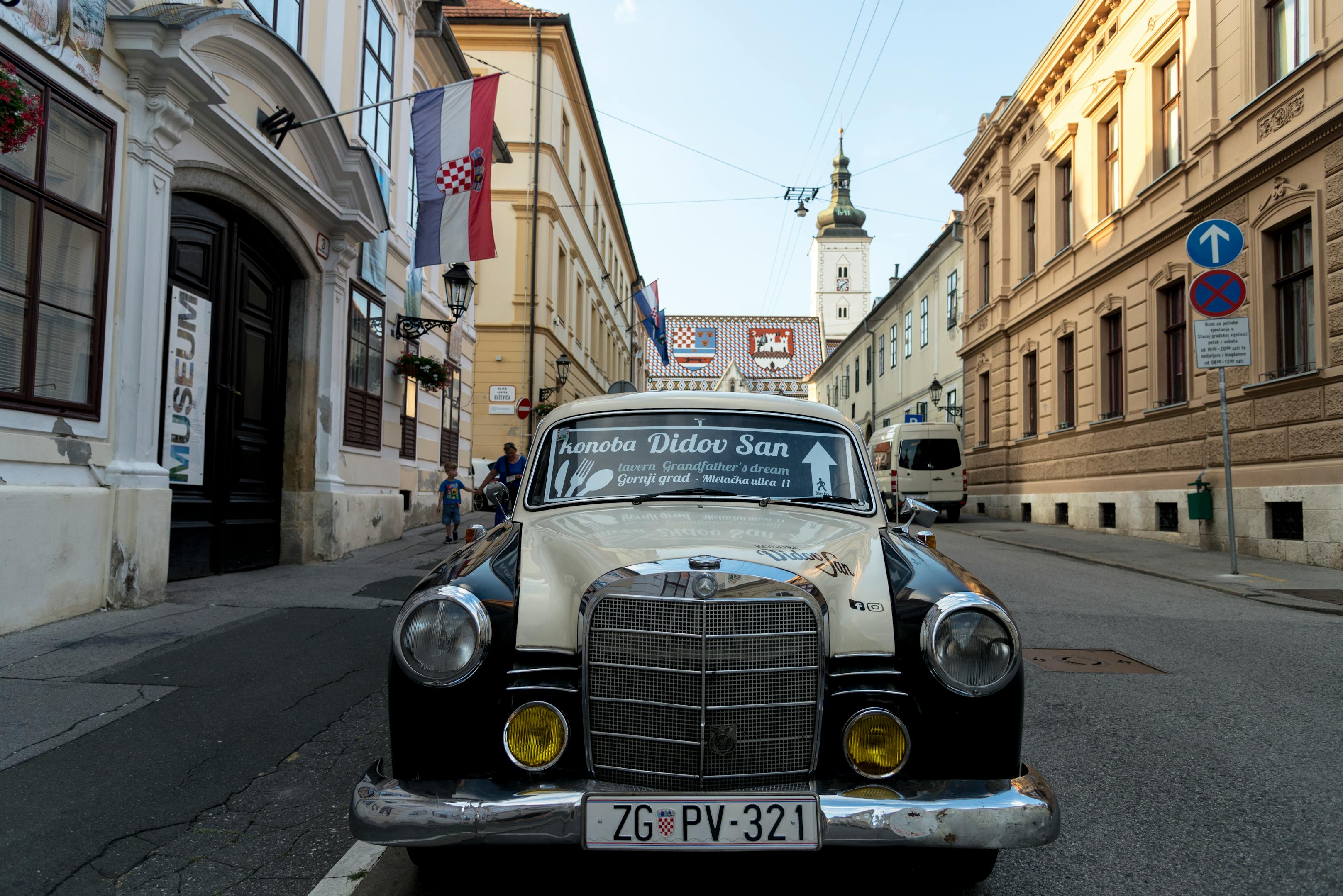
4. Zagreb: Small Group Walking Tour City Center and WW2 Tunnels
This tour enforces a hard small group cap (typically 8 people max) that most Zagreb tours don’t. If you specifically want the quietest, most conversational version of the walk, this is the one to book. The intimate format means the guide actually learns everyone’s names, can check in during the tunnel portion (which gets echoey and disorienting for first-timers), and can respond to questions with more detail than a 20-person group allows. The route covers the standard sights: Dolac, cathedral, Upper Town, St. Mark’s, tunnels.
Petra is the guide that comes up over and over in the reviews for this tour — multiple guests name her specifically, calling out her ability to weave “history, culture, architecture, and social trends” into a coherent story about her city. If you can, try to book a slot that has Petra listed, or message the operator asking when she’s scheduled. This kind of thing isn’t always possible, but when it is, it’s worth the extra effort.
“Loved how Petra wove history, culture, architecture, and social trends into a wonderful story about her city as she shared highlights with us on our walk. One of the best walking tours I’ve ever taken; highly recommend this one!”
“We had the most fantastic, informative and extensive tour with Petra, our wonderful guide. She was knowledgeable, friendly and had us spell-bound with the history and stories of Zagreb.”
The Upper Town: Where Zagreb Was Born
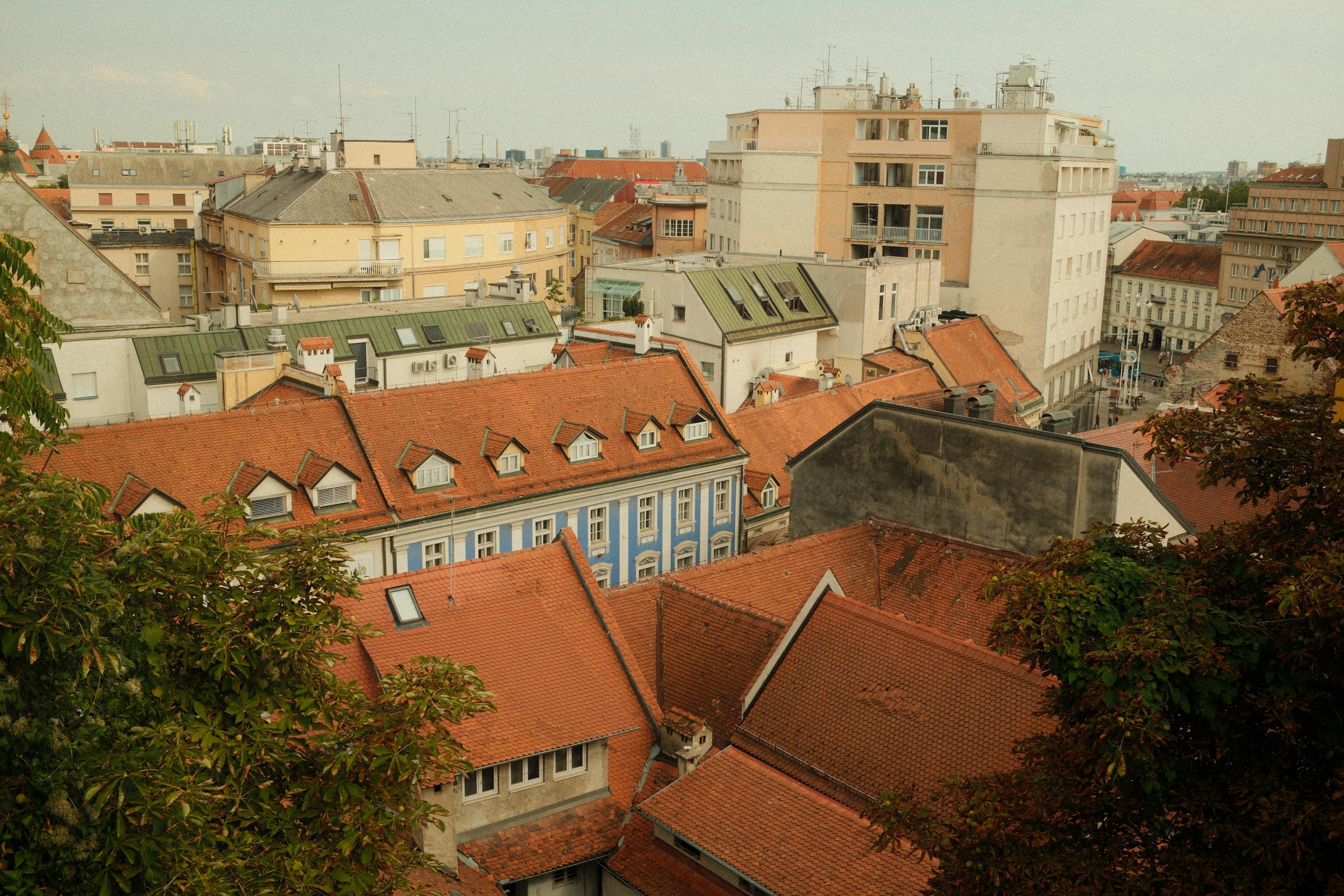
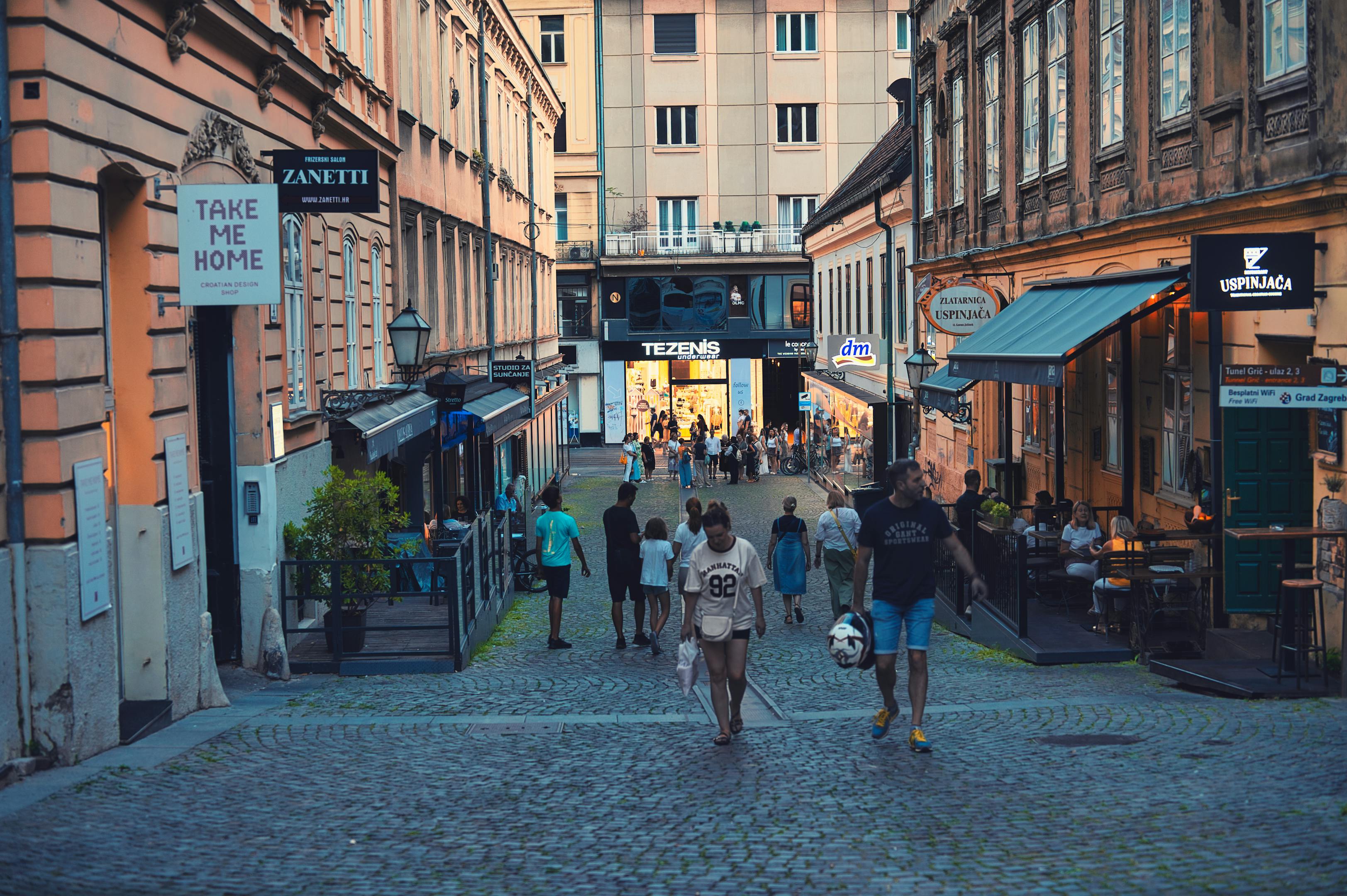
Zagreb’s Upper Town (Gornji Grad) is the older of the city’s two historic cores. It sits on a hill above the modern Lower Town and was historically two separate fortified settlements — Gradec and Kaptol — that spent much of the Middle Ages feuding with each other until they gradually merged during the 19th century. Kaptol was the ecclesiastical center (the cathedral is there), while Gradec was the free royal town inhabited by merchants and craftsmen. You can still see the rivalry in the street layout: a single winding road called Tkalčićeva (now the city’s main bar street) runs through what was once the no-man’s-land between the two enemy settlements.
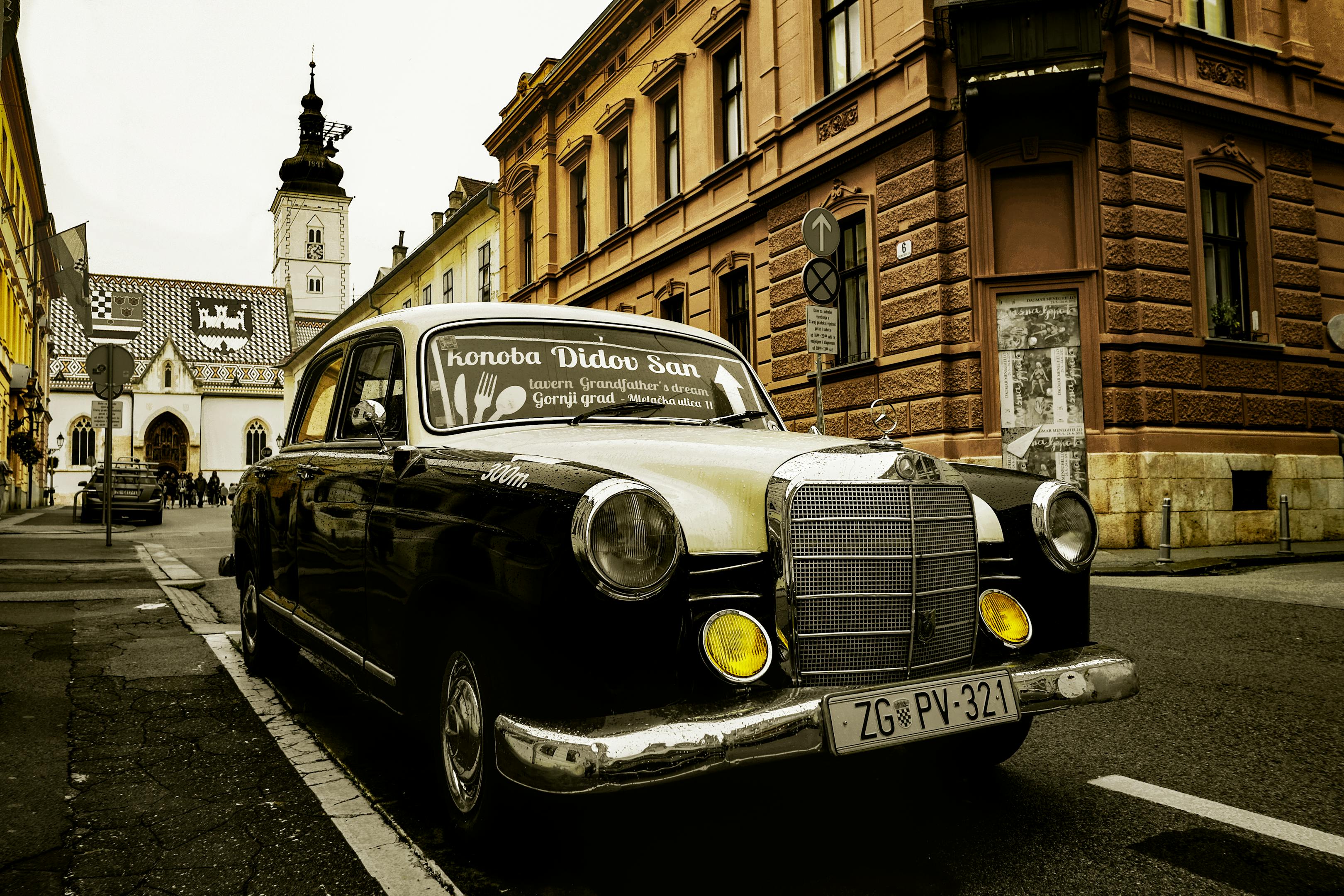
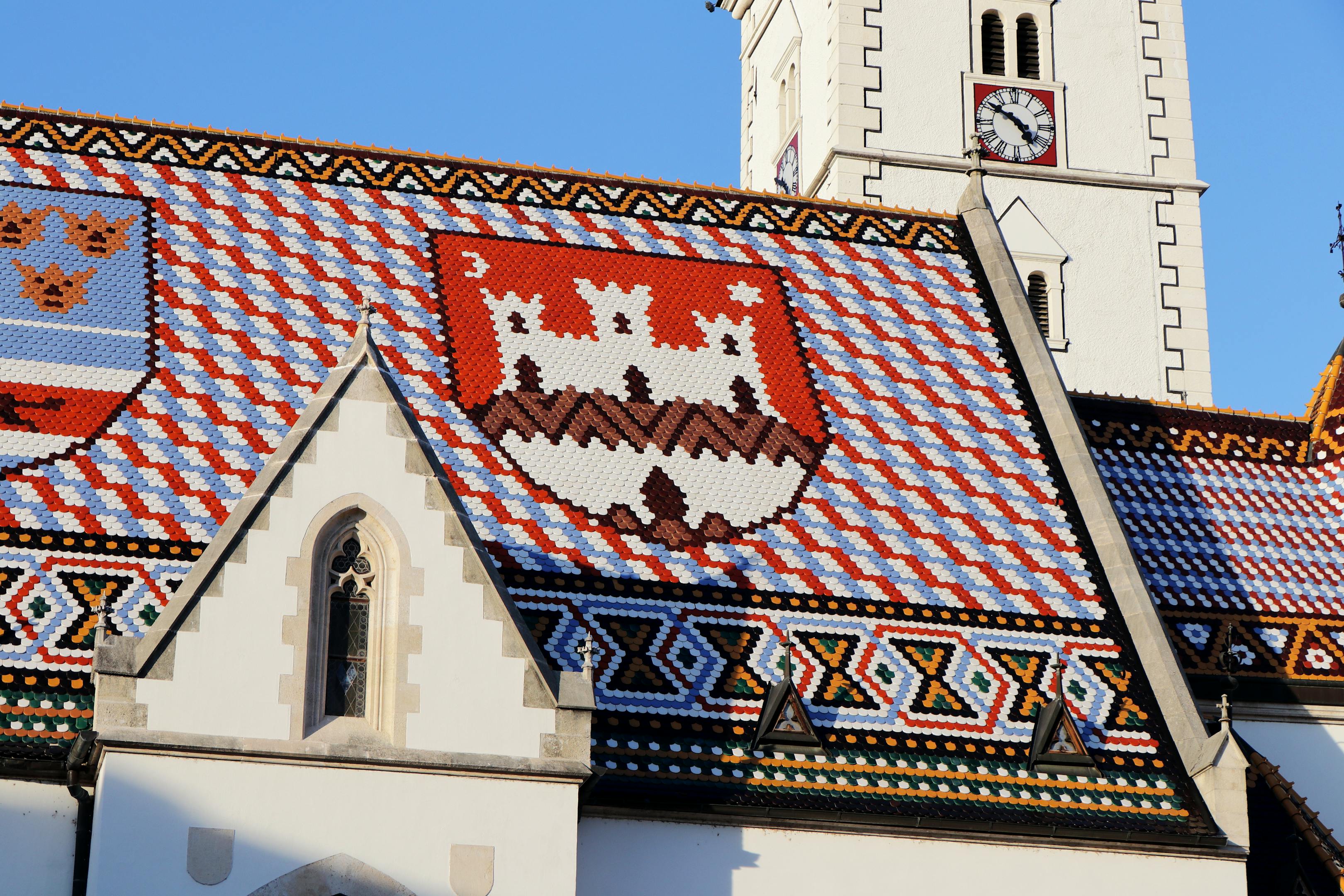
St. Mark’s Church is the visual centerpiece of the Upper Town. The church itself dates to the 13th century, but the famous tiled roof — showing the coats of arms of Croatia, Dalmatia, Slavonia, and the city of Zagreb — was only added in 1880 as part of the post-earthquake reconstruction. Photography of the roof is the main reason people come to St. Mark’s Square; the church interior is usually closed to casual visitors because it’s still an active parish church. Note that the square in front of the church also houses the Croatian Parliament building and the Presidential offices, so you’ll see discreet security at times and should avoid wandering too close to the government buildings.
The 2020 Earthquake and What You Can (and Can’t) See
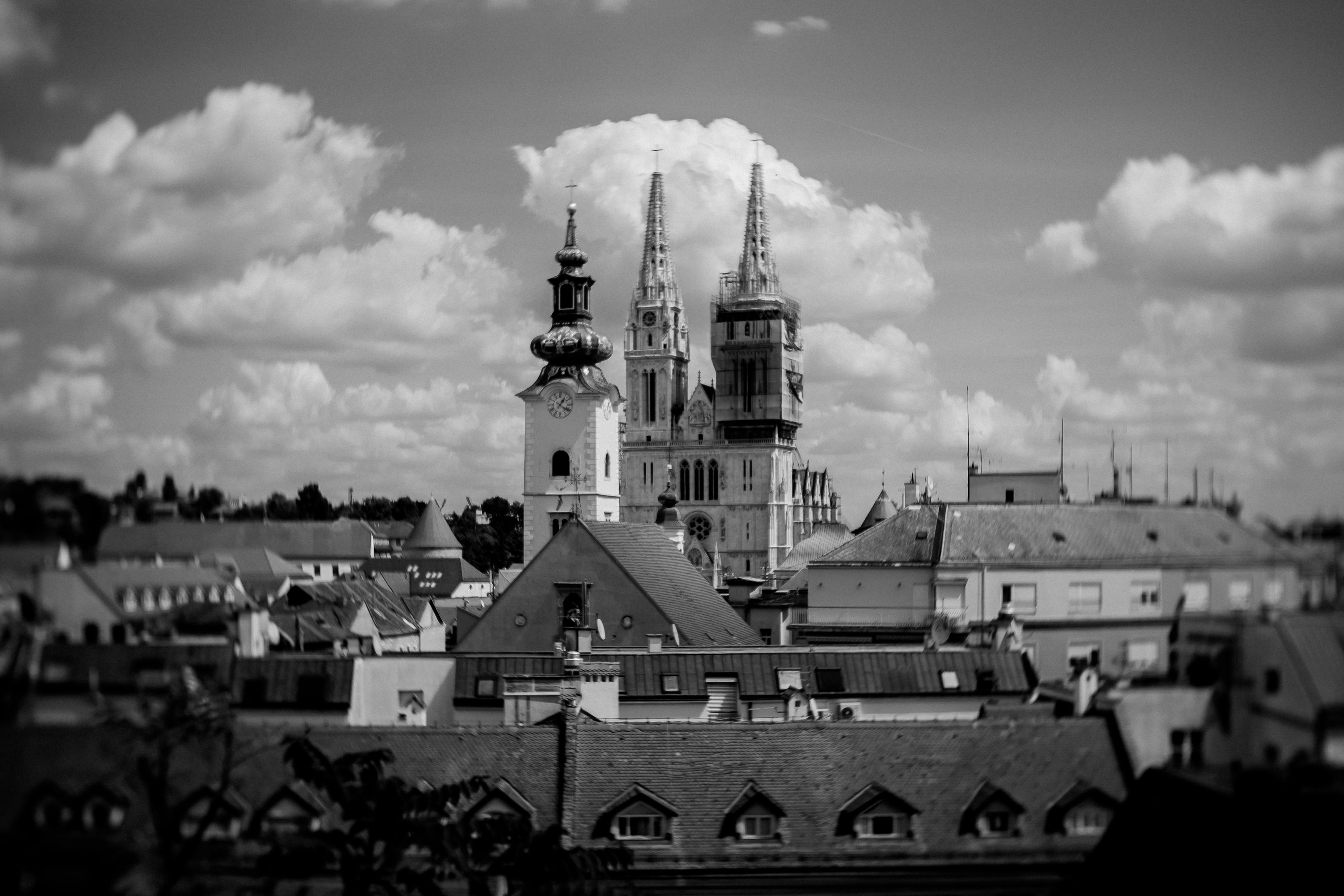
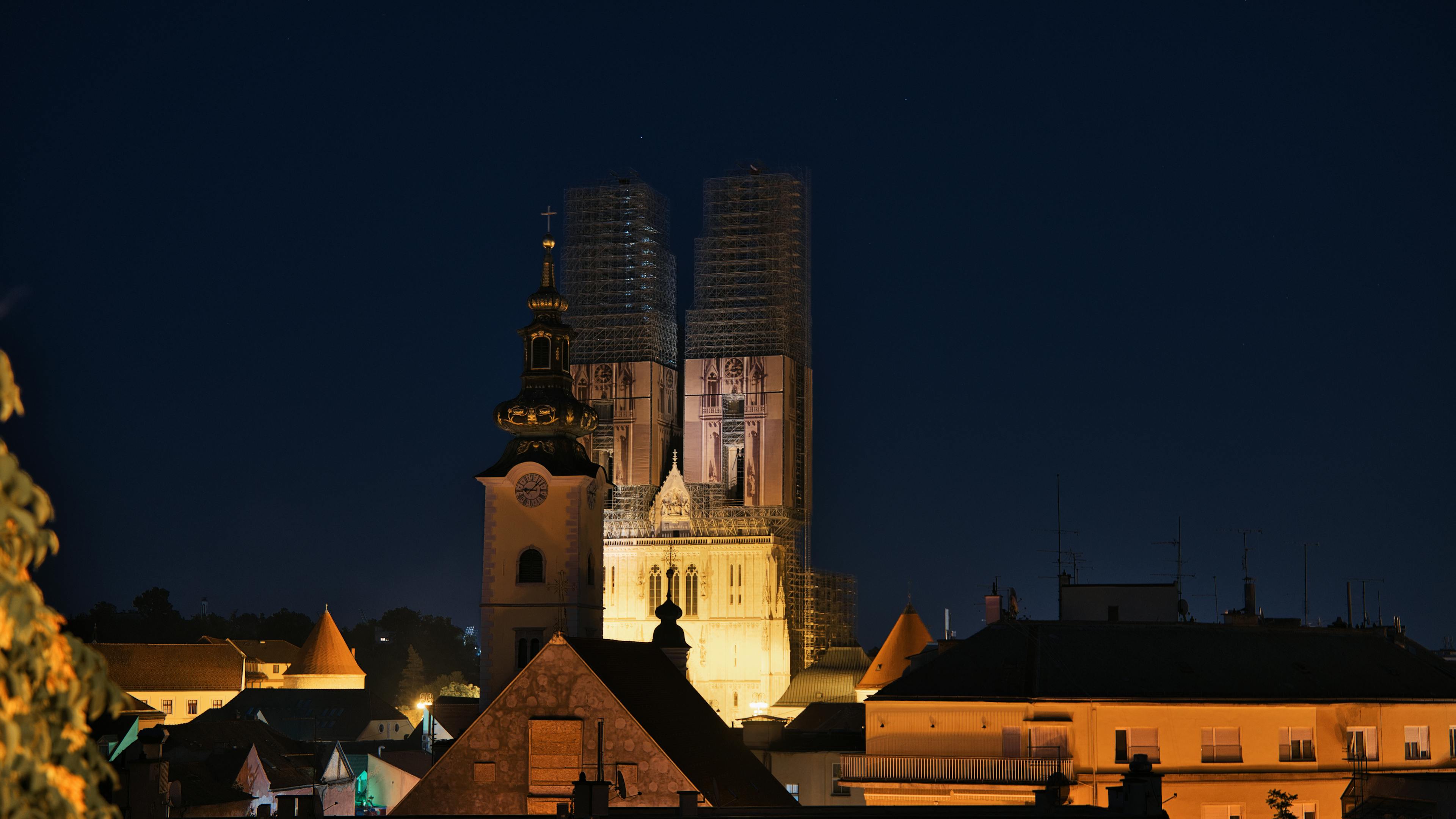
One important context for visiting Zagreb right now: the city was hit by a magnitude 5.5 earthquake on March 22, 2020, which caused significant damage to the Upper Town and especially to Zagreb Cathedral. The cathedral’s twin spires were visibly damaged — one of the spires had its top section snapped off and had to be partially dismantled for safety — and the restoration work has been ongoing since. Depending on when you visit, the cathedral may be partially or fully covered in scaffolding, and interior access may be restricted.
Several other Upper Town buildings were damaged as well, and you’ll see scaffolding on various historic facades throughout the area. None of this detracts seriously from the walking tour experience — guides weave the earthquake into their historical narrative naturally, and the damage actually gives you a more honest picture of the city as a living place rather than a frozen tourist set. But adjust expectations: the postcard shot of Zagreb Cathedral as a soaring twin-spired landmark may not be available in pristine form until the restoration completes.
Dolac Market: The “Belly of Zagreb”
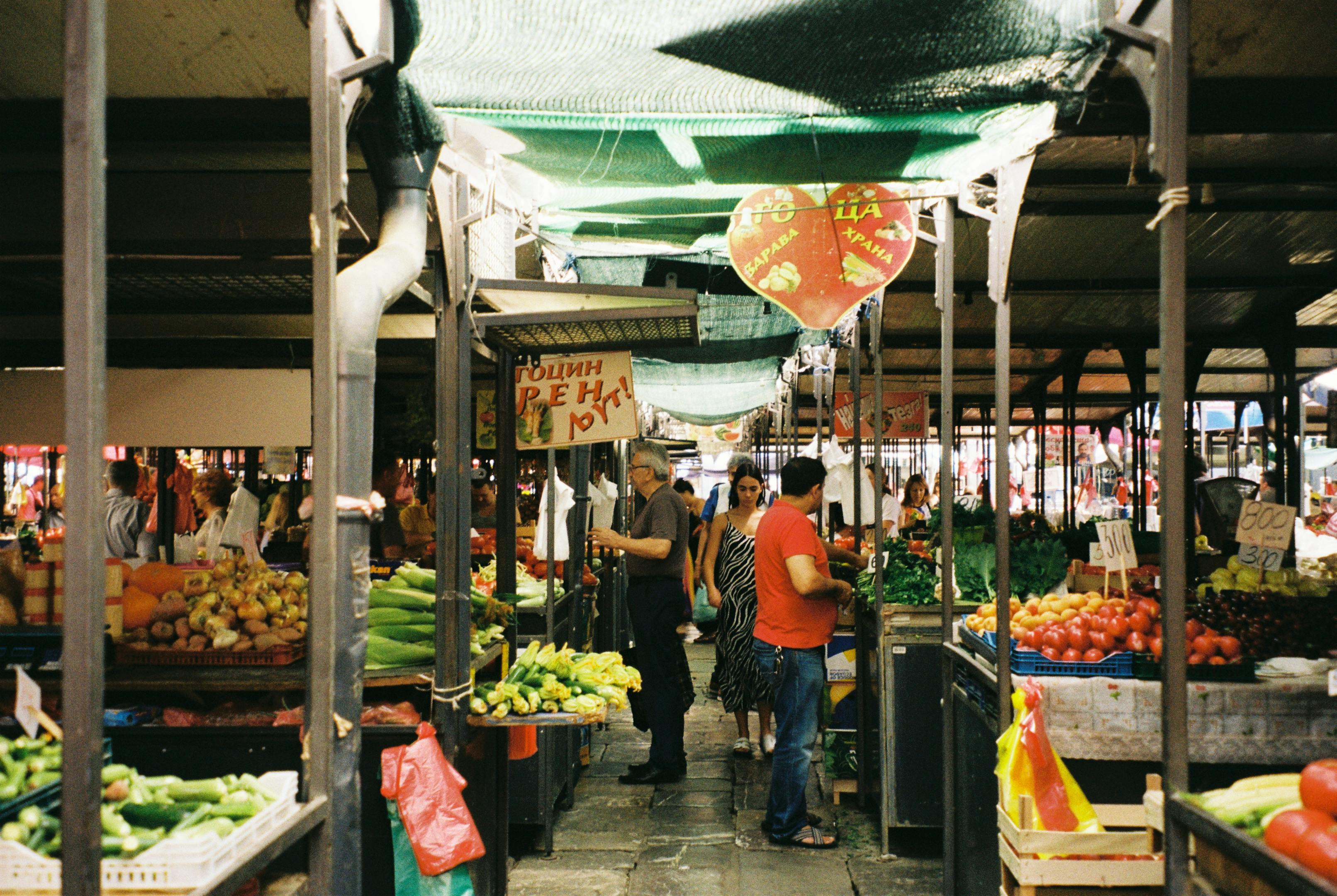
Every Zagreb walking tour stops at Dolac market, and for good reason. Dolac is one of the largest open-air farmers markets in Croatia, operating continuously since 1930, and it’s a working local institution rather than a tourist attraction. Most mornings (6:00 AM to about 2:00 PM) you’ll find several hundred stalls selling fresh produce, cheeses, cured meats, honey, flowers, and fish (in the covered lower section). Local Zagreb residents still do their daily shopping here. The red umbrellas that cover many of the stalls have become a city symbol — you’ll see them on postcards and magnets all over the souvenir shops.
If your walking tour stops at Dolac, use the 10-15 minute break to buy a small snack for the rest of the walk. Fresh strawberries (in spring), figs (in late summer), or a handful of cheese or cured meat make excellent walking food, and the prices at Dolac are a fraction of what the cafés around Ban Jelačić Square charge for similar items. Don’t try to buy a whole meal’s worth — just enough to snack on as you continue. The market gets busy between 10:00 AM and noon, so if your tour starts earlier you’ll see it in its most frantic phase.
Historical Context: Zagreb’s Three Occupations
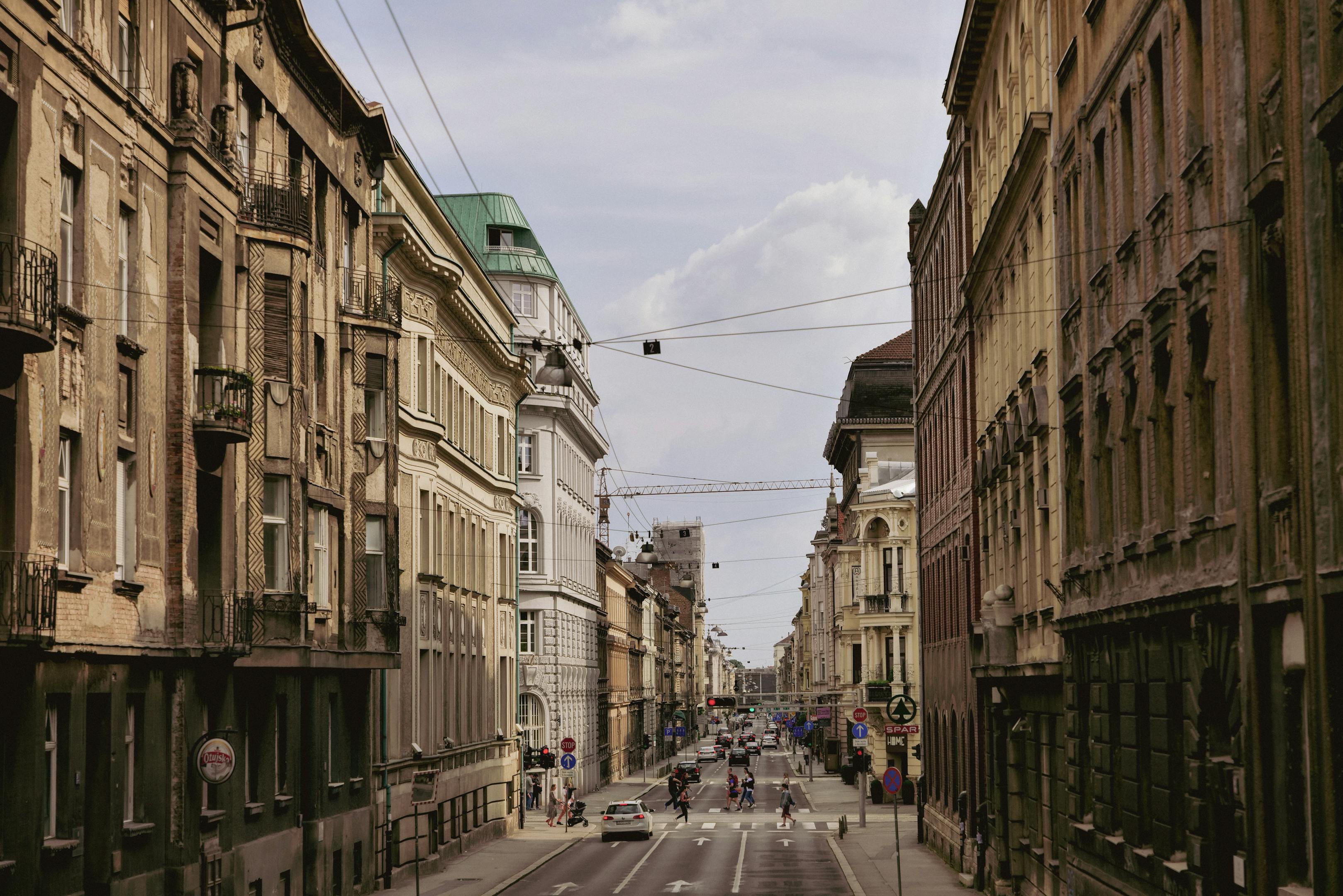
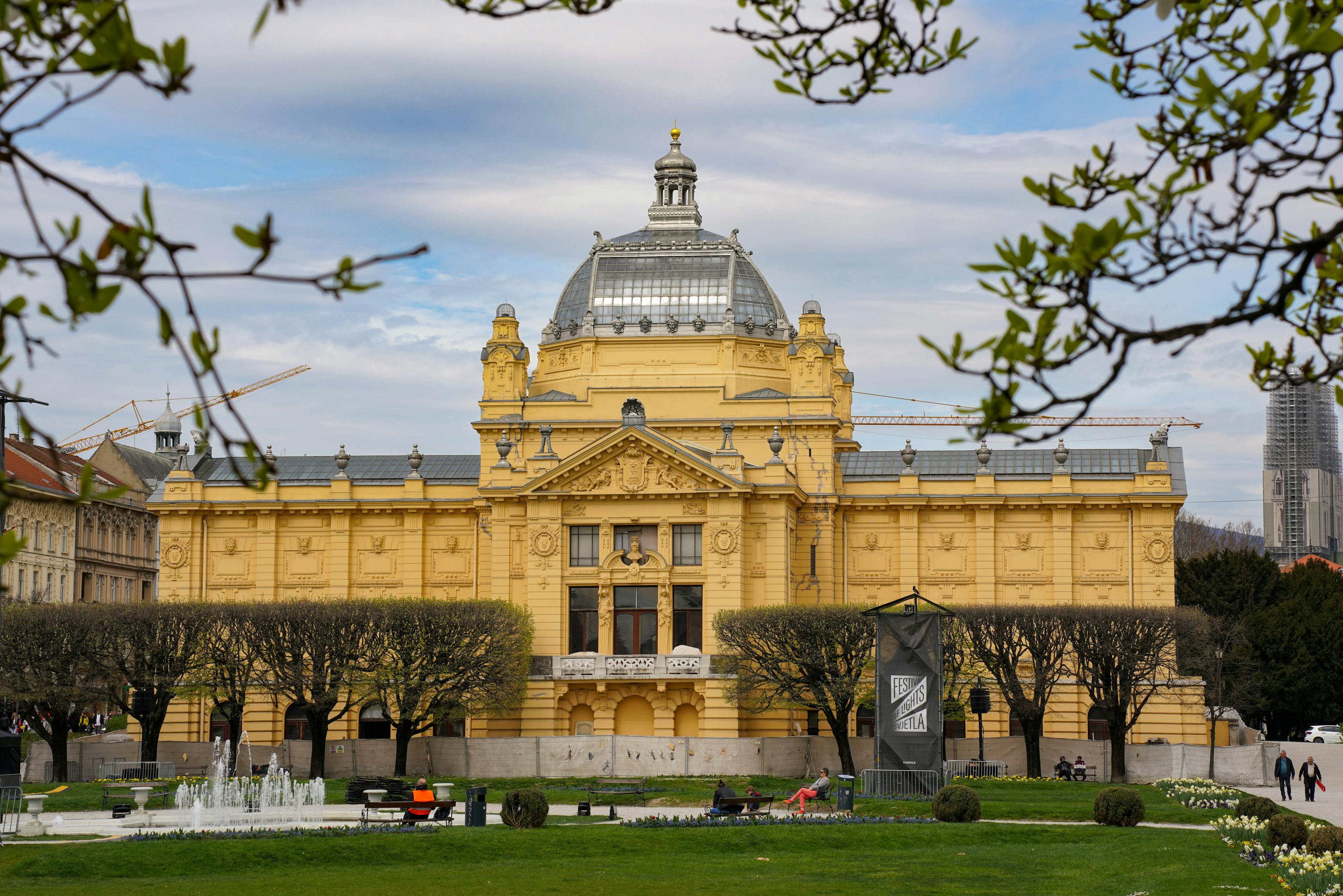
Zagreb has been occupied three times in the 20th century alone, and each occupation left physical marks you’ll see during a walking tour. The first was the Austro-Hungarian period, which ended in 1918 with the collapse of the Habsburg Empire — the Lower Town’s grid of elegant boulevards and neoclassical buildings (around the Art Pavilion and the university) is all Habsburg-era infrastructure. The second was the WWII period (1941-1945), when Zagreb was the capital of the Independent State of Croatia, a Nazi puppet regime whose dark history includes the complicity in Holocaust deportations and the construction of the tunnels you’ll walk through. The third was the Yugoslav period (1945-1991), which added socialist-era apartment blocks and industrial infrastructure to the city’s outskirts without much disturbing the historic core.
Good walking tour guides touch on all three layers without dwelling too heavily on any one of them. The WWII portion is necessarily the most somber, and the tunnel walk provides a physical reminder of what that period meant for ordinary Zagreb residents — families crowded into bomb shelters, not knowing whether air raids would come or how long the war would last. The 1991 portion, covering the Croatian War of Independence and Zagreb’s time under occasional Yugoslav air raid, is often more concrete for older guides because many of them lived through it personally. If your guide was a child in 1991, ask — they’ll likely share a personal story that you can’t get from a history book.
Practical Tips for Your Zagreb Walking Tour
Wear layered clothing in any season except high summer. The Grič Tunnels maintain a constant temperature around 15°C year-round, which feels warm in January and cold in August. A light jacket or cardigan you can put on for the tunnel portion and remove for the outdoor walk is ideal. In winter, don’t skip the warm hat and gloves — the outdoor portions in December-February can be genuinely cold, and Zagreb sits inland at higher elevation than the coast.
Book a morning slot if possible. Zagreb is at its best in the morning before the midday crowds arrive at Dolac market and the cathedral area. The 9:00 AM and 10:00 AM tour slots get you in the Upper Town when it’s still quiet and photographable, and most walking tours wrap up by noon, leaving you the afternoon for independent exploration. Afternoon tours (starting 1:00 or 2:00 PM) are perfectly fine but feel more rushed because the crowds are denser.
Combine with a funicular ride. Zagreb has one of the shortest and oldest funicular railways in Europe — only 66 meters long, built in 1890 — connecting the Lower Town to the Upper Town. Most walking tours don’t include the funicular ride specifically, but the two-minute ride costs just a euro or two and saves you a staircase climb. If you have the option, take the funicular up and walk back down; the views from the top station are worth the brief trip.
Time for lunch after the tour matters. Most walking tours end around noon, which is exactly when Zagreb’s restaurants shift into their main lunch service (around 12:00-2:00 PM). The areas around Tkalčićeva Street (the main bar/restaurant strip just below the Upper Town) and around Dolac market both offer a dense concentration of options at every price point. A traditional Croatian lunch of grilled meat, ajvar (roasted red pepper relish), and a glass of Zagorje wine runs about €15-20 per person at a sit-down restaurant — significantly cheaper than coastal Croatia and with a more locally-focused menu.
Plan extra time for the cathedral area. Whether or not the cathedral is under active restoration on your visit, the square itself and the adjoining Dolac market area deserve more than the 15-20 minutes most tours allow. Consider returning after your walking tour ends for a deeper look. The archbishop’s palace next to the cathedral is also worth circling to see the surviving medieval walls and the small gardens.
More Croatia Guides Worth Reading
Zagreb pairs naturally with Croatia’s biggest national park for travelers doing a two-day inland loop. The Plitvice Lakes day trips from Zagreb are the logical next-day activity after your Zagreb walking tour — roughly two hours’ drive from the capital to the park, and the single most-visited nature destination in Croatia. Many travelers make Zagreb their base for a day-on/day-off pattern: Zagreb walking tour and museums on one day, Plitvice the next.
For coastal Croatia, the country’s flagship experiences cluster around Dubrovnik and Split. The Dubrovnik City Walls and walking tours and Game of Thrones tours in Dubrovnik cover the walled medieval city’s history and TV-famous corners respectively, while the Elaphite Islands cruises from Dubrovnik offer the best sea-based day trip in the south. Further north, the Split Blue Cave and Hvar 5-island speedboat tours and Split to Krka Waterfalls tours cover the Dalmatian coast’s best speedboat adventures and inland waterfall trips from Split as a base. Between them, you have a complete framework for a Croatia itinerary that starts or ends in Zagreb.