- Introduction
- Key Points
- A Deep Dive Into the Poonhill Trek Experience
- The Journey Begins: From Kathmandu to Pokhara
- Day 2: Trek Begins at Nayapool
- Day 3: Rhododendron Forests & Ghorepani
- Day 4: The Iconic Poon Hill Sunrise
- Day 4: From Ghorepani to Tadapani
- Day 5: Descents and Hot Springs
- Day 6: Trek to Jhinu and Return to Pokhara
- Day 7: Return to Kathmandu
- What Makes This Trek Stand Out?
- Considerations and Who It’s Best For
- Final Thoughts
- FAQs
- The Best Of Kathmandu!
- More Hiking & Trekking Tours in Kathmandu
- More Tour Reviews in Kathmandu
Introduction
 1 / 4
1 / 4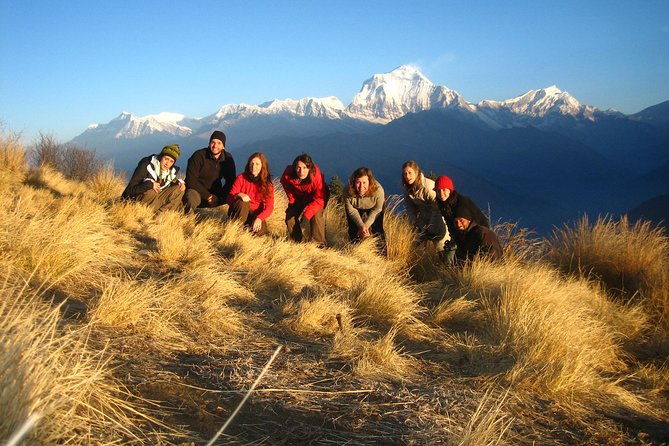 2 / 4
2 / 4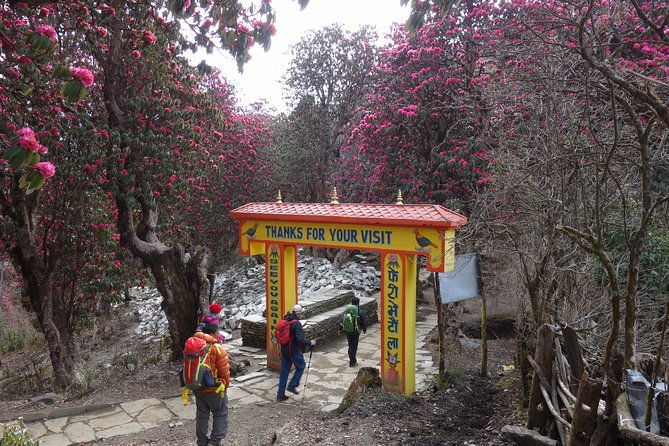 3 / 4
3 / 4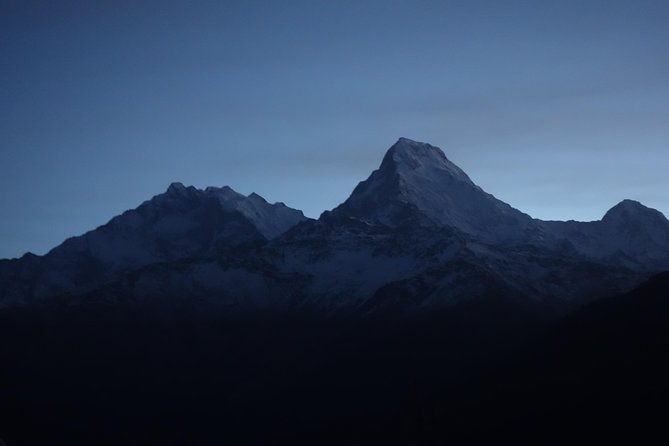 4 / 4
4 / 4The Poon Hill Trek is often celebrated for offering some of the best mountain views in Nepal without demanding weeks of trekking. This 7-day journey, as reviewed by countless travelers, strikes a balance between adventure and comfort, making it ideal for those wanting a taste of the Himalayas without overcommitting.
What makes this trek truly enticing? First, the personalized attention from knowledgeable guides like Krishna and Bhairas—who have years of experience. Second, the spectacular panoramic views from Poon Hill itself, especially at sunrise. Third, the well-organized itinerary that includes accommodations, most meals, and all necessary permits, adding peace of mind to the adventure.
One thing to consider: this trek requires a moderate level of fitness because of some steep ascents and terrain. It’s not suited for absolute beginners, but with a bit of prep, most fit travelers should manage comfortably. This tour is perfect for those seeking authentic Himalayan scenery, manageable hiking distances, and the camaraderie of a small group.

👉 See our pick of the Discover 12 Great Airport Transfers In Kathmandu
Key Points
- Stunning mountain vistas from Poon Hill at sunrise are a highlight.
- Well-structured 7-day itinerary balances trekking with rest and scenic stops.
- Expert local guides significantly enhance the experience with insights and support.
- Inclusion of accommodation and most meals provides convenience and value.
- Small-group setting ensures personalized attention.
- Cost-effective at $600, considering meals, permits, and guided support.
You can also read our reviews of more hiking tours in Kathmandu
A Deep Dive Into the Poonhill Trek Experience
The Journey Begins: From Kathmandu to Pokhara
The trek kicks off with a drive from Kathmandu to Pokhara, covering about 200 km with a six-hour bus ride. Travelers report that the bus ride is quite comfortable, and there’s enough opportunity to enjoy Nepal’s scenic landscapes en route. For those short on time or wanting a faster start, a 30-minute flight from Kathmandu to Pokhara is also available, which reviewers say is well worth the extra cost for the stunning aerial view.
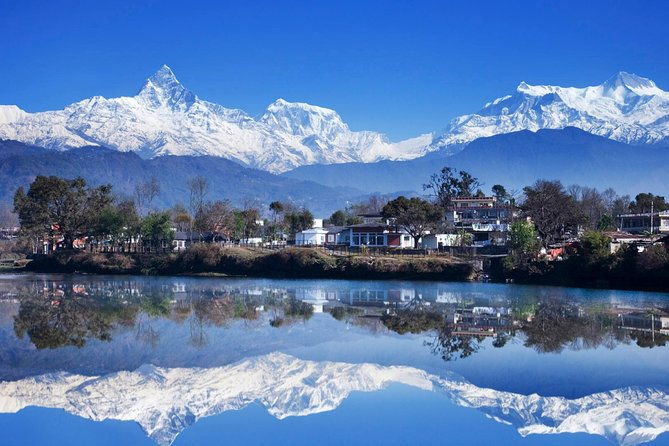
Pokhara is a charming lakeside city, often described as scenic and relaxed—a perfect place to unwind before heading into the mountains. Here, you can explore local cafes, markets, and take in views of the Annapurna range, building anticipation for the trek ahead.
Day 2: Trek Begins at Nayapool
After a hearty breakfast, the group travels to Nayapool, about an hour away by vehicle. The trek officially starts here, following the Modi River, which offers a gentle, refreshing walk. This first day is about easing into the environment, with small teahouses lining the trail.
The climb from Birethani to Ulleri is notable for being challenging but rewarding. It’s a steep ascent, often described as strenuous, but the payoff is immediate with spectacular mountain views and lush forests. Reviewers like Krishna, a guide with 13 years’ experience, make this part enjoyable with his local knowledge and friendly demeanor.
Day 3: Rhododendron Forests & Ghorepani
The trail from Ulleri to Ghorepani is characterized by rhododendron and oak forests—a lush, green corridor that enhances the feeling of immersion in nature. As you approach Ghorepani, the landscape opens up, and you begin to see the towering peaks that define this region.
Ghorepani is known for being a hive of activity, especially during the early morning Poon Hill trek. Many travelers comment on its popularity, but it’s also the perfect base for the sunrise hike. The guesthouses here are simple, but comfortable, and you’ll find a range of options to suit different budgets.
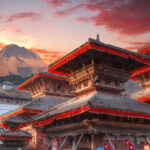

Day 4: The Iconic Poon Hill Sunrise
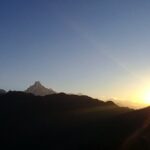
This is the day many travelers count down to—the early morning trek up to Poon Hill at 3,210 meters. The 45-minute walk is manageable, but definitely a climb, so be prepared with warm clothing—the mountain air can be crisp.
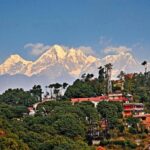
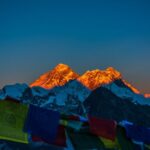
Once at the top, you’ll be greeted by what is widely regarded as one of the most breathtaking panoramic views in the Himalayas. From this vantage point, you’ll see Annapurna South, Dhaulagiri, and the Fish Tail (Machhapuchhre), along with numerous other peaks. Reviewers describe the sunrise as “spectacular,” with some noting it’s “a photographer’s paradise.” The experience is often described as “unforgettable,” especially for first-timers.
Day 4: From Ghorepani to Tadapani
After breakfast, the trek continues with a steep climb to Deurali, followed by an easier jungle route through rhododendron forests to Tadapani. This section is appreciated for its natural beauty and the chance to spot monkeys and langurs.
Reviewers mention that the guides, like Gopal and Kishore, are attentive and eager to share their knowledge of local flora, fauna, and culture, making the trek both scenic and educational.
Day 5: Descents and Hot Springs
The route from Tadapani to Gurjung offers a gentle descent through forests and villages. Here, travelers get a glimpse into local Gurung culture. Midway through the day, the group visits a natural hot spring—a favorite rest stop for many. The hot springs provide a relaxing soak after days of trekking; some reviews highlight how welcome this break is after challenging ascents.
Staying overnight at Gurjung, you get a taste of mountain village life, and many note the warmth and friendliness of the local hosts.
Day 6: Trek to Jhinu and Return to Pokhara
The last trekking day involves descending to Jhinu, where you’ll again encounter spectacular views of Machhapuchhre (Fish Tail) and Annapurna. The trail follows the Modi Khola riverbanks, which many say makes for a scenic walk.
From Jhinu, a short downhill hike leads to Birethanti, the trek’s starting point. A quick transfer then whisks you back to Pokhara, where you can relax and reflect on your journey. Reviewers often mention how satisfying it is to see the lush valleys and mountain peaks from this vantage point.
Day 7: Return to Kathmandu
The journey wraps up with a bus ride back to Kathmandu, taking around 6-7 hours. Many travelers feel this final stretch offers a chance to process their adventure and enjoy Nepal’s landscape one last time. The tour concludes with a farewell dinner, celebrating the achievement and new friendships formed along the way.
What Makes This Trek Stand Out?
Authentic guides like Krishna, Bhairas, and Gopal are consistently praised for their expertise and friendliness. Many reviews mention guides going above and beyond—sharing local stories, adjusting plans to suit the group’s pace, and ensuring everyone’s comfort.
The stunning views from Poon Hill are frequently described as “breathtaking” and “worth every step.” Photographers especially love the early morning light and the panoramic mountain scope.
The organized approach, which includes accommodations, most meals, and all permits, adds a lot of value. Travelers say it allows them to focus on enjoying the scenery rather than logistics. At $600, the cost is competitive, particularly given the included essentials and the small-group setting, which ensures personalized attention.
Hot springs are a bonus many reviews highlight—offering a soothing break after strenuous climbs and a memorable way to unwind amid mountain scenery.
Considerations and Who It’s Best For
While most reviewers note that the trek is moderately difficult, some early mornings or steep sections can be challenging for those unprepared. It requires at least a reasonable level of fitness and comfort with mountain terrain.
This tour suits travelers who enjoy scenic walks, cultural encounters, and mountain vistas without the commitment of a long, arduous trek. It’s ideal for adventurers who want to soak in authentic Nepalese mountain life, with supportive guides and comfortable stops along the way.
Final Thoughts
The Poonhill Trek offers a compelling combination of natural beauty, cultural insight, and accessible trekking. It’s a high-value experience that leaves many travelers with unforgettable memories of the Himalayas.
If you’re looking for stunning vistas, friendly local guides, and a well-organized trip that balances adventure with comfort, this trek is a fantastic option. The small-group vibe enhances the experience, letting you connect with fellow travelers while exploring some of Nepal’s most spectacular landscapes.
Whether you’re a seasoned trekker or a first-timer with a decent fitness level, this journey promises awe-inspiring views and a taste of mountain life that will stick with you long after you’ve returned home.
FAQs
How long is each day’s trek?
Most days range from about 5 to 6 hours of walking, with manageable distances but some steep climbs, especially on the ascent to Ulleri and Poon Hill.
Are meals included?
Yes, most meals are included—breakfast, lunch, and dinner—making it easier to stay energized and enjoy local cuisine.
What kind of accommodation is provided?
Simple guesthouses are used along the route, offering basic but comfortable facilities. Many rooms have shared bathrooms, and some places might have hot showers.
Is transportation included?
Yes, round-trip shared transfers are included from Kathmandu to Pokhara and from Pokhara back to Kathmandu. Pickup and drop-off are also available if you select that option.
How much does the trek cost?
The tour costs $600 per person, which covers permits, accommodations, most meals, and guided support. It’s excellent value considering the included services and scenery.
Can children join this trek?
Most travelers of most ages participate, but children should be moderately fit and accompanied by an adult. Always check individual conditions if traveling with kids.
What is the best time to do this trek?
While not specified here, the reviews suggest good weather during April, which is considered a popular trekking season in Nepal.
In summary, the Poonhill Trek is a superb option for anyone wanting breathtaking mountain views, local cultural experiences, and the support of expert guides—all at a reasonable price. It’s well-suited for travelers who are physically capable but don’t want to commit to a multi-week expedition. With thoughtful organization and stunning scenery, this trek offers a rewarding peek into Nepal’s Himalayas that will stay with you long after the journey ends.