
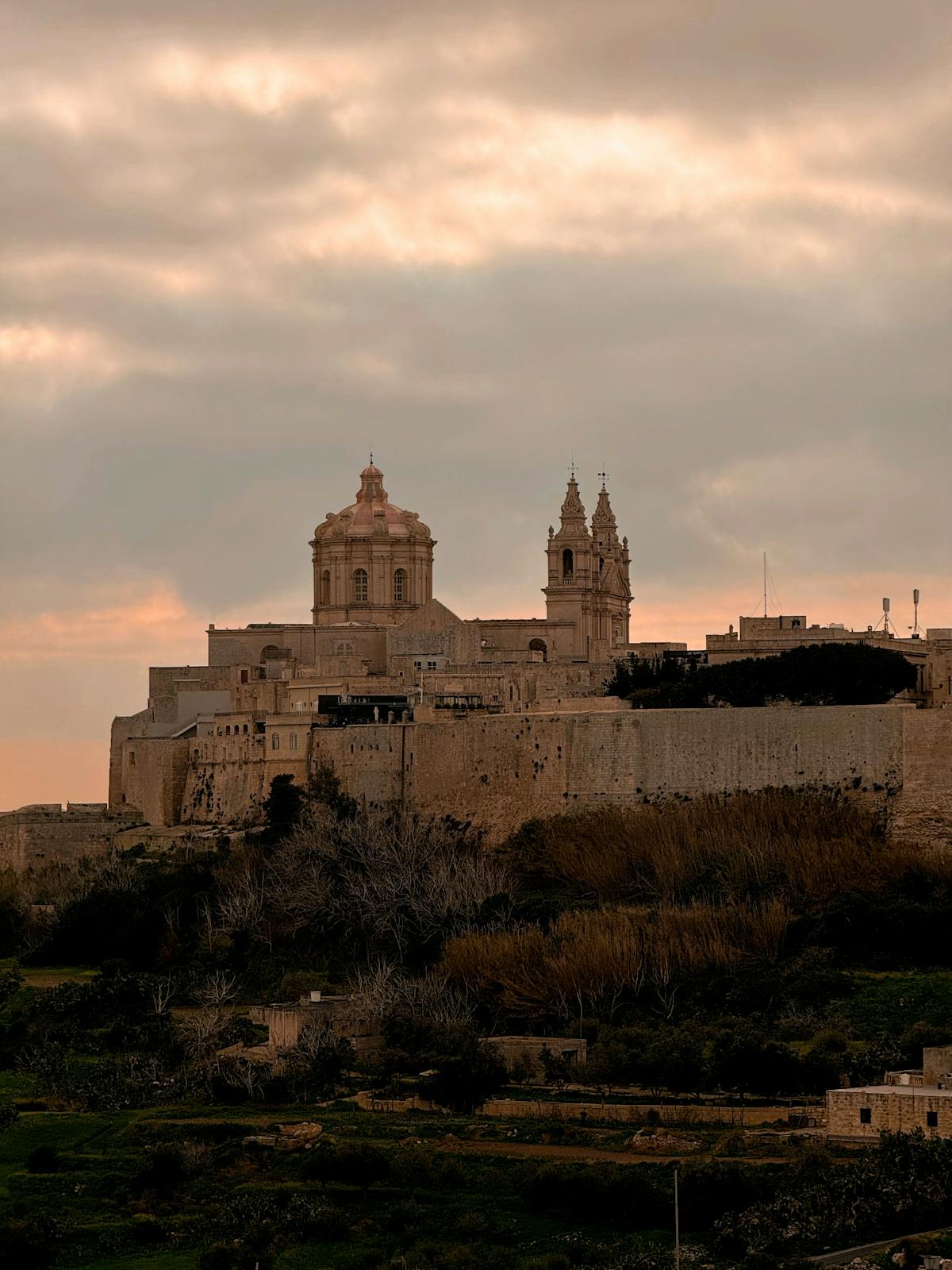
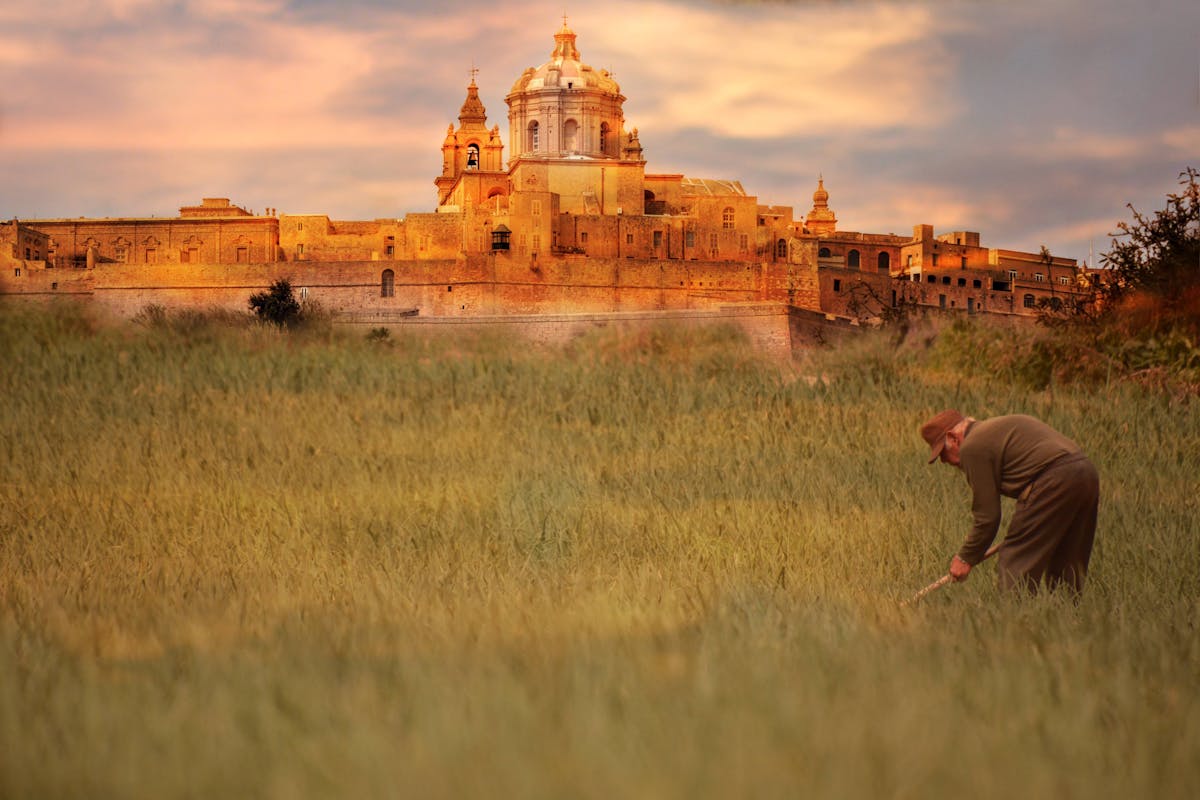
Mdina is the kind of place that makes you forget what century you’re in. Perched on a hilltop in the centre of Malta, this tiny walled city was the island’s capital for nearly a thousand years before the Knights of St. John moved everything to Valletta in the 1560s. What’s left is a medieval time capsule: narrow lanes barely wide enough for two people, Norman and Baroque architecture layered on top of each other, and a permanent population of about 300 people who live behind those massive stone walls.
The locals call it the Silent City, and it genuinely is. No cars allowed (except for residents), no chain shops, no tour buses blasting through the streets. Walk in through the main gate and the noise just… stops. It’s one of the most atmospheric places in Malta, and at about $24 for a two-hour guided tour, it’s also one of the cheapest.
- Short on Time? Here’s What to Book
- Guided Tour vs. Exploring Mdina Yourself
- The 4 Best Mdina Tours
- 1. Mdina and Rabat Insiders Tour
- 2. Full-Day Guided Tour: Mdina, Rabat, Dingli Cliffs, Mosta & More
- 3. Mdina and Rabat — City Walking Tour
- 4. Vintage Bus Tour: Mdina & Blue Grotto (inc. food)
- When to Visit Mdina
- What You’ll See in Mdina
- Tips for Visiting Mdina
- More Malta Guides
Short on Time? Here’s What to Book
For a focused Mdina-only experience, the Mdina and Rabat Insiders Tour ($24.19, 5.0★ from 528 reviews) is the clear winner. It covers both Mdina and the neighbouring town of Rabat in about two hours with a local guide who knows every hidden corner. If you’d rather see Mdina as part of a bigger day out, the full-day guided tour ($80.50) adds Dingli Cliffs, Mosta Dome, and the San Anton Gardens — basically half the island in one go.
Guided Tour vs. Exploring Mdina Yourself
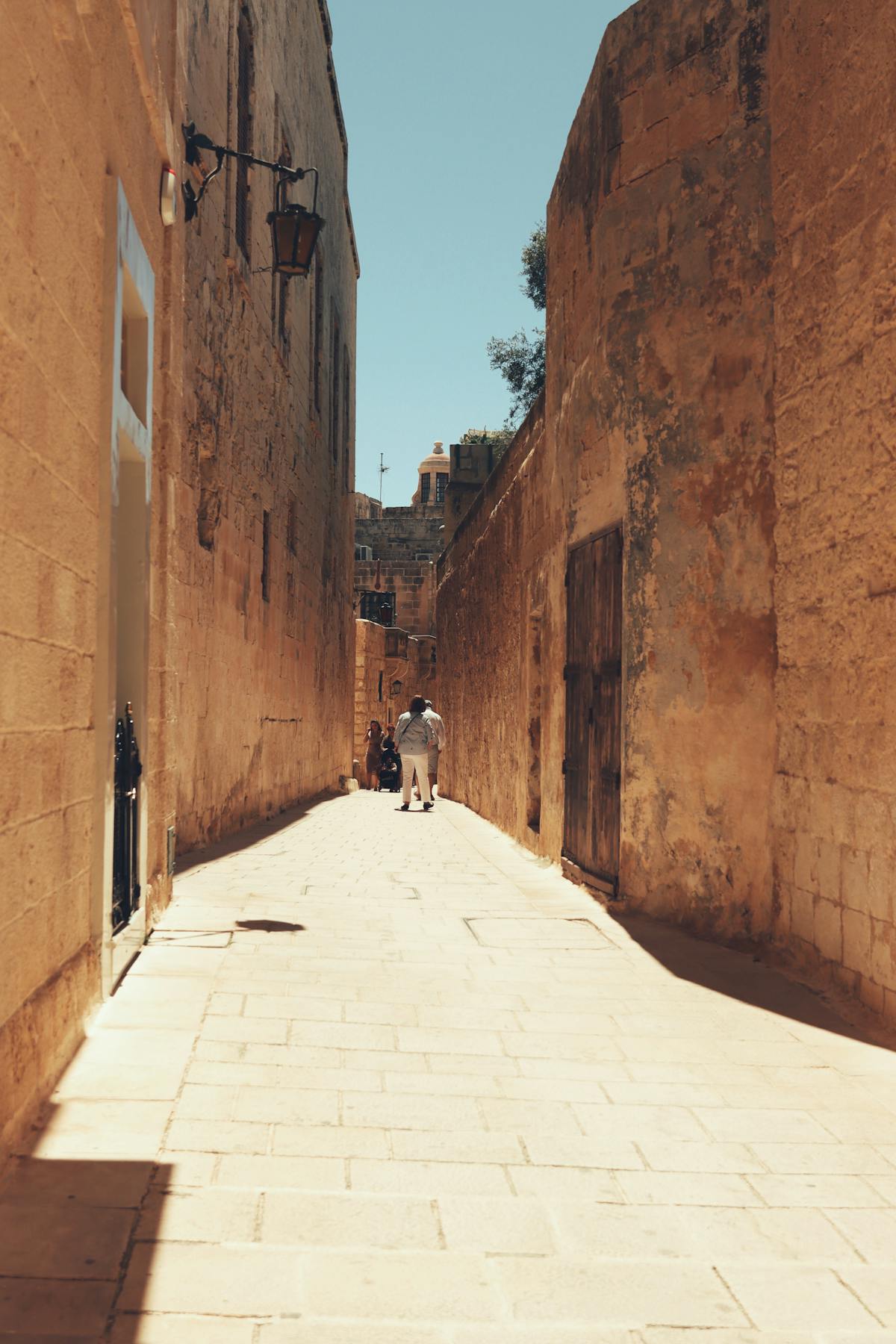
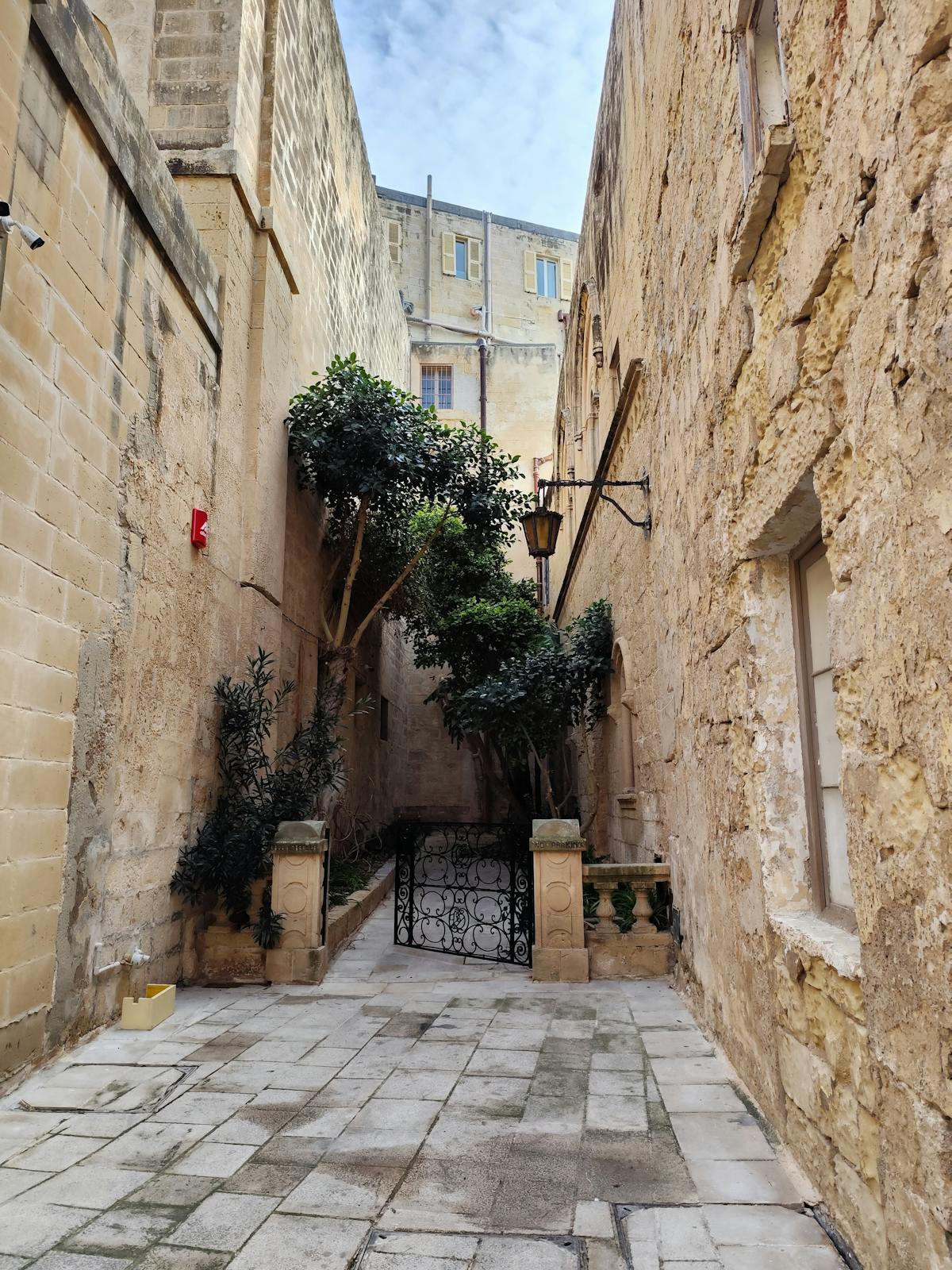
Mdina is small enough to walk on your own in about 45 minutes. It’s essentially one main street (Villegaignon Street) with side alleys branching off, and you can’t really get lost because the walls always guide you back. So do you actually need a guide?
The case for a guide: Mdina looks beautiful but doesn’t explain itself. Without context, you’re looking at old buildings and pretty doorways. A guide tells you that the ornate door knockers indicate whether the household was noble or merchant class, that the chapel on the corner contains a crypt with 46 bodies, and that the palazzo you just walked past was used as a Game of Thrones filming location. Rabat — the town just outside the walls — has the St. Paul’s Catacombs and some of the best pastizzi on the island, and most people skip it entirely without a guide.
The case for going solo: If you’re visiting at sunset (which you absolutely should), most guided tours have already finished for the day. The magic of Mdina is the quiet, and a group of 12 people somewhat defeats the purpose. A good compromise: take a morning guided tour, then come back in the evening on your own.
The 4 Best Mdina Tours
Ranked by review count. These range from a focused two-hour walking tour to a full-day island excursion that includes Mdina as one stop among several.
1. Mdina and Rabat Insiders Tour
Price: $24.19 per person | Duration: ~2 hours | Rating: 5.0★ (528 reviews)
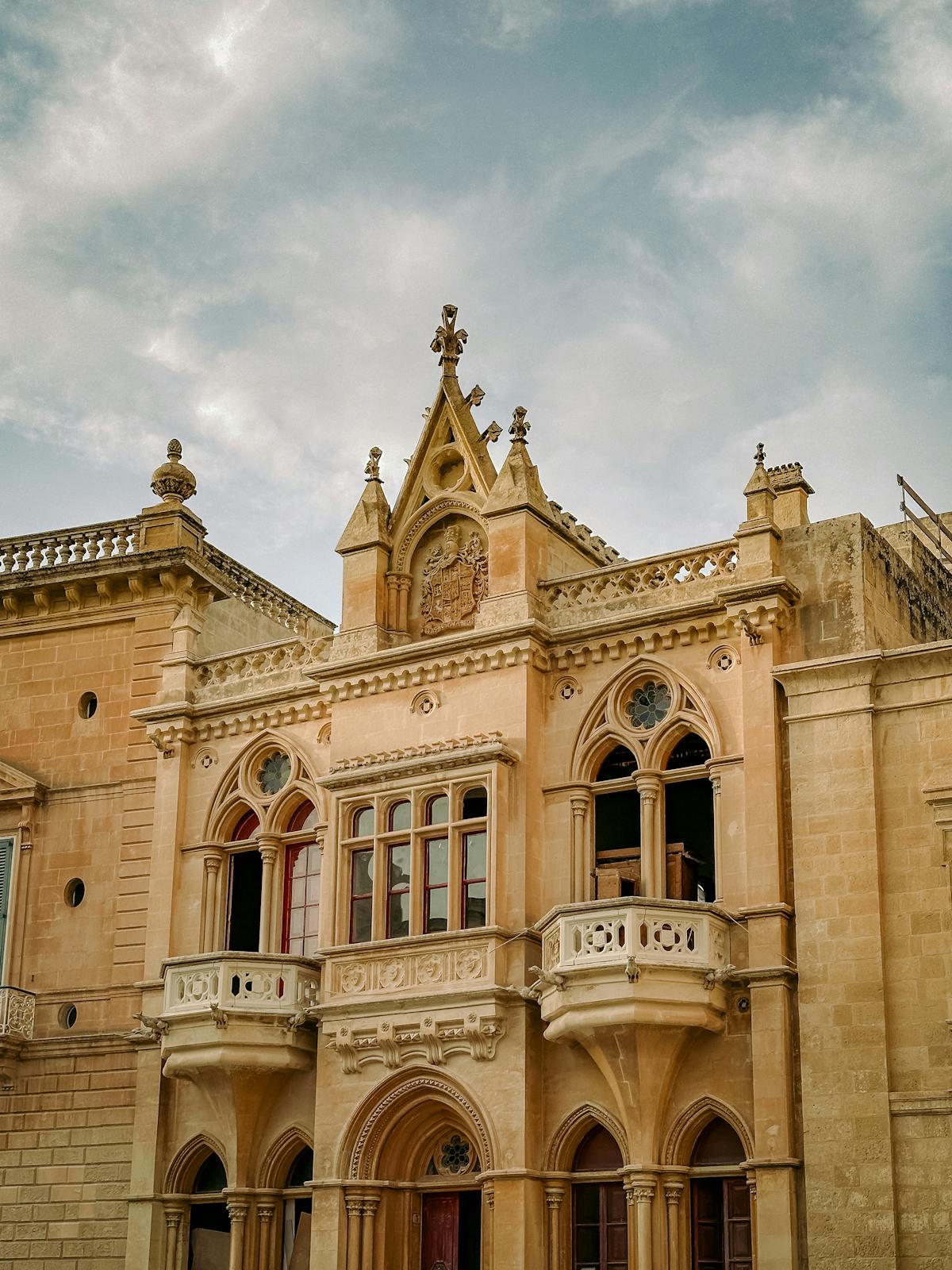
The best pure Mdina experience available. This tour covers both the walled city and Rabat, the larger town just outside the gates that most visitors walk right past. You’ll hit St. Paul’s Cathedral, the Palazzo Falson (the second-oldest building in Malta), the bastions with panoramic views across the island, and then cross into Rabat for the catacombs and a pastizzi stop. Guides are local and clearly passionate — reviewers consistently mention being told stories you won’t find in any guidebook. At $24 for two hours with a perfect 5.0 rating across 528 reviews, this is arguably the best value tour in all of Malta.
2. Full-Day Guided Tour: Mdina, Rabat, Dingli Cliffs, Mosta & More
Price: $80.50 per person | Duration: ~5 hours | Rating: 4.0★ (248 reviews)
If you’ve only got one day to see central Malta, this covers the highlights in a single loop: Mdina and Rabat, Dingli Cliffs (the highest point in Malta with stunning sea views), San Anton Gardens (the President’s private gardens, open to the public), Ta’ Qali crafts village, and the Mosta Dome — a church with the third-largest unsupported dome in Europe and a wild WWII story (a bomb fell through the roof during a packed service and didn’t explode). The trade-off is depth: you’ll spend less time in each location than on a dedicated Mdina tour. The 4.0 rating reflects that some visitors felt rushed. Best for first-timers who want an overview.
3. Mdina and Rabat — City Walking Tour
Price: $24.20 per person | Duration: ~2 hours | Rating: 5.0★ (215 reviews)
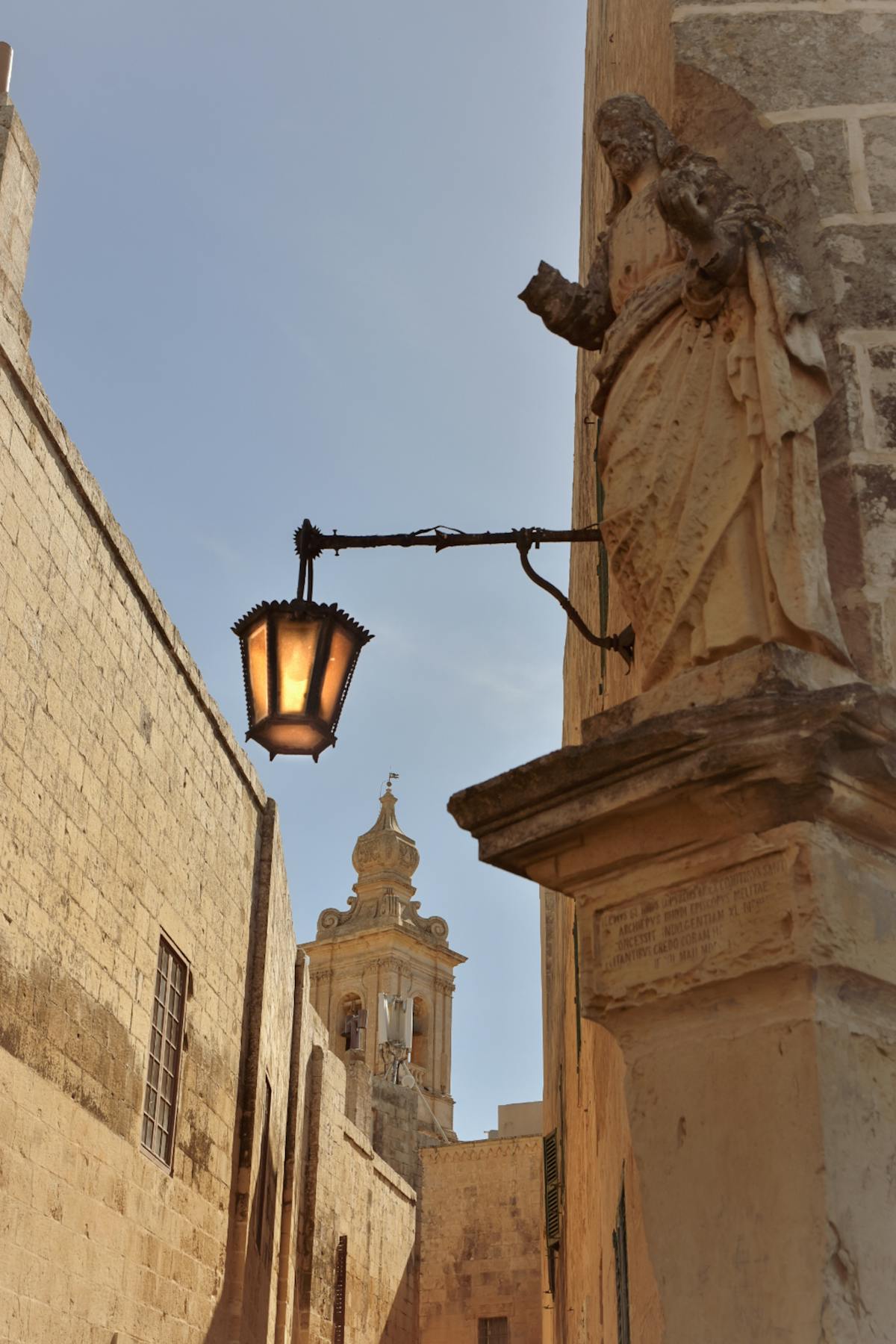
Nearly identical in price, duration, and rating to Tour #1, this is a solid alternative if the top tour is fully booked. It follows a similar route through Mdina’s streets and includes Rabat, with particular emphasis on the architectural details — expect to learn about Norman arches versus Baroque facades and how to read the building dates carved above doorways. The guide is part of a larger Valletta-based operation (the same company runs the top Valletta walking tour), so quality is consistent. Slightly fewer reviews than #1 simply because it launched later.
4. Vintage Bus Tour: Mdina & Blue Grotto (inc. food)
Price: $59 per person | Duration: ~5 hours | Rating: 4.8★ (169 reviews)
Something completely different: a half-day tour on a restored vintage Maltese bus (the old yellow-and-orange ones that used to be the public transport). You’ll visit Mdina, the Blue Grotto sea caves, and a couple of other stops, with local food included. It’s as much about the bus experience as the destinations — these vehicles are icons of 20th-century Malta and riding one along the coast is genuinely fun. The 4.8 rating is strong, and the food inclusion makes the $59 price feel fair. Not ideal if you want an in-depth Mdina experience, but perfect if you want a memorable day out that’s a bit different from the standard coach tour.
When to Visit Mdina
Best time of day: Early morning or late afternoon. Mdina sits on a hilltop with very little shade, so midday in summer is punishing. The real magic happens around 5–6pm when the day-trippers have left, the stone glows golden in the low sun, and you can hear your own footsteps echoing off the walls. If you take a morning guided tour, consider coming back for sunset on your own.
Best months: March to June and September to November. July and August are scorching (40°C is not unusual on the exposed hilltop). Winter is surprisingly pleasant — fewer crowds and the light is beautiful for photography.
Game of Thrones fans: Mdina doubled as the gates of King’s Landing in Season 1. The main gate and several streets are recognisable. Your guide will almost certainly point out the filming locations, but it helps to have watched the first few episodes beforehand.
What You’ll See in Mdina
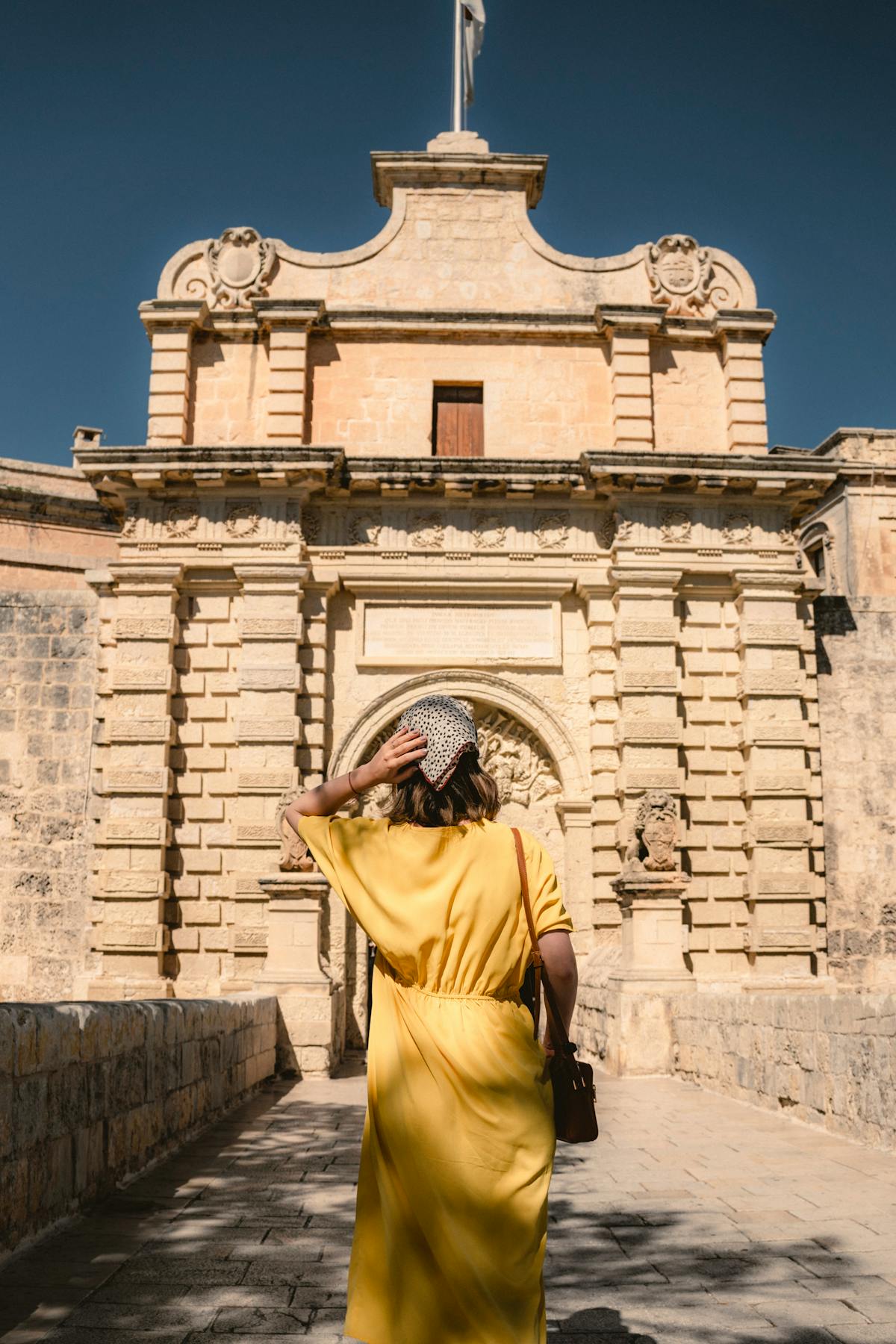
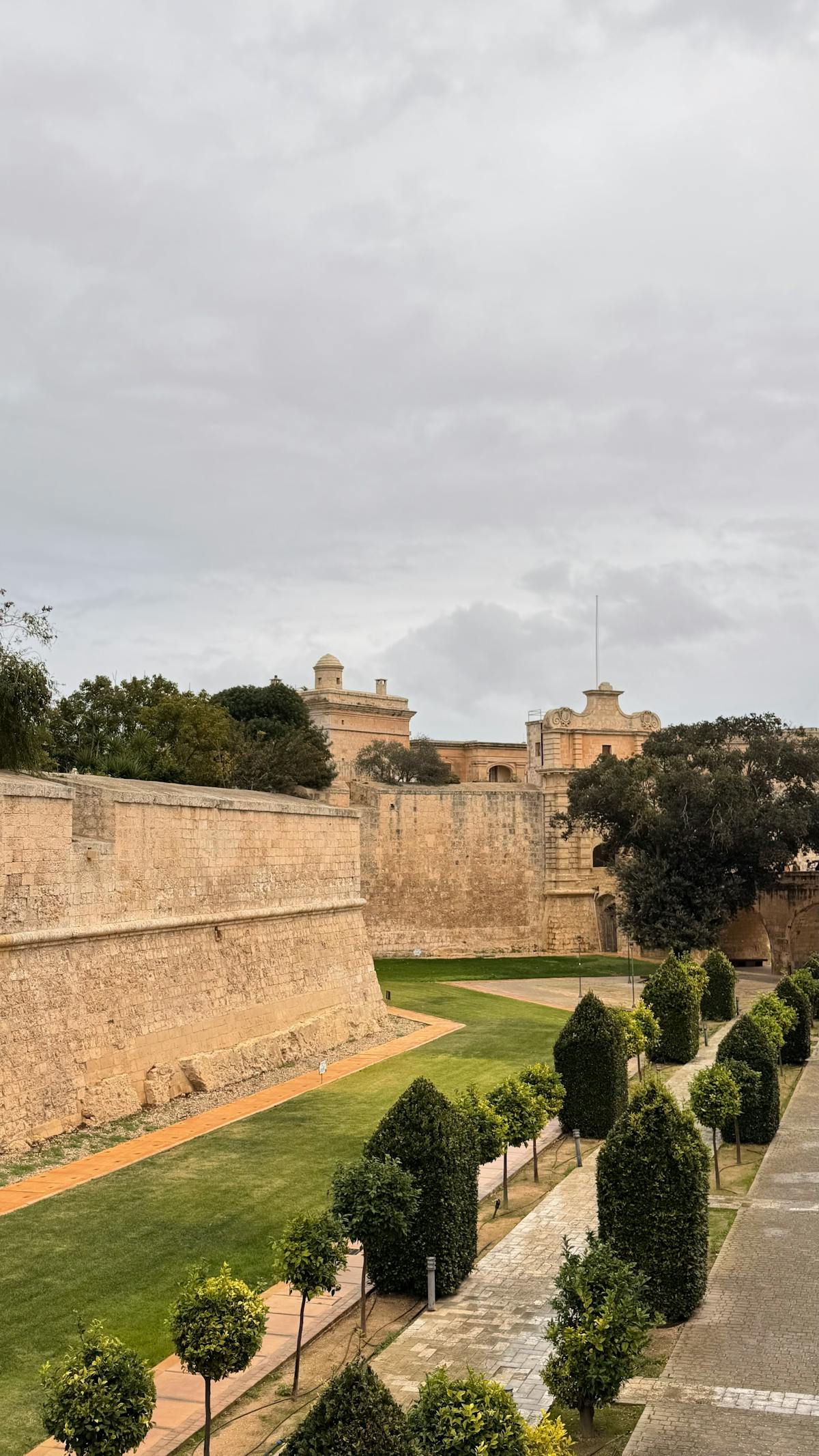
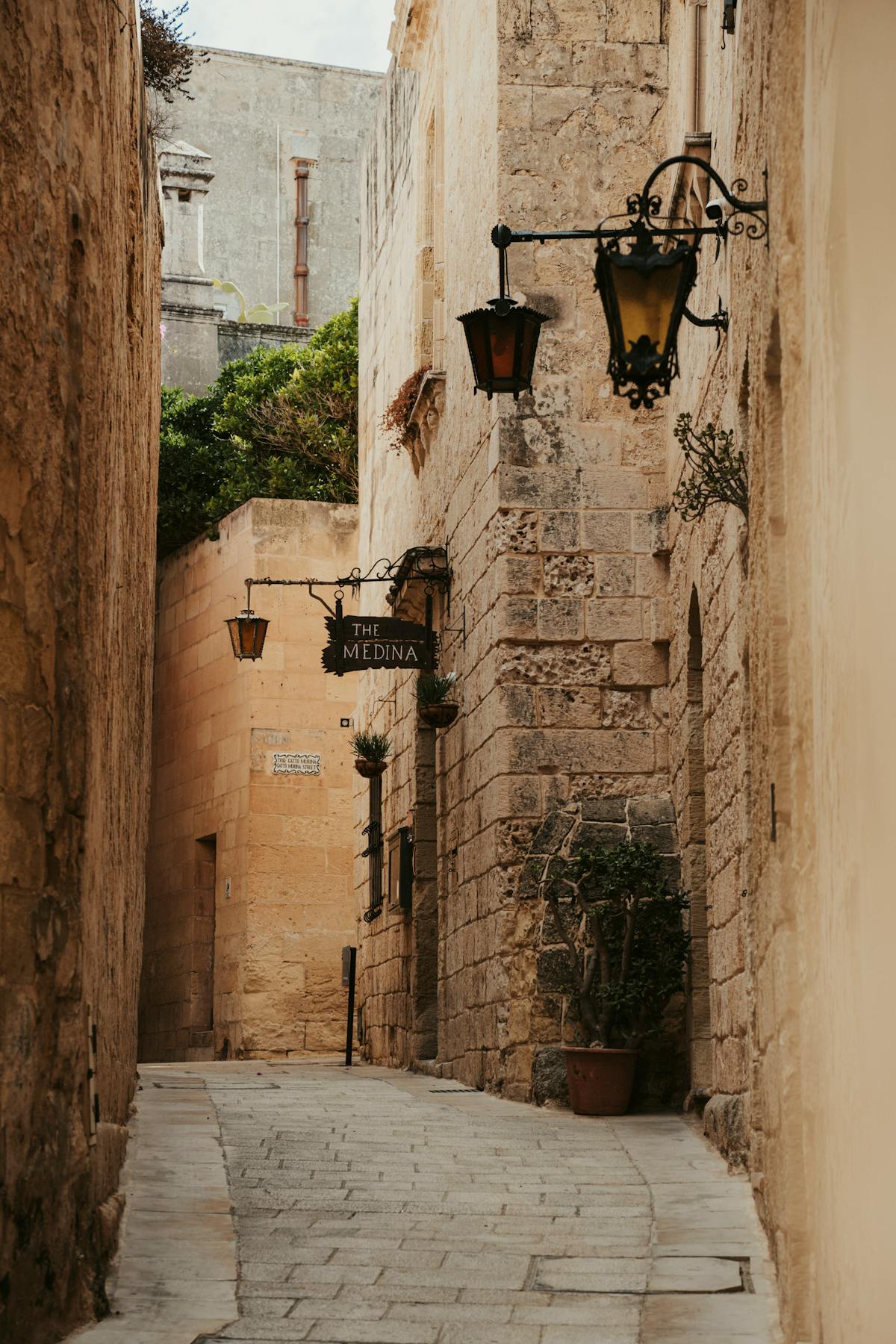
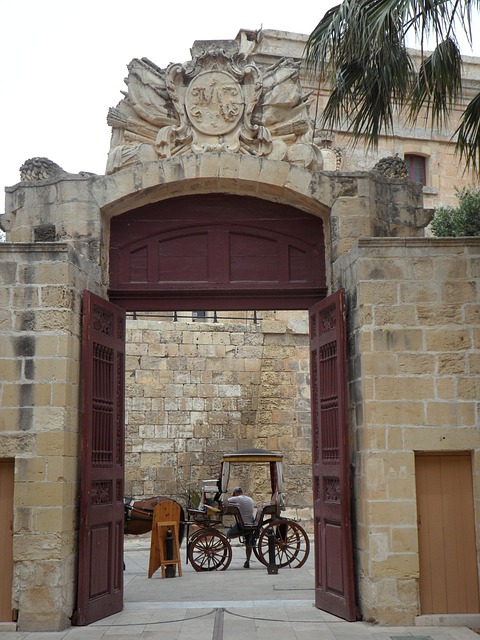
Mdina Gate — The dramatic main entrance, built in 1724 in full Baroque style. Every tour starts here and the guides usually open with the city’s backstory — how the Arabs built the first walls, how the Normans expanded them, and how the Knights eventually moved the capital elsewhere.
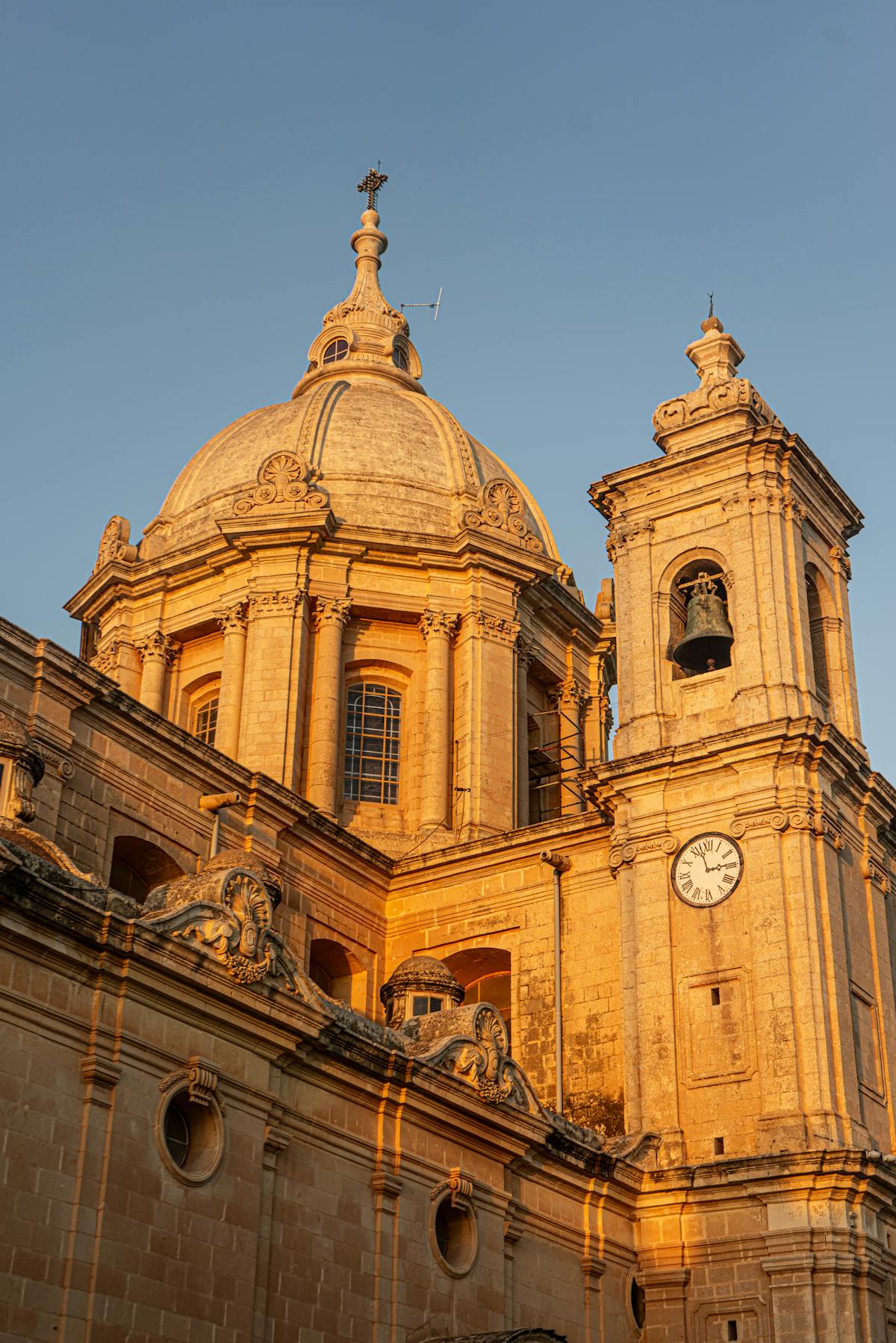
St. Paul’s Cathedral — Built on the site where the Apostle Paul supposedly met the Roman governor of Malta after being shipwrecked in 60 AD. The current building is 17th century with a stunning painted ceiling and a small museum containing Dürer woodcuts and medieval silver.
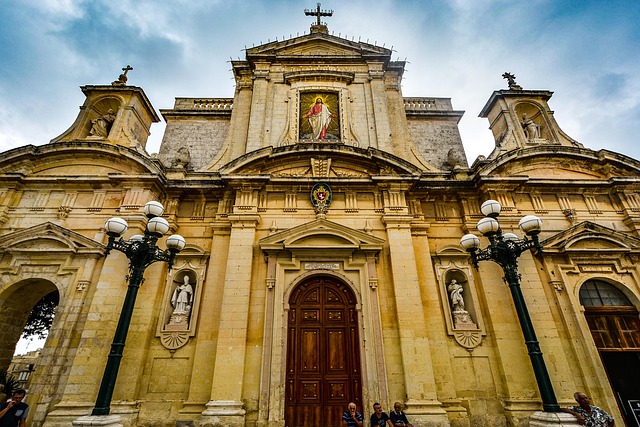
Palazzo Falson — A medieval noble house turned museum, filled with art, weapons, and furniture spanning 800 years. It’s the second-oldest surviving building in Malta and one of the few you can actually go inside.
Bastion Square — The viewpoint at the edge of the walls with panoramic views across the island. On a clear day you can see Valletta, the harbour, and across to Gozo. Best at sunset.
Rabat — Just outside the walls, this town is home to St. Paul’s Catacombs (underground burial chambers dating to the 3rd century) and some excellent local bakeries. Most visitors walk right past it; don’t.
Tips for Visiting Mdina
Getting there: Bus 51 or 52 from Valletta takes about 30 minutes. Alternatively, the guided tours include pick-up from most hotels. If you’re driving, there’s a car park just outside the gate — you can’t drive inside.
Combine with Rabat. Most people walk through Mdina’s gate, do a loop, and leave. The town of Rabat right next door has the catacombs, some of Malta’s best pastizzi, and a completely different vibe — more working-class and real. Budget an extra hour.
Bring a jacket in winter. Mdina is exposed on its hilltop and catches the wind. Even on a mild day, the narrow alleys can funnel a surprisingly cold breeze.
The horse carriages are optional. You’ll see karozzini (horse-drawn carriages) waiting at the gate. They’re atmospheric but pricey (around €30 for 30 minutes) and cover the same ground you’d walk in 20 minutes. Fine for a novelty ride; not necessary.
Don’t skip the cathedral museum. Entry is about €5 and it’s almost always empty. The collection is small but includes some genuinely important pieces — Albrecht Dürer woodcuts and medieval silverwork that would draw crowds in a bigger city.
More Malta Guides
Mdina pairs naturally with a day in Valletta — after the medieval silence of the old capital, the Valletta walking tours show you what happened after the Knights moved shop, with Baroque architecture and a completely different energy. If you’d rather eat your way through the new capital, the Valletta food tours are the best way to discover pastizzi bakeries, local seafood, and Maltese wine without having to do any research. For something totally different, swap the limestone for turquoise water and book a Blue Lagoon boat trip — after all that history, floating in the clearest water in the Mediterranean feels well-earned. And if Mdina’s hilltop perch made you curious about Malta’s even older history, the Gozo day trip includes the Ġgantija temples, which predate the Egyptian pyramids by a full millennium.